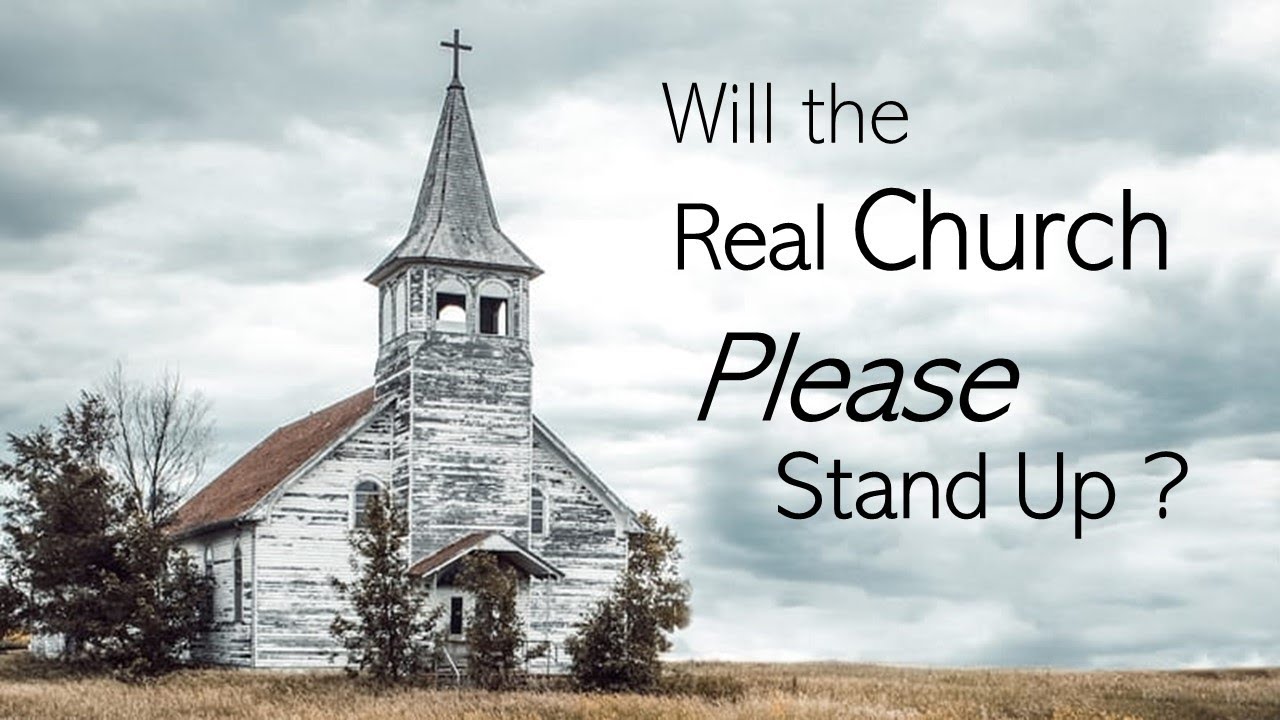
The landscape of the American Church has become a topic of significant discussion and debate in recent years. With the rise of mega churches, some may argue that the church is thriving and expanding.
However, a closer examination reveals a more complex reality. While it is true that mega churches attract substantial attendance and resources, this growth often comes at the expense of smaller congregations, which struggle to maintain their presence in a world dominated by aggressive marketing and cookie-cutter models of worship.
The question remains: has the American Church experienced genuine growth, or has it merely become stagnant in its methods and outcomes? The emergence of mega churches has undeniably transformed the religious landscape, with many individuals pointing to their expansive outreach and community engagement as evidence of success.
Yet, this perspective often overlooks the underlying issues associated with such growth. As these large congregations flourish, smaller churches find themselves unable to compete, leading to a decline in diversity within the Church.
The homogenization of worship experiences can erode the unique expressions of faith that smaller congregations offer, creating an environment where spiritual depth is sacrificed for numbers. Moreover, while mega churches may present the illusion of growth, the reality is that their attendance can be highly transient.
Many individuals who flock to these large gatherings may be seeking a temporary fix for their spiritual hunger, often referred to as “wandering sheep.” This phenomenon raises significant concerns about the authenticity of the engagement being offered.
Are mega churches genuinely reproducing the Kingdom of God, or are they merely providing a polished entertainment experience that lacks the transformative power of true discipleship? Interestingly, a pattern emerges when examining cities with a high concentration of mega churches and franchise churches.
These urban areas also often experience rising addiction, homelessness, and crime rates. This correlation challenges the narrative that the mere presence of large congregations equates to spiritual and social health.
It prompts one to consider the impact of church models on the communities they inhabit. In contrast, smaller, more authentic ecclesia—congregations grounded in genuine relationships and spiritual accountability—tend to foster a positive influence in their neighborhoods.
Where these ecclesia are active, there is often a noticeable decrease in the social ills that plague areas dominated by mega churches. One of the reasons behind the effectiveness of these ecclesia lies in their approach to spiritual warfare and their understanding of their inherited identity in Christ.
These communities empower their members to recognize their roles as the Father’s righteous ones on Earth, equipping them to engage in meaningful acts of service and outreach. This revelation sparks a movement of “Remnant Warriors”—individuals who take their rightful positions within the Father’s house and actively seek to fulfill His will, much like Christ did.
Their efforts produce lasting change that transcends the superficial growth metrics often celebrated by mega churches. In conclusion, while the rise of mega churches in America may outwardly suggest that the Church is thriving, a deeper look reveals a landscape marked by stagnation and spiritual superficiality.
The authentic growth of the Church is not measured solely by attendance numbers or marketing prowess but by the transformative impact it has on individuals and communities. As we navigate this complex reality, it is essential to prioritize spiritual depth, genuine relationships, and a commitment to the mission of the Kingdom over mere numerical success. In doing so, the American Church can aspire to a growth that is rooted in authenticity and reflective of the true body of Christ.
In their quest to become culturally relevant, they have in reality allowed the enemy to make major advances within the culture, claiming spheres of influence that the Church once possessed. And because of the enemy has allowed the advance of alternatives to Church explode throughout society, cause deep divisions across the board from Education to government, even to where a once truth seeking media has now come under the rule of the kingdom of darkness evolving into a lie spewing subculture.
In conclusion, while the rise of mega-churches may suggest numerical growth, a closer examination reveals an underlying stagnation in authentic spiritual engagement and community impact. The juxtaposition of these large congregations with smaller Ecclesia communities highlights the need for a reevaluation of what it means to be the Church in America today.
By embracing a model that prioritizes genuine relationships, spiritual warfare, and community transformation, the Church can move beyond mere attendance metrics and fulfill its divine mandate to be a beacon of hope and healing in a broken world. Ultimately, the health and vitality of the American Church will not be determined by the size of its buildings but by the depth of its commitment to living out the Gospel in every sphere of life.
~Dr. Russell Welch
Elder / Apostolic Teacher: Highway to Heaven Church and Founder and Shepherd of Remnant Warrior Ministries / Remnant Warrior School of Spiritual Warfare.
Check out Dr. Welch’s newest book, “Dare to Sin no More – Breaking Free from Sin’s Grasp“
 Radical Disciples - A Remnant Revolution