Archive for the ‘Uncategorized’ Category


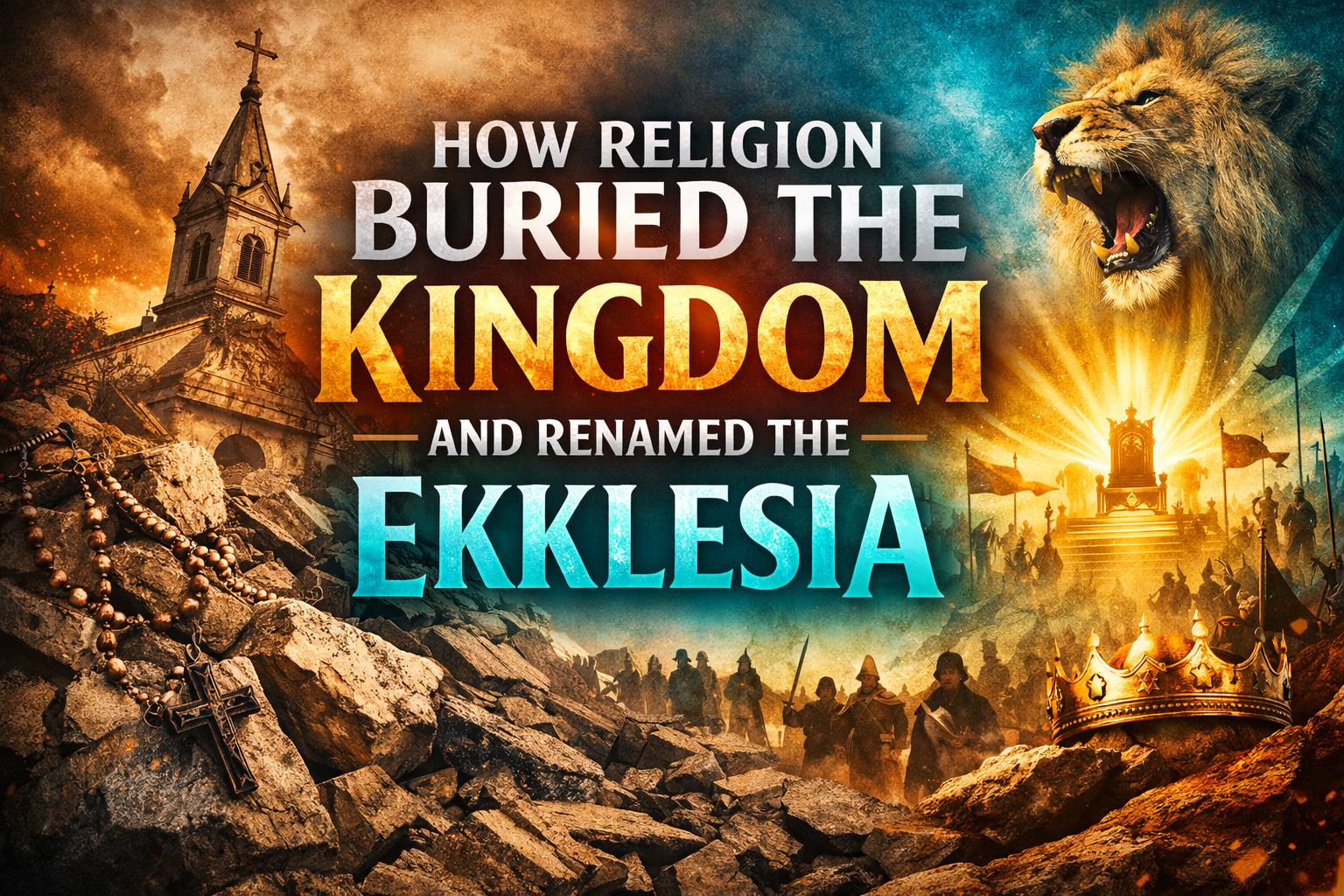
The Kingdom is roaring again. And no building can contain its sound.

The word ekklesia carries a meaning far deeper than what most modern believers imagine, because in the ancient world it described a governing assembly rather than a religious gathering. When Jesus used this word, He was intentionally drawing from the language of civic authority, not temple worship or ritual practice. His listeners would have immediately understood that He was speaking about a people called out to legislate, deliberate, and represent the will of a king. This means the identity of His followers was rooted in Kingdom function, not institutional membership or weekly attendance. The shift from ekklesia to “church” dramatically altered how generations interpreted their role in the world, creating a gap between what Jesus intended and what many believers experience today. Recovering this meaning is essential for restoring the authority Jesus entrusted to His people.

The English word “church” comes from a completely different linguistic stream, one tied to buildings, sacred spaces, and religious structures. This translation redirected the focus from a governing people to a physical location, which reshaped the imagination of the Christian world for centuries. Instead of seeing themselves as a Kingdom assembly with authority, many believers came to see themselves as attendees of a religious service or members of an organization. This shift weakened the sense of mission and responsibility Jesus intended for His followers, replacing Kingdom identity with institutional loyalty. It also contributed to a passive culture where the institution became central rather than the Kingdom itself. The result was a people who gathered faithfully but rarely governed spiritually.

When Jesus said, “I will build My ekklesia,” He was not describing a future network of buildings or denominations. He was announcing the formation of a ruling body that would operate under His authority to enforce the will of Heaven on the earth. This governing identity was meant to be active, engaged, and transformative in every sphere of society, not confined to religious spaces. The ekklesia was designed to carry the culture of the Kingdom into the world, influencing systems, structures, and environments with Heaven’s values. Understanding this restores the original power of Jesus’ words and reawakens the authority He entrusted to His followers. It calls the people of God back into their rightful place as Heaven’s representatives.

The Gospels reinforce this emphasis by highlighting the Kingdom far more than the concept of the church. Jesus spoke of the Kingdom over a hundred times, revealing it as the central theme of His message, His parables, and His mission. He described its nature, its power, its values, and its arrival in the midst of humanity, making it clear that the Kingdom was His primary focus. In contrast, He mentioned the ekklesia only twice, and both times in the context of authority, governance, and spiritual jurisdiction. This contrast shows that the Kingdom is the message, and the ekklesia is the instrument through which that message advances into the earth. The Kingdom is the foundation; the ekklesia is the expression.

When the word ekklesia was replaced with “church,” the mission of the people of God was unintentionally narrowed. Instead of functioning as ambassadors and representatives of a Kingdom, many believers were trained to become spectators in a religious system. This shift created a divide between sacred and secular, even though Jesus never taught such a separation or encouraged His followers to retreat from society. The ekklesia was meant to operate in the world, influencing culture, justice, economics, and community life with the authority of Heaven. The translation change contributed to a mindset that confined spiritual life to a building rather than a lifestyle of Kingdom engagement. This misunderstanding weakened the impact of the Gospel for generations.

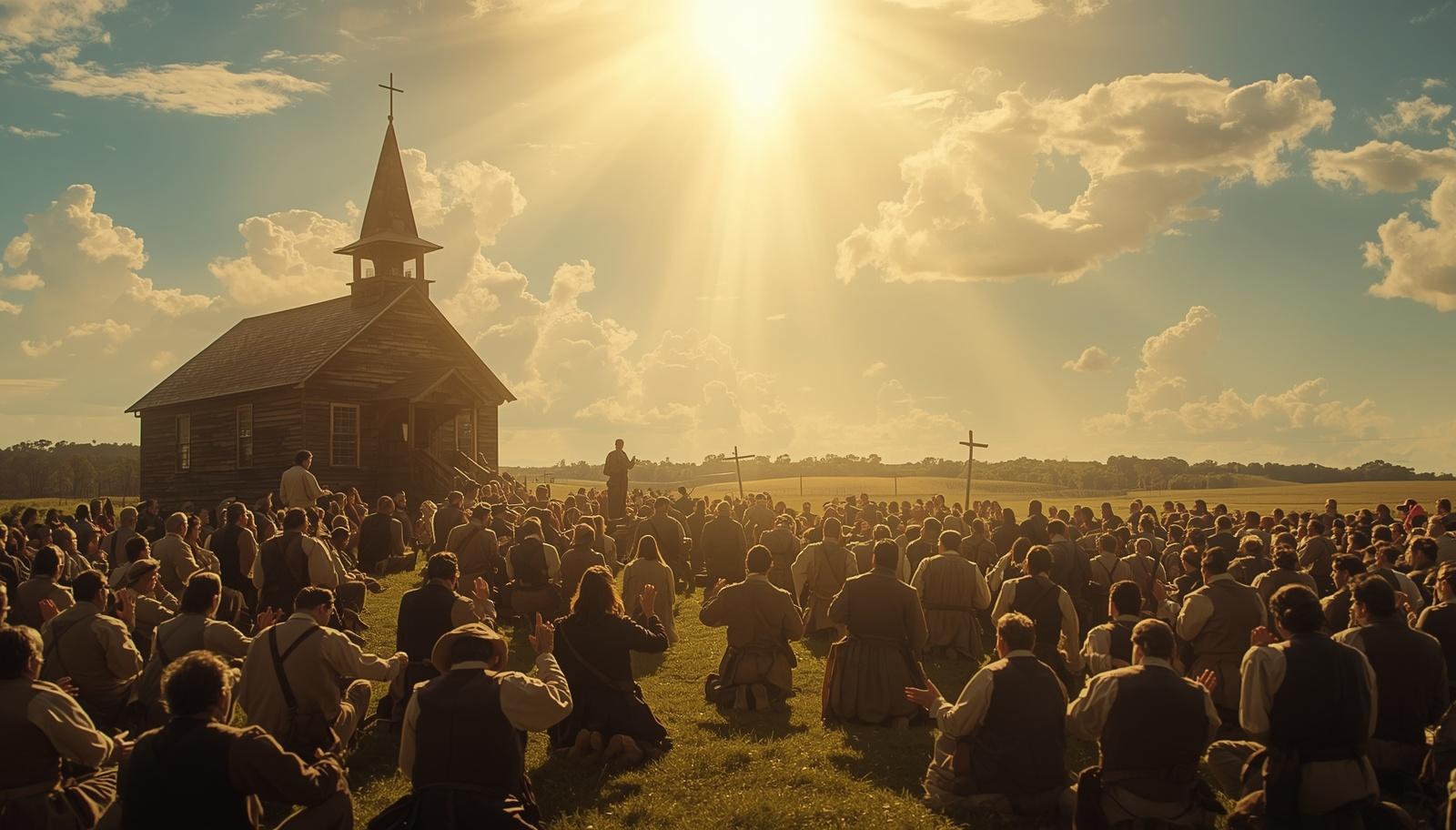
The early believers understood themselves as a Kingdom assembly empowered to carry out the will of their King. They gathered to strengthen one another, but they scattered to govern, influence, and transform their environments with the authority Jesus gave them. Their identity was rooted in authority, not attendance, and they saw themselves as participants in a divine mission rather than consumers of spiritual content. This understanding fueled the explosive growth and impact of the early movement, which spread rapidly despite persecution and opposition. Their power came from alignment with the Kingdom, not from institutional structures. They lived as citizens of Heaven, not members of an organization.

Recovering the meaning of ekklesia is essential for the Remnant rising in this generation. It restores the sense of divine assignment that Jesus intended for His followers and reawakens the authority that has been dormant in many believers. It calls disciples out of passive religion and into active Kingdom engagement, where their presence carries weight and influence. It awakens the understanding that every believer carries governmental authority in the spiritual realm and is called to enforce Heaven’s agenda. This revelation shifts the church from maintenance mode to mission mode and prepares the Remnant for effective Kingdom advancement. It is a call to rise, govern, and occupy.

The Remnant is rediscovering that the ekklesia is not a place you go but a people you become. It is not defined by architecture but by authority, and it is not measured by attendance but by influence. It is not centered on programs but on purpose, and it is not limited to Sunday gatherings but expressed in daily Kingdom living. This restoration is bringing clarity to the identity and assignment of God’s people in a time of global shaking and transition. As this understanding spreads, the Remnant is stepping into its rightful place with boldness and clarity. They are reclaiming what religion buried and what the Spirit is now resurrecting.

Understanding the difference between ekklesia and church helps believers reclaim their original mandate. It breaks the limitations imposed by centuries of institutional thinking and restores the boldness of Kingdom identity that Jesus intended. It empowers disciples to step into their roles as ambassadors, legislators, and representatives of Heaven, carrying divine authority into every sphere of influence. It also aligns the modern movement with the message Jesus actually preached, which was the Gospel of the Kingdom. This alignment is essential for advancing the purposes of God with power, accuracy, and spiritual authority. It is the restoration of the original blueprint.

As this revelation spreads, the people of God are awakening to their true calling and stepping into a higher dimension of purpose. They are recognizing that Jesus never intended a passive religious system but a powerful governing assembly that would represent Heaven on earth. They are stepping into their authority with renewed confidence and clarity, understanding that they are part of a divine strategy. They are embracing the Kingdom as their message and the ekklesia as their identity, which brings strength and unity to their mission. This restoration is preparing the Remnant to advance the purposes of God with precision, courage, and unstoppable momentum. The days of passive Christianity are ending.

As this restoration continues, the Holy Spirit is unveiling a Remnant that has been hidden in plain sight, concealed from the eyes of the religious spirit that has long sought to domesticate the people of God. This Remnant has not been shaped by institutional expectations but by the refining fire of consecration, obedience, and secret history with God. They carry a watchman anointing that discerns the times, exposes deception, and guards the gates of the Kingdom with clarity and courage. Their ears are tuned to the voice of the Spirit, not the noise of religious tradition, and they move with a precision that comes only from intimacy with the King. As the Gospel of the Kingdom is being revived in this hour, these hidden ones are emerging with authority to confront the systems that diluted the meaning of ekklesia and reduced it to something Jesus never intended. They rise not by permission of man but by commissioning of Heaven.

The Spirit of God is now dismantling layer after layer of the religious interpretations that buried the original power of the ekklesia. What once seemed immovable is being toppled, not by human strategy but by the breath of the Lord awakening His people to their true identity. The Remnant is rising with boldness, carrying a revelation that cannot be contained within old wineskins or institutional frameworks. They are stepping into their assignment as watchmen, reformers, and Kingdom ambassadors who will not bow to the traditions of men. This is the hour when the true ekklesia stands up, shakes off the dust of religion, and walks in the authority Jesus declared from the beginning — a governing people advancing the Gospel of the Kingdom with fire, clarity, and unstoppable momentum. The river is rising, and nothing built on the sand of religion will withstand its flow.

Stay tuned, the journey continues…..

— Dr. Russell Welch

Dr. Russell Welch is a published author, prophetic teacher, apostolic builder, author, and founder of faith-driven publishing and media initiatives. He is known for crafting bold, Kingdom-centered messages that call the Ecclesia into maturity, doctrinal clarity, and governmental authority. With a passion for equipping the Remnant and honoring generational legacy, Dr. Welch writes and teaches at the intersection of Scripture, history, and spiritual governance, challenging believers to live as sons and daughters who legislate Heaven on earth through truth, holiness, and unwavering fidelity to Christ.

Be sure to check out his book: The Consecrated Firebrand: A Warrior’s Guide to Holy Living, available exclusively on Amazon … here

Amazon Author Page

How spiritual decline, powerful preaching, and deep conviction prepared the ground for one of the greatest revivals in American history

Long before America became a republic, the colonies were already experiencing the kind of spiritual shaking that only Heaven can produce. In the early eighteenth century, much of colonial religious life had grown formal, predictable, and spiritually cold. Church attendance may have remained outwardly respectable in many places, but inward fire was often fading. Into that environment, God began to breathe again. What history now calls the First Great Awakening unfolded primarily in the 1730s and 1740s across the American colonies, and it became one of the earliest and most significant revival movements in American history.

A Climate of Spiritual Formality and Moral Drift

The First Great Awakening did not erupt because the colonies were spiritually healthy. It came because many communities had settled into religious routine without the power of living faith. Historians commonly describe the period as one marked by concerns over declining piety, increasing worldliness, and a religion that for many had become more formal than transformational. The outward structures of church life remained, but deep conviction, heartfelt repentance, and spiritual vitality were often lacking. That pattern should sound familiar to any generation that knows how easily religious form can remain while spiritual fire fades.

This is one of the enduring lessons of revival history: God often moves most powerfully where complacency has settled in. When truth becomes familiar but no longer burns, when worship becomes routine but no longer trembles with awe, and when people know religious language without living under the weight of divine reality, the stage is often being set for awakening. The colonies did not simply need better organization or more polished sermons. They needed visitation. They needed the Spirit of God to arrest hearts, confront sin, and awaken spiritual hunger once again.

Jonathan Edwards and the Awakening of Deep Conviction

One of the earliest and most influential figures in this awakening was Jonathan Edwards, the pastor-theologian from Northampton, Massachusetts. Edwards witnessed seasons of unusual spiritual response in his congregation and became one of the clearest interpreters of what was taking place. He emphasized the necessity of genuine conversion, the reality of sin, the beauty of Christ, and the transforming work of God in the soul. His preaching and writing helped frame revival not as emotional excitement for its own sake, but as a profound work of grace that brought people into deep conviction and living faith.

Edwards understood something the modern Church must recover: revival is not measured first by crowds, noise, or outward movement, but by whether hearts are truly being brought under the weight of God’s presence. Conviction is not the enemy of awakening. It is often one of its first signs. When Holy Spirit begins to move, He does not flatter the flesh. He confronts it. He brings men and women face to face with eternity, with their need for mercy, and with the majesty of Christ. That is what began happening in the colonies as revival fires spread.

George Whitefield and the Voice That Stirred the Colonies

If Edwards helped interpret the awakening, George Whitefield helped ignite it across the land. Whitefield, the powerful itinerant preacher from England, traveled widely through the American colonies in the late 1730s and 1740s, preaching to enormous crowds in cities, towns, and open fields. His preaching drew thousands, crossing colonial boundaries and stirring widespread response. Historians often point to Whitefield’s tours as a major catalyst in spreading revival consciousness throughout the colonies.

Whitefield’s ministry carried urgency, directness, and deep appeal to the new birth. He was not content to leave people resting in religious identity while lacking spiritual life. He pressed the necessity of regeneration, calling hearers to real conversion and living faith in Christ. Under such preaching, many were deeply moved, and communities across the colonies began experiencing unusual spiritual concern. The awakening spread not merely because Whitefield was gifted, but because Heaven had set its breath upon the land.

The Marks of the First Great Awakening

The First Great Awakening was not without controversy, but its central marks were unmistakable. There was renewed emphasis on the new birth, intensified preaching on sin and salvation, deep emotional and spiritual response among hearers, and a growing sense that religion must be heartfelt and personal rather than merely inherited or formal. It also helped break down some old denominational and regional barriers, creating a wider sense of shared spiritual experience across the colonies.

That is one of the striking things about real awakening: it reminds people that God is not confined to routine, tradition, or the comfortable structures men build around Him. When Holy Spirit begins to move, He disturbs the settled places. He awakens hunger where there was apathy. He brings tears where there had been indifference. He creates spiritual urgency where there had been delay. Revival reintroduces a people to the living reality of God.

Why the First Great Awakening Still Matters

The First Great Awakening matters because it established a pattern that would echo through American history. It showed that spiritual decline does not have to have the final word. It proved that when a people become cold, compromised, or complacent, God is still able to breathe upon dry ground and bring life where form alone had remained. It demonstrated that powerful preaching, deep conviction, repentance, and hunger for God can alter the course of communities and even shape the spiritual culture of a nation.

It also reminds us that revival is not born in comfort. It is born where the people of God become dissatisfied with dead form and begin to cry out for living fire. The same God who visited the colonies in the eighteenth century has not changed. The same Holy Spirit who confronted cold religion, awakened hearts, and brought men and women under the weight of eternity is still able to do so again. History is not merely something to admire. It is something to learn from. The fires of past awakening should not become museum pieces. They should become reminders that God still moves in desperate times through yielded people.

A Word for the Remnant Today

The lesson for the Remnant Ecclesia is clear. If the First Great Awakening teaches us anything, it is that spiritual decline is not the end of the story when God’s people begin to hunger again. The answer to cold religion is not better branding. It is burning altars. The answer to moral drift is not more polished performance. It is true repentance and renewed visitation. The answer to a sleeping church is not activity without presence, but the restoring breath of Holy Spirit moving again upon hearts, homes, and congregations.

So let this history do more than inform us. Let it search us. Let it ask whether we, too, have become too familiar with religious form while lacking spiritual fire. Let it awaken in us a fresh cry for real conversion, deep repentance, and holy visitation. The God who shook the colonies is still able to shake the land again.

Stay Tuned: Revival on the Frontier

In the next article, we will move forward into The Second Great Awakening: Revival Fires Across a Young Nation, where we will see how Holy Spirit moved again through camp meetings, frontier preaching, and widespread spiritual awakening in a growing America. If the First Great Awakening shook the colonies, the Second Great Awakening helped set the young nation ablaze. Stay tuned.

Stay tuned……

— Dr. Russell Welch

Dr. Russell Welch is a published author, prophetic teacher, apostolic builder, author, and founder of faith-driven publishing and media initiatives. He is known for crafting bold, Kingdom-centered messages that call the Ecclesia into maturity, doctrinal clarity, and governmental authority. With a passion for equipping the Remnant and honoring generational legacy, Dr. Welch writes and teaches at the intersection of Scripture, history, and spiritual governance, challenging believers to live as sons and daughters who legislate Heaven on earth through truth, holiness, and unwavering fidelity to Christ.

Be sure to check out his book: The Consecrated Firebrand: A Warrior’s Guide to Holy Living, available exclusively on Amazon … here

Amazon Author Page

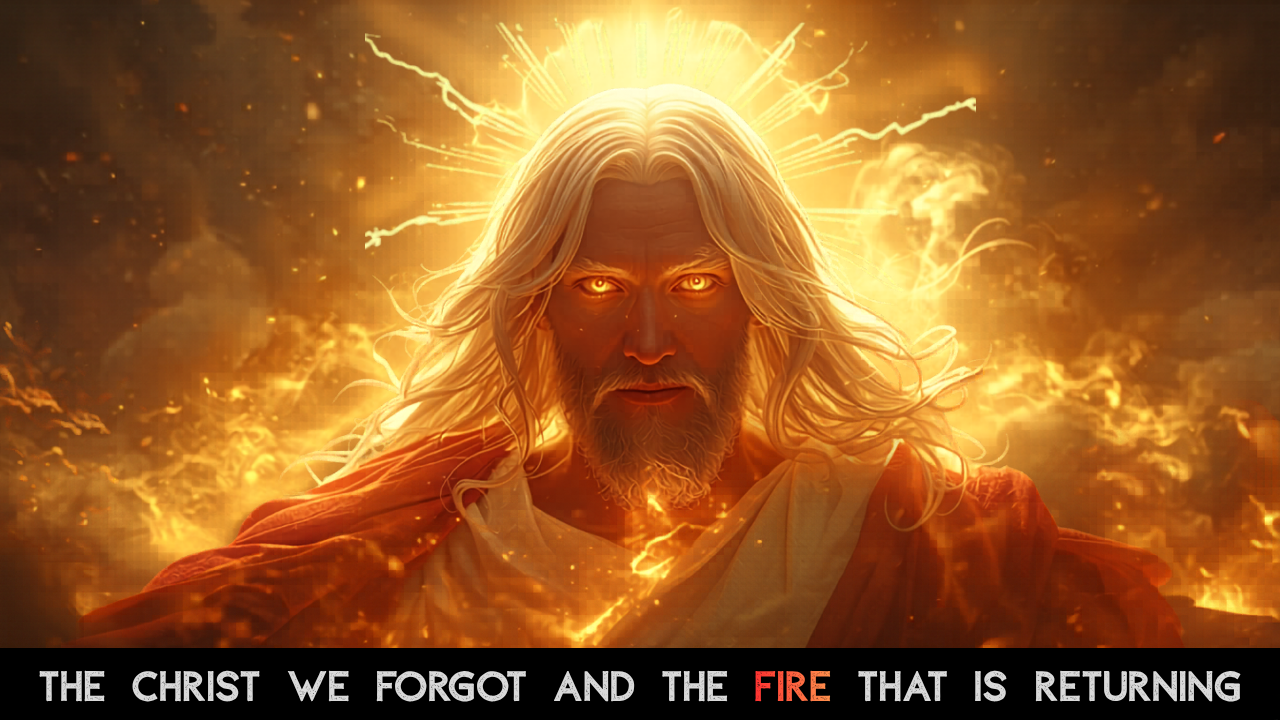
The Christ many forgot is not weak, passive, or shaped by culture—He is the risen Lord of glory, clothed in fire, crowned in authority, and returning to awaken a Remnant who will walk in truth, power, and holy boldness.

Recently, I have been studying the life of Elijah, and one truth continues to rise to the surface—his life, in many ways, foreshadows the coming of Christ. Elijah was not shaped by the approval of men, but by obedience to the voice of the Father, standing firm even when misunderstood, rejected, or opposed. His life confronts our modern preferences, because he walked in a raw, unfiltered authority that refused to bow to culture. In the same way, Christ did not come to fit into human expectations, but to fulfill the will of the Father in power and truth. Yet much of what is presented today as Jesus bears little resemblance to the One revealed in Scripture. There is a growing need to rediscover the true nature of Christ as He is, not as He has been reimagined.

In much of the modern Church, there exists a softened and diluted image of Jesus that aligns more with cultural comfort than biblical revelation. Many have embraced a version of Christ that is passive, non-confrontational, and agreeable to every perspective. But this is not the Christ who overturned tables, rebuked hypocrisy, and spoke with divine authority. Nor is it the Christ revealed in glory after the resurrection. The Church must come to terms with the reality that Jesus is both the Lamb and the Lion, both compassionate and consuming. When we reduce Him to one dimension, we distort the fullness of His nature. And when the image of Christ is distorted, the identity and authority of His people are diminished.

If Elijah were to walk into many churches today, he would likely not be welcomed, because he does not conform to the mold that Western Christianity has created. He was not polished, predictable, or controlled by institutional expectations. He carried fire, confrontation, and uncompromising obedience. In the same way, the true expression of Christ often disrupts systems that prioritize comfort over transformation. Many leaders today measure effectiveness by acceptance rather than obedience, but Elijah’s life exposes that standard as false. The Kingdom has never advanced through conformity, but through consecration. And those who carry the spirit of Elijah will always challenge the status quo.

There is a caution that must be sounded in this hour, because the image of Christ embraced by many is not the resurrected Christ revealed in Scripture. When John the Apostle encountered Jesus on the island of Patmos, it was not a gentle, cultural image that he saw. It was the glorified Christ, whose eyes were like flames of fire and whose voice carried the sound of many waters, as written in Book of Revelation 1:12–16. This was the Lord of glory, the One who holds authority over every realm, visible and invisible. This revelation did not comfort John—it overwhelmed him. It brought him to a place of awe, reverence, and surrender. This is the Christ the early Church knew, feared, and followed.

History reveals that over time, this image of Christ was gradually softened and reshaped, particularly following the Council of Laodicea, where certain expressions of truth were diminished or removed from teaching. While this may surprise some, it aligns with the warning given to the Church in Book of Revelation 3:14–21, where the Spirit confronts lukewarmness and calls for repentance. The Church was never meant to operate in a diluted state, but in the fullness of truth and fire. Yet today, many systems continue to uphold a version of faith that resists the refining presence of God. This has created environments where control replaces freedom, and structure suppresses the movement of the Spirit. And in the midst of it, the enemy finds room to operate.

What we are witnessing in many places is a form of leadership that competes for recognition rather than contends for truth. There is a striving among voices, each seeking validation, while the deeper work of the Spirit is often neglected. It resembles a performance rather than a surrender, and it produces exhaustion rather than transformation. Meanwhile, the adversary continues to exploit religious systems that lack true authority. When the Church operates without the fire of God, it becomes vulnerable to deception and stagnation. But the answer is not to abandon the Church—it is to return to the authentic Christ and the power of His Spirit.

Yet there is good news for those who have felt the stirring within—the Remnant is rising. God is not finished, and He is not limited by the structures of men. There is a fresh movement of the Spirit being released upon those who are willing to walk in obedience, regardless of cost. Just as Elijah carried the anointing of heaven, there are those now who will walk in a double portion, as Elisha did. This is not about platform or position, but about presence and power. The same authority that flows from the risen Christ is being entrusted to those who will carry His heart and His fire.

The Christ who is seated at the right hand of the Father is not distant—He is active, ruling over all spiritual realms with unmatched authority. The fire that John witnessed is still burning, and it is being released to purify, awaken, and restore. Every lie, every deception, and every chain that has held the Bride captive is being confronted by His truth. This is a season of unveiling, where false images are falling and the true Christ is being revealed again. It is not a time for passive belief, but for awakened identity. The Spirit is calling the Church out of limitation and into dominion.

We are entering a season that carries the weight of Jubilee—not as a concept, but as a reality. Prison doors are not just opening; they are being torn from their hinges. Sons and daughters of Yahweh are being set free from religious confinement and restored to their rightful place. This is a moment of divine reversal, where what has been bound is loosed, and what has been silenced begins to speak again. The fire of God is not coming to destroy His people, but to refine and empower them. Those who respond will walk in a level of freedom and authority that cannot be contained.

The call now is simple, but it is not easy—return to the true Christ. Not the version shaped by culture, but the One revealed in Scripture, full of glory, fire, and authority. Let His voice redefine your understanding, and let His presence reshape your life. The days of passive Christianity are coming to an end, and a remnant is being prepared to walk in truth and power. This is not a moment to observe—it is a moment to respond. The fire is here, and it is calling you deeper.

Stay tuned……

— Dr. Russell Welch

Dr. Russell Welch is a published author, prophetic teacher, apostolic builder, author, and founder of faith-driven publishing and media initiatives. He is known for crafting bold, Kingdom-centered messages that call the Ecclesia into maturity, doctrinal clarity, and governmental authority. With a passion for equipping the Remnant and honoring generational legacy, Dr. Welch writes and teaches at the intersection of Scripture, history, and spiritual governance, challenging believers to live as sons and daughters who legislate Heaven on earth through truth, holiness, and unwavering fidelity to Christ.

Be sure to check out his book: The Consecrated Firebrand: A Warrior’s Guide to Holy Living, available exclusively on Amazon … here

Amazon Author Page

Holy Spirit is Reclaiming the Church – With Fire”

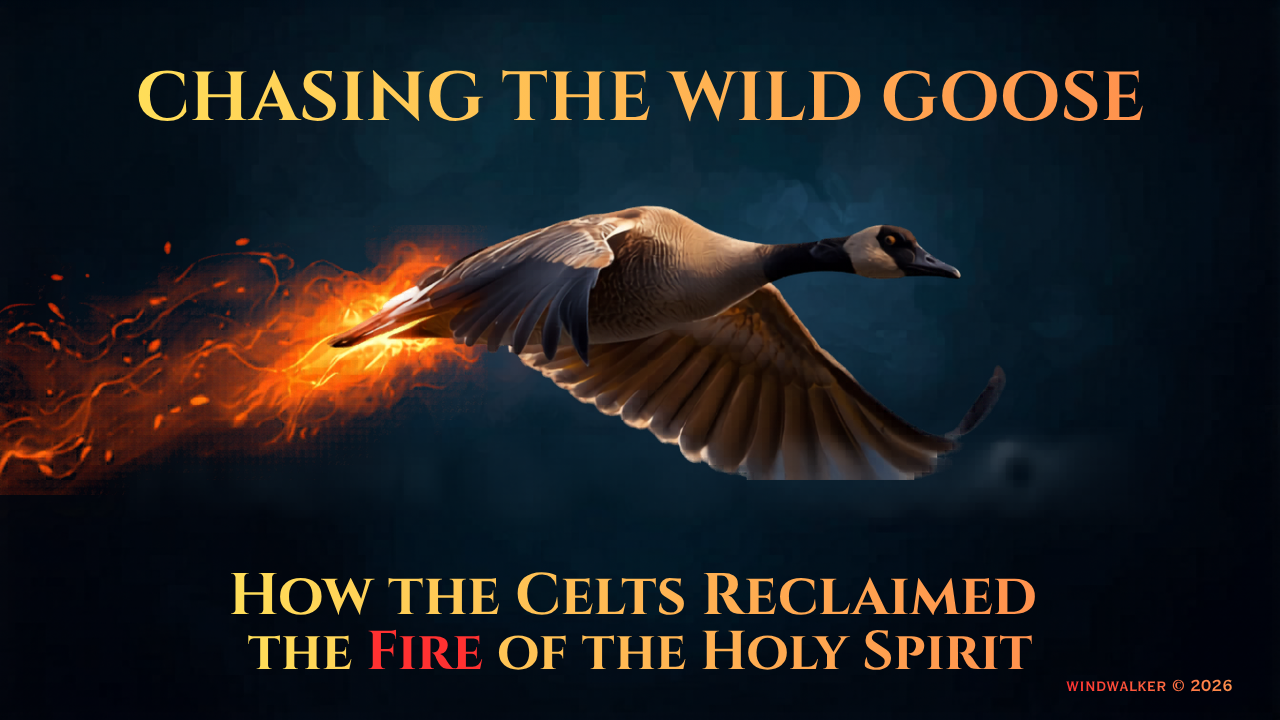
The early Celtic believers, especially in Ireland and later in Scotland, carried a revelation of the Holy Spirit that burned far beyond the boundaries of institutional religion. They refused to reduce Him to a doctrine, a ritual, or a polite dove perched quietly on the shoulder of the Church. To them, He was the Wild Goose—untamable, unpredictable, fiercely free, and impossible to domesticate. This imagery was not born from superstition but from deep encounters with the God who moves “wherever He wills,” just as Jesus told Nicodemus in John 3:8. The Celts understood that the Spirit of God is not confined to human order but breaks into human history with holy disruption.

These Celtic followers of Christ lived in a rugged land where the wind could shift without warning, and they saw in that wildness a picture of the Spirit’s leading. They believed that following God meant embracing risk, pilgrimage, and obedience without a map. Their missionaries would literally set sail in small coracles without oars, trusting the Spirit to carry them to the place of their assignment. This embodied the truth of Acts 1:8, where Jesus promised power to be His witnesses “to the ends of the earth,” even when those ends were unknown. Their faith was not built on comfort but on the conviction that the Spirit leads boldly, not safely.

The Wild Goose became a symbol of a faith that refused to be tamed by religious systems. A goose is loud, bold, and impossible to ignore—much like the Spirit who descended in Acts 2 with the sound “of a rushing mighty wind.” The Celts saw this as a divine affirmation that the Spirit does not come quietly into human structures but arrives with force, fire, and holy interruption. They believed that when the Spirit moves, He overturns the tables of tradition and awakens the slumbering hearts of God’s people. Their spirituality was marked by a fierce expectation that God would break in suddenly.

This stands in stark contrast to the later religious systems that sought to confine the Spirit to ceremony and liturgy. The Celts read the Scriptures and saw a God who led Abraham into the unknown, who called Moses through a burning bush, and who empowered David with supernatural courage. They saw a pattern of divine unpredictability that aligned perfectly with their Wild Goose imagery. They believed that the Spirit’s leading was not meant to be controlled but embraced with reverent fear and joyful surrender. Their writings reflect a deep awareness that God’s presence disrupts before it transforms.

The Celtic believers also understood that the Spirit’s fire was not optional but essential for victorious Christian living. They pointed to John the Baptist’s declaration in Matthew 3:11 that Jesus would baptize His people “with the Holy Spirit and with fire.” This fire was not symbolic but experiential, igniting courage, purity, and supernatural power in the hearts of believers. They believed that without this baptism of fire, the Church would drift into cold religion and powerless ritual. Their communities were marked by signs, wonders, and a deep sense of God’s nearness.

Historically, the Celtic Church operated outside the influence of Rome for centuries, which allowed them to cultivate a raw, Spirit‑led Christianity. Their monasteries were not centers of academic detachment but hubs of prayer, mission, and supernatural encounter. They trained believers to listen for the voice of the Spirit in the wind, the waves, and the quiet places of solitude. Their leaders, like St. Columba and St. Brigid, were known for prophetic insight, healing, and bold evangelism. They lived out the reality of Galatians 5:25—“If we live by the Spirit, let us also walk by the Spirit.”

This Wild Goose revelation also shaped their understanding of spiritual warfare. They believed the Spirit led them into dark places not to survive but to conquer. Their missionaries confronted pagan strongholds, demonic oppression, and cultural darkness with fearless authority. They saw the Spirit as the One who empowers believers to tear down strongholds, echoing Paul’s words in 2 Corinthians 10:4. Their victories were not won through strategy alone but through surrender to the unpredictable leading of the Spirit.

Today, this ancient Celtic revelation speaks prophetically to a modern Church that often prefers order over obedience and structure over surrender. The Wild Goose reminds us that the Holy Spirit is not a tame dove but the fierce, holy presence of God who leads us into the unknown with fire in His wings. He is calling this generation back to a faith that is alive, risky, Spirit‑driven, and uncontainable. He is awakening the Remnant to the baptism of fire that Jesus promised and the early Church experienced. And He is inviting us to follow Him—not with fear, but with the boldness of those who know the wind of Heaven is at their back.

— Dr. Russell Welch

Dr. Russell Welch is a published author, prophetic teacher, apostolic builder, author, and founder of faith-driven publishing and media initiatives. He is known for crafting bold, Kingdom-centered messages that call the Ecclesia into maturity, doctrinal clarity, and governmental authority. With a passion for equipping the Remnant and honoring generational legacy, Dr. Welch writes and teaches at the intersection of Scripture, history, and spiritual governance, challenging believers to live as sons and daughters who legislate Heaven on earth through truth, holiness, and unwavering fidelity to Christ.

Be sure to check out his book: The Consecrated Firebrand: A Warrior’s Guide to Holy Living, available exclusively on Amazon … here

Amazon Author Page

There are moments in our walk with God when obedience becomes the doorway to revelation. Leaving the celebrity church culture was one of those moments for me. I didn’t leave the Church — I left a system that had drifted far from the New Covenant blueprint Jesus established. And the moment I stepped out of that system, the Holy Spirit began unveiling deeper layers of the Kingdom that I had never been able to hear inside the noise, pressure, and performance of the American Church Model. It was as if Heaven had been waiting for me to step out so it could begin speaking again.

But the truth is, the seeds of this shift were planted long before I ever walked away from the system. There was a moment in 2016 when the Lord encountered me so radically that it altered the trajectory of my life. That encounter didn’t just touch me — it dismantled me. It drove me to the altar for years, not moments. In that sacred place, the fire of God began burning through everything religion had ever planted in me — every false identity, every performance-driven mindset, every trace of man-made Christianity. I was stripped down to nothing but hunger.

And in that long season of surrender, the Holy Spirit rebuilt me from the inside out. He awakened in me a compassion that beats in rhythm with the heart of Jesus for the lost — but even deeper than that, He ignited an unquenchable longing for the Presence of the Father. Not ministry. Not platforms. Not applause. Presence. That encounter didn’t just change me — it re-created me into a man who refuses to live without the fire that fell on that altar.

Long before “Remnant” became a Christian buzzword, I was teaching it, living it, and calling people into it. I remember preaching about consecration, holiness, Kingdom identity, and spiritual alignment when most people didn’t even know what “the Remnant” meant outside of the Old Testament. This wasn’t a trend for me — it was a burden. A prophetic assignment. A fire the Holy Spirit placed in my spirit decades ago. So when I stepped away from the celebrity system, it wasn’t a shift in message; it was a shift in soil. The Remnant message didn’t change — the environment did.

For years, I watched sincere, hungry believers get battered and bruised by a system that elevated personalities over presence, platforms over people, and charisma over character. I saw hundreds of saints wounded by a model that entertained crowds but did not equip disciples. And after immersing myself in Scripture, studying the writings of the early Church Fathers, and sitting with seasoned generals who have walked faithfully with the Lord for more than fifty years, I realized the American Church Model had become something the apostles would not recognize. It had become a religious institution rather than a Kingdom movement.

Even while I was still inside that system, I was warning about what it would produce. I was teaching that a generation would rise who refused to bow to the spirit of the age. I was calling believers out of passive Christianity and into Kingdom assignment. I was speaking about the shaking that would expose ministries built on personality instead of presence. What many are just now discovering, the Holy Spirit had been speaking to me for years — and I carried that message even when it wasn’t welcomed or understood.

Jesus said, “I will build My Church, and the gates of hell shall not prevail against it” (Matthew 16:18). He never asked men to build what only He could build. But the modern system has tried to construct something in His name that He never authored.

It was only after I stepped away that the Holy Spirit began revealing the depth of the problem — and the beauty of the solution. In the quiet, away from the lights and the noise, He began showing me the ancient blueprint of the Ecclesia: a people formed around presence, holiness, honor, and Kingdom authority. He began showing me how the Remnant has always been called out of institutional structures and into gatherings where Jesus alone is the center. And He began stirring something in me I never expected — a mandate to write.

The writing didn’t come from ambition — it came from obedience. The deeper the revelation, the stronger the urgency to put it into words. And as I wrote, I realized these books were not simply teachings — they were reformation tools.

They are invitations for the Remnant to retreat from religious institutions and rediscover the safety, identity, and authority of true Ecclesia gatherings. They are Kingdom maps for sons and daughters who know they were born for more than Sunday morning productions and celebrity‑driven spirituality. They are blueprints for believers who have been wounded by the system but still long for the purity and power of the early Church.

The Ecclesia the Holy Spirit is raising today does not depend on buildings, stages, or production value. It can gather in a sanctuary, a living room, a coffee shop, or on a street corner. What matters is not the location — it is the alignment. When believers gather under the Lordship of Jesus, honor one another, and allow the Holy Spirit to train, equip, and send them, the Kingdom advances. This is where disciples are formed. This is where spiritual authority is restored. This is where the Remnant finds healing from the wounds inflicted by the institutional system.

And again — this is the very thing I was preaching before it became fashionable. I was calling for house gatherings, street‑level discipleship, and presence‑driven community long before the modern “micro‑church” trend. I was teaching about Kingdom advancement through small, consecrated communities before it became a strategy. The Holy Spirit had been preparing me for this moment long before the language caught up. What others now call “innovative,” Heaven had already been whispering for years.

The shaking has already begun. The celebrity houses — the ones built on branding rather than the Chief Cornerstone — are beginning to feel the tremors of Heaven’s correction. This shaking is not punishment; it is mercy. It is the tearing of the religious veil, just as the veil in the Temple was torn from top to bottom when Jesus breathed His last breath (Matthew 27:51). That tearing declared once and for all that access to God would never again be controlled by religious systems, but by Christ Himself — the Cornerstone of His Ecclesia.

This is why I left the celebrity church culture. This is why I walked away from the American Church Model. And this is why I am fully committed to writing, equipping, and building the Remnant Ecclesia.

Because I refuse to build on any foundation other than Christ Himself. Because I refuse to support a system that wounds the sheep while protecting the platform. Because I refuse to participate in a model that entertains the masses but ignores the mandate.

The Remnant is rising. The Ecclesia is reforming. And this is the movement I am giving my life to.

— Dr. Russell Welch

Dr. Russell Welch is a published author, prophetic teacher, apostolic builder, author, and founder of faith-driven publishing and media initiatives. He is known for crafting bold, Kingdom-centered messages that call the Ecclesia into maturity, doctrinal clarity, and governmental authority. With a passion for equipping the Remnant and honoring generational legacy, Dr. Welch writes and teaches at the intersection of Scripture, history, and spiritual governance, challenging believers to live as sons and daughters who legislate Heaven on earth through truth, holiness, and unwavering fidelity to Christ.

Be sure to check out his book: The Consecrated Firebrand: A Warrior’s Guide to Holy Living, available exclusively on Amazon … here

Amazon Author Page

A holy reformation is erupting in the earth, and it begins with the sons and daughters who refuse to bow to the idols of modern religion. The spirit of religion has long sought to suffocate the Church with lifeless rituals, hollow traditions, and counterfeit spirituality, but its grip is breaking under the weight of divine truth. It hurled its fiercest accusations at Jesus, yet “the Son of God appeared to destroy the works of the devil” (1 John 3:8), and destroy them He did. Leonard Ravenhill once said, “The early Church was married to persecution; today’s Church is married to prosperity,” and that contrast exposes the very battlefield of this hour. But the Remnant is rising with a resolve that cannot be bought, bribed, or broken.

This reformation is not a rebellion against the Church—it is a return to the Church Jesus birthed. It is a movement away from the polished performances of religious institutions and back to the raw power of the upper room. It is a turning from celebrity pulpits to the crucified Christ, from entertainment to encounter, from programs to Presence. Mario Murillo has warned, “The greatest threat to the Church is not the world—it is a lukewarm Church,” and the Remnant refuses to be lukewarm any longer. They are awakening to the truth that the Kingdom of God is not a show but a fire.

The spirit of religion has built altars to comfort, convenience, and compromise, but the Remnant is tearing them down. They see through the fog machines, the choreographed worship sets, and the motivational sermons that never confront sin or awaken destiny. They discern the difference between charisma and character, between gifting and anointing, between noise and authority. David Wilkerson once said, “A holy Church is a powerful Church,” and holiness is becoming the anthem of this rising generation. They are returning to the fear of the Lord, which is the beginning of wisdom and the foundation of true power.

This reformation is fueled by a hunger that cannot be satisfied by religious substitutes. The Remnant longs for the Word of God, not as a script to recite but as a sword to wield. They crave the fire of the Holy Spirit, not the flicker of stage lights. They desire the presence of Jesus more than the approval of men. Ravenhill once asked, “Are the things you are living for worth Christ dying for?” and the Remnant answers with consecration, surrender, and obedience.

The shaking of the last three years has been Heaven’s invitation to return to the ancient paths. It has exposed the cracks in religious systems, revealed the motives of leaders, and confronted the idols hidden in the hearts of believers. It has been a divine reset, a holy interruption, a mercy disguised as disruption. Mario Murillo declared, “When God shakes the Church, it is not to destroy it but to restore it,” and restoration is exactly what is unfolding. The Remnant is stepping into a purity and power the world has not seen in generations.

Heaven is partnering with this reformation in unprecedented ways. The Host of the Heavenly Armies has been dispatched to war against every stronghold of deception, apathy, and religious bondage. The Captain of the Lord’s Armies is once again standing with drawn sword, confronting every structure that has exalted itself against the knowledge of God. The cry of Heaven is echoing across the nations: “Let My people go.” This is not a suggestion—it is a divine decree.

The Remnant is rising with a boldness that cannot be silenced. They refuse to bow to the idols of culture, the pressures of society, or the expectations of religious systems. They stand like Daniel in Babylon, like Elijah on Mount Carmel, like Peter on the day of Pentecost. Wilkerson once said, “God always has a people who will not bow,” and that people is emerging again. They are the sons and daughters who carry the fire of reformation.

This movement is marked by a return to spiritual warfare, discernment, and holiness. The Remnant understands that “we wrestle not against flesh and blood” (Ephesians 6:12), and they are reclaiming the authority Christ gave them. They are training their senses to discern good from evil, truth from deception, and Spirit from spectacle. Ravenhill once said, “A man who is intimate with God is not intimidated by man,” and intimacy is becoming the Remnant’s greatest weapon. They are learning to war from the secret place.

This reformation is not about numbers—it is about purity. It is not about influence—it is about obedience. It is not about platforms—it is about altars. Mario Murillo has said, “God is raising up a people who care more about His presence than their reputation,” and that people is rising now. They are the ones who will carry the torch of revival into the darkest corners of the earth.

And now, to those who feel the stirring in their spirit—those who have grown weary of empty religion, hollow rituals, and powerless Christianity—hear this invitation: the door to reformation stands open. The Spirit of God is calling you out of the shadows of performance and into the light of identity. You were not created to be a spectator in the Kingdom; you were born to be a son, a daughter, a warrior, a priest. Shake off the chains that have held you. Step into the reformation Christ purchased for you, for the same Jesus who defeated religion then is defeating it now in you.

— Dr. Russell Welch

Dr. Russell Welch is a published author, prophetic teacher, apostolic builder, author, and founder of faith-driven publishing and media initiatives. He is known for crafting bold, Kingdom-centered messages that call the Ecclesia into maturity, doctrinal clarity, and governmental authority. With a passion for equipping the Remnant and honoring generational legacy, Dr. Welch writes and teaches at the intersection of Scripture, history, and spiritual governance, challenging believers to live as sons and daughters who legislate Heaven on earth through truth, holiness, and unwavering fidelity to Christ.

Be sure to check out his book: The Consecrated Firebrand: A Warrior’s Guide to Holy Living, available exclusively on Amazon … here

Amazon Author Page

A fierce awakening is shaking the foundations of the modern Church, for the Lord is exposing the ancient masquerade that has long impersonated His voice. The spirit of religion has always feared the rise of true sons and daughters because once they awaken, its reign collapses instantly. It hurled its fiercest weapons at Jesus—legalism, accusation, manipulation, and the machinery of religious power—yet “having disarmed principalities and powers, He made a public spectacle of them” (Colossians 2:15). Leonard Ravenhill once said, “The only reason we don’t have revival is because we are willing to live without it,” and that indictment now confronts a generation lulled by religious performance. But the Remnant is no longer willing to live without the fire of God.

This spirit has not merely opposed the Church; it has counterfeited it with frightening precision. It has built sanctuaries that resemble theaters more than temples, pulpits that resemble stages more than altars, and ministries that resemble corporations more than Kingdom outposts. It has trained leaders to become performers, shepherds to become celebrities, and congregations to become consumers. Mario Murillo has warned, “The greatest threat to the Church is not persecution—it is imitation,” and the imitation is now being unmasked. Scripture commands, “Do not be conformed to this world, but be transformed by the renewing of your mind” (Romans 12:2), yet religion has conformed many to the world’s methods while denying the Spirit’s power.

The Remnant sees through the façade with eyes sharpened by the Spirit. They have grown weary of fog machines that replace the cloud of glory, weary of choreographed worship that replaces surrendered hearts, weary of polished sermons that replace prophetic truth. They recognize that the spirit of religion has offered a Christianity that requires no repentance, no consecration, no cross, and no fire. David Wilkerson once said, “A gospel that does not confront sin is not the gospel,” and the Remnant refuses to settle for a message that comforts the flesh while starving the spirit. They hunger for the Word that pierces soul and spirit, dividing joint and marrow.

The shaking of the last three years has been a divine intervention, a mercy disguised as disruption. The Lord has been dismantling the altars of man-made religion, exposing motives, revealing cracks, and calling His people back to the ancient paths. Ravenhill once thundered, “The Church used to be a lifeboat rescuing the perishing; now she is a cruise ship recruiting the promising,” and the shaking has revealed just how accurate that warning remains. But the shaking is not meant to destroy—it is meant to awaken. It is the trumpet blast calling the Remnant to rise.

The Remnant Ecclesia is emerging from this shaking with a resolve that cannot be manipulated. They are stepping out of the tombs of tradition, shaking off the grave clothes of performance, and walking in the authority of true sonship. They are rediscovering the power of prayer that shakes nations, the authority of fasting that breaks chains, and the fire of holiness that exposes darkness. Mario Murillo declared, “When the Church stops playing games, the fire of God will fall,” and the Remnant has stopped playing. They are contending for the faith that turns the world upside down.

Heaven is not silent in this hour. The Host of the Heavenly Armies has been dispatched to partner with the Remnant, to war against every stronghold of religion, deception, and spiritual apathy. The Captain of the Lord’s Armies is once again standing with drawn sword, confronting every structure that has exalted itself against the knowledge of God. The cry of Heaven is reverberating across the nations: “Let My people go.” This is not a suggestion; it is a divine command.

This awakening is not fueled by rebellion but by revelation. The Remnant is not rejecting the Church—they are restoring it. They are not abandoning leadership—they are demanding purity. They are not despising order—they are rejecting manipulation. Wilkerson once said, “God’s greatest judgments begin in His own house,” and the Remnant understands that judgment is not destruction but purification.

The Remnant is rising with a hunger that cannot be satisfied by entertainment. They long for the presence of God more than the approval of men, for the fire of the Spirit more than the lights of the stage, for the truth of Scripture more than the applause of crowds. They are returning to the secret place, where the fear of the Lord is restored and the voice of God is heard. Ravenhill once asked, “Is the world crucified to you, or does it fascinate you?” and the Remnant answers with consecration. They are crucified to the world and alive to Christ.

This awakening is producing a generation that refuses to bow to the idols of modern religion. They are not impressed by charisma—they are drawn to character. They are not moved by performance—they are moved by Presence. They are not captivated by personalities—they are captivated by Jesus. Mario Murillo has said, “The moment you stop needing the approval of man, you become dangerous to hell,” and the Remnant has become dangerous indeed.

And now, to those who feel the stirring in their spirit—those who have grown weary of empty religion, hollow rituals, and powerless Christianity—hear this invitation: the door to awakening stands open. The Spirit of God is calling you out of the shadows of performance and into the light of identity. You were not created to be a spectator in the Kingdom; you were born to be a son, a daughter, a warrior, a priest. Shake off the chains that have held you. Step into the awakening that Christ purchased for you, for the same Jesus who defeated religion then is defeating it now in you.

— Dr. Russell Welch

Dr. Russell Welch is a published author, prophetic teacher, apostolic builder, author, and founder of faith-driven publishing and media initiatives. He is known for crafting bold, Kingdom-centered messages that call the Ecclesia into maturity, doctrinal clarity, and governmental authority. With a passion for equipping the Remnant and honoring generational legacy, Dr. Welch writes and teaches at the intersection of Scripture, history, and spiritual governance, challenging believers to live as sons and daughters who legislate Heaven on earth through truth, holiness, and unwavering fidelity to Christ.

Be sure to check out his book: The Consecrated Firebrand: A Warrior’s Guide to Holy Living, available exclusively on Amazon … here

Amazon Author Page

There are moments in a nation’s life when the fog must be torn away and truth must be spoken without hesitation. We are standing in such a moment now. Many voices are rising with confusion, accusation, and misplaced blame, insisting that America has been dragged into a conflict not of her choosing. But the Spirit of Truth compels us to remember what history itself refuses to forget: this war did not begin today, nor did it begin with Israel. It began when the Iranian regime set itself against the United States in 1979 and declared hostility toward our people, our interests, and our future.

From the Marine barracks in Beirut where 241 of our sons were murdered, to the USS Cole where 17 more were taken, to the ideology that fueled the attacks of September 11 and claimed 2,977 American lives, the pattern has been unmistakable. Across Iraq and Afghanistan, the blood of our warriors was shed by the hands of Iranian-backed militias and proxies—lives taken quietly, strategically, and relentlessly. This is not a new war; it is the continuation of a forty‑seven‑year campaign waged against our nation by a regime that has never hidden its intentions.

The prophetic lens reveals something deeper: nations are judged not only by what they do, but by what they refuse to acknowledge. When a nation forgets who has struck her, she becomes vulnerable to deception. When she forgets the cost of freedom, she becomes vulnerable to appeasement. And when she forgets the nature of her adversaries, she becomes vulnerable to repeating the cycles that weakened her in the first place.

But in this hour, the Lord is exposing the lie that America was “drawn” into conflict by an ally. No—this moment is the harvest of decades of aggression sown by Iran’s leadership. The shaking we feel is not the beginning of a war, but the unveiling of one that has been waged against us for nearly half a century. The difference today is not the hostility of our adversary, but the clarity of our response. For the first time in many years, America is answering attacks not with silence, not with appeasement, but with decisive action that signals: the days of unchecked aggression are over.

This is not about personalities. It is about the mantle of governmental responsibility that rests upon leaders in times of crisis. Scripture teaches that rulers “do not bear the sword in vain,” and that God raises up leaders in specific seasons to restrain evil, protect the innocent, and uphold justice. Whether one agrees with every decision or not, the reality is that America is no longer responding as a passive target but as a nation awakened to the cost of ignoring long‑standing threats.

Prophetically, this moment is a summons for the Church to rise in clarity, not confusion; in intercession, not accusation; in discernment, not division. The enemy would love nothing more than to fracture the nation’s resolve by rewriting history and shifting blame. But the Spirit is calling the watchmen to stand on the wall and declare: This is not a war of our choosing. This is a war that has been waged against us for generations.

And the apostolic charge is this: America must not shrink back. A nation that forgets its fallen loses its moral compass. A nation that refuses to confront evil empowers it. And a nation that misreads the hour becomes vulnerable to the very forces seeking its destruction. This is a time for sober minds, steadfast hearts, and a Church that understands the weight of history and the urgency of the moment. The shaking is real, but so is the grace. The conflict is real, but so is the call. And the God who governs the nations is not silent—He is summoning His people to stand, to pray, to discern, and to speak truth in a time of distortion.

This is why the hour demands more than headlines, opinions, or reactionary noise. It demands discernment. It demands remembrance. It demands a people who understand the patterns of history and the spiritual forces that shape nations. And it demands voices willing to speak with clarity when confusion is the preferred language of the age.

What we are witnessing right now is not random, sudden, or unexpected. It is the unfolding of a trajectory that has been building for decades—one that many refused to see, one that others minimized, and one that the Spirit has been warning about through those willing to listen. And this is why the message carried in America at War: The Spiritual Battle for a Nation’s Soul is so vital in this moment.

When this book was written months ago, it carried a prophetic edge—an urgency that pointed toward the very landscape we now find ourselves navigating. It was not crafted in reaction to today’s events, but in anticipation of them. It spoke to the spiritual undercurrents shaping our nation, the long-standing hostilities that have defined our adversaries, and the need for America to awaken to the reality of the battle being waged over her destiny.

Many are only now beginning to see what was already unfolding. The book was written for such a time as this—to equip believers, awaken discernment, and call the Remnant to stand with clarity in an hour of shaking. If you sense the weight of this moment… if you feel the urgency in your spirit… if you know America is standing at a crossroads and want to understand the deeper forces at work, I invite you to read America at War. It will give language to what many are feeling, context to what many are witnessing, and clarity to what many are sensing but cannot yet articulate.

America at War: The Spiritual Battle for a Nation’s Soul 

— Dr. Russell Welch

Dr. Russell Welch is a published author, prophetic teacher, apostolic builder, author, and founder of faith-driven publishing and media initiatives. He is known for crafting bold, Kingdom-centered messages that call the Ecclesia into maturity, doctrinal clarity, and governmental authority. With a passion for equipping the Remnant and honoring generational legacy, Dr. Welch writes and teaches at the intersection of Scripture, history, and spiritual governance, challenging believers to live as sons and daughters who legislate Heaven on earth through truth, holiness, and unwavering fidelity to Christ.

Be sure to check out his book: The Consecrated Firebrand: A Warrior’s Guide to Holy Living, available exclusively on Amazon … here

Amazon Author Page

A Comprehensive Exploration of Authority, Submission, and Alignment in the Church

In contemporary theological discourse, the renewed prominence of the apostolic and prophetic offices within the Christian Church has inspired significant reflection and dialogue. The belief that the Holy Spirit has re-birthed these roles invites the Body of Christ to reconsider its understanding of spiritual authority and the manner in which it is exercised and received. This teaching will elucidate the foundational principles underlying spiritual authority, apostolic and prophetic functions, the necessity of submission, the importance of alignment, and the potential dangers associated with misapplication, providing a formal framework for their relevance in the Church today.

It is a central tenet of Christian doctrine that all authority originates from God. The Scriptures affirm that God is the ultimate sovereign, and all leadership and stewardship within the Church are subordinate to His will. As articulated by Bible Hub and referenced in Matthew 28:18, God has bestowed “all authority in heaven and on earth” upon Jesus Christ. This conferment of authority is not merely symbolic but is intended for the edification and governance of the Church.

I. The Source of Spiritual Authority

Christ, as the mediator between God and humanity, delegates spiritual authority to individuals within the Church for the purpose of establishing order, nurturing growth, and maintaining doctrinal integrity. It is imperative to recognize that such authority is not inherent to any person but is granted by divine appointment. Those called to leadership—apostles, prophets, pastors, teachers, and evangelists—operate under the mandate of Christ and must exercise their roles with humility and reverence for God’s sovereignty.

  • God is the ultimate originator of all authority.
  • Jesus Christ receives and delegates authority for the benefit of the Church.
  • Delegated authority is intended for edification, order, and spiritual oversight.

II. The Functions of Apostles and Prophets

The offices of Apostle and Prophet are divinely instituted and serve distinct yet complementary purposes in the Church. Apostles are recognized as foundational leaders, charged with the establishment of churches, dissemination of the Gospel, and preservation of sound doctrine and practice. Their ministry is characterized by spiritual vision, wisdom, and the capability to build and sustain communities in alignment with divine guidance.

Prophets, in contrast, are appointed to serve as the communicators of God’s will. They deliver messages intended to instruct, correct, encourage, and direct the Church according to the revelation of the Holy Spirit. The prophetic function extends beyond foretelling future events; it encompasses the proclamation of the present truth of God’s Word and the discernment of His will for the Church.

The resurgence of apostolic and prophetic roles is interpreted by many as evidence of the Holy Spirit’s dynamic activity in the contemporary Church. Their purpose is not to create hierarchical division but to empower believers and foster unity, so that the Church may fulfill its mission with clarity and conviction.

  • Apostles establish doctrinal and practical foundations for the Church.
  • Prophets communicate the heart and guidance of God to His people.
  • Both offices require submission to God’s authority and purpose.

III. The Principle of Submission to Spiritual Authority

Submission to spiritual authority is a cornerstone of Christian life and faith. It is a principle that reflects a believer’s commitment to God’s order and purpose. The New Testament instructs followers: “Obey your leaders and submit to them, for they are keeping watch over your souls, as those who will have to give an account” (Hebrews 13:17). This submission does not imply blind or uncritical obedience; rather, it denotes a posture of humility, love, and respect for God-given roles within the Church.

True submission is exemplified by Christ, who submitted to the will of the Father, even unto death, and yet demonstrated discernment and righteous resistance to injustice. Believers are called to honor their leaders while maintaining fidelity to biblical truth and justice. This balance is essential for spiritual maturity and communal health.

  • Submission is a fundamental Christian principle, rooted in God’s plan.
  • Leaders are accountable to God for their stewardship.
  • Submission must be exercised with discernment, humility, and love.

Apostolic alignment constitutes the process by which individuals and ministries align their lives and service with the teachings and example of Christ and His apostles. This form of alignment is believed to foster deeper unity within the Church and to facilitate the manifestation of God’s glory and the expansion of His Kingdom.

Such alignment is relational and dynamic, involving connection with other ministries, pursuit of fellowship, and commitment to accountability and discipleship. Apostolic Alignment Ministries advocate for mutual support, spiritual training, and leadership development, recognizing that growth and correction are integral to spiritual flourishing.

IV. The Importance of Apostolic Alignment

When the Church embraces apostolic alignment, it becomes an effective vessel for revival, unity, and spiritual breakthrough, advancing the mission of Christ in the world.

  • Apostolic alignment means conforming to the example and teachings of Jesus and the apostles.
  • It involves fellowship, accountability, and discipleship.
  • Unity and alignment facilitate spiritual growth and the manifestation of God’s presence.

V. Potential Dangers and Safeguards

It is necessary to acknowledge the inherent risks associated with the misapplication or misunderstanding of spiritual authority and submission. Failure to submit appropriately may result in spiritual pride, rebelliousness, and irresponsible conduct. Conversely, leaders who misconstrue the source of their authority may act with domination, manipulation, or neglect accountability.

To mitigate these dangers, the exercise of spiritual authority must be rooted in Scripture and subject to discernment, transparency, and communal accountability. The New Testament exhorts believers to “test all things” (1 Thessalonians 5:21) and to ensure that prophetic utterances align with apostolic teaching and the truth of the Gospel (1 John 4:1).

  • Lack of submission can breed pride and rebellion.
  • Abuse of authority can result from leaders claiming autonomy.
  • Safeguards include scriptural alignment, testing, and accountability.

VI. Walking in Spiritual Authority: A Formal Approach

To walk in spiritual authority, as understood within the framework of apostolic and prophetic renewal, is to recognize God’s delegation of authority, to submit wholly to His will, and to honor the leadership structures He has established. This journey requires continual growth, discernment, and engagement within the faith community.

Exercising authority is not a matter of personal aggrandizement but of humble service, aimed at edifying the Church and advancing the Kingdom of God. The rebirth of these offices is a summons to return to biblical foundations, to respond to the movement of the Holy Spirit, and to steward spiritual authority with wisdom, grace, and unwavering commitment to truth.

Throughout Scripture, the refusal to submit to divinely appointed authority—particularly that which is embodied in the offices of Apostle and Prophet—carries profound implications.

The Old and New Testaments alike record sober warnings against resisting God’s delegated leaders. In Numbers 16, the rebellion of Korah, Dathan, and Abiram against Moses and Aaron serves as a vivid example: their challenge was not merely against human leadership, but against the Lord who instituted their office. The outcome was severe, underscoring that to resist spiritual authority is, in essence, to reject God’s order and purpose.

In the New Testament, Hebrews 13:17 exhorts believers to “obey your leaders and submit to them, for they are keeping watch over your souls as those who will have to give an account.” This submission is not blind or uncritical but is rooted in trust that God appoints leaders for the equipping and building up of the body of Christ (Ephesians 4:11-13).

Likewise, in Acts 5, the apostles confront opposition not with coercion but with steadfastness in the authority given by Christ. To disregard their instructions—not in matters of personal opinion, but in revealed truth and apostolic doctrine—is depicted as resistance to the Holy Spirit.

Thus, the biblical narrative consistently affirms that submission to spiritual authority, as embodied in apostolic and prophetic leadership, is integral to the health, unity, and mission of the Church. Refusal to submit disrupts divine order, sows division, and may ultimately hinder the work of the Spirit among God’s people.

Conclusion

The present era compels the Church to thoughtfully reassess its understanding of authority, submission, and alignment in light of the restored roles of Apostle and Prophet. As the Holy Spirit revitalizes these offices, believers are invited to participate in God’s divine order—walking in authority through submission, unity, and biblical fidelity. By doing so, the Church is strengthened in foundation and empowered for revival, unity, and the radiant manifestation of the glory of God.

— Dr. Russell Welch

Dr. Russell Welch is a published author, prophetic teacher, apostolic builder, author, and founder of faith-driven publishing and media initiatives. He is known for crafting bold, Kingdom-centered messages that call the Ecclesia into maturity, doctrinal clarity, and governmental authority. With a passion for equipping the Remnant and honoring generational legacy, Dr. Welch writes and teaches at the intersection of Scripture, history, and spiritual governance, challenging believers to live as sons and daughters who legislate Heaven on earth through truth, holiness, and unwavering fidelity to Christ.

Be sure to check out his book: The Consecrated Firebrand: A Warrior’s Guide to Holy Living, available exclusively on Amazon … here

Amazon Author Page
www.remnantwarrior.org


A Sobering Chapter in American History

History will one day look back on this moment in our nation—not with confusion, but with clarity. It will reveal how deeply divided we became, not just politically, but spiritually and morally. It will expose how certain ideologies, once rooted in patriotism, have drifted into positions that seem to undermine the very foundations of our Republic.

There is a growing irony that cannot be ignored: those who claim to love America often rage against the very idea of making her great again. The phrase “Make America Great Again” has become a lightning rod—not because of what it truly means, but because of what it threatens: the dismantling of agendas that do not align with liberty, order, and national sovereignty.

We are witnessing a time when lawlessness is excused, borders are ignored, and the rights of citizens are often placed behind the interests of those who enter illegally. This is not compassion—it is confusion. And confusion, when left unchecked, becomes chaos.

This is not about party lines. It’s about truth. It’s about a nation that was founded on the principles of freedom, justice, and accountability. And when any movement—regardless of its label—begins to oppose those principles, it must be called into account.

The good news? Light always exposes darkness. And truth, though often resisted, always prevails.

Let us be a people who love this land—not with blind nationalism, but with bold conviction. Let us pray, speak, and act with clarity and courage. Because America is worth contending for.

To the Democratic Party:

How can you, in good conscience, take an oath to protect the American people—then turn around and enact policies that open the floodgates to lawlessness, chaos, and criminal invasion?

You stood before the people and swore to uphold the Constitution.
You pledged to defend our citizens, our borders, our communities, and our way of life.
Yet your actions defy that oath at every turn.

You have empowered lawbreakers while handcuffing law enforcement.
You have prioritized political agendas over public safety.
You have turned compassion into compromise and justice into confusion.

How can you claim to love America while opposing everything that makes her strong?
How can you rage against the phrase “Make America Great Again” while benefiting from the very freedoms that phrase seeks to preserve?

This is not about party lines. This is about the soul of a nation.
This is about truth, law, and the sacred duty of leadership.

And so we say: enough.

It is time to remove from office every official—regardless of title or tenure—who refuses to uphold their oath.
It is time to replace them with men and women who are unapologetically:

Pro-America
📜 Pro-Constitution
⚖️ Pro-Law and Justice
👮 Pro-Law Enforcement
🕊️ Pro-Truth and Accountability

We need leaders who will not bow to political pressure, but who will stand for righteousness.
We need voices who will not be silenced by fear, but who will speak with courage and conviction.
We need representatives who will not sell out our sovereignty, but who will defend it with honor.

America is not beyond hope—but she is in desperate need of a righteous remnant to rise.
Let the Church pray. Let the people vote. Let the truth be known.
And let every seat of government be filled with those who fear God, love this nation, and serve with integrity.

Because the time for silence is over.
The time for action is now.

~Dr. Russell Welch

#HonorTheOath #ProtectAmerica #ConstitutionalLeadership #WeThePeople #LawAndOrder #TruthInGovernment #RighteousRemnant #AmericaFirst