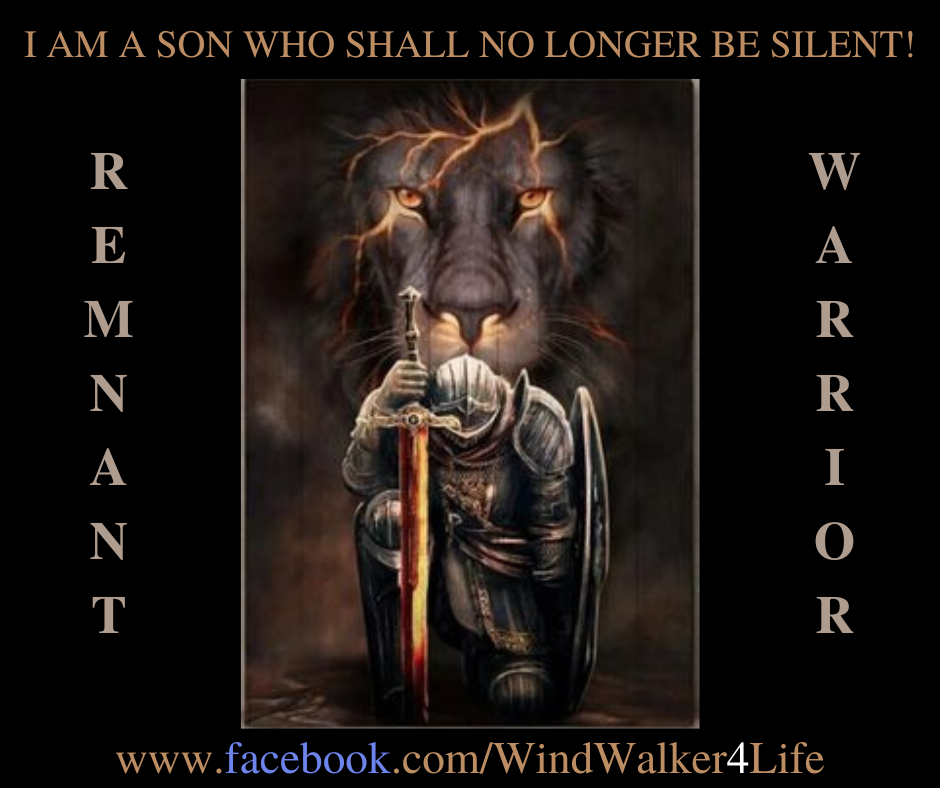
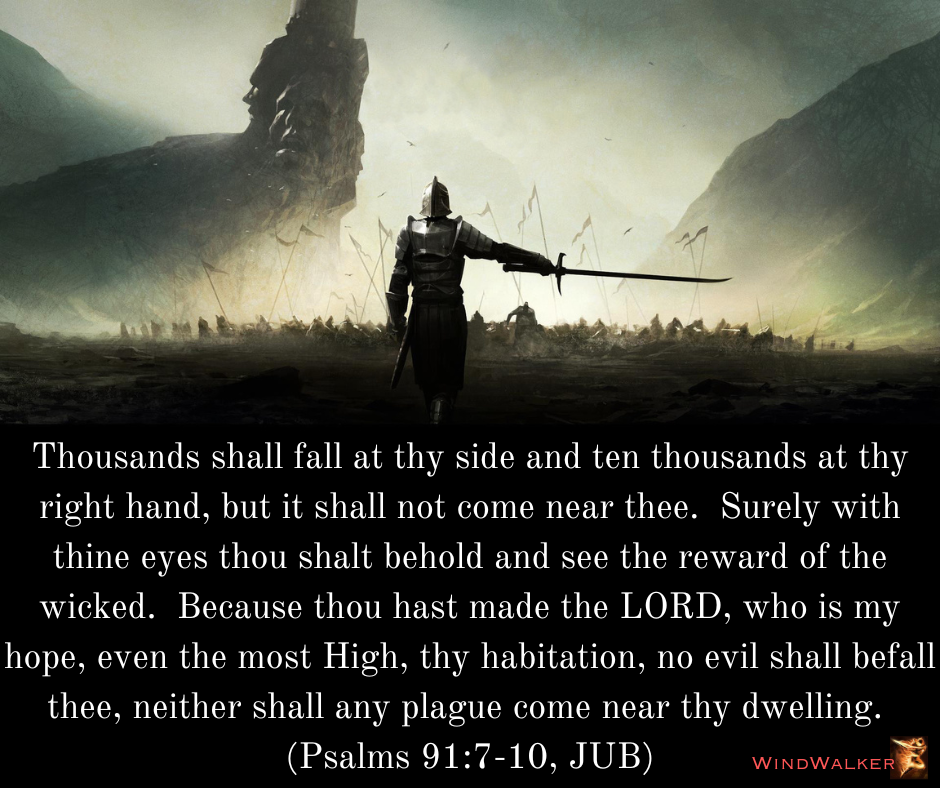
Over the past several days, the Holy Spirit keeps whispering “Elite group of warriors” and as He whispers this the word Remnant pops into my mind. With that, my Spirit immediately thinks of David’s mighty warriors who stood by His side, and against all odds defeated the enemies of Israel.
This morning as I was starting my day with Him, the thought of Elite came to my mind and I began to ponder it. For I know it is not in reference to what many would consider elite meaning such as better than others, or as those who lord what they believe to be their superior place in society over others.
As I was thinking about this He began showing me the character of this group of individuals. They are those who throw worldly caution to the wind, those who have left behind them the desires of notoriety, fame, and fortune. They have done these things and more because they have all come to find something more valuable than anything this world has to offer, which is that of presence.
They have become drawn to the love of the One who first and always has loved them. Much like Brother Lawrance, they have come to a place where even if they were not saved, they would still love the Lord and welcome His intimate presence.
They have surrendered their will to be but moved by the Wind (John 3:8) and though many would caution them not to be so impulsive, they do not pay attention to the warning of worldly wisdom but rather are ready to change course in the direction Holy Spirit leads them.
So this elite group of Spiritual Warriors does not consider themselves better than others, they simply believe that they are such dedicated friends with the Lord (even as He has dedicated His life to them), that they will do whatever He wills them and go even into the places where the comforts of this world evade them.
Who were these 30 mighty warriors who fought beside of David?
1. Asahel, who was Joab‘s brother, 2. Elhanan, the son of Dodo from Bethlehem, 3. Shammah from Harod, 4. Elika from Harod, 5. Helez from Palt, 6. Ira, the son of Ikkesh from Tekoa, 7. Abiezer from Anathoth, 8. Sibbekai from Hushah, 9. Zalmon from Ahoah, 10. Maharai from Netophah, 11. Heled, the son of Baanah from Netophah, 12. Ithai, the son of Ribai from Gibeah in the territory of Benjamin, 13. Benaiah from Pirathon, 14. Hiddai from the ravines of Gaash, 15. Abi-Albon from Arbath, 16. Azmaveth from Bahurim, 17. Eliahba from Shaalbon, 18. The sons of Jashen (names unspecified), 19. Jonathan, the son of Shammah the Hararite, 20. Ahiam, the son of Sharar the Hararite, 21. Eliphelet, the son of Ahasbai from Maakah, 22. Eliam, the son of Ahithophel from Giloh, 23. Hezro from Carmel, 24. Paarai from Arab, 25. Igal, the son of Nathan from Zobah, 26. Zelek the Ammonite, 27. Naharai from Beeroth, who served as armor-bearer to Joab son of Zeruiah, 28. Ira the Ithrite, 29. Gareb the Ithrite, 30. Uriah the Hittite.
This enumeration of warriors underscores their diversity in origin and their distinct roles within the Thirty, a notable assembly of fighters.
The little on the background of these 30 mighty men of war:
Ira, denoted as the son of Ikkesh from Tekoa, suggests his origin from a town in Judah known for its wilderness. This environment could have contributed to his skills in survival and combat, essential for a warrior. Similarly, Maharai and Heled, identified as Netophathites, came from Netophah, another locality in Judah. Their familiarity with the rough terrains around their home could have made them formidable in guerrilla warfare. Characters like Abi-Albon the Arbathite and Azmaveth the Barhumite also stand out, with the former possibly hailing from Beth-arabah, a town in the territory of Benjamin or Judah, and the latter from Bahurim.
Their origins might suggest training in specific styles of combat or knowledge of local warfare strategies, enhancing their roles within the group. Eliam son of Ahithophel the Gilonite and Uriah the Hittite also hold significant but less discussed backgrounds; Eliam being the son of David’s counselor, indicates a connection to high political influence, enhancing his status and possibly his military prowess. Uriah, a Hittite, points to his origins outside the Israelite communities, reflecting the diversity and inclusiveness of David‘s followers in terms of skills and cultural tactics.
These diverse backgrounds combined with their likely involvement in various military campaigns under David, suggest that each member brought unique skills and experiences to the group, contributing to their effectiveness as a military unit. Their feats, though not detailed in this particular passage, would typically include outstanding acts of bravery and skill in battles that defined the era of King David‘s reign.
A couple of notable examples set by these warriors is:
In battle, Eleazar displayed remarkable endurance and bravery by holding his position and fighting the Philistines until he was so weary that his hand froze to his sword. Shammah demonstrated his valor by taking a stand alone in a field and successfully defending it against the Philistine forces. Abishai showcased his formidable combat skills by wielding his spear to overcome three hundred opponents. Benaiah also accomplished impressive feats, such as vanquishing two of Moab’s most formidable warriors, slaying a lion during a snowstorm, and overcoming a giant Egyptian. These instances highlight the extraordinary actions of these warriors during conflicts.
David was not blind to the deep dedication these men showed toward him, even to the point of laying their lives down for him. In fact, David demonstrated deep respect and honor for the bravery of his mighty warriors through a symbolic gesture. When his loyal warriors risked their lives to fulfill his wish for water from Bethlehem’s well, David chose not to drink the water upon their return. Recognizing the grave danger they faced to retrieve it, he poured the water out as an offering to the Lord. This act served as a poignant acknowledgment of their valor, emphasizing that he valued their lives and sacrifices far more than fulfilling his own desires. By refusing to drink the water, David underscored the sacredness of the risks they took on his behalf.
They have come to the revelation of truth that in dying to the desires of the flesh (self-seeking) they have stepped into the very life they were designed for (John 10:10).
Thus they have been reborn of the Spirit from above and are now living in their true identity as the sons & daughters of the Living God. And with this, they have gained access to the treasure trove of their inheritance. And with that inheritance comes the foreknowledge of not only all the Spiritual weapons they have to use but also the revelation of how to use them.
The greatest weapon is that of their voice, for even as they were created in His image, so does their voice carry His Spiritual authority and power. Thus, no longer shall they remain silent in the shadows but with shouts of Praise, they shall be seen vanquishing the dark demonic strongholds which have captivated whole cultures throughout the nations.
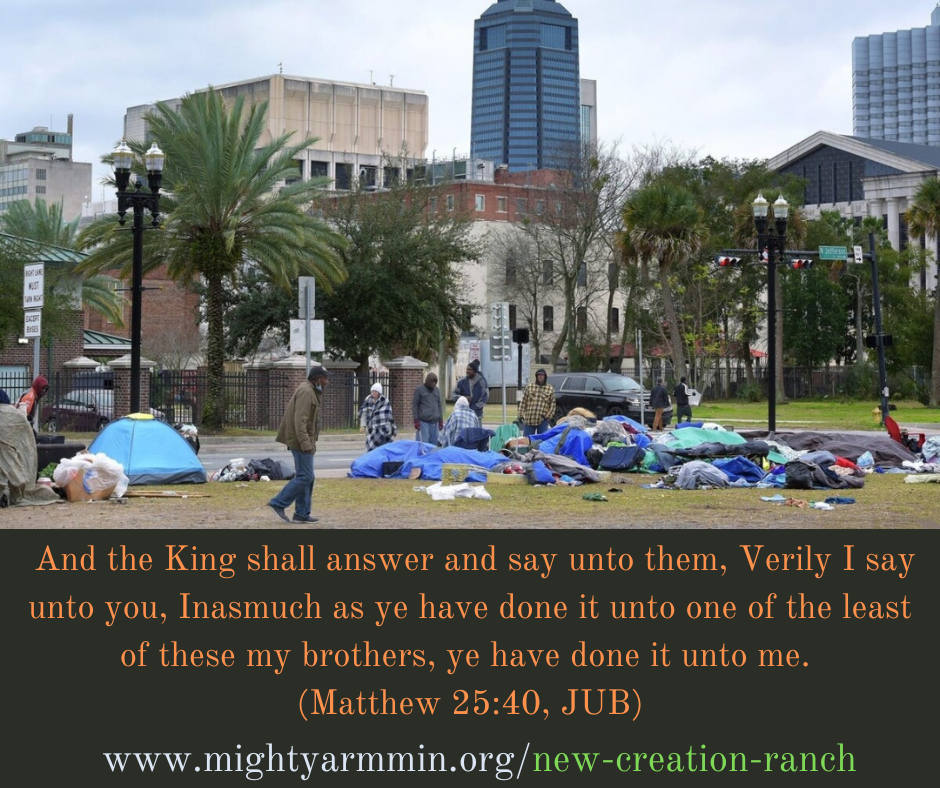
They have been called by the Lord to engage via Spiritual warfare tactics under the governance of Holy Spirit, such evils as human trafficking (especially the exploration of our children), anti-god political movements such as communism, socialism, and evil dictatorships. As well as confronting and tearing down cultural strongholds such as racism, inner-city poverty, and other evils that seek to imprison the world.
Coupled with that call they have gained access through the finished works of Christ on the cross, opening the door to authentic sonship so as to be able to re-establish the Father’s permission to operate in the dominion authority He granted mankind in the garden. And coming out of the wilderness of Spiritual training, they come armed with the understanding that the very frequencies of their voice carry the Light which darkness still has no answer for (John 1:5). #SELAH





 Radical Disciples - A Remnant Revolution