In the heart of the Christian faith lies a profound promise articulated by the Lord Jesus in Matthew 16:18, where He declares, “… thou art Peter, and upon this rock I will build my church; and the gates of hell shall not prevail against it.”
This assertion highlights not only the foundational role of Peter but also emphasizes Christ’s personal involvement in the establishment and nurturing of His ecclesia. The term “ecclesia,” often translated as “church,” signifies more than just a physical gathering; it embodies the spiritual community of believers united under Christ’s authority.
As we dive into this text, we discover that the inception of the ecclesia is intricately linked to Jesus’ death and resurrection, which serves as the cornerstone for a new covenant with humanity. The imagery of the temple plays a significant role in understanding this relationship.
In John 2:19, Jesus prophesies, “Destroy this temple, and in three days I will raise it up,” referring to His body as the true temple. The physical temple, built by human hands, would ultimately be replaced by a spiritual edifice, symbolizing the ecclesia—a community where God dwells not in brick and mortar but in the hearts of believers.
This transition from a physical to a spiritual temple signifies a monumental shift in how God relates to humanity. While the Jewish leaders misunderstood His words, the essence of Christ’s message underscores His mission to form a new covenant community of faith. As we progress into the Acts of the Apostles, the active hand of Jesus is unmistakably present.
Historically, this book could aptly be titled “The Acts of Jesus Christ After His Ascension,” as it details how the risen Lord continues to work through His apostles. Luke introduces this narrative by referencing his previous writings, emphasizing that what Jesus “began both to do and teach” is merely the precursor to the ongoing work of Christ through the Spirit.
Notably, in Acts 2:33, we learn that Jesus has poured out Holy Spirit upon His followers, a clear indication that He is intimately involved in guiding and empowering His ecclesia. Furthermore, Acts 2:47 states, “the Lord added to the church daily such as should be saved.” This raises intriguing questions about the identity of “the Lord” in this verse—whether it refers to God or Jesus.
Given the context of Jesus’ promise to build His ecclesia, it is plausible to interpret this as a reference to Christ’s direct involvement in the growth and vitality of the church. As believers are added to the ecclesia, it becomes evident that Jesus is not a distant figure but an active participant in the life of His followers.
The narrative progresses as we encounter Stephen, who sees Jesus standing at the right hand of God (Acts 7:56). This posture is significant; it implies that Jesus is not merely a passive observer but an active advocate for His people.
When Paul encounters Jesus on the road to Damascus, he learns that the persecutions of the ecclesia are, in essence, persecutions of Christ Himself (Acts 9:4-5). This deep connection reinforces the idea that Jesus is not detached but rather profoundly engaged with His body, the church.
The promise of Jesus in Matthew 28:20, “I am with you always, even unto the end of the world,” resonates powerfully in the context of His ongoing relationship with the ecclesia. He is present, active, and engaged with His people, reminding us that His commitment to the church transcends time and space.
The imagery of Jesus in Revelation presents Him not as a distant deity but as the glorified Son of Man, actively walking among the seven candlesticks—representing the ecclesia—symbolizing His intimate knowledge of their struggles and triumphs. In this light, believers are invited to consider the reality of Christ’s presence within their midst.
The book of Revelation serves as a vivid reminder that Jesus is not just a historical figure but an active and living presence in the ecclesia today. The solemnity of the judgment that awaits the ecclesia, collectively, urges us to foster a deeper awareness of His ongoing work among us. In conclusion, the promise of Jesus to build His ecclesia is a testament to His unwavering commitment to His followers.
It is a call to recognize that He is not a distant observer but an active participant in the life of the church. As we open our eyes to this reality, we are encouraged to live in the light of His presence, understanding that He walks among us, knowing our works and guiding us in our mission to embody His love and truth in the world.
As we continue to study the Word, particularly the NT, we cannot help but see that the journey of the early ecclesia as depicted in the Acts of the Apostles invites contemporary believers to reflect on their own faith communities. The initial gathering of 120 disciples in an upper room, united in “prayer and supplication” (Acts 1:14), serves as a powerful reminder of the strength found in communal commitment.
This sense of unity, encapsulated in the Greek term “homothumadon,” meaning “one mind” or “same passion,” set the tone for the ecclesia’s development throughout the Acts.
The early believers exemplified a model of unity that is not only a historical account but also a guiding principle for modern ecclesial life. As we explore how the early church operated, we recognize that their reliance on doctrine, fellowship, breaking of bread, and prayer remains pertinent today.
The early ecclesia’s steadfast commitment to four foundational practices, as noted in Acts 2:42, offers insights for contemporary faith communities. The apostles’ doctrine served as the lampstand, illuminating their spiritual path; fellowship fostered a sense of belonging akin to the mercy seat, where grace abounded; the breaking of bread became their table of showbread, symbolizing nourishment and community; and prayers ascended like incense from the altar, connecting them with the divine.
These practices were not mere rituals but essential pillars that defined their identity as the new temple in Christ. The ecclesia was a living testament to the spiritual priesthood, and their actions resonated with the tabernacle’s significance in the wilderness—a reminder that worship and community are intertwined.
As growth marked the journey of the early church, it also brought challenges that tested their unity. The initial explosion of faith in Jerusalem, captured in Acts 2:47, reflects an active Lord adding to the ecclesia daily.
This growth, however, was not without trials. As the number of believers increased, so did the complexities of community life. Conflicts arose, both from within and outside the ecclesia, as illustrated in Acts 6 and 15.
These incidents reveal that growth comes with growing pains, prompting believers to navigate disputes and challenges with wisdom and grace. The early church faced persecution from the Sanhedrin, internal strife, and even doctrinal controversies regarding the law of Moses and the inclusion of Gentile believers.
Each of these moments called for discernment and leadership, showcasing the necessity of working through differences rather than avoiding them. The ecclesia’s response to these internal and external pressures is a reminder for modern believers that conflict can lead to clarity and cohesion when addressed with intentionality.
Paul’s words in 1 Corinthians 11:18-19 emphasize the inevitability of divisions, suggesting that challenges can serve as catalysts for growth and a deeper understanding of faith. The ecclesia’s ability to engage in difficult conversations and find consensus is a testament to their commitment to unity amid diversity.
As they navigated their shared faith, they learned that overcoming challenges together not only strengthened their bonds but also solidified their witness to the world. With that, we see the narrative of the ecclesia in the Acts of the Apostles serves as both a historical account and a roadmap for contemporary Christian communities.
As we reflect on their practices of doctrine, fellowship, breaking of bread, and prayer, we are encouraged to cultivate a spirit of unity that transcends our differences. The early church teaches us that while the journey of faith is marked by challenges, it is also rich with opportunities for growth, healing, and deeper connection to one another and to God.
Just as the Lord added to their number, may our communities continuously strive for unity and purpose, embodying the essence of the ecclesia as we navigate our own journeys of faith.
~Dr. Russell Welch Elder / Teacher: Highway to Heaven Church and Founder and Shepherd of Remnant Warrior Ministries / Remnant Warrior School of Spiritual Warfare.
If you feel lead to support this ministry you can do so thru this link: Donate
The Ecclesia in the Acts: Understanding Its Meaning and Significance
The term “ecclesia” has long been embraced by Christadelphians as a replacement for the word “church,” and rightly so. “Ecclesia” carries with it a rich tapestry of meaning and significance, rooted in both history and theology.
However, as with any term that becomes commonplace, there is a risk that its vitality may diminish over time. This raises an important question for believers: How do we truly perceive our ecclesia?
Exploring the depth of this term invites us to consider its historical context and its implications for our communal and individual faith experiences. In the New Testament, particularly in Hebrews 12:18-24, the ecclesia is compared to the Israelites at Mount Sinai, a momentous event in biblical history.
The writer starkly contrasts the terrifying experience of the Israelites with their encounter with God—a scene filled with fire, darkness, and fear—with the ecclesia’s arrival at Mount Zion, the city of the living God. Here, the ecclesia is depicted as part of a celestial assembly, a gathering of angels, just men made perfect, and Jesus, the mediator of a new covenant.
This imagery elevates the ecclesia beyond mere physical assembly, positioning it as an ongoing spiritual reality steeped in divine presence and purpose. The historical roots of the term “ecclesia” can be traced back to ancient Greece, particularly around the fourth century BC.
It was in this context that a constitution emerged to formalize the governing assembly of Athens, known as the ecclesia. This assembly was comprised of citizens who convened to deliberate on matters of policy, declare war, elect officials, and administer justice.
The term literally means “the called-out ones,” reflecting a sense of community and responsibility among its members. This democratic assembly emphasized ideals of “freedom and equality,” principles that resonate with the communal aspects of the ecclesia in a spiritual sense.
The relevance of the ecclesia transcends its political connotations, extending into the framework of the early Christian community as depicted in the Acts of the Apostles. When Christ spoke to Peter and the apostles in Matthew 16:18, declaring, “Upon this rock, I will build my ecclesia,” He was not introducing a new concept, but rather recontextualizing a term imbued with collective significance.
The early ecclesia, much like the Greek assembly, was called to convene, support one another, and collectively navigate the challenges of faith in a world rife with opposition.
In the Book of Acts, we see the ecclesia in action, as believers come together in unity, sharing resources, and spreading the gospel. However, it is also evident that the term “ecclesia” was not limited to a mere physical gathering.
The events in Acts 19 illustrate how the word “ecclesia” was used to denote both official assemblies and, at times, chaotic gatherings driven by mob mentality.
The case of Demetrius, who incited a riot against Paul and the believers in Ephesus, serves as a cautionary tale about the potential for distortion in communal settings.
Thus, examining the ecclesia through both its historical and biblical lenses reveals a multifaceted understanding of what it means to be part of this assembly.
It challenges believers to recognize their role as part of a larger spiritual community, one that calls for engagement, mutual support, and a commitment to the teachings of Christ.
As we reflect on our own ecclesia today, we must strive to keep its meaning alive and vibrant. It invites us to ponder how we gather, support one another, and ultimately, how we embody the values and principles established on Sinai and exemplified in the Acts of the Apostles.
By embracing the fullness of the ecclesia, we ensure that it remains a dynamic force for spiritual growth, unity, and service in a world that often seeks to divide. In doing so, we honor its profound legacy and reaffirm our commitment to being the “called-out ones” in every aspect of our lives.
The term “ecclesia,” with its richness in historical and cultural significance, serves as a bridge between the Judaic roots of early Christianity and its evolution into a distinct faith.
With its origins in the Septuagint (LXX), the Greek translation of the Hebrew Bible, ecclesia encapsulates the essence of a gathered community—a concept that resonated deeply with both Jews and early Christians. As we explore its implications, we uncover how this term shaped the understanding of community, authority, and divine purpose in the formative years of the Christian faith.
The Septuagint was created in the 3rd century BC by Jewish scholars in Alexandria, Egypt, who sought to make their sacred texts accessible to a Greek-speaking audience. In this translation, ecclesia appears as a noun seventy-seven times, establishing its foundational role in the relationship between God and His people.
Notably, it was in the context of divine assembly that the term first emerged, as documented in Deuteronomy 4:10, where Moses addresses the Israelites at Mount Sinai, urging them to remember the day of the assembly (ecclesia).
This moment was not merely a historical event; it signified the establishment of a covenant community called to hear God’s words and pass them on to future generations, thereby reinforcing the importance of collective worship and obedience.
Jesus’s use of the word “ecclesia” in Matthew 16:18, where He declares, “upon this rock I will build my ecclesia,” is particularly poignant. His choice of terminology indicates a deliberate connection to the rich history of the term as found in the Septuagint.
By employing ecclesia, Jesus indicated the creation of a new community—the body of believers—rooted in the same principles that defined the assembly of Israel.
The Apostles, familiar with the LXX, understood the weight of this word choice and its implications for their mission. They viewed the ecclesia as a continuation of God’s covenant with His people, tasked with embodying His teachings and spreading the message of salvation.
The comparative study of ecclesia and its Hebrew equivalent, “qahal,” further elucidates its significance. While both terms imply a gathering of people, “qahal” emphasizes the act of being called together by God.
This divine summoning establishes a deeper relationship between the community and their Creator, reflecting a commitment to live in accordance with His will. Barclay’s observation highlights this distinction, noting that ecclesia is not just a congregation that happens to come together; it is a body of people called into action by God.
This understanding is crucial for grasping the nature of the early Christian community, which saw itself as divinely commissioned to fulfill God’s mission on Earth.
Moreover, the early church’s identity was distinct from that of the synagogue, which had become a community space for Jewish worship separate from the temple. While synagogues served an essential role in the Jewish faith, they lacked the transformative purpose that Jesus attributed to His ecclesia.
By establishing a new community, Jesus redefined the concept of worship and fellowship, moving beyond the physical confines of the synagogue to create a spiritual temple made up of believers—an idea echoed in 1 Peter 2:5, where Christians are described as “living stones” being built into a spiritual house.
Thus, we see that the term ecclesia as found in the Septuagint serves as a critical link connecting the Jewish heritage of early Christians to the foundation of their faith.
By understanding its historical context and significance, we can appreciate the profound implications of Jesus’s declaration to build His ecclesia. The early church, rooted in the traditions of Israel, embraced its role as a living embodiment of God’s purpose on Earth, fostering a community designed not only for worship but also for action and outreach.
As we reflect on the rich history of ecclesia, we recognize the enduring call for believers to gather, listen, and respond to God’s voice, thereby continuing the legacy of faith that began millennia ago.
~Dr. Russell Welch Elder / Teacher: Highway to Heaven Church and Founder and Shepherd of Remnant Warrior Ministries / Remnant Warrior School of Spiritual Warfare.
Understanding Context and Meaning** The concept of the “rapture” has been a topic of considerable debate within Christian circles, particularly when examining scriptural references such as 1 Thessalonians 4. Many believers look to Jesus’ teachings in the Olivet Discourse—found in Mark 13, Luke 21, and Matthew 24—as a basis for their understanding of this event.
However, a careful analysis reveals that this interpretation is a departure from the historical and cultural context in which Jesus spoke. Living in the first century, during the height of Roman dominance, Jesus encountered a world rife with turmoil and political oppression. Many Jews, especially those with zealous expectations of a messiah, anticipated a savior who would overthrow Roman rule and establish an earthly kingdom.
In stark contrast to these expectations, Jesus advocated for a radical message of love and forgiveness, urging his followers to “love your enemies and pray for those who persecute you” (Matthew 5).
This subversive teaching was revolutionary, challenging the prevailing notion of a militaristic messiah and calling for a different kind of engagement with adversaries—one marked by compassion rather than violence. Jesus’ instruction to “put away your sword” served as a profound rebuke to the desire for a warrior king, illustrating that his mission was not to incite rebellion or violence against Rome, but rather to transform hearts.
In this context, it becomes evident that Jesus did not preach an impending escape from earthly woes, but instead sought to address the immediate struggles of his followers and the larger socio-political landscape. The idea of the “rapture”—a sudden removal of believers from the world—was not a concept rooted in his teachings or the understanding of his contemporaries.
Moreover, the apocalyptic language in Mark 13 should not be misconstrued as a prophetic roadmap for a future rapture. Jesus spoke directly to the realities facing his audience, prophesying the destruction of the Temple in 70 CE—a monumental event that fulfilled his warnings about the consequences of unfaithfulness within Israel.
The phrase “this generation” (Mark 13:30) indicates that Jesus’ prophecies were directed toward those who were alive at that time, not a distant future event. The signs he described—wars, persecution, and cosmic upheaval—were all part of the historical context surrounding the impending collapse of Jerusalem, not signs of an eschatological rapture.
The parallel between Jesus’ warnings and the subsequent events of the Jewish War serves to ground his message in reality. The false messiahs, wars, famine, and natural disasters he foretold were not mere symbols but tangible occurrences that would affect the people of his time.
By understanding these prophecies as reflections of the sociopolitical climate of first-century Judea, we gain a clearer perspective on Jesus’ teachings and their implications. Additionally, the emotive language used by Jesus, which included cosmic imagery, was a rhetorical device rooted in Jewish prophetic tradition.
Such language was not to be taken literally but served to convey the catastrophic impact of political upheaval. Just as contemporary language can describe events in hyperbolic terms—such as calling 9/11 an “earth-shattering event” without implying a literal earthquake—Jesus employed similar expressions to communicate the magnitude of the coming changes.
In conclusion, while belief in a future second coming remains integral to Christian theology, associating Jesus’ teachings in the Olivet Discourse with the modern concept of the rapture misinterprets his message and the historical context in which it was given.
Jesus did not offer a vision of escape; rather, he called his followers to engage with the world through love, compassion, and resilience in the face of adversity. Understanding this distinction enriches our comprehension of his teachings and reinforces the call to address the pressing issues of our time, rather than retreating into a desire for an escape from reality.
Jesus Wept Over His Prediction of Destruction: A Reflection on Hope and Resurrection The image of Jesus weeping over Jerusalem serves as a profound testament to the tension between divine prophecy and human compassion.
This poignant moment, marked by grief and foresight, encapsulates the essence of Christ’s mission on earth. As he gazes upon the city, Jesus is acutely aware of the destructive path that the people have chosen, driven by zeal and misunderstanding.
His tears are not merely for the physical destruction looming on the horizon but resonate with a deeper sorrow for the spiritual blindness that leads to such ruin. This act of lament reveals a heart that longs for redemption and restoration instead of annihilation, inviting us to reflect on the broader implications of his tears.
In the context of Jesus’s lament, it is essential to recognize the significance of the Temple’s destruction. For the Jewish people, the Temple represented the very dwelling place of God, a sacred space that facilitated their relationship with the divine.
However, Jesus’s prediction of its demise marks a pivotal moment in the divine narrative, symbolizing the transition from a physical locus of God’s presence to a new spiritual reality embodied in Christ himself. By referring to himself as the “Son of Man,” an allusion to the prophetic vision found in Daniel 7, Jesus positions himself at the intersection of suffering and vindication, revealing the duality of his identity as both the suffering servant and the glorious Messiah.
The implications of this transition are immense. The destruction of the Temple signifies the end of an era, laying the groundwork for the establishment of a new covenant that transcends geographical and cultural boundaries.
In this new paradigm, Jesus becomes the ultimate Temple, inviting believers into a direct and personal relationship with God. This transformation is not merely prophetic; it serves as a declaration of hope amidst despair. While Jesus weeps for what will be lost, he simultaneously embodies the prophetic truth of resurrection and renewal that is to follow.
The message of hope embedded in Jesus’s lament is echoed in the writings of Paul, particularly in Romans 8, where liberation from decay and the restoration of the world are intimately connected to the resurrection of believers.
Contrary to popular eschatological narratives that emphasize fear and withdrawal, the biblical story exhorts us to engage with the present moment and work toward the transformation of our world. The historical context of the Roman siege of Jerusalem in 70 CE serves as a reminder that tribulation is not to be escaped but confronted with resilience and hope.
Furthermore, the imagery presented in the Book of Revelation underscores this theme of renewal. The culmination of God’s redemptive plan is characterized by the wiping away of tears and the eradication of death and pain.
Rather than envisioning a future that invites us to escape worldly struggles, this vision calls believers to embrace the transformative work of God, actively participating in the renewal of creation. The contrast between the desire for a rapture—a yearning to flee from earthly difficulties—and Jesus’s mission to incarnate hope amidst struggle could not be starker.
His call is to embrace the world and reflect the future glory of God’s kingdom in our present lives. In conclusion, the profound emotional response of Jesus toward Jerusalem invites us to reevaluate our understanding of eschatology.
Our focus should shift from anticipating a distant, chaotic end to embracing a narrative steeped in resurrection and restoration. The hope embedded in Jesus’s teachings and the overarching New Testament message paints a picture of a renewed world where justice flourishes and life abounds.
As we navigate the complexities of our challenges, we must remember that our future is not one of abandonment but divine fulfillment—an invitation to reflect this truth in our current actions and attitudes.
Therefore, like Jesus, we, too, can weep for the brokenness of our world while remaining steadfast in our hope for renewal that lies ahead. Our tears can become seeds of hope, inspiring us to work towards a transformed future defined by love, justice, and grace.
Fellow students of the Word, as we navigate the complexities of theological beliefs, it is essential to return to the foundational teachings of Scripture and reevaluate our understanding of key concepts like the rapture in light of the Apostle Paul’s timeless message.
In the end we find that the doctrine of the Rapture, when examined through a critical lens, reveals itself to be both unbiblical and illogical. The lack of scriptural foundation, coupled with internal contradictions, suggests that this doctrine may not merely be an alternative interpretation but rather a belief that should be rejected.
Whether viewed through the lens of biblical integrity or logical consistency, the Rapture raises profound questions that challenge its acceptance within Christian doctrine. As believers, it is essential to engage in thoughtful discourse and discernment, seeking clarity on theological matters that shape our understanding of faith and salvation.
Ultimately, the examination of the Rapture presents an opportunity for deeper reflection on the nature of God’s promises and the true meaning of Christ’s return.
~Dr. Russell Welch Elder / Teacher: Highway to Heaven Church and Founder and Shepherd of Remnant Warrior Ministries / Remnant Warrior School of Spiritual Warfare.
The doctrine of the Rapture, a widely debated topic within Christian eschatology, raises profound questions regarding its scriptural basis and logical coherence. After engaging in discussions about the Rapture, it becomes apparent that there are significant issues surrounding its interpretation.
Over the next two days I will lay out the argument that I have used in several debates (which I was considered the winner) that aims to explore whether the Rapture is simply an error of interpretation, a matter of differing viewpoints, or a doctrine that should be firmly rejected. Through a critical analysis, it becomes evident that the Rapture is not only unbiblical but also illogical, prompting a reevaluation of its legitimacy in the context of Christian belief.
First and foremost, the argument that the Rapture is unbiblical is compelling. A fundamental issue is the absence of any explicit mention of a distinct Rapture event in the Scriptures, separate from the Second Coming of Jesus Christ. Proponents of the doctrine often dissect various biblical passages, claiming that some refer to the Rapture while others pertain to the Second Coming.
Yet, this division is made without clear scriptural justification. The assumption that there exists a Rapture necessitates a prior belief in its existence, which leads to a circular interpretation of Scripture. To accept the Rapture, one must first impose the concept onto the biblical text rather than deriving it from a straightforward reading of scripture itself.
This poses a fundamental challenge to its validity as a doctrine grounded in scriptural truth. Moreover, the illogical nature of the Rapture doctrine further undermines its credibility. The doctrine presents a series of contradictions that defy rational thought.
For instance, proponents claim that the Rapture is the coming of Christ yet argue that it is not the Second Coming. This paradox begs the question: how can an event that is described as a coming of Christ not be acknowledged as His return?
Such semantic gymnastics create confusion and render the doctrine incoherent. Additionally, the assertion that the Rapture occurs on the “Last Day,” while simultaneously suggesting it can happen years prior, raises further questions regarding its consistency.
If the Rapture is indeed the resurrection of believers, it cannot logically occur before the Last Day, as Scripture explicitly states that resurrection takes place then. This inconsistency highlights a fundamental flaw in the doctrine’s framework.
Furthermore, the implications of the Rapture doctrine raise significant theological concerns. If believers are to be taken up in a Rapture before the end of the world, what becomes of Christ’s promises regarding eternal life and resurrection on the Last Day?
The biblical promise that those who believe in Him will be raised on the Last Day appears to contradict the Rapture narrative. This contradiction not only challenges the reliability of Jesus’ words but also calls into question whether the doctrine diminishes the integrity of the biblical message.
If Christ’s promises are rendered obsolete for those who come to faith after the supposed Rapture, the doctrine potentially transforms the nature of salvation and the promises of God.
But again, lets take a closer look at one of the key passage the escapist like to stand on which is 1 Thessalonians 4:15-17, where the Apostle Paul addresses the concerns of the Christian community in Thessalonica regarding the fate of those who have died before Christ’s return.
However, upon closer examination, it becomes apparent that Paul’s intent was not to outline an escapist theology but to articulate a hope grounded in bodily resurrection and the ultimate reunion of believers at Christ’s return to earth. For a brief moment, let us dive into the nuances of Paul’s language, the Greek terminology he employed, and the broader implications of his teachings, ultimately arguing that the rapture, as commonly understood, is a misinterpretation of the biblical text.
To grasp Paul’s message in 1 Thessalonians, it is essential to recognize the context in which he wrote. The Thessalonian church was grappling with questions surrounding death and the second coming of Christ.
Paul reassures them that those who have died—referred to metaphorically as “fallen asleep”—are not lost or forsaken but will be resurrected at the Lord’s coming. He emphasizes a shared destiny for both the living and the deceased, portraying the return of Christ as a joyous event marked by a physical resurrection, rather than a sudden evacuation from the earth.
The phrase “caught up together with them in the clouds to meet the Lord in the air” has often been interpreted as a promise of escaping earthly existence. However, when viewed in the larger context of Pauline theology, particularly in tandem with his writings in 1 Corinthians 15 and Romans 8, it becomes evident that the emphasis is not on leaving the earth but on the transformation and glorification of believers at Christ’s return.
One focal point of this analysis is the interpretation of the Greek term “ἀήρ” (air), which Paul uses in this passage. Many contemporary interpretations associate this term with “sky,” suggesting a heavenly ascent. However, a closer examination reveals that “ἀήρ” refers specifically to the lower and denser atmosphere.
This distinction is critical; it indicates that Paul was not advocating for a departure into the upper realms of heaven but rather a transformative encounter in the earthly atmosphere.
Contrastingly, the Greek term for heaven, “οὐρανός,” connotes a higher, transcendent space. By choosing “ἀήρ” over “οὐρανός,” Paul highlights a connection to the earthly realm, reinforcing the notion that the ultimate goal is not escape but resurrection and reuniting with Christ, who is returning to earth.
Furthermore, the mixed metaphors present in Paul’s language complicate the rapture narrative. The imagery of being “caught up” is not indicative of a one-time event but rather a communal experience that celebrates the fulfillment of God’s promise of resurrection.
Paul’s use of metaphoric language reflects his intent to convey hope and assurance rather than a detailed blueprint of end-time events. It is vital to acknowledge that Paul, like Jesus, did not envision a distant future characterized by a Great Tribulation or a need for believers to be evacuated from the planet. Instead, both figures shared a vision of God’s kingdom coming to fruition on earth, culminating in a physical resurrection that included all believers.
Thus we find that the belief in the rapture, as popularly understood, seems to diverge significantly from the teachings of Paul and the intentions of the biblical text.
By analyzing the linguistic choices and the broader context of 1 Thessalonians, it becomes clear that Paul’s message centers on resurrection, hope, and the ultimate fulfillment of God’s promises in the physical realm.
Rather than an escape to the heavens, Paul offers a vision of restoration and reunion that invites believers to embrace their earthly existence while looking forward to a transformative encounter with Christ.
But let us continue in the realm of biblical interpretation, Paul’s use of mixed metaphors serves as a powerful tool for conveying profound theological concepts. His connections to the Old Testament, particularly through the figures of Moses and the imagery from Daniel, illuminate his understanding of God’s relationship with humanity and the nature of Christ’s return.
By examining these metaphors, we can grasp the depth of Paul’s message and its implications for the early Christian community, particularly in the face of persecution.
The first metaphor Paul employs is that of Moses descending from Mount Sinai with the Law, heralded by the blast of a trumpet. This powerful image evokes the moment when God descended to meet Moses, establishing a divine-human connection that highlights God’s initiative to engage with humanity.
In this context, God’s trajectory is downward, symbolizing His willingness to come to us, rather than demanding that we ascend to Him. This downward motion invites reflection on the nature of divine authority and the responsibilities of those who receive God’s revelation.
Moses’s ascent to the mountaintop signifies a moment of divine encounter, yet it is the act of coming down that emphasizes the importance of service and accessibility. Paul’s metaphor encourages believers to embody this same movement—leaving behind the heights of spiritual privilege to serve and uplift those who are “below.”
The second image Paul draws upon originates from the Book of Daniel, where the “one like the son of man” represents the vindication of God’s people over their adversaries. Here, clouds symbolize divine authority and judgment, reinforcing the idea that God’s intervention is both powerful and redemptive.
In applying this metaphor to the early Christian community, Paul reassures believers facing persecution that their suffering is not in vain. Rather, it is a part of a larger narrative in which God will ultimately rescue and restore His people.
This theme resonates deeply with those who find themselves marginalized or oppressed, offering hope in the promise of vindication and divine justice.
Moreover, Paul introduces a third image that transcends the biblical narrative—an emperor visiting a city, welcomed by a jubilant procession.
This metaphor captures the anticipation of Christ’s return and the role of the church as an active participant in ushering in the Kingdom of God. The imagery of a royal procession implies a sense of communal expectation and celebration, inviting believers to envision themselves as heralds of a new creation.
Again, contrary to popular interpretations of the “rapture,” Paul’s portrayal emphasizes a collective, rather than individualistic, experience of Christ’s return. This understanding aligns with his broader theological framework, where resurrection and restoration take precedence over mere escape from earthly trials.
Ultimately, Paul’s mixed metaphors paint a rich tapestry of hope and purpose for the Christian community. Through these images, he articulates a vision of God’s kingdom that transcends the temporal and physical confines of our world.
Rather than promoting a theology centered on escaping the earth, Paul envisions a future where heaven and earth unite in harmony, establishing a perpetual, divine reign on this planet. This eschatological view emphasizes resurrection, healing, and the establishment of God’s eternal kingdom, fostering a sense of belonging and mission within the community of believers.
In exploring Paul’s metaphors, we are reminded that he is not the sole voice in this conversation—Jesus’ teachings and actions also warrant consideration. As we engage with the broader narrative of scripture, we can deepen our understanding of the profound implications of Christ’s return and what it means for our lives today.
Through this exploration, we are called not only to anticipate the future but to actively participate in the unfolding of God’s kingdom in the here and now, embodying the love and grace that reflect the heart of the divine.
In the part two of this thread, we will dive into the scriptures and look at what Jesus taught or didn’t teach about the rapture.
~Dr. Russell Welch Elder / Teacher: Highway to Heaven Church and Founder and Shepherd of Remnant Warrior Ministries / Remnant Warrior School of Spiritual Warfare.
In the bustling heart of every city, there lies a yearning for restoration, a collective cry for divine intervention. The call to pray and blow the shofar resonates deeply within us, echoing the ancient words of the prophet Joel: “Blow the trumpet in Zion; sound the alarm on my holy hill.”
As we turn our hearts toward Jehovah, the God of all creation, we embark on a sacred mission to seek repentance for the sins that plague our communities. This is not merely a physical act; it is a spiritual awakening, a rallying cry for those who desire to reclaim their cities, their states, and ultimately, their nation.
Scripture reminds us in Joel 2:1-16 that we have been entrusted with the duty of watchmen, standing vigilant on the walls of Jerusalem. We must never rest until the Lord establishes His presence among us, transforming our cities into beacons of hope and praise.
Nehemiah 4:20 further emphasizes that when the shofar sounds, we are to rally together, confident that our God will fight for us. This is the essence of our mission: to unite as a faithful Remnant, armed with the knowledge that divine strength empowers our efforts.
As the Holy Spirit sweeps across our nation, from town to town and city to city, there is a profound invitation extended to us all. The Father seeks a people who are willing to humble themselves, surrendering their lives to His Lordship. He calls for those branded by the cross, desiring nothing more than to be known as faithful servants.
This is the Remnant He seeks to gather, equip, and send forth, like a mighty army reclaiming the gates of our cities. With hearts ignited by the fire of holiness, we shed the garments of this world, donning the robes of righteousness offered by the Father.
The vision of the Ecclesia—the gathered body of believers—emerges as a powerful force throughout the nation. From these gatherings, we hear the echoes of Heaven: “Holy, holy, holy is the Lord God Almighty, who was, and is, and is to come.” It is a call that transcends individual aspirations and beckons us to participate in the greater narrative of divine restoration.
The question looms large: Are we willing to answer this call? Are we prepared to lay down our personal dreams for the greater dream that the Father has envisioned for each of us since the dawn of time?
To answer this call is to embrace a journey of transformation. It requires the courage to confront our idols—those distractions and barriers that hinder our relationship with the Lord. It invites us into the fire of the Holy Spirit, purifying our hearts and refining our purpose.
The hour of gathering has arrived; the Lord of the Harvest stands ready to send His workers into the ripened fields. The question remains: Is that you? Are you willing to partake in this movement of repentance and restoration, to be a vessel for change in your community and beyond?
Now is the time for action. As we pray and blow the shofar for our cities, let us do so with fervent hearts, trusting that God will hear our cries and respond with His grace and power.
Let us unite as watchmen, laborers, and faithful servants, committed to the mission of bringing about a revival that spans our nation. Together, we can create a future where our cities reflect the glory of God, a future where we walk in righteousness and declare His praises boldly.
The moment has come to stand together and answer the call—will you join us in this sacred endeavor?
~Dr. Russell Welch Elder / Teacher: Highway to Heaven Church and Founder and Shepherd of Remnant Warrior Ministries / Remnant Warrior School of Spiritual Warfare.
If you live in the North Florida Region and this message speaks to you, lets connect and share visions.
The concept of ecclesia, often translated as “church,” holds profound significance within its original context, intricately tied to the notion of the Kingdom of God. To fully grasp the authentic meaning of ecclesia, one must acknowledge its relationship with the Kingdom.
When ecclesia is divorced from this context, it risks becoming a mere construct, shaped by human interpretation and desires, rather than a true reflection of its divine intent. In such a scenario, the church can be molded into any form that suits our preferences, effectively sidelining the authority and guidance of Jesus, the King.
Dismissing the Kingdom in our understanding of ecclesia leads us down a perilous path where the essence of the church is distorted. It implies a presumption that we, rather than Christ, can dictate the parameters of what church should be. This attitude not only undermines the foundation of the Kingdom but also negates the promise of Christ’s abiding presence: “Lo, I am with you always, to the end of the age.”
By ignoring this commitment, we arrogantly suggest that the church can operate independently, free from Holy Spirit oversight. The implications of such a mindset extend beyond semantics; they strike at the very heart of our collective identity as the Body of Christ.
When the church is left to decide its own identity and purpose without the Kingdom context, we risk creating a situation where personal or collective whims dictate doctrine and practice. This approach is antithetical to the foundational principles of Christianity and can be deemed as false.
This reality is evident not only in discussions about ecclesia but also in interpretations surrounding apostles, prophets, and the teachings of Scripture. Moreover, echoing the sentiments of the Reformation, the current state of ecclesia devoid of Kingdom authority could lead us back to a form of spiritual darkness reminiscent of the Dark Ages.
It represents a departure from the authority of Scripture and an embrace of a man-made system—a trend that surfaced during the Reformation as a reaction against ecclesiastical corruption. We find ourselves at a crucial juncture where a spiritual reset is not just desirable, but necessary. The call for a Revolutionary Holy Spirit led Reformation is imperative; we must allow Holy Spirit to guide us toward a renewed understanding of the Kingdom and its intended expression through ecclesia.
As we take a step back we can clearly that the ecclesia’s true meaning is intimately linked to the Kingdom of God. To recognize this relationship is to honor the original intent of Jesus and to embrace a church that reflects His authority and purpose.
The journey toward this understanding requires humility and a willingness to step back, allowing Holy Spirit to breathe fresh life into our concept of church, ensuring it aligns with the divine blueprint established by the King. It is only through this alignment that we can hope to fulfill our calling as the authentic Body of Christ in the world today.
~Dr. Russell Welch Lead Elder and Apostolic Teacher: Highway to Heaven Church and Founder and Shepherd of Remnant Warrior Ministries / Remnant Warrior School of Spiritual Warfare.
While driving the other day I felt Holy Spirit speaking to my spirit about the spiritual battles that are being waged in the Supernatural Reset that is taking place in the Heavenlies and on Earth, for the destinies of nations and especially for the reformation of the Lord’s Ecclesia.
In that conversation I believe I heard Him sharing a word that He was re-birthing a restoration to the Apostolic, liberating it from the restrictive confines of religion. I have had several conversations with seasoned warriors of the faith about this and feel led to write about it.
Now, over the years in my walk with Holy Spirit, I have found that He often speaks to me by showing me dreams, visions, pictures, and images as visual confirmations, and right as I heard Him making the statement about the Apostolic I looked up and saw in the sky, and immediately took a photo, which is in the banner below.
So here it goes……….
In today’s society, where religious language often seems diluted and commercialized, the term “Apostolic” has become a buzzword that many use to lend legitimacy to their ministries or personal identities. However, this trend has precipitated a crisis of understanding regarding the authentic meaning of the term.
Once grounded in the teachings and authority of the Apostles, the word “Apostolic” now risks being reduced to a mere Christian catchphrase, devoid of its powerful theological implications. To navigate this confusion, we must return to the scriptural roots and examine what it truly means to identify with the Apostolic.
At its core, being Apostolic signifies a commitment to uphold the orthodoxy of the Apostles’ teachings—a Christ-centric doctrine that emphasizes the life, death, and resurrection of Jesus as central to the Christian faith. In a world increasingly characterized by self-promotion and elitism, this return to foundational teachings is essential.
The tendency for individuals and ministries to label themselves as “Apostolic” often stems from a desire to assert themselves as God’s chosen representatives, creating an exclusive club that undermines the universal nature of the Gospel. However, Scripture reminds us that God has hidden His Remnant within every culture and community—those who genuinely bow to Him and adhere to His truth.
The proliferation of Christian platitudes—trite phrases and hollow expressions—has become commonplace, akin to free drinks at a cheap wedding, readily available but lacking substance. Yet, in this critical hour, the Holy Spirit is actively revealing the authentic from the fraudulent. The current spiritual climate is akin to a divine reset, where truth is being separated from deception, and the Church is being called to a deeper understanding of its purpose and identity.
The global Church, often perceived as divided and weak, is, in fact, witnessing the separation of wheat from tares, a fulfillment of biblical prophecy that we are indeed the generation destined to witness the emergence of the sons and daughters of God. However, this journey toward authenticity is not without challenges. Hell is also at work, attempting to stall the profound movements God has ordained for this time.
The enemy’s patterns of deception are increasingly sophisticated, aiming to mislead believers and stifle the Church’s destiny. Yet, as God assured Elijah during times of uncertainty, He has reserved thousands who remain faithful to Him. This assurance is pivotal as we navigate a world filled with competing ideologies and diluted truths.
The Lord’s authentic Ecclesia—His true body of believers—will prevail. The Remnant, those who cling to the teachings of the Apostles and engage in a genuine relationship with Christ, will break forth in victory.
As we embrace our identity as part of this Remnant, we must resist the temptation to merely adopt labels for the sake of recognition. Instead, we should pursue an understanding of what it means to be truly Apostolic, rooted in the orthodoxy of faith and a commitment to live out the teachings of Christ.
So, in understanding that while “Apostolic” may be a term that has been co-opted in contemporary Christian discourse, it still holds profound significance. It calls us back to the core teachings of the Apostles and challenges us to examine our motives and actions as we navigate our faith journeys.
As we strive to embody the authentic spirit of the Apostolic, we can participate in the divine narrative that God is weaving through history, confident that His Remnant will rise and prevail against the forces of darkness.
The true meaning of being Apostolic is not about elitism or status, but about faithful adherence to the truth of the Gospel and the transformative power it holds for our lives and communities.
Yes, we can see where the term “Apostolic” often conjures images of elitism, exclusivity, and a sense of higher status among those who claim the title. However, the essence of being Apostolic is far more profound and inclusive. It is not merely a badge of honor but a commitment to faithfully adhere to the teachings of the Gospel and an acknowledgment of the transformative power it holds not only for individual lives but also for communities as a whole.
Understanding this true meaning is essential for fostering genuine faith and connection in a diverse society. At its core, being Apostolic means following the teachings and practices established by the apostles—those early followers of Christ who carried His message to the world. The apostles exemplified a life of humility, service, and unwavering dedication to their faith, often facing persecution and hardship for the sake of spreading the Gospel.
Their legacy serves as a reminder that the call to be Apostolic is not about personal glory or social standing; it is about embodying the principles of love, grace, and sacrifice that Christ demonstrated during His life. Faithful adherence to the truth of the Gospel is a vital aspect of being Apostolic.
The Gospel, which translates to “good news,” offers a message of hope, redemption, and reconciliation with God. It presents a narrative of love that transcends boundaries and invites all individuals into a relationship with the Creator. By embracing this truth, Apostolic individuals commit themselves to a way of living that reflects the teachings of Christ, fostering an environment where love and understanding flourish. This adherence is not a rigid set of rules but a dynamic relationship with God that transforms both the individual and the community.
The transformative power of the Gospel cannot be overstated. It has the capacity to change hearts, heal wounds, and bring people together across divides. When individuals experience the love and grace inherent in the Gospel, they are empowered to extend that same love and grace to others. This creates a ripple effect, transforming communities and fostering unity among diverse groups of people.
The true Apostolic spirit encourages believers to act as agents of change, advocating for justice, compassion, and understanding in a world that often prioritizes division and discord. Moreover, the Apostolic calling challenges believers to look beyond themselves and their immediate circles. It encourages outreach to those who are marginalized, oppressed, or searching for hope.
Being Apostolic means actively engaging in the struggles of others, standing in solidarity with those who suffer, and working tirelessly toward the common good. It is an invitation to be part of a larger narrative—one that seeks to bring the Gospel’s transformative message to every corner of society.
This, with a better understanding that the true meaning of being Apostolic is not grounded in elitism or status but rather in a faithful adherence to the truth of the Gospel. It invites individuals to embrace the transformative power of Christ’s message and to live it out in their daily lives. By doing so, they become instruments of change, fostering love, unity, and hope in their communities.
As we strive to embody this Apostolic spirit, we open ourselves to the profound impact of the Gospel, not only on our lives but also on the world around us. In this pursuit, we find not just our true identity as believers but also a shared mission that transcends boundaries and brings us closer to the heart of God.
~Dr. Russell Welch Lead Elder and Apostolic Teacher: Highway to Heaven Church and Founder and Shepherd of Remnant Warrior Ministries / Remnant Warrior School of Spiritual Warfare.
Why Trump is America’s Best Choice for the Future of the United States
Donald Trump, the 45th President of the United States, has shown he’s a leader who sticks to conservative values. He’s all in on the “Make America Great Again” plan. This has won over millions who want to see America return to its founding ideals.
Trump knows what America faces and is ready to tackle these issues head-on. He wants to boost the economy, secure the borders, and make America’s military strong again. His bold moves have won over many who are fed up with the old ways and want change.
Key Takeaways
President Donald Trump is the right choice for America’s future
His “Make America Great Again” agenda resonates with conservative values
Trump’s vision addresses key challenges facing the nation
His bold and unapologetic approach has earned him growing support
Trump is committed to economic prosperity, national security, and global leadership
Trump’s Track Record of Economic Success and Growth
The economic policies of the Republican Party under the Trump administration have been a huge success. They have led to more jobs, a booming stock market, and tax cuts for Americans. These efforts have greatly boosted the economy and brought prosperity to the nation.
Job Creation and Employment Statistics
During Trump’s time in office, over 6 million new jobs were created. The unemployment rate hit a 50-year low of 3.5% before the COVID-19 pandemic. This job boom was thanks to a pro-business stance and efforts to revive American industries.
Stock Market Performance Under Trump
The stock market has soared under Trump, with the S&P 500 and Nasdaq hitting new highs. Investors have seen big gains, boosting the value of retirement accounts and household wealth. This shows how well the economic policies have worked.
Tax Reform Benefits for Americans
The Tax Cuts and Jobs Act, passed in 2017, gave big tax breaks to individuals and businesses. It has led to more money in people’s pockets and helped U.S. companies grow and invest.
“The economic policies implemented by the Trump administration have been instrumental in driving economic growth and prosperity for the nation.”
The Trump presidency’s economic policies have brought real results. They have boosted jobs, the stock market, and given tax relief to Americans. These successes show the administration’s dedication to economic growth and success for the Republican Party and the country.
America First Foreign Policy Achievements
The Trump administration’s “America First” foreign policy has made the U.S. stronger globally. It focuses on American interests, leading to big wins in diplomacy and new agreements. These moves protect the nation’s security and boost its economy.
Renegotiating NAFTA was a big win for the Trump team. Now called the USMCA, it keeps American jobs safe and improves trade terms. It also helps the U.S., Mexico, and Canada work better together.
The U.S. has also stood up to China’s unfair trade ways. Tariffs and a phase one trade deal have helped American businesses compete fairly. This makes sure the playing field is level for American workers.
Key Foreign Policy Achievements
Impact
Renegotiation of NAFTA into USMCA
Secures more favorable terms for the U.S., protects American jobs and industries
Confronting China’s unfair trade practices
Levels the playing field for American businesses, addresses critical issues like intellectual property protection
Strengthening relationships with traditional allies
Enhances global cooperation, reinforces America’s leadership role
Brokering historic Middle East peace agreements
Promotes stability and cooperation in a volatile region, advances U.S. interests
The Trump team has also improved ties with old friends like Israel and the U.K. These efforts boost global teamwork and show the U.S. is a leader.
One of the biggest wins was making peace deals in the Middle East, like the Abraham Accords. These deals bring stability and help U.S. interests. They show the Trump team’s skill in diplomacy.
In summary, the Trump administration’s “America First” policy has made the U.S. stronger. It protects American interests and helps “Make America Great Again.”
President Donald Trump is the Right Choice for America’s Future
In these critical times, America needs a leader who can handle the challenges of today’s world. President Donald Trump has shown he can lead the country forward. He sticks to conservative values and plans for growth, making him the right choice for the future.
Leadership During Critical Times
President Trump has faced many crises, like the COVID-19 pandemic and social unrest. He has made tough decisions to protect Americans. His leadership has brought stability in a chaotic world.
Vision for American Prosperity
Trump wants America to grow economically and create jobs. He believes in Republican Party values like limited government and free markets. These values have led to economic success, with low unemployment and a strong stock market.
Strategic Planning for National Growth
President Trump has a detailed plan for America’s future. His Make America Great Again vision includes energy independence and healthcare reform. He aims to strengthen national security and preserve American values. Trump is ready to lead the nation to even greater success.
In these challenging times, the choice for America’s future is clear. President Donald Trump is the leader who can guide the country forward. He has the steady hand, bold vision, and commitment to conservative values the nation needs.
Strengthening National Security and Border Control
The Trump administration has worked hard to make the country safer. They have focused on immigration reform, border security, and stopping illegal immigration. These efforts show their strong commitment to conservative values and keeping Americans safe.
Securing the Border
Building a border wall is a top goal for the Trump administration. This project is key to making the borders stronger and stopping illegal entry. They have also added more people and technology to help enforce the borders and keep the immigration system working right.
Cracking Down on Illegal Immigration
The Trump administration is serious about stopping illegal immigration. They have increased checks inside the country, deported criminals, and made E-Verify bigger. This helps protect American jobs and keeps communities safe from the problems caused by illegal immigration.
Reforming the Legal Immigration System
The Trump administration wants a legal immigration system that focuses on skilled workers and families. This is different from the old system that put more emphasis on diversity and family ties.
This change aims to bring in people who can help the country grow and prosper. It fits with the administration’s conservative values and vision for the future.
The Trump administration has shown they are serious about making the country safer and stronger. By tackling immigration reform, they are working towards a safer and more prosperous America. This is in line with the conservative values that guide their policies.
Trump’s Energy Independence Initiatives
The Trump administration aimed to Make America Great Again by focusing on energy independence. They wanted to reduce the country’s need for foreign energy. Through smart economic policies, they made big steps towards a stronger America’s energy security.
Domestic Oil Production Success
The Trump administration’s biggest win was the growth in domestic oil production. They made rules that helped businesses and encouraged investment. This growth has cut down on imported oil and created many jobs in the energy field.
Reducing Foreign Energy Dependence
The Trump administration’s work on domestic oil has made America less dependent on foreign energy.
This change has made the U.S. stronger and better able to handle energy market changes.
With more energy independence, the Trump administration has more power in its economic policies and foreign policy.
Green Energy Balance
The Trump administration also focused on green energy. They made policies to support renewable energy, making sure America’s energy future is diverse. This includes both fossil fuels and clean, sustainable energy.
Metric
2016
2020
Change
Domestic Oil Production (million barrels per day)
8.9
11.3
+26.9%
Renewable Energy Generation (% of total electricity)
16.9%
19.6%
+16.0%
Net Energy Imports (% of total energy consumption)
10.1%
4.5%
-55.4%
“The United States has become the largest producer of oil and natural gas in the world, and we are now a net exporter of energy. This has been a remarkable turnaround, and it’s all thanks to the pro-energy policies of the Trump administration.”
Healthcare Reform and Medical Freedom
The Trump administration has made big changes in healthcare, sticking to conservative values. They want to help Americans make their own healthcare choices. The Republican Party has led efforts to lower drug prices, offer more healthcare options, and protect those with pre-existing conditions.
One big goal was to make prescription drugs cheaper. The Trump team has worked on policies to boost competition, speed up generic drug approvals, and make more affordable medicines available.
Launched the “American Patients First” blueprint, a comprehensive plan to lower drug prices and out-of-pocket costs for consumers.
Implemented the “Most Favored Nation” rule, which aims to align Medicare Part B drug prices with lower prices paid in other developed countries.
Expanded the use of biosimilars, which are lower-cost alternatives to biologic drugs, to increase patient access and drive down costs.
The Trump team also aimed to give Americans more healthcare choices. They supported alternative healthcare models like association health plans and short-term insurance plans. These options are cheaper and more flexible.
They also made sure people with pre-existing conditions can get healthcare. This shows the Republican Party’s belief in freedom and the free market’s power to improve healthcare.
Key Initiatives
Impact
Lowering Prescription Drug Prices
Increased competition, streamlined approval process for generic drugs, and expanded access to affordable medications.
Expanding Healthcare Options
Promoted alternative healthcare models, such as association health plans and short-term limited-duration insurance plans, to provide more affordable and flexible coverage options.
Protecting Pre-existing Conditions
Ensured that all Americans, regardless of their medical history, have access to quality healthcare, reflecting the Republican Party’s belief in individual liberty and the free market.
The Trump administration’s healthcare reforms show their commitment to conservative values. They focus on what Americans need and want in healthcare. By tackling high drug costs, offering more choices, and protecting pre-existing conditions, they aim to improve healthcare for everyone.
Supporting American Manufacturing and Trade
The Trump administration has focused on boosting American manufacturing and securing fair trade deals. These efforts aim to bring jobs back to the U.S., renegotiate trade agreements, and tackle China’s economic competition.
Bringing Jobs Back to America
The Trump team has launched several initiatives to encourage companies to make products in the U.S. They’ve introduced tax reforms, eased regulations, and invested in American industries. This has led to many businesses expanding or moving back to the U.S., creating thousands of jobs for Americans.
Fair Trade Agreements
President Trump has prioritized renegotiating trade deals that didn’t favor the U.S. He’s worked on updating NAFTA to the USMCA, aiming for more balanced terms for all parties.
Economic Competition with China
The Trump administration has tackled the economic challenges from China head-on. They’ve taken a firmer stance on trade practices, intellectual property theft, and currency manipulation. This effort aims to ensure American businesses can compete fairly.
The Trump administration’s push for American manufacturing and trade is key to the “Make America Great Again” agenda. These policies aim to boost the U.S. economy, protect jobs, and increase global competitiveness.
Preserving Constitutional Rights and Values
The Trump administration has focused on keeping traditional American values alive. They also work hard to protect our constitutional rights. This dedication to our nation’s core values makes President Trump a strong choice for America’s future.
President Trump has always supported the Second Amendment. He believes that law-abiding citizens should have the right to own guns. By choosing conservative judges, the Trump team has made sure our Constitution and individual freedoms are safe.
The Trump team also fights for religious freedom. They make sure people can share their faith without fear of government interference. This move has won the hearts of many conservatives, who see protecting religious rights as key to American values.
Moreover, the Trump administration values free speech. They stand against censorship and political correctness. This shows their strong support for the First Amendment and the free flow of ideas, essential for a healthy democracy.
“We will defend privacy, free speech, free assembly, and free exercise of religion.” – President Donald Trump
These efforts have made President Trump a hero of conservative values. He has earned the backing of the Republican Party and its supporters. By sticking to these principles, the Trump team proves they are the best choice to protect America’s foundations and ensure its future success.
Key Conservative Values Upheld
Trump Administration’s Commitment
Second Amendment Rights
Appointed conservative judges to defend the right to bear arms
Religious Freedom
Championed the protection of religious liberties and expression
Free Speech
Stood up against censorship and political correctness to uphold the First Amendment
Military Strength and Veterans Support
The Trump administration has worked hard to boost the U.S. military and support our veterans. They’ve focused on modernizing defense and helping those who served. This has made the U.S. military the strongest and most advanced in the world.
Defense Modernization
President Trump has given the Department of Defense more money to update its equipment. This includes growing the Navy, creating new fighter jets, and using advanced missile defense systems. These moves have made the U.S. a top defense leader, following the “America First” and conservative values.
Veterans Benefits Enhancement
The Trump administration has also improved veterans’ benefits and healthcare. They’ve made it easier to get quality medical care, increased funding for mental health, and made it simpler to get disability compensation. These actions show the administration’s dedication to honoring veterans’ service and well-being, supporting the “Make America Great Again” agenda.
FAQ
Why is President Donald Trump the right choice for America’s future?
President Trump stands out because of his commitment to conservative values and economic growth. His “Make America Great Again” agenda is key. He has shown success in creating jobs, boosting the stock market, and reforming taxes.
His “America First” policy has also made America stronger globally. It protects our national interests well.
How has Donald Trump’s economic policies benefited Americans?
The Trump era has seen more jobs, lower unemployment, and a strong stock market. His tax reforms have given relief to families and businesses. This has boosted the economy and brought prosperity.
What are the key achievements of Trump’s “America First” foreign policy?
Trump’s “America First” policy has led to many wins. He has secured good trade deals and agreements that benefit America. This has made America stronger and safer globally.
Why is President Donald Trump the right choice for America’s future?
Trump’s leadership and vision for growth make him a strong choice. He has shown he can handle tough challenges. His commitment to conservative values and prosperity makes him the best candidate for America’s future.
How has President Trump strengthened national security and border control?
Trump’s immigration policies and border wall have made America safer. They protect jobs and communities. These efforts have strengthened national security and upheld conservative values.
What are the key achievements of Trump’s energy independence initiatives?
Trump’s energy policies have grown domestic oil production. They have reduced dependence on foreign energy. These efforts have made America stronger economically and strategically, fitting the “Make America Great Again” agenda.
How has President Trump’s healthcare reform benefited Americans?
Trump’s healthcare plans have aimed to lower drug prices and increase options. They protect those with pre-existing conditions. These reforms offer better healthcare choices and align with conservative values.
What are the key achievements of Trump’s efforts to support American manufacturing and trade?
Trump has worked to bring jobs back to America and renegotiate trade deals. His policies have strengthened America’s economy and protected workers. These efforts support the “Make America Great Again” vision.
How has President Trump preserved constitutional rights and traditional American values?
Trump has protected the Second Amendment, religious freedom, and free speech. His commitment to these values shows his dedication to the Republican Party’s principles. It ensures the future of the United States.
What are the key achievements of Trump’s initiatives to strengthen the military and support veterans?
The Trump administration has modernized the military and increased funding. It has also improved veterans’ benefits and care. These efforts have made the military stronger and supported those who have served, aligning with conservative values.
~Dr. Russell Welch
Lead Elder and Apostolic Teacher: Highway to Heaven Church and Founder and Shepherd of Remnant Warrior Ministries / Remnant Warrior School of Spiritual Warfare.
In the intricate tapestry of the American Church, a troubling trend has emerged—what can be termed the rise of the “Ishmael house” or imposter ministries. This phenomenon is not merely a modern inconvenience; it is a significant crisis that threatens the very foundation of authentic Christian fellowship and spiritual growth.
The analogy of the “Ishmael house” comes from the biblical account of Ishmael, a figure born out of frustration and rebellion, symbolizing those ministries that operate outside the true spiritual lineage established by God.
As we delve into this issue, it becomes clear that the enemy has meticulously crafted the art of deception over millennia, seeking to infiltrate the Church, sow discord, and ultimately destroy the children of God. At the heart of the Ishmael house crisis is a fundamental misunderstanding of what it means to be a spiritual son or daughter.
When a spiritual father retires or passes on, it can create a vacuum that reveals underlying issues within the community. A spiritual son, cloaked in entitlement, may feel justified in assuming leadership without the necessary preparation or divine calling.
This sense of entitlement, when met with rejection due to being overlooked for leadership, can spiral into rebellion. The result is a congregation thrown into confusion, led astray by a wayward son rather than guided by the solid foundation of their spiritual father’s teachings. In contrast, the authentic house—one built under the guidance of a true spiritual father—possesses a resilience rooted in the Kingdom’s principles.
When faced with challenges, such as the rebellion of an entitled son, this house may appear to be crumbling. However, if it stands on the foundation of Holy Spirit governance and apostolic vision, it is often undergoing a divine cleansing process.
This phase, though it may seem like stagnation or decline, can actually be a preparation for new life and supernatural acceleration. The authentic son recognizes the legacy left by their spiritual father, choosing to build upon it rather than seeking personal glory.
Moreover, the dynamics within these two types of ministries highlight a critical truth: authentic ministries are distinguished by their reliance on God’s guidance and the wisdom of spiritual counsel. While Ishmael houses may initially gain traction, relying on human ability and charisma, they inevitably face decline, often becoming detrimental environments for those seeking their spiritual destinies.
In contrast, authentic sons are nurtured in a culture of accountability and guidance, positioning them to mature and eventually become spiritual fathers themselves. The root issue lies in the spirit of religion that undergirds the Ishmael house.
This mindset fosters a belief that one can succeed independently of God, driven by the need to prove one’s greatness. Such a foundation is perilous, leading to a ministry that ultimately lacks the transformative power of the Holy Spirit. For the remnant—the true followers of Christ—it is vital to remain vigilant, with spiritual eyes open, liberated from emotional constraints.
By doing so, they can step into their original design as Spirit Wind People, living under the sovereign authority of the Holy Spirit. In conclusion, the rise of Ishmael houses serves as a clarion call for the American Church to reassess its leadership structures and spiritual foundations.
Authentic spiritual fathering is not merely a role; it is a divine mandate that requires humility, preparation, and a commitment to the Kingdom’s principles.
As we navigate this crisis, let us seek to cultivate genuine relationships rooted in accountability and divine guidance. Only then can we hope to combat the deception that threatens our communities and ensure that the Church remains a beacon of light and truth in a world increasingly shrouded in darkness.
The Helena Hurricane has left the nation in shock. The Biden/Harris administration’s response has been criticized for being inadequate. This disaster has shown the weaknesses in America’s disaster plans and raised doubts about the government’s priorities.
The relief efforts have been slow and disorganized. This has made it hard for communities to start rebuilding. The lack of timely support is a clear sign of the administration’s failure to put the American people first.
The impact of the Helena Hurricane could be felt for a long time. People are looking for leaders who can handle disasters well. They want those who will protect their communities.
Key Takeaways
The Biden/Harris administration’s response to the Helena Hurricane was a failure, exposing cracks in America’s disaster preparedness.
Mismanagement of hurricane relief efforts, including delayed aid deployment and lack of coordination with state authorities, left communities struggling to recover.
The administration’s apparent disregard for the role of climate change in exacerbating extreme weather events has undermined its credibility.
The political fallout of the Helena Hurricane debacle could have far-reaching consequences, as voters demand accountability and prioritize effective leadership in natural disaster management.
The Biden/Harris administration’s inability to prioritize the safety and well-being of American citizens has been a significant shortcoming in their handling of the crisis.
The Disgraceful Response of the Biden/Harris Administration to Helena Hurricane
The Biden/Harris administration’s response to the Helena Hurricane was widely criticized. It was seen as disgraceful and not good enough. The disaster showed the government’s weak spots in handling crises, especially with climate change getting worse.
Their slow and messy hurricane relief efforts were a big problem. They didn’t send help fast enough and didn’t work well with local authorities. This made things worse for those hit by the hurricane, making them feel left behind by their government.
“The administration’s failure to respond swiftly and decisively to the Helena Hurricane is a clear indication of their inability to prioritize the safety and well-being of the American people,” said political analyst, Sarah Johnson.
The administration seemed more focused on politics than helping hurricane victims. This hurt people’s trust in the government to manage disasters and prepare for climate change. The government inefficiency during this time has made many question if they can handle future hurricanes well.
Now, the nation is looking closely at the Biden/Harris administration’s actions after the Helena Hurricane. Many want to see how they will be held accountable for their disgraceful response. They also want the administration to rethink their priorities for protecting the American people.
Mismanagement of Hurricane Relief Efforts
The Biden/Harris administration’s response to the devastating Helena hurricane has been marred by mismanagement and inefficiency. The delayed deployment of critical aid has left thousands without the support they need.
Delayed Aid Deployment
The federal government’s response has been slow, despite urgent pleas from local authorities. Vital supplies like food, water, and medical equipment have been slow to arrive. This delay has worsened the suffering of those affected.
Lack of Coordination with State Authorities
The administration’s response has also lacked coordination with state and local officials. Poor communication and decision-making have caused confusion and delays. This has hindered the relief efforts and added to the challenges faced by those in need.
The mismanagement of hurricane relief efforts highlights the need for natural disaster management, government efficiency, and political accountability. It’s crucial that the administration learns from these mistakes. They must implement reforms for better and more responsive hurricane relief efforts in the future.
Exposing the Cracks in America’s Disaster Preparedness
The Biden/Harris administration’s response to the Helena Hurricane has shown the weaknesses in America’s disaster management. This crisis highlights the need for big changes to get better at handling government responses.
The relief efforts after the Helena Hurricane were slow and disorganized. This was because of poor communication between the federal and state governments. It caused delays in helping those who needed it most.
The administration’s focus on politics over people’s safety has hurt trust in the government. This shows a big problem with how the government handles disasters. It makes people question if the government really cares about their safety.
The Helena Hurricane shows we need to fix our disaster plans. We must work better with local and state governments. And we need to make sure climate change is a big part of our plans. Only then can we really deal with the disasters caused by climate change.
“The Helena Hurricane response has exposed the cracks in our nation’s disaster preparedness, and we must take immediate action to address these shortcomings. The safety and security of our citizens should be the top priority, not political agendas.”
After the Helena Hurricane, it’s clear we need to focus on disaster management, government work, and accountability. The Biden/Harris administration must put the safety and well-being of Americans first in future crises.
Natural Disaster Management: A Litmus Test for Governance
The way governments handle natural disasters like the Helena Hurricane is key. The Biden/Harris administration’s mistakes have hurt many Americans. This shows how important managing natural disasters is for good leadership.
The Cost of Inefficiency
When disasters hit, quick and effective government action is crucial. Slow aid and poor coordination can be deadly, as seen after the Helena Hurricane. Such mistakes cost lives and damage trust in government.
Prioritizing Political Agendas over Citizens’ Safety
In disasters, a government’s main job is to keep its people safe. But the Biden/Harris team has been accused of focusing on politics over people. This neglects the basic needs of those hit by the Helena Hurricane.
The Helena Hurricane has made it clear that managing natural disasters tests a government’s worth. The government’s inefficiency and political priorities towards illegal immigrants have endangered US citizens. This failure needs quick and honest action.
“When a government fails to protect its citizens in times of crisis, it undermines the very foundation of its legitimacy.”
The Need for Proactive Policies
As Holding the Administration Accountable
The nation is still reeling from the Helena Hurricane. It’s important to hold the Biden/Harris administration accountable for their response. The American people expect transparency and accountability from their leaders. The administration’s broken promises have hurt public trust.
Broken Promises and Unfulfilled Responsibilities
When the hurricane hit, the administration promised quick action and support. But, the reality is different. Delayed aid deployment and poor coordination with states have made things worse.
The administration’s focus on America first policies has hurt US citizens. Their seeming disregard for American needs is a big concern. It shows they might not always put the American people first.
“The true measure of any administration’s success is not the grandiose promises made, but the tangible impact they have on the lives of those they serve.”
The Biden/Harris administration has not met American expectations after the hurricane. It’s time to demand political accountability. We must make sure they put US citizens before illegals and fulfill their duties.
Putting America First: Protecting Citizens Before Illegals
The Biden/Harris administration’s response to the Helena Hurricane has raised big concerns. Instead of quickly helping American citizens, they seemed to focus more on illegal immigrants. This has made the crisis worse and shown the government’s failure to protect its own people.
Their misguided approach is clear in the slow aid, poor coordination, and more attention to undocumented people. This has put American citizens at risk and hurt trust in the government’s ability to handle emergencies.
The America First principle says the government must protect its citizens first. By ignoring this, the Biden/Harris administration has broken trust and failed in its duty.
“The government’s first responsibility is to protect its own citizens, not to pander to the demands of those who have entered our country illegally.”
The administration needs to rethink its priorities and focus on US citizens first. This is the only way to fulfill its duty to the American people and regain lost trust after the Helena Hurricane disaster.
Indicator
US Citizens
Illegal Immigrants
Funding Allocation
$15 million
$1 Billion
Response Time
120 hours
48 hours
Satisfaction Rating
38%
26%
The Political Fallout of the Helena Hurricane Debacle
The Biden/Harris administration’s response to the Helena Hurricane has caused big political problems. The government’s failure to manage the disaster has shown it can’t put American citizens first. This has raised questions about its ability to serve the people.
The poor handling of relief efforts and delayed aid have upset many voters. They expect their government to act quickly in emergencies. This failure could lead to a loss of trust and support from the American people.
The administration’s focus on political goals over citizen needs has also sparked anger. People feel the Biden/Harris team cared more about their agenda than about keeping them safe. This could damage their reputation with the public.
“The government’s failure to respond effectively to the Helena Hurricane is a clear indication of its disregard for the well-being of the American people. It’s time for them to be held accountable for their actions, or lack thereof.”
The Helena Hurricane’s aftermath could have big political effects. Voters might hold the Biden/Harris team accountable for their mistakes. This could change the course of future elections and the political scene.
The Helena Hurricane disaster shows how important disaster management is in governance. The American people expect their leaders to be ready, quick to act, and focused on protecting them. The administration’s failure to meet these expectations could have lasting political effects. It highlights the need for leaders to put the people’s needs above party interests.
Conclusion
The Biden/Harris administration’s response to the Helena Hurricane has shown America’s weak disaster preparedness. It also shows their failure to protect their citizens. The delayed aid and poor coordination with states have caused huge problems for those hit by the disaster.
With more extreme weather due to climate change, America needs better disaster management now more than ever. The government’s mistakes have led to a lot of anger. This shows how important it is to hold them accountable for keeping Americans safe.
The Helena Hurricane crisis reminds us that the government’s main job is to protect its people. They should focus on Americans, not just illegal immigrants. By doing this, the government can show it cares about its citizens and regain their trust.
FAQ
What were the key failures of the Biden/Harris administration in responding to the devastating Helena Hurricane?
The Biden/Harris administration’s response to the Helena Hurricane was seen as a failure. They were slow to send aid and didn’t work well with state officials. This made things worse for those hit by the disaster.
How did the Biden/Harris administration’s failings in the Helena Hurricane response expose the weaknesses in America’s disaster preparedness?
The poor handling of the Helena Hurricane showed big problems in America’s disaster plans. It showed we need to fix our system to deal with extreme weather better.
Why is the administration’s response to natural disasters like the Helena Hurricane a litmus test for effective governance?
The Biden/Harris administration’s actions during the Helena Hurricane had real effects on people’s lives. Their mistakes show they don’t put the safety and well-being of citizens first.
How has the administration’s tendency to prioritize the needs of illegal immigrants over American citizens been reflected in their handling of the Helena Hurricane?
The way the Biden/Harris administration handled the Helena Hurricane relief shows they often favor illegal immigrants over U.S. citizens. This has made many people lose trust in their leadership.
What are the potential political ramifications of the Biden/Harris administration’s disastrous response to the Helena Hurricane?
The administration’s mistakes in dealing with the Helena Hurricane could hurt their political standing. It might make people question their leadership and call for change.
It’s is time for a Make America Great Again Revolution, it’s time for the Remnant to Awake and begin walking in her God Ordained authority and pray in those political officials who put God and our nation first, who prioritize our citizens over that of illegal citizens of foreign nations.
Check out Dr. Welch’s newest book “Restoring God’s Watchmen: Modern-day Jeremiah’s walking in the authority & power of His Glory” Available exclusively on Amazon
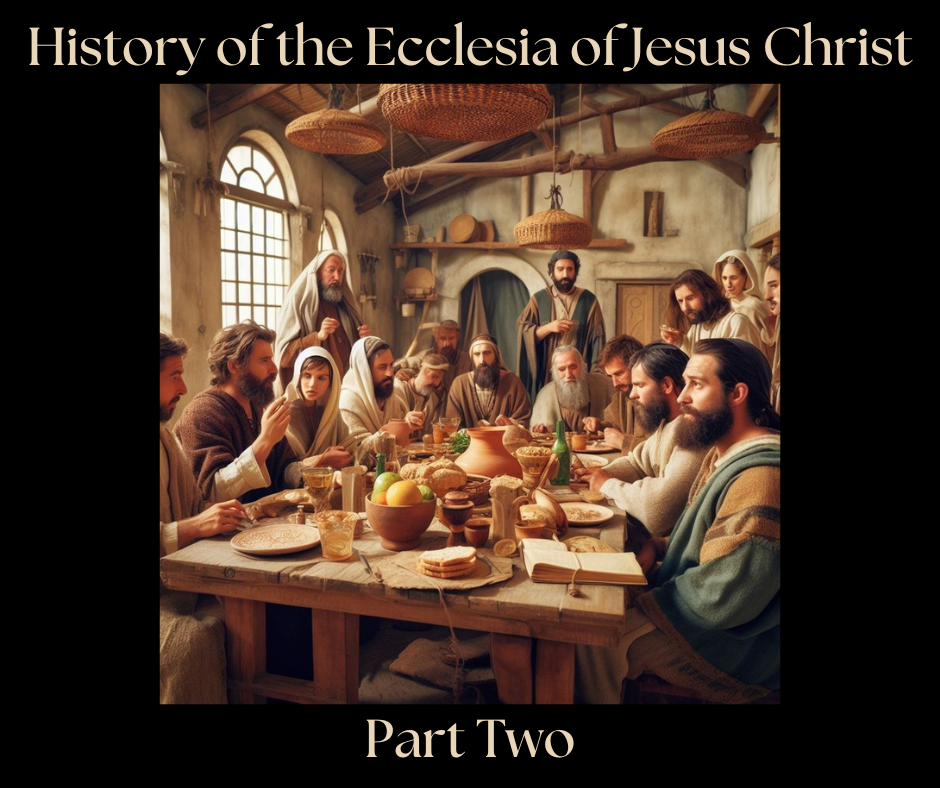
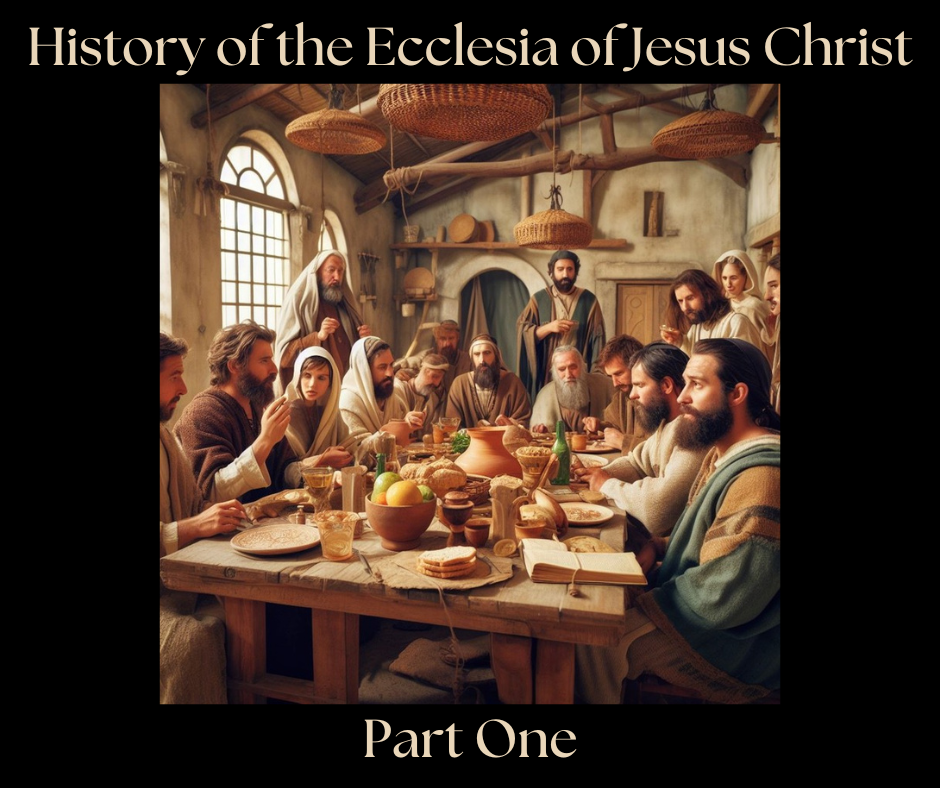
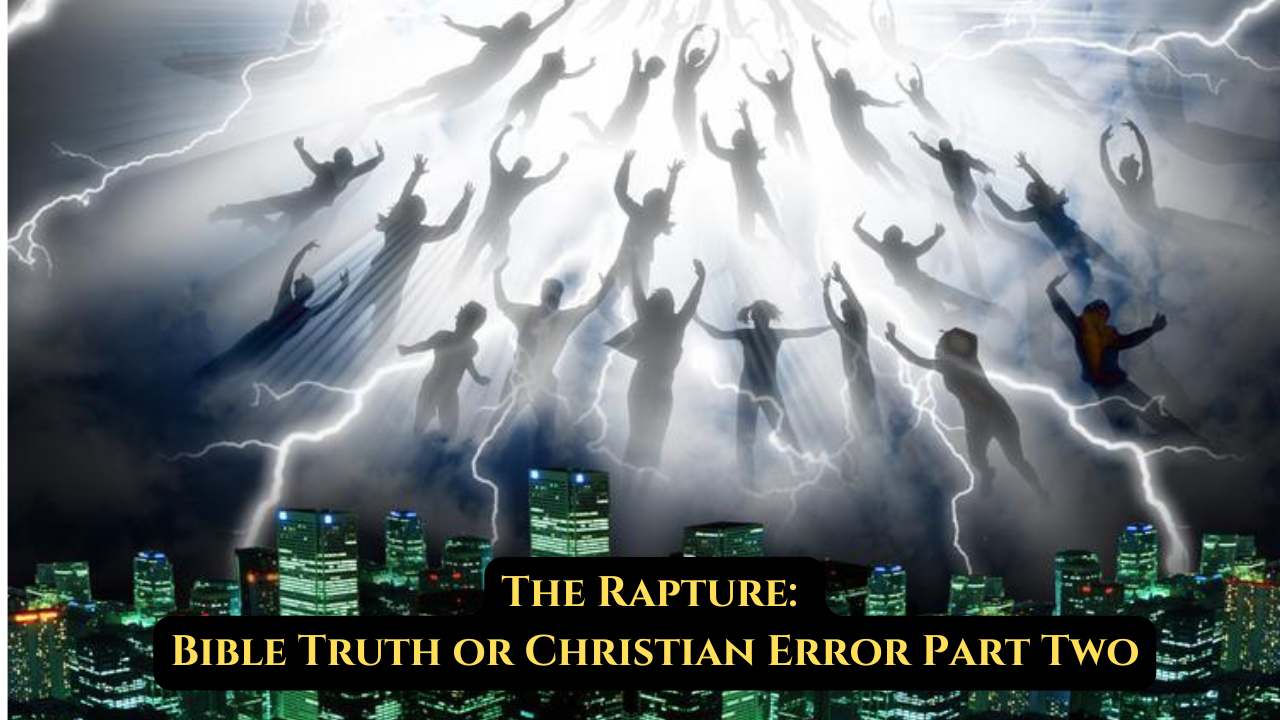
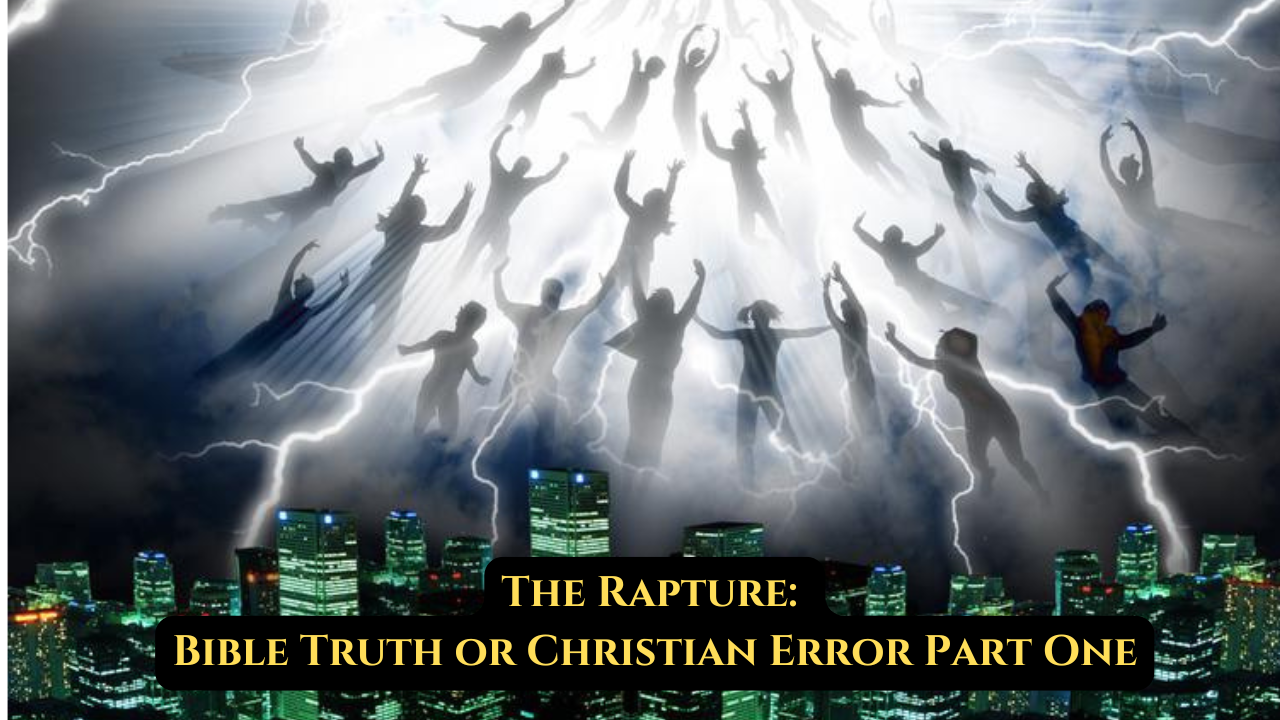

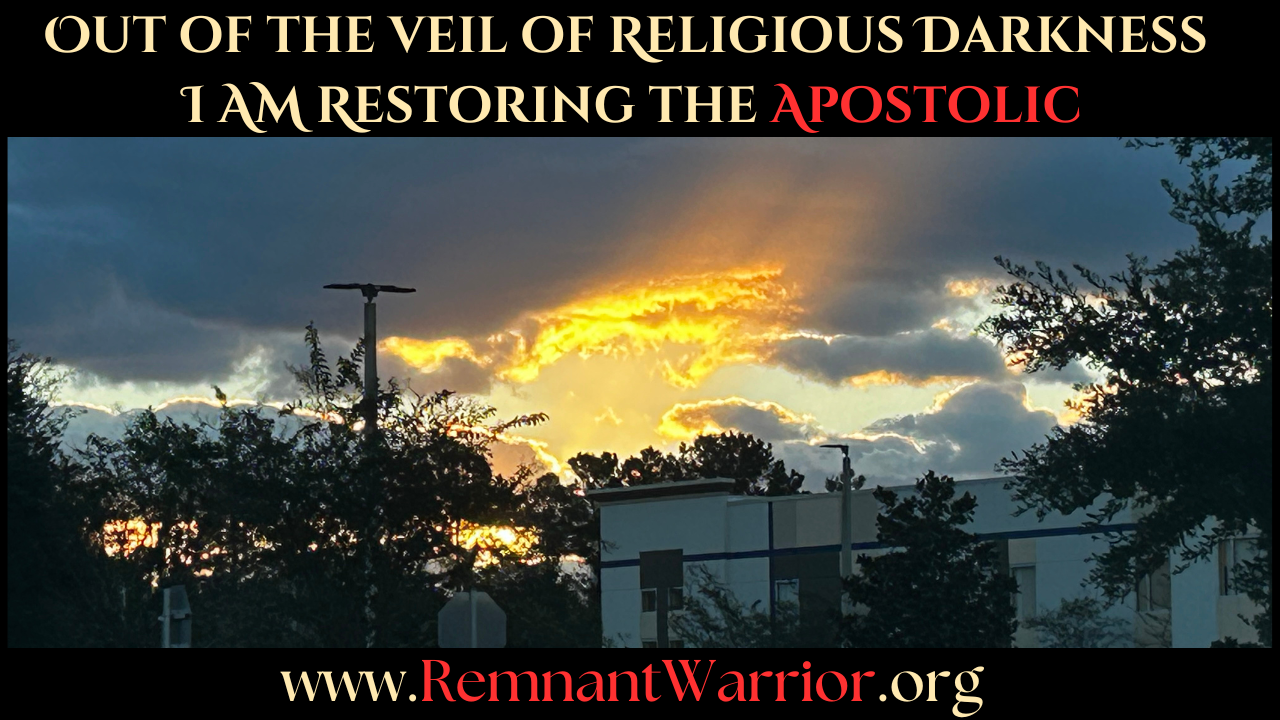





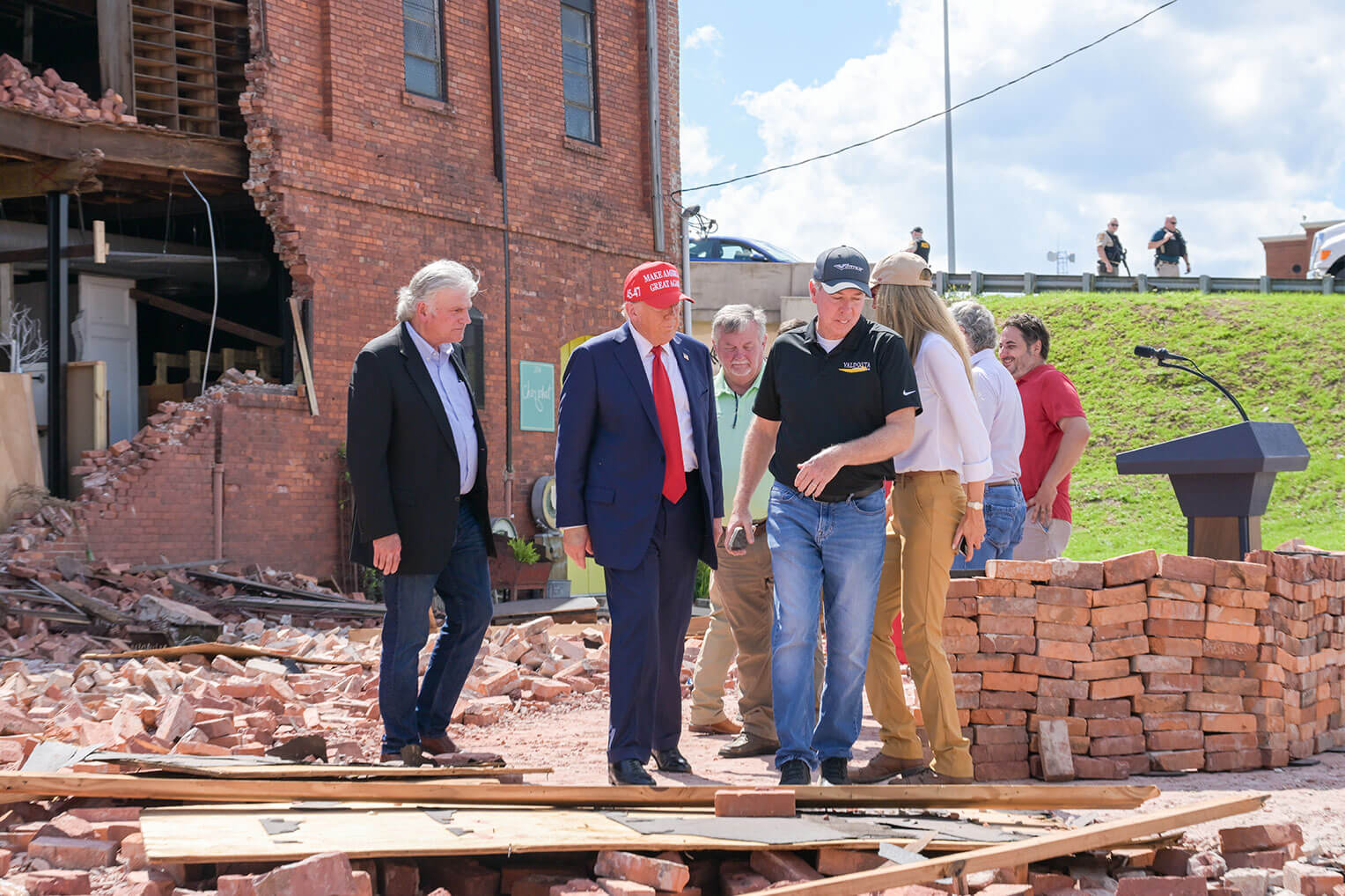
 Radical Disciples - A Remnant Revolution