by the Rev. CHARLES G. FINNEY
Behold, all ye that kindle a fire, that compass yourselves about with sparks: walk in the light of your fire, and in the sparks that ye have kindled. This shall ye have of my hand; ye shall lie down in sorrow.–Isaiah l. 11.
IT is evident, from the connection of these words in the chapter, that the prophet was addressing those who professed to be religious, and who flattered themselves that they were in a state of salvation, but in fact their hope was a fire of their own kindling, and sparks created by themselves. Before I proceed to discuss the subject, let me say, that as I have given notice that it was my intention to discuss the nature of true and false conversion, it will be of no use but to those who will be honest in applying it to themselves. If you mean to profit by the discourse, you must resolve to make a faithful application of it to yourselves–just as honest as if you thought you were now going to the solemn judgment. If you will do this, I may hope to be able to lead you to discover your true state, and if you are now deceived, direct you in the true path to salvation. If you will not do this, I shall preach in vain, and you will hear in vain.
I design to show the difference between true and false conversion, and shall take up the subject in the following order:
I. Show that the natural state of man is a state of pure selfishness.
II. Show that the character of the converted is that of benevolence.
III. That the New Birth consists in a change from selfishness to benevolence.
IV. Point out some things wherein saints and sinners, or true and spurious converts, may agree, and some things in which they differ. And,V. Answer some objections that may be offered against the view I have taken, and conclude with some remarks.
I. I am to show that the natural state of man, or that in which all men are found before conversion, is pure, unmingled selfishness.
By which I mean, that they have no gospel benevolence. Selfishness is regarding one’s own happiness supremely, and seeking one’s own good because it is his own. He who is selfish places his own happiness above other interests of greater value; such as the glory of God and the good of the universe. That mankind, before conversion, are in this state, is evident from many considerations.
Every man knows that all other men are selfish. All the dealings of mankind are conducted on this principle. If any man overlooks this, and undertakes to deal with mankind as if they were not selfish, but were disinterested, he will be thought deranged.
II. In a converted state, the character is that of benevolence.
An individual who is converted is benevolent, and not supremely selfish. Benevolence is loving the happiness of others, or rather, choosing the happiness of others. Benevolence is a compound word, that properly signifies good willing, or choosing the happiness of others. This is God’s state of mind. We are told that God is love; that is, he is benevolent. Benevolence comprises his whole character. All his moral attributes are only so many modifications of benevolence. An individual who is converted is in this respect like God. I do not mean to be understood, that no one is converted, unless he is purely and perfectly benevolent, as God is; but that the balance of his mind, his prevailing choice is benevolent. He sincerely seeks the good of others, for its own sake. And, by disinterested benevolence I do not mean, that a person who is disinterested feels no interest in his object of pursuit, but that he seeks the happiness of others for its own sake, and not for the sake of its reaction on himself, in promoting his own happiness. He chooses to do good because he rejoices in the happiness of others, and desires their happiness for its own sake. God is purely and disinterestedly benevolent. He does not make his creatures happy for the sake of thereby promoting his own happiness, but because he loves their happiness and chooses it for its own sake. Not that he does not feel happy in promoting the happiness of his creatures, but that he does not do it for the sake of his own gratification. The man who is disinterested feels happy in doing good. Otherwise doing good itself would not be virtue in him. In other words, if he did not love to do good, and enjoy doing good, it would not be virtue in him.
Benevolence is holiness. It is what the Law of God requires: “Thou shalt love the Lord thy God, with all thy heart and soul and strength, and thy neighbor as thyself.” Just as certainly as the converted man yields obedience to the law of God, and just as certainly as he is like God, he is benevolent. It is the leading feature of his character, that he is seeking the happiness of others, and not his own happiness, as his supreme end.
III. That true conversion is a change from a state of supreme selfishness to benevolence.
It is a change in the end of pursuit, and not a mere change in the means of attaining the end. It is not true that the converted and the unconverted differ only in the means they use, while both are aiming at the same end. It is not true that Gabriel and Satan are pursuing the same end, and both alike aiming at their own happiness, only pursuing a different way. Gabriel does not obey God for the sake of promoting his own happiness. A man may change his means, and yet have the same end, his own happiness. He may do good for the sake of the temporal benefit. He may not believe in religion, or in any eternity, and yet may see that doing good will be for his advantage in this world. Suppose, then, that his eyes are opened, and he sees the reality of eternity; and then he may take up religion as a means of happiness in eternity. Now, every one can see that there is no virtue in this. It is the design that gives character to the act, not the means employed to effect the design. The true and the false convert differ in this. The true convert chooses, as the end of his pursuit, the glory of God and the good of his kingdom. This end he chooses for its own sake, because he views this as the greatest good, as a greater good than his own individual happiness. Not that he is indifferent to his own happiness, but he prefers God’s glory, because it is a greater good. He looks on the happiness of every individual according to its real importance, as far as he is capable of valuing it, and he chooses the greatest good as his supreme object.
IV. Now I am to show some things in which true saints and deceived persons may agree, and some things in which they differ.
1. They may agree in leading a strictly moral life.
The difference is in their motives. The true saint leads a moral life from love to holiness; the deceived person from selfish considerations. He uses morality as a means to an end, to effect his own happiness. The true saint loves it as an end.
2. They may be equally prayerful, so far as the form of praying is concerned.
The difference is in their motives. The true saint loves to pray; the other prays because he hopes to derive some benefit to himself from praying. The true saint expects a benefit from praying, but that is not his leading motive. The other prays from no other motive.
3. They may be equally zealous in religion.
One may have great zeal, because his zeal is according to knowledge, and he sincerely desires and loves to promote religion, for its own sake. The other may show equal zeal, for the sake of having his own salvation more assured, and because he is afraid of going to hell if he does not work for the Lord, or to quiet his conscience, and not because he loves religion for its own sake.
4. They may be equally conscientious in the discharge of duty; the true convert because he loves to do duty, and the other because he dare not neglect it.
5. Both may pay equal regard to what is right; the true convert because he loves what is right, and the other because he knows he cannot be saved unless he does right. He is honest in his common business transactions, because it is the only way to secure his own interest. Verily, they have their reward. They get the reputation of being honest among men, but if they have no higher motive, they will have no reward from God.
6. They may agree in their desires, in many respects. They may agree in their desires to serve God; the true convert because he loves the service of God, and the deceived person for the reward, as the hired servant serves his master.
They may agree in their desires to be useful; the true convert desiring usefulness for its own sake, the deceived person because he knows that is the way to obtain the favor of God. And then in proportion as he is awakened to the importance of having God’s favor, will be the intensity of his desires to be useful.
In desires for the conversion of souls; the true saint because it will glorify God; the deceived person to gain the favor of God. He will be actuated in this, just as he is in giving money. Who ever doubted that a person might give his money to the Bible Society, or the Missionary Society, from selfish motives alone, to procure happiness, or applause, or obtain the favor of God? He may just as well desire the conversion of souls, and labor to promote it, from motives purely selfish.
To glorify God; the true saint because he loves to see God glorified, and the deceived person because he knows that is the way to be saved. The true convert has his heart set on the glory of God, as his great end, and he desires to glorify God as an end, for its own sake. The other desires it as a means to his great end, the benefit of himself.
To repent. The true convert abhors sin on account of its hateful nature, because it dishonors God, and therefore he desires to repent of it. The other desires to repent, because he knows that unless he does repent he will be damned.
To believe in Jesus Christ. The true saint desires it to glorify God, and because he loves the truth for its own sake. The other desires to believe, that he may have a stronger hope of going to heaven.
To obey God. The true saint that he may increase in holiness; the false professor because he desires the rewards of obedience.
7. They may agree not only in their desires, but in their resolutions. They may both resolve to give up sin, and to obey God, and to lay themselves out in promoting religion, and building up the kingdom of Christ; and they may both resolve it with great strength of purpose, but with different motives.
8. They may also agree in their designs. They may both really design to glorify God, and to convert men, and to extend the kingdom of Christ, and to have the world converted; the true saint from love to God and holiness, and the other for the sake of securing his own happiness. One chooses it as an end, the other as a means to promote a selfish end.
They may both design to be truly holy; the true saint because he loves holiness, and the deceived person because he knows that he can be happy in no other way.
9. They may agree not only in their desires, and resolutions, and designs, but also in their affection towards many objects.
They may both love the Bible; the true saint because it is God’s truth, and he delights in it, and feasts his soul on it; the other because he thinks it is in his own favor, and is the charter of his own hopes.
They may both love God; the one because he sees God’s character to be supremely lovely and excellent in itself, and he loves it for its own sake; the other because he thinks God is his particular friend, that is going to make him happy for ever, and he connects the idea of God with his own interest.
They may both love Christ. The true convert loves his character, the deceived person thinks he will save him from hell, and give him eternal life, and why should he not love him?
They may both love Christians; the true convert because he sees in them the image of Christ, and the deceived person because they belong to his own denomination, or because they are on his side, and he feels the same interest and the same hopes with them.
10. They may also agree in hating the same things. They may both hate infidelity, and oppose it strenuously–the true saint because it is opposed to God and holiness, and the deceived person because it injures an interest in which he is deeply concerned, and if true, destroys all his own hopes for eternity. So they may hate error; one because it is detestable in itself, and contrary to God–and the other because it is contrary to his views and opinions.
I recollect seeing in writing, some time ago, an attack on a minister for publishing certain opinions, “because,” said the writer, “these sentiments would destroy all my hopes for eternity.” A very good reason indeed! As good as a selfish being needs for opposing an opinion.
They may both hate sin; the true convert because it is odious to God, and the deceived person because it is injurious to himself. Cases have occurred, where an individual has hated his own sins, and yet not forsaken them. How often the drunkard, as he looks back at what he once was, and contrasts his present degradation with what he might have been, abhors his drink; not for its own sake, but because it has ruined him. And he still loves his cups, and continues to drink, though when he looks at their effects, he feels indignation.
They may be both opposed to sinners. The opposition of true saints is a benevolent opposition, viewing and abhorring their character and conduct, as calculated to subvert the kingdom of God. The other is opposed to sinners because they are opposed to the religion he has espoused, and because they are not on his side.
11. So they may both rejoice in the same things. Both may rejoice in the prosperity of Zion, and the conversion of souls; the true convert because he has his heart set on it, and loves it for its own sake, as the greatest good, and the deceived person because that particular thing in which he thinks he has such a great interest is advancing.
12. Both may mourn and feel distressed at the low state of religion in the church; the true convert because God is dishonored, and the deceived person because his own soul is not happy, or because religion is not in favor.
Both may love the society of the saints; the true convert because his soul enjoys their spiritual conversation, the other because he hopes to derive some advantage from their company. The first enjoys it because out of the abundance of the heart the mouth speaketh; the other because he loves to talk about the great interest he feels in religion, and the hope he has of going to heaven.
13. Both may love to attend religious meetings; the true saint because his heart delights in acts of worship, in prayer and praise, in hearing the word of God, and in communion with God and his saints, and the other because he thinks a religious meeting a good place to prop up his hope. He may have a hundred reasons for loving them, and yet not at all for their own sake, or because he loves, in itself, the worship and service of God.
14. Both may find pleasure in the duties of the closet. The true saint loves his closet, because he draws near to God, and finds delight in communion with God, where there are no embarrassments to keep him from going right to God and conversing. The deceived person finds a kind of satisfaction in it, because it is his duty to pray in secret, and he feels a self-righteous satisfaction in doing it. Nay, he may feel a certain pleasure in it, from a kind of excitement of the mind which he mistakes for communion with God.
15. They may both love the doctrines of grace, the true saint because they are so glorious to God, the other because he thinks them a guarantee of his own salvation.
16. They may both love the precept of God’s law; the true saint because it is so excellent, so holy, and just, and good; the other because he thinks it will make him happy if he loves it, and he does it as a means of happiness.
Both may consent to the penalty of the law. The true saint consents to it in his own case, because he feels it to be just in itself for God to send him to hell. The deceived person because he thinks he is in no danger from it. He feels a respect for it, because he knows that it is right, and his conscience approves it, but he has never consented to it in his own case.
17. They may be equally liberal in giving to benevolent societies. None of you doubt that two men may give equal sums to a benevolent object, but from totally different motives. One gives to do good, and would be just as willing to give as now, if he knew that no other living person would give. The other gives for the credit of it, or to quiet his conscience, or because he hopes to purchase the favor of God.
18. They may be equally self-denying in many things. Self-denial is not confined to true saints. Look at the sacrifices and self-denials of the Mohammedans, going on their pilgrimage to Mecca. Look at the heathen, throwing themselves under the car of Juggernaut. Look at the poor ignorant papists, going up and down over the sharp stones on their bare knees, till they stream with blood. A Protestant congregation will not contend that there is any religion in that. But is there not self-denial? The true saint denies himself, for the sake of doing more good to others. He is more set on this than on his own indulgence or his own interest. The deceived person may go equal lengths, but from purely selfish motives.
19. They may both be willing to suffer martyrdom. Read the lives of the martyrs, and you will have no doubt that some were willing to suffer, from a wrong idea of the rewards of martyrdom, and would rush upon their own destruction because they were persuaded it was the sure road to eternal life.
In all these cases, the motives of one class are directly over against the other. The difference lies in the choice of different ends. One chooses his own interest, the other chooses God’s interest, as his chief end. For a person to pretend that both these classes are aiming at the same end, is to say that an impenitent sinner is just as benevolent as a real Christian; or that a Christian is not benevolent like God, but is only seeking his own happiness, and seeking it in religion rather than in the world.
And here is the proper place to answer an inquiry, which is often made: “If these two classes of persons may be alike in so many particulars, how are we to know our own real character, or to tell to which class we belong? We know that the heart is deceitful above all things, and desperately wicked, and how are we to know whether we love God and holiness for their own sake, or whether we are seeking the favor of God, and aiming at heaven for our own benefit?” I answer:
1. If we are truly benevolent, it will appear in our daily transactions. This character, if real, will show itself in our business, if any where. If selfishness rules our conduct there, as sure as God reigns we are truly selfish. If in our dealings with men we are selfish, we are so in our dealings with God. “For whoso loveth not his brother, whom he hath seen, how can he love God, whom he hath not seen?” Religion is not merely love to God, but love to man also. And if our daily transactions show us to be selfish, we are unconverted; or else benevolence is not essential to religion, and a man can be religious without loving his neighbor as himself.
2. If you are disinterested in religion, religious duties will not be a task to you. You will not go about religion as the laboring man goes to his toil, for the sake of a living. The laboring man takes pleasure in his labor, but it is not for its own sake. He would not do it if he could help it. In its own nature it is a task, and if he takes any pleasure in it, it is for its anticipated results, the support and comfort of his family, or the increase of his property.
Precisely such is the state of some persons in regard to religion. They go to it as the sick man takes his medicine, because they desire its effects, and they know they must have it or perish. It is a task that they never would do for its own sake. Suppose men loved labor, as a child loves play. They would do it all day long, and never be tired of doing it, without any other inducement than the pleasure they enjoy in doing it. So it is in religion, where it is loved for its own sake, there is no weariness in it.
3. If selfishness is the prevailing character of your religion, it will take sometimes one form and sometimes another. For instance: If it is a time of general coldness in the church, real converts will still enjoy their own secret communion with God, although there may not be so much doing to attract notice in public. But the deceived person will then invariably be found driving after the world. Now, let the true saints rise up, and make a noise, and speak their joys aloud, so that religion begins to be talked of again; and perhaps the deceived professor will soon begin to bustle about, and appear to be even more zealous than the true saint. He is impelled by his convictions, and not affections. When there is no public interest, he feels no conviction; but when the church awakes, he is convicted, and compelled to stir about, to keep his conscience quiet. It is only selfishness in another form.
4. If you are selfish, your enjoyment in religion will depend mainly on the strength of your hopes of heaven, and not on the exercise of your affections. Your enjoyments are not in the employments of religion themselves, but of a vastly different kind from those of the true saint. They are mostly from anticipating. When your evidences are renewed, and you feel very certain of going to heaven, then you enjoy religion a good deal. It depends on your hope, and not on your love for the things for which you hope. You hear persons tell of their having no enjoyment in religion when they lose their hopes. The reason is plain. If they loved religion for its own sake, their enjoyment would not depend on their hope. A person who loves his employment is happy any where. And if you loved the employments of religion, you would be happy, if God should put you in hell, provided he would only let you employ yourself in religion. If you might pray and praise God, you would feel that you could be happy any where in the universe; for you would still be doing the things in which your happiness mainly consists. If the duties of religion are not the things in which you feel enjoyment, and if all your enjoyment depends on your hope, you have no true religion; it is all selfishness.
I do not say that true saints do not enjoy their hope. But that is not the great thing with them. They think very little about their own hopes. Their thoughts are employed about something else. The deceived person, on the contrary, is sensible that he does not enjoy the duties of religion; but only that the more he does, the more confident he is of heaven. He takes only such kind of enjoyment in it, as a man does who thinks that by great labor he shall have great wealth.
5. If you are selfish in religion, your enjoyments will be chiefly from anticipation. The true saint already enjoys the peace of God, and has heaven begun in his soul. He has not merely the prospect of it, but eternal life actually begun in him. He has that faith which is the very substance of things hoped for. Nay, he has the very feelings of heaven in him. He anticipates joys higher in degree, but the same in kind. He knows that he has heaven begun in him, and is not obliged to wait till he dies to taste the joys of eternal life. His enjoyment is in proportion to his holiness, and not in proportion to his hope.
6. Another difference by which it may be known whether you are selfish in religion, is this–that the deceived person has only a purpose of obedience, and the other has a preference of obedience. This is an important distinction, and I fear few persons make it. Multitudes have a purpose of obedience, who have no true preference of obedience. Preference is actual choice, or obedience of heart. You often hear individuals speak of their having had a purpose to do this or that act of obedience, but failed to do it. And they will tell you how difficult it is to execute their purpose. The true saint, on the other hand, really prefers, and in his heart chooses obedience, and therefore he finds it easy to obey. The one has a purpose to obey, like that which Paul had before he was converted, as he tells us in the seventh chapter of Romans. He had a strong purpose of obedience, but did not obey, because his heart was not in it. The true convert prefers obedience for its own sake; he actually chooses it, and does it. The other purposes to be holy, because he knows that is the only way to be happy. The true saint chooses holiness for its own sake, and he is holy.
7. The true convert and the deceived person also differ in their faith. The true saint has a confidence in the general character of God, that leads him to unqualified submission to God. A great deal is said about the kinds of faith, but without much meaning. True confidence in the Lord’s special promises, depends on confidence in God’s general character. There are only two principles on which any government, human or divine, is obeyed, fear and confidence. No matter whether it is the government of a family, or a ship, or a nation, or a universe. All obedience springs from one of these two principles. In the one case, individuals obey from hope of reward and fear of the penalty. In the other, from that confidence in the character of the government, which works by love. One child obeys his parent from confidence in his parent. He has faith which works by love. The other yields an outward obedience from hope and fear. The true convert has this faith, or confidence in God, that leads him to obey God because he loves God. This is the obedience of faith. He has that confidence in God, that he submits himself wholly into the hands of God.
The other has only a partial faith, and only a partial submission. The devil has a partial faith. He believes and trembles. A person may believe that Christ came to save sinners, and on that ground may submit to him, to be saved; while he does not submit wholly to him, to be governed and disposed of. His submission is only on condition that he shall be saved. It is never with that unreserved confidence in God’s whole character, that leads him to say, “Let thy will be done.” He only submits to be saved. His religion is the religion of law. The other is gospel religion. One is selfish, the other benevolent. Here lies the true difference between the two classes. The religion of one is outward and hypocritical. The other is that of the heart, holy, and acceptable to God.
8. I will only mention one difference more. If your religion is selfish, you will rejoice particularly in the conversion of sinners, where your own agency is concerned in it, but will have very little satisfaction in it, where it is through the agency of others. The selfish person rejoices when he is active and successful in converting sinners, because he thinks he shall have a great reward.
But instead of delighting in it when done by others, he will be even envious. The true saint sincerely delights to have others useful, and rejoices when sinners are converted by the instrumentality of others as much as if it was his own. There are some who will take interest in a revival, only so far as themselves are connected with it, while it would seem they had rather sinners should remain unconverted, than that they should be saved by the instrumentality of an evangelist, or a minister of another denomination. The true spirit of a child of God is to say, “Send, Lord, by whom thou wilt send–only let souls be saved, and thy name glorified!”
V. I am to answer some objections which are made against this view of the subject.
OBJECTION 1. “Am I not to have any regard to my own happiness?”
ANSWER. It is right to regard your own happiness according to its relative value. Put it in this scale, by the side of the glory of God and the good of the universe, and then decide, and give it the value which belongs to it. This is precisely what God does. And this is what he means, when he commands you to love your neighbor as yourself.
And again: You will in fact promote your own happiness, precisely in proportion as you leave it out of view. Your happiness will be in proportion to your disinterestedness. True happiness consists mainly in the gratification of virtuous desires. There may be pleasure in gratifying desires that are selfish, but it is not real happiness. But to be virtuous, your desires must be disinterested. Suppose a man meets a beggar in the street; there he sits on the curbstone, cold and hungry, without friends, and ready to perish. The man’s feelings are touched, and he steps into a grocery near by, and buys him a loaf of bread. At once the countenance of the beggar lights up, and he looks unutterable gratitude. Now it is plain to see, that the gratification of the man in the act is precisely in proportion to the singleness of his motive. If he did it purely and solely out of benevolence, his gratification is complete in the act itself. But if he did it partly to have it known that he is a charitable and humane person, then his happiness is not complete until the deed is published to others. Suppose here is a sinner in his sins; he is very wicked and very wretched. Your compassion is moved, and you convert and save him. If your motive was to obtain honor among men and to secure the favor of God, you are not completely happy until the deed is told, and perhaps put in the newspaper. But if you wished purely to save a soul from death, then as soon as you see that done, your gratification is complete, and your joy is unmingled. So it is in all religious duties; your happiness is precisely in proportion as you are disinterested.
If you aim at doing good for its own sake, then you will be happy in proportion as you do good. But if you aim directly at your own happiness, and if you do good simply as a means of securing your own happiness, you will fail. You will be like the child pursuing his own shadow; he can never overtake it, because it always keeps just so far before him. Suppose in the case I have mentioned, you have no desire to relieve the beggar, but regard simply the applause of a certain individual. Then you will feel no pleasure at all in the relief of the beggar; but when that individual hears of it and commends it, then you are gratified. But you are not gratified in the thing itself. Or suppose you aim at the conversion of sinners; but if it is not love to sinners that leads you to do it, how can the conversion of sinners make you happy? It has no tendency to gratify the desire that prompted the effort. The truth is, God has so constituted the mind of man, that it must seek the happiness of others as its end, or it cannot be happy. Here is the true reason why all the world, seeking their own happiness and not the happiness of others, fail of their end. It is always just so far before them. If they would leave off seeking their own happiness, and lay themselves out to do good, they would be happy.
OBJECTION 2. “Did not Christ regard the joy set before him? And did not Moses also have respect unto the recompense of reward? And does not the Bible say we love God because he first loved us?”
ANSWER 1. It is true that Christ despised the shame and endured the cross, and had regard to the joy set before him. But what was the joy set before him? Not his own salvation, not his own happiness, but the great good he would do in the salvation of the world. He was perfectly happy in himself. But the happiness of others was what he aimed at. This was the joy set before him. And that he obtained.
ANSWER 2. So Moses had respect to the recompense of reward. But was that his own comfort? Far from it. The recompense of reward was the salvation of the people of Israel. What did he say? When God proposed to destroy the nation, and make of him a great nation, had Moses been selfish he would have said, “That is right, Lord; be it unto thy servant according to thy word.” But what does he say? Why, his heart was so set on the salvation of his people, and the glory of God, that he would not think of it for a moment, but said, “If thou wilt, forgive their sin; and if not, blot me, I pray thee, out of thy book, which thou hast written.” And in another case, when God said he would destroy them, and make of Moses a greater and a mightier nation, Moses thought of God’s glory, and said, “Then the Egyptians shall hear of it, and all the nations will say, Because the Lord was not able to bring this people into the land.” He could not bear to think of having his own interest exalted at the expense of God’s glory. It was really a greater reward, to his benevolent mind, to have God glorified, and the children of Israel saved, than any personal advantage whatever to himself could be.
ANSWER 3. Where it is said, “We love him because he first loved us,” the language plainly bears two interpretations; either that his love to us has provided the way for our return and the influence that brought us to love him, or that we love him for his favor shown to ourselves.–That the latter is not the meaning is evident, because Jesus Christ has so expressly reprobated the principle, in his sermon on the mount: “If ye love them which love you, what thank have ye? Do not the publicans the same?” If we love God, not for his character but for his favors to us, Jesus Christ has written us reprobate.
OBJECTION 3. “Does not the Bible offer happiness as the reward of virtue?”
ANSWER. The Bible speaks of happiness as the result of virtue, but no where declares virtue to consist in the pursuit of one’s own happiness. The Bible is every where inconsistent with this, and represents virtue to consist in doing good to others. We can see by the philosophy of the mind, that it must be so. If a person desires the good of others, he will be happy in proportion as he gratifies that desire. Happiness is the result of virtue, but virtue does not consist in the direct pursuit of one’s own happiness, but is wholly inconsistent with it.
OBJECTION 4. “God aims at our happiness, and shall we be more benevolent than God? Should we not be like God? May we not aim at the same thing that God aims at? Should we not be seeking the same end that God seeks?”
ANSWER. This objection is specious, but futile and rotten. God is benevolent to others. He aims at the happiness of others, and at our happiness. And to be like him, we must aim at, that is, delight in his happiness and glory, and the honour and glory of the universe, according to their real value.
OBJECTION 5. “Why does the Bible appeal continually to the hopes and fears of men, if a regard to our own happiness is not a proper motive to action?”
ANSWER. The Bible appeals to the constitutional susceptibilities of men, not to their selfishness. Man dreads harm, and it is not wrong to avoid it. We may have a due regard to our own happiness, according to its value.
ANSWER 2. And again; mankind are so besotted with sin, that God cannot get their attention to consider his true character, and the reasons for loving him, unless he appeals to their hopes and fears. But when they are awakened, then he presents the gospel to them. When a minister has preached the terrors of the Lord till he has got his hearers alarmed and aroused, so that they will give attention, he has gone far enough in that line; and then he ought to spread out all the character of God before them, to engage their hearts to love him for his own excellence.
OBJECTION 6. “Do not the inspired writers say, Repent, and believe the gospel, and you shall be saved?”
ANSWER. Yes; but they require true repentance; that is, to forsake sin because it is hateful in itself. It is not true repentance, to forsake sin on condition of pardon, or to say, “I will be sorry for my sins, if you will forgive me.” So they require true faith, and true submission; not conditional faith, or partial submission. This is what the Bible insists on. It says he shall be saved, but it must be disinterested repentance, and disinterested submission.
OBJECTION 7. “Does not the gospel hold out pardon as a motive to submission?”
ANSWER. This depends on the sense in which you must the term motive. If you mean that God spreads out before men his whole character, and the whole truth of the case, as reasons to engage the sinner’s love and repentance, I say, Yes; his compassion, and willingness to pardon, are reasons for loving God, because they are a part of his glorious excellence, which we are bound to love. But if you mean by motive a condition, and that the sinner is to repent on condition he shall be pardoned, then I say, that the Bible no where holds out any such view of the matter. It never authorizes a sinner to say, “I will repent if you will forgive,” and no where offers pardon as a motive to repentance, in such a sense as this.
With two short remarks I will close:
1. We see, from this subject, why it is that professors of religion have such different views of the nature of the gospel.
Some view it as a mere matter of accommodation to mankind, by which God is rendered less strict than he was under the law; so that they may be fashionable or worldly, and the gospel will come in and make up the deficiencies and save them. The other class view the gospel as a provision of divine benevolence, having for its main design to destroy sin and promote holiness; and that therefore so far from making it proper for them to be less holy than they ought to be under the law, its whole value consists in its power to make them holy.
II. We see why some people are so much more anxious to convert sinners, than to see the church sanctified and God glorified by the good works of his people.
Many feel a natural sympathy for sinners, and wish to have them saved from hell; and if that is gained, they have no farther concern. But true saints are most affected by sin as dishonoring God. And they are more distressed to see Christians sin, because it dishonors God more. Some people seem to care but little how the church live, if they can only see the work of conversion go forward. They are not anxious to have God honored. It shows that they are not actuated by the love of holiness, but by mere compassion for sinners.



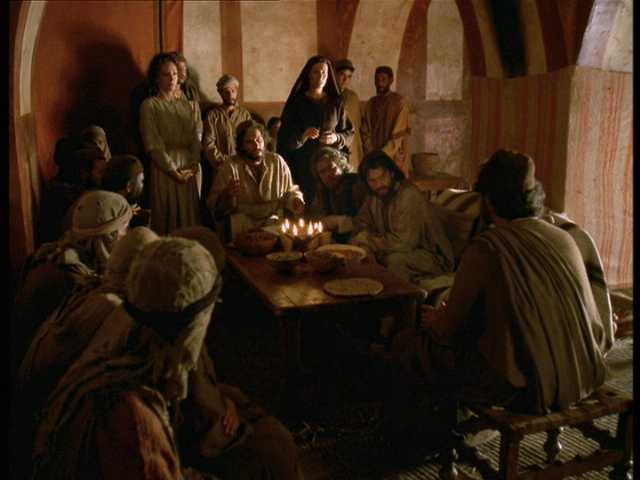
 studying the house meeting structure of the New Testament, many are amazed at how fast Paul developed leaders. Of course, upon reading scripture we find than generally the person who opened their home were considered leaders and others blossomed around them.
 I believe that even as we see more and more open verbal and legal attacks against the Church and Christians in America and abroad, if one is truly tuned into what the Spirit is speaking, they to shall find the Father calling the Bride to journey back in time to apply the values and ministry practices found in the New Testament. While house to house ministry might look different today, many of the same Biblical principles apply and will help us to not only begin to disciple others, who go on to disciple others, we will also see the body coming back into unity and with that the Glory of the Lord shall once again be seen across this nation and through-out the world. Even if it is a remnant that begins, the fire will spread even as did through the first century Church.
 When I read the stories of movements and people of the Church from years past I read of a people who were totally sold out to Christ, and His signs and wonders followed them. Of men and women who seemed giants in faith and willing to face what ever this world and hell had to throw at them. Men who would face even the gallows with heads towards heaven. Even praising the name of Jesus as their bodies melted, tied to a pole with fire consuming them.
 Radical Disciples - A Remnant Revolution