Bridging the Gap Between Desire and Reality
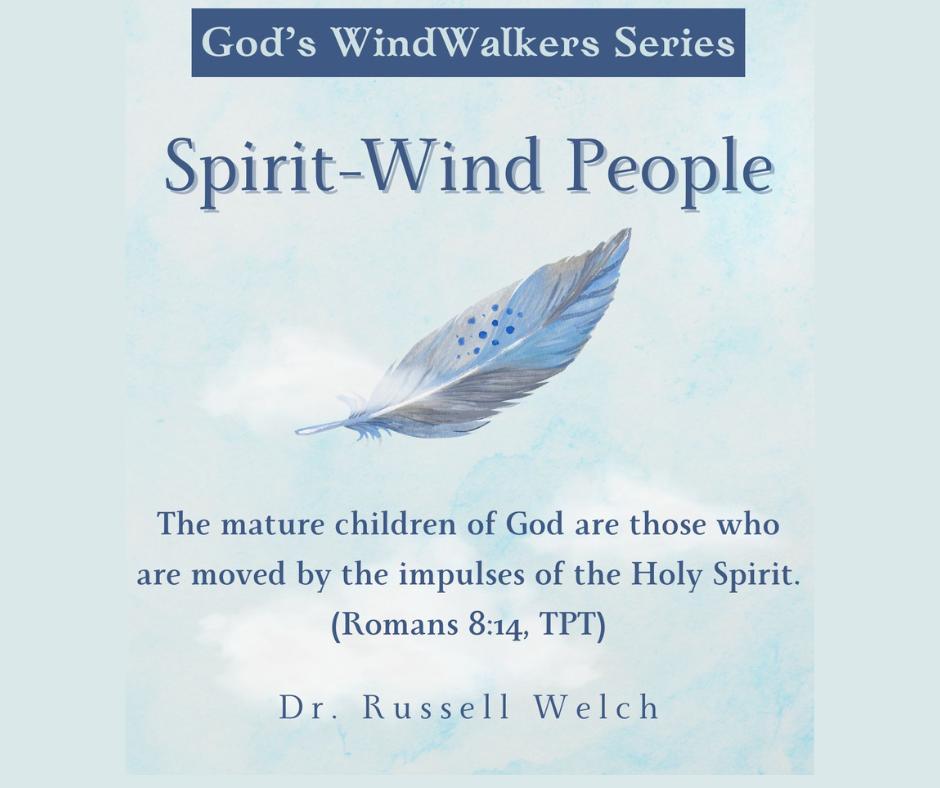
The early morning light filtered through the thin curtains, casting a soft glow on the worn wooden floorboards. Sarah sat at her kitchen table, staring at the Bible open before her. Romans 8. The words seemed to blur together as she tried to focus, but her mind kept drifting back to last night’s argument with Jason.
“Why can’t you understand?” Jason had shouted, his voice echoing through their small apartment. “I need you to be here, not just physically but emotionally and spiritually.”
Now, in the quiet of the morning, Sarah felt the weight of his words pressing down on her. She wanted so desperately to live a Spirit-led life, to align her daily actions with her spiritual aspirations. But every time she tried, something seemed to pull her back—her temper, her doubts, her fear of inadequacy.
She glanced out the window where a sparrow hopped along the windowsill. Its carefree movements contrasted starkly with the turmoil inside her. The simplicity of its existence made Sarah yearn for that same peace. But how? How could she bridge this gap between what she wanted to be and what she was?
The smell of toast filled the room as it popped up from the toaster beside her. She reached for it absently, spreading butter while trying to recall Pastor Mike’s sermon on Romans 8 last Sunday. He had spoken about living under the Holy Spirit’s governance—about surrender and trust—but those concepts felt so abstract now.
Her phone buzzed on the table with a message from Lisa: “Thinking of you this morning! Remember Romans 8:28.” Sarah sighed and typed back a quick thank-you before setting it aside again.
She took a bite of toast and closed her eyes briefly, hoping for some divine inspiration or at least some clarity amidst her confusion. The taste reminded her of childhood breakfasts with Dad reading scripture aloud; those moments seemed so pure and uncomplicated then.
But life had become more complex since those days—marriage struggles, job stressors—and navigating them while trying not to lose sight of spiritual goals felt like an insurmountable challenge.
As she opened her eyes again and looked back down at Romans 8:26-27 about how “the Spirit helps us in our weakness,” she wondered if maybe part of living a Spirit-led life meant accepting that weakness wasn’t failure but an invitation for divine strength.
Could embracing their imperfections be part of aligning themselves more closely with their spiritual aspirations?
Unlocking the Path to a Spirit-Led Life
In our pursuit of a Spirit-led life, many committed Christians find themselves wrestling with a significant gap between their spiritual aspirations and their daily realities. Despite active participation in church activities and sincere devotion, there remains a lingering sense of frustration and inadequacy. The struggle to align one’s life with deeply held spiritual values is not uncommon, yet it often feels isolating and disheartening. This chapter delves into the heart of this issue, offering insights and practical strategies drawn from Romans 8 to help bridge this gap.
One of the primary challenges in living a Spirit-led life is identifying and overcoming the obstacles that impede our progress. These obstacles can be external, such as demanding schedules or societal pressures, or internal, like doubt and fear. Understanding these barriers is crucial because it allows us to develop strategies to navigate them effectively. By recognizing the common hindrances we face, we can begin to dismantle them with intentionality and grace.
Romans 8 provides profound guidance for aligning our daily lives with our spiritual aspirations. This chapter emphasizes that living under the Holy Spirit’s governance is not about achieving perfection but about yielding to His influence in every aspect of our lives. Practical steps such as daily reflection, prayer, and immersion in Scripture can facilitate this alignment. These practices help us remain mindful of God’s presence and attuned to His direction.
However, the journey towards a Spirit-led life is not without its frustrations. Many believers experience feelings of inadequacy when they fall short of their spiritual goals. These feelings can be paralyzing, leading to a cycle of guilt and discouragement. It’s important to address these emotions head-on by cultivating a mindset rooted in grace rather than performance. Romans 8:1 reminds us that there is no condemnation for those who are in Christ Jesus, providing reassurance that our worth is not tied to our ability to live flawlessly.
To overcome these frustrations, developing a supportive community is essential. Surrounding ourselves with fellow believers who share similar aspirations can provide encouragement and accountability. Engaging in open and honest conversations about our struggles helps us realize that we are not alone in this journey. Together, we can uplift one another and share practical advice on how to navigate the challenges of living a Spirit-led life.
Moreover, embracing the transformative power of the Holy Spirit requires an ongoing commitment to personal growth. This involves being open to change and willing to let go of old habits that hinder our spiritual progress. By continually seeking God’s guidance through prayer and Scripture, we allow the Holy Spirit to mold us into individuals who reflect Christ’s love and grace more fully each day.
In summary, bridging the gap between desire and reality in our spiritual lives involves recognizing common obstacles, implementing practical steps for alignment based on Romans 8, and addressing feelings of frustration with grace-filled strategies. By committing to this process with an open heart and mind, we position ourselves to experience the fullness of a Spirit-led life. This journey may be challenging, but it is undoubtedly rewarding as it brings us closer to living out our deepest spiritual aspirations authentically and joyfully.
Common Obstacles to Living a Spirit-led Life
One significant barrier that many Christians face is the distraction of daily responsibilities. The pressing demands of work, family, and social obligations can overshadow spiritual pursuits. This can lead to a life where moments of prayer or reflection are squeezed into the margins, often as afterthoughts rather than as central elements of daily living.
Imagine trying to navigate a busy city street while constantly looking through a small, smudged window. This analogy reflects how distractions can limit our view of what’s truly important, making it challenging to focus on living a Spirit-led life. Just as cleaning the window would offer a clearer path forward, actively reducing distractions can help in focusing more on spiritual growth.
Another common obstacle is doubt and uncertainty. Doubts about personal worthiness or the effectiveness of one’s prayers can create a barrier to fully embracing a life guided by the Holy Spirit. These doubts are often fueled by internal and external criticisms that chip away at one’s spiritual confidence.
Moreover, the influence of a secular environment can subtly shift priorities and values. In an age dominated by material success and instant gratification, the spiritual virtues of patience, humility, and contentment are often undervalued. This cultural clash can make it difficult for individuals to maintain their spiritual focus in everyday life.
Lack of community support also plays a crucial role. Spiritual journeys are seldom meant to be solitary voyages. Without encouragement from like-minded peers, maintaining a Spirit-led lifestyle becomes more arduous. Community provides not only support but also accountability—key elements for spiritual resilience and growth.
Living a Spirit-led life requires overcoming distractions, doubts, and the secular pressures that misalign our priorities away from spiritual growth.
Learning Practical Steps Through Romans 8
Romans 8 offers profound insights into living according to the Spirit. It begins by asserting that there is no condemnation for those in Christ Jesus who do not walk according to the flesh but according to the Spirit. This foundational truth sets the stage for understanding our identity in Christ and its implications for daily living.
The chapter further elaborates on being led by the Spirit of God as evidence of being God’s children—a transformative realization that shifts how believers view themselves and their actions. Herein lies an essential step: recognizing our identity in God’s family encourages us to live up to this high calling.
Romans 8 also introduces the concept of the Spirit interceding through our weaknesses with unspoken groanings. This notion is particularly empowering when we feel inadequate in our prayers or uncertain about what or how to pray. Knowing that the Holy Spirit plays an active role in our prayer life reassures us that we are not alone in our struggles.
Practically speaking, aligning daily life with these teachings involves several actionable steps:
- Daily reflection on one’s identity in Christ.
- Setting aside dedicated times for prayer, inviting the Holy Spirit’s guidance.
- Engaging with scripture regularly to reinforce spiritual truths.
- Seeking fellowship with other believers who encourage spiritual growth.
By integrating these practices into everyday routines, believers can begin to see shifts in their priorities and attitudes—alignments more reflective of a Spirit-led existence.
Could understanding your identity as God’s child be the key to unlocking more profound faithfulness?
Overcoming Spiritual Frustration and Feelings of Inadequacy
Feelings of inadequacy often stem from unrealistic self-expectations or comparing one’s spiritual journey with others’. It is crucial to remember that each person’s walk with God is unique and unfolds at different paces.
To address these feelings, it’s helpful first to acknowledge them before God in prayer openly—expressing your frustrations and seeking His guidance can lead to peace and clarity. This act alone can be incredibly liberating as it aligns one’s spirit with God’s compassionate presence.
Additionally, setting small, achievable spiritual goals can significantly reduce feelings of overwhelm or inadequacy. Whether it’s reading a specific number of Bible verses daily or spending a few minutes in silent meditation each morning, these small steps accumulate into substantial spiritual growth over time.
Another strategy involves seeking mentorship or counseling from more experienced believers who have navigated similar challenges. Their insights and encouragement can provide practical advice and emotional support that resonate deeply on your journey.
We have explored common obstacles such as distractions and doubts; learned practical steps through Romans 8 including recognizing our identity in Christ; and identified strategies like setting achievable goals to overcome frustration and feelings of inadequacy—all aiming towards bridging the gap between desire and reality for a fulfilling Spirit-led life.
To bridge the gap between your spiritual aspirations and daily reality, it’s essential to confront common obstacles head-on. Recognizing these barriers is the first step in overcoming them. Often, these challenges can seem insurmountable, yet understanding their nature equips you with the power to tackle them effectively. Acknowledging these hurdles is not a sign of weakness but a testament to your commitment to grow and live a Spirit-led life.
Romans 8 provides a roadmap for aligning your everyday actions with your spiritual desires. This chapter has outlined practical steps for immersing yourself in this transformative scripture, offering clear guidance on how to live under the Holy Spirit’s governance. By internalizing these principles and applying them consistently, you can start to see real changes in your life. Consistency and intentionality are key here; small, daily choices accumulate into significant spiritual growth over time.
Feelings of frustration and inadequacy are common when striving for a Spirit-led life. These emotions can be paralyzing if not addressed properly. Identifying strategies to manage and overcome these feelings is crucial for maintaining momentum on your spiritual journey. Remember that such feelings are natural and part of the growth process. Embrace them as opportunities for deeper reflection and reliance on the Holy Spirit.
Ultimately, closing the gap between desire and reality requires both practical steps and spiritual insight. Be proactive in integrating what you’ve learned into your daily routine, remaining patient with yourself as you navigate this journey. Trust that each effort brings you closer to living a life truly led by the Holy Spirit.
Stay encouraged by remembering that every step forward, no matter how small, contributes to your spiritual development. Continue to seek alignment between your actions and aspirations with faith and determination. You are not alone in this journey; lean into the support of your community and the guidance of the Holy Spirit as you forge ahead.
~Dr. Russell Welch, A.K.A. WindWalker
 Radical Disciples - A Remnant Revolution