Archive for the ‘disciples life’ Category


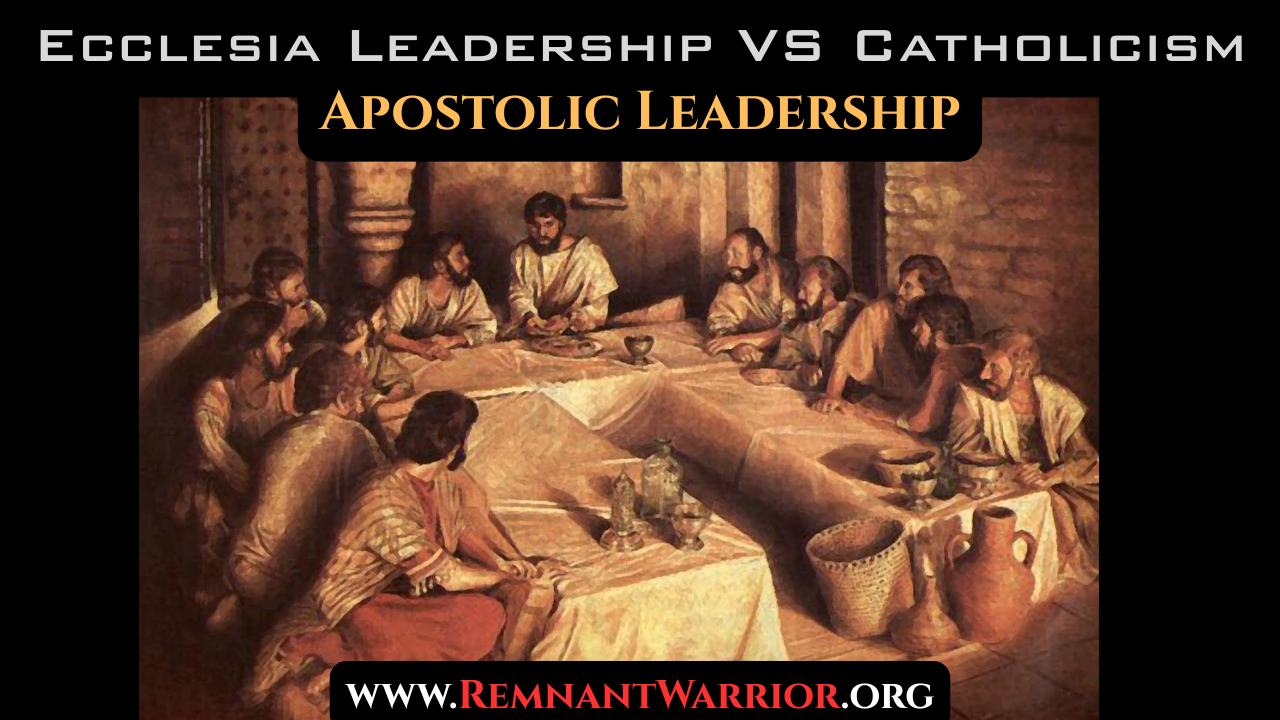
In the heart of the Christian faith lies a profound promise articulated by the Lord Jesus in Matthew 16:18, where He declares, “… thou art Peter, and upon this rock I will build my church; and the gates of hell shall not prevail against it.”

This assertion highlights not only the foundational role of Peter but also emphasizes Christ’s personal involvement in the establishment and nurturing of His ecclesia. The term “ecclesia,” often translated as “church,” signifies more than just a physical gathering; it embodies the spiritual community of believers united under Christ’s authority.

As we dive into this text, we discover that the inception of the ecclesia is intricately linked to Jesus’ death and resurrection, which serves as the cornerstone for a new covenant with humanity. The imagery of the temple plays a significant role in understanding this relationship.

In John 2:19, Jesus prophesies, “Destroy this temple, and in three days I will raise it up,” referring to His body as the true temple. The physical temple, built by human hands, would ultimately be replaced by a spiritual edifice, symbolizing the ecclesia—a community where God dwells not in brick and mortar but in the hearts of believers.

This transition from a physical to a spiritual temple signifies a monumental shift in how God relates to humanity. While the Jewish leaders misunderstood His words, the essence of Christ’s message underscores His mission to form a new covenant community of faith. As we progress into the Acts of the Apostles, the active hand of Jesus is unmistakably present.

Historically, this book could aptly be titled “The Acts of Jesus Christ After His Ascension,” as it details how the risen Lord continues to work through His apostles. Luke introduces this narrative by referencing his previous writings, emphasizing that what Jesus “began both to do and teach” is merely the precursor to the ongoing work of Christ through the Spirit.

Notably, in Acts 2:33, we learn that Jesus has poured out Holy Spirit upon His followers, a clear indication that He is intimately involved in guiding and empowering His ecclesia. Furthermore, Acts 2:47 states, “the Lord added to the church daily such as should be saved.” This raises intriguing questions about the identity of “the Lord” in this verse—whether it refers to God or Jesus.

Given the context of Jesus’ promise to build His ecclesia, it is plausible to interpret this as a reference to Christ’s direct involvement in the growth and vitality of the church. As believers are added to the ecclesia, it becomes evident that Jesus is not a distant figure but an active participant in the life of His followers.

The narrative progresses as we encounter Stephen, who sees Jesus standing at the right hand of God (Acts 7:56). This posture is significant; it implies that Jesus is not merely a passive observer but an active advocate for His people.

When Paul encounters Jesus on the road to Damascus, he learns that the persecutions of the ecclesia are, in essence, persecutions of Christ Himself (Acts 9:4-5). This deep connection reinforces the idea that Jesus is not detached but rather profoundly engaged with His body, the church.

The promise of Jesus in Matthew 28:20, “I am with you always, even unto the end of the world,” resonates powerfully in the context of His ongoing relationship with the ecclesia. He is present, active, and engaged with His people, reminding us that His commitment to the church transcends time and space.

The imagery of Jesus in Revelation presents Him not as a distant deity but as the glorified Son of Man, actively walking among the seven candlesticks—representing the ecclesia—symbolizing His intimate knowledge of their struggles and triumphs. In this light, believers are invited to consider the reality of Christ’s presence within their midst.

The book of Revelation serves as a vivid reminder that Jesus is not just a historical figure but an active and living presence in the ecclesia today. The solemnity of the judgment that awaits the ecclesia, collectively, urges us to foster a deeper awareness of His ongoing work among us. In conclusion, the promise of Jesus to build His ecclesia is a testament to His unwavering commitment to His followers.

It is a call to recognize that He is not a distant observer but an active participant in the life of the church. As we open our eyes to this reality, we are encouraged to live in the light of His presence, understanding that He walks among us, knowing our works and guiding us in our mission to embody His love and truth in the world.

As we continue to study the Word, particularly the NT, we cannot help but see that the journey of the early ecclesia as depicted in the Acts of the Apostles invites contemporary believers to reflect on their own faith communities. The initial gathering of 120 disciples in an upper room, united in “prayer and supplication” (Acts 1:14), serves as a powerful reminder of the strength found in communal commitment.

This sense of unity, encapsulated in the Greek term “homothumadon,” meaning “one mind” or “same passion,” set the tone for the ecclesia’s development throughout the Acts.

The early believers exemplified a model of unity that is not only a historical account but also a guiding principle for modern ecclesial life. As we explore how the early church operated, we recognize that their reliance on doctrine, fellowship, breaking of bread, and prayer remains pertinent today.

The early ecclesia’s steadfast commitment to four foundational practices, as noted in Acts 2:42, offers insights for contemporary faith communities. The apostles’ doctrine served as the lampstand, illuminating their spiritual path; fellowship fostered a sense of belonging akin to the mercy seat, where grace abounded; the breaking of bread became their table of showbread, symbolizing nourishment and community; and prayers ascended like incense from the altar, connecting them with the divine.

These practices were not mere rituals but essential pillars that defined their identity as the new temple in Christ. The ecclesia was a living testament to the spiritual priesthood, and their actions resonated with the tabernacle’s significance in the wilderness—a reminder that worship and community are intertwined.

 As growth marked the journey of the early church, it also brought challenges that tested their unity. The initial explosion of faith in Jerusalem, captured in Acts 2:47, reflects an active Lord adding to the ecclesia daily.

This growth, however, was not without trials. As the number of believers increased, so did the complexities of community life. Conflicts arose, both from within and outside the ecclesia, as illustrated in Acts 6 and 15.

These incidents reveal that growth comes with growing pains, prompting believers to navigate disputes and challenges with wisdom and grace. The early church faced persecution from the Sanhedrin, internal strife, and even doctrinal controversies regarding the law of Moses and the inclusion of Gentile believers.

 Each of these moments called for discernment and leadership, showcasing the necessity of working through differences rather than avoiding them. The ecclesia’s response to these internal and external pressures is a reminder for modern believers that conflict can lead to clarity and cohesion when addressed with intentionality.

Paul’s words in 1 Corinthians 11:18-19 emphasize the inevitability of divisions, suggesting that challenges can serve as catalysts for growth and a deeper understanding of faith. The ecclesia’s ability to engage in difficult conversations and find consensus is a testament to their commitment to unity amid diversity.

As they navigated their shared faith, they learned that overcoming challenges together not only strengthened their bonds but also solidified their witness to the world. With that, we see the narrative of the ecclesia in the Acts of the Apostles serves as both a historical account and a roadmap for contemporary Christian communities.

As we reflect on their practices of doctrine, fellowship, breaking of bread, and prayer, we are encouraged to cultivate a spirit of unity that transcends our differences. The early church teaches us that while the journey of faith is marked by challenges, it is also rich with opportunities for growth, healing, and deeper connection to one another and to God.

Just as the Lord added to their number, may our communities continuously strive for unity and purpose, embodying the essence of the ecclesia as we navigate our own journeys of faith.

~Dr. Russell Welch
Elder / Teacher: Highway to Heaven Church and Founder and Shepherd of Remnant Warrior Ministries / Remnant Warrior School of Spiritual Warfare.
If you feel lead to support this ministry you can do so thru this link: Donate


Part one of a three part series………

The Ecclesia in the Acts: Understanding Its Meaning and Significance

The term “ecclesia” has long been embraced by Christadelphians as a replacement for the word “church,” and rightly so. “Ecclesia” carries with it a rich tapestry of meaning and significance, rooted in both history and theology.

However, as with any term that becomes commonplace, there is a risk that its vitality may diminish over time. This raises an important question for believers: How do we truly perceive our ecclesia?

Exploring the depth of this term invites us to consider its historical context and its implications for our communal and individual faith experiences. In the New Testament, particularly in Hebrews 12:18-24, the ecclesia is compared to the Israelites at Mount Sinai, a momentous event in biblical history.

The writer starkly contrasts the terrifying experience of the Israelites with their encounter with God—a scene filled with fire, darkness, and fear—with the ecclesia’s arrival at Mount Zion, the city of the living God. Here, the ecclesia is depicted as part of a celestial assembly, a gathering of angels, just men made perfect, and Jesus, the mediator of a new covenant.

This imagery elevates the ecclesia beyond mere physical assembly, positioning it as an ongoing spiritual reality steeped in divine presence and purpose. The historical roots of the term “ecclesia” can be traced back to ancient Greece, particularly around the fourth century BC.

 It was in this context that a constitution emerged to formalize the governing assembly of Athens, known as the ecclesia. This assembly was comprised of citizens who convened to deliberate on matters of policy, declare war, elect officials, and administer justice.

The term literally means “the called-out ones,” reflecting a sense of community and responsibility among its members. This democratic assembly emphasized ideals of “freedom and equality,” principles that resonate with the communal aspects of the ecclesia in a spiritual sense.

The relevance of the ecclesia transcends its political connotations, extending into the framework of the early Christian community as depicted in the Acts of the Apostles. When Christ spoke to Peter and the apostles in Matthew 16:18, declaring, “Upon this rock, I will build my ecclesia,” He was not introducing a new concept, but rather recontextualizing a term imbued with collective significance.

The early ecclesia, much like the Greek assembly, was called to convene, support one another, and collectively navigate the challenges of faith in a world rife with opposition.

In the Book of Acts, we see the ecclesia in action, as believers come together in unity, sharing resources, and spreading the gospel. However, it is also evident that the term “ecclesia” was not limited to a mere physical gathering.

The events in Acts 19 illustrate how the word “ecclesia” was used to denote both official assemblies and, at times, chaotic gatherings driven by mob mentality.

The case of Demetrius, who incited a riot against Paul and the believers in Ephesus, serves as a cautionary tale about the potential for distortion in communal settings.

Thus, examining the ecclesia through both its historical and biblical lenses reveals a multifaceted understanding of what it means to be part of this assembly.

It challenges believers to recognize their role as part of a larger spiritual community, one that calls for engagement, mutual support, and a commitment to the teachings of Christ.

 As we reflect on our own ecclesia today, we must strive to keep its meaning alive and vibrant. It invites us to ponder how we gather, support one another, and ultimately, how we embody the values and principles established on Sinai and exemplified in the Acts of the Apostles.

By embracing the fullness of the ecclesia, we ensure that it remains a dynamic force for spiritual growth, unity, and service in a world that often seeks to divide. In doing so, we honor its profound legacy and reaffirm our commitment to being the “called-out ones” in every aspect of our lives.

The term “ecclesia,” with its richness in historical and cultural significance, serves as a bridge between the Judaic roots of early Christianity and its evolution into a distinct faith.

With its origins in the Septuagint (LXX), the Greek translation of the Hebrew Bible, ecclesia encapsulates the essence of a gathered community—a concept that resonated deeply with both Jews and early Christians. As we explore its implications, we uncover how this term shaped the understanding of community, authority, and divine purpose in the formative years of the Christian faith.

The Septuagint was created in the 3rd century BC by Jewish scholars in Alexandria, Egypt, who sought to make their sacred texts accessible to a Greek-speaking audience. In this translation, ecclesia appears as a noun seventy-seven times, establishing its foundational role in the relationship between God and His people.

Notably, it was in the context of divine assembly that the term first emerged, as documented in Deuteronomy 4:10, where Moses addresses the Israelites at Mount Sinai, urging them to remember the day of the assembly (ecclesia).

This moment was not merely a historical event; it signified the establishment of a covenant community called to hear God’s words and pass them on to future generations, thereby reinforcing the importance of collective worship and obedience.

Jesus’s use of the word “ecclesia” in Matthew 16:18, where He declares, “upon this rock I will build my ecclesia,” is particularly poignant. His choice of terminology indicates a deliberate connection to the rich history of the term as found in the Septuagint.

By employing ecclesia, Jesus indicated the creation of a new community—the body of believers—rooted in the same principles that defined the assembly of Israel.

The Apostles, familiar with the LXX, understood the weight of this word choice and its implications for their mission. They viewed the ecclesia as a continuation of God’s covenant with His people, tasked with embodying His teachings and spreading the message of salvation.

The comparative study of ecclesia and its Hebrew equivalent, “qahal,” further elucidates its significance. While both terms imply a gathering of people, “qahal” emphasizes the act of being called together by God.

This divine summoning establishes a deeper relationship between the community and their Creator, reflecting a commitment to live in accordance with His will. Barclay’s observation highlights this distinction, noting that ecclesia is not just a congregation that happens to come together; it is a body of people called into action by God.

This understanding is crucial for grasping the nature of the early Christian community, which saw itself as divinely commissioned to fulfill God’s mission on Earth.

Moreover, the early church’s identity was distinct from that of the synagogue, which had become a community space for Jewish worship separate from the temple. While synagogues served an essential role in the Jewish faith, they lacked the transformative purpose that Jesus attributed to His ecclesia.

By establishing a new community, Jesus redefined the concept of worship and fellowship, moving beyond the physical confines of the synagogue to create a spiritual temple made up of believers—an idea echoed in 1 Peter 2:5, where Christians are described as “living stones” being built into a spiritual house.

Thus, we see that the term ecclesia as found in the Septuagint serves as a critical link connecting the Jewish heritage of early Christians to the foundation of their faith.

By understanding its historical context and significance, we can appreciate the profound implications of Jesus’s declaration to build His ecclesia. The early church, rooted in the traditions of Israel, embraced its role as a living embodiment of God’s purpose on Earth, fostering a community designed not only for worship but also for action and outreach.

As we reflect on the rich history of ecclesia, we recognize the enduring call for believers to gather, listen, and respond to God’s voice, thereby continuing the legacy of faith that began millennia ago.

~Dr. Russell Welch
Elder / Teacher: Highway to Heaven Church and Founder and Shepherd of Remnant Warrior Ministries / Remnant Warrior School of Spiritual Warfare.


In the bustling heart of every city, there lies a yearning for restoration, a collective cry for divine intervention. The call to pray and blow the shofar resonates deeply within us, echoing the ancient words of the prophet Joel: “Blow the trumpet in Zion; sound the alarm on my holy hill.”

As we turn our hearts toward Jehovah, the God of all creation, we embark on a sacred mission to seek repentance for the sins that plague our communities. This is not merely a physical act; it is a spiritual awakening, a rallying cry for those who desire to reclaim their cities, their states, and ultimately, their nation.

Scripture reminds us in Joel 2:1-16 that we have been entrusted with the duty of watchmen, standing vigilant on the walls of Jerusalem. We must never rest until the Lord establishes His presence among us, transforming our cities into beacons of hope and praise.

Nehemiah 4:20 further emphasizes that when the shofar sounds, we are to rally together, confident that our God will fight for us. This is the essence of our mission: to unite as a faithful Remnant, armed with the knowledge that divine strength empowers our efforts.

As the Holy Spirit sweeps across our nation, from town to town and city to city, there is a profound invitation extended to us all. The Father seeks a people who are willing to humble themselves, surrendering their lives to His Lordship. He calls for those branded by the cross, desiring nothing more than to be known as faithful servants.

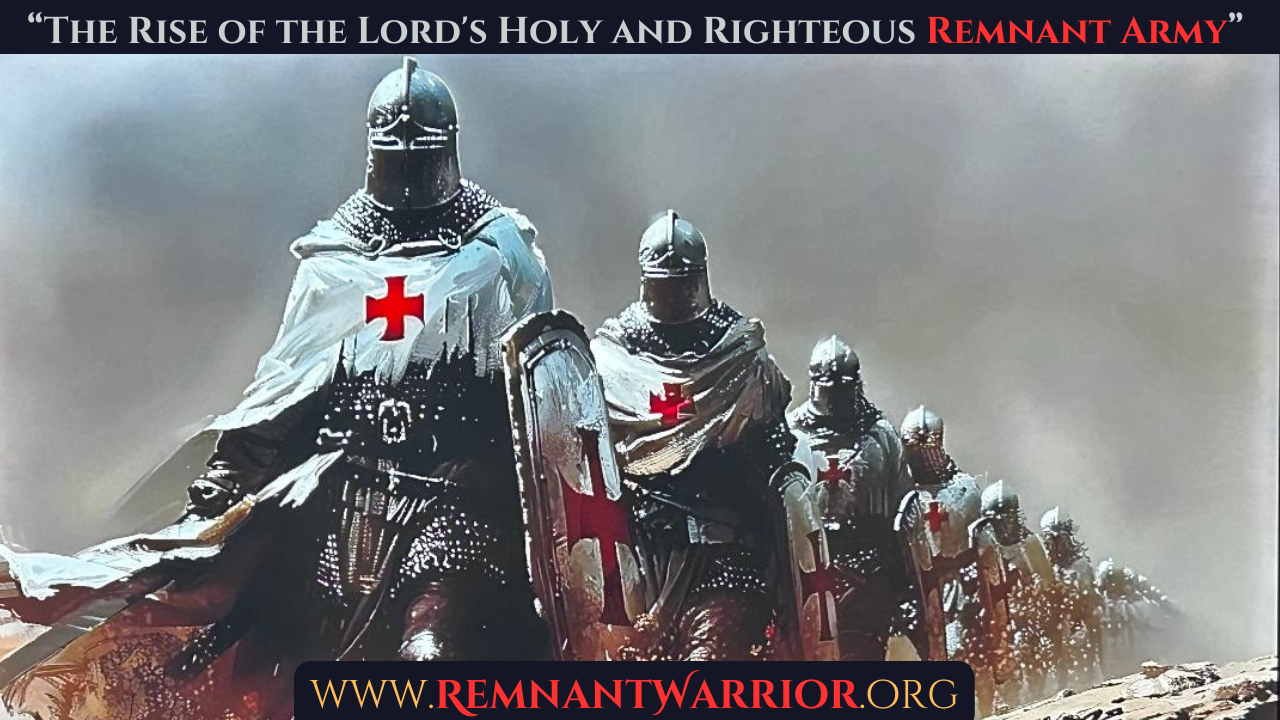
This is the Remnant He seeks to gather, equip, and send forth, like a mighty army reclaiming the gates of our cities. With hearts ignited by the fire of holiness, we shed the garments of this world, donning the robes of righteousness offered by the Father.

The vision of the Ecclesia—the gathered body of believers—emerges as a powerful force throughout the nation. From these gatherings, we hear the echoes of Heaven: “Holy, holy, holy is the Lord God Almighty, who was, and is, and is to come.” It is a call that transcends individual aspirations and beckons us to participate in the greater narrative of divine restoration.

The question looms large: Are we willing to answer this call? Are we prepared to lay down our personal dreams for the greater dream that the Father has envisioned for each of us since the dawn of time?

To answer this call is to embrace a journey of transformation. It requires the courage to confront our idols—those distractions and barriers that hinder our relationship with the Lord. It invites us into the fire of the Holy Spirit, purifying our hearts and refining our purpose.

The hour of gathering has arrived; the Lord of the Harvest stands ready to send His workers into the ripened fields. The question remains: Is that you? Are you willing to partake in this movement of repentance and restoration, to be a vessel for change in your community and beyond?

Now is the time for action. As we pray and blow the shofar for our cities, let us do so with fervent hearts, trusting that God will hear our cries and respond with His grace and power.

 Let us unite as watchmen, laborers, and faithful servants, committed to the mission of bringing about a revival that spans our nation. Together, we can create a future where our cities reflect the glory of God, a future where we walk in righteousness and declare His praises boldly.

The moment has come to stand together and answer the call—will you join us in this sacred endeavor?

~Dr. Russell Welch
Elder / Teacher: Highway to Heaven Church and Founder and Shepherd of Remnant Warrior Ministries / Remnant Warrior School of Spiritual Warfare.
If you live in the North Florida Region and this message speaks to you, lets connect and share visions.

Email: dr.russwelch@remnantwarrior.org


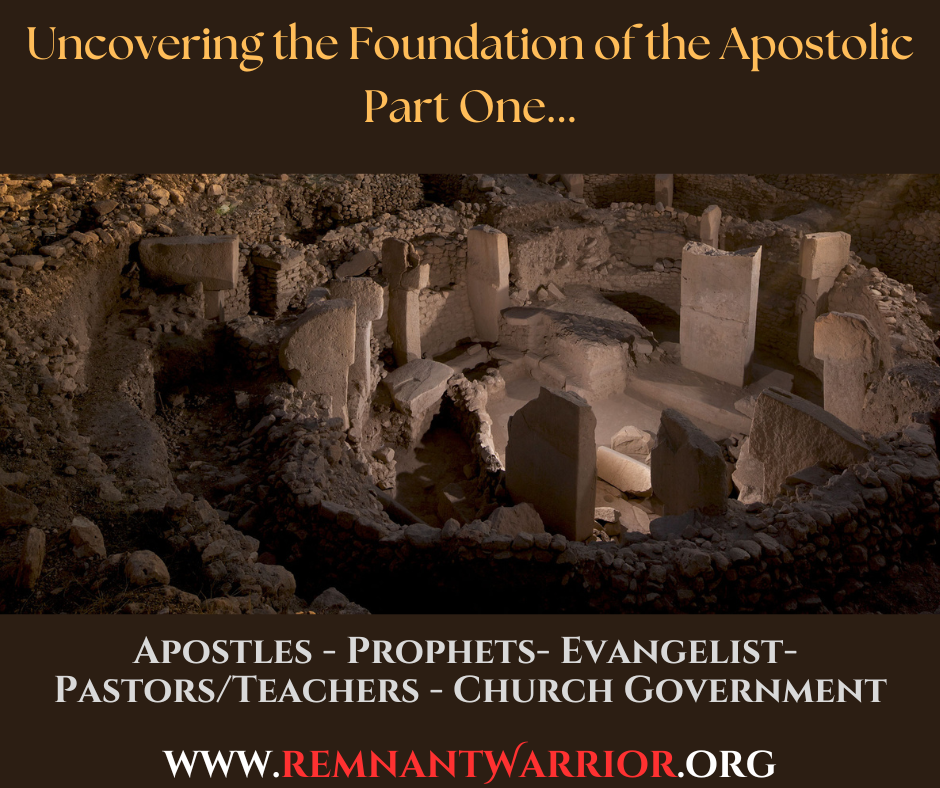
While driving the other day I felt Holy Spirit speaking to my spirit about the spiritual battles that are being waged in the Supernatural Reset that is taking place in the Heavenlies and on Earth, for the destinies of nations and especially for the reformation of the Lord’s Ecclesia.

In that conversation I believe I heard Him sharing a word that He was re-birthing a restoration to the Apostolic, liberating it from the restrictive confines of religion. I have had several conversations with seasoned warriors of the faith about this and feel led to write about it.

Now, over the years in my walk with Holy Spirit, I have found that He often speaks to me by showing me dreams, visions, pictures, and images as visual confirmations, and right as I heard Him making the statement about the Apostolic I looked up and saw in the sky, and immediately took a photo, which is in the banner below.

So here it goes……….

In today’s society, where religious language often seems diluted and commercialized, the term “Apostolic” has become a buzzword that many use to lend legitimacy to their ministries or personal identities. However, this trend has precipitated a crisis of understanding regarding the authentic meaning of the term.

Once grounded in the teachings and authority of the Apostles, the word “Apostolic” now risks being reduced to a mere Christian catchphrase, devoid of its powerful theological implications. To navigate this confusion, we must return to the scriptural roots and examine what it truly means to identify with the Apostolic.

At its core, being Apostolic signifies a commitment to uphold the orthodoxy of the Apostles’ teachings—a Christ-centric doctrine that emphasizes the life, death, and resurrection of Jesus as central to the Christian faith. In a world increasingly characterized by self-promotion and elitism, this return to foundational teachings is essential.

The tendency for individuals and ministries to label themselves as “Apostolic” often stems from a desire to assert themselves as God’s chosen representatives, creating an exclusive club that undermines the universal nature of the Gospel. However, Scripture reminds us that God has hidden His Remnant within every culture and community—those who genuinely bow to Him and adhere to His truth.

The proliferation of Christian platitudes—trite phrases and hollow expressions—has become commonplace, akin to free drinks at a cheap wedding, readily available but lacking substance. Yet, in this critical hour, the Holy Spirit is actively revealing the authentic from the fraudulent. The current spiritual climate is akin to a divine reset, where truth is being separated from deception, and the Church is being called to a deeper understanding of its purpose and identity.

The global Church, often perceived as divided and weak, is, in fact, witnessing the separation of wheat from tares, a fulfillment of biblical prophecy that we are indeed the generation destined to witness the emergence of the sons and daughters of God. However, this journey toward authenticity is not without challenges. Hell is also at work, attempting to stall the profound movements God has ordained for this time.

The enemy’s patterns of deception are increasingly sophisticated, aiming to mislead believers and stifle the Church’s destiny. Yet, as God assured Elijah during times of uncertainty, He has reserved thousands who remain faithful to Him. This assurance is pivotal as we navigate a world filled with competing ideologies and diluted truths.

The Lord’s authentic Ecclesia—His true body of believers—will prevail. The Remnant, those who cling to the teachings of the Apostles and engage in a genuine relationship with Christ, will break forth in victory.

As we embrace our identity as part of this Remnant, we must resist the temptation to merely adopt labels for the sake of recognition. Instead, we should pursue an understanding of what it means to be truly Apostolic, rooted in the orthodoxy of faith and a commitment to live out the teachings of Christ.

So, in understanding that while “Apostolic” may be a term that has been co-opted in contemporary Christian discourse, it still holds profound significance. It calls us back to the core teachings of the Apostles and challenges us to examine our motives and actions as we navigate our faith journeys.

As we strive to embody the authentic spirit of the Apostolic, we can participate in the divine narrative that God is weaving through history, confident that His Remnant will rise and prevail against the forces of darkness.

The true meaning of being Apostolic is not about elitism or status, but about faithful adherence to the truth of the Gospel and the transformative power it holds for our lives and communities.

Yes, we can see where the term “Apostolic” often conjures images of elitism, exclusivity, and a sense of higher status among those who claim the title. However, the essence of being Apostolic is far more profound and inclusive. It is not merely a badge of honor but a commitment to faithfully adhere to the teachings of the Gospel and an acknowledgment of the transformative power it holds not only for individual lives but also for communities as a whole.

Understanding this true meaning is essential for fostering genuine faith and connection in a diverse society. At its core, being Apostolic means following the teachings and practices established by the apostles—those early followers of Christ who carried His message to the world. The apostles exemplified a life of humility, service, and unwavering dedication to their faith, often facing persecution and hardship for the sake of spreading the Gospel.

Their legacy serves as a reminder that the call to be Apostolic is not about personal glory or social standing; it is about embodying the principles of love, grace, and sacrifice that Christ demonstrated during His life. Faithful adherence to the truth of the Gospel is a vital aspect of being Apostolic.

The Gospel, which translates to “good news,” offers a message of hope, redemption, and reconciliation with God. It presents a narrative of love that transcends boundaries and invites all individuals into a relationship with the Creator. By embracing this truth, Apostolic individuals commit themselves to a way of living that reflects the teachings of Christ, fostering an environment where love and understanding flourish. This adherence is not a rigid set of rules but a dynamic relationship with God that transforms both the individual and the community.

The transformative power of the Gospel cannot be overstated. It has the capacity to change hearts, heal wounds, and bring people together across divides. When individuals experience the love and grace inherent in the Gospel, they are empowered to extend that same love and grace to others. This creates a ripple effect, transforming communities and fostering unity among diverse groups of people.

The true Apostolic spirit encourages believers to act as agents of change, advocating for justice, compassion, and understanding in a world that often prioritizes division and discord. Moreover, the Apostolic calling challenges believers to look beyond themselves and their immediate circles. It encourages outreach to those who are marginalized, oppressed, or searching for hope.

Being Apostolic means actively engaging in the struggles of others, standing in solidarity with those who suffer, and working tirelessly toward the common good. It is an invitation to be part of a larger narrative—one that seeks to bring the Gospel’s transformative message to every corner of society.

This, with a better understanding that the true meaning of being Apostolic is not grounded in elitism or status but rather in a faithful adherence to the truth of the Gospel. It invites individuals to embrace the transformative power of Christ’s message and to live it out in their daily lives. By doing so, they become instruments of change, fostering love, unity, and hope in their communities.

As we strive to embody this Apostolic spirit, we open ourselves to the profound impact of the Gospel, not only on our lives but also on the world around us. In this pursuit, we find not just our true identity as believers but also a shared mission that transcends boundaries and brings us closer to the heart of God.

~Dr. Russell Welch
Lead Elder and Apostolic Teacher: Highway to Heaven Church and Founder and Shepherd of Remnant Warrior Ministries / Remnant Warrior School of Spiritual Warfare.

 In a time marked by spiritual turbulence and societal upheaval, a new class of warriors is emerging within the Remnant—Pioneering Spiritual Warriors. These individuals are not just ordinary followers of faith; they walk in a distinct, commissioned anointing that equips them to engage in the spiritual battles of our time.

While every child of God possesses innate spiritual capabilities, it is only a select few who choose to answer this divine call, fully aware of the costs associated with such a commitment. The Pioneering Spiritual Warriors are characterized by their extraordinary ability to illuminate the glory of the Lord, garnering a presence that resonates across vast spiritual landscapes, akin to the legacy of revivalist Charles Finney, whose Spiritual influence could be felt for miles around.

The emergence of these warriors at this pivotal moment in history is not merely coincidental; it is a divine rallying summoned by the Lord. They are called to serve as a spiritual spearhead, poised to confront not only the enemy but also to penetrate the towering spiritual strongholds that dictate cultural influences in our world.

Armed with the Light of the Lord’s Glory, these warriors are tasked with illuminating and exposing the dark undercurrents of evil that permeate from the highest echelons of society down to the everyday lives of individuals.

They possess a unique authority that allows them to operate within the governmental structures of this world and within the House of the Lord, enabling them to confront and remove those who perpetuate injustice and immorality.

At the heart of their mission lies a critical understanding of their words and authority. As they release the Word of the Lord from their lips, they do so with a profound sense of responsibility and power, for their proclamations have been shaped and vetted in the courts of Heaven. These warriors carry a heavenly mandate, deputized to dismantle evil empires and structures that oppose the Kingdom of God.

Their spiritual warfare is not merely reactive; it is a proactive engagement aimed at reclaiming territory lost to darkness and restoring righteousness in every sphere of influence. The call to become a Pioneering Spiritual Warrior is not for the faint of heart. It demands a deep commitment to prayer, fasting, and spiritual discipline.

It requires individuals to cultivate an intimate relationship with the Lord, allowing His Spirit to guide and empower them. Those who accept this calling must be prepared to face opposition and challenges, yet they do so with the confidence that they are not alone in their endeavors. They walk in the assurance of divine backing, knowing that the battle they engage in is already won through the victory of Christ.

In conclusion, the emergence of Pioneering Spiritual Warriors within the Remnant represents a transformative movement poised to impact the world for the Kingdom of God. These warriors are called to illuminate, confront, and dismantle the strongholds of evil that threaten the fabric of society. As they step into their anointed roles, they do so with the authority of Heaven, equipped to be agents of change and restoration.

The time has come for these warriors to rise, for in their hands lies the power to transform the world around them through the light of the Lord’s Glory. The question remains: who among us will heed the call and become a Pioneering Spiritual Warrior in this critical hour?

~Dr. Russell Welch

Remnant Warrior Ministries

Be sure to check out Dr. Welch’s newest book “The Lord’s Remnant Warriors: Awakened and Rising As God’s Chosen in the Final Harvest” exclusively on Amazon


In recent years, a growing sentiment among many believers has emerged—a belief that the Church, as the body of Christ, is not fully realizing its potential or exercising the authority granted to it. This concern resonates deeply with individuals who see the world around them, filled with challenges and adversities, and are left wondering: Is the Church truly walking in its fullness during these turbulent times?

Or is it time for the Church to awaken, embrace its authority, and fulfill its divine calling? To address this question, we must first examine what it means for the Church to walk in its fullness. The fullness of the Church is not merely about numbers or the grandeur of buildings; it is about the effectiveness of its mission and the authenticity of its witness.

It involves the Church operating as a vibrant community of believers, empowered by the Holy Spirit, engaging in acts of love, service, and transformative action in society. It is about embodying the teachings of Christ, manifesting His love, and standing firm in truth.

However, many feel that this vision remains unfulfilled. In a world rife with division, moral ambiguity, and spiritual apathy, it is easy to feel that the Church has become complacent or distracted. The societal challenges we face—ranging from social injustice to environmental degradation—demand a robust and active response from the Church. This is where the notion of authority comes into play.

The authority of the Church is rooted in its identity as the body of Christ, called to be a light in the darkness and salt of the earth. Jesus Himself bestowed upon His followers the Great Commission, empowering them to go forth, teach, heal, and make disciples of all nations (Matthew 28:19-20).

This authority is not just for personal spiritual growth but is intended to drive collective action that impacts the world. However, the realization of this authority requires an awakening. To awaken is to shake off the slumber of indifference and to rise to the occasion with boldness and purpose.

It means understanding the significance of one’s role within the Church and the obligation to contribute to its mission. The awakening of the Church entails a re-examination of priorities, a renewed commitment to prayer, and a willingness to engage in honest dialogue about the issues facing our communities.

It calls for the Church to confront its shortcomings and to actively seek reconciliation, justice, and healing both within and outside its walls. Furthermore, this awakening must also involve a fresh outpouring of the Holy Spirit.

Throughout history, movements of revival have often served as pivotal moments for the Church to reclaim its authority and mission. These moments remind believers of the power that comes from God; it is a call to return to the source of strength and inspiration.

When the Church is in tune with the Spirit, it is equipped to tackle the complexities of the modern world with wisdom and compassion, leading to transformative change.

As fellow Remnant Warriors, we must ask ourselves: Are we content with the status quo, or are we willing to stand up and advocate for the fullness of the Church?

Are we prepared to embrace our collective authority, allowing it to inspire us to action?

This is not a call to trivialize our challenges but an invitation to rise above them with hope and resilience.

In conclusion, the Church’s journey toward walking in its fullness is both a challenge and an opportunity. It requires awareness, dedication, and a willingness to embrace the authority that has been entrusted to us.

As we reflect on our role as part of the body of Christ, may we seek an awakening that leads to a vibrant and impactful Church, ready to face the world boldly. Together, let us commit to fostering a community that embodies the teachings of Jesus, engages in meaningful action, and ultimately fulfills its divine calling in this hour.

~Russ “Rush” Welch

Remnant Warrior Ministries

You can get a copy of Dr. Welch’s newest Book “The Lord’s Remnant Warriors” on Amazon


A call echoes through time, inviting a new wave of spiritual warriors to stand up and claim their divine birthright. This call is for those ready to move past the limits of the physical world and start a journey of deep change. It’s time to stir the sleeping power inside you and use the limitless strength you hold.

Spiritual warriors are called to a journey of self-discovery. We seek to uncover truths hidden by today’s distractions and illusions. This quest helps us find our true nature and reconnect with the divine spark in our souls. By tuning into the universe and ancient wisdom, we can take our rightful place as leaders of a higher consciousness. We’ll shape the future with our faith and strong spirit.

The path of a spiritual warrior is tough, requiring courage, persistence, and dedication. But in this journey, we find the strength to go beyond our limits, face our fears, and unlock our hidden potential. By building resilience, using faith, and finding a higher purpose, we break free from doubt and become beacons of light. We guide others to their spiritual awakening.

Spiritual warriors, it’s time to stand up and take your place in history. Embrace the sacred path, light your inner strength, and tap into the divine power within you. Start a journey that changes your life and inspires others. You’ll show the world the strength of the human spirit.

Key Takeaways

  • Discover the call to become a spiritual warrior and awaken your inner strength.
  • Embrace the sacred warrior path and reconnect with your divine purpose.
  • Cultivate resilience, perseverance, and faith to transcend limitations and obstacles.
  • Align with higher consciousness and unlock the boundless potential of your soul.
  • Embark on a transformative journey that inspires and uplifts others.

Embracing the Sacred Warrior Path

Start a journey of change by embracing the sacred warrior path. This deep call asks you to find your inner strength and connect with a higher goal. When you see signs of spiritual awakening, you’ll find out what your true purpose is. This guides you to a life of deep awareness.

Recognizing the Call to Spiritual Awakening

The sacred warrior path starts with a deep inner call. It’s a desire to go beyond the physical world and connect with something deeper. This call can show up in many ways, like feeling unhappy with your life, wanting more meaning, or having an experience that changes how you see the world.

Connecting with Your Divine Purpose

When you answer the call to spiritual awakening, you start a journey of finding yourself. You’ll discover what makes you unique. By linking with your divine purpose, you’ll find the sacred warrior inside you. This means you’ll be a force for good and a light of higher consciousness.

This connection will guide you, helping you live with transcendent awareness. It will help you follow your sacred warrior path.

“The true warrior is one who embraces the sacred path, walking in alignment with their divine purpose and serving as a conduit for spiritual transformation.”

Start this journey to find the endless potential of the sacred warrior path. By hearing the call to spiritual awakening and linking with your divine purpose, you’ll unlock your inner strength. You’ll also connect with a higher consciousness.

Igniting the Flames of Inner Strength

In the journey of the spiritual warrior, it’s key to ignite the flames of inner strength. This power helps us move forward through tough times. It’s what pushes us through the obstacles on our spiritual path.

Cultivating Resilience and Perseverance

Spiritual warriors need resilience and perseverance. These qualities help us overcome challenges. They keep us focused, even when things get hard. By cultivating these qualities, we find a deep inner strength. This lets us get through tough times and come out stronger.

Meditation and mindfulness are great ways to develop perseverance. They help us quiet the mind and tune in to our inner wisdom. This gives us the courage and will to keep going, even when it’s hard. It also fosters resilience, teaching us to handle life’s ups and downs with ease.

Qualities of a Spiritual WarriorBenefits of Cultivating Resilience
Strength Courage Discipline PerseveranceOvercoming Obstacles Increased Adaptability Emotional Stability Spiritual Growth

By embodying the qualities of a spiritual warrior and cultivating resilience, we tap into our true inner strength. This change lets us face any challenge with determination. We believe in our ability to get through it all.

“The greatest glory in living lies not in never falling, but in rising every time we fall.” – Nelson Mandela

Aligning with Higher Consciousness

Spiritual warriors start a journey to connect with higher consciousness. This journey calls us to see the world from a new view. It helps us understand ourselves and the world better. By doing this, we find our true potential and gain wisdom.

This path means letting go of old beliefs and being open to new ideas. It’s about putting the ego aside and seeing how everything is connected. Along the way, we might have clear moments, new insights, and feel amazed by the universe.

  • Expand your perspective and connect with a transcendent awareness
  • Cultivate a deeper understanding of yourself and the world around you
  • Unlock the keys to your full potential and access a wellspring of wisdom
  • Surrender the ego and embrace the interconnectedness of all things
  • Encounter moments of clarity, insights, and awe-inspiring experiences

By connecting with higher consciousness, spiritual warriors find the power of the divine. This connection lets us go beyond our limits and see endless possibilities. It makes the line between the physical and spiritual world fade away.

On this journey, we might find a new purpose, a deeper connection to the world, and inner peace. This can make us feel fulfilled.

BenefitDescription
Expanded PerspectiveGain a broader understanding of the world and your place in it, transcending the limitations of your personal experiences.
Transcendent AwarenessConnect with a deeper, more profound level of consciousness that goes beyond the confines of the physical realm.
Spiritual AlignmentHarmonize your thoughts, emotions, and actions with the rhythm of the divine, allowing for a more purposeful and fulfilling existence.
Transformative ExperiencesEncounter moments of profound insight, revelation, and personal growth that can reshape your understanding of the world and your role in it.

As spiritual warriors, aligning with higher consciousness is a deep and changing journey. It takes courage, dedication, and a willingness to go beyond the ego. By doing this, we open up to new possibilities. We see the world in a new way, where the physical and spiritual mix together. This helps us live in line with our highest purpose.

“When you align with higher consciousness, you tap into a wellspring of wisdom and guidance that can transform your life in profound ways.”

Transcending Limitations and Obstacles

As spiritual warriors, we must be ready to go beyond the limits that stop us. By overcoming obstacles and conquering fear and doubt, we can reach our full potential. This lets us use the power of our faith to change our lives.

Overcoming Fear and Doubt

Fear and doubt can be big hurdles for spiritual warriors. But by harnessing the power of faith, we can face them bravely. Through spiritual empowerment, we build the strength and will to go beyond our limits. This helps us fulfill our divine purpose.

Harnessing the Power of Faith

At the core of being a spiritual warrior is having strong faith in the divine. By transcending limitations and unlocking potential, we can overcome obstacles that seemed too big. With faith leading the way, we can get through tough times and win.

Overcoming ObstaclesHarnessing Faith
Cultivate resilience and perseveranceDeepen your connection with the divine
Confront fear and doubt with courageEmbrace the transformative power of belief
Unlock your inner potentialTranscend your perceived limitations

“Faith is the substance of things hoped for, the evidence of things not seen.” – Hebrews 11:1

As spiritual warriors, we’re called to transcend limitations and overcome obstacles with our strong faith. By conquering fear and doubt and harnessing the divine, we can reach our full potential. This empowers us to face the challenges ahead. Unleashing the Potential of the Soul

As spiritual warriors, we embark on a journey of self-discovery. This journey helps us unleash the potential of our souls. It’s about spiritual transformation, awakening our inner gifts, and embodying the divine essence inside us. This path leads to a deeper understanding of who we truly are.

The journey to unleash the potential of the soul is active, not just thought-based. It means facing our fears and letting go of beliefs that hold us back. By doing this, we tap into the power of our divine essence.

When we awaken our inner gifts, we see our true power and purpose. This sparks a deep spiritual transformation. It helps us move past our limits and fully embody the divine essence of who we are.

“The journey of the spiritual warrior is not one of mere conquest, but of self-discovery and the unleashing of the soul’s potential.”

With practice, faith, and a commitment to our spiritual transformation, we can live a life of transcendent self-realization. By walking the sacred warrior path, we become channels of divine essence. We’re ready to help others with love and bravery.

The awakening of our inner gifts and embodying our divine essence is a deep calling for spiritual warriors. Answering this call lets us fully realize our transcendent self-realization. We then have the power to greatly impact the world.

Spiritual Warriors Arise: Awakening Divine Power

We, as spiritual warriors, start a journey of self-discovery and empowerment. This journey begins with embracing key spiritual warrior principles. These principles help us unlock the divine power inside, awakening our true potential and fulfilling our sacred purpose.

Embracing Spiritual Warrior Principles

The spiritual warrior principles guide our journey. They help us build courage, faith, and a strong commitment to our divine destiny. These principles are:

  • Unwavering Courage: Facing our fears and embracing the unknown with unwavering bravery.
  • Unshakable Faith: Trusting in the divine plan and the power of our spiritual connection.
  • Resolute Discipline: Cultivating the discipline to stay true to our spiritual practices and commitments.
  • Servant Leadership: Serving others with compassion and humility, embodying the spiritual warrior’s oath.

Activating Spiritual Warrior Mindset

We also need a warrior mindset that is resilient, adaptable, and focused on our divine purpose. This mindset helps us overcome obstacles, go beyond our limits, and reach our full potential as spiritual warriors. By having this mindset, we can connect with the universe’s boundless energy and bring our sacred purpose to life with determination.

PrincipleDescription
Unwavering CourageFacing our fears and embracing the unknown with unwavering bravery.
Unshakable FaithTrusting in the divine plan and the power of our spiritual connection.
Resolute DisciplineCultivating the discipline to stay true to our spiritual practices and commitments.
Servant LeadershipServing others with compassion and humility, embodying the spiritual warrior’s oath.

By embracing spiritual warrior principles and activating our warrior mindset, we unlock the divine power within us. This power pushes us forward on our journey, guiding us to fulfill our sacred purpose and divine destiny. By being spiritual warriors, we become catalysts for positive change, ready to serve humanity and bring in a new era of spiritual enlightenment.

Empowered Spiritual Journey

Starting an empowered spiritual journey changes us deeply. It’s more than just going to church. It’s about making spiritual practice a big part of our daily life. This way, we find a strong sense of purpose and connect deeply with the divine.

By cultivating daily rituals and living with intention, we tap into the power of the spiritual warrior’s path. This path helps us reach our full potential.

Integrating Spiritual Practice into Daily Life

To really benefit from an empowered spiritual journey, we need to blend spiritual practice into our daily life. It’s not just about setting time aside for meditation or prayer. It’s about bringing mindfulness, gratitude, and reverence for the sacred into every part of our day.

  • Start your day with a morning ritual, like a short meditation or journaling.
  • Add spiritual touches to your daily activities, like lighting a candle on your commute or saying a mantra while cooking.
  • Notice the divine in everyday moments of your life.

By living with intention and adding spiritual practices to our daily life, we start a transformative lifestyle. This makes us spiritual warriors, living in line with our true purpose.

Daily RitualSpiritual IntentionImpact on Empowered Spiritual Journey
Morning MeditationCultivate inner peace and clarityStarts the day with a grounded, intentional mindset
Gratitude JournalCultivate appreciation and abundanceShifts the focus to the positive, fostering a grateful heart
Sunset ReflectionConnect with the divine rhythm of the dayProvides a daily touchpoint with the sacred

By making spiritual practice a part of our daily life, we start a journey of self-discovery and empowerment. As spiritual warriors, we unlock our soul’s true potential. We live with purpose and passion, answering the call to something greater.

Aligning with a Higher Purpose

As spiritual warriors, our journey goes beyond just growing and changing ourselves. We’re called to connect our purpose with a higher goal. This goal lets us help humanity with kindness and have a big, transformative impact on the world.

We must embrace a deep sense of responsibility to use our talents for the greater good. This means acting with a heart-focused approach. We should align our higher purpose with making our communities and everyone’s lives better.

Serving Humanity with Compassion

The spiritual warrior’s path is more than just personal growth. It’s about using our strength, resilience, and spiritual awareness to help and empower others. By being compassionate, we can use our inner power to support those in need. We can fight for social justice and bring positive change to the world.

  • Cultivate a deep understanding and empathy for the struggles of others
  • Actively seek opportunities to volunteer, donate, or contribute to causes that align with your values
  • Use your voice and influence to raise awareness and advocate for important social and environmental issues
  • Inspire and empower those around you through your spiritual warrior contribution

When we align our higher purpose with helping humanity, we tap into the true power of the spiritual warrior inside us. By embodying compassion and using our inner strength, we can make a transformative impact. This effect goes far beyond just our own lives.

“The true spiritual warrior is one who serves humanity with an open heart, using their strength and wisdom to uplift and empower others.”

Activating the Spiritual Warrior Within

Now, you’re ready to embrace your role as a spiritual warrior. Recognize and activate the divine potential inside you. This will unlock strength and resilience to guide you towards a life of purpose and fulfillment.

The path of the spiritual warrior is about deep personal growth and connecting with the divine. You’ll learn to face challenges with inner strength and faith. This journey empowers you to live authentically, shining with the light of your divine essence.

Let the sacred warrior spirit inside you fuel your passion and guide your actions. Wake up to the endless possibilities ahead. Let your spiritual warrior mindset drive you towards a life of purpose, service, and deep connection with the divine. Become a beacon of hope and transformation, inspiring others to find their spiritual potential and join you in this empowered life.

FAQ

What is a spiritual warrior?

A spiritual warrior is someone who walks the path of spiritual awakening and empowerment. They answer the call to go beyond their limits, find their inner strength, and connect with a higher consciousness. This helps them fulfill their divine purpose.

How can I awaken my inner strength as a spiritual warrior?

To awaken your inner strength, first, recognize the call to spiritual awakening. Then, connect with your divine purpose. Cultivate resilience and perseverance. Embody qualities like courage, integrity, and faith.

What are the key principles of the sacred warrior path?

The sacred warrior path is about spiritual awareness, going beyond limits, and finding your higher purpose. It’s about facing fears, overcoming obstacles, and using faith to unlock your potential.

How can I align with higher consciousness as a spiritual warrior?

To align with higher consciousness, expand your view and develop a deep awareness. Use practices like meditation and introspection to connect with wisdom and guidance. This helps you access a higher consciousness and clarity.

What are the key steps to transcending limitations and obstacles?

To overcome limits and obstacles, beat fear and doubt. Use faith and a resilient mindset. By facing challenges and using your inner strength, you can unlock your full potential and achieve breakthroughs.

How can I unleash the potential of my soul as a spiritual warrior?

To unleash your soul’s potential, accept a deep spiritual change. Wake up your inner gifts and embody your divine essence. This transformation unlocks your true power and fulfills your sacred purpose.

What are the key principles and mindset of the spiritual warrior?

Spiritual warriors live by key principles and a warrior’s mindset. They commit to their sacred purpose and destiny. They take bold actions and make courageous decisions, growing spiritually and transforming themselves.

How can I integrate spiritual practice into my daily life as a spiritual warrior?

Make spiritual practice part of your daily life to deepen your spiritual journey. Develop daily rituals and live with intention. This transforms your life to match the spiritual warrior’s principles, connecting you more with your divine purpose.

How can I align with a higher purpose as a spiritual warrior?

Align with a higher purpose by serving humanity with compassion and empathy. Embody the spiritual warrior’s values and use your gifts to impact the world. This fulfills your sacred calling and helps the greater good.

How do I activate the spiritual warrior within?

To activate the spiritual warrior, embrace your inner strength and willingness to use your divine potential. Through practices like meditation and self-reflection, connect with the spiritual warrior within you. This empowers you for a fulfilling, spiritually aligned life.

~Dr. Russell Welch

Founder of Remnant Warrior Ministries

Check out his newest book The Lord’s Remnant Warriors: Awakened and Rising As God’s Chosen in the Final Harvest” Available on Amazon

You can check out the rest of the books authored by Dr. Welch here


Discover the Joy of Living a Sin-Free Life

Start a journey to find deep happiness by living righteously. Let go of sin to enter a world of peace, spiritual growth, and a closer bond with the divine. This guide will show you how to live without sin, giving you the strength to resist temptations, clean your soul, and follow the path to redemption.

Key Takeaways

  • Explore the revelation of living a sin-free life and its profound benefits
  • Discover the path to spiritual awakening and finding inner peace
  • Understand the divine guidance that can help you overcome temptations
  • Learn to cultivate spiritual discipline and purify the soul
  • Unlock the keys to a fulfilling and harmonious existence through righteous living

The Revelation of Living a Sin-Free Life

Start a journey towards a life without sin. By embracing spiritual awakening, you open the door to a life in line with divine principles. This change brings deep inner peace, leading you to discover yourself and grow.

Embrace Spiritual Awakening

Through deep thought and a commitment to purifying the soul, you reconnect with your true self. This awakening gives you a new understanding of your purpose and how we’re all connected. Letting go of the past, you start to live by virtues that bring peace.

Finding Inner Peace

Every step towards a sin-free life brings more inner peace. This peace helps you handle daily challenges with ease and grace. You become calm and centered, inspiring others with your presence. Start this journey of self-discovery and see how living by divine principles changes your life.

“The greatest weapon against sin is the development of the opposite virtuous habit.” – Aristotle

The Path to Redemption

Starting the path to redemption changes you, helping you beat the world’s temptations. It’s about living right and finding deep peace. This journey has spiritual steps that help you leave bad habits behind.

One important step is cultivating spiritual discipline. Through self-reflection, meditation, and prayer, you can control your bad impulses. This leads to a life filled with purpose and peace.

As you go deeper, you’ll see the strength in surrendering to a higher purpose. Your actions and thoughts will match the divine plan. This makes the path to redemption a journey of self-discovery, showing you your true self and potential.

“The journey of a thousand miles begins with a single step.” – Lao Tzu

Living right gives you the strength to move past past mistakes. It also teaches you the value of forgiveness and renewal. This path is about growing, not being perfect. Every step brings you closer to the life you were meant to live.

The path to redemption is not just for you, but for others too. Be with people who support and inspire you. Together, you can spread positive change in your community and beyond.

Divine Guidance: Overcoming Temptations

Starting your journey to a sin-free life means seeking divine guidance. This guidance helps you deal with temptations and obstacles. By following spiritual teachings and advice from those who know the way, you can stay true to your spiritual growth.

Purifying the Soul

To live without sin, you must purify your soul. Meditation and introspection can help you understand your desires and impulses better. This lets you align with the divine.

Being self-aware and ready to face your inner self helps you let go of negative feelings and actions. This makes room for a more peaceful and meaningful life.

Embracing Virtue

On your journey to a sin-free life, embracing virtues is key. Virtues like compassion, integrity, and humility guide your actions and how you treat others. By focusing on these virtues, you inspire others to do the same, helping the world heal together.

VirtueDescriptionPractical Application
CompassionThe ability to empathize with the suffering of others and respond with kindness and care.Volunteering at a local charity, practicing active listening, and offering emotional support to those in need.
IntegrityThe unwavering commitment to moral and ethical principles, even in the face of adversity.Maintaining honesty in all interactions, standing up for your beliefs, and making decisions that align with your values.
HumilityThe quality of being modest and recognizing one’s own limitations and the greatness of something larger than oneself.Acknowledging your mistakes, being open to feedback, and cultivating a willingness to learn and grow.

By following divine guidance, purifying your soul, and building virtues, you can overcome temptations and obstacles. This journey changes you, leading to a life that’s in line with your true purpose.

Harmonious Existence through Righteous Living

Unlocking the path to a harmonious existence is about living right. By practicing spiritual discipline, we connect deeply with the divine. This brings us inner peace and aligns our lives with virtue and grace.

Cultivating Spiritual Discipline

Spiritual discipline is key to a fulfilling life. Through meditation, prayer, and introspection, we quiet the outside world. This lets us tap into our inner wisdom.

Such practices help us find purpose and make choices that match our highest values.

  • Develop a consistent meditation practice to calm the mind and connect with the present moment.
  • Engage in regular acts of service and compassion, cultivating a heart of gratitude and generosity.
  • Commit to personal growth through study, reflection, and the application of spiritual principles.

Embracing these spiritual disciplines changes how we see the world. We view life as a harmonious existence, where righteous living shows our true desires. This shift leads to a life filled with joy and deep cultivating spiritual discipline.

“The greatest weapon against stress is our ability to choose one thought over another.” – William James

By adding these practices to our daily life, we open the door to a harmonious existence. Spiritual growth and righteous living become the foundation of a fulfilling life.

Unlocking the Keys to a Fulfilling Life

Start a journey towards a life full of fulfillment, spiritual awakening, and divine guidance. Learn the principles and practices that match your deepest values and a higher purpose. This leads to lasting joy, inner peace, and contentment.

The first step to a fulfilling life is self-reflection. Be open to exploring your inner self and the divine forces guiding you. By practicing spiritual practices like meditation and mindfulness, you deepen your connection with yourself and the divine.

On this journey, you’ll find wisdom and insights to overcome obstacles and temptations. With the divine guidance of sacred teachings and a supportive community, you gain strength and courage. This helps you transform your life and reach your true potential.

  • Discover the transformative power of spiritual awakening
  • Learn to navigate life’s challenges with grace and peace
  • Develop a deeper connection with the divine and align your life with a higher purpose
  • Cultivate a life of joy, fulfillment, and lasting contentment

The keys to a fulfilling life are within your reach. Embrace the journey of self-discovery. Unlock the door to a life of true meaning and purpose.

The Transformative Power of Faith

The journey to a sin-free life is filled with hope and guidance thanks to faith. By giving in to a higher purpose, we open the door to deep fulfillment and divine grace. This connection gives us the strength to get through tough times and come out stronger.

Surrendering to a Higher Purpose

Living a life of faith isn’t just about strict rules or empty actions. It’s a deep journey of finding ourselves and waking up spiritually. When we let go of our ego and trust a higher power, we enter a world full of endless possibilities. This act shows our bravery and deep spiritual beliefs.

Finding Strength in Adversity

Life’s challenges can feel too much, but that’s when faith really shows its power. By believing in a divine plan, we become resilient and can face any challenge with grace and determination. Finding strength in adversity helps us grow spiritually as we learn to trust a higher purpose.

“Faith is the strength by which a shattered world shall emerge into the light.”

By embracing the transformative power of faith and surrendering to a higher purpose, we find the strength to overcome adversity. This journey is tough but leads us to a life of balance, purpose, and deep peace.

Breaking Free from Sinful Habits

Starting to break free from sinful habits can change your life. It leads to living righteously and feeling spiritually fulfilled. This journey is tough, but with strong will and divine guidance, you can change bad habits. You can commit to being virtuous.

At the core of this change is spiritual discipline. By meditating, praying, and reflecting on yourself, you start to purify your soul. This makes your thoughts, words, and actions match your highest values. It’s hard but rewarding, leading to joy and harmony in life.

Remember, you’re not alone in this journey. Find a spiritual community for support, accountability, and wisdom from others who’ve been there. Together, you can help each other grow and stay strong in your commitment.

Forgiveness is key, for yourself and others. Letting go of past wrongs opens up renewal and a brighter future. Trust faith to guide you through tough times and temptations.

This journey to overcome sinful habits is not just yours. It’s a shared path with a righteous community and divine grace. With determination, you’ll find the beauty of living in harmony with your true purpose.

The Beauty of Forgiveness and Renewal

Forgiveness is key to a sin-free life. It’s not just an idea, but a powerful tool. It frees us from guilt and shame, letting us move forward with grace and purpose.

Letting Go of Past Transgressions

Redemption starts with letting go of past mistakes. Forgiveness helps us drop the burden of regret. It opens our hearts to healing and divine grace.

Through meditation, prayer, and self-reflection, we can move past our mistakes. This lets us fill our future with hope and new chances.

Learning to forgive ourselves and others changes how we see things. It helps us grow and awaken spiritually. By letting go of the past, we make room for the divine to guide us. This leads us to a fulfilling and righteous life.

FAQ

What is the revelation of living a sin-free life?

Living a sin-free life means finding deep spiritual peace. It’s a journey to inner peace, purifying your soul, and living by virtues. This leads to a fulfilling life with divine guidance.

How can I find inner peace through spiritual awakening?

To find inner peace, align your thoughts and actions with divine principles. This journey of self-discovery and righteous living leads to a deep spiritual awakening. You’ll find joy and fulfillment in a sin-free life.

What is the path to redemption?

The path to redemption is overcoming temptations and living righteously. With spiritual disciplines and guidance, you can break free from sin. This leads to a life of purpose and peace.

How can divine guidance help me overcome temptations?

Divine guidance helps you beat temptations and purify your soul. By practicing spiritual disciplines and virtues, you gain strength to resist sin. You stay committed to living right.

What are the spiritual disciplines that can lead to a harmonious existence?

Practices like prayer, meditation, and studying scriptures help you live righteously. These practices deepen your connection to the divine. They give you purpose and lead to a fulfilling life.

How can I unlock the keys to a truly fulfilling life?

Embrace a deep spiritual awakening and follow divine guidance. Explore practices and principles that connect you with your values and purpose. This leads to joy, peace, and contentment.

What is the transformative power of faith?

Faith’s power is in surrendering to a higher purpose and overcoming challenges. Deepening your connection to the divine gives you resilience and courage. This leads to fulfillment and guidance from above.

How can I break free from sinful habits?

Commit to living righteously and practice spiritual disciplines. These practices help you change bad habits. You’ll live by virtue and divine principles, enjoying a harmonious life.

What is the beauty of forgiveness and renewal?

Forgiveness and renewal let you move past past mistakes and embrace divine grace. Through spiritual practices, you release guilt and shame. This opens your heart to healing and a righteous path.

~Dr. Russell Welch

Founder; Remnant Warrior Ministries and Remnant Warrior School of Spiritual Warfare.
Author: Book available on Amazon


In today’s world, we often focus on power, wealth, and our own interests. But, there are forces we can’t see that aim to harm our nation. The Apostle Paul tells us in Ephesians 6:12, “our struggle is not against flesh and blood, but against the rulers, against the authorities, against the powers of this dark world and against the spiritual forces of evil in the heavenly realms.” This message shows us the spiritual battle our nation is in. It’s about protecting our values, keeping our nation safe, and defending our freedoms.

Key Takeaways

  • Our nation faces a spiritual battle against unseen forces that seek to destroy it.
  • Ephesians 6:12 reminds us that our struggle is not against flesh and blood, but against spiritual entities.
  • Understanding the unseen battle is critical to defending our nation’s values and security.
  • Engaging in spiritual warfare is a vital part of preserving our nation’s heritage and future.
  • The biblical perspective on spiritual warfare provides a framework for responding to this existential threat.

The Spiritual War Against Our Nation

Our nation is in a constant battle that we can’t see. This fight is not against people but against evil spirits that want to harm our country. The apostle Paul told us in Ephesians 6:12, “our struggle is not against flesh and blood, but against the rulers, against the authorities, against the powers of this dark world and against the spiritual forces of evil in the heavenly realms.”

Understanding the Unseen Battle

This spiritual war may not be visible, but it affects our society deeply. Evil forces try to cause trouble, weaken our beliefs, and break our spirit. We see this in the decline of moral values, the spread of harmful ideas, and attacks on our Christian roots.

Ephesians 6:12 – A Profound Truth

Ephesians 6:12 tells us a powerful truth. It says our fight is not against each other but against evil spirits that aim to control us. Knowing this helps us fight back and protect what makes our nation strong.

“For our struggle is not against flesh and blood, but against the rulers, against the authorities, against the powers of this dark world and against the spiritual forces of evil in the heavenly realms.” – Ephesians 6:12

Spiritual Entities: The Hidden Adversaries

In our fight against forces that aim to weaken our nation, we face enemies we can’t see. These spiritual entities are our hidden enemies, as Ephesians 6:12 tells us. They are the ones we battle, not with physical strength but with spiritual might.

Demonic forces work hard to destroy our values and security. They use sneaky ways to cause division and weaken our beliefs. This spiritual warfare is a silent fight that needs us to be alert and true to God’s Word.

  1. Identify the specific spiritual entities that threaten our nation.
  2. Learn how these demonic forces try to harm us.
  3. See why spiritual warfare is key to protecting our nation from these hidden foes.
Spiritual EntitiesTacticsPotential Impact
Principalities and powersSow division, promote moral relativismUndermine national unity and stability
Rulers of the darknessCorrupt institutions, manipulate public opinionWeaken the foundations of our society
Spiritual hosts of wickednessAttack biblical values, erode moral fiberCompromise national security and resilience

As we fight this unseen battle, staying alert, praying, and strong in our beliefs is key. By understanding our war against spiritual entities, we can win and keep our nation’s values alive.

“For we do not wrestle against flesh and blood, but against the rulers, against the authorities, against the cosmic powers over this present darkness, against the spiritual forces of evil in the heavenly places.” – Ephesians 6:12

Demonic Forces: A Threat to National Security

Our nation is facing a serious threat from demonic forces in the spiritual realm. These forces aim to destroy our security and stability. The Apostle Paul warned us in Ephesians 6:12, “our struggle is not against flesh and blood, but against the rulers, against the authorities, against the powers of this dark world and against the spiritual forces of evil in the heavenly realms.” These evil entities are working hard to cause discord, division, and chaos in our country.

Recognizing the Enemy’s Tactics

To fight these spiritual enemies, we must know their tactics and how they operate. Demonic forces use deception, manipulation, and our weaknesses to harm us. They try to influence public opinion, spread doubt and fear, or even take over our government and institutions.

  • Disinformation campaigns: Spreading false stories and propaganda to confuse and mislead people.
  • Spiritual warfare: Attacking our faith and moral values.
  • Undermining national unity: Using divisions to cause discord among us.
  • Infiltrating positions of power: Putting agents in key roles.

Knowing these tactics helps us prepare to defend our nation’s spiritual and moral integrity. This way, we can protect our national security.

“For we do not wrestle against flesh and blood, but against the rulers, against the authorities, against the cosmic powers over this present darkness, against the spiritual forces of evil in the heavenly places.” – Ephesians 6:12

The battle we’re in is not just physical but spiritual. By understanding our enemies and their tactics, we can defend our nation against those who want to destroy our foundations.

our war is against spiritual entities that seek to destroy our nation, Eph 6:12

Looking into the spiritual battle our nation faces, we find a deep truth in Ephesians 6:12. It says, “For we do not wrestle against flesh and blood, but against the spiritual forces of evil in the heavenly places.” This reminds us our fight isn’t with people, but with spiritual enemies that aim to destroy our country.

These evil forces work in secret, affecting people, groups, and even governments. They try to cause trouble, division, and chaos. Their goal is to break down our nation’s moral and spiritual strength.

“For we do not wrestle against flesh and blood, but against the spiritual forces of evil in the heavenly places.” – Ephesians 6:12

Understanding this spiritual battle helps us see what we’re up against. It’s not a fight with other humans, but against spiritual entities trying to control our thoughts and actions.

By seeing the spiritual side of the conflict, we can better understand our enemy. This lets us stand strong and fight the spiritual battles needed to protect our nation. The fight is tough, but with God’s help, we can win.

The Biblical Perspective on Spiritual Warfare

Our fight is not against people, but against spiritual enemies that aim to destroy us. Ephesians 6:12 tells us, “For we do not wrestle against flesh and blood, but against the rulers, against the authorities, against the cosmic powers over this present darkness, against the spiritual forces of evil in the heavenly places.” This shows us the true nature of the spiritual warfare we face.

This battle is not just physical or political. It’s a spiritual fight of huge importance. The enemies we face are spiritual entities, as mentioned in Ephesians 6:12. They aim to weaken our nation’s values, unity, and determination.

To fight this spiritual battle, we must look beyond what we can see. We need to put on the armor of God, as talked about in Ephesians 6. With this armor, we can stand strong against the devil’s tricks. This is how we can win the fight for our nation’s soul.

“For we do not wrestle against flesh and blood, but against the rulers, against the authorities, against the cosmic powers over this present darkness, against the spiritual forces of evil in the heavenly places.” – Ephesians 6:12

Understanding spiritual warfare through the Bible helps us see the real battle we’re in. This knowledge lets us fight more effectively. It helps protect the values and principles that make our nation great.

Putting on the Whole Armor of God

As we face the spiritual war against forces that aim to destroy our nation, we must be armed with God’s protection and wisdom. Ephesians 6:12 tells us to wear the full spiritual armor of God. This prepares us for the battle that is happening out of sight.

The Belt of Truth

The belt of truth is the first armor piece we need. It stands for God’s Word, our guide and anchor against lies. By holding onto this truth, we can resist the enemy’s false words that threaten our nation.

The Breastplate of Righteousness

Then, we must wear the breastplate of righteousness. This protects our hearts and lives. It’s about the righteousness we get from believing in Christ, keeping us safe from the enemy’s attacks. With God’s righteousness, we can face the spiritual attacks that try to weaken our beliefs.

Wearing the whole armor of God is key in the spiritual warfare against spiritual entities threatening our nation. With the belt of truth and the breastplate of righteousness, we can stand strong in our ephesians 6:12 call. We defend our nation against the our war is against spiritual entities that seek to destroy our nation.

Spiritual Deliverance: Preserving Our Values

In the spiritual battle for our nation’s soul, spiritual deliverance is key. We fight against spiritual forces that aim to destroy us, as Ephesians 6:12 tells us. To keep our nation’s values, we must fight spiritually and ask for divine help.

Spiritual deliverance means freeing ourselves from demonic forces and taking back lost spiritual ground. It’s vital to protect our nation’s moral and ethical base. Through this, we can keep our nation’s heritage alive and ensure freedom, justice, and righteousness guide us.

The fight isn’t against people but against spiritual powers of darkness that attack our values. Knowing this spiritual warfare and using God’s armor helps us stand strong against the enemy. We can win this battle.

Keeping our values is a spiritual need, not just a political or social task. As we fight spiritually, remember that the cross has already won the victory. With faith, prayer, and commitment to our founding principles, we can beat the forces trying to destroy us. Our values will last for future generations.

“For we do not wrestle against flesh and blood, but against the rulers, against the authorities, against the cosmic powers over this present darkness, against the spiritual forces of evil in the heavenly places.” (Ephesians 6:12)

Strategies for Spiritual DeliveranceBenefits of Preserving Our Values
Engage in fervent prayer Seek spiritual guidance and counseling Renounce any ungodly influences or agreements Cultivate a lifestyle of holiness and righteousnessStrengthens the moral fabric of our society Protects our national identity and heritage Fosters a culture of integrity and respect Inspires future generations to uphold our values

By following spiritual deliverance and keeping our values, we can stand strong against forces trying to destroy our nation. Let’s stay true to the truth and defend the principles that make our nation a beacon of hope and freedom for the world.

Combating Anti-Israel and Pro-Hamas Protests

Our nation’s support for Israel and its allies has faced spiritual attacks. These attacks aim to weaken our bond with Israel. The protests against Israel and for Hamas are backed by spiritual forces that want to divide us.

Standing Firm Against Hatred

We fight not against people but against evil spirits that attack our nation (Ephesians 6:12). When faced with anti-Israel and pro-Hamas protests, we must stand strong. By wearing God’s armor, we can fight the spiritual battle and keep our nation’s values alive.

Through prayer, understanding, and sticking to God’s Word, we can beat the spiritual enemies. We must speak out for our ally Israel and against lies and hate that try to divide us.

FAQ

What is the spiritual battle our nation faces?

Our nation is fighting a spiritual battle against forces that want to harm it. This fight is based on a deep truth from Ephesians 6:12. It tells us our enemies are not human but spiritual forces of evil in the heavenly realms.

What are the spiritual entities that seek to destroy our nation?

Evil spirits and hidden enemies aim to weaken our nation. They work secretly to destroy our values and security.

How do demonic forces pose a threat to our national security?

Demons threaten our security by attacking our values and causing division. It’s important to know their tactics and resist these attacks.

What is the biblical perspective on spiritual warfare?

The Bible says our fight is against spiritual enemies, not people. This view helps us understand the spiritual nature of the battle and how to fight it.

How can we equip ourselves for the spiritual battle?

Ephesians 6:12 teaches us to wear God’s armor, like the belt of truth and the breastplate of righteousness. This armor helps us fight the enemy’s plans and stay strong in the battle.

Why is spiritual deliverance important for preserving our nation’s values?

Spiritual deliverance keeps our nation’s moral and ethical base strong. By fighting the spiritual battle, we protect the values that make our nation great.

How should we respond to anti-Israel and pro-Hamas protests?

We must stand against hate and division in protests against Israel or supporting Hamas. This battle is about seeing and fighting the spiritual forces behind these events, supporting Israel, and its allies.

~Dr. Russell Welch

Founder, Remnant Warrior Ministries, and Remnant Warrior School of Spiritual Warfare

Dr. Welch has written a number of books and in almost all of them is the emphasis on prayer and spiritual warfare.

His newest book, he continues in that theme: The Lord’s Remnant Warrior

You can find more of Dr. Welch’s books on Amazon


We must step up and see our Nation restored

The United States is at a critical point in its history. Christian voters play a key role now more than ever. This article urges believers to take part in the election process. It’s vital for Christians to protect America’s core values and shape its future.

America's destiny is at stake, Christians must vote

Key Takeaways

  • The moral imperative for Christians to engage in the political process and vote
  • Defending religious freedom and conservative values as a matter of faith
  • Protecting America’s future by shaping the nation’s direction through informed, faith-based voting
  • The power of the Christian vote to impact crucial moral issues like abortion and gender ideology
  • A call for Christians to exercise their civic duty and become politically active

The Moral Imperative for Christians to Vote

As Christians, we have a sacred duty to take part in the democratic process. It’s not just a right, but a moral duty. By voting, we defend religious freedom and uphold Christian values that have shaped our nation.

Faith-Based Civic Engagement

Christianity tells us to be stewards of our society. We’re called to be salt and light, shaping the world and fighting for what’s right. Voting lets us act on our faith and make sure our leaders and laws reflect our values.

Defending Religious Freedom

With threats to religious liberty always there, it’s key for Christians to vote. Our votes can protect our freedom to live and worship as we believe. This keeps the foundation of our country strong.

Importance of Faith-Based Civic EngagementThreats to Religious Freedom
Aligning our nation’s policies with Christian values Fulfilling our moral duty as stewards of society Exercising our God-given rights and responsibilitiesIncreasing restrictions on religious expression Attempts to remove faith-based organizations from public life Legislation that undermines traditional moral values

As Christians, we must take an active role in democracy. By voting, we defend our religious freedom and make sure our nation follows our faith’s moral compass. It’s a duty we can’t ignore.

“We have a moral responsibility to be engaged in the political process and to vote in accordance with our Christian values. Our faith must inform our civic duty.”

Conservative Values: Upholding Tradition and Morality

As Christians, we have a duty to keep the conservative values and traditional morality that have kept our nation strong for years. In a world that often goes against our faith, we must stand strong. We need to protect the customs and principles that match our beliefs.

At the core of conservative values is a deep respect for the family, the purity of marriage, and faith’s role in our lives. We must fight against forces that try to weaken these important parts of our society. They are the foundation of our communities and country.

Protecting traditions is not just looking back; it’s key to keeping our moral compass. By using the wisdom of the past and the eternal truths of our faith, we can deal with today’s challenges. This way, we can build a future that reflects our cherished values.

Conservative ValuesTraditional MoralityProtecting Traditions
Family-centeredRespect for lifeUpholding marriage
Respect for authorityCommitment to faithPreserving cultural heritage
Limited governmentMoral integrityDefending religious freedom

As we move through today’s complex society, let’s stick to the principles our ancestors followed. By keeping to conservative values and traditional morality, we can make sure our nation’s heritage stays strong. This way, we honor the sacrifices of those who came before us.

“The preservation of our national traditions and institutions is the very first duty of every patriotic citizen.”

America’s Destiny is at Stake

As Christian voters, we must see the big picture. Our nation’s future is uncertain, and our votes will shape it. It’s our duty to protect our future and guide our country with faith-based values.

Protecting the Nation’s Future

Our choices today affect tomorrow. We must protect the values that make America a symbol of hope and freedom. By voting with our faith, we ensure a better future for our kids and grandkids.

Shaping the Country’s Direction

The Christian vote is powerful. Our voices can change the course of the nation. By making political choices based on our beliefs, we can shape laws and leadership. This is a big responsibility we must take seriously.

Key FactorsImportance
America’s Destiny at StakeThe decisions made by Christian voters will profoundly shape the future of our nation.
Protecting the Nation’s FutureBy voting our faith, we can safeguard the principles that have made America great.
Shaping the Country’s DirectionThe Christian vote holds the power to influence the leadership and policies that will guide America’s future.

“The destiny of America is always the destiny of Christianity.” – Alexis de Tocqueville

As we head into the election, let’s remember the importance of our choices. Our nation’s future, our values, and its direction depend on our votes. It’s time for us, as Christian citizens, to stand up and vote with conviction.

Christians Must Vote: A Call to Political Activism

As Christians, we have a duty to take part in politics. Political activism is a key part of our faith. By voting, we can shape our nation’s future and make sure our faith-based values guide its laws.

Voting is a sacred act of civic duty that matches our beliefs. As elections come up, we must speak up and vote based on our morals. Our votes can protect religious freedom, support traditional values, and secure our country’s future.

“Let your light shine before others, so that they may see your good works and give glory to your Father who is in heaven.” (Matthew 5:16)

This verse tells us to let our faith shine publicly, not just privately. By taking part in politics, we guide our nation towards rightness and truth. Political activism is a call from God that we can’t ignore.

As Christians, we’re called to be the salt and light of the world (Matthew 5:13-14). This means we must be active in politics. By voting with our faith-based values, we can protect religious freedom, support traditional values, and help those in need.

Moral Issues at the Forefront

As Christian voters, we must think deeply about the moral issues in politics. The debate over abortion rights and restrictions is at the center. These topics are personal and split people. They need careful thought and a strong commitment to biblical values.

Abortion Rights and Restrictions

The debate on abortion rights has gone on for years, with strong feelings on both sides. Christians need to think about the moral sides of this issue. We must protect the unborn and respect life’s sanctity. Yet, we should also help women in tough situations and support policies that value all human life.

Recently, there’s been a push for abortion restrictions in many states. These aim to limit or control abortion. As Christians, we must talk about this, making sure our leaders follow our faith’s core values.

Abortion RightsAbortion Restrictions
Advocates for the legal right to abortion as a personal choiceSeeks to limit or regulate the practice of abortion through legislation
Emphasizes a woman’s autonomy and reproductive freedomPrioritizes the protection of the unborn and the sanctity of life
Argues that abortion is a fundamental human rightContends that abortion is a moral and ethical violation

As Christians, we must approach these moral issues with care and prayer. We should stand by our faith while showing kindness and understanding to those dealing with these hard choices.

The Power of the Christian Vote

As Christians, we have a big responsibility to vote and make our voices heard. The Christian vote is very powerful and can shape our nation’s future. By being active citizens, we can make sure our values are in the policies and leadership.

Exercising Civic Duty

Voting is a big deal for Christians who want to be salt and light in our society. Our faith tells us to be part of the political process. We should use our influence to support causes that match God’s will. This includes protecting the unborn and defending religious freedom.

  • Understand the importance of your vote and its impact on the future of our country.
  • Research candidates and their platforms to ensure they align with your Christian values.
  • Encourage fellow believers to register and participate in every election, from local to national.
  • Pray for wisdom and discernment as you cast your ballot, asking God to guide your decision.

It’s time for Christians to stand up and take our civic duty seriously. We should be committed to the principles that have made America great. By using the Christian vote, we can make sure our faith is respected and our values are kept safe.

Key FactorsVoter TurnoutImpact on Election Outcomes
Christian Voters78% in 2020 presidential electionCrucial in swing states and close races
Evangelical Christians76% in 2020 presidential electionDecisive voting bloc in many elections
Faith-Based VotersIncreasing in recent electionsShaping the political landscape

The Christian vote is very strong, and now is the time to act. By being active citizens, we can make sure our values are in the leadership and policies of our nation.

Faith-Based Voting: A Principled Approach

As Christians, we are called to look at politics through our faith. Faith-based voting means we use our beliefs to guide our political choices. It’s not just about picking a party or candidate. It’s about standing for the values that are key to our Christian faith.

Aligning Faith and Politics

When we think about aligning faith and politics, we must remember our faith is sacred. It deeply affects our political decisions. Our faith should shape how we see the world and our role in it.

  • Seek guidance from Scripture and prayer to discern the right course of action.
  • Prioritize issues that are in line with biblical teachings, such as the sanctity of life, the protection of traditional family values, and the promotion of religious freedom.
  • Reject any political agenda that contradicts or undermines our core Christian beliefs.

By choosing a principled approach in politics, we can make a big difference. Our faith can guide our votes and help shape our country. This way, we work towards a future that matches God’s plan for America.

faith-based voting

“Let your light shine before others, so that they may see your good works and give glory to your Father who is in heaven.”

– Matthew 5:16

Principles for Faith-Based VotingDescription
Sanctity of LifeProtecting the unborn and supporting policies that uphold the value of human life.
Traditional Family ValuesPreserving the institution of marriage between one man and one woman, and promoting policies that strengthen families.
Religious FreedomDefending the right of Christians to freely practice their faith in the public square without fear of discrimination or persecution.

Conclusion

Looking at the big issues in our nation, we see that America’s future is uncertain. Christians must use their right to vote to shape our country’s future. By keeping our values, traditions, and vision, we keep the U.S. a symbol of faith, freedom, and success.

Being active in civic life is key to this goal. As believers, we should take part in politics with our beliefs and a strong commitment to our communities. Together, we can protect the rights and freedoms that are key to our lives. This keeps the values that have shaped America for so long alive.

The moment to act is now. Christians must vote for our nation’s future and for those who will come after us. By standing by our beliefs and fighting for a future that matches our moral compass, we can guide our country. Let’s take this important role, knowing that our faith and votes can truly change things.

FAQ

Why is it crucial for Christians to vote in the upcoming elections?

Christians have a duty to vote because our choices affect our nation’s future. Our votes shape the policies that impact our lives. It’s important to vote for leaders who share our values.

How can faith-based civic engagement help to defend religious freedom?

By voting, Christians can protect our right to practice our faith freely. We must choose candidates who respect our religious beliefs. This helps keep our religious freedoms safe.

What are the key conservative values that Christians should prioritize when voting?

Christians should vote for values that match our faith. This means supporting life, family, and traditional values. We must stand against changes that harm our society’s moral standards.

How is America’s destiny at stake in the upcoming elections?

Our future is shaped by the choices we make in elections. Christians must take an active role in guiding our country. We should vote for policies that reflect our values.

What is the role of political activism for Christians in the current climate?

Christians must be active in politics today. This means voting, advocating for our beliefs, and supporting the causes we care about. We should also hold our leaders accountable to our values.

What are the key moral issues that Christian voters should prioritize?

Life and protecting the vulnerable are key Christian values. Issues like abortion and gender identity laws are important. We should vote based on these beliefs.

How can the power of the Christian vote shape the nation’s future?

Christian votes can greatly influence our country’s direction. By voting based on our faith, we can ensure America reflects our Christian values. This shapes our nation’s future positively.

What does it mean to approach voting from a faith-based perspective?

Faith-based voting means making choices based on our beliefs. We look at candidates’ platforms and see if they match our Christian values. This way, we can live out our faith in our votes.

~Dr. Russell Welch, A.K.A. WindWalker

Remnant Warrior Ministries

New Book Release: The Lord’s Remnant Warriors

Dr. Welch’s books on Amazon