When the people of God lean upon the wisdom of this age, they inevitably diminish the wisdom that descends from above, the very wisdom James describes as “pure, peaceable, gentle, and full of mercy” (James 3:17). Earthly wisdom promises efficiency, relevance, and applause, yet it blinds the heart to the counsel of the Spirit. Scripture warns that “the wisdom of this world is foolishness with God” (1 Corinthians 3:19), for it cannot perceive the mysteries of the Kingdom. To exchange divine insight for human strategy is to trade gold for dust. It is to silence the whisper of heaven in favor of the noise of men.
A religious system that trims Scripture to fit its preferences reveals a tragically diminished vision of the One who sits enthroned above the circle of the earth (Isaiah 40:22). When leaders extract only the verses that serve their programs and discard the rest as inconvenient, they fashion a god in their own image rather than bow before the Holy One. The whole counsel of God is not a buffet from which we select what suits us; it is a revelation that confronts, corrects, and transforms. To treat Scripture as optional is to forget that “man shall not live by bread alone, but by every word that proceeds from the mouth of God” (Matthew 4:4). A truncated Bible produces a truncated faith.
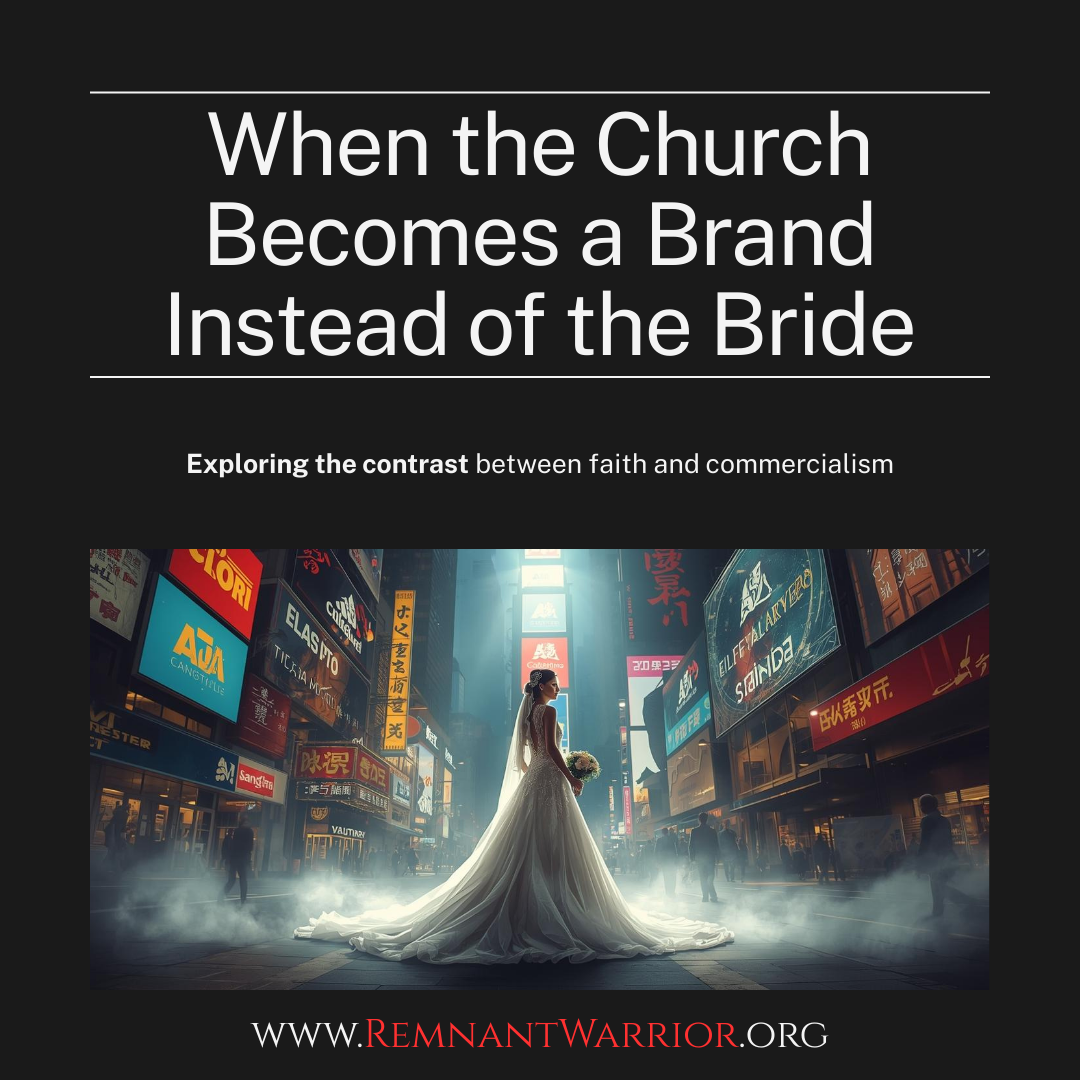
In many places, churches and ministries have adopted the identity of consumer culture, shaping their methods around trends, metrics, and market appeal. They hire consultants to craft branding strategies, as though the Church were merely another enterprise competing for attention. Yet the Kingdom does not advance by the mechanisms of commerce, nor does the Spirit move according to quarterly projections. Jesus did not say, “Build My brand,” but “Follow Me.” When ministry becomes indistinguishable from business, the cross is replaced by a logo and discipleship by customer retention.
Such practices will not stand in the dawning of the Kingdom Age, for the Word of God does not bend to preference, popularity, or personal taste. Whether a Scripture is comfortable or confrontational has no bearing on its authority, for “the word of the Lord endures forever” (1 Peter 1:25). To rely on the strength of the flesh is to declare to God that His power is unnecessary, His guidance optional, and His glory secondary. This posture mirrors the rebuke spoken through Jeremiah: “Cursed is the man who trusts in man and makes flesh his strength” (Jeremiah 17:5). When we ask God to bless what we have built in our own strength so the world may admire us, we reveal that we seek greatness before men rather than faithfulness before the King.
Dr. Russell Welch Co-Founder, Remnant Warrior Ministries Warrior’s Discipleship School www.RemnantWarrior.org
There is a tremor in the spiritual realm—a holy unrest stirring across the landscape of the American Church. The divide between generations, especially between the yInstitutional Church and the ecclesia, is not a mere sociological trend. It is the result of decades of spiritual compromise, institutional misalignment, and a tragic departure from the guidance of Holy Spirit.
What we are witnessing today is not just a generational gap—it is a prophetic indictment against a system that has traded intimacy for influence, and traded the presence of God for the applause of men.
In recent conversations with Holy Spirit, I was taken back through the decades, invited to trace the spiritual fault lines that have led us here. In the 1960s and 70s, youth ministry began to shift. What was once rooted in deep Bible study and discipleship began to morph into entertainment-driven gatherings.
The Church, observing how the world seemed to captivate the attention of young people, attempted to mimic its methods—without discerning the spiritual consequences. In trying to “reach” the youth, the Church inadvertently built walls between them and the adults, creating separate spaces, separate cultures, and separate expectations.
Ministry was increasingly reserved for those deemed “mature,” while the youth were relegated to games, concerts, and shallow messages. The spiritual inheritance meant to be passed down was interrupted, and the generational synergy that should have marked the Body of Christ was fractured.
By the time the 1980s arrived, the Church had become increasingly dependent on marketing firms to design programs that could compete with secular culture. These companies, often devoid of spiritual discernment, began shaping the Church’s outreach strategies, branding, and even its identity. In the 1990s, the dependency deepened.
Churches began consulting these firms not only for programming, but for decisions about where to plant new congregations—choosing locations based on financial viability and demographic appeal rather than prophetic assignment or apostolic mandate. The wisdom of man had replaced the voice of the Spirit, and the Church began to resemble a corporation more than a consecrated community.
The early 2000s ushered in the era of multi-campus ministries, often built around the charisma of celebrity pastors. The Church became a franchise, and the pulpit became a platform for performance. Today, church marketing is a billion-dollar industry.
The metrics of success are no longer measured by transformation, repentance, or revival—but by attendance, revenue, and online engagement. The spiritual atmosphere has been traded for stage lighting. The altar has been replaced by analytics. And the presence of God has been substituted with production value.
In the midst of this shift, parents were led to believe that dropping their children off at church was sufficient to please the Father. They assumed that institutional involvement equated to spiritual formation. But the youth saw through the façade.
They discerned the superficiality. They recognized the disconnect between what was preached and what was lived. What they longed for was not a well-branded youth group, but a Holy Spirit-filled family. They craved authenticity, encounter, and legacy. And the Church, instead of repenting, doubled down—offering more entertainment, more programming, and more performance.
This pattern mirrors the ancient error in Eden. Adam and Eve chose the tree of knowledge over the tree of life. They opted to define good and evil by their own wisdom, rather than receiving divine instruction from the Throne. Likewise, the Church has chosen the wisdom of man over the guidance of Holy Spirit. It has built systems, strategies, and structures that are impressive to the world but invisible to Heaven.
Today, we are witnessing the rise of institutional churches that swallow up smaller houses—not to build the Kingdom, but to build empires. These mega-ministries claim Heaven’s endorsement based on growth, visibility, and financial success.
But Heaven does not measure by numbers—it measures by obedience, purity, and presence. The Father is not impressed by how much money a church can raise, but by how fully it depends on Him. And yet, millions of dollars are poured into maintaining the entertainment, keeping the performance fresh, and ensuring relevance to a culture that is spiritually bankrupt.
But Heaven has spoken.
In 2023, the Courts of Heaven issued a decree: Enough. The Father has had enough of the religious machine. He is exposing the spirit of religion that has hijacked His Church. He is shaking the systems, dismantling the idols, and recalibrating His house to walk in total dependence on His presence.
This is not a gentle nudge—it is a divine upheaval. The Spirit is confronting the counterfeit, calling out the compromise, and inviting the Remnant to rise.
This is the hour of divine reset. The Remnant must emerge—not with marketing strategies, but with prophetic fire. Not with celebrity pulpits, but with consecrated altars. Not with entertainment, but with encounter.
The youth are not waiting for a better show—they are crying out for a real God. And the Father is answering. He is raising up a generation that will not be impressed by lights and logos, but will be marked by glory and truth.
The Church must return to the tree of life. It must forsake the wisdom of man and embrace the guidance of Holy Spirit. It must become a house that draws Heaven’s attention—not because of its size, but because of its surrender. The shaking will continue. The recalibration has begun. And the Remnant will arise—not to entertain, but to legislate. Not to perform, but to prophesy. Not to build empires, but to establish the Kingdom.
Let every religious structure be exposed. Let every counterfeit be dismantled. Let every altar of performance be torn down. The Father is reclaiming His house. And the youth—those who were once sidelined—will be among the first to carry the fire.
This is the hour. This is the reckoning. This is the recalibration.
~Dr. Russ Welch
Elder/ Apostolic Teacher: Highway to Heaven Church and Founder and Shepherd of Remnant Warrior Ministries / Remnant Warrior School of Spiritual Warfare.
A Contemplation on Scripture, Church Culture, and the Call to Consecration
Romans 12:1-2, as rendered in the Amplified Bible, offers a powerful summons to believers: to dedicate ourselves wholly to God, presenting our bodies as living sacrifices, and refusing conformity to the patterns of this world. Rather, we are urged to pursue continual transformation through the renewal of our minds, testing and approving God’s good, acceptable, and perfect will.
Setting the Scriptural Foundation
At its heart, these verses call for a life of consecration—a holiness not merely of outward form but of inward devotion. The apostle Paul’s words reach across centuries, challenging each generation to discern the difference between what is genuinely God-honoring and what is merely the prevailing current of culture.
Cultural Expressions and the Pursuit of Holiness
Throughout history, the Church has found itself navigating tension between cultural adaptation and sacred distinction. In every era, believers have grappled with questions about clothing, music, adornment, and customs—seeking to understand where adaptation ends and compromise begins.
The example of tattoos among pastors in the modern American Church surfaces as one such point of conversation. For some, tattoos may represent a freedom in Christ, a canvas for testimony and artistic expression; for others, they may symbolize conformity to secular trends or a departure from traditional notions of reverence.
Yet, the deeper question extends beyond tattoos or any particular external marker. It invites each of us to ask: Are we, in our hearts and actions, offering ourselves fully to God? Are we seeking to align every aspect of our being—body, mind, and spirit—with Christ’s likeness? Or are we subtly reshaping the boundaries of holiness for the sake of convenience, acceptance, or personal preference?
The Challenge of Modernization and Scriptural Integrity
As the world shifts, there can be a temptation to reinterpret, dilute, or ignore certain scriptures to better fit the spirit of the age. Paul’s exhortation stands as a gentle but firm warning against this: “Do not be conformed to this world… but be transformed.” The transformation he describes is thorough, inward, and ongoing—a renewal that resists superficiality for the sake of true spiritual depth.
Scripture warns against selective obedience and self-serving reinterpretation. The story of humanity’s first fall, as recounted in Genesis, reminds us of the peril in choosing personal judgment over divine instruction. God’s call to holiness has always been an invitation to trust, surrender, and obedience, even when it stands in contrast to popular opinion.
Clean Hands, Pure Hearts, and Approaching the Holy
To “climb the mountain of the Lord”—to enter His presence—is not a matter of outward ritual alone, but of inward purity and integrity. Psalm 24 declares, “Who may ascend the hill of the Lord? Those with clean hands and a pure heart.” It is possible, as you note, to misinterpret God’s grace as license for continued rebellion, rather than as the power to walk in newness of life.
Holiness, then, is not about legalism nor about careless liberty; it is about being clothed in the righteousness of Christ, standing in humble awe before God’s consuming fire.
Inviting Self-Examination and Humble Seeking
Rather than passing judgment on others—whether pastors with tattoos or congregants without—it falls to each believer, each community, to prayerfully examine their motives and practices in the light of God’s Word. The altar is a place for honest questions, surrendered hearts, and listening for Heaven’s answer.
Conclusion
The words of Romans 12:1-2 challenge every generation to forsake superficial conformity, to resist the easy path of cultural accommodation, and to instead pursue a life marked by sacrificial worship, radical renewal, and unwavering devotion to God’s perfect will. May we, as the Remnant, respond not with self-righteousness but with humility, seeking clean hands, pure hearts, and the clothing of Christ’s righteousness as we navigate an ever-changing world.
We would love to hear your comments on this topic.
~Dr. Russell Welch
Elder/ Apostolic Teacher: Highway to Heaven Church and Founder and Shepherd of Remnant Warrior Ministries / Remnant Warrior School of Spiritual Warfare.
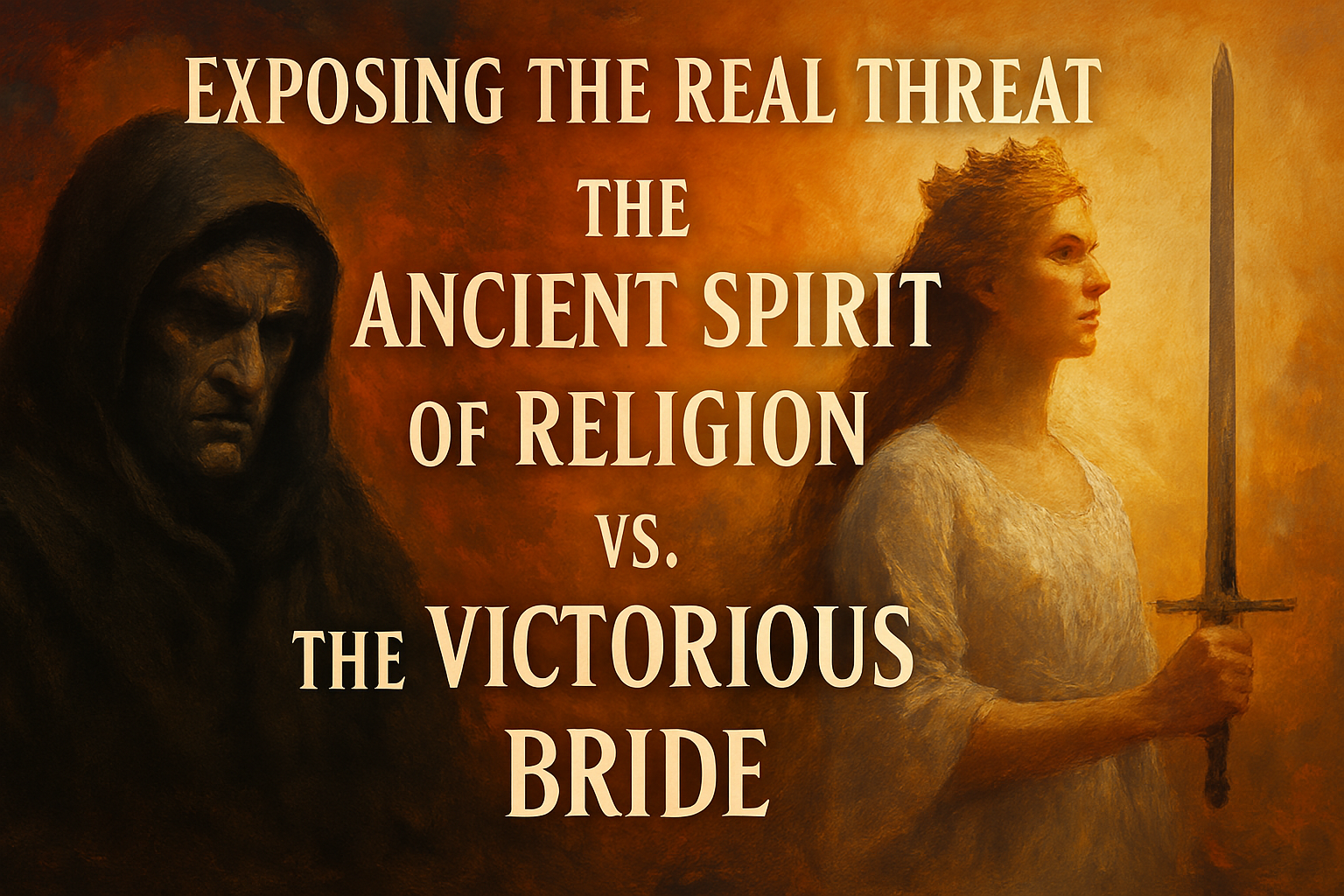
It’s not the woke ideologies, shifting cultural norms, or political chaos that pose the greatest threat to the Church—it is the ancient, insidious spirit of religion. Its tactics are subtle, its costume convincing, and its history long. From the blood-soaked soil beneath Abel’s sacrifice to the polished pulpits of today, this spirit has played the part of gatekeeper to God—yet all it does is keep the people from His presence.
Let’s be clear: this spirit doesn’t fear revival, it mimics it. It doesn’t stop worship, it redirects it toward traditions void of power. It doesn’t quench the prophetic, it sterilizes it—pressuring the prophets to conform, dilute, and apologize.
🚨 This spirit has infiltrated the modern Church, binding the saints with doctrines that sound holy but are hollow. Chief among them? The doctrine of escapism—the belief that the Church must survive until evacuation, rather than rise until enthronement. But that doctrine is a lie. Heaven has never commissioned a passive Bride. Scripture declares a Victorious Church: one that conquers, overcomes, and reigns. One that doesn’t wait for retreat but prepares for occupation—until the return of Christ, when He sets up His eternal throne among the redeemed on Earth.
⚔️ This War Is Ancient—but So Is Our Weaponry
The spirit of religion is not young. It has studied humanity for thousands of years—learning to twist truth, manipulate emotion, and institutionalize dead devotion. It stirs jealousy, crushes creativity, and prefers order over Spirit. It is the same spirit that rejected Christ, stoned the prophets, and persecuted the early Church. It whispers “God won’t move like that” while God breaks open the heavens with wonders.
But there is good news. The Remnant has not been left without power. Before this spirit ever slithered into the story, Holy Spirit hovered over the waters. He is older than deception, deeper than doctrine, and more powerful than any tradition. Within Him is eternal wisdom, supernatural strategies, and the kind of insight that exposes darkness before it even speaks.
🔑 Holy Spirit is our advantage. He reveals what religious spirits hide. He empowers what religious systems suppress. And through Him, the Remnant carries tools that dismantle strongholds: prophetic decrees, spiritual discernment, fervent intercession, and supernatural fire that religion cannot fake.
🚪 Let the Remnant Arise
This is the hour for liberation, not accommodation. The Remnant must rise—not in rebellion against church structures—but in full surrender to the King who refuses to be tamed by tradition. It’s time to confront deception, tear down strongholds, and liberate the saints from spiritual imprisonment.
Let every pulpit echo Heaven’s cry.
Let every believer be reawakened by truth.
Let every ministry be unshackled from religion and freshly baptized in Holy Spirit fire.
🕊️ To the Ecclesia: You Are Not Meekly Waiting—You Are Boldly Occupying
You were never called to survive until rescued. You were commissioned to govern until revealed. Christ is not returning for a Church stuck in fear—He’s coming for a Bride clothed in righteousness, roaring in authority, and triumphant in warfare.
This is your call, Remnant. Arise. Occupy. Confront. Liberate.
Expose religion. Embody freedom. Execute the will of Heaven.
The gates of hell will not prevail—not against the true Ecclesia, not against the prophetic Bride, and certainly not against those armed by the Spirit of God.
🌍 To the Stirred and Awakened: Find Your Tribe
If this message awakens something deep within you, it’s not just conviction—it’s commissioning. You’re not alone. The Remnant is rising all across the earth—bold believers marked by fire, holiness, and Heaven’s DNA. Apostolic voices, prophetic reformers, intercessory warriors—diverse in expression, united in mission.
Now is the time to seek them out. Find your Remnant Tribe. Link arms with those who refuse to bow to religion or retreat into silence. Strengthen one another. Build together. War together. Advance together.
Because revival is not a solo journey—it’s a Remnant revolution.
~Dr. Russell Welch
Elder / Apostolic Teacher: Highway to Heaven Church and Founder and Shepherd of Remnant Warrior Ministries / Remnant Warrior School of Spiritual Warfare.
We have entered a divine moment in history—an hour where Heaven is strategically establishing Kingdom Hubs across the earth. These spiritual epicenters are not built upon ambition or image; they are formed by apostolic commissioning, infused with prophetic clarity, and rooted in the unshakable character of Yahushua. They don’t strive for popularity, nor do they bend to cultural trends. Instead, they burn with glory, cultivate giants of faith, and mobilize warriors to shake mountains and reclaim territory.
But whenever Heaven builds, hell counters.
A counterfeit movement is rising—imposter hubs masquerading as Kingdom, yet fueled by human charisma, wounded ambition, and orphan spirits. These hubs are birthed not from glory, but from disappointment, rejection, and rebellion, often disguised behind flashy branding and ministry names. Their leaders are spiritually entangled, bound not by covenant but by a shared root of offense. You’ll find them united more by rejection than by righteousness, speaking from wounds instead of revelation.
🧱 A grave misstep is unfolding: Many are building on another man’s vision—a mandate given specifically by the Lord. Compelled by comparison and infected by the orphan spirit, they believe they can build what Heaven commissioned to another. But Heaven does not play like that.
📜 Can someone carry the vision forward? Yes—when Holy Spirit confirms and commissions. But a true warrior does not pillage another’s ministry to build their own. Honor is the currency of legacy. And the remnant must reject platforms built through spiritual plagiarism and unauthorized possession.
🎯 The authentic is marked by:
Glory before growth
Identity before influence
Assignment before applause
💣 The counterfeit is exposed by:
Performance driven by pain
Charisma without character
Offense masked as passion
🕵️♂️ Here’s is another spiritual tactic allowing you know the difference:
🔥 The authentic carries weight without needing applause—the Glory of Yahweh draws the remnant like a magnet.
🎭 The counterfeit demands marketing, performs for attention, and builds around personalities rather than Presence.
🧎 The authentic produces surrendered warriors, devoted reformers, and Spirit-led sons who legislate Heaven’s will.
🧪 The counterfeit produces religious addicts—people dependent on leaders rather than intimacy with God.
This is not a style war. It is a war of substance vs. surface. A battle of apostolic order vs. religious entertainment.
Remnant Warriors—test every hub, every voice, every movement. Is it flowing from Heaven’s altar, or recycled from man’s ambition? Are its leaders rooted in communion or rejection? Has it been commissioned—or copied?
⚡ You were never called to imitate. You were called to legislate.
The resistance demands clarity. Purity. And prophetic boldness. Let us build only what Heaven has spoken. Let us carry only what the Spirit confirms. And let us walk humbly, fiercely, and unwaveringly in truth.
👁️ Remnant Warriors: We are in a season were we MUST walk with charged-up, Spirit-sensitive discernment. Every gathering, every broadcast, every prophetic word must be tested—not by appearance, but by spirit and fruit. What is the root? What is the atmosphere? What is it producing? Does it tether people to Yahushua—or to a man?
Remember: rejection and offense are not the ingredients of revival—they are traps that birth counterfeit movements. Imposter hubs often attract through shared pain, rather than shared pursuit of holiness. Their leaders may sound powerful, but they speak from wounds, not wells.
⚡ Yahweh is calling us to reestablish purity in the prophetic, alignment in the apostolic, and fire in our foundations. That means exposing imposters—not with condemnation, but with clarity.
So stand up, Remnant. Clean your lens. Test the spirits. And may your sword of discernment never grow dull.
📡 Watch for the Glory—not the glitter. Follow the Presence—not the personality. For Heaven is erecting divine strongholds of reform, and hell is erecting charismatic counterfeits.
You were born to know the difference
~Dr. Russell Welch
Elder/ Apostolic Teacher: Highway to Heaven Church and Founder and Shepherd of Remnant Warrior Ministries / Remnant Warrior School of Spiritual Warfare.
The Epistle to the Galatians reveals a disturbing reality: the Galatian church, once vibrant with faith, had fallen prey to spiritual deception, seemingly bewitched away from the core tenets of the Gospel.
Paul, in a moment of raw frustration and disbelief, cries out, “O foolish Galatians, who has bewitched you, that you should not obey the truth, before whose eyes Jesus Christ has been evidently set forth, crucified among you?” (Galatians 3:1).
This poignant question unveils the depth of their deviation and begs examination of how such a spiritual catastrophe could unfold. Paul’s words underscore the clarity with which the Gospel had been presented.
The image of Jesus Christ, crucified and resurrected, was vividly etched in their minds. Yet, despite this profound exposure, the Galatians had wandered astray, embracing teachings that contradicted the foundational message of salvation through faith.
The explanation likely lies in the influence of false teachers, much like the situation Philip encountered in Samaria. These individuals, with their persuasive rhetoric and potentially charismatic personalities, subtly distorted the truth, presenting an alternative gospel that resonated with the Galatians’ desires.
Perhaps they emphasized adherence to the Law over grace, or introduced ritualistic practices that obscured the simplicity of faith in Christ. Furthermore, the Galatians themselves may have been susceptible to this deception.
Their spiritual immaturity could have left them vulnerable to manipulation and unable to discern truth from falsehood. As Paul elucidates in Romans 8:5-8, those who live according to the flesh, focused on earthly desires and self-gratification, are easily swayed.
“For those who live according to the flesh set their minds on the things of the flesh, but those who live according to the Spirit set their minds on the things of the Spirit…For the mind that is set on the flesh is hostile to God, for it does not submit to God’s law; indeed, it cannot.
Those who are in the flesh cannot please God.” This carnal mindset, focused on immediate gratification and worldly approval, made the Galatians easy targets for false doctrines that catered to their weaknesses, ultimately leading them away from the true path of spiritual life and peace.
The tragedy of the Galatian church serves as a stark warning: a fervent faith, constantly nurtured by the Spirit, is essential to resist the seductive allure of spiritual deception.
Busyness Is Not Brokenness Healed
When leaders walk with unhealed emotional wounds—especially rooted in rejection or abandonment—they often leave cracks in their spiritual discernment. Witchcraft doesn’t always enter through open rebellion; sometimes it creeps in through tolerated control, manipulation, and a deep need for affirmation.
Some of the loudest ministry feeds are driven not by an overflow of presence, but by a deficit of identity. Exploits get posted. Schedules stay packed. But behind the scenes, spiritual compromise is tolerated and discernment is dulled.
Authenticity isn’t proven by productivity. It’s revealed through alignment, healing, and wholeness.
Don’t mistake motion for maturity – Discern the spirit, not just the activity.
The hidden Wound That Harms the Flock “Not every scar is visible. Not every battle is fought in the open. And not every leader is as free as they appear.”
One of the most dangerous leaders in the Christian faith is not the wolf in sheep’s clothing—but the shepherd unknowingly shackled by the spirit of rejection.
This spirit doesn’t announce itself with rebellion or heresy. It whispers in the silence, hiding beneath past wounds and childhood trauma, cloaking itself in the language of ministry and masquerading as passion for excellence.
Yet under pressure, it produces insecurity, performance-driven leadership, fear of man, and the constant hunger for validation.
When a leader hasn’t allowed the Holy Spirit to heal the roots of rejection, their call becomes intertwined with their need to be needed.
They preach the Word, but filter it through the lens of pain. They build ministries, but unconsciously craft them around self-worth.
They disciple people—but create codependent followers instead of empowered sons and daughters. The fruit looks good… until you taste it.
The danger is this: wounded leadership creates wounded culture. It doesn’t matter how anointed they are—if their core identity is shaped by rejection, they may unconsciously replicate the very bondage they were called to break.
And perhaps the most tragic part? These leaders are often celebrated, platformed, and followed. Because rejection doesn’t always manifest as obvious dysfunction.
It can look like tireless service, passionate preaching, and unrelenting vision. But when applause is medicine and criticism is poison, that’s not leadership—that’s a soul crying out for healing.
We as the Body must pray for our leaders. Cover them. Discern well. And where necessary, lovingly confront the places where pain has been spiritualized rather than surrendered.
The Spirit of Rejection Attracts What It Echoes
The spirit of rejection doesn’t just wound—it signals. It becomes a magnet in the spirit, drawing more of what it fears. When unhealed, it can unknowingly pull in relationships, environments, and even spiritual attacks that mirror the pain it carries.
It becomes a vicious cycle: fear of abandonment leads to isolation, which then confirms the lie of being unwanted. The enemy doesn’t need new weapons—just recycled wounds.
Healing breaks the cycle. Identity silences the echo.
Until the lie is uprooted, rejection will keep finding its way back—wearing new faces, but bringing the same pain.
Leaders don’t need to be perfect—but they must be healed.
Let us raise up a generation of shepherds who lead from wholeness, not wounds; from sonship, not survival. Because healed leaders birth healthy churches—and healthy churches transform nations.
A group of devout Christians, known as the Remnant of the Lord, are fighting against Marxism. They are the last line of defense. This article explores their beliefs and their fight against Marxism.
Key Takeaways
The Remnant of the Lord are the only ones who can effectively counter the spread of Marxism.
The Remnant’s biblical foundations and their understanding of spiritual warfare make them uniquely equipped to engage in this ideological conflict.
Marxism poses a grave threat to religious freedom, and the Remnant are at the forefront of the battle to preserve these cherished liberties.
Christian resistance and a biblical worldview are essential in defending against the encroachment of Marxist influences in our society.
The Remnant are rallying the faithful to equip themselves with the necessary resources and training to win this ideological battle.
Understanding the Remnant of the Lord
The Remnant of the Lord is a key part of the biblical worldview. This group of believers is important. They fight against Marxism and other ideas that threaten faith and freedom.
Biblical Foundations of the Remnant
The Remnant is deeply rooted in the Bible. It’s about the faithful few who keep their devotion to God strong. Throughout history, they’ve kept the spiritual heritage alive, even when many turned away.
The Role of the Remnant in Spiritual Warfare
In the fight against darkness, the Remnant of the Lord are key. They have the spiritual insight and strength to face the Marxist threat. With a strong biblical worldview, they protect religious freedom from secular ideas.
The Remnant answers their call to keep the Christian faith’s core truths alive. They also protect the freedoms won by past generations.
“The Remnant of the Lord are the ones who will stand firm against the onslaught of Marxism and defend the principles of a biblical worldview.” – Dr. Sarah Wilkins, Theologian
Characteristic
Description
Spiritual Discernment
The Remnant possess a deep understanding of the spiritual realm and the ability to discern the tactics of the enemy.
Unwavering Faith
The Remnant remain steadfast in their commitment to the Lord, even in the face of adversity and cultural opposition.
Boldness
The Remnant are willing to take a stand and speak the truth, regardless of the personal cost or social consequences.
The Remnant of the Lord are the only ones that can stop Marxism
The remnant of the lord are key in fighting Marxism. They know the spiritual roots of Marxism well. This gives them the insight and will to fight this ideology.
They don’t just fight because they’re against communism. They stand strong for the biblical values Marxism tries to destroy.
The remnant can stop Marxism because they have a special role. They can see through Marxism’s lies and show its dangers. They lead the fight against communism, inspiring others to join.
Key Abilities of the Remnant
How They Counter Marxism
Deep spiritual understanding
Uncover the spiritual roots of Marxism
Unwavering commitment to biblical principles
Defend the foundations of faith and freedom
Spiritual discernment
Expose the true nature and flaws of Marxism
Tireless efforts in the anti-communist movement
Lead the charge in political Christianity
The remnant of the lord stand strong against Marxism. They protect the faithful and inspire others to join the fight. Their strong belief in the fight against Marxism gives hope to all Christians.
“The remnant of the lord are the only ones who can truly stop the spread of Marxism and its pernicious effects on our society. Their spiritual fortitude and biblical worldview make them the vanguard in this critical fight for the soul of our nation.”
Exposing the Marxist Agenda
As the Remnant of the Lord, we must expose the Marxist agenda that aims to change our society. By decoding the language of Marxism and identifying Marxist influences, we can see the dangers of Marxism. This helps us fight against its harmful effects.
Decoding the Language of Marxism
Marxists use complex and misleading words to hide their real goals. Phrases like “social justice,” “equity,” and “collective good” actually talk about class struggle and taking wealth away. The Remnant needs to highlight the Marxist agenda by going through this language veil. This way, we can show the real ideas behind these words.
Identifying Marxist Influences in Society
Marxism has spread into many parts of our society, like schools, media, and government. Teaching Marxist ideas in schools, biased media reports, and Marxist policies from leaders are signs we should notice. The Remnant must watch out for and fight against these Marxist influences with a biblical perspective.
By exposing the Marxist agenda and teaching the Remnant how to spot and fight it, we can protect our values and freedoms. The fight against Marxism is spiritual. The Remnant of the Lord is key in this important battle.
The Dangers of Marxism
We, the Remnant of the Lord, must watch closely and warn others about Marxism’s dangers. This harmful idea is a big threat to our free society. It attacks individual rights and goes against the beliefs of political Christianity and conservative evangelicals.
Marxism wants to control everyone for the good of all. This goes against the idea of freedom in a democracy. In such a system, people’s rights and freedom are key. The dangers of Marxism show up when people lose their rights and power is held by the government.
Marxism attacks the idea of private property and free markets. This hurts the economy and stops progress.
Its focus on class struggle and sharing wealth can cause big problems. It can lead to social unrest and silence those who disagree.
The highlighting the Marxist agenda shows a big disrespect for human life. This is seen in the sad history of Marxist governments and how they treated religious and ethnic groups badly.
As conservative evangelicals and followers of a strong political Christianity tradition, we must stand up against Marxism. We believe in freedom, business, and keeping Judeo-Christian values. This makes us fight against this harmful idea and protect our society.
“Marxism is a phantom that haunts the modern world, a specter that threatens to undermine the very foundations of our cherished freedoms.”
Christian Resistance and Spiritual Warfare
We, the Remnant of the Lord, are called to fight a spiritual battle against Marxism. This battle is not about physical strength. It’s a war fought on our knees through prayer.
Prayer as a Weapon
Prayer is our strongest tool in this spiritual fight. By connecting our hearts with God’s will, we can call down divine power. Through prayer, we can weaken Marxist ideas and take back lost ground.
Pray for the Holy Spirit to move in the hearts and minds of our fellow citizens, opening their eyes to the dangers of Marxism.
Intercede for our political leaders, that they may have the wisdom and courage to stand firm against Marxist influences.
Ask God to raise up a mighty army of believers who will be bold in their defense of Christian resistance and spiritual warfare.
Biblical Worldview as a Defense
Understanding biblical truth is key in this spiritual fight. With a biblical worldview, we can spot Marxism’s lies and stand strong. This foundation in God’s Word protects us from Marxist ideas.
“For we do not wrestle against flesh and blood, but against the rulers, against the authorities, against the cosmic powers over this present darkness, against the spiritual forces of evil in the heavenly places.” (Ephesians 6:12)
Let us, as the Remnant of the Lord, join in spiritual warfare to take back our nation for God. With prayer and a biblical worldview, we’ll resist Marxism and keep our freedoms and values safe.
Preserving Religious Freedom
We, the Remnant of the Lord, are dedicated to keeping the right to religious freedom. With Marxist-influenced policies threatening our faith, we’re fighting back. We’re using legal battles and advocacy to protect our beliefs.
Legal Battles and Advocacy
We lead the charge in legal fights to protect Christian religious freedom. We’ve stood up for believers’ rights in work, school, and public spaces. Through lawsuits and advocacy, we’ve stopped efforts to make us go against our beliefs.
One big win was against a law that wanted to stop faith groups from hiring like-minded people. Our team of lawyers proved it broke our right to freedom of religion and association. After a long fight, the law was thrown out. This let Christian groups keep their spiritual mission and identity.
“We will not be silenced or intimidated. The Remnant of the Lord stands firm in our commitment to preserving religious freedom, no matter the cost.”
We do more than just go to court. We also educate people on why religious liberty matters. We’re getting conservative evangelicals involved in politics. This way, we keep our right to practice our faith safe for the future.
Keeping religious freedom is a constant fight, but we’re not giving up. We’ll keep using laws and politics to protect our faith and our country.
Patriotic Christ-Centered Christianity and Conservative Evangelicals
The Remnant of the Lord, part of the conservative evangelical movement, is fighting hard against Marxism. They use their political power and strong belief in the Bible to fight the Marxist ideas. They want to protect the values that our society is built on.
Conservative evangelicals have always worked to keep traditional American values alive. The Remnant of the Lord leads this effort. They believe in their faith and the Bible’s teachings. They aim to stop Marxism and keep the Christian values that America was founded on.
The Remnant sees the fight against Marxism as a spiritual battle. They know it’s not just a political issue but a battle between God’s kingdom and darkness. They pray, study the Bible, and take action to win back the moral high ground and protect our freedoms.
The Patriotic Christ-Centered Christianity movement is growing, and the Remnant of the Lord is leading the charge. They are fighting to stop Marxism and expose its harmful plans. They want to protect the heart of American society.
“The Remnant of the Lord are the watchmen on the walls, guarding our nation against the encroachment of Marxism. Their unwavering faith and unyielding commitment to biblical principles are the bulwark against the Marxist agenda that seeks to subvert our cherished way of life.”
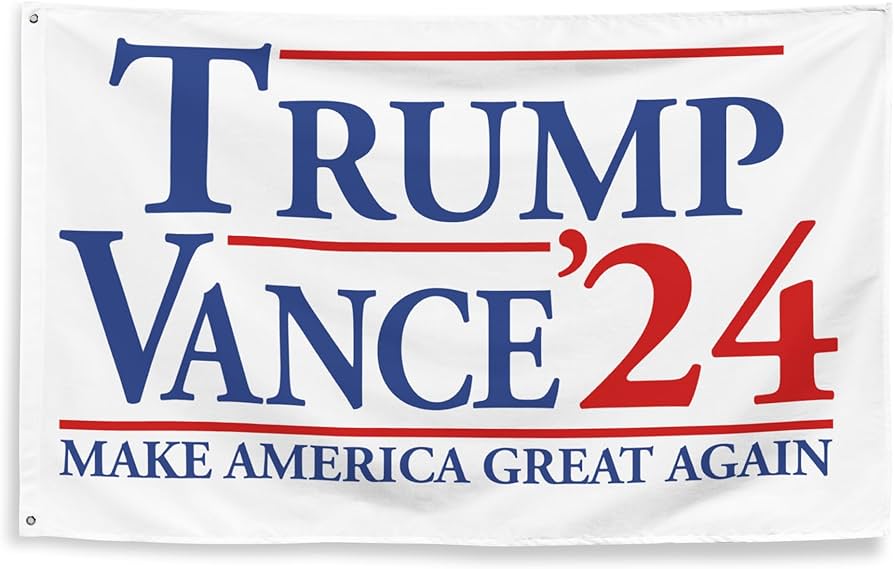
The Trump/Vance Presidential Ticket
The Remnant of the Lord stands strong against Marxism’s rise. The Trump/Vance ticket shines as a beacon of hope. This duo, supported by conservative evangelical Christians, shares the Remnant’s values and beliefs.
The Trump/Vance platform fights against Marxism with strong policies. It aims to rebuild the nation’s Religious freedoms and Constitution first policies. Their platform is rooted in Patriotic Christ-Centered Christianity, highlighting the role of conservative evangelicals in protecting the future.
A Vision of Restoration and Renewal
The Trump/Vance believes in faith’s power to change the nation. Their platform of hope covers several areas, including:
Strengthening religious freedom and protecting the rights of conservative evangelicals
Promoting biblical values in society
Combating the spread of Marxist ideologies
Empowering the Remnant of the Lord in spiritual warfare
This approach speaks to the Remnant, seeing the Trump/Vance ticket as a defense against secularism and moral decay. These threats aim to erode the nation’s core values.
As the 2024 election approaches, the Trump/Vance ticket symbolizes the Remnant’s commitment to preserving the nation’s Christian heritage and conservative values. Their platform of A Strong and Secure America with the restoration of hope unites those wanting to restore the country’s spiritual and ideological identity.
Key Policies
Highlights
Religious Freedom
Protecting the rights of conservative evangelicals to practice their faith freely.
Moral Renewal
Upholding biblical values and a Christian worldview in society, from education to public life.
Combating Marxism
Actively fighting against Marxist ideologies and their impact in American life.
Empowering the Remnant
Supporting the Remnant of the Lord with resources to fight against secularism and moral decline.
Equipping the Remnant
The Remnant of the Lord is standing strong against the Marxist threat. They need the right tools and training for this spiritual fight. The Christian resistance needs knowledge, tools, and support to keep the faith and protect our values.
Resources and Training
A wide range of resources and training programs has been made for the Remnant. These aim to give believers the skills they need for Christian resistance and spiritual warfare.
Comprehensive Bible studies and theological courses to deepen understanding of the biblical principles underlying the Remnant’s mission.
Workshops and seminars on identifying and countering Marxist influences in society, politics, and culture.
Practical training in effective communication, advocacy, and grassroots mobilization strategies.
Spiritual guidance and mentorship programs to cultivate a strong foundation in prayer, worship, and discernment.
Legal resources and support to navigate the complex terrain of preserving religious freedom and civil liberties.
With these resources and training, the Christian resistance can stand strong against Marxism. They can protect our Judeo-Christian heritage.
“The time has come for the Remnant to rise up and reclaim the ground that has been lost. With the right resources and training, they will be unstoppable in their mission to defend the faith and preserve our way of life.”
Conclusion
In this article, we’ve looked at how the Remnant of the Lord fights against Marxism. They stand strong with their biblical roots and play a key role in spiritual battles. They are the main force to stop Marxism and keep our society free and prosperous.
We’ve seen the risks of Marxism and its harmful effects on society. It’s crucial to have Christian resistance and spiritual warfare against these forces. The Remnant of the Lord is key in keeping religious freedom and fighting against Marxism.
As we end this discussion, it’s clear the Remnant of the Lord is crucial in stopping Marxism. They do this through prayer, sticking to biblical values, and advocating for what’s right. They will keep fighting against darkness, making sure truth and freedom continue to guide us.
FAQ
What is the Remnant of the Lord, and why are they the only ones who can stop Marxism?
The Remnant of the Lord are devoted Christians fighting against the darkness, including Marxism. They stand out because they deeply understand Marxism’s spiritual roots. Their commitment to religious freedom and Christian values makes them key in fighting this ideology.
What are the biblical foundations of the Remnant of the Lord?
They are based on the Bible’s idea of a “remnant.” This is a group of faithful believers who stay true to their faith, even when it’s hard. They use the Bible to guide them in their fight against Marxism and to protect religious freedom.
How are the Remnant of the Lord engaging in the fight against Marxism?
They are fighting Marxism through prayer, teaching the Bible, legal action, and political involvement. They use their spiritual knowledge and influence to challenge the Marxist ideas. This helps protect our society’s freedom and prosperity.
What are the dangers of Marxism, and why is it incompatible with Christian values?
Marxism threatens our freedom, religious beliefs, and the basics of a free society. It’s against individual rights and doesn’t fit with the Bible. The Remnant sees the need to reveal Marxism’s true nature and defend our spiritual and ideological values.
How is the Remnant of the Lord using prayer and a biblical worldview as weapons against Marxism?
They see prayer and deep biblical knowledge as powerful tools against Marxism. By standing on a strong biblical foundation, they can challenge the Marxist ideas. This helps protect their faith and society’s values.
What role are conservative evangelicals and the Trump/Vance presidential ticket playing in the Remnant of the Lord’s fight against Marxism?
Conservative evangelicals, including the Trump/Vance ticket, are key allies in fighting Marxism. They offer a hopeful platform that matches the Remnant’s values. This helps in preserving our spiritual and ideological roots.
What resources and training are available to equip the Remnant of the Lord in their fight against Marxism?
There are educational programs, spiritual guidance, and tools to help the Remnant. These resources aim to give them the knowledge and strength needed to fight Marxism. They help protect their Christian beliefs and the nation’s values.
What I write here is not from a Republican point of view, I am a Conservative Consitutionalist, neither do I write it from the platform of being a Donald Trump supporter. I write it from being a concerned Patriot of our great nation, a sojourner who is ultimately a citizen of the Kingdom of God, and an emissary of its government here on Earth and I bow my knee but to the Lord Jesus Christ
This current election is not one that is soley between the democrat and republican parties, this election is a war bnetween right and wrong, good and evil. We are seeing a powerful spiritual battle waging for the soul of this nation, and I can find no God in the Harris/Waltz ticket, all I see is an anti-American anti-Christ spirit that has hijacked the Democrat platform.
In light of the 2024 presidential approaching rapidly, it is an undersstement to say that Americans are facing a big decision. The choice between candidates can change the country’s future. The Democratic team of Vice President Kamala Harris and Eric Waltz is under close watch. Many worry about the Marxist ideas they might bring.
There are concerns about the Marxist ideology behind the Harris/Waltz ticket. Marxism aims to change how society works, focusing on politics and economics. It’s linked to less freedom, less business freedom, and more government control. Critics say Harris and Waltz’s views could lead to big changes in America.
Key Takeaways
The Harris/Waltz Democrat ticket’s Marxist ideology poses a threat to American values and principles.
Political polarization, misinformation, and ideological extremism are breeding grounds for the Marxist agenda.
The radical left’s agenda seeks to erode individual liberties and centralize power in the state.
Unchecked Marxist policies could lead to economic stagnation and wealth redistribution.
Responsible leadership and the preservation of American values are crucial to combating the dangers of Marxism.
The Dangers of the Harris/Waltz Democrat Ticket is the Marxist Ideology
Some say the Harris/Waltz Democrat ticket’s ideas are based on Marxist beliefs. This would be a big disaster to our economy, freedom, and democracy. Looking into the dangers of the harris/waltz democrat ticket is the marxist idiology is important.
Embracing Marxist ideas would lead to deep divisions in society. The medias refusual to report on this has made things even worse. Marxisim will destroy the health of our democracy.
“The radical left agenda of the Harris/Waltz ticket would take away the freedoms Americans value. It would bring in a system where the government controls everything, which goes against what we believe in.”
Pushing for Marxist ideas often means spreading false information and theories. This can make people doubt our democratic system. It also weakens our ability to think critically and understand the news.
We need to talk about the dangers of the Harris/Waltz democrat ticket is the marxist idiology openly. We should work to keep our democratic values safe. This will help us make informed choices.
Political Polarization: A Breeding Ground for Extremism
In today’s world, political polarization is a big problem. It’s making ideological extremism more common. This situation, filled with divisive rhetoric and partisan tactics, makes people see others as enemies. This makes finding middle ground and talking things out hard.
Divisive Rhetoric and Partisan Tactics
Leaders and experts use incendiary language and simplistic narratives to get people on their side. This makes political polarization worse. They want power and influence, which makes it hard to agree and solve problems together.
The Rise of Ideological Echo Chambers
Social media has made ideological echo chambers more common. People now choose to be around others who think like them. This makes them stick to their beliefs and avoid other views. It’s hard to talk and find common ground this way.
And in many ways, do directly to the mainstreams Church lack in trainings in congregations in the art of Spiritual Warfare, many Church members have fallen prey to the enemies intoxicating political narritives, leading many to be blind the very presence of evil mairred within the Harris/Waltz ticket.
They have been decieved into believing they are for the citizens, they are pro-women when in reality that is just a smoke screen, preventing them from actually seeing the hideous dark demonic nature of what they believe America should be as a nation.
And those on the right need not be blind to the enemys strategies either for “The more we retreat into our ideological silos, the more difficult it becomes to understand and empathize with those who hold different views.”
We need to talk openly and honestly to fight political polarization and ideological extremism. We should think critically and understand different views. This is how we can bridge the gaps and make our democracy stronger and more united.
Ideological Extremism: A Threat to Democracy
The rise of ideological extremism is a big threat to American democracy. It challenges the core values of the United States. The Harris/Waltz ticket’s Marxist agenda aims to take away the freedoms we hold dear.
The Radical Left Agenda
The Harris/Waltz ticket pushes for a big change in America. They want to change our political and economic systems. They want to destroy the values of the family, removing the parants from having parental rights, all in order to steal the future of our children. To be honest, this plan is based on Marxist ideas and could take away our freedom and change our values.
This could upset the balance of power in our democracy. Such a shift is very worrying for the future of our country.
Erosion of Individual Liberties
The radical left’s goals threaten the freedoms we value in America. These include our right to speak freely, write what we want, own property, and make our own economic choices. If these rights are taken away, it would go against what America stands for.
It would also harm our way of life. We would lose the freedom to live as we choose and think as we want.
Potential Consequences of Ideological Extremism
Implications for Individual Liberties
Centralization of power and diminished checks and balances
Reduced freedom of speech, press, and political expression
Wealth redistribution and economic stagnation
Erosion of private property rights and economic self-determination
Erosion of democratic institutions and processes
Diminished political representation and voter autonomy
The threat from ideological extremism is real. It could harm the core of American democracy. Protecting our freedoms and keeping power in balance is crucial in these challenging times.
Fear-Mongering Tactics and the “Us vs. Them” Mentality
In today’s politics, fear-mongering and the “us vs. them” mentality are common. It has been one of rthe key strategies of the democrat party, and these tactics aim to divide people and stop meaningful talks. They make it hard to find common ground.
Politicians often exaggerate threats to get people upset. They talk about the economy based upon equity (a Marxist term), they redifine immigration policies to be more “Inclusive”, or push new “Gender Nuetral” educational and social measures merely to gain support of certain parties in their base. This isn’;t security, it is indoctrination
The Consequences of Unchecked Marxist Ideology
The rise of Marxist ideas in politics is a big threat to the U.S. economy. The Harris/Waltz Democrat ticket wants to bring in policies based on this ideology. This could lead to big problems if not stopped.
Economic Stagnation and Wealth Redistribution
Marxist ideas focus on taking wealth from the rich and giving it to the poor. This plan has failed before, causing economic stagnation and losing freedoms.
When governments choose marxist ideology over free markets, innovation and investment drop. This means people’s living standards go down, even for those the policies aim to help.
Metric
Free-Market Economy
Marxist-Influenced Economy
GDP Growth
3.2%
1.4%
Unemployment Rate
4.1%
7.8%
Purchasing Power
$52,000
$38,000
The data shows that economic stagnation and wealth redistribution hurt the American people. They lead to fewer economic chances and a lower quality of life.
“The path to economic prosperity is not through the forcible redistribution of wealth, but rather through the empowerment of individuals to pursue their own economic aspirations.”
Preserving American Values and Principles
In today’s world, it’s crucial to keep the American values and principles alive. These include things like freedom, the chance to start your own business, and keeping the government in check. We must protect these ideas to keep our democracy strong.
Keeping these American values and principles is key for our country’s future. We face big challenges like political polarization and ideological extremism. But, we must stick to the ideals that made America a place of hope and chance for many.
Upholding the principles of individual liberty and personal responsibility
Fostering a thriving free market economy and entrepreneurial spirit
Limiting the reach of government and empowering local communities
Promoting the rule of law and the equal application of justice
Safeguarding the fundamental rights enshrined in the Constitution
By holding onto these core American values and principles, we can move past the divisive talk and party politics. A strong commitment to these ideals helps us build a future of unity, wealth, and progress for everyone.
“The preservation of the sacred fire of liberty and the destiny of the republican model of government are justly considered… deeply, finally, staked on the experiment entrusted to the hands of the American people.”
– George Washington
Combating Misinformation and Propaganda
In today’s world, misinformation and propaganda spread fast, threatening our ability to make informed choices. It’s vital for us to develop logical truth informed thinking and media literacy. These skills help us sort through information and fight false stories.
Promoting Logical Thinking and Media Literacy
Teaching logical thinking is key to stopping the spread of misinformation and propaganda. We need to get people to doubt information sources, check if claims are true, and look at different views. This way, they can make better choices.
Teach the value of checking facts from trusted sources.
Encourage people to think deeply about why information is shared.
Support programs that teach how to spot false info in media.
Along with logical thinking, media literacy is crucial in fighting misinformation and propaganda. Knowing how media works helps people choose what to believe more wisely.
Strategies for Improving Media Literacy
Benefits
Analyze the source, content, and purpose of media messages
Helps spot biases and know what’s real and what’s not
Understand how social media shapes what we see
Gives a clearer picture of how info gets shared
Learn to judge if info is trustworthy
Helps people make smart choices and resist propaganda
By valuing logical thinking and media literacy, we can give our citizens the tools to tell truth from lies. This helps fight misinformation and keeps our democracy strong.
Fostering Meaningful Dialogue
In today’s world, we need to talk more and agree less. Political differences are making it hard to get along. It’s up to us and our leaders to find common ground.
Listening to others is key to meaningful talks. By not judging and being open-minded, we can understand others better and find common interests. This helps us solve problems together.
The Role of Responsible Leadership
With political divisions and ideological extremism on the rise, the need for responsible leadership is greater than ever. Leaders must focus on unity, respect for democracy, and protecting individual rights. They should avoid using fear and partisan views to lead.
By doing so, they can start meaningful conversations, encourage logical thinking, and find common ground. This approach helps everyone work together better.
Responsible leaders can bridge the gap between different groups. They inspire people to look beyond “us versus them” towards a shared future. By being open, accountable, and committed to democracy, they can rebuild trust in politics and protect American democracy.
The fight against political divisions and extremism shows how crucial responsible leadership is. These leaders set an example of good governance. They motivate people to take part in democracy and aim for policies that bring progress and unity.
Responsible leadership is not just a dream. It’s essential for building a stronger, united America.
FAQ
What is the alleged Marxist ideology of the Harris/Waltz Democrat ticket?
Some say the Harris/Waltz Democrat ticket’s policies and words are based on Marxist ideas. This could be a threat to our economy, freedom, and democracy.
How does political polarization contribute to the growth of ideological extremism?
Political divisions grow when people are split by harsh words and actions. This leads to more extreme beliefs and makes things worse.
What role do misinformation and conspiracy theories play in shaping public perception and undermining trust in democratic institutions?
False information and theories spread fast during political splits. They can change what people think and hurt trust in our system.
What are the potential consequences of the alleged Marxist agenda of the Harris/Waltz ticket?
A Marxist plan could take away our freedoms and shake our democracy. This is a big risk.
How do fear-mongering tactics and the “us vs. them” mentality contribute to further political polarization?
Scare tactics and the “us vs. them” idea make people more divided. This hurts dialogue and cooperation.
What are the potential economic consequences of unchecked Marxist ideology?
Marxist ideas could slow down our economy and change how wealth is shared. This could affect us all in the long run.
Why is it crucial to preserve American values and principles in the face of political polarization and ideological extremism?
Keeping our values like freedom and limited government is key. It helps us stay strong and free, even when things get tough.
How can citizens and leaders combat the spread of misinformation and propaganda?
We can fight fake news by teaching people to think critically and value real journalism. This helps us get the truth.
What is the importance of fostering meaningful dialogue in a politically polarized environment?
Talking and finding common ground is vital. It helps us work together and solve problems, instead of just fighting.
What is the role of responsible leadership in navigating the challenges posed by political polarization and ideological extremism?
Leaders must focus on unity, respect for our system, and freedom. They should avoid divisive tactics to tackle these big issues.
For centuries, the role of Freemasonry in religious groups, especially the Christian church, has sparked debate. This ancient, secretive group has faced accusations of having too much political and religious power. They often seem to go against traditional Christian values. This piece looks into the Masonic movement’s history, its symbols, and how it affects religious groups. It also explores the differences between Masonic beliefs and Christianity.
Key Takeaways
The Freemasons have a long and complex history, with roots dating back to medieval stonemasons’ guilds.
Masonic symbols and rituals often incorporate esoteric and occult elements, which some have interpreted as contradictory to Christian beliefs.
Freemasonry has been accused of infiltrating religious institutions, particularly the Christian church, and exerting political and ideological influence.
The clash between Masonic beliefs and traditional Christian teachings has led to ongoing tensions and controversies within the church.
Strategies for countering the Masonic influence and reclaiming religious purity within the church are being explored by religious leaders and scholars.
Understanding the Freemasons
The Freemasons, or Freemasonry, is a very old group with a rich history. It started with medieval stonemason guilds. Now, it’s a worldwide network of men sharing rituals, symbols, and moral values.
Origins and History of Freemasonry
Freemasonry’s beginnings are still debated among scholars. But, it’s widely believed to have started with stonemason and cathedral builder guilds in the Middle Ages. These guilds took in non-operative members, setting the stage for modern Freemasonry.
The oldest Masonic text, the Regius Poem, goes back to the early 1400s. This shows Freemasonry’s long history. Over time, Freemasonry spread globally, with lodges popping up on every continent.
Symbols and Rituals of the Freemasons
Freemasonry is famous for its symbols and rituals. These teach members moral and philosophical lessons. Symbols like the compass, square, all-seeing eye, and beehive hold deep meanings.
The rituals, or “degrees,” include initiation ceremonies and reenactments. They aim to help members grow personally and morally. They also foster a strong sense of brotherhood.
Masonic Symbol
Symbolic Meaning
Compass
Represents moral and spiritual discernment
Square
Symbolizes honesty, integrity, and the search for truth
All-Seeing Eye
Denotes the watchful presence of the divine or universal intelligence
Beehive
Signifies the importance of industriousness, cooperation, and community
Learning about Freemasonry’s origins, history, symbols, and rituals helps us understand this mysterious group. It shows how it influences our world.
The Masonic Influence in Religion
Freemasonry’s impact on Christian churches is a hot topic. Many think Freemasons have sneaked into the heart of these places, mixing Masonic ideas with traditional faith practices.
Masons have blended into religious settings by adding Masonic symbols and rituals to church events. Masonic influence on churches shows up in certain gestures, ceremonies, and even the design of religious buildings.
Masonic Symbols in Religious Institutions
Prevalence
The All-Seeing Eye
Commonly found in church stained glass windows and other religious artwork
The Square and Compass
Frequently incorporated into church designs and decorations
The Beehive
Symbolizing industriousness, often found in religious settings
Some Christians worry about the Freemasons in religion and their effect on churches. They see a clash between Masonic and Christian beliefs. Religious institutions and Freemasonry have a complex relationship, with debates on how these beliefs mix.
“The Masonic influence in religion has been a subject of much debate and controversy, with some arguing that it represents a dangerous blending of spiritual beliefs and practices.”
As the debate on Masonic influence on churches goes on, religious leaders and followers must look closely at how Masonic ideas have mixed into their places. They should think about what this means for their spiritual and theological roots.
Freemasons – The Host of the Religious Political Spirit in the Church
The Masonic influence in church politics has been a topic of debate for centuries. It shows how Masonic ideas and practices have entered church leadership. This has changed the way churches make decisions and lead their members.
The Infiltration of Masonic Ideologies
Freemasonry has been a part of churches for a long time, both openly and quietly. It brings its own symbols, rituals, and beliefs into church life. This has changed what churches focus on and decide.
History shows how Freemasonry has mixed with church politics. This mix is quite deep.
Using Masonic symbols like the compass and square in church has worried some. They see it as mixing the sacred with the secret.
Some high-ranking church leaders join Masonic lodges. This makes people wonder if they can balance their spiritual duties with Masonic activities.
Freemasonry’s lasting impact in some churches shows its strong influence. It aims to change how churches think about theology and politics.
Masonic Influence in Church Politics
Religious Political Spirit
Freemasonry in Church Leadership
Documented historical accounts
Integration of Masonic symbols and practices
Prominent clergy as active Masonic participants
Blurring of the line between the sacred and the esoteric
Shaping of theological and political narratives
Compatibility of spiritual responsibilities and Masonic affiliations
“The Masonic influence in church politics has been a subject of intense scrutiny and debate for centuries.”
Exposing the Masonic Agenda
The Masonic movement is full of mystery, often seen as having a secret plan in religious places. We will look into Freemasonry’s secret actions and goals. We’ll see how they try to change traditional Christian teachings and push their own ideas and political goals.
Freemasons want to replace Christianity’s basic beliefs with a deeper, mysterious view. They use special rituals, symbols, and rites to teach their members. This slowly makes them question traditional Christian beliefs and adopt a mix of pagan and Gnostic ideas.
Freemasons have tried to get into the church by getting high-ranking members on their side. This way, they can slowly change the church’s teachings to fit their Masonic agenda.
“The Masonic movement has long been accused of attempting to subvert traditional Christianity, replacing it with a more eclectic, Freemasonry’s hidden goals that draw from a variety of esoteric and occult traditions.”
Freemasons have slowly changed the church’s core beliefs. They support progressive social ideas and a more personal way of looking at faith. As they’ve gotten more influence, they’ve weakened the Christian faith. This opens the door for a new era of faith shaped by Masonic ideas.
Masonic Ideology
Christian Doctrine
Belief in a Universal Creative Force
Belief in the Triune God of Christianity
Emphasis on Symbolic Rituals and Initiation
Emphasis on Faith, Grace, and Salvation
Acceptance of Multiple Religious Traditions
Commitment to the Exclusivity of Christian Teachings
The fight between Freemasonry and traditional Christianity is ongoing. It’s important for believers to watch out for the Masonic agenda. By revealing these secret plans and showing Masonic influence in the church, we can protect our faith.
The Clash Between Freemasonry and Christianity
Freemasonry and Christianity have very different beliefs and practices. Freemasonry is seen as a group focused on philosophy and helping others. Yet, its teachings and rituals have caused controversy among many Christian groups.
Biblical Perspectives on Freemasonry
Many Christians see Freemasonry with concern. They believe Masonic teachings and symbols clash with the Bible. They worry about the focus on Freemasonry vs Christianity and the use of secret symbols.
They also worry about the unique role of Jesus Christ in Christianity. Freemasonry seems to offer a different view of faith.
Freemasonry’s secret rituals and complex structure add to the unease. Some Christians fear Masonic ideas have crept into the Church. This could threaten the true teachings of Christian teachings and Masonic beliefs.
“Freemasonry is incompatible with Christianity because it denies the unique role of Jesus Christ as the sole mediator between God and man.”
This statement from a Christian scholar shows the deep divide between Masonic and Christian beliefs. It has sparked a long debate between the two.
Christian Teachings
Masonic Beliefs
Salvation through Jesus Christ
Salvation through personal enlightenment
Monotheistic view of God
Belief in a “Supreme Architect” or “Grand Architect of the Universe”
Emphasis on faith and grace
Emphasis on ritual, symbolism, and personal progression
This table shows the main differences between Christian teachings and Masonic beliefs. It points out the big clash between these two views.
The Impact of Freemasonry on Church Leadership
Freemasonry has deeply affected the leadership of many churches. It has changed their beliefs and politics. Masonic leaders have used their power to shape their churches.
Now, Freemasons are becoming pastors and clergy. They use their Masonic beliefs to make decisions in the church. This has changed the church’s focus, making it more about the secret and mysterious parts of Freemasonry than Christianity.
Masonic Influence on Church Leadership
Impact on Church Governance
Freemasons in senior church positions
Skewed theological and political agendas
Masonic rituals and symbolism in church services
Blending of Freemasonry and Christian doctrine
Promotion of Masonic values and ideologies
Marginalization of traditional Christian teachings
This Masonic influence on church leaders is very concerning. Freemasons are becoming more powerful in the church. This threatens the spiritual and theological core of the church.
It’s important to expose and fight against Masonic influence in the church. We must keep Christian teachings true and protect the spiritual health of the congregation. We need to be very careful and stick to the real teachings of Christianity.
Overcoming the Masonic Influence
The Masonic influence is growing in religious places, making it vital to fight back. Church leaders and believers must act to stop this and bring back their faith’s true spirit.
Strategies for Reclaiming Religious Purity
To beat the Masonic influence in churches, we need a strong plan. Here are some steps church leaders and members can take:
Educate and Inform: Teach the congregation about Freemasonry’s history, symbols, and beliefs. This helps spot and tackle Masonic elements in the church.
Conduct Audits: Check church leaders, rules, and actions for Masonic ties. This finds and fixes any weak spots.
Implement Transparency: Encourage honest talks about Masonic issues in the church. Make a place where people can share and solve problems.
Strengthen Biblical Foundations: Focus on studying and applying the Bible. Make sure the church’s teachings and actions are based on the Bible.
Engage in Intercessory Prayer: Pray hard for the church and its leaders. Ask for God’s help and protection against Masonic threats.
By doing these things, church leaders and members can fight the Masonic influence. They can make their religious places safe for real spiritual growth and faith.
“The church must be the conscience of the state, not its echo.” – Martin Luther King Jr.
The Future of the Church and Freemasonry
The relationship between Freemasonry and the Christian church is changing. The Future of Freemasonry in churches, the church’s response to Masonic influence, and the evolving relationship between Freemasonry and religion will shape what comes next.
One possible future is that Freemasonry will keep its influence in the church. Even with concerns, Freemasonry might continue to affect some Christian groups. This could cause tension as the church tries to balance its beliefs with Masonic ideas.
Another option is for the church to stand up against Freemasonry. Church leaders might work to remove Masonic ideas from their communities. This could lead to a tense relationship, with the church trying to separate itself from Freemasonry.
Yet, there’s also a chance for peace between Freemasonry and the church. Both sides might learn to respect and understand each other better. This could mean open talks, respect, and a shared focus on moral and spiritual values.
Potential Scenario
Implications
Persistent Masonic Influence
Ongoing tension and conflict within the church
Confrontational Stance Against Freemasonry
Adversarial relationship and increased efforts to eliminate Masonic influences
Newfound Reconciliation
Harmonious coexistence and mutual understanding between Freemasonry and the church
The future of the church and Freemasonry is still up in the air. With different paths ahead, the church will keep dealing with Freemasonry’s impact. This will affect the spiritual world for many years to come.
Conclusion
Throughout this article, we’ve looked at how Freemasonry affects religious groups, especially the Christian church. The debate about Freemasonry’s place in the church is complex. It’s about whether Masonic symbols and beliefs fit with Christianity.
Understanding Freemasonry’s history and principles is key. We’ve seen how Masonic beliefs sometimes conflict with Christian teachings. This helps us see the challenges church leaders and members face.
The church’s future with Freemasonry is still up in the air. Yet, moving forward requires a deep understanding of the issues. The effort to keep the church true to its beliefs is ongoing. It needs a strong commitment to Christianity in a world of many influences.
FAQ
What is the history and origin of Freemasonry?
Freemasonry started with medieval stonemason guilds in Europe. It evolved, adding spiritual and philosophical elements. Now, it’s a secretive group with its own rituals and symbols.
What are the core symbols and rituals of Freemasonry?
Freemasonry uses symbols like the compass, square, and the all-seeing eye. They also have secret initiation ceremonies and rituals.
How has Freemasonry infiltrated religious institutions, particularly the Christian church?
Freemasonry has entered religious groups, including the Christian church. Its ideas and practices blend into many religious settings. This sometimes conflicts with traditional Christian beliefs.
What is the Masonic influence on church leadership and politics?
Many church leaders and influential figures are Masons. This lets Masonic ideas shape religious and political church policies.
How do the beliefs and practices of Freemasonry conflict with Christianity?
Freemasonry and Christianity have different core beliefs. Masonic secrecy and rituals don’t match Christian values. This creates tension between the two.
What strategies can be used to counter the Masonic influence in the church?
To fight Masonic influence, church leaders and members should expose Masonry. They should teach about Masonic vs. Christian beliefs. And, they should work to keep the church true to its faith.
What is the future of the relationship between Freemasonry and the Christian church?
The future of Freemasonry and the Christian church is unclear. Masonic influence might stay in some places. Yet, there’s a push to challenge this, leading to possible changes in their relationship.



 Radical Disciples - A Remnant Revolution