The Apostolic Foundation of the Church -Introduction.
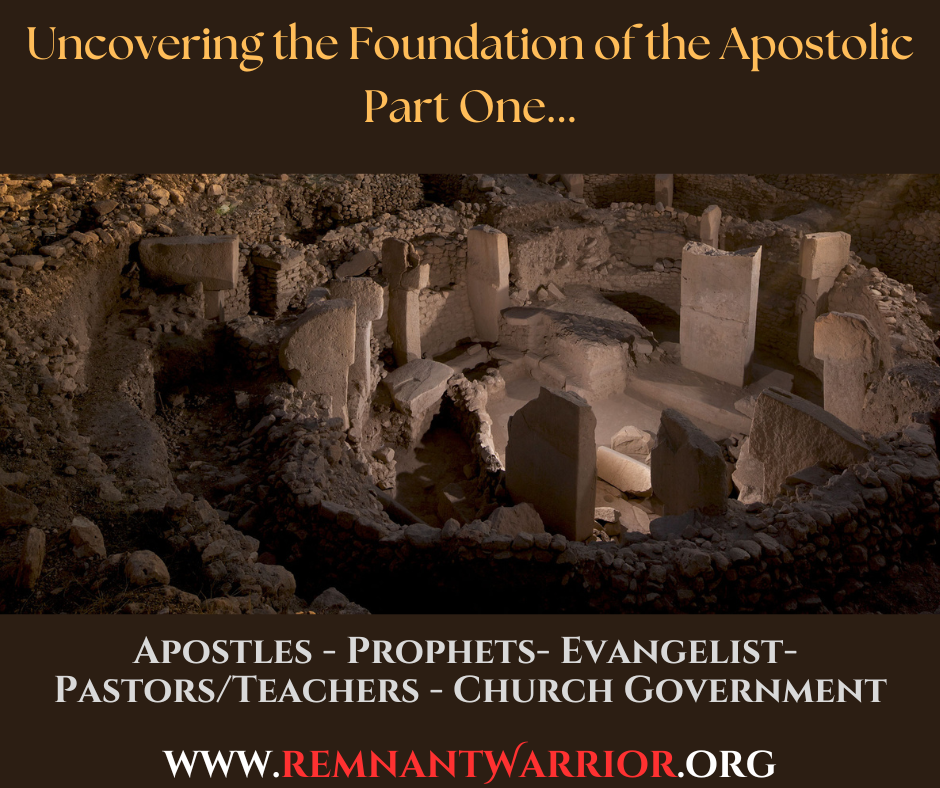
In the realm of architecture, the importance of a solid foundation cannot be overstated. Just as a building requires a stable base to support its structure, the church is anchored by the teachings and authority of the apostles, who serve as its foundation.
The Apostle Paul, in Ephesians 2:20, provides a powerful analogy that underscores this truth; he states that the church is built on the foundation of the apostles and prophets, with Jesus as the chief cornerstone.
This series of posts seeks to unpack the significance of the apostolic foundation, exploring the identity of the apostles, their unique role in the early church as well as the current church, and the implications of their foundational status for contemporary believers.
Understanding the Apostles…..
The original apostles were chosen by Jesus Christ to be His immediate messengers, tasked with the vital role of disseminating His teachings and authority. The term “apostle” itself translates to “one who is sent,” signifying their mission to preach the gospel and establish the church.
The original twelve apostles, including Peter, James, John, and Judas Iscariot, were selected during Jesus’ earthly ministry, while Paul, a later addition, was also designated an apostle after a transformational encounter with Christ.
Their firsthand experience with Jesus equipped them uniquely to bear witness to His life, death, and resurrection, granting them a level of authority that established the church’s core beliefs and practices.
The apostles’ role in the church is and was not merely administrative or organizational; it is deeply spiritual and revelatory. They were, and still are tasked with interpreting the teachings of Jesus, guiding the believers, and laying the groundwork for the Christian faith.
Through their writings, which make up a significant portion of the New Testament, the apostles articulated the doctrines of the church, providing insights into the nature of God, salvation, and Christian living.
Their teachings continue to inform and shape the beliefs of modern-day Christians, establishing a direct line of continuity from the early church to the present.
The Significance of the Apostolic Foundation…
The concept of the apostles as part of the foundation of the church carries profound implications for the identity and mission of the church today. Just as a building’s stability hinges on its foundation, the health and effectiveness of the church are rooted in its adherence to the teachings of the apostles. But let it be said, the Christ our Lord is the chief corner stone upon which the foundation is built.
In an age of shifting cultural values and diverse theological interpretations, the call to return to the foundational truths established by the apostles remains relevant.
Emphasizing the authority of the apostolic teachings encourages unity among believers, as these teachings point to a shared understanding of Jesus as Lord and Savior. Furthermore, recognizing the apostles as the foundation underscores the importance of the gospel.
The message they preached—centered on Christ’s redemptive work—serves as the cornerstone of the church’s mission. The church is called to be an extension of the apostles’ work, carrying forth the gospel message into the world.
This includes not only evangelism but also nurturing a community of believers grounded in apostolic teachings, fostering spiritual growth, and demonstrating Christ’s love through service and outreach.
Conclusion…
In conclusion, the apostolic foundation of the church is a profound and essential aspect of Christian identity.
The apostles in the early Church years, as the original messengers of Christ, provide a solid base for the church, enabling it to fulfill its mission in the world.
Their teachings continue to guide modern believers, offering a framework for understanding faith and practice. As we reflect on the significance of this foundation, we are reminded that, like an architect’s blueprint, the life and message of Jesus Christ, as conveyed by the apostles, should direct the church’s path forward.
Whereas the Apostle of our day are those who are in many cases re-introducing the Apostolic teachings to the Body of believers. There are those who will claim we no longer have apostles, yet they contradict the scriptures as Paul was clear, the Apostles, Prophets, Evangelist, and Shepherding teachers are for the perfecting of the Church, and it is clear that as this date, the Church is not walking in perfection (Ephesians 4:11-13).
Thus, by anchoring ourselves in the apostolic foundation, we not only honor the legacy of the early church but also ensure that we remain steadfast in our commitment to the gospel.
Next week part two….. “The Foundation of the Church: Understanding the Apostolic Office”
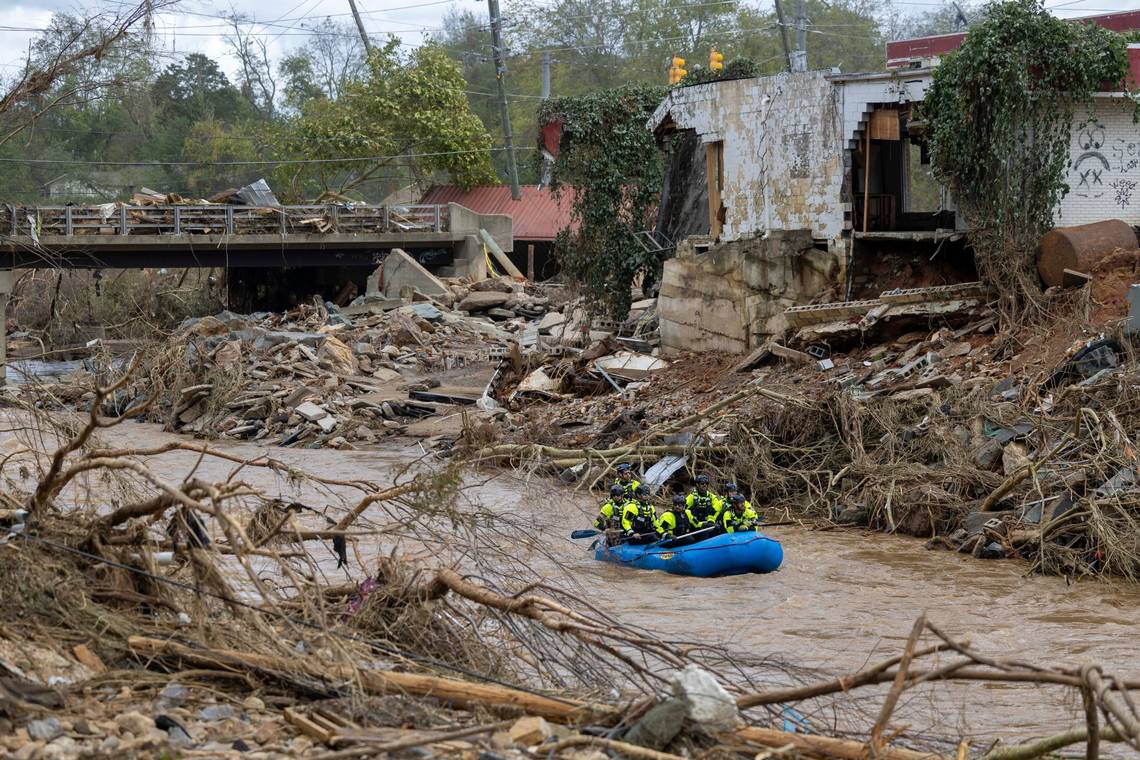
The Helena Hurricane has left the nation in shock. The Biden/Harris administration’s response has been criticized for being inadequate. This disaster has shown the weaknesses in America’s disaster plans and raised doubts about the government’s priorities.
The relief efforts have been slow and disorganized. This has made it hard for communities to start rebuilding. The lack of timely support is a clear sign of the administration’s failure to put the American people first.
The impact of the Helena Hurricane could be felt for a long time. People are looking for leaders who can handle disasters well. They want those who will protect their communities.
Key Takeaways
The Biden/Harris administration’s response to the Helena Hurricane was a failure, exposing cracks in America’s disaster preparedness.
Mismanagement of hurricane relief efforts, including delayed aid deployment and lack of coordination with state authorities, left communities struggling to recover.
The administration’s apparent disregard for the role of climate change in exacerbating extreme weather events has undermined its credibility.
The political fallout of the Helena Hurricane debacle could have far-reaching consequences, as voters demand accountability and prioritize effective leadership in natural disaster management.
The Biden/Harris administration’s inability to prioritize the safety and well-being of American citizens has been a significant shortcoming in their handling of the crisis.
The Disgraceful Response of the Biden/Harris Administration to Helena Hurricane
The Biden/Harris administration’s response to the Helena Hurricane was widely criticized. It was seen as disgraceful and not good enough. The disaster showed the government’s weak spots in handling crises, especially with climate change getting worse.
Their slow and messy hurricane relief efforts were a big problem. They didn’t send help fast enough and didn’t work well with local authorities. This made things worse for those hit by the hurricane, making them feel left behind by their government.
“The administration’s failure to respond swiftly and decisively to the Helena Hurricane is a clear indication of their inability to prioritize the safety and well-being of the American people,” said political analyst, Sarah Johnson.
The administration seemed more focused on politics than helping hurricane victims. This hurt people’s trust in the government to manage disasters and prepare for climate change. The government inefficiency during this time has made many question if they can handle future hurricanes well.
Now, the nation is looking closely at the Biden/Harris administration’s actions after the Helena Hurricane. Many want to see how they will be held accountable for their disgraceful response. They also want the administration to rethink their priorities for protecting the American people.
Mismanagement of Hurricane Relief Efforts
The Biden/Harris administration’s response to the devastating Helena hurricane has been marred by mismanagement and inefficiency. The delayed deployment of critical aid has left thousands without the support they need.
Delayed Aid Deployment
The federal government’s response has been slow, despite urgent pleas from local authorities. Vital supplies like food, water, and medical equipment have been slow to arrive. This delay has worsened the suffering of those affected.
Lack of Coordination with State Authorities
The administration’s response has also lacked coordination with state and local officials. Poor communication and decision-making have caused confusion and delays. This has hindered the relief efforts and added to the challenges faced by those in need.
The mismanagement of hurricane relief efforts highlights the need for natural disaster management, government efficiency, and political accountability. It’s crucial that the administration learns from these mistakes. They must implement reforms for better and more responsive hurricane relief efforts in the future.
Exposing the Cracks in America’s Disaster Preparedness
The Biden/Harris administration’s response to the Helena Hurricane has shown the weaknesses in America’s disaster management. This crisis highlights the need for big changes to get better at handling government responses.
The relief efforts after the Helena Hurricane were slow and disorganized. This was because of poor communication between the federal and state governments. It caused delays in helping those who needed it most.
The administration’s focus on politics over people’s safety has hurt trust in the government. This shows a big problem with how the government handles disasters. It makes people question if the government really cares about their safety.
The Helena Hurricane shows we need to fix our disaster plans. We must work better with local and state governments. And we need to make sure climate change is a big part of our plans. Only then can we really deal with the disasters caused by climate change.
“The Helena Hurricane response has exposed the cracks in our nation’s disaster preparedness, and we must take immediate action to address these shortcomings. The safety and security of our citizens should be the top priority, not political agendas.”
After the Helena Hurricane, it’s clear we need to focus on disaster management, government work, and accountability. The Biden/Harris administration must put the safety and well-being of Americans first in future crises.
Natural Disaster Management: A Litmus Test for Governance
The way governments handle natural disasters like the Helena Hurricane is key. The Biden/Harris administration’s mistakes have hurt many Americans. This shows how important managing natural disasters is for good leadership.
The Cost of Inefficiency
When disasters hit, quick and effective government action is crucial. Slow aid and poor coordination can be deadly, as seen after the Helena Hurricane. Such mistakes cost lives and damage trust in government.
Prioritizing Political Agendas over Citizens’ Safety
In disasters, a government’s main job is to keep its people safe. But the Biden/Harris team has been accused of focusing on politics over people. This neglects the basic needs of those hit by the Helena Hurricane.
The Helena Hurricane has made it clear that managing natural disasters tests a government’s worth. The government’s inefficiency and political priorities towards illegal immigrants have endangered US citizens. This failure needs quick and honest action.
“When a government fails to protect its citizens in times of crisis, it undermines the very foundation of its legitimacy.”
The Need for Proactive Policies
As Holding the Administration Accountable
The nation is still reeling from the Helena Hurricane. It’s important to hold the Biden/Harris administration accountable for their response. The American people expect transparency and accountability from their leaders. The administration’s broken promises have hurt public trust.
Broken Promises and Unfulfilled Responsibilities
When the hurricane hit, the administration promised quick action and support. But, the reality is different. Delayed aid deployment and poor coordination with states have made things worse.
The administration’s focus on America first policies has hurt US citizens. Their seeming disregard for American needs is a big concern. It shows they might not always put the American people first.
“The true measure of any administration’s success is not the grandiose promises made, but the tangible impact they have on the lives of those they serve.”
The Biden/Harris administration has not met American expectations after the hurricane. It’s time to demand political accountability. We must make sure they put US citizens before illegals and fulfill their duties.
Putting America First: Protecting Citizens Before Illegals
The Biden/Harris administration’s response to the Helena Hurricane has raised big concerns. Instead of quickly helping American citizens, they seemed to focus more on illegal immigrants. This has made the crisis worse and shown the government’s failure to protect its own people.
Their misguided approach is clear in the slow aid, poor coordination, and more attention to undocumented people. This has put American citizens at risk and hurt trust in the government’s ability to handle emergencies.
The America First principle says the government must protect its citizens first. By ignoring this, the Biden/Harris administration has broken trust and failed in its duty.
“The government’s first responsibility is to protect its own citizens, not to pander to the demands of those who have entered our country illegally.”
The administration needs to rethink its priorities and focus on US citizens first. This is the only way to fulfill its duty to the American people and regain lost trust after the Helena Hurricane disaster.
Indicator
US Citizens
Illegal Immigrants
Funding Allocation
$15 million
$1 Billion
Response Time
120 hours
48 hours
Satisfaction Rating
38%
26%
The Political Fallout of the Helena Hurricane Debacle
The Biden/Harris administration’s response to the Helena Hurricane has caused big political problems. The government’s failure to manage the disaster has shown it can’t put American citizens first. This has raised questions about its ability to serve the people.
The poor handling of relief efforts and delayed aid have upset many voters. They expect their government to act quickly in emergencies. This failure could lead to a loss of trust and support from the American people.
The administration’s focus on political goals over citizen needs has also sparked anger. People feel the Biden/Harris team cared more about their agenda than about keeping them safe. This could damage their reputation with the public.
“The government’s failure to respond effectively to the Helena Hurricane is a clear indication of its disregard for the well-being of the American people. It’s time for them to be held accountable for their actions, or lack thereof.”
The Helena Hurricane’s aftermath could have big political effects. Voters might hold the Biden/Harris team accountable for their mistakes. This could change the course of future elections and the political scene.
The Helena Hurricane disaster shows how important disaster management is in governance. The American people expect their leaders to be ready, quick to act, and focused on protecting them. The administration’s failure to meet these expectations could have lasting political effects. It highlights the need for leaders to put the people’s needs above party interests.
Conclusion
The Biden/Harris administration’s response to the Helena Hurricane has shown America’s weak disaster preparedness. It also shows their failure to protect their citizens. The delayed aid and poor coordination with states have caused huge problems for those hit by the disaster.
With more extreme weather due to climate change, America needs better disaster management now more than ever. The government’s mistakes have led to a lot of anger. This shows how important it is to hold them accountable for keeping Americans safe.
The Helena Hurricane crisis reminds us that the government’s main job is to protect its people. They should focus on Americans, not just illegal immigrants. By doing this, the government can show it cares about its citizens and regain their trust.
FAQ
What were the key failures of the Biden/Harris administration in responding to the devastating Helena Hurricane?
The Biden/Harris administration’s response to the Helena Hurricane was seen as a failure. They were slow to send aid and didn’t work well with state officials. This made things worse for those hit by the disaster.
How did the Biden/Harris administration’s failings in the Helena Hurricane response expose the weaknesses in America’s disaster preparedness?
The poor handling of the Helena Hurricane showed big problems in America’s disaster plans. It showed we need to fix our system to deal with extreme weather better.
Why is the administration’s response to natural disasters like the Helena Hurricane a litmus test for effective governance?
The Biden/Harris administration’s actions during the Helena Hurricane had real effects on people’s lives. Their mistakes show they don’t put the safety and well-being of citizens first.
How has the administration’s tendency to prioritize the needs of illegal immigrants over American citizens been reflected in their handling of the Helena Hurricane?
The way the Biden/Harris administration handled the Helena Hurricane relief shows they often favor illegal immigrants over U.S. citizens. This has made many people lose trust in their leadership.
What are the potential political ramifications of the Biden/Harris administration’s disastrous response to the Helena Hurricane?
The administration’s mistakes in dealing with the Helena Hurricane could hurt their political standing. It might make people question their leadership and call for change.
It’s is time for a Make America Great Again Revolution, it’s time for the Remnant to Awake and begin walking in her God Ordained authority and pray in those political officials who put God and our nation first, who prioritize our citizens over that of illegal citizens of foreign nations.
Check out Dr. Welch’s newest book “Restoring God’s Watchmen: Modern-day Jeremiah’s walking in the authority & power of His Glory” Available exclusively on Amazon
What I write here is not from a Republican point of view, I am a Conservative Consitutionalist, neither do I write it from the platform of being a Donald Trump supporter. I write it from being a concerned Patriot of our great nation, a sojourner who is ultimately a citizen of the Kingdom of God, and an emissary of its government here on Earth and I bow my knee but to the Lord Jesus Christ
This current election is not one that is soley between the democrat and republican parties, this election is a war bnetween right and wrong, good and evil. We are seeing a powerful spiritual battle waging for the soul of this nation, and I can find no God in the Harris/Waltz ticket, all I see is an anti-American anti-Christ spirit that has hijacked the Democrat platform.
In light of the 2024 presidential approaching rapidly, it is an undersstement to say that Americans are facing a big decision. The choice between candidates can change the country’s future. The Democratic team of Vice President Kamala Harris and Eric Waltz is under close watch. Many worry about the Marxist ideas they might bring.
There are concerns about the Marxist ideology behind the Harris/Waltz ticket. Marxism aims to change how society works, focusing on politics and economics. It’s linked to less freedom, less business freedom, and more government control. Critics say Harris and Waltz’s views could lead to big changes in America.
Key Takeaways
The Harris/Waltz Democrat ticket’s Marxist ideology poses a threat to American values and principles.
Political polarization, misinformation, and ideological extremism are breeding grounds for the Marxist agenda.
The radical left’s agenda seeks to erode individual liberties and centralize power in the state.
Unchecked Marxist policies could lead to economic stagnation and wealth redistribution.
Responsible leadership and the preservation of American values are crucial to combating the dangers of Marxism.
The Dangers of the Harris/Waltz Democrat Ticket is the Marxist Ideology
Some say the Harris/Waltz Democrat ticket’s ideas are based on Marxist beliefs. This would be a big disaster to our economy, freedom, and democracy. Looking into the dangers of the harris/waltz democrat ticket is the marxist idiology is important.
Embracing Marxist ideas would lead to deep divisions in society. The medias refusual to report on this has made things even worse. Marxisim will destroy the health of our democracy.
“The radical left agenda of the Harris/Waltz ticket would take away the freedoms Americans value. It would bring in a system where the government controls everything, which goes against what we believe in.”
Pushing for Marxist ideas often means spreading false information and theories. This can make people doubt our democratic system. It also weakens our ability to think critically and understand the news.
We need to talk about the dangers of the Harris/Waltz democrat ticket is the marxist idiology openly. We should work to keep our democratic values safe. This will help us make informed choices.
Political Polarization: A Breeding Ground for Extremism
In today’s world, political polarization is a big problem. It’s making ideological extremism more common. This situation, filled with divisive rhetoric and partisan tactics, makes people see others as enemies. This makes finding middle ground and talking things out hard.
Divisive Rhetoric and Partisan Tactics
Leaders and experts use incendiary language and simplistic narratives to get people on their side. This makes political polarization worse. They want power and influence, which makes it hard to agree and solve problems together.
The Rise of Ideological Echo Chambers
Social media has made ideological echo chambers more common. People now choose to be around others who think like them. This makes them stick to their beliefs and avoid other views. It’s hard to talk and find common ground this way.
And in many ways, do directly to the mainstreams Church lack in trainings in congregations in the art of Spiritual Warfare, many Church members have fallen prey to the enemies intoxicating political narritives, leading many to be blind the very presence of evil mairred within the Harris/Waltz ticket.
They have been decieved into believing they are for the citizens, they are pro-women when in reality that is just a smoke screen, preventing them from actually seeing the hideous dark demonic nature of what they believe America should be as a nation.
And those on the right need not be blind to the enemys strategies either for “The more we retreat into our ideological silos, the more difficult it becomes to understand and empathize with those who hold different views.”
We need to talk openly and honestly to fight political polarization and ideological extremism. We should think critically and understand different views. This is how we can bridge the gaps and make our democracy stronger and more united.
Ideological Extremism: A Threat to Democracy
The rise of ideological extremism is a big threat to American democracy. It challenges the core values of the United States. The Harris/Waltz ticket’s Marxist agenda aims to take away the freedoms we hold dear.
The Radical Left Agenda
The Harris/Waltz ticket pushes for a big change in America. They want to change our political and economic systems. They want to destroy the values of the family, removing the parants from having parental rights, all in order to steal the future of our children. To be honest, this plan is based on Marxist ideas and could take away our freedom and change our values.
This could upset the balance of power in our democracy. Such a shift is very worrying for the future of our country.
Erosion of Individual Liberties
The radical left’s goals threaten the freedoms we value in America. These include our right to speak freely, write what we want, own property, and make our own economic choices. If these rights are taken away, it would go against what America stands for.
It would also harm our way of life. We would lose the freedom to live as we choose and think as we want.
Potential Consequences of Ideological Extremism
Implications for Individual Liberties
Centralization of power and diminished checks and balances
Reduced freedom of speech, press, and political expression
Wealth redistribution and economic stagnation
Erosion of private property rights and economic self-determination
Erosion of democratic institutions and processes
Diminished political representation and voter autonomy
The threat from ideological extremism is real. It could harm the core of American democracy. Protecting our freedoms and keeping power in balance is crucial in these challenging times.
Fear-Mongering Tactics and the “Us vs. Them” Mentality
In today’s politics, fear-mongering and the “us vs. them” mentality are common. It has been one of rthe key strategies of the democrat party, and these tactics aim to divide people and stop meaningful talks. They make it hard to find common ground.
Politicians often exaggerate threats to get people upset. They talk about the economy based upon equity (a Marxist term), they redifine immigration policies to be more “Inclusive”, or push new “Gender Nuetral” educational and social measures merely to gain support of certain parties in their base. This isn’;t security, it is indoctrination
The Consequences of Unchecked Marxist Ideology
The rise of Marxist ideas in politics is a big threat to the U.S. economy. The Harris/Waltz Democrat ticket wants to bring in policies based on this ideology. This could lead to big problems if not stopped.
Economic Stagnation and Wealth Redistribution
Marxist ideas focus on taking wealth from the rich and giving it to the poor. This plan has failed before, causing economic stagnation and losing freedoms.
When governments choose marxist ideology over free markets, innovation and investment drop. This means people’s living standards go down, even for those the policies aim to help.
Metric
Free-Market Economy
Marxist-Influenced Economy
GDP Growth
3.2%
1.4%
Unemployment Rate
4.1%
7.8%
Purchasing Power
$52,000
$38,000
The data shows that economic stagnation and wealth redistribution hurt the American people. They lead to fewer economic chances and a lower quality of life.
“The path to economic prosperity is not through the forcible redistribution of wealth, but rather through the empowerment of individuals to pursue their own economic aspirations.”
Preserving American Values and Principles
In today’s world, it’s crucial to keep the American values and principles alive. These include things like freedom, the chance to start your own business, and keeping the government in check. We must protect these ideas to keep our democracy strong.
Keeping these American values and principles is key for our country’s future. We face big challenges like political polarization and ideological extremism. But, we must stick to the ideals that made America a place of hope and chance for many.
Upholding the principles of individual liberty and personal responsibility
Fostering a thriving free market economy and entrepreneurial spirit
Limiting the reach of government and empowering local communities
Promoting the rule of law and the equal application of justice
Safeguarding the fundamental rights enshrined in the Constitution
By holding onto these core American values and principles, we can move past the divisive talk and party politics. A strong commitment to these ideals helps us build a future of unity, wealth, and progress for everyone.
“The preservation of the sacred fire of liberty and the destiny of the republican model of government are justly considered… deeply, finally, staked on the experiment entrusted to the hands of the American people.”
– George Washington
Combating Misinformation and Propaganda
In today’s world, misinformation and propaganda spread fast, threatening our ability to make informed choices. It’s vital for us to develop logical truth informed thinking and media literacy. These skills help us sort through information and fight false stories.
Promoting Logical Thinking and Media Literacy
Teaching logical thinking is key to stopping the spread of misinformation and propaganda. We need to get people to doubt information sources, check if claims are true, and look at different views. This way, they can make better choices.
Teach the value of checking facts from trusted sources.
Encourage people to think deeply about why information is shared.
Support programs that teach how to spot false info in media.
Along with logical thinking, media literacy is crucial in fighting misinformation and propaganda. Knowing how media works helps people choose what to believe more wisely.
Strategies for Improving Media Literacy
Benefits
Analyze the source, content, and purpose of media messages
Helps spot biases and know what’s real and what’s not
Understand how social media shapes what we see
Gives a clearer picture of how info gets shared
Learn to judge if info is trustworthy
Helps people make smart choices and resist propaganda
By valuing logical thinking and media literacy, we can give our citizens the tools to tell truth from lies. This helps fight misinformation and keeps our democracy strong.
Fostering Meaningful Dialogue
In today’s world, we need to talk more and agree less. Political differences are making it hard to get along. It’s up to us and our leaders to find common ground.
Listening to others is key to meaningful talks. By not judging and being open-minded, we can understand others better and find common interests. This helps us solve problems together.
The Role of Responsible Leadership
With political divisions and ideological extremism on the rise, the need for responsible leadership is greater than ever. Leaders must focus on unity, respect for democracy, and protecting individual rights. They should avoid using fear and partisan views to lead.
By doing so, they can start meaningful conversations, encourage logical thinking, and find common ground. This approach helps everyone work together better.
Responsible leaders can bridge the gap between different groups. They inspire people to look beyond “us versus them” towards a shared future. By being open, accountable, and committed to democracy, they can rebuild trust in politics and protect American democracy.
The fight against political divisions and extremism shows how crucial responsible leadership is. These leaders set an example of good governance. They motivate people to take part in democracy and aim for policies that bring progress and unity.
Responsible leadership is not just a dream. It’s essential for building a stronger, united America.
FAQ
What is the alleged Marxist ideology of the Harris/Waltz Democrat ticket?
Some say the Harris/Waltz Democrat ticket’s policies and words are based on Marxist ideas. This could be a threat to our economy, freedom, and democracy.
How does political polarization contribute to the growth of ideological extremism?
Political divisions grow when people are split by harsh words and actions. This leads to more extreme beliefs and makes things worse.
What role do misinformation and conspiracy theories play in shaping public perception and undermining trust in democratic institutions?
False information and theories spread fast during political splits. They can change what people think and hurt trust in our system.
What are the potential consequences of the alleged Marxist agenda of the Harris/Waltz ticket?
A Marxist plan could take away our freedoms and shake our democracy. This is a big risk.
How do fear-mongering tactics and the “us vs. them” mentality contribute to further political polarization?
Scare tactics and the “us vs. them” idea make people more divided. This hurts dialogue and cooperation.
What are the potential economic consequences of unchecked Marxist ideology?
Marxist ideas could slow down our economy and change how wealth is shared. This could affect us all in the long run.
Why is it crucial to preserve American values and principles in the face of political polarization and ideological extremism?
Keeping our values like freedom and limited government is key. It helps us stay strong and free, even when things get tough.
How can citizens and leaders combat the spread of misinformation and propaganda?
We can fight fake news by teaching people to think critically and value real journalism. This helps us get the truth.
What is the importance of fostering meaningful dialogue in a politically polarized environment?
Talking and finding common ground is vital. It helps us work together and solve problems, instead of just fighting.
What is the role of responsible leadership in navigating the challenges posed by political polarization and ideological extremism?
Leaders must focus on unity, respect for our system, and freedom. They should avoid divisive tactics to tackle these big issues.
The United States is at a critical point in its history. Christian voters play a key role now more than ever. This article urges believers to take part in the election process. It’s vital for Christians to protect America’s core values and shape its future.
Key Takeaways
The moral imperative for Christians to engage in the political process and vote
Defending religious freedom and conservative values as a matter of faith
Protecting America’s future by shaping the nation’s direction through informed, faith-based voting
The power of the Christian vote to impact crucial moral issues like abortion and gender ideology
A call for Christians to exercise their civic duty and become politically active
The Moral Imperative for Christians to Vote
As Christians, we have a sacred duty to take part in the democratic process. It’s not just a right, but a moral duty. By voting, we defend religious freedom and uphold Christian values that have shaped our nation.
Faith-Based Civic Engagement
Christianity tells us to be stewards of our society. We’re called to be salt and light, shaping the world and fighting for what’s right. Voting lets us act on our faith and make sure our leaders and laws reflect our values.
Defending Religious Freedom
With threats to religious liberty always there, it’s key for Christians to vote. Our votes can protect our freedom to live and worship as we believe. This keeps the foundation of our country strong.
Importance of Faith-Based Civic Engagement
Threats to Religious Freedom
Aligning our nation’s policies with Christian values Fulfilling our moral duty as stewards of society Exercising our God-given rights and responsibilities
Increasing restrictions on religious expression Attempts to remove faith-based organizations from public life Legislation that undermines traditional moral values
As Christians, we must take an active role in democracy. By voting, we defend our religious freedom and make sure our nation follows our faith’s moral compass. It’s a duty we can’t ignore.
“We have a moral responsibility to be engaged in the political process and to vote in accordance with our Christian values. Our faith must inform our civic duty.”
Conservative Values: Upholding Tradition and Morality
As Christians, we have a duty to keep the conservative values and traditional morality that have kept our nation strong for years. In a world that often goes against our faith, we must stand strong. We need to protect the customs and principles that match our beliefs.
At the core of conservative values is a deep respect for the family, the purity of marriage, and faith’s role in our lives. We must fight against forces that try to weaken these important parts of our society. They are the foundation of our communities and country.
Protecting traditions is not just looking back; it’s key to keeping our moral compass. By using the wisdom of the past and the eternal truths of our faith, we can deal with today’s challenges. This way, we can build a future that reflects our cherished values.
Conservative Values
Traditional Morality
Protecting Traditions
Family-centered
Respect for life
Upholding marriage
Respect for authority
Commitment to faith
Preserving cultural heritage
Limited government
Moral integrity
Defending religious freedom
As we move through today’s complex society, let’s stick to the principles our ancestors followed. By keeping to conservative values and traditional morality, we can make sure our nation’s heritage stays strong. This way, we honor the sacrifices of those who came before us.
“The preservation of our national traditions and institutions is the very first duty of every patriotic citizen.”
America’s Destiny is at Stake
As Christian voters, we must see the big picture. Our nation’s future is uncertain, and our votes will shape it. It’s our duty to protect our future and guide our country with faith-based values.
Protecting the Nation’s Future
Our choices today affect tomorrow. We must protect the values that make America a symbol of hope and freedom. By voting with our faith, we ensure a better future for our kids and grandkids.
Shaping the Country’s Direction
The Christian vote is powerful. Our voices can change the course of the nation. By making political choices based on our beliefs, we can shape laws and leadership. This is a big responsibility we must take seriously.
Key Factors
Importance
America’s Destiny at Stake
The decisions made by Christian voters will profoundly shape the future of our nation.
Protecting the Nation’s Future
By voting our faith, we can safeguard the principles that have made America great.
Shaping the Country’s Direction
The Christian vote holds the power to influence the leadership and policies that will guide America’s future.
“The destiny of America is always the destiny of Christianity.” – Alexis de Tocqueville
As we head into the election, let’s remember the importance of our choices. Our nation’s future, our values, and its direction depend on our votes. It’s time for us, as Christian citizens, to stand up and vote with conviction.
Christians Must Vote: A Call to Political Activism
As Christians, we have a duty to take part in politics. Political activism is a key part of our faith. By voting, we can shape our nation’s future and make sure our faith-based values guide its laws.
Voting is a sacred act of civic duty that matches our beliefs. As elections come up, we must speak up and vote based on our morals. Our votes can protect religious freedom, support traditional values, and secure our country’s future.
“Let your light shine before others, so that they may see your good works and give glory to your Father who is in heaven.” (Matthew 5:16)
This verse tells us to let our faith shine publicly, not just privately. By taking part in politics, we guide our nation towards rightness and truth. Political activism is a call from God that we can’t ignore.
As Christians, we’re called to be the salt and light of the world (Matthew 5:13-14). This means we must be active in politics. By voting with our faith-based values, we can protect religious freedom, support traditional values, and help those in need.
Moral Issues at the Forefront
As Christian voters, we must think deeply about the moral issues in politics. The debate over abortion rights and restrictions is at the center. These topics are personal and split people. They need careful thought and a strong commitment to biblical values.
Abortion Rights and Restrictions
The debate on abortion rights has gone on for years, with strong feelings on both sides. Christians need to think about the moral sides of this issue. We must protect the unborn and respect life’s sanctity. Yet, we should also help women in tough situations and support policies that value all human life.
Recently, there’s been a push for abortion restrictions in many states. These aim to limit or control abortion. As Christians, we must talk about this, making sure our leaders follow our faith’s core values.
Abortion Rights
Abortion Restrictions
Advocates for the legal right to abortion as a personal choice
Seeks to limit or regulate the practice of abortion through legislation
Emphasizes a woman’s autonomy and reproductive freedom
Prioritizes the protection of the unborn and the sanctity of life
Argues that abortion is a fundamental human right
Contends that abortion is a moral and ethical violation
As Christians, we must approach these moral issues with care and prayer. We should stand by our faith while showing kindness and understanding to those dealing with these hard choices.
The Power of the Christian Vote
As Christians, we have a big responsibility to vote and make our voices heard. The Christian vote is very powerful and can shape our nation’s future. By being active citizens, we can make sure our values are in the policies and leadership.
Exercising Civic Duty
Voting is a big deal for Christians who want to be salt and light in our society. Our faith tells us to be part of the political process. We should use our influence to support causes that match God’s will. This includes protecting the unborn and defending religious freedom.
Understand the importance of your vote and its impact on the future of our country.
Research candidates and their platforms to ensure they align with your Christian values.
Encourage fellow believers to register and participate in every election, from local to national.
Pray for wisdom and discernment as you cast your ballot, asking God to guide your decision.
It’s time for Christians to stand up and take our civic duty seriously. We should be committed to the principles that have made America great. By using the Christian vote, we can make sure our faith is respected and our values are kept safe.
Key Factors
Voter Turnout
Impact on Election Outcomes
Christian Voters
78% in 2020 presidential election
Crucial in swing states and close races
Evangelical Christians
76% in 2020 presidential election
Decisive voting bloc in many elections
Faith-Based Voters
Increasing in recent elections
Shaping the political landscape
The Christian vote is very strong, and now is the time to act. By being active citizens, we can make sure our values are in the leadership and policies of our nation.
Faith-Based Voting: A Principled Approach
As Christians, we are called to look at politics through our faith. Faith-based voting means we use our beliefs to guide our political choices. It’s not just about picking a party or candidate. It’s about standing for the values that are key to our Christian faith.
Aligning Faith and Politics
When we think about aligning faith and politics, we must remember our faith is sacred. It deeply affects our political decisions. Our faith should shape how we see the world and our role in it.
Seek guidance from Scripture and prayer to discern the right course of action.
Prioritize issues that are in line with biblical teachings, such as the sanctity of life, the protection of traditional family values, and the promotion of religious freedom.
Reject any political agenda that contradicts or undermines our core Christian beliefs.
By choosing a principled approach in politics, we can make a big difference. Our faith can guide our votes and help shape our country. This way, we work towards a future that matches God’s plan for America.
“Let your light shine before others, so that they may see your good works and give glory to your Father who is in heaven.”
– Matthew 5:16
Principles for Faith-Based Voting
Description
Sanctity of Life
Protecting the unborn and supporting policies that uphold the value of human life.
Traditional Family Values
Preserving the institution of marriage between one man and one woman, and promoting policies that strengthen families.
Religious Freedom
Defending the right of Christians to freely practice their faith in the public square without fear of discrimination or persecution.
Conclusion
Looking at the big issues in our nation, we see that America’s future is uncertain. Christians must use their right to vote to shape our country’s future. By keeping our values, traditions, and vision, we keep the U.S. a symbol of faith, freedom, and success.
Being active in civic life is key to this goal. As believers, we should take part in politics with our beliefs and a strong commitment to our communities. Together, we can protect the rights and freedoms that are key to our lives. This keeps the values that have shaped America for so long alive.
The moment to act is now. Christians must vote for our nation’s future and for those who will come after us. By standing by our beliefs and fighting for a future that matches our moral compass, we can guide our country. Let’s take this important role, knowing that our faith and votes can truly change things.
FAQ
Why is it crucial for Christians to vote in the upcoming elections?
Christians have a duty to vote because our choices affect our nation’s future. Our votes shape the policies that impact our lives. It’s important to vote for leaders who share our values.
How can faith-based civic engagement help to defend religious freedom?
By voting, Christians can protect our right to practice our faith freely. We must choose candidates who respect our religious beliefs. This helps keep our religious freedoms safe.
What are the key conservative values that Christians should prioritize when voting?
Christians should vote for values that match our faith. This means supporting life, family, and traditional values. We must stand against changes that harm our society’s moral standards.
How is America’s destiny at stake in the upcoming elections?
Our future is shaped by the choices we make in elections. Christians must take an active role in guiding our country. We should vote for policies that reflect our values.
What is the role of political activism for Christians in the current climate?
Christians must be active in politics today. This means voting, advocating for our beliefs, and supporting the causes we care about. We should also hold our leaders accountable to our values.
What are the key moral issues that Christian voters should prioritize?
Life and protecting the vulnerable are key Christian values. Issues like abortion and gender identity laws are important. We should vote based on these beliefs.
How can the power of the Christian vote shape the nation’s future?
Christian votes can greatly influence our country’s direction. By voting based on our faith, we can ensure America reflects our Christian values. This shapes our nation’s future positively.
What does it mean to approach voting from a faith-based perspective?
Faith-based voting means making choices based on our beliefs. We look at candidates’ platforms and see if they match our Christian values. This way, we can live out our faith in our votes.
In today’s fast-changing world, we need God’s watchmen more than ever. They are the faithful guardians of truth. Ezekiel 33:6 urges us to pay attention and act when we see signs of trouble. This call is for our own good and for the safety of those we care about.
We are challenged to be the spiritual leaders our communities, our nation, and the world need. This is a critical time, and we must step up to the task.
Key Takeaways
Ezekiel 33:6 establishes the biblical mandate for spiritual watchmen to be diligent and accountable in their duties.
God’s watchmen are called to be guardians of truth, discerning the signs of the times and sounding the alarm.
Vigilance and spiritual preparedness are essential for watchmen to fulfill their God-given responsibility.
Watchmen face challenges and persecution, but are promised an eternal reward for their faithful service.
The urgent need for watchfulness in today’s world calls believers to answer the divine summons to be God’s watchmen.
Understanding the Role of God’s Watchmen
In the Bible, “watchmen” are very important. They follow a special call from God, as seen in Ezekiel’s vision. These spiritual watchmen protect and guide people. They act as guardians of truth in a world that often forgets the biblical mandate.
Biblical Mandate: Ezekiel’s Vision
Ezekiel’s book explains the role of God’s watchmen. In Ezekiel 33:6, he talks about their divine responsibility. He says watchmen must warn people of danger to save lives. If they don’t warn and someone dies, they will be held accountable for that life.
Spiritual Watchmen: Guardians of Truth
Watchmen are not just people who watch; they actively protect the spiritual health of others. They must recognize signs of danger and warn people. As spiritual watchmen, they guide others back to the right path. They are beacons of truth, sounding the alarm and leading people to righteousness.
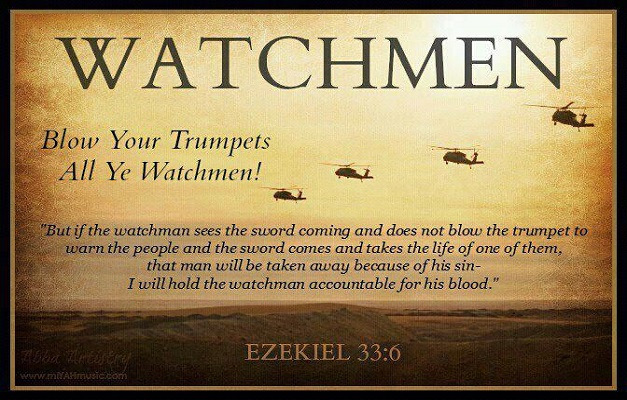
“But if the watchman sees the sword coming and does not blow the trumpet to warn the people, and the sword comes and takes someone’s life, that person’s life will be taken because of their sin, but I will hold the watchman accountable for their blood.” – Ezekiel 33:6
The Urgent Need for Watchfulness in Today’s World
In today’s world, the urgent need for watchfulness is clear. We face many threats that challenge our beliefs. It’s crucial for us to stay alert and protect the truth.
Our world is facing big problems like moral decay and a lack of care for important values. Things like the breakdown of family and accepting wrong actions are common. These issues make it important for us to be very careful and stick to what we believe is right.
“The watchman who sees the danger coming and does not blow the trumpet to warn the people is as guilty as the enemy who comes in and slaughters them.” – Ezekiel 33:6
Ezekiel’s words are very important now. They tell us to be watchful and warn others about danger. We must be strong, understand what’s happening, and protect our faith from threats.
We need to answer the call to be watchful. The situation is serious, and ignoring it can lead to big problems. Let’s take action, spread truth, and be lights of hope in a dark world.
Ezekiel 33:6: A Divine Warning and Responsibility
In the book of Ezekiel, chapter 33, verse 6, we see a strong warning from God. It talks about the role and duty of watchmen. These spiritual leaders are like shepherds, responsible for protecting those in their care.
Accountability: The Shepherd’s Duty
The verse in Ezekiel 33:6 says, “But if the watchman sees the sword coming and does not blow the trumpet to warn the people, and the sword comes and takes someone’s life, that person’s life will be taken because of their sin, but I will hold the watchman accountable for their blood.” This message is serious. It tells us how important it is for those who watch over others to be alert and warn them of danger.
Just like a shepherd looks after their sheep, spiritual watchmen must care for the people they serve. Accountability is key to this job. If they ignore the divine warning and don’t do their duty, the results can be very bad.
“But if the watchman sees the sword coming and does not blow the trumpet to warn the people, and the sword comes and takes someone’s life, that person’s life will be taken because of their sin, but I will hold the watchman accountable for their blood.”
– Ezekiel 33:6
The watchman’s responsibility is clear: stay alert, warn others, and protect the flock. This verse reminds us of the importance of this job. It also stresses the need for accountability when faced with divine warning.
Discerning the Signs of the Times
As watchmen today, it’s key to learn how to discern. Recognizing the signs of the times, as predicted in the Bible, is crucial. This skill helps God’s watchmen guide and prepare the faithful in critical moments.
Biblical Prophecy and End-Time Events
The Bible is full of prophecies that tell us about the signs before Christ returns and the end of God’s plan. Watchmen should study these passages closely. They look for patterns and trends that signal big changes are coming. By noticing these discerning signs, they can warn others and help the church face future challenges.
Prophetic Sign
Biblical Reference
Significance
Increase in Lawlessness
Matthew 24:12
Shows the spiritual decline before Christ’s return
Rise of False Prophets
Matthew 24:24
Warns of the growing deception in the end times
Global Unrest and Conflict
Matthew 24:6-7
Signals the start of a new era and the need for alertness
By staying alert to these biblical prophecies and end-time events, watchmen can guide the church. They help the faithful move through hard times with wisdom and spiritual strength.
Where are God’s Watchmen in this hour? Ezekiel 33:6
In today’s dangerous world, we ask: Where are God’s watchmen? These spiritual guardians are meant to warn us, as Ezekiel 33:6 says. They have a big job to keep an eye on the flock.
Now, with many spiritual, moral, and social issues, we really need watchmen. But, many who should guide us are quiet or not speaking up. This leaves people feeling lost and unsure.
Being a watchman is a serious job. It needs total commitment, good judgment, and knowledge of prophecy and end-time events. Ezekiel 33:6 says if a watchman doesn’t warn the people of danger, they could be held responsible for their deaths.
“But if the watchman sees the sword coming and does not blow the trumpet to warn the people and the sword comes and takes someone’s life, that person’s life will be taken because of their sin, but I will hold the watchman accountable for their blood.” – Ezekiel 33:6
This verse shows how important watchmen are. We need them to be brave and guide us through hard times. So, where are God’s watchmen? Who will stand up and lead us?
The answer is in those who feel called to be spiritual guardians. They must be brave, make wise choices, and have strong faith. Only with their help can we face the challenges ahead.
Answering the Call: Practical Steps for Watchfulness
We are called to be vigilant and proactive as God’s watchmen. This means we must make a conscious effort to stay alert and committed. Here are some steps to help us fulfill our role as guardians of truth:
Cultivating a Spirit of Vigilance
Being watchful is key for spiritual stewardship. This means:
Maintaining a consistent prayer life, seeking God’s wisdom and discernment.
Regularly studying the Scriptures to gain a deeper understanding of biblical prophecy and end-time events.
Staying informed about the signs of the times, while avoiding sensationalism or fear-mongering.
Fostering a heart of compassion, ready to warn and guide those who are spiritually lost or misled.
By being vigilant, we can actively take part in God’s plan and fulfill our calling as watchmen.
As the old saying goes, “Forewarned is forearmed.” By heeding the call to watchfulness, we can be better prepared to face the challenges that lie ahead.
It’s crucial to take practical steps to be vigilant for those who have answered the call. Through constant watchfulness and spiritual preparation, we can stand firm in our duty. We can guard the truth and guide others to the hope found in Christ.
The Importance of Spiritual Preparedness
As God’s watchmen, it’s key to stay spiritually prepared to do our divine job well. We face many challenges and persecutions. So, we must always be watchful and vigilant.
Being spiritually ready means getting close to God, living by His Word, and listening to the Holy Spirit. This spiritual strength helps us handle the tough times of being a watchman.
We also need to gear up with God’s armor, as talked about in Ephesians 6. This armor includes the belt of truth, the breastplate of righteousness, the shield of faith, the helmet of salvation, and the sword of the Spirit, which is God’s word. Being watchmen-ready is crucial in these dangerous times. We must be strong to defend our faith and fight against the enemy’s plans.
Also, keeping watch by praying, fasting, and thinking deeply about Scripture is key. This helps us understand the Holy Spirit’s guidance. We can then see the signs of the times and sound the alarm when needed. We can’t be lazy or not care spiritually; we must always be ready to do what God asks.
Let’s see how important spiritual preparedness is and let it strengthen and motivate us. Knowing the Lord is our shield and fortress, we can stand strong against the darkness. With Him, we can do our job as God’s watchmen in these important times.
Watchmen in Action: Examples of Modern-Day Watchfulness
In today’s world, where many ignore spiritual values, some still choose to be watchmen. They shine as examples of faithfulness. These exemplary watchmen follow Ezekiel’s call, showing us what it means to be vigilant and faithful.
Inspiring Stories of Faithful Stewardship
Pastor John Doe is one such watchman. He has dedicated his life to his community for over 20 years. He warns of end-time events and urges believers to be ready spiritually. His work helps his congregation stay strong in their faith, even when times are tough.
Jane Smith is another example of a watchful leader. She leads with a deep sense of faith. She’s started community programs to help believers watch over their communities. Her efforts have created a culture of alertness, where everyone is ready to help and warn others.
Watchmen in Action
Impact on Community
Pastor John Doe
Empowered congregation to stand firm in faith, warned of end-time events
Jane Smith
Organized community outreach, fostered a culture of vigilance
These stories show us the power of faithful stewardship. As darkness increases, God is calling watchmen to stand up. They sound the alarm and guide us towards spiritual readiness.
“The watchman said, ‘Morning comes, but also the night. If you would inquire, inquire; come back again.'” (Isaiah 21:12)
Overcoming Challenges and Persecution
As God’s watchmen, we face challenges and persecution. The path of faith is tough, but resilience and enduring faithfulness show the power of our calling.
God’s watchmen have always stood strong against hard times. They never gave up their beliefs. From ancient prophets to today’s watchmen, they’ve faced many challenges. Yet, they always kept their promise to God.
“The world will hate you because of me, but be of good cheer, for I have overcome the world.” – Jesus Christ (John 16:33)
Watchmen face many challenges and persecution. These trials make their faith stronger and their understanding of spiritual battles deeper. In tough times, they lean on the Lord’s grace and guidance.
Cultivating a spirit of resilience in the face of adversity
Maintaining a steadfast commitment to the truth, even in the face of opposition
Relying on the Lord’s strength and wisdom to navigate through difficult circumstances
Finding encouragement and support within the community of fellow watchmen
Let’s look at God’s watchmen through history for inspiration. May we follow their enduring faithfulness and commitment. By doing so, we can stand strong in our roles as watchmen. We’ll be ready to warn others and guide them through tough times.
The Eternal Reward for Faithful Watchmen
As faithful watchmen work hard at their divine calling, they know they’ll get a big reward. They will be recognized in heaven for their hard work. The Bible says that those who bravely warn others and protect the truth will get a special thank you from God.
The Bible tells us that the hard work of faithful watchmen is not wasted. In Ezekiel 33:6, God says, “But if the watchman sees the sword coming and doesn’t warn the people, and someone gets hurt, that person will die because of their own wrong actions. But the watchman will be blamed for it.” This big responsibility means they will get a great reward for doing their job well.
“Well done, good and faithful servant. You have been faithful over a little; I will set you over much. Enter into the joy of your master.” (Matthew 25:21)
The faithful watchmen who have stood strong against challenges and hard times will hear these kind words from God. They will get a life full of joy, friendship, and helping others in heaven.
Let this truth encourage and motivate all God’s watchmen. Even when it’s tough, the big reward waiting for the faithful is huge. May we all stay strong in our watchfulness, ready to get the heavenly recognition from our Savior.
Conclusion: Embracing the Call to be God’s Watchmen
The need for God’s watchmen is urgent now more than ever. The call in Ezekiel 33:6 urges believers to take up the duty of spiritual watchfulness. We are all called to be God’s watchmen, protecting truth and fighting against darkness.
The path ahead will be tough, with challenges and even persecution. But the rewards for being faithful are endless. With strong faith and determination, let’s answer the call. We must stay vigilant and discerning in these complex times.
By doing so, we fulfill our role as God’s watchmen. We sound the alarm and guide others to safety. This call should inspire believers to join together. United, we’ll be beacons of hope, lighting the way for truth seekers.
This is our sacred duty, our divine purpose. We are to protect the flock and honor the wisdom of Ezekiel 33:6. Let’s stand together as sentinels, fulfilling our sacred charge.
FAQ
What is the biblical mandate for God’s watchmen?
God’s watchmen are called to warn people of danger, as stated in Ezekiel 33:6. This command shows their duty to alert others when threats come near.
Who are the spiritual watchmen, and what is their role?
Spiritual watchmen protect and guide by standing for truth. They notice spiritual dangers and warn the community.
Why is there an urgent need for watchfulness in today’s world?
Today, spiritual dangers are more common, making watchfulness crucial. Watchmen must know how to spot and act on these threats.
What is the divine warning and responsibility in Ezekiel 33:6?
Ezekiel 33:6 warns of serious consequences if watchmen don’t warn others. They will be held accountable for the people’s safety.
How can we discern the signs of the times and understand biblical prophecy?
To be watchmen, we must understand spiritual signs and prophecies. This requires being aware of spiritual events and the end times.
Where are God’s watchmen in this hour, as described in Ezekiel 33:6?
Sadly, there aren’t enough watchmen today, as warned in Ezekiel 33:6. We urgently need spiritual guardians to answer the call.
What are the practical steps for individuals to answer the call to be God’s watchmen?
To be God’s watchmen, one must be vigilant, spiritually ready, and committed. This includes praying, studying, and standing strong against challenges.
Why is spiritual preparedness essential for God’s watchmen?
Being spiritually prepared helps watchmen face challenges and persecution. It keeps them vigilant and true to their calling.
Can you provide examples of modern-day watchmen and their impact?
Modern-day watchmen have made a big difference. Their faithfulness and impact in communities inspire others to follow their example.
How can watchmen overcome challenges and persecution?
Watchmen can overcome challenges with strong faith, spiritual strength, and a deep commitment to their calling.
What is the eternal reward for faithful watchmen?
Faithful watchmen will get eternal rewards and praise from God. Their service will be honored forever.
The early morning light filtered through the thin curtains, casting a soft glow on the worn wooden floorboards. Sarah sat at her kitchen table, staring at the Bible open before her. Romans 8. The words seemed to blur together as she tried to focus, but her mind kept drifting back to last night’s argument with Jason.
“Why can’t you understand?” Jason had shouted, his voice echoing through their small apartment. “I need you to be here, not just physically but emotionally and spiritually.”
Now, in the quiet of the morning, Sarah felt the weight of his words pressing down on her. She wanted so desperately to live a Spirit-led life, to align her daily actions with her spiritual aspirations. But every time she tried, something seemed to pull her back—her temper, her doubts, her fear of inadequacy.
She glanced out the window where a sparrow hopped along the windowsill. Its carefree movements contrasted starkly with the turmoil inside her. The simplicity of its existence made Sarah yearn for that same peace. But how? How could she bridge this gap between what she wanted to be and what she was?
The smell of toast filled the room as it popped up from the toaster beside her. She reached for it absently, spreading butter while trying to recall Pastor Mike’s sermon on Romans 8 last Sunday. He had spoken about living under the Holy Spirit’s governance—about surrender and trust—but those concepts felt so abstract now.
Her phone buzzed on the table with a message from Lisa: “Thinking of you this morning! Remember Romans 8:28.” Sarah sighed and typed back a quick thank-you before setting it aside again.
She took a bite of toast and closed her eyes briefly, hoping for some divine inspiration or at least some clarity amidst her confusion. The taste reminded her of childhood breakfasts with Dad reading scripture aloud; those moments seemed so pure and uncomplicated then.
But life had become more complex since those days—marriage struggles, job stressors—and navigating them while trying not to lose sight of spiritual goals felt like an insurmountable challenge.
As she opened her eyes again and looked back down at Romans 8:26-27 about how “the Spirit helps us in our weakness,” she wondered if maybe part of living a Spirit-led life meant accepting that weakness wasn’t failure but an invitation for divine strength.
Could embracing their imperfections be part of aligning themselves more closely with their spiritual aspirations?
Unlocking the Path to a Spirit-Led Life
In our pursuit of a Spirit-led life, many committed Christians find themselves wrestling with a significant gap between their spiritual aspirations and their daily realities. Despite active participation in church activities and sincere devotion, there remains a lingering sense of frustration and inadequacy. The struggle to align one’s life with deeply held spiritual values is not uncommon, yet it often feels isolating and disheartening. This chapter delves into the heart of this issue, offering insights and practical strategies drawn from Romans 8 to help bridge this gap.
One of the primary challenges in living a Spirit-led life is identifying and overcoming the obstacles that impede our progress. These obstacles can be external, such as demanding schedules or societal pressures, or internal, like doubt and fear. Understanding these barriers is crucial because it allows us to develop strategies to navigate them effectively. By recognizing the common hindrances we face, we can begin to dismantle them with intentionality and grace.
Romans 8 provides profound guidance for aligning our daily lives with our spiritual aspirations. This chapter emphasizes that living under the Holy Spirit’s governance is not about achieving perfection but about yielding to His influence in every aspect of our lives. Practical steps such as daily reflection, prayer, and immersion in Scripture can facilitate this alignment. These practices help us remain mindful of God’s presence and attuned to His direction.
However, the journey towards a Spirit-led life is not without its frustrations. Many believers experience feelings of inadequacy when they fall short of their spiritual goals. These feelings can be paralyzing, leading to a cycle of guilt and discouragement. It’s important to address these emotions head-on by cultivating a mindset rooted in grace rather than performance. Romans 8:1 reminds us that there is no condemnation for those who are in Christ Jesus, providing reassurance that our worth is not tied to our ability to live flawlessly.
To overcome these frustrations, developing a supportive community is essential. Surrounding ourselves with fellow believers who share similar aspirations can provide encouragement and accountability. Engaging in open and honest conversations about our struggles helps us realize that we are not alone in this journey. Together, we can uplift one another and share practical advice on how to navigate the challenges of living a Spirit-led life.
Moreover, embracing the transformative power of the Holy Spirit requires an ongoing commitment to personal growth. This involves being open to change and willing to let go of old habits that hinder our spiritual progress. By continually seeking God’s guidance through prayer and Scripture, we allow the Holy Spirit to mold us into individuals who reflect Christ’s love and grace more fully each day.
In summary, bridging the gap between desire and reality in our spiritual lives involves recognizing common obstacles, implementing practical steps for alignment based on Romans 8, and addressing feelings of frustration with grace-filled strategies. By committing to this process with an open heart and mind, we position ourselves to experience the fullness of a Spirit-led life. This journey may be challenging, but it is undoubtedly rewarding as it brings us closer to living out our deepest spiritual aspirations authentically and joyfully.
Common Obstacles to Living a Spirit-led Life
One significant barrier that many Christians face is the distraction of daily responsibilities. The pressing demands of work, family, and social obligations can overshadow spiritual pursuits. This can lead to a life where moments of prayer or reflection are squeezed into the margins, often as afterthoughts rather than as central elements of daily living.
Imagine trying to navigate a busy city street while constantly looking through a small, smudged window. This analogy reflects how distractions can limit our view of what’s truly important, making it challenging to focus on living a Spirit-led life. Just as cleaning the window would offer a clearer path forward, actively reducing distractions can help in focusing more on spiritual growth.
Another common obstacle is doubt and uncertainty. Doubts about personal worthiness or the effectiveness of one’s prayers can create a barrier to fully embracing a life guided by the Holy Spirit. These doubts are often fueled by internal and external criticisms that chip away at one’s spiritual confidence.
Moreover, the influence of a secular environment can subtly shift priorities and values. In an age dominated by material success and instant gratification, the spiritual virtues of patience, humility, and contentment are often undervalued. This cultural clash can make it difficult for individuals to maintain their spiritual focus in everyday life.
Lack of community support also plays a crucial role. Spiritual journeys are seldom meant to be solitary voyages. Without encouragement from like-minded peers, maintaining a Spirit-led lifestyle becomes more arduous. Community provides not only support but also accountability—key elements for spiritual resilience and growth.
Living a Spirit-led life requires overcoming distractions, doubts, and the secular pressures that misalign our priorities away from spiritual growth.
Learning Practical Steps Through Romans 8
Romans 8 offers profound insights into living according to the Spirit. It begins by asserting that there is no condemnation for those in Christ Jesus who do not walk according to the flesh but according to the Spirit. This foundational truth sets the stage for understanding our identity in Christ and its implications for daily living.
The chapter further elaborates on being led by the Spirit of God as evidence of being God’s children—a transformative realization that shifts how believers view themselves and their actions. Herein lies an essential step: recognizing our identity in God’s family encourages us to live up to this high calling.
Romans 8 also introduces the concept of the Spirit interceding through our weaknesses with unspoken groanings. This notion is particularly empowering when we feel inadequate in our prayers or uncertain about what or how to pray. Knowing that the Holy Spirit plays an active role in our prayer life reassures us that we are not alone in our struggles.
Practically speaking, aligning daily life with these teachings involves several actionable steps:
Daily reflection on one’s identity in Christ.
Setting aside dedicated times for prayer, inviting the Holy Spirit’s guidance.
Engaging with scripture regularly to reinforce spiritual truths.
Seeking fellowship with other believers who encourage spiritual growth.
By integrating these practices into everyday routines, believers can begin to see shifts in their priorities and attitudes—alignments more reflective of a Spirit-led existence.
Could understanding your identity as God’s child be the key to unlocking more profound faithfulness?
Overcoming Spiritual Frustration and Feelings of Inadequacy
Feelings of inadequacy often stem from unrealistic self-expectations or comparing one’s spiritual journey with others’. It is crucial to remember that each person’s walk with God is unique and unfolds at different paces.
To address these feelings, it’s helpful first to acknowledge them before God in prayer openly—expressing your frustrations and seeking His guidance can lead to peace and clarity. This act alone can be incredibly liberating as it aligns one’s spirit with God’s compassionate presence.
Additionally, setting small, achievable spiritual goals can significantly reduce feelings of overwhelm or inadequacy. Whether it’s reading a specific number of Bible verses daily or spending a few minutes in silent meditation each morning, these small steps accumulate into substantial spiritual growth over time.
Another strategy involves seeking mentorship or counseling from more experienced believers who have navigated similar challenges. Their insights and encouragement can provide practical advice and emotional support that resonate deeply on your journey.
We have explored common obstacles such as distractions and doubts; learned practical steps through Romans 8 including recognizing our identity in Christ; and identified strategies like setting achievable goals to overcome frustration and feelings of inadequacy—all aiming towards bridging the gap between desire and reality for a fulfilling Spirit-led life.
To bridge the gap between your spiritual aspirations and daily reality, it’s essential to confront common obstacles head-on. Recognizing these barriers is the first step in overcoming them. Often, these challenges can seem insurmountable, yet understanding their nature equips you with the power to tackle them effectively. Acknowledging these hurdles is not a sign of weakness but a testament to your commitment to grow and live a Spirit-led life.
Romans 8 provides a roadmap for aligning your everyday actions with your spiritual desires. This chapter has outlined practical steps for immersing yourself in this transformative scripture, offering clear guidance on how to live under the Holy Spirit’s governance. By internalizing these principles and applying them consistently, you can start to see real changes in your life. Consistency and intentionality are key here; small, daily choices accumulate into significant spiritual growth over time.
Feelings of frustration and inadequacy are common when striving for a Spirit-led life. These emotions can be paralyzing if not addressed properly. Identifying strategies to manage and overcome these feelings is crucial for maintaining momentum on your spiritual journey. Remember that such feelings are natural and part of the growth process. Embrace them as opportunities for deeper reflection and reliance on the Holy Spirit.
Ultimately, closing the gap between desire and reality requires both practical steps and spiritual insight. Be proactive in integrating what you’ve learned into your daily routine, remaining patient with yourself as you navigate this journey. Trust that each effort brings you closer to living a life truly led by the Holy Spirit.
Stay encouraged by remembering that every step forward, no matter how small, contributes to your spiritual development. Continue to seek alignment between your actions and aspirations with faith and determination. You are not alone in this journey; lean into the support of your community and the guidance of the Holy Spirit as you forge ahead.
The restoration of David’s Tabernacle sparks a lively discussion in the Christian world. Some think it signals a real rebirth of the ancient building. Others see it as a kind of spiritual revival, marking a new time in worship. This piece uncovers the mystery around this interesting issue. It looks at biblical prophecies, David’s promises, and what it all means for us today. We’ll see how this fits into our understanding of the end times.
Key Takeaways
The debate surrounding the restoration of David’s Tabernacle – whether it is a physical or spiritual event.
Examination of biblical prophecies and the Davidic covenant to understand the scriptural foundations of this topic.
Exploration of the “literal” and “symbolic” interpretations of the restoration of David’s Tabernacle.
Insights into the spiritual significance and end-times implications of this prophetic event.
The role of the remnant and the restoration of a worshipping generation in ushering in God’s kingdom.
Unraveling the Prophecy of David’s Tabernacle
The idea of reviving David’s Tabernacle captures the interest of many scholars and those who study the end times. It’s based on passages like Amos 9:11-12 and Acts 15:16-17. This prophecy has led to a lot of talk and different views in the Christian world. By looking closely at the Bible and the Davidic Covenant, we get a better grip on this mysterious prophecy.
Scriptural Foundations and Interpretations
The prophecy about bringing back David’s Tabernacle comes from Amos. In it, the prophet talks about fixing the ‘fallen booth of David’ (Amos 9:11). Over time, different ideas have surfaced about what this means.
Some say it will actually be rebuilt, just like the old days. Others think it’s more about the Davidic Covenant and God’s kingdom being set up. In Acts, James links this prophecy to the growth of the first Christians (Acts 15:16-17). That adds another layer to understanding it.
Examining the Davidic Covenant
The Davidic Covenant is key to explaining the Tabernacle prophecy. God made this covenant with King David. It promised David he’d have a forever lasting kingdom (2 Samuel 7:12-16). The Tabernacle had a strong meaning in this promise and in the Bible’s bigger story.
Perspective on the Tabernacle’s comeback varies. Some say it will physically be built again. Others feel it’s about renewing the Davidic Covenant and God’s kingdom on earth. These ideas have influenced Christian discussions about the end times.
Looking deeper at David’s Tabernacle prophecy, we find many insights in the Bible. Each view adds something to understanding the end times for Christians. This study paves the way for more exploration on the prophecy’s meaning in upcoming sections.
The Physical Restoration Perspective
Some think David’s Tabernacle should be rebuilt exactly. They are called literalists. Literalists believe a real, physical Tabernacle must be built before the end times. They focus on precise verses in the Bible to back their point. Amos 9:11-12 and Acts 15:16-17 are examples. They see a direct command for the Tabernacle to be rebuilt, not just a spiritual idea.
They argue that the Tabernacle’s return is key to the end times. It marks a significant moment in biblical prophecy. For them, the Tabernacle’s physical return signals the close arrival of God’s Kingdom on Earth.
Literalists and Their Arguments
Literalists deeply study passages like Amos 9:11-12 and Acts 15:16-17. They find that these verses show a clear plan for a real Tabernacle. They claim that the Bible’s detailed descriptions of the Tabernacle prove it should be physically rebuilt.
Moreover, they connect the Tabernacle’s restoration to end times events. To them, it’s a sign that Christ’s return is near. They believe the Tabernacle’s return is a turning point in God’s plan for Earth.
Rooted in a literal interpretation of scriptural passages
Believe in the physical, and material rebuilding of the ancient Tabernacle
View the restoration as a precursor to the end times and the Kingdom of God
“The restoration of David’s Tabernacle is not merely a symbolic or spiritual event, but a tangible, physical reality that must take place before the establishment of God’s eternal Kingdom on Earth.”
Literalists truly believe in the physical rebuilding of David’s Tabernacle. They see it as essential in understanding biblical prophecies. Their strict adherence to the literal meaning of the Bible guides their views on this subject.
Is the Restoration of David’s Tabernacle – Physical or Spiritual
The debate about restoring David’s Tabernacle is very intense in the study of biblical prophecy and Christian teachings about the end times. The main question is whether its restoration is a physical or spiritual process.
Some argue for a physical restoration, saying the Bible indicates a real rebuild of the ancient structure in Jerusalem. They use passages about the Davidic dynasty and temple rebuilding to support this idea. They believe God’s kingdom will be fulfilled on earth in the end times.
Yet, others suggest a spiritual meaning. They think the prophecies are symbolic, showing a spiritual change within believers. They see the New Testament’s reference to the church as the temple of the Holy Spirit as supporting their view. To them, the restoration symbolizes spiritual revival within God’s people at the end times.
Physical Restoration Perspective
Spiritual Restoration Perspective
Believes in the literal, tangible rebuilding of the ancient structure in Jerusalem
Views the restoration as a symbolic, spiritual transformation within the body of Christ
Aligns with the belief in a physical, earthly fulfillment of God’s kingdom in the end times
Emphasizes the New Testament’s teaching on the church as the “temple of the Holy Spirit”
Cites scriptural references to the restoration of the Davidic dynasty and temple worship
Interprets the prophecies regarding David’s Tabernacle as metaphorical depictions of spiritual renewal
The discussion over the nature of David’s Tabernacle’s restoration continues with various interpretations in the Christian world. Believers strive to grasp the biblical prophecies’ meanings in these different lights.
Finding an answer has a great impact on understanding the end times and God’s kingdom. Studying this topic requires an open heart and guidance from the Holy Spirit. This way, we can understand the Bible’s broader message on these matters.
The Symbolic Interpretation
When looking at David’s Tabernacle’s restoration, it’s key to understand its symbolic meaning. This deeper level of meaning shows us the Tabernacle’s role in God’s kingdom. It also reveals how it can spark a spiritual awakening.
Unveiling the Spiritual Significance
Different people see the Tabernacle of David in various ways. For many, it represents God’s presence and his Kingdom. Restoring it could lead to deep spiritual growth and a new time of worship. It was more than a building but a sign of God’s connection to his people.
Seeing the Tabernacle this way changes its restoration. It’s more than just fixing a structure but about starting a spiritual renewal. This could lead to a stronger focus on God’s Kingdom, better worship, and a clear sense of God’s presence in believers’ lives.
“The restoration of David’s Tabernacle is not just about bricks and mortar, but about the restoration of a worshipping generation that will usher in the Kingdom of God.”
Some say restoring the Tabernacle fulfills a promise to David. They believe it symbolizes a time when the Messiah will rule. According to this view, the physical building matters less than its spiritual meaning. The real change happens in believers’ hearts and minds.
By understanding the Tabernacle’s symbolic side, believers can see beyond the physical structure. They can find far more meaning in its restoration. This view encourages a prophetic outlook on the future. It sees believers as key in bringing about God’s Kingdom through worship and a deep commitment to his presence.
End Times and the Restoration
The restoration of David’s Tabernacle has become very important. It happens during the end times and Christian eschatology. Many people believe it will start a new time of spiritual awakening and the renewal of worship.
Some think rebuilding the Tabernacle will happen before Jesus returns. They find hope in the biblical prophecies coming true and the Savior’s near arrival. They say it will bring a spiritual revival with it.
“The restoration of David’s Tabernacle is a critical piece of the prophetic puzzle, a tangible manifestation of God’s plan for the end times and the return of Christ to establish His kingdom on earth.” – Pastor Michael Wilkins, author of “The Last Days Revealed”.
The rebuilding will gather the Remnant, a generation ready to lead a spiritual awakening. This group’s role is crucial in fulfilling God’s plans. It will boost them to their calling.
The world faces big problems now. But, the Tabernacle’s restoration brings hope. It encourages believers to be strong and serve as change-makers in the Christian future story.
A Worshipping Generation
We are exploring the idea of restoring David’s Tabernacle. It can mean bringing back a physical or spiritual place. In this journey, we find a critical part: the rise of a worshipping generation. This group, following the remnant rally call, will be key. They will help start a spiritual awakening and the coming kingdom of God.
The dream of a worshipping bunch comes from the old Davidic Covenant. David was deeply devoted to God. He wanted to make a home for God’s Presence. This vision acts as a guide now. Those who respond to this calling will be sparks. They will start a fire of worship all around.
The Remnant’s Role in Restoration
This revival is led by a remnant. They are a steadfast group in their faith, despite the changing world. These believers, filled with the Holy Spirit, will lead. They will work towards the return of true worship.
They will achieve this through their strong devotion, powerful prayers, and divine messages. Their efforts will make the way clear for this heavenly mission.
The remnant will lead a revival, starting a love for worship and God’s presence.
They will proclaim the Davidic Covenant’s truth. This will stir a new passion for God’s kingdom.
Their lives will be a shining light of genuine worship. It will draw people to God’s presence.
As the remnant steps up, they bring hope and unite the faithful. Their dedication brings back a culture of praise. This paves the road for a big spiritual rebirth.
“The Lord will rebuild Zion and appear in his glory. He will respond to the prayer of the destitute; he will not despise their plea.” (Psalm 102:16-17)
Kingdom Implications
Exploring the deep effects of David’s Tabernacle restoration shows a key step. This event marks the start of God’s Kingdom. It links closely to the Davidic Covenant’s promise of an eternal kingdom under the Messiah.
Ushering in God’s Kingdom
The revival of David’s Tabernacle is a big deal for God’s people. It signals the completion of God’s design. It’s also seen as a step towards the kingdom of God. It’s when God’s complete authority will be seen on Earth. According to Christian eschatology, this links to the fulfillment of the Davidic Covenant and setting up God’s Kingdom.
For some who focus on charismatic and prophetic beliefs, this restoration means something special. They see it as God’s call to His faithful. These believers, filled with the Holy Spirit, think they will help bring about the Messiah’s rule.
Kingdom Implications
Davidic Covenant
Eschatological Significance
Restoration of David’s Tabernacle as a precursor to the establishment of God’s Kingdom on Earth
Fulfillment of the promise of an eternal kingdom under the Messiah’s rule
The restoration of the Davidic Covenant and the dawning of the end times, leading to the Messiah’s reign
David’s Tabernacle’s return deeply impacts Christian eschatology and God’s Kingdom realization. Believers, led by the Holy Spirit, are ready to act. This sets the stage for a new era. It’s when the Messiah’s rule on Earth really begins.
“The restoration of David’s Tabernacle is a rallying cry for the remnant of God’s people, empowered by the Holy Spirit to usher in the end times and the eventual reign of the Messiah.”
Charismatic and Prophetic Insights
Some in the charismatic movement offer deep insights into David’s Tabernacle. They see it as a vital event for spiritual awakening and gathering a special group to carry out God’s plan.
These leaders focus on restoring David’s Tabernacle for deep spiritual reasons. They say it’s not just about the building itself. It’s about a change in people’s hearts and lives.
They think rebuilding the Tabernacle will spark a spiritual awakening. It will start a new way of worship, closeness to God, and new prophetic messages. This movement aims to rally the remnant and prepare for God’s kingdom and the future of the Christian faith.
“The restoration of David’s Tabernacle is a sign for the faithful to stand up. It’s about embracing true worship. It calls us to get ready for God’s next big step.”
Charismatic and prophetic views question the usual thoughts on David’s Tabernacle. They encourage thinking about its deep spiritual meaning and power to change the Christian community. As these discussions go on, the charismatic standpoint opens new ways to understand this big prophecy.
For these charismatic thinkers, David’s Tabernacle restoration is more than a project. It’s a spiritual mission that calls for the remnant to join in worship, prayer, and prophecy. This effort is believed to be vital for the future of God’s kingdom and the fulfillment of Christian beliefs.
Reconciling Divergent Views
When we talk about restoring David’s Tabernacle, we see different points of view. Some argue for physically rebuilding it, pointing to Bible verses and a promise made to David. Others believe it’s more about its symbolic meaning, helping to bring about something spiritually.
These ideas might seem very different at first. But, there’s a chance to agree on some things and understand them better. Whether the restoration is seen as physical or spiritual, it’s key to Christian beliefs about the end times. By looking at both sides, we can see the topic’s full picture.
For some Protestant groups, like charismatics, this restoration is very important. They see it as a task for a select group of faithful people called the Remnant. This group must understand the current situation, seek God’s wisdom, and speak the truth. They believe this will prepare the way for God’s promises to come true, in either a physical or a spiritual way.
FAQ
What is the debate surrounding the restoration of David’s Tabernacle?
Christians are divided on whether the rebuilding of David’s Tabernacle is physical or spiritual. This issue is tied to biblical prophecy and the end times. It also impacts how God’s Kingdom is understood.
What are the scriptural foundations and interpretations of the prophecy of David’s Tabernacle?
Scriptures like Amos 9:11-12 and Acts 15:16-17 are key for the prophecy. People see these verses differently. Some believe in a physical rebuilding, while others see it as a spiritual renewal.
What are the arguments for the physical restoration of David’s Tabernacle?
The physical restoration view, called “literalism,” points to a physical rebuilding. They see this as crucial for the end times and establishing God’s Kingdom on Earth.
Is the restoration of David’s Tabernacle a physical or a spiritual event?
The debate revolves around whether it’s a physical or spiritual event. Both sides present solid biblical arguments. How we view this prophetic topic affects Christian beliefs about the end times and God’s Kingdom.
What is the symbolic interpretation of the restoration of David’s Tabernacle?
Symbolic views highlight the spiritual meaning of the Tabernacle. They focus on God’s presence and a new era of heartfelt worship. This understanding sees the restoration as a symbol of spiritual renewal.
How does the restoration of David’s Tabernacle relate to the end times?
Many connect the Tabernacle’s restoration with end times prophecies. This link affects how we see the end times and our role as believers. It’s seen as a key part of prophecy’s fulfillment.
What is the role of the “worshipping generation” and the remnant in the restoration of David’s Tabernacle?
Believers play a key role, physical or spiritual, in bringing about this prophecy. They’re seen as essential for a new spiritual era to begin. Their worship and dedication are believed to prepare the way for this event.
What are the kingdom implications of the restoration of David’s Tabernacle?
The Tabernacle’s restoration is linked to God’s Kingdom on Earth. It’s seen as fulfilling the Davidic Covenant and having great significance for believers’ future. It’s an important part of eschatological belief.
What are the charismatic and prophetic insights on the restoration of David’s Tabernacle?
Charismatics see it as a prophetic event for a spiritual awakening. A remnant is expected to rise up and achieve this mission. This view highlights the supernatural side of prophecy.
How can the divergent views on the restoration of David’s Tabernacle be reconciled?
Efforts to unify physical and spiritual understandings are ongoing. Finding common ground can lead to a more complete view of this prophecy. This approach seeks to combine the best from both views.
On a personal note, from the time I started studying the restoration of David’s Tabernacle, I always felt that it was far more of a spiritual restoration than a physical. Now some 19 years later in my studies, I am more convinced than ever that it is not only to be a spiritual restoration but also that we are the generation who shall be part of and witness the restoration of David’s Tabernacle.
I know as a pastor, what was given as a vision to my spiritual father, Dr. Don Lynch has impacted my life greatly and I feel that at this time in my life and ministry Holy Spirit has called me to allow Him to gather a community for the Lord’s Remnant to begin the process of that restoration here in the North Florida region.
Along with that mandate, in knowing that it shall indeed be a spiritual restoration, what we build here is but one of many manifestations of this prophetic word coming to pass here in the United States as well as throughout the nations.
At the heart of my latest offering lies a profound exploration into the very essence of spiritual fulfillment—living a life moved and shaped by the Holy Spirit. This book delves deep into the teachings of Romans Chapter 8, unfolding the rich tapestry of guidance it offers for navigating daily life under the influence of the Spirit.
Driven by a personal mission to bridge the gap between biblical teachings and practical, everyday application, I have penned this book to serve as a beacon for those seeking clarity and direction. The journey through these pages aims to equip you with knowledge and insights necessary to lead a life that not only adheres to spiritual doctrines but is also dynamically led by the Holy Spirit.
Over the years, in my role as Senior Pastor at Highway to Heaven Church, I’ve encountered numerous individuals who earnestly seek deeper spiritual engagement but grapple with the practicalities of such a commitment. Their struggles and triumphs alike have inspired me to craft a narrative that is not just instructive but also deeply empathetic to the spiritual dilemmas faced by believers today.
I am immensely grateful for the diverse experiences that have shaped my understanding and approach to ministry—from pest control management where I learned about persistence and attention to detail, to leading discipleship training which honed my skills in nurturing and guiding others. These experiences have enriched my perspective, allowing me to approach the writing of this book with both practical wisdom and spiritual depth.
This book would not have been possible without the inspiration drawn from various corners of my life—my early days of being saved at a David Wilkerson crusade, the impactful years spent ministering in jails and nursing homes, and not least, the supportive community at our church. Their stories and insights have been instrumental in shaping the narratives and strategies discussed in this book.
To every reader who has chosen to embark on this journey through these pages, your time and engagement are deeply appreciated. This book is crafted for anyone who feels a disconnect between their spiritual beliefs and their day-to-day actions. It’s for those who desire not just to understand but to practically live out their faith under the guidance of the Holy Spirit.
As we proceed, remember that this is more than just reading; it’s about transformation and empowerment. It’s about taking actionable steps towards a life vibrantly led by the Spirit. Thank you for trusting me to guide you through this journey. Let us step forward together into a deeper understanding and practice of living by the Spirit Wind.
Embark on this journey with an open heart, and may you find both enlightenment and practical strategies within these pages that resonate with your spiritual aspirations. Let’s continue our exploration together.
The sun had just begun its descent, casting long shadows across the narrow streets of the small coastal town. Maria walked slowly, her shoes scuffing against the cobblestones. The scent of saltwater mixed with the aroma of fresh bread from a nearby bakery. She clutched her worn leather bag closer, feeling the weight of decisions she needed to make.
Maria’s mind drifted back to earlier that morning when she’d knelt by her bedside, whispering prayers for guidance. Her grandmother used to say that the Holy Spirit was like a gentle breeze, always ready to steer you if you were willing to feel its touch. But today, Maria felt more like a ship adrift than one guided by any divine wind.
She stopped at a small café, its tables spilling out onto the street. The clinking of cups and low hum of conversations mingled with the distant cry of seagulls. Sitting down, she ordered a coffee and gazed out at the sea, its waves rhythmic and unending. She thought about Manuel, her fiancé, who wanted them to move to the city for better opportunities. Yet her heart tugged towards staying here where life was simple and familiar.
As she sipped her coffee, Maria recalled a recent conversation with Father Luis at church. He’d spoken about how sometimes the Holy Spirit’s guidance comes not as a clear voice but as an inner peace or restlessness. “When your spirit is uneasy,” he had said, “it might be because you’re ignoring what you know deep down is right.” His words echoed in her mind now as she watched children playing by the shore.
A gust of wind swept through the café’s terrace, rustling napkins and carrying away stray bits of conversation. Maria closed her eyes briefly and tried to listen—not just with her ears but with her heart—hoping for some sign or clarity amidst the chaos inside her head.
Suddenly, an old woman approached selling handmade trinkets. She reminded Maria of her grandmother with wrinkled hands and kind eyes that seemed to see right through her worries. As Maria purchased a small wooden cross from the woman’s basket, she wondered: Could this chance encounter be more than it seemed? Was it possible that even in this fleeting moment lay an answer waiting to be discovered?
Could it be that recognizing and responding to these subtle nudges was precisely how one learned to navigate life’s uncertainties?
The Holy Spirit is more than an abstract concept; it functions as a dynamic guide, steering believers towards their spiritual destinations. This chapter delves into the profound role of the Holy Spirit as a divine compass, much like the wind guiding a ship. Unlike static guides, the Holy Spirit offers guidance that is both responsive and attuned to our circumstances and choices. This introductory chapter sets the stage for understanding how to live a life moved by the impulses of the Holy Spirit.
The first key takeaway from this chapter is understanding the role of the Holy Spirit as a dynamic guide. Think of it not as a rigid map but as an ever-present companion, adjusting to your path and providing direction in real-time. This responsive nature makes it essential for believers to remain open and attentive to its promptings. The Holy Spirit’s guidance is not merely about avoiding pitfalls but about navigating toward spiritual growth and fulfillment.
Secondly, we will explore how the Holy Spirit can direct your decisions and spiritual journey. Many believers often find themselves at crossroads, unsure of which path aligns with their divine purpose. By tuning into the Holy Spirit, you can receive clarity and direction in making choices that resonate with your faith and values. Whether it’s career decisions, personal relationships, or moments of moral dilemma, the Holy Spirit offers insights that transcend human wisdom.
The third focus will be on recognizing and responding to the Holy Spirit’s guidance daily. It’s one thing to understand that guidance exists; it’s another to actively seek and follow it. Practical strategies will be shared on how to cultivate an awareness of the Holy Spirit’s presence in everyday life. From daily prayer routines to mindfulness practices, these approaches help you stay connected and receptive to divine direction.
As we delve deeper into this book, we aim to address the lack of in-depth understanding about living a life governed by the Holy Spirit, as depicted in Romans Chapter 8. Many struggle with comprehending what it means to be led by the Holy Spirit practically. This book seeks to bridge that gap by providing clear, actionable insights into integrating this divine guidance into every facet of life.
By exploring Romans Chapter 8, readers will gain not only a theological understanding but also practical applications of living under the influence of the Holy Spirit. Apostle Paul emphasized that living according to the Spirit leads to life and peace—a stark contrast to living according to fleshly desires which lead to death. Our goal is to equip you with knowledge and spiritual tools necessary for this transformative way of life.
Living a Holy Spirit-led life involves surrender—a concept often fraught with confusion and uncertainty. Through this chapter and subsequent ones, we will break down what true surrender looks like without losing personal agency or feeling lost in ambiguity. Surrendering is about aligning your will with divine purposes, allowing yourself to be guided rather than controlled.
Ultimately, this chapter serves as both an introduction and a roadmap for those seeking a deeper connection with the Holy Spirit. By understanding its role as a dynamic guide, identifying ways it can direct your path, and learning how to recognize its presence daily, you are setting yourself up for a spiritually enriched journey that aligns closely with divine intent. This foundation will empower you throughout this book’s exploration of living as Spirit Wind People, moving harmoniously under the impulses of the Holy Spirit.
This journey promises not just knowledge but transformation—leading you toward a life characterized by spiritual depth, purpose, and peace.
The role of the Holy Spirit in the life of a believer is often likened to that of a navigator in the vast ocean of existence. Just as a navigator provides direction, the Holy Spirit guides individuals through the complexities of life. This guidance is not static or rigid; it adapts and responds to the situations each person faces. The Holy Spirit’s role is crucial in helping believers make decisions that align with their faith and values.
Imagine you are sailing across an uncharted sea. Without a compass, your journey could quickly lead to confusion or even danger. Similarly, without the Holy Spirit, believers might find themselves lost in their spiritual journey. The Holy Spirit acts like an internal compass, pointing towards the north star of divine will. This metaphor helps us grasp how essential the Holy Spirit is in navigating life’s moral and spiritual challenges.
It is important to recognize that this guidance is highly personalized. What works for one individual may not be the same for another because everyone’s life journey is unique. The Holy Spirit understands these differences and tailors guidance to suit each person’s specific circumstances and spiritual maturity.
This personalized guidance encourages growth and development in faith. Believers are urged to remain sensitive to these divine prompts, which often come during moments of prayer or reflection. By tuning into this guidance, believers can make choices that foster spiritual growth and deeper connection with their faith community.
The Holy Spirit serves as a dynamic guide, offering tailored spiritual navigation for each believer’s unique journey.
The influence of the Holy Spirit in decision-making can often be subtle yet profound. Believers might experience this as a sudden insight during prayer, an unexplainable peace about a particular decision, or even through advice that resonates deeply when shared by others in their community.
This influence extends beyond personal comfort or assurance; it involves steering believers toward actions that uphold spiritual truths and ethical integrity. For instance, when faced with moral dilemmas, believers may feel an inner conviction that guides them to act honorably and justly.
Consider the scenario where you must choose between two job offers. One position pays more but requires compromising on values you hold dear; the other pays less but aligns with your ethical beliefs. In such cases, believers might sense the Holy Spirit nudging them towards the choice that maintains their integrity, even if it seems less beneficial at surface level.
Engaging with scripture is another vital way through which the Holy Spirit directs decisions. Scriptures can often offer timely wisdom and clarity, acting as a mirror reflecting God’s will in various circumstances.
To deepen understanding of this divine direction, believers are encouraged to cultivate a regular prayer life and engage actively with their faith community. These practices help maintain an open heart and mind, which are essential for discerning the Holy Spirit’s guidance accurately.
What might change if you viewed every decision as an opportunity to experience divine guidance?
Recognizing the guidance of the Holy Spirit involves developing a heightened sense of spiritual sensitivity. This can be likened to tuning into a specific radio frequency where divine signals are broadcasted clearly amidst life’s noise.
Daily practices such as prayer, meditation on scriptures, and moments of quiet reflection contribute significantly to this spiritual attunement. Over time, these practices enhance one’s ability to perceive subtle promptings which might otherwise go unnoticed amidst daily routines.
Responding effectively to these promptings involves courage and trust. It requires acting on divine insights even when they contradict conventional wisdom or personal desires. For example, being led to forgive someone who has wronged you might seem difficult from a human standpoint but could be a clear directive from the Holy Spirit towards healing and freedom.
A practical step-by-step approach can aid in this process:
Pause: Take time regularly to quiet your mind and listen.
Perceive: Pay attention to feelings, thoughts, or scriptures that resonate during these times.
Ponder: Consider what these promptings might mean practically.
Proceed: Take actionable steps based on this understanding while maintaining openness for further guidance.
By consistently applying these steps, believers can more readily recognize when they are being guided by the Holy Spirit and respond appropriately.
The key learning objectives converge here: recognizing our dynamic guide in everyday decisions leads us into deeper communion with our spiritual selves through attentive discernment and active response—this is how we live guided by the Holy Spirit every day.
As we wrap up this first chapter, it’s vital to grasp the immense significance of recognizing the Holy Spirit as a dynamic guide in your life. The Holy Spirit isn’t a passive observer but an active participant, constantly steering and guiding you through the complexities of your spiritual journey. By understanding this role, you unlock a profound resource that offers wisdom, direction, and comfort in every situation.
Identifying how the Holy Spirit directs your decisions is not just beneficial—it’s transformative. This divine guidance empowers you to make choices aligned with higher purposes and deeper truths. Embracing this can lead to more meaningful experiences and a heightened sense of purpose in your daily life.
Moreover, learning to recognize and respond to the Holy Spirit’s guidance daily is a practice that can enrich every aspect of your existence. It’s about being attuned to subtle prompts and bold directives alike, ensuring that you remain on a path that is both fulfilling and divinely orchestrated. This practice fosters a closer relationship with the divine and cultivates a life marked by peace, clarity, and purposeful action.
As you journey through this book, you’ll delve deeper into these themes and discover even more ways to harness the power of the Holy Spirit in your life. Each chapter builds on these foundational insights, offering practical advice, inspiring stories, and actionable steps to help you become more attuned to this divine compass.
You’ll explore how others have experienced transformative guidance from the Holy Spirit and learn strategies for overcoming obstacles that may impede your spiritual growth. The chapters ahead are designed to equip you with tools and wisdom that will empower you to live a life moved by divine impulses.
Get ready for an exciting adventure! The pages that follow promise not just knowledge but transformation. By fully engaging with the content, you’ll find yourself increasingly aware of the Holy Spirit’s presence and guidance in your daily life. This awareness will lead to decisions imbued with wisdom, actions driven by love, and a heart open to divine inspiration.
Stay engaged, stay curious, and most importantly, stay open. The journey ahead holds incredible potential for growth and discovery. Embrace it wholeheartedly, knowing that you’re being guided every step of the way by an unfailing divine presence.
Let this be just the beginning of an exhilarating exploration into what it truly means to be moved by the impulses of the Holy Spirit. Your spiritual adventure awaits!
~Dr. Russell Welch
Chapter Two will be released on Tuesday, June June 11, 2024
In the fast-paced, often demanding world of professional life, maintaining our Christian faith can feel like a daunting challenge. How to maintain your Christian faith in a work environment is a question that many of us grapple with, as we strive to balance the competing priorities of our careers and our spiritual well-being. However, with God’s guidance and an unwavering commitment to our beliefs, we can uphold our faith-based professionalism and integrate it seamlessly into our professional lives.
This comprehensive guide will explore practical strategies and biblical principles that will help us cultivate a Christ-centered work culture, find spiritual nourishment, and inspire others through our Christian workplace ethics. By embracing these principles, we can not only preserve our own spiritual resilience at work but also contribute to the creation of a Christian leadership principles-driven work environment that honors God.
Key Takeaways
Maintain a Christ-centered mindset in the workplace.
Integrate spiritual practices into your daily routine.
Navigate workplace challenges with grace and integrity.
Build a supportive community of like-minded colleagues.
Lead by example and inspire others through your faith-based conduct.
Understanding the Importance of Faith at Work
As Christians, our faith should not be confined to our personal lives but should be the foundation that guides us in all aspects of our lives, including our professional endeavors. By cultivating a Christ-centered mindset, we can approach our work with a deeper sense of purpose, recognizing that our careers are an extension of our calling to glorify God.
Cultivating a Christ-Centered Mindset
When we approach our work with a Christ-centered mindset, we acknowledge that our professional responsibilities are not merely a means to an end but rather a sacred trust bestowed upon us by our heavenly Father. This perspective empowers us to view our careers as a platform to uphold values in the workplace and maintain spiritual integrity through our faith-based conduct.
The Role of Faith in Professional Excellence
Our Christian workplace ethics and faith-based professionalism can also play a vital role in driving us toward professional excellence. As we strive to honor God through the quality of our work and the way we interact with our colleagues, our Christian leadership principles become a powerful catalyst for success, ultimately contributing to a Christ-centered work culture.
Integrating Faith into Your Daily Routine
Maintaining our Christian faith in the workplace requires intentional effort and a commitment to integrating spiritual practices into our daily routines. By starting our workday with prayer, we can set the tone for the day and ask God to guide us in our professional responsibilities. This simple act of devotion can help us remain grounded in our faith and approach our work with a renewed sense of purpose.
In addition to morning prayer, we can also find Moments for spiritual reflection throughout the day, such as during our lunch breaks or commutes. Whether it’s reading a devotional, listening to an uplifting podcast, or simply taking a few minutes to meditate on God’s Word, these intentional pauses can help us stay connected to our faith and draw strength from our relationship with God. By integrating these spiritual practices into our daily routines, we can cultivate the spiritual resilience necessary to navigate the challenges of the workplace while balancing our faith and career responsibilities.
As we diligently uphold our values in the workplace and maintain our spiritual integrity, these daily moments of prayer and reflection will serve as anchors, grounding us in our faith and empowering us to be witnesses for Christ within our professional spheres.
Navigating Workplace Challenges with Grace
As Christians navigating the professional landscape, we will inevitably face various challenges and difficulties in the workplace. From dealing with criticism to navigating complex ethical situations, these trials have the potential to test our faith and our resolve. However, by responding with grace, humility, and a steadfast commitment to our spiritual beliefs, we can set an example of Christ-like behavior and maintain our integrity, even in the midst of adversity.
Responding to Criticism with Humility
Criticism, whether constructive or unjustified, can be a difficult pill to swallow in the workplace. Yet, as people of faith, we are called to respond with humility and a spirit of understanding. By approaching criticism with an open mind, we can use it as an opportunity for personal growth and to demonstrate our commitment to continuous improvement. This not only honors God but can also inspire our colleagues to reconsider their own biases and foster a more positive, collaborative work environment.
Maintaining Integrity in Difficult Situations
Navigating complex ethical dilemmas in the workplace can be a true test of our faith-based professionalism. When faced with difficult choices, we must remain steadfast in our commitment to upholding values in the workplace and maintaining spiritual integrity. By seeking guidance from the Scriptures, engaging in prayer, and relying on the Holy Spirit to lead us, we can make decisions that glorify God and demonstrate the transformative power of our Christian faith, even in the face of adversity.
Throughout these challenges, it is essential that we approach them with grace, humility, and a spirit of resilience. This not only honors God but can also inspire our colleagues, foster a Christ-centered work culture, and contribute to our long-term spiritual resilience at work.
How to maintain your Christian Faith in a work work environment
Maintaining our Christian faith in a work environment can be challenging, as we navigate the pressures, distractions, and competing priorities that often come with professional life. However, by intentionally and consistently applying the strategies and principles outlined in this guide, we can cultivate a strong, unwavering faith that shapes every aspect of our work.
One key aspect of maintaining our faith-based professionalism is to foster a Christ-centered mindset. This means approaching our work with the understanding that our careers are an extension of our calling to glorify God, rather than simply a means to an end. By recognizing the divine purpose behind our professional responsibilities, we can infuse our work with spiritual resilience and a deep sense of purpose.
Additionally, it is crucial to balance our faith and career by prioritizing time for spiritual growth. This could involve starting our workday with prayer, finding moments for reflection throughout the day, or engaging in regular Bible study and fellowship with like-minded colleagues. By nourishing our relationship with God, we can maintain the spiritual integrity necessary to navigate the workplace challenges that may arise.
Strategies for Maintaining Christian Faith in the Workplace
Benefits
Cultivating a Christ-Centered Mindset
Infuses work with divine purpose, fosters spiritual resilience
Prioritizing Time for Spiritual Growth
Maintains spiritual integrity, provides strength to navigate challenges
Engaging in Workplace Evangelism with Wisdom
Shares the Gospel while respecting diversity, builds bridges
Embodying Christian Values in Professional Conduct
Sets a powerful example, contributes to a Christ-centered work culture
By diligently applying these principles and strategies, we can uphold our values in the workplace, maintain our spiritual integrity, and inspire our colleagues through our faith-based professionalism and Christian leadership principles. Ultimately, our goal is to cultivate a Christ-centered work culture that glorifies God and reflects His love and grace.
Building a Supportive Community
One of the most powerful ways to maintain our Christian faith in the how to maintain your Christian faith in a work environment is to build a supportive community of like-minded believers. By connecting with colleagues who share our faith, we can encourage one another, pray together, and find strength in our shared commitment to a Christ-centered work culture.
Connecting with Like-Minded Colleagues
Seeking out and cultivating relationships with coworkers who share our Christian workplace ethics can be a game-changer in our journey to uphold our faith-based professionalism in the workplace. Through these meaningful connections, we can find a sense of spiritual belonging, offer mutual support, and challenge one another to grow in our workplace evangelism.
Participating in Faith-Based Workplace Groups
In addition to building individual relationships, we can further reinforce our Christian workplace ethics by engaging in faith-based workplace groups, whether formal or informal. These spaces provide opportunities for fellowship, accountability, and spiritual growth, equipping us to navigate the unique challenges we face as believers in a professional setting. By participating in these groups, we can deepen our connection with the body of Christ and find renewed strength to maintain our how to maintain your Christian faith in a work environment.
Leading by Example
As Christians in the workplace, we are called to be salt and light, influencing our colleagues and the broader work culture through the way we conduct ourselves.
By embodying Christian values such as integrity, compassion, and humility in our daily interactions, we can set a powerful example that inspires others to follow suit. Furthermore, by embracing a servant leadership approach that prioritizes the needs of our team and the greater good, we can demonstrate the transformative power of our faith-based principles, ultimately contributing to the creation of a more Christ-centered work environment.
Embodying Christian Values in Your Conduct
When we uphold values like honesty, diligence, and respect in our professional conduct, we not only honor God but also earn the trust and admiration of our colleagues. By maintaining spiritual integrity even in the face of workplace challenges, we show that our faith is not just a personal conviction, but a living, breathing part of who we are.
Inspiring Others Through Servant Leadership
As Christian leaders, we have the opportunity to model a distinctive style of leadership that is rooted in humility, service, and a genuine concern for the well-being of our team. By prioritizing the needs of others and empowering them to succeed, we can inspire our colleagues to embrace a faith-based professionalism that transforms the workplace culture.
Balancing Faith and Professional Responsibilities
Maintaining a healthy balance between our faith and professional responsibilities is crucial for preserving our spiritual well-being in the workplace. As we navigate the demands of our careers, it is essential to establish healthy boundaries that protect our time for prayer, Bible study, and other spiritual practices, ensuring that our work does not consume or overtake our relationship with God.
Setting Healthy Boundaries
One of the keys to balancing faith and career is setting clear boundaries that prioritize our spiritual growth and well-being. This may involve carving out dedicated time for devotions, limiting after-hours work, or stepping away from work-related activities during our Sabbath. By establishing these boundaries, we can uphold our values in the workplace and maintain our spiritual integrity without sacrificing our commitment to professional excellence.
Prioritizing Time for Spiritual Growth
In addition to setting healthy boundaries, it is essential that we make time for spiritual growth amidst the demands of our work. Whether it’s through regular Bible study, prayer, or fellowship with other believers, dedicating intentional time to nurture our relationship with God will help us maintain our Christian faith in a work environment and approach our work with a renewed sense of purpose and divine inspiration.
By striking a careful balance between our faith and professional responsibilities, we can maintain our Christian values in the workplace and serve as beacons of hope and integrity in the often-challenging world of business.
Sharing Your Faith with Wisdom
As Christians, we are called to share the good news of the Gospel, but in the workplace, this must be done with wisdom, sensitivity, and respect for the diverse perspectives and beliefs of our colleagues. By approaching faith-based conversations with an open and compassionate mindset, we can engage in meaningful dialogue that fosters understanding, builds bridges, and creates opportunities to demonstrate the transformative power of our faith.
Respecting Diversity in the Workplace
Our workplaces are often microcosms of the broader society, reflecting a wide range of religious, cultural, and personal backgrounds. As we strive to maintain our Christian faith in this environment, it is essential that we approach our interactions with a spirit of humility and respect for the diversity around us. This means actively listening to our colleagues, seeking to understand their beliefs and experiences, and avoiding any language or behavior that could be perceived as dismissive or judgmental.
Engaging in Meaningful Dialogue
When opportunities arise to discuss our faith, we must do so with wisdom and discernment. Rather than engaging in confrontational or argumentative conversations, we should focus on building relationships and creating an atmosphere of trust and openness. By asking thoughtful questions, sharing our personal experiences, and highlighting the positive impact our faith has had on our lives, we can invite our colleagues to consider the transformative power of Christ-centered living, all while respecting their own beliefs and journeys.
Conclusion
Maintaining our Christian faith in the work environment is a journey that requires unwavering commitment, intentionality, and a steadfast reliance on God’s guidance. By cultivating a Christ-centered mindset, integrating spiritual practices into our daily routines, navigating challenges with grace, building a supportive community, leading by example, and balancing our faith and professional responsibilities, we can fulfill our calling to be salt and light in the professional realm.
As we continue to walk this path, may our faith-based conduct and witness inspire our colleagues, transform the work culture, and ultimately bring glory to our heavenly Father. Through our commitment to upholding values in the workplace, demonstrating spiritual resilience at work, and fostering a Christ-centered work culture, we can serve as beacons of faith-based professionalism and Christian leadership principles in the ever-evolving workplace.
Let us embrace this journey with unwavering faith, moral integrity, and a deep desire to balance faith and career, all while remaining firmly rooted in the Christian workplace ethics that define our identity as followers of Christ. Together, we can navigate the complexities of the work environment and maintain our Christian faith with boldness, grace, and a steadfast commitment to God’s plan for our professional lives.
FAQ
How can we cultivate a Christ-centered mindset in the workplace?
By recognizing that our careers are an extension of our calling to glorify God, we can approach our work with a deeper sense of purpose. This Christ-centered mindset will help us strive for professional excellence and honor God through the quality of our work and our interactions with colleagues.
Why is it important to integrate spiritual practices into our daily work routines?
Starting the workday with prayer and finding moments for spiritual reflection throughout the day can help us stay grounded in our faith and draw strength from our relationship with God. This intentional effort to integrate our faith into our daily routines is crucial for maintaining our spiritual well-being in the workplace.
How can we respond to workplace challenges with grace and humility?
By responding to criticism with humility and maintaining our integrity in difficult situations, we can set an example of Christ-like behavior and honor God, even in the midst of adversity. This approach not only preserves our spiritual integrity but can also inspire our colleagues and foster a positive, faith-based work culture.
What are the benefits of building a supportive community of like-minded colleagues?
Connecting with colleagues who share our faith can provide us with encouragement, accountability, and opportunities for fellowship and spiritual growth. Participating in faith-based workplace groups can further reinforce our ability to uphold our beliefs in a professional setting.
How can we lead by example and inspire others through our faith-based conduct?
By embodying Christian values such as integrity, compassion, and humility in our daily interactions, we can set a powerful example that inspires others to follow suit. Furthermore, embracing a servant leadership approach that prioritizes the needs of our team and the greater good can demonstrate the transformative power of our faith-based principles.
How can we balance our faith and professional responsibilities in a healthy way?
Setting healthy boundaries that protect our time for prayer, Bible study, and other spiritual practices is crucial for preserving our spiritual well-being in the workplace. By prioritizing time for spiritual growth, we can continually renew our minds, deepen our connection with the Lord, and approach our work with a renewed sense of purpose and divine inspiration.
How can we share our faith with wisdom and respect in the workplace?
By approaching faith-based conversations with an open and compassionate mindset, we can engage in meaningful dialogue that fosters understanding, builds bridges, and creates opportunities to demonstrate the transformative power of our faith. This delicate balance between evangelism and cultural awareness is essential for maintaining our Christian witness in a professional setting.
For more on this topic check out my newest book coming out on July 4, 2024;
May the Lord greatly bless you in your faith walk, and may Holy Spirit empower you every day with the boldness and courage to continue being a perfect reflection of the Father, in Christ, to the world.
The Book “Entering God’s Rest: Transformed Lives Through the Finished Works of Christ on the Cross” was written by Dr. Russell Welch
“The Christian does not think God will love us because we are good, but that God will make us good because He loves us.” – C.S. Lewis
As the dawn breaks and the struggles of daily life loom large, it is easy for the faithful to forget the depth of God’s promises and the completion of His works through Jesus Christ. This book is an invitation to rediscover the transformative power of those promises and the richness of living in the fullness of God’s rest, as secured through the victory of Christ on the cross. It is written for those who yearn to experience a deeper, more meaningful connection with their creator, beyond the routine of religious obligations.
Drawing from a reservoir of biblical teachings, pastoral experiences, and real-life testimonies, this book offers both mind and heart an expedition into the profound simplicity of what it means to live by faith in the finished works of Christ. I have embarked on this writing journey moved by the numerous encounters with individuals whose spiritual walk mirrored the deserts I once wandered—a landscape of rituals devoid of power, and knowledge without transformation.
I have seen firsthand the transformation that unfolds when a believer grasps the full implication of Christ’s sacrifice—when what was known is made real, and faith moves from the mind to the marrow. Students in my discipleship programs, people I’ve ministered to in jails, nursing homes, and street corners all share a common thread; a thirst for something more, something deeper, something transformative. This echoed my past struggles and how, through grace, I discovered the inexhaustible power vested in the Gospel.
This narrative is not without acknowledgments to the mighty cloud of witnesses whose teachings and lives have inspired the content within these pages. The words of renowned theologians, the enduring faith of the persecuted church, and the unwavering spirit of my spiritual forebears have been a compass. I owe immense gratitude to my family, my congregation at Highway to Heaven Church, and the thousands of disciples from the Rushing Mighty Wind School of Ministry, whose journeys of faith have enriched this manuscript in uncountable ways.
Thank you for making the choice to embark on this journey through these pages. You are among those who seek not just to know of God but to know God—in the most intimate, transformative way. Whether you consider yourself a diligent seeker, a weary pilgrim, or a curious onlooker, this book is for you if your heart longs for rest, purpose, and a touch from the eternal.
By the conclusion of this manuscript, you will not only understand but cherish the reality of Christ’s victory as your very own. You will find strategies and insights necessary to navigate life’s battles, armored in the assurance of His finished works. More than concepts, you will discover testimonies of lives radically changed, minds renewed, and spirits rejuvenated—all testimony to the grace that calls us to enter and dwell in God’s rest.
Thank you for inviting me into your quest for depth, for truth, for rest. The pages that follow are much more than ink on paper; they are an entrance into the transformative presence of God. I invite you to journey with an open heart and an expectant faith, ready to be surprised by the boundless grace and unfailing love of our God.
Let us journey forth with the assurance that the best is not behind us, but that in Christ, it perpetually lies before us. Welcome to the discovery of your life’s greatest adventure—the transformative journey into the rest of God.
A Gateway to Serenity: Unveiling the True Essence of Christ’s Sacrifice
Are You Drifting Through Life Thirsty for Purpose?
Pause for a moment. Can you recall the last time life gifted you a breath of tranquility—a sense that in Christ’s eternal narrative, your chapter gleams with meaning? Might it be possible that the same hands that were pierced centuries ago are still outstretched, inviting you into a sacred rest?
A Voyage of Discovery: How Christ’s Triumph Unveils Your Path
“Entering God’s Rest” is not merely a title; it is an odyssey designed for those ready to unfurl the sails of their soul upon the deeps of faith.
On this voyage, you will traverse beyond mere knowledge, wading into the reflective waters of Christ’s profound victory. With each page, you embark upon a personal odyssey to find solace within His grace.
More Than Readers: Become Pursuers of a Higher Calling
Imagine transforming your life’s chaos into a harmonious symphony, attune with the heartbeat of divine purpose.
Envision releasing burdens at the foot of the cross and rising in the light of newfound freedom. This tome offers a treasure trove of wisdom, with practical navigational charts guiding the way to incorporate biblical truths in the every day.
Uncover Strategies for a Faith-Filled Life
Delve into time-honored techniques that bind us with gratitude, polish our perspective with praise, and redefine our very identity in the reflection of Christ. Herein lies the blueprint for life’s grand design, offering sanctuary for your restless heart.
Embark on the Trail to Triumph and Purpose
Are you ready to discard the shroud of the mundane, to exchange it for a tapestry woven with divine threads? Today marks the threshold where “what if” transforms into “what is.” ’Entering God’s Rest’ calls to the spirits yearning for more than whispers of faith—in its pages, your spirit will sing with the truth of victory, of purpose, and of unrestrained joy.
Step Through the Doorway That Awaits
No more shall you idly wonder about the abundant life that trembles at the edges of your faith. Become the protagonist in a masterpiece crafted by divine hands. It begins with one decision—the courage to open the cover and let your journey of transformation and victory commence.
Are you inclined to embrace the life you were destined to live? To grasp the divine story that beckons your presence? Then, brave seeker of heavenly peace, allow “Entering God’s Rest” to be your guide to the haven of God’s eternal contentment.