While driving the other day I felt Holy Spirit speaking to my spirit about the spiritual battles that are being waged in the Supernatural Reset that is taking place in the Heavenlies and on Earth, for the destinies of nations and especially for the reformation of the Lord’s Ecclesia.
In that conversation I believe I heard Him sharing a word that He was re-birthing a restoration to the Apostolic, liberating it from the restrictive confines of religion. I have had several conversations with seasoned warriors of the faith about this and feel led to write about it.
Now, over the years in my walk with Holy Spirit, I have found that He often speaks to me by showing me dreams, visions, pictures, and images as visual confirmations, and right as I heard Him making the statement about the Apostolic I looked up and saw in the sky, and immediately took a photo, which is in the banner below.
So here it goes……….
In today’s society, where religious language often seems diluted and commercialized, the term “Apostolic” has become a buzzword that many use to lend legitimacy to their ministries or personal identities. However, this trend has precipitated a crisis of understanding regarding the authentic meaning of the term.
Once grounded in the teachings and authority of the Apostles, the word “Apostolic” now risks being reduced to a mere Christian catchphrase, devoid of its powerful theological implications. To navigate this confusion, we must return to the scriptural roots and examine what it truly means to identify with the Apostolic.
At its core, being Apostolic signifies a commitment to uphold the orthodoxy of the Apostles’ teachings—a Christ-centric doctrine that emphasizes the life, death, and resurrection of Jesus as central to the Christian faith. In a world increasingly characterized by self-promotion and elitism, this return to foundational teachings is essential.
The tendency for individuals and ministries to label themselves as “Apostolic” often stems from a desire to assert themselves as God’s chosen representatives, creating an exclusive club that undermines the universal nature of the Gospel. However, Scripture reminds us that God has hidden His Remnant within every culture and community—those who genuinely bow to Him and adhere to His truth.
The proliferation of Christian platitudes—trite phrases and hollow expressions—has become commonplace, akin to free drinks at a cheap wedding, readily available but lacking substance. Yet, in this critical hour, the Holy Spirit is actively revealing the authentic from the fraudulent. The current spiritual climate is akin to a divine reset, where truth is being separated from deception, and the Church is being called to a deeper understanding of its purpose and identity.
The global Church, often perceived as divided and weak, is, in fact, witnessing the separation of wheat from tares, a fulfillment of biblical prophecy that we are indeed the generation destined to witness the emergence of the sons and daughters of God. However, this journey toward authenticity is not without challenges. Hell is also at work, attempting to stall the profound movements God has ordained for this time.
The enemy’s patterns of deception are increasingly sophisticated, aiming to mislead believers and stifle the Church’s destiny. Yet, as God assured Elijah during times of uncertainty, He has reserved thousands who remain faithful to Him. This assurance is pivotal as we navigate a world filled with competing ideologies and diluted truths.
The Lord’s authentic Ecclesia—His true body of believers—will prevail. The Remnant, those who cling to the teachings of the Apostles and engage in a genuine relationship with Christ, will break forth in victory.
As we embrace our identity as part of this Remnant, we must resist the temptation to merely adopt labels for the sake of recognition. Instead, we should pursue an understanding of what it means to be truly Apostolic, rooted in the orthodoxy of faith and a commitment to live out the teachings of Christ.
So, in understanding that while “Apostolic” may be a term that has been co-opted in contemporary Christian discourse, it still holds profound significance. It calls us back to the core teachings of the Apostles and challenges us to examine our motives and actions as we navigate our faith journeys.
As we strive to embody the authentic spirit of the Apostolic, we can participate in the divine narrative that God is weaving through history, confident that His Remnant will rise and prevail against the forces of darkness.
The true meaning of being Apostolic is not about elitism or status, but about faithful adherence to the truth of the Gospel and the transformative power it holds for our lives and communities.
Yes, we can see where the term “Apostolic” often conjures images of elitism, exclusivity, and a sense of higher status among those who claim the title. However, the essence of being Apostolic is far more profound and inclusive. It is not merely a badge of honor but a commitment to faithfully adhere to the teachings of the Gospel and an acknowledgment of the transformative power it holds not only for individual lives but also for communities as a whole.
Understanding this true meaning is essential for fostering genuine faith and connection in a diverse society. At its core, being Apostolic means following the teachings and practices established by the apostles—those early followers of Christ who carried His message to the world. The apostles exemplified a life of humility, service, and unwavering dedication to their faith, often facing persecution and hardship for the sake of spreading the Gospel.
Their legacy serves as a reminder that the call to be Apostolic is not about personal glory or social standing; it is about embodying the principles of love, grace, and sacrifice that Christ demonstrated during His life. Faithful adherence to the truth of the Gospel is a vital aspect of being Apostolic.
The Gospel, which translates to “good news,” offers a message of hope, redemption, and reconciliation with God. It presents a narrative of love that transcends boundaries and invites all individuals into a relationship with the Creator. By embracing this truth, Apostolic individuals commit themselves to a way of living that reflects the teachings of Christ, fostering an environment where love and understanding flourish. This adherence is not a rigid set of rules but a dynamic relationship with God that transforms both the individual and the community.
The transformative power of the Gospel cannot be overstated. It has the capacity to change hearts, heal wounds, and bring people together across divides. When individuals experience the love and grace inherent in the Gospel, they are empowered to extend that same love and grace to others. This creates a ripple effect, transforming communities and fostering unity among diverse groups of people.
The true Apostolic spirit encourages believers to act as agents of change, advocating for justice, compassion, and understanding in a world that often prioritizes division and discord. Moreover, the Apostolic calling challenges believers to look beyond themselves and their immediate circles. It encourages outreach to those who are marginalized, oppressed, or searching for hope.
Being Apostolic means actively engaging in the struggles of others, standing in solidarity with those who suffer, and working tirelessly toward the common good. It is an invitation to be part of a larger narrative—one that seeks to bring the Gospel’s transformative message to every corner of society.
This, with a better understanding that the true meaning of being Apostolic is not grounded in elitism or status but rather in a faithful adherence to the truth of the Gospel. It invites individuals to embrace the transformative power of Christ’s message and to live it out in their daily lives. By doing so, they become instruments of change, fostering love, unity, and hope in their communities.
As we strive to embody this Apostolic spirit, we open ourselves to the profound impact of the Gospel, not only on our lives but also on the world around us. In this pursuit, we find not just our true identity as believers but also a shared mission that transcends boundaries and brings us closer to the heart of God.
~Dr. Russell Welch Lead Elder and Apostolic Teacher: Highway to Heaven Church and Founder and Shepherd of Remnant Warrior Ministries / Remnant Warrior School of Spiritual Warfare.
In the intricate tapestry of the American Church, a troubling trend has emerged—what can be termed the rise of the “Ishmael house” or imposter ministries. This phenomenon is not merely a modern inconvenience; it is a significant crisis that threatens the very foundation of authentic Christian fellowship and spiritual growth.
The analogy of the “Ishmael house” comes from the biblical account of Ishmael, a figure born out of frustration and rebellion, symbolizing those ministries that operate outside the true spiritual lineage established by God.
As we delve into this issue, it becomes clear that the enemy has meticulously crafted the art of deception over millennia, seeking to infiltrate the Church, sow discord, and ultimately destroy the children of God. At the heart of the Ishmael house crisis is a fundamental misunderstanding of what it means to be a spiritual son or daughter.
When a spiritual father retires or passes on, it can create a vacuum that reveals underlying issues within the community. A spiritual son, cloaked in entitlement, may feel justified in assuming leadership without the necessary preparation or divine calling.
This sense of entitlement, when met with rejection due to being overlooked for leadership, can spiral into rebellion. The result is a congregation thrown into confusion, led astray by a wayward son rather than guided by the solid foundation of their spiritual father’s teachings. In contrast, the authentic house—one built under the guidance of a true spiritual father—possesses a resilience rooted in the Kingdom’s principles.
When faced with challenges, such as the rebellion of an entitled son, this house may appear to be crumbling. However, if it stands on the foundation of Holy Spirit governance and apostolic vision, it is often undergoing a divine cleansing process.
This phase, though it may seem like stagnation or decline, can actually be a preparation for new life and supernatural acceleration. The authentic son recognizes the legacy left by their spiritual father, choosing to build upon it rather than seeking personal glory.
Moreover, the dynamics within these two types of ministries highlight a critical truth: authentic ministries are distinguished by their reliance on God’s guidance and the wisdom of spiritual counsel. While Ishmael houses may initially gain traction, relying on human ability and charisma, they inevitably face decline, often becoming detrimental environments for those seeking their spiritual destinies.
In contrast, authentic sons are nurtured in a culture of accountability and guidance, positioning them to mature and eventually become spiritual fathers themselves. The root issue lies in the spirit of religion that undergirds the Ishmael house.
This mindset fosters a belief that one can succeed independently of God, driven by the need to prove one’s greatness. Such a foundation is perilous, leading to a ministry that ultimately lacks the transformative power of the Holy Spirit. For the remnant—the true followers of Christ—it is vital to remain vigilant, with spiritual eyes open, liberated from emotional constraints.
By doing so, they can step into their original design as Spirit Wind People, living under the sovereign authority of the Holy Spirit. In conclusion, the rise of Ishmael houses serves as a clarion call for the American Church to reassess its leadership structures and spiritual foundations.
Authentic spiritual fathering is not merely a role; it is a divine mandate that requires humility, preparation, and a commitment to the Kingdom’s principles.
As we navigate this crisis, let us seek to cultivate genuine relationships rooted in accountability and divine guidance. Only then can we hope to combat the deception that threatens our communities and ensure that the Church remains a beacon of light and truth in a world increasingly shrouded in darkness.
The phrase “day of reckoning” evokes a sense of urgency and significance, marking a moment when truth prevails and darkness is brought to light.
In the context of a spiritual awakening, this day signifies a pivotal turning point in America where the forces of good are rising to reclaim their rightful place. The imagery of “Remnant Warriors” whose footsteps resonate like thunder claps serves as a powerful metaphor for those who have chosen to stand firm against the pervasive evils that have, for too long, taken root in society.
The very whispers of this Revolutionary Revelation contemplates the implications of this awakening and challenges individuals to answer the divine call that beckons them toward their God-ordained destiny. Evil, as a concept, thrives in complacency and compromise.
For years, many with the constructs of the American Church have turned a blind eye to the gradual erosion of moral values, allowing darkness to seep further into the fabric of everyday life. The battle between good and evil is not merely a distant tale but a present reality that calls for active participation.
Those who identify as believers are faced with a crucial choice: to rise up as warriors of light or to remain passive in the face of encroaching darkness. The footfalls of the Remnant Warriors are a clarion call, urging individuals to muster the courage to confront the challenges at hand.
They are not just symbols of righteousness; they embody the collective power of those who refuse to be subdued by fear or distraction. To answer this call requires an awakening of the spirit and a commitment to one’s purpose. Destiny, often perceived as a predetermined path, is also shaped by the choices we make in response to the world around us.
The “call of the Lord” transcends mere religious affiliation; it is an invitation to engage with the divine purpose that lies within each individual. This journey toward fulfilling one’s destiny is fraught with challenges, yet it is also imbued with the potential for profound transformation.
By stepping into this purpose, individuals can break free from the shackles of complacency and rise to the occasion, becoming catalysts for change. However, the allure of complacency is strong. In a world inundated with distractions, the spirit of compromise can easily seduce even the most fervent believers.
It whispers insidiously, urging individuals to prioritize comfort over conviction and convenience over commitment. This seductive force can deter one from fully embracing their destiny, leading to a life of unfulfilled potential.
The stakes are high; the choice to engage in the battle against darkness or to retreat into complacency is not merely personal but has collective implications for society at large. The realms of darkness may prepare to retreat, but the victory is not guaranteed without active participation from those called to be warriors of light.
The time has come for believers to rise and claim their roles in this divine narrative. By embracing their God-ordained destinies, individuals can contribute to the collective awakening, fostering an environment where goodness flourishes and darkness cannot prevail.
The Remnant Warriors are not only the pioneers of this movement; they represent the strength and resilience that lies within each individual willing to heed the call. In conclusion, the day of reckoning is indeed upon us, inviting all to reflect on their role in the battle between good and evil.
It challenges us to rise above the spirits of complacency and compromise, stepping boldly into the destinies that have been divinely ordained. As the thunderous footsteps of the Remnant Warriors shake the foundations of Hell, let each individual consider their response.
So brothers and sisters in Christ, will you answer the call of the Lord and embody the principles of light, or will you allow fear and distraction to dictate your journey? The time for decision is now, and the path forward lies in the courage to act in faith, embracing the profound purpose that awaits.
If you are interested in reading Dr. Welch’s best selling book “The Lord’s Remnant Warriors: Awakened and Rising As God’s Chosen in the Final Harvest” you can purchase it on Amazon.
In recent years, a growing sentiment among many believers has emerged—a belief that the Church, as the body of Christ, is not fully realizing its potential or exercising the authority granted to it. This concern resonates deeply with individuals who see the world around them, filled with challenges and adversities, and are left wondering: Is the Church truly walking in its fullness during these turbulent times?
Or is it time for the Church to awaken, embrace its authority, and fulfill its divine calling? To address this question, we must first examine what it means for the Church to walk in its fullness. The fullness of the Church is not merely about numbers or the grandeur of buildings; it is about the effectiveness of its mission and the authenticity of its witness.
It involves the Church operating as a vibrant community of believers, empowered by the Holy Spirit, engaging in acts of love, service, and transformative action in society. It is about embodying the teachings of Christ, manifesting His love, and standing firm in truth.
However, many feel that this vision remains unfulfilled. In a world rife with division, moral ambiguity, and spiritual apathy, it is easy to feel that the Church has become complacent or distracted. The societal challenges we face—ranging from social injustice to environmental degradation—demand a robust and active response from the Church. This is where the notion of authority comes into play.
The authority of the Church is rooted in its identity as the body of Christ, called to be a light in the darkness and salt of the earth. Jesus Himself bestowed upon His followers the Great Commission, empowering them to go forth, teach, heal, and make disciples of all nations (Matthew 28:19-20).
This authority is not just for personal spiritual growth but is intended to drive collective action that impacts the world. However, the realization of this authority requires an awakening. To awaken is to shake off the slumber of indifference and to rise to the occasion with boldness and purpose.
It means understanding the significance of one’s role within the Church and the obligation to contribute to its mission. The awakening of the Church entails a re-examination of priorities, a renewed commitment to prayer, and a willingness to engage in honest dialogue about the issues facing our communities.
It calls for the Church to confront its shortcomings and to actively seek reconciliation, justice, and healing both within and outside its walls. Furthermore, this awakening must also involve a fresh outpouring of the Holy Spirit.
Throughout history, movements of revival have often served as pivotal moments for the Church to reclaim its authority and mission. These moments remind believers of the power that comes from God; it is a call to return to the source of strength and inspiration.
When the Church is in tune with the Spirit, it is equipped to tackle the complexities of the modern world with wisdom and compassion, leading to transformative change.
As fellow Remnant Warriors, we must ask ourselves: Are we content with the status quo, or are we willing to stand up and advocate for the fullness of the Church?
Are we prepared to embrace our collective authority, allowing it to inspire us to action?
This is not a call to trivialize our challenges but an invitation to rise above them with hope and resilience.
In conclusion, the Church’s journey toward walking in its fullness is both a challenge and an opportunity. It requires awareness, dedication, and a willingness to embrace the authority that has been entrusted to us.
As we reflect on our role as part of the body of Christ, may we seek an awakening that leads to a vibrant and impactful Church, ready to face the world boldly. Together, let us commit to fostering a community that embodies the teachings of Jesus, engages in meaningful action, and ultimately fulfills its divine calling in this hour.
In today’s fast-changing world, we need God’s watchmen more than ever. They are the faithful guardians of truth. Ezekiel 33:6 urges us to pay attention and act when we see signs of trouble. This call is for our own good and for the safety of those we care about.
We are challenged to be the spiritual leaders our communities, our nation, and the world need. This is a critical time, and we must step up to the task.
Key Takeaways
Ezekiel 33:6 establishes the biblical mandate for spiritual watchmen to be diligent and accountable in their duties.
God’s watchmen are called to be guardians of truth, discerning the signs of the times and sounding the alarm.
Vigilance and spiritual preparedness are essential for watchmen to fulfill their God-given responsibility.
Watchmen face challenges and persecution, but are promised an eternal reward for their faithful service.
The urgent need for watchfulness in today’s world calls believers to answer the divine summons to be God’s watchmen.
Understanding the Role of God’s Watchmen
In the Bible, “watchmen” are very important. They follow a special call from God, as seen in Ezekiel’s vision. These spiritual watchmen protect and guide people. They act as guardians of truth in a world that often forgets the biblical mandate.
Biblical Mandate: Ezekiel’s Vision
Ezekiel’s book explains the role of God’s watchmen. In Ezekiel 33:6, he talks about their divine responsibility. He says watchmen must warn people of danger to save lives. If they don’t warn and someone dies, they will be held accountable for that life.
Spiritual Watchmen: Guardians of Truth
Watchmen are not just people who watch; they actively protect the spiritual health of others. They must recognize signs of danger and warn people. As spiritual watchmen, they guide others back to the right path. They are beacons of truth, sounding the alarm and leading people to righteousness.
“But if the watchman sees the sword coming and does not blow the trumpet to warn the people, and the sword comes and takes someone’s life, that person’s life will be taken because of their sin, but I will hold the watchman accountable for their blood.” – Ezekiel 33:6
The Urgent Need for Watchfulness in Today’s World
In today’s world, the urgent need for watchfulness is clear. We face many threats that challenge our beliefs. It’s crucial for us to stay alert and protect the truth.
Our world is facing big problems like moral decay and a lack of care for important values. Things like the breakdown of family and accepting wrong actions are common. These issues make it important for us to be very careful and stick to what we believe is right.
“The watchman who sees the danger coming and does not blow the trumpet to warn the people is as guilty as the enemy who comes in and slaughters them.” – Ezekiel 33:6
Ezekiel’s words are very important now. They tell us to be watchful and warn others about danger. We must be strong, understand what’s happening, and protect our faith from threats.
We need to answer the call to be watchful. The situation is serious, and ignoring it can lead to big problems. Let’s take action, spread truth, and be lights of hope in a dark world.
Ezekiel 33:6: A Divine Warning and Responsibility
In the book of Ezekiel, chapter 33, verse 6, we see a strong warning from God. It talks about the role and duty of watchmen. These spiritual leaders are like shepherds, responsible for protecting those in their care.
Accountability: The Shepherd’s Duty
The verse in Ezekiel 33:6 says, “But if the watchman sees the sword coming and does not blow the trumpet to warn the people, and the sword comes and takes someone’s life, that person’s life will be taken because of their sin, but I will hold the watchman accountable for their blood.” This message is serious. It tells us how important it is for those who watch over others to be alert and warn them of danger.
Just like a shepherd looks after their sheep, spiritual watchmen must care for the people they serve. Accountability is key to this job. If they ignore the divine warning and don’t do their duty, the results can be very bad.
“But if the watchman sees the sword coming and does not blow the trumpet to warn the people, and the sword comes and takes someone’s life, that person’s life will be taken because of their sin, but I will hold the watchman accountable for their blood.”
– Ezekiel 33:6
The watchman’s responsibility is clear: stay alert, warn others, and protect the flock. This verse reminds us of the importance of this job. It also stresses the need for accountability when faced with divine warning.
Discerning the Signs of the Times
As watchmen today, it’s key to learn how to discern. Recognizing the signs of the times, as predicted in the Bible, is crucial. This skill helps God’s watchmen guide and prepare the faithful in critical moments.
Biblical Prophecy and End-Time Events
The Bible is full of prophecies that tell us about the signs before Christ returns and the end of God’s plan. Watchmen should study these passages closely. They look for patterns and trends that signal big changes are coming. By noticing these discerning signs, they can warn others and help the church face future challenges.
Prophetic Sign
Biblical Reference
Significance
Increase in Lawlessness
Matthew 24:12
Shows the spiritual decline before Christ’s return
Rise of False Prophets
Matthew 24:24
Warns of the growing deception in the end times
Global Unrest and Conflict
Matthew 24:6-7
Signals the start of a new era and the need for alertness
By staying alert to these biblical prophecies and end-time events, watchmen can guide the church. They help the faithful move through hard times with wisdom and spiritual strength.
Where are God’s Watchmen in this hour? Ezekiel 33:6
In today’s dangerous world, we ask: Where are God’s watchmen? These spiritual guardians are meant to warn us, as Ezekiel 33:6 says. They have a big job to keep an eye on the flock.
Now, with many spiritual, moral, and social issues, we really need watchmen. But, many who should guide us are quiet or not speaking up. This leaves people feeling lost and unsure.
Being a watchman is a serious job. It needs total commitment, good judgment, and knowledge of prophecy and end-time events. Ezekiel 33:6 says if a watchman doesn’t warn the people of danger, they could be held responsible for their deaths.
“But if the watchman sees the sword coming and does not blow the trumpet to warn the people and the sword comes and takes someone’s life, that person’s life will be taken because of their sin, but I will hold the watchman accountable for their blood.” – Ezekiel 33:6
This verse shows how important watchmen are. We need them to be brave and guide us through hard times. So, where are God’s watchmen? Who will stand up and lead us?
The answer is in those who feel called to be spiritual guardians. They must be brave, make wise choices, and have strong faith. Only with their help can we face the challenges ahead.
Answering the Call: Practical Steps for Watchfulness
We are called to be vigilant and proactive as God’s watchmen. This means we must make a conscious effort to stay alert and committed. Here are some steps to help us fulfill our role as guardians of truth:
Cultivating a Spirit of Vigilance
Being watchful is key for spiritual stewardship. This means:
Maintaining a consistent prayer life, seeking God’s wisdom and discernment.
Regularly studying the Scriptures to gain a deeper understanding of biblical prophecy and end-time events.
Staying informed about the signs of the times, while avoiding sensationalism or fear-mongering.
Fostering a heart of compassion, ready to warn and guide those who are spiritually lost or misled.
By being vigilant, we can actively take part in God’s plan and fulfill our calling as watchmen.
As the old saying goes, “Forewarned is forearmed.” By heeding the call to watchfulness, we can be better prepared to face the challenges that lie ahead.
It’s crucial to take practical steps to be vigilant for those who have answered the call. Through constant watchfulness and spiritual preparation, we can stand firm in our duty. We can guard the truth and guide others to the hope found in Christ.
The Importance of Spiritual Preparedness
As God’s watchmen, it’s key to stay spiritually prepared to do our divine job well. We face many challenges and persecutions. So, we must always be watchful and vigilant.
Being spiritually ready means getting close to God, living by His Word, and listening to the Holy Spirit. This spiritual strength helps us handle the tough times of being a watchman.
We also need to gear up with God’s armor, as talked about in Ephesians 6. This armor includes the belt of truth, the breastplate of righteousness, the shield of faith, the helmet of salvation, and the sword of the Spirit, which is God’s word. Being watchmen-ready is crucial in these dangerous times. We must be strong to defend our faith and fight against the enemy’s plans.
Also, keeping watch by praying, fasting, and thinking deeply about Scripture is key. This helps us understand the Holy Spirit’s guidance. We can then see the signs of the times and sound the alarm when needed. We can’t be lazy or not care spiritually; we must always be ready to do what God asks.
Let’s see how important spiritual preparedness is and let it strengthen and motivate us. Knowing the Lord is our shield and fortress, we can stand strong against the darkness. With Him, we can do our job as God’s watchmen in these important times.
Watchmen in Action: Examples of Modern-Day Watchfulness
In today’s world, where many ignore spiritual values, some still choose to be watchmen. They shine as examples of faithfulness. These exemplary watchmen follow Ezekiel’s call, showing us what it means to be vigilant and faithful.
Inspiring Stories of Faithful Stewardship
Pastor John Doe is one such watchman. He has dedicated his life to his community for over 20 years. He warns of end-time events and urges believers to be ready spiritually. His work helps his congregation stay strong in their faith, even when times are tough.
Jane Smith is another example of a watchful leader. She leads with a deep sense of faith. She’s started community programs to help believers watch over their communities. Her efforts have created a culture of alertness, where everyone is ready to help and warn others.
Watchmen in Action
Impact on Community
Pastor John Doe
Empowered congregation to stand firm in faith, warned of end-time events
Jane Smith
Organized community outreach, fostered a culture of vigilance
These stories show us the power of faithful stewardship. As darkness increases, God is calling watchmen to stand up. They sound the alarm and guide us towards spiritual readiness.
“The watchman said, ‘Morning comes, but also the night. If you would inquire, inquire; come back again.'” (Isaiah 21:12)
Overcoming Challenges and Persecution
As God’s watchmen, we face challenges and persecution. The path of faith is tough, but resilience and enduring faithfulness show the power of our calling.
God’s watchmen have always stood strong against hard times. They never gave up their beliefs. From ancient prophets to today’s watchmen, they’ve faced many challenges. Yet, they always kept their promise to God.
“The world will hate you because of me, but be of good cheer, for I have overcome the world.” – Jesus Christ (John 16:33)
Watchmen face many challenges and persecution. These trials make their faith stronger and their understanding of spiritual battles deeper. In tough times, they lean on the Lord’s grace and guidance.
Cultivating a spirit of resilience in the face of adversity
Maintaining a steadfast commitment to the truth, even in the face of opposition
Relying on the Lord’s strength and wisdom to navigate through difficult circumstances
Finding encouragement and support within the community of fellow watchmen
Let’s look at God’s watchmen through history for inspiration. May we follow their enduring faithfulness and commitment. By doing so, we can stand strong in our roles as watchmen. We’ll be ready to warn others and guide them through tough times.
The Eternal Reward for Faithful Watchmen
As faithful watchmen work hard at their divine calling, they know they’ll get a big reward. They will be recognized in heaven for their hard work. The Bible says that those who bravely warn others and protect the truth will get a special thank you from God.
The Bible tells us that the hard work of faithful watchmen is not wasted. In Ezekiel 33:6, God says, “But if the watchman sees the sword coming and doesn’t warn the people, and someone gets hurt, that person will die because of their own wrong actions. But the watchman will be blamed for it.” This big responsibility means they will get a great reward for doing their job well.
“Well done, good and faithful servant. You have been faithful over a little; I will set you over much. Enter into the joy of your master.” (Matthew 25:21)
The faithful watchmen who have stood strong against challenges and hard times will hear these kind words from God. They will get a life full of joy, friendship, and helping others in heaven.
Let this truth encourage and motivate all God’s watchmen. Even when it’s tough, the big reward waiting for the faithful is huge. May we all stay strong in our watchfulness, ready to get the heavenly recognition from our Savior.
Conclusion: Embracing the Call to be God’s Watchmen
The need for God’s watchmen is urgent now more than ever. The call in Ezekiel 33:6 urges believers to take up the duty of spiritual watchfulness. We are all called to be God’s watchmen, protecting truth and fighting against darkness.
The path ahead will be tough, with challenges and even persecution. But the rewards for being faithful are endless. With strong faith and determination, let’s answer the call. We must stay vigilant and discerning in these complex times.
By doing so, we fulfill our role as God’s watchmen. We sound the alarm and guide others to safety. This call should inspire believers to join together. United, we’ll be beacons of hope, lighting the way for truth seekers.
This is our sacred duty, our divine purpose. We are to protect the flock and honor the wisdom of Ezekiel 33:6. Let’s stand together as sentinels, fulfilling our sacred charge.
FAQ
What is the biblical mandate for God’s watchmen?
God’s watchmen are called to warn people of danger, as stated in Ezekiel 33:6. This command shows their duty to alert others when threats come near.
Who are the spiritual watchmen, and what is their role?
Spiritual watchmen protect and guide by standing for truth. They notice spiritual dangers and warn the community.
Why is there an urgent need for watchfulness in today’s world?
Today, spiritual dangers are more common, making watchfulness crucial. Watchmen must know how to spot and act on these threats.
What is the divine warning and responsibility in Ezekiel 33:6?
Ezekiel 33:6 warns of serious consequences if watchmen don’t warn others. They will be held accountable for the people’s safety.
How can we discern the signs of the times and understand biblical prophecy?
To be watchmen, we must understand spiritual signs and prophecies. This requires being aware of spiritual events and the end times.
Where are God’s watchmen in this hour, as described in Ezekiel 33:6?
Sadly, there aren’t enough watchmen today, as warned in Ezekiel 33:6. We urgently need spiritual guardians to answer the call.
What are the practical steps for individuals to answer the call to be God’s watchmen?
To be God’s watchmen, one must be vigilant, spiritually ready, and committed. This includes praying, studying, and standing strong against challenges.
Why is spiritual preparedness essential for God’s watchmen?
Being spiritually prepared helps watchmen face challenges and persecution. It keeps them vigilant and true to their calling.
Can you provide examples of modern-day watchmen and their impact?
Modern-day watchmen have made a big difference. Their faithfulness and impact in communities inspire others to follow their example.
How can watchmen overcome challenges and persecution?
Watchmen can overcome challenges with strong faith, spiritual strength, and a deep commitment to their calling.
What is the eternal reward for faithful watchmen?
Faithful watchmen will get eternal rewards and praise from God. Their service will be honored forever.
In recent times, the Church has faced profound challenges that extend beyond the physical realm; a strong religious political spirit has emerged, sowing chaos and division among believers.
This phenomenon, often characterized by manipulation and deception, is a call to action for the Spiritual Warriors within the Lord’s Remnant.
Their mission is to confront and dismantle this insidious force before it can do further damage to the faith community and the world at large.
“The political spirit is an invisible demonic mastermind that strategizes ways to thwart God’s plans; to achieve its corrupt goals, it enters into alliances with religious spirits and institutions often backed by mammon. The political spirit will always try to buy off, corrupt, manipulate and dominate leaders and groups of people. It mesmerizes people into false loyalties while issuing demands of uniformity through the pressures of fear, shame and control.“ ~James Goll
Rooted in ancient Egypt, this deceptive spirit seeks to undermine the destinies of individuals and entire nations, perpetuating a cycle of spiritual bondage that can only be broken through awareness, discernment, and proactive engagement.
The historical context of this religious political spirit can be traced back to the ancient Egyptians, who were known for their polytheistic beliefs and practices that often blurred the lines between spiritual authority and political power.
One of the key organizations that these spirits rule from is the Masonic order and there are certain denominations who are gateways into this demonic organization. It is time for the Remnant to cast aside ALL fear of man and begin to war against these evil forces in the spirit realm where we have been equipped with superior spiritual armor and weapons.
This intertwining of religion and governance gave rise to a system where spiritual leaders wield significant influence over the populace, often leading to manipulation and control.
In modern times, echoes of this ancient spirit can be observed in various religious and political institutions that prioritize power dynamics over genuine spiritual conviction.
This creates an environment ripe for division, where personal agendas overshadow the core tenets of faith, ultimately leading to disillusionment and discord among followers. The ramifications of this spirit’s influence are severe.
Many within the Church find themselves ensnared by deceptive delusions that distort their understanding of truth and righteousness.
These delusions manifest in various forms, from misguided teachings that stray from biblical principles to a culture of fear that silences dissenting voices.
As a result, believers may become pawns in a larger game of religious political maneuvering, undermining their spiritual growth and eroding their connection to God.
The call to action for the Spiritual Warriors is clear: they must rise to the occasion, utilizing their spiritual gifts and authority to confront this spirit head-on.
To effectively combat this chaos, the Lord’s Remnant must first engage in self-examination and prayer, seeking divine guidance to discern the workings of this spirit.
By fostering a culture of love, unity, and transparency, they can create an environment that counters the divisive nature of the religious political spirit.
This involves encouraging open dialogue, embracing a variety of thought within the framework of biblical truth, and actively participating in community outreach that reflects the heart of Christ.
Through these actions, the Church can reclaim its position as a beacon of hope and truth in a world yearning for genuine connection and purpose. Moreover, education plays a pivotal role in preventing the rise of deceptive delusions.
By equipping believers with sound theological knowledge and critical thinking skills, they can better navigate the complexities of faith in a modern world.
Strategic prayer meetings and small group discussions can serve as platforms for fostering healthy discourse and spiritual growth, empowering individuals to challenge false narratives and embrace their God-given destinies.
The more informed and anchored believers are in their faith, the better equipped they will be to recognize and resist the influence of the religious political spirit. In conclusion, the call to action for the Church is urgent and necessary.
The strong religious political spirit that has infiltrated the sacred spaces must be addressed by the Spiritual Warriors within the Lord’s Remnant.
By engaging in prayer, fostering unity, and emphasizing education, the Church can mitigate the chaos and division caused by this spirit, ultimately liberating many from its deceptive delusions.
“Particularly in these days of instant social messaging, we need to be alert to the influence of the political spirit around us. We have to work hard to keep our focus on God and not on the troubling and divisive contemporary issues unfolding around us, lest we react to them by joining the toxic fray, rather than being part of the solution. While we should fulfill our civic responsibilities and keep a level head while participating in our representative government, the best thing we can do is to pray and intercede in order to break the power of the demonic political spirit that causes divisions, animosity, and strife.” ~James Goll
The task is daunting, but with divine guidance and collective effort, the Church can reclaim its mission of love and truth, ushering in a season of healing and restoration that honors God and empowers His people.
We must determine once again to heed God’s word and wisdom, as found in verses like these ones – “Seek those things which are above, where Christ sits on the right hand of God. Set your affection on things above, not on things on the earth” (Col 3:1, 2). “And the peace of God, which transcends all understanding, will guard your hearts and your minds in Christ Jesus. Finally, brothers, whatever is true, whatever is noble, whatever is right, whatever is pure, whatever is lovely, whatever is admirable–if anything is excellent or praiseworthy–think about such things” (Phil 4:8).
We must pray and ask God for His peace and His wisdom in how to walk forward from this point, where to put our focus and energy in doing His will and releasing His Kingdom. We work on reframing how we see people, how we love them etc. so that we do so from a godly, righteous perspective.
Let us never forget that one of our greatest weapons is prayer, especially when it is in line with the scriptures and will of the Father.
Lord, I repent of being in agreement with a political spirit and allowing it to influence my life. I see the truth and come into agreement with Your perspective on this, and I come out of agreement with that spirit. I ask you to renew my mind. I separate myself from that spirit now, breaking its power over my life in Jesus’ name.
Lord help me to give no place in my heart to this spirit in the future. Give me Your love for people, even those that I strongly disagree with. Teach me how to hear their concerns and listen from the heart to their cries. Show me how to be a father or mother, a sister or brother, one who loves all of the people in my nation. Give me insights on how to be honoring and righteous, holding to righteous convictions while being patient with those who are living by a different standard. Give me a love for them, help me to see them through Your eyes and to pray for them, that they may have a revelation of Your love and Your plans for them.
If you would like to learn how to war against this demonic spirit and or equip your small group or Congregation, our ministry school offers the following powerful lesson book for only $4.00
The early morning light filtered through the thin curtains, casting a soft glow on the worn wooden floorboards. Sarah sat at her kitchen table, staring at the Bible open before her. Romans 8. The words seemed to blur together as she tried to focus, but her mind kept drifting back to last night’s argument with Jason.
“Why can’t you understand?” Jason had shouted, his voice echoing through their small apartment. “I need you to be here, not just physically but emotionally and spiritually.”
Now, in the quiet of the morning, Sarah felt the weight of his words pressing down on her. She wanted so desperately to live a Spirit-led life, to align her daily actions with her spiritual aspirations. But every time she tried, something seemed to pull her back—her temper, her doubts, her fear of inadequacy.
She glanced out the window where a sparrow hopped along the windowsill. Its carefree movements contrasted starkly with the turmoil inside her. The simplicity of its existence made Sarah yearn for that same peace. But how? How could she bridge this gap between what she wanted to be and what she was?
The smell of toast filled the room as it popped up from the toaster beside her. She reached for it absently, spreading butter while trying to recall Pastor Mike’s sermon on Romans 8 last Sunday. He had spoken about living under the Holy Spirit’s governance—about surrender and trust—but those concepts felt so abstract now.
Her phone buzzed on the table with a message from Lisa: “Thinking of you this morning! Remember Romans 8:28.” Sarah sighed and typed back a quick thank-you before setting it aside again.
She took a bite of toast and closed her eyes briefly, hoping for some divine inspiration or at least some clarity amidst her confusion. The taste reminded her of childhood breakfasts with Dad reading scripture aloud; those moments seemed so pure and uncomplicated then.
But life had become more complex since those days—marriage struggles, job stressors—and navigating them while trying not to lose sight of spiritual goals felt like an insurmountable challenge.
As she opened her eyes again and looked back down at Romans 8:26-27 about how “the Spirit helps us in our weakness,” she wondered if maybe part of living a Spirit-led life meant accepting that weakness wasn’t failure but an invitation for divine strength.
Could embracing their imperfections be part of aligning themselves more closely with their spiritual aspirations?
Unlocking the Path to a Spirit-Led Life
In our pursuit of a Spirit-led life, many committed Christians find themselves wrestling with a significant gap between their spiritual aspirations and their daily realities. Despite active participation in church activities and sincere devotion, there remains a lingering sense of frustration and inadequacy. The struggle to align one’s life with deeply held spiritual values is not uncommon, yet it often feels isolating and disheartening. This chapter delves into the heart of this issue, offering insights and practical strategies drawn from Romans 8 to help bridge this gap.
One of the primary challenges in living a Spirit-led life is identifying and overcoming the obstacles that impede our progress. These obstacles can be external, such as demanding schedules or societal pressures, or internal, like doubt and fear. Understanding these barriers is crucial because it allows us to develop strategies to navigate them effectively. By recognizing the common hindrances we face, we can begin to dismantle them with intentionality and grace.
Romans 8 provides profound guidance for aligning our daily lives with our spiritual aspirations. This chapter emphasizes that living under the Holy Spirit’s governance is not about achieving perfection but about yielding to His influence in every aspect of our lives. Practical steps such as daily reflection, prayer, and immersion in Scripture can facilitate this alignment. These practices help us remain mindful of God’s presence and attuned to His direction.
However, the journey towards a Spirit-led life is not without its frustrations. Many believers experience feelings of inadequacy when they fall short of their spiritual goals. These feelings can be paralyzing, leading to a cycle of guilt and discouragement. It’s important to address these emotions head-on by cultivating a mindset rooted in grace rather than performance. Romans 8:1 reminds us that there is no condemnation for those who are in Christ Jesus, providing reassurance that our worth is not tied to our ability to live flawlessly.
To overcome these frustrations, developing a supportive community is essential. Surrounding ourselves with fellow believers who share similar aspirations can provide encouragement and accountability. Engaging in open and honest conversations about our struggles helps us realize that we are not alone in this journey. Together, we can uplift one another and share practical advice on how to navigate the challenges of living a Spirit-led life.
Moreover, embracing the transformative power of the Holy Spirit requires an ongoing commitment to personal growth. This involves being open to change and willing to let go of old habits that hinder our spiritual progress. By continually seeking God’s guidance through prayer and Scripture, we allow the Holy Spirit to mold us into individuals who reflect Christ’s love and grace more fully each day.
In summary, bridging the gap between desire and reality in our spiritual lives involves recognizing common obstacles, implementing practical steps for alignment based on Romans 8, and addressing feelings of frustration with grace-filled strategies. By committing to this process with an open heart and mind, we position ourselves to experience the fullness of a Spirit-led life. This journey may be challenging, but it is undoubtedly rewarding as it brings us closer to living out our deepest spiritual aspirations authentically and joyfully.
Common Obstacles to Living a Spirit-led Life
One significant barrier that many Christians face is the distraction of daily responsibilities. The pressing demands of work, family, and social obligations can overshadow spiritual pursuits. This can lead to a life where moments of prayer or reflection are squeezed into the margins, often as afterthoughts rather than as central elements of daily living.
Imagine trying to navigate a busy city street while constantly looking through a small, smudged window. This analogy reflects how distractions can limit our view of what’s truly important, making it challenging to focus on living a Spirit-led life. Just as cleaning the window would offer a clearer path forward, actively reducing distractions can help in focusing more on spiritual growth.
Another common obstacle is doubt and uncertainty. Doubts about personal worthiness or the effectiveness of one’s prayers can create a barrier to fully embracing a life guided by the Holy Spirit. These doubts are often fueled by internal and external criticisms that chip away at one’s spiritual confidence.
Moreover, the influence of a secular environment can subtly shift priorities and values. In an age dominated by material success and instant gratification, the spiritual virtues of patience, humility, and contentment are often undervalued. This cultural clash can make it difficult for individuals to maintain their spiritual focus in everyday life.
Lack of community support also plays a crucial role. Spiritual journeys are seldom meant to be solitary voyages. Without encouragement from like-minded peers, maintaining a Spirit-led lifestyle becomes more arduous. Community provides not only support but also accountability—key elements for spiritual resilience and growth.
Living a Spirit-led life requires overcoming distractions, doubts, and the secular pressures that misalign our priorities away from spiritual growth.
Learning Practical Steps Through Romans 8
Romans 8 offers profound insights into living according to the Spirit. It begins by asserting that there is no condemnation for those in Christ Jesus who do not walk according to the flesh but according to the Spirit. This foundational truth sets the stage for understanding our identity in Christ and its implications for daily living.
The chapter further elaborates on being led by the Spirit of God as evidence of being God’s children—a transformative realization that shifts how believers view themselves and their actions. Herein lies an essential step: recognizing our identity in God’s family encourages us to live up to this high calling.
Romans 8 also introduces the concept of the Spirit interceding through our weaknesses with unspoken groanings. This notion is particularly empowering when we feel inadequate in our prayers or uncertain about what or how to pray. Knowing that the Holy Spirit plays an active role in our prayer life reassures us that we are not alone in our struggles.
Practically speaking, aligning daily life with these teachings involves several actionable steps:
Daily reflection on one’s identity in Christ.
Setting aside dedicated times for prayer, inviting the Holy Spirit’s guidance.
Engaging with scripture regularly to reinforce spiritual truths.
Seeking fellowship with other believers who encourage spiritual growth.
By integrating these practices into everyday routines, believers can begin to see shifts in their priorities and attitudes—alignments more reflective of a Spirit-led existence.
Could understanding your identity as God’s child be the key to unlocking more profound faithfulness?
Overcoming Spiritual Frustration and Feelings of Inadequacy
Feelings of inadequacy often stem from unrealistic self-expectations or comparing one’s spiritual journey with others’. It is crucial to remember that each person’s walk with God is unique and unfolds at different paces.
To address these feelings, it’s helpful first to acknowledge them before God in prayer openly—expressing your frustrations and seeking His guidance can lead to peace and clarity. This act alone can be incredibly liberating as it aligns one’s spirit with God’s compassionate presence.
Additionally, setting small, achievable spiritual goals can significantly reduce feelings of overwhelm or inadequacy. Whether it’s reading a specific number of Bible verses daily or spending a few minutes in silent meditation each morning, these small steps accumulate into substantial spiritual growth over time.
Another strategy involves seeking mentorship or counseling from more experienced believers who have navigated similar challenges. Their insights and encouragement can provide practical advice and emotional support that resonate deeply on your journey.
We have explored common obstacles such as distractions and doubts; learned practical steps through Romans 8 including recognizing our identity in Christ; and identified strategies like setting achievable goals to overcome frustration and feelings of inadequacy—all aiming towards bridging the gap between desire and reality for a fulfilling Spirit-led life.
To bridge the gap between your spiritual aspirations and daily reality, it’s essential to confront common obstacles head-on. Recognizing these barriers is the first step in overcoming them. Often, these challenges can seem insurmountable, yet understanding their nature equips you with the power to tackle them effectively. Acknowledging these hurdles is not a sign of weakness but a testament to your commitment to grow and live a Spirit-led life.
Romans 8 provides a roadmap for aligning your everyday actions with your spiritual desires. This chapter has outlined practical steps for immersing yourself in this transformative scripture, offering clear guidance on how to live under the Holy Spirit’s governance. By internalizing these principles and applying them consistently, you can start to see real changes in your life. Consistency and intentionality are key here; small, daily choices accumulate into significant spiritual growth over time.
Feelings of frustration and inadequacy are common when striving for a Spirit-led life. These emotions can be paralyzing if not addressed properly. Identifying strategies to manage and overcome these feelings is crucial for maintaining momentum on your spiritual journey. Remember that such feelings are natural and part of the growth process. Embrace them as opportunities for deeper reflection and reliance on the Holy Spirit.
Ultimately, closing the gap between desire and reality requires both practical steps and spiritual insight. Be proactive in integrating what you’ve learned into your daily routine, remaining patient with yourself as you navigate this journey. Trust that each effort brings you closer to living a life truly led by the Holy Spirit.
Stay encouraged by remembering that every step forward, no matter how small, contributes to your spiritual development. Continue to seek alignment between your actions and aspirations with faith and determination. You are not alone in this journey; lean into the support of your community and the guidance of the Holy Spirit as you forge ahead.
The restoration of David’s Tabernacle sparks a lively discussion in the Christian world. Some think it signals a real rebirth of the ancient building. Others see it as a kind of spiritual revival, marking a new time in worship. This piece uncovers the mystery around this interesting issue. It looks at biblical prophecies, David’s promises, and what it all means for us today. We’ll see how this fits into our understanding of the end times.
Key Takeaways
The debate surrounding the restoration of David’s Tabernacle – whether it is a physical or spiritual event.
Examination of biblical prophecies and the Davidic covenant to understand the scriptural foundations of this topic.
Exploration of the “literal” and “symbolic” interpretations of the restoration of David’s Tabernacle.
Insights into the spiritual significance and end-times implications of this prophetic event.
The role of the remnant and the restoration of a worshipping generation in ushering in God’s kingdom.
Unraveling the Prophecy of David’s Tabernacle
The idea of reviving David’s Tabernacle captures the interest of many scholars and those who study the end times. It’s based on passages like Amos 9:11-12 and Acts 15:16-17. This prophecy has led to a lot of talk and different views in the Christian world. By looking closely at the Bible and the Davidic Covenant, we get a better grip on this mysterious prophecy.
Scriptural Foundations and Interpretations
The prophecy about bringing back David’s Tabernacle comes from Amos. In it, the prophet talks about fixing the ‘fallen booth of David’ (Amos 9:11). Over time, different ideas have surfaced about what this means.
Some say it will actually be rebuilt, just like the old days. Others think it’s more about the Davidic Covenant and God’s kingdom being set up. In Acts, James links this prophecy to the growth of the first Christians (Acts 15:16-17). That adds another layer to understanding it.
Examining the Davidic Covenant
The Davidic Covenant is key to explaining the Tabernacle prophecy. God made this covenant with King David. It promised David he’d have a forever lasting kingdom (2 Samuel 7:12-16). The Tabernacle had a strong meaning in this promise and in the Bible’s bigger story.
Perspective on the Tabernacle’s comeback varies. Some say it will physically be built again. Others feel it’s about renewing the Davidic Covenant and God’s kingdom on earth. These ideas have influenced Christian discussions about the end times.
Looking deeper at David’s Tabernacle prophecy, we find many insights in the Bible. Each view adds something to understanding the end times for Christians. This study paves the way for more exploration on the prophecy’s meaning in upcoming sections.
The Physical Restoration Perspective
Some think David’s Tabernacle should be rebuilt exactly. They are called literalists. Literalists believe a real, physical Tabernacle must be built before the end times. They focus on precise verses in the Bible to back their point. Amos 9:11-12 and Acts 15:16-17 are examples. They see a direct command for the Tabernacle to be rebuilt, not just a spiritual idea.
They argue that the Tabernacle’s return is key to the end times. It marks a significant moment in biblical prophecy. For them, the Tabernacle’s physical return signals the close arrival of God’s Kingdom on Earth.
Literalists and Their Arguments
Literalists deeply study passages like Amos 9:11-12 and Acts 15:16-17. They find that these verses show a clear plan for a real Tabernacle. They claim that the Bible’s detailed descriptions of the Tabernacle prove it should be physically rebuilt.
Moreover, they connect the Tabernacle’s restoration to end times events. To them, it’s a sign that Christ’s return is near. They believe the Tabernacle’s return is a turning point in God’s plan for Earth.
Rooted in a literal interpretation of scriptural passages
Believe in the physical, and material rebuilding of the ancient Tabernacle
View the restoration as a precursor to the end times and the Kingdom of God
“The restoration of David’s Tabernacle is not merely a symbolic or spiritual event, but a tangible, physical reality that must take place before the establishment of God’s eternal Kingdom on Earth.”
Literalists truly believe in the physical rebuilding of David’s Tabernacle. They see it as essential in understanding biblical prophecies. Their strict adherence to the literal meaning of the Bible guides their views on this subject.
Is the Restoration of David’s Tabernacle – Physical or Spiritual
The debate about restoring David’s Tabernacle is very intense in the study of biblical prophecy and Christian teachings about the end times. The main question is whether its restoration is a physical or spiritual process.
Some argue for a physical restoration, saying the Bible indicates a real rebuild of the ancient structure in Jerusalem. They use passages about the Davidic dynasty and temple rebuilding to support this idea. They believe God’s kingdom will be fulfilled on earth in the end times.
Yet, others suggest a spiritual meaning. They think the prophecies are symbolic, showing a spiritual change within believers. They see the New Testament’s reference to the church as the temple of the Holy Spirit as supporting their view. To them, the restoration symbolizes spiritual revival within God’s people at the end times.
Physical Restoration Perspective
Spiritual Restoration Perspective
Believes in the literal, tangible rebuilding of the ancient structure in Jerusalem
Views the restoration as a symbolic, spiritual transformation within the body of Christ
Aligns with the belief in a physical, earthly fulfillment of God’s kingdom in the end times
Emphasizes the New Testament’s teaching on the church as the “temple of the Holy Spirit”
Cites scriptural references to the restoration of the Davidic dynasty and temple worship
Interprets the prophecies regarding David’s Tabernacle as metaphorical depictions of spiritual renewal
The discussion over the nature of David’s Tabernacle’s restoration continues with various interpretations in the Christian world. Believers strive to grasp the biblical prophecies’ meanings in these different lights.
Finding an answer has a great impact on understanding the end times and God’s kingdom. Studying this topic requires an open heart and guidance from the Holy Spirit. This way, we can understand the Bible’s broader message on these matters.
The Symbolic Interpretation
When looking at David’s Tabernacle’s restoration, it’s key to understand its symbolic meaning. This deeper level of meaning shows us the Tabernacle’s role in God’s kingdom. It also reveals how it can spark a spiritual awakening.
Unveiling the Spiritual Significance
Different people see the Tabernacle of David in various ways. For many, it represents God’s presence and his Kingdom. Restoring it could lead to deep spiritual growth and a new time of worship. It was more than a building but a sign of God’s connection to his people.
Seeing the Tabernacle this way changes its restoration. It’s more than just fixing a structure but about starting a spiritual renewal. This could lead to a stronger focus on God’s Kingdom, better worship, and a clear sense of God’s presence in believers’ lives.
“The restoration of David’s Tabernacle is not just about bricks and mortar, but about the restoration of a worshipping generation that will usher in the Kingdom of God.”
Some say restoring the Tabernacle fulfills a promise to David. They believe it symbolizes a time when the Messiah will rule. According to this view, the physical building matters less than its spiritual meaning. The real change happens in believers’ hearts and minds.
By understanding the Tabernacle’s symbolic side, believers can see beyond the physical structure. They can find far more meaning in its restoration. This view encourages a prophetic outlook on the future. It sees believers as key in bringing about God’s Kingdom through worship and a deep commitment to his presence.
End Times and the Restoration
The restoration of David’s Tabernacle has become very important. It happens during the end times and Christian eschatology. Many people believe it will start a new time of spiritual awakening and the renewal of worship.
Some think rebuilding the Tabernacle will happen before Jesus returns. They find hope in the biblical prophecies coming true and the Savior’s near arrival. They say it will bring a spiritual revival with it.
“The restoration of David’s Tabernacle is a critical piece of the prophetic puzzle, a tangible manifestation of God’s plan for the end times and the return of Christ to establish His kingdom on earth.” – Pastor Michael Wilkins, author of “The Last Days Revealed”.
The rebuilding will gather the Remnant, a generation ready to lead a spiritual awakening. This group’s role is crucial in fulfilling God’s plans. It will boost them to their calling.
The world faces big problems now. But, the Tabernacle’s restoration brings hope. It encourages believers to be strong and serve as change-makers in the Christian future story.
A Worshipping Generation
We are exploring the idea of restoring David’s Tabernacle. It can mean bringing back a physical or spiritual place. In this journey, we find a critical part: the rise of a worshipping generation. This group, following the remnant rally call, will be key. They will help start a spiritual awakening and the coming kingdom of God.
The dream of a worshipping bunch comes from the old Davidic Covenant. David was deeply devoted to God. He wanted to make a home for God’s Presence. This vision acts as a guide now. Those who respond to this calling will be sparks. They will start a fire of worship all around.
The Remnant’s Role in Restoration
This revival is led by a remnant. They are a steadfast group in their faith, despite the changing world. These believers, filled with the Holy Spirit, will lead. They will work towards the return of true worship.
They will achieve this through their strong devotion, powerful prayers, and divine messages. Their efforts will make the way clear for this heavenly mission.
The remnant will lead a revival, starting a love for worship and God’s presence.
They will proclaim the Davidic Covenant’s truth. This will stir a new passion for God’s kingdom.
Their lives will be a shining light of genuine worship. It will draw people to God’s presence.
As the remnant steps up, they bring hope and unite the faithful. Their dedication brings back a culture of praise. This paves the road for a big spiritual rebirth.
“The Lord will rebuild Zion and appear in his glory. He will respond to the prayer of the destitute; he will not despise their plea.” (Psalm 102:16-17)
Kingdom Implications
Exploring the deep effects of David’s Tabernacle restoration shows a key step. This event marks the start of God’s Kingdom. It links closely to the Davidic Covenant’s promise of an eternal kingdom under the Messiah.
Ushering in God’s Kingdom
The revival of David’s Tabernacle is a big deal for God’s people. It signals the completion of God’s design. It’s also seen as a step towards the kingdom of God. It’s when God’s complete authority will be seen on Earth. According to Christian eschatology, this links to the fulfillment of the Davidic Covenant and setting up God’s Kingdom.
For some who focus on charismatic and prophetic beliefs, this restoration means something special. They see it as God’s call to His faithful. These believers, filled with the Holy Spirit, think they will help bring about the Messiah’s rule.
Kingdom Implications
Davidic Covenant
Eschatological Significance
Restoration of David’s Tabernacle as a precursor to the establishment of God’s Kingdom on Earth
Fulfillment of the promise of an eternal kingdom under the Messiah’s rule
The restoration of the Davidic Covenant and the dawning of the end times, leading to the Messiah’s reign
David’s Tabernacle’s return deeply impacts Christian eschatology and God’s Kingdom realization. Believers, led by the Holy Spirit, are ready to act. This sets the stage for a new era. It’s when the Messiah’s rule on Earth really begins.
“The restoration of David’s Tabernacle is a rallying cry for the remnant of God’s people, empowered by the Holy Spirit to usher in the end times and the eventual reign of the Messiah.”
Charismatic and Prophetic Insights
Some in the charismatic movement offer deep insights into David’s Tabernacle. They see it as a vital event for spiritual awakening and gathering a special group to carry out God’s plan.
These leaders focus on restoring David’s Tabernacle for deep spiritual reasons. They say it’s not just about the building itself. It’s about a change in people’s hearts and lives.
They think rebuilding the Tabernacle will spark a spiritual awakening. It will start a new way of worship, closeness to God, and new prophetic messages. This movement aims to rally the remnant and prepare for God’s kingdom and the future of the Christian faith.
“The restoration of David’s Tabernacle is a sign for the faithful to stand up. It’s about embracing true worship. It calls us to get ready for God’s next big step.”
Charismatic and prophetic views question the usual thoughts on David’s Tabernacle. They encourage thinking about its deep spiritual meaning and power to change the Christian community. As these discussions go on, the charismatic standpoint opens new ways to understand this big prophecy.
For these charismatic thinkers, David’s Tabernacle restoration is more than a project. It’s a spiritual mission that calls for the remnant to join in worship, prayer, and prophecy. This effort is believed to be vital for the future of God’s kingdom and the fulfillment of Christian beliefs.
Reconciling Divergent Views
When we talk about restoring David’s Tabernacle, we see different points of view. Some argue for physically rebuilding it, pointing to Bible verses and a promise made to David. Others believe it’s more about its symbolic meaning, helping to bring about something spiritually.
These ideas might seem very different at first. But, there’s a chance to agree on some things and understand them better. Whether the restoration is seen as physical or spiritual, it’s key to Christian beliefs about the end times. By looking at both sides, we can see the topic’s full picture.
For some Protestant groups, like charismatics, this restoration is very important. They see it as a task for a select group of faithful people called the Remnant. This group must understand the current situation, seek God’s wisdom, and speak the truth. They believe this will prepare the way for God’s promises to come true, in either a physical or a spiritual way.
FAQ
What is the debate surrounding the restoration of David’s Tabernacle?
Christians are divided on whether the rebuilding of David’s Tabernacle is physical or spiritual. This issue is tied to biblical prophecy and the end times. It also impacts how God’s Kingdom is understood.
What are the scriptural foundations and interpretations of the prophecy of David’s Tabernacle?
Scriptures like Amos 9:11-12 and Acts 15:16-17 are key for the prophecy. People see these verses differently. Some believe in a physical rebuilding, while others see it as a spiritual renewal.
What are the arguments for the physical restoration of David’s Tabernacle?
The physical restoration view, called “literalism,” points to a physical rebuilding. They see this as crucial for the end times and establishing God’s Kingdom on Earth.
Is the restoration of David’s Tabernacle a physical or a spiritual event?
The debate revolves around whether it’s a physical or spiritual event. Both sides present solid biblical arguments. How we view this prophetic topic affects Christian beliefs about the end times and God’s Kingdom.
What is the symbolic interpretation of the restoration of David’s Tabernacle?
Symbolic views highlight the spiritual meaning of the Tabernacle. They focus on God’s presence and a new era of heartfelt worship. This understanding sees the restoration as a symbol of spiritual renewal.
How does the restoration of David’s Tabernacle relate to the end times?
Many connect the Tabernacle’s restoration with end times prophecies. This link affects how we see the end times and our role as believers. It’s seen as a key part of prophecy’s fulfillment.
What is the role of the “worshipping generation” and the remnant in the restoration of David’s Tabernacle?
Believers play a key role, physical or spiritual, in bringing about this prophecy. They’re seen as essential for a new spiritual era to begin. Their worship and dedication are believed to prepare the way for this event.
What are the kingdom implications of the restoration of David’s Tabernacle?
The Tabernacle’s restoration is linked to God’s Kingdom on Earth. It’s seen as fulfilling the Davidic Covenant and having great significance for believers’ future. It’s an important part of eschatological belief.
What are the charismatic and prophetic insights on the restoration of David’s Tabernacle?
Charismatics see it as a prophetic event for a spiritual awakening. A remnant is expected to rise up and achieve this mission. This view highlights the supernatural side of prophecy.
How can the divergent views on the restoration of David’s Tabernacle be reconciled?
Efforts to unify physical and spiritual understandings are ongoing. Finding common ground can lead to a more complete view of this prophecy. This approach seeks to combine the best from both views.
On a personal note, from the time I started studying the restoration of David’s Tabernacle, I always felt that it was far more of a spiritual restoration than a physical. Now some 19 years later in my studies, I am more convinced than ever that it is not only to be a spiritual restoration but also that we are the generation who shall be part of and witness the restoration of David’s Tabernacle.
I know as a pastor, what was given as a vision to my spiritual father, Dr. Don Lynch has impacted my life greatly and I feel that at this time in my life and ministry Holy Spirit has called me to allow Him to gather a community for the Lord’s Remnant to begin the process of that restoration here in the North Florida region.
Along with that mandate, in knowing that it shall indeed be a spiritual restoration, what we build here is but one of many manifestations of this prophetic word coming to pass here in the United States as well as throughout the nations.
The Lord is gathering a group of deliverers. They are like the ancient Cyrus and his army. They conquered Babylon and captured its riches, being inspired by the Old Testament prophecy in Isaiah .... This action is key in removing spiritual barriers, giving freedom to captives, and defeating evil rulers.. These anointed worshippers will declare freedom. They will see evil powers fall, bringing more honor to God’s name..
Key Takeaways
The Lord is raising up an army of “deliverers” to conquer spiritual strongholds and take back what belongs to God’s Kingdom.
This prayer movement is a fulfillment of the biblical prophecy in Isaiah .., where Cyrus foreshadows today’s prayer warriors.
Prayer warriors are characterized as worshipful, God-centered, empathetic, persevering, and loving individuals with a strong spiritual gift for prayer.
They are key to unlocking spiritual barriers, breaking down pride and hard-heartedness, and disarming demonic rulers to bring freedom and release.
This army of anointed worshipers will decree freedom and see oppressive demonic regimes come down, bringing glory to God.
God’s Call to Raise an Army of Deliverers
Today, the ancient prophecies from the Bible are coming true. The Lord is calling people to be deliverers. Their mission is to fight for the spiritual land taken by the enemy. The Bible shows us that these spiritual battles are crucial. It also reminds us that in these wars, peace and forgiveness are powerful tools.
The Biblical Prophecy of Isaiah.
In the book of Isaiah, there is a special prophecy. It talks about a king named Cyrus who wasn’t even Jewish, yet God anointed him to fight and win back lands. This story is a strong reminder. It tells us that like Cyrus, God is raising up people today. These people are anointed to bring back spiritual lands taken by evil..
With the new Hebraic year, 5783, starting in September, there’s a strong message. It is the time for justice and reclaim. God is showing that it’s time for retribution and compensation.
Cyrus: A Foreshadowing of Today’s Prayer Movement
The story of Cyrus in the Bible is amazing. He found a way into a city by diverting a river and the city gates were left open. This is like the powerful prayer movement we see today. Like Cyrus, God has called many deliverers. They are to follow His Spirit and take back what belongs to God as if the doors were already open.
In Hebrew, 5783. hints that things will be laid out or revealed. This shows how much we need to take action to reclaim our spiritual territories.
The Bible often talks about war and spiritual battles. It highlights how nations under God’s favor won wars. This shows the vital role of God’s support in tough times. It also points out the importance of prayer in spiritual wars seen in the Bible.
“The Lord is raising up an army of deliverers, with many anointed deliverers rising up as “Cyruses” for our time – a “Joel’s army” marching victoriously and in unity to take back spiritual ground the enemy had stolen.”
When the Lord calls for deliverers, it connects the spiritual with war in the Bible. He’s offering open doors and His Spirit flowing. This means it’s time for believers to stand up and take what’s God’s..
In this pivotal time, the Lord is calling forth an exceptional army of prayer warriors – a powerful movement across America. They join in spiritual warfare through intercessory prayer together.. As they stand in unity, their strength multiplies, aiming to bring down evil spirits more effectively.
According to Isaiah 45, God prepared us for this prayer movement. He wants His people to fight as a mighty army of deliverers.. With this call, a new generation has risen, ready for a unique kind of battle. They combine worship with fighting against evil, breaking through, and bringing God’s presence closer.
Favor is flowing toward the young, suggesting they’ll get a lot of attention.
Young actors, Christian bands, and groups anticipate more influence, hinting at their growing impact..
New revivals will start, focusing on places like England and the Netherlands’ Red Light District.
Many will turn to God due to young people’s stories, showing a big increase.
The spiritual atmosphere in schools will change, expecting major moves of the Holy Spirit.
Young ones will be a mighty force in prayer, showing deep involvement.
The new generation is likened to Joshua and Caleb, known for their courage, and showing the same bravery.
There will be a unique generation of worshippers, deeply seeking God, and expecting great spiritual dedication..
What comes next will honor God alone. He makes His “Warrior Bride” ready to overcome nations through worshiping battle. This leads to complete victory.
“I fear John Knox’s prayers more than all the assembled armies of Europe.” – Queen Mary of Scotland
Queen Mary’s statement underlines how strong prayer warriors can be. James 5:16 agrees, saying a righteous person’s prayer goes a long way. Throughout history, intercessory prayer has changed many situations. It’s part of our spiritual armor, as Psalms and Ephesians 6 tell us.
Scripture
Helpful Votes
Acts 1:14 ESV
58
Eph 6:10-20 ESV
55
Matt 21:2 ESV
52
Eph 6:18 ESV
45
John 16:23 ESV
40
Phil 4:6 ESV
39
James 5:16 ESV
26
The Lord is gathering prayer warriors for the nations. They stand in the gap, praying fiercely for God’s will. This intercessory prayer and spiritual battle are vital in our time.
This new army of prayer warriors is changing our world spiritually. They are sparking revival, bringing hope, and saving many lives. As believers unite in faith-based activism through intercessory prayer, evil’s grip weakens. And the Kingdom of God prospers more and more.
Breaking Spiritual Barriers and Unlocking Victories
The Lord is removing barriers that keep us from His blessings. He breaks down the walls of pride and hard hearts that block our harvests. God brings freedom to those held by iron bars and disarms evil forces. His words and the Spirit’s power bring liberation. Through prayer and following God’s ways, we can defeat any enemy hindering us from victory.
Overcoming Obstacles Through Prayer
The story of Cyrus teaches us about the power of unity and strategic planning. He was able to overcome great obstacles with the help of his allies. The tactics used, like diverting a river, show us the importance of thinking ahead to gain an advantage.
The symbols of unlocking doors and breaking gates stand for removing curses and spiritual barriers. Believers are urged to keep their faith strong and stay persistent. These actions are vital for winning battles. The sword and the Word are powerful, demonstrating how spiritual weapons can set us free.
Unity is crucial in fighting spiritual foes effectively. Using worship as a weapon is a strategic move in spiritual warfare. The fulfillment of prophecies, like the one about Roe vs. Wade, shows the impact of prayer and speaking the will of God.
The command to love, even when facing opposition, highlights our need to keep a pure heart in battle.
Key Aspects of Breaking Spiritual Barriers and Unlocking Victories
Recognizing the complexity of spiritual warfare against rulers, authorities, cosmic powers, and spiritual forces.
Engaging in various prayers for deliverance, protection, strength, and discernment.
Relying on the spiritual armor described in Ephesians 6 to face battles effectively.
Strategically preparing through spiritual disciplines like fasting and prayer to counteract the enemy’s plan.
Recognizing the importance of divine timing and intervention in overcoming challenges.
“For we do not wrestle against flesh and blood, but against the rulers, against the authorities, against the cosmic powers over this present darkness, against the spiritual forces of evil in the heavenly places.” (Ephesians 6:12)
Believers, when united in prayer and worship, will witness God’s work in removing barriers and fulfilling His promises. By obeying God and using the spiritual tools He provides, we can achieve great things.
Bringing Freedom to the Captives
The Lord’s heart beats for freedom. He’s calling His people to rise up together. They are not just strong individuals. They become like Cyrus through their unity. They declare freedom to those in bondage, trusting in God’s promises even when not everyone sees them yet.
This joint effort not only saves souls but also brings down the wicked’s resources. These funds help spread God’s kingdom..
Decreeing Release and Restoration
Jesus came to help the poor and heal the brokenhearted (Luke .:.).. Now, anointed prayer warriors are joining Him. They speak freedom to those who are captive.
Prophetic words have real power. They can bring about amazing changes (. Kings 13:14-20).
When God’s people come together, they see miracles. Dead places come to life (Ezekiel 37:1-14). By declaring God’s righteousness, they help free those who are captive.
“A vision recounted involved a mountain top rising majestically, a sea of gray beneath, and an assembly of men on a bleak moor shouting words of freedom.”
God’s heart is with the oppressed, as shown in scripture (Luke 4:18-21). Even in suffering, those who spread His word know His power (Romans 8).
Coming together, God’s people see great changes.. They fight spiritual battles with prophetic words (Ezekiel 37:1-14). This brings life to dark places.
Empowered by God, believers bring freedom. Their actions are like proclaiming Jubilee.. Mission stories and prophetic acts show this power in action.
Human trafficking is a huge issue, affecting victims every 30 seconds. The faithful are called to pray and act for these captives. A 31-day prayer campaign for the A21. The campaign involves specific prayers for many aspects.
The Warrior Bride: Equipped for Worshiping Warfare
The Lord is gearing up His close ‘Warrior Bride’ for a unique kind of battle. This battle is fought through powerful worship that leads His presence forward. It opens the gates and secures full victories. These victories gain more souls and uncover hidden riches for spreading God’s Kingdom further. He’s making this Warrior Bride strong, helping her fight with worship. This kind of worship beats down pride, idol worship, and wrongs that trap the suffering.
In Ephesians 5-6, the church is shown as both a married wife and a warrior. It talks about ‘overcomers,’ part of Christ’s bride, in Revelation 12:11. Revelation 19:7-9 focuses on Christ’s wedding with these overcomers and the bride preparing herself. Revelation 22:17 merges the bride and the Spirit into one.
The idea of ‘decreeing and declaring’ highlights how powerful words can be. It urges believers to confidently speak God’s truth into the world, showing a group rising for spiritual battle.. Knowing and respecting the Lord’s power brings clear, honorable, and right choices in our actions.
Seeing Jesus as a warrior marks a shift, showing believers with his strength, control, and deep care. It speaks to the warrior’s heart and the need for peace and healing during our fights. The importance of a prayer warrior team is strong, showing how their prayers can change nations and spark a revival.
“The art of war is governed by five constant factors: The Moral Law, Heaven, Earth, The Commander, and Method and discipline.”
As Chinese strategist Sun Tzu noted in the 6th to 5th centuries B.C., war’s mastery is crucial for nations. It deals with life and death, leading to safety or ruin, and must be a top priority. Moral laws, like the Bible’s teaching, help leaders stay true and strong. Understanding battlefield strategies includes spiritual insights, geographic knowledge, and obeying the Ultimate Ruler.
Key Characteristics of the Warrior Bride
Scriptural Foundations
Equipped for Worshiping Warfare
Ephesians 5-6, Revelation 12:11 19:7-9, 22:17
Decreeing and Declaring Victory
Revelations 19:7-9, Ephesians 6:10-18.
Prophesying with Authority and Faith
Isaiah 45, Acts 13:1-3, Revelation 19:10
Recognizing Jesus as the Warrior King
Revelation 19:11-16, Psalm 24:8, Exodus 15:3
Forming an Army of Prayer Warriors
Isaiah 59:16, Ezekiel 22:30, Matthew 16:18
Harvesting Souls and Reclaiming Kingdom Resources
The Warrior Bride will win souls and find hidden riches. These riches were kept by the evil, aiming to finance the Kingdom’s growth. The Lord strengthens his Warrior Bride to fight using worship, overcoming evil and getting back stolen wealth.
The spiritual battle becomes harder as the Warrior Bride stands up. Leviticus talks about a powerful strategy in battle, where few beat many. This strategy is now in action, splitting the battle into different parts.
There are three main areas of fighting: the sky (heavens), the earth, and the sea. Ephesians mentions a dark spiritual rule in the air. This shows how closely the devil works with those who disobey God. By mapping the spiritual world, we can find and defeat these dark forces.
Just like David defeated wild animals to protect his sheep, the Warrior Bride fights to reclaim what’s God’s. She stands strong, facing these dark forces and taking back what they’ve stolen.
The Warrior Bride won’t back down even when faced with hard times. She learns from Paul, who faced many dangers but kept going for the gospel. By staying strong, she’ll see a prophecy come true. It’s in Acts ., and it talks about a great soul harvest and getting back what’s God’s..
“Shammah stood his ground and defended the field. Though the others had fled, he remained to fight, and the Lord brought about a great victory that day.” (2 Samuel 23:12).
Empowered by God, the Warrior Bride is taking down dark strongholds and claiming back stolen wealth. She faces challenges but stands strong. The Lord promises a great victory, with many souls saved, and the Kingdom’s wealth and power restored.
Young People: A Favorable Generation for Revival
Today’s young hearts overflow with God’s favor like never before.. Prayers highlight the youth, particularly “Generation Z,” focusing on their spiritual growth. They are asked to step forward as a mighty army of prayer warriors. These young individuals are to defy and demolish the evil strongholds affecting the world. Just as Joshua and Caleb led the generation after Moses, God is raising a new generation of young leaders today.
The Sound of Revival Breaking Out
Youth everywhere are starting to resonate with the drums of revival. These spiritual awakenings are not planned but organic. They can happen at school or any public place. At a four-day event in Michigan’s Camp Michindoh, young folks showed an intense desire for change and connection with Jesus. From the first worship song to the final prayer, the atmosphere was electric, drawing many to the altars.
The youth’s reactions varied, from tears on the floor to joyful dances. A prophetic action called the fire tunnel was especially powerful, leading to healing and a sense of divine love and empowerment. For some, tears washed away makeup, showing a shift to seeking Jesus above all else.
Rising Up to Take a Stand
God has called for a young army under the elders’ guidance. Over 600,000 were ready to serve in God’s army in Numbers.. Today’s youth inherit rich spiritual legacies from the church of the Lord’s recovery, preparing them to serve.. They are being readied to stand for God, learning from the wisdom and experiences of their elders.
Today, prayers focus on the youth’s spiritual path, asking for strength and awakening. Many wish for a big spiritual revival, especially among the young. They believe in an outpouring of the Holy Spirit, much like the one on Pentecost. This reflects a wish for a Jesus-centered movement among the youth.
This new generation of young people, like Joshua and Caleb, will rise and fight. They will not fear the dark spiritual forces but stand firm. Their faith will unite them, breaking old barriers with a resounding call under the Lord’s banner.
A New Generation of Worshippers and Warriors
Today’s new generation is stepping up to be a bold army of worshippers and warriors. They are ready to face and beat the spiritual battles affecting society. The war over worship began with Lucifer, but today believers are called to mix worship with warfare. They must be “worship warriors,” moving from heaven’s throne room to earth to fight wearing God’s authority.
These young warriors are not scared to stand against darkness and take the Kingdom forcefully. They will make their voices count with laws and elections, pushing for what’s right. Their unity in worship will be so powerful, the world will have to notice. It will break barriers and bring God’s strong presence.
Confronting and Conquering Strongholds
The Spirit of the Lord is rallying people from all over to worship. This brings them closer to God and each other. Then, they are urged to fight spiritual battles. With boldness and God’s authority, these worshippers and warriors will battle the spiritual walls holding back progress. They will start a revival and bring real change.
Location
Age Group
Training Provider
Year
South America, United States, United Kingdom, Canada
Children and young people
International House of Prayer (IHOP) in Kansas City, Missouri
2007
This new generation is growing in key places like South America, the United States, the United Kingdom, and Canada. It’s mostly made up of children and young people. They learn their skills from the International House of Prayer (IHOP) in Kansas City, Missouri. A call has gone out to train these prayer warriors and worshippers. Soon, the world will see the amazing power of this new generation of worshippers and warriors.
“God is described as calling believers to bridge worship and warfare, becoming worship warriors who ascend into the throne room in heaven, clothe themselves in His authority, and then descend in battle.”
Creating a Powerful Sound of Unity
A new wave of young worshippers and fighters is coming together. They are all united under the Lord’s name. This unity creates a sound that breaks down barriers of age, belief, and background. Their joint worship sets a new standard, showing the world how to come together. They can change things in the spiritual realm and on the earth.
These young folks are like the Elijah generation from the Bible. They are fully committed to Jesus and His mission. They live with pure hearts, and a clear focus, and are totally loyal to God’s plans. Their unified voices add to a massive wave of prayer movement in the U.S.
“Be strong in the Lord and in the power of His might.”
As they rise, they wear God’s armor to fight evil. They have faith like a shield, salvation’s hope to protect their minds. And they use God’s truth like a sharp sword. They pray in the Spirit all the time, staying alert and asking for God’s help for everyone.
The Elijah generation is not just one person, but a whole group. They are eager to start a ‘Golden Revolution’. This is about a special group who want to follow God’s path.
Their unity and prayer will be vital for the big prayer movement in the U.S. It will break barriers and bring change.
God’s Heart for the Youth
God deeply cares about the younger generation at this very important time. He’s sending His Spirit in a big way, preparing young people to lead and serve His Kingdom. A big prayer movement is growing among them, eager to follow God’s plan for their lives.
Prayer for Protection and Safety
Praying for the safety of these young warriors is key. The devil wants to stop them, but we can stand in the gap. With prayer, we ask God to protect them from harm and allow them to be strong for His work.
“Do not be anxious about anything, but in every situation, by prayer and petition, with thanksgiving, present your requests to God.” (Philippians 4:6). We trust that as we pray, God will answer and keep these young ones safe.
Fighting for the next generation through prayer is crucial. They bring hope for tomorrow, and God is calling them to do great things. When we pray, we help them face and defeat the bad things that hold others back.
God is focusing His love and power on the young in these challenging times. Let’s be strong in prayer for them, so they are protected and able to do God’s work. Joined together in prayer, we will see God’s amazing work through these young hearts.
Conclusion
The Lord is leading a big change in America, with prayer warriors joining forces. They fight spiritual battles with powerful prayers. This group, known as “Joel’s army,” is working together to free those who are bound and take back what belongs to God’s Kingdom from the enemy. This movement is seeing young people leading the way, their prayers breaking barriers and bringing victory. Let’s keep supporting this new generation with our prayers and stand together for God’s Kingdom to grow stronger in our country.
According to Acts 15:14-17, the revival of David’s Tabernacle is part of this prayer effort. By coming together to worship and pray, believers are helping to fulfill God’s plans. This persistent praying is bringing heaven’s blessing, clear guidance, changed lives, and courage against hardships. Let us, the prayer warriors, keep going. With thankful hearts, let’s be determined to share the gospel boldly, working until God’s saving acts are fully done in our nation.
In this conclusion, we highlight the rise of a prayer movement across the USA, led by a strong army of prayer warriors. They are fighting together spiritually to bring more of God’s Kingdom. Let’s prayerfully support the younger generation and witness the incredible impact of dedicated and focused prayer across our land.
FAQ
What is the biblical prophecy that foreshadows the current prayer movement?
Isaiah 45’s prophecy talks about Cyrus. He overcame by changing a river’s course. His triumph, finding the city gates open, mirrors today’s prayer work.
How is the Lord raising up an army of deliverers?
The Lord is making a special army, Joel’s like, full of power and unity. They’re winning back spiritual lands from evil. It’s similar to Cyrus’s victory in Babylon.
What is the role of prayer warriors in this movement?
The Lord is calling on mighty prayer warriors. They come together, fighting in prayer to break chains and free those held captive.
How is the Lord breaking down spiritual barriers and unlocking victories?
The Lord is removing spiritual walls and crushing arrogance. He’s also defeating evil rulers, freeing people from their grasp.
What will this army of prayer warriors decree and see happen?
With their declarations and praising, the prayer warriors will force down all obstacles. They will witness cruel powers falling.
How is the Lord equipping His “Warrior Bride”?
God is making His “Warrior Bride” ready for battle. With worship as their weapon, they will lead His power forward, achieving total victories.
What will this victory yield?
This victory will bring more than saved souls. It will also unlock hidden resources. These will finance the vast growth of God’s Kingdom.
How is God pouring out His favor on young people in this season?
God’s favor is on the young, making them worshipers and fighters. They will change nations through the Spirit in wild and unforeseeable ways.
How will this new generation of young people respond to the spiritual challenges?
This new generation will stand against spiritual evils boldly. They’ll claim the Kingdom, facing darkness with strong force.
What will the unity and worship of this new generation bring?
Their unity and worship will be undeniable and inspiring. It will change the world, tearing down walls for God’s mighty move.
How can we support and cover this new generation in prayer?
We must pray Holy Spirit inspired strategic prayers for these youngsters. We should ask for their protection and prosperity. This way, they can certainly achieve great things for God.
I have written a book “Conquer the Darkness 2: Standing Firm in Faith Amidst the Storms of Modern Ideology” which includes prayer strategies for what we the Remnant are facing at this time in our nation and the world.
I pray that Holy Spirit begins to fan the flames of worship and devotion in your life, drawing you into the deeper realms of intimacy with Him that births a fire-filled contagious revival flame in your life.
The American justice system is using its power in harmful ways. It’s affecting people’s rights and targeting those who are already struggling. This problem makes it crucial for religious groups, like the church, to think about their role in fixing social problems. They need to face their own part in this and figure out how to promote fairness, kindness, and equal treatment, which are important in Christian teachings.
Our world is full of challenges, and the church has often been silent on justice matters. Yet, it’s been loud about its own privileges. Nowadays, the church is sometimes too busy with politics, forgetting to stand for what’s truly right. This article suggests a godly way for the church to deal with these big issues. It suggests admitting to the wrongs and pushing for change in laws and in how we treat each other.
The church should not avoid the big issues we face today. Instead, it should be a light in the darkness. By getting involved in things like criminal justice advocacy, faith-based activism, and prison ministries, it can make a difference. The church’s true mission is to help bring about social fairness and to change the way our justice system works.
As the church deals with these issues, it must remember justice is not just about policies, but what’s right before God. Sticking to the restorative justice lessons in the Bible can help. It can show a better way for the future justice system, one that values all lives and respects everyone’s worth.
Key Takeaways
The church must acknowledge the systemic racism and mass incarceration that have plagued the US justice system.
The church should engage in criminal justice advocacy, faith-based activism, and prison ministries to address these issues.
The pursuit of social justice and legal reform is a spiritual imperative for the church, not a political agenda.
The church must balance its involvement in politics with a steadfast commitment to standing for the Truth.
By embracing the principles of restorative justice, the church can offer a transformative vision for the future of the justice system.
The Human Toll of Violence
The church needs to understand what justice means today. Micah 6:8 tells us to seek justice, love kindness, and walk humbly with God. Justice, in Hebrew, is “mishpat,” which means giving people what they need, from punishment to care, especially the vulnerable. Jesus worked for forgiveness and social justice. He showed us that true faith is more than personal beliefs. It’s about helping others in need.
Lack of Respect for Human Life
The church must stand against violence, racism, and disrespect for life. The loss of life from guns, starvation, and not having a home shows us how broken our world is. It’s a sign that we urgently need to support justice and the importance of every human life. One area that is grossly misrepresented is that of human trafficking, especially with regard to women and children
Consistent Life Ethic and Genuine Peacemaking
The church should promote a life ethic that values every person. This includes from the start of life to the end. It means actively working for peace in our areas and the world. We must fight against injustice, violence, and the undervaluing of life. This fights for a better society, showing through actions what real justice, mercy, and walking with God means.
The Dangers of Isolationism and Inaction
After the Cold War, the United States faced a choice. It could focus inward or keep its global duties. For those with faith or who live in strong countries, isolation isn’t the answer. This article says the church and its people can’t ignore big problems. They should speak up against unfairness and suffering worldwide.
A World Plagued by Injustice and Oppression
Every day, 40,000 kids die due to hunger. In some wars, ethnic cleansing and systematic rape are common. These facts remind us of the suffering and unfair treatment globally. The church should not ignore these issues. It should show love and care for all.
Moral Imperative for Engaged Leadership
The United States needs to lead well in world affairs, according to the author. It should avoid being too distant or meddling too much. Instead, it should work closely with other countries to stop violence and seek fairness peacefully. The church has a role too. It should speak out for what’s right and use its strong voice to help create a better, fairer world.
Fostering Structures of Solidarity
The gap between rich and poor widens. This leads to conflict where freedom and hope are missing. The church calls for help to the poor, sustainable growth, and support for rights. This is crucial for peace. However, unlike the social justice programs of the world, the Church must know that the only solution is through one surrendering the Lordship of Jesus Christ and being baptized by Holy Spirit.
History shows that when one is surrendered to being led of the Spirit they prosper in every area of their life. It is there that they are able to tap into an inexhaustible resource of wisdom and count on being guided in truth.
Addressing Poverty and Inequality
The U.S. needs to change aid from security to helping the poor develop. It should lead in giving for the common good. This helps fight poverty and inequality, bringing more solidarity. Let us not forget that the most important gift we can give is that of the Gospel message of the Kingdom of our God.
Supporting Human Rights and Democracy
The church stands for rights and democracy. It knows without these, conflict and oppression can spread. It backs local movements for change. It fights against divisive politics.
Reshaping Foreign Aid Priorities
The church should focus spiritual aid more on helping the poor develop a life of abundant spiritual security. This change can make the world better, giving hope.
Strengthening Peacemaking Institutions
In a world full of violence, we urgently need to keep peace and solve conflicts. Peacemaking institutions like the United Nations and regional organizations were once considered key players. However these days the United nations is being fueled by anti-sematic agendas which pose a very real present danger to Israel and ultimately western civilization The good news of the Gospel is the only weapon against evil that contains the ability to bring nations together, The Church must infiltrate such organizations as the United nations and with Holy Spirit’s guided wisdom begin to strategize new ways to stop conflicts, and support the growth of all people – crucial for a better and more peaceful world.
Regional Organizations and Conflict Resolution
Regional organizations also have a big part in making peace. They can understand local issues better and come up with peace plans that fit each area’s culture, history, and politics. Working closely with these groups is crucial for the United States. This is where the Church can step-up and begin to implement Biblical solutions into these organizations so that they may begin to operate with Biblical wisdom rather than humanistic grounded philosophies.
Promoting Integral Human Development
For real and lasting peace, we must tackle the reasons behind conflicts. This often starts with protecting basic rights and fighting poverty and unfairness. Peacemaking institutions need to focus on helping people and whole communities reach their goals and have a say in how their society grows.
The whole world has a part in making peace, not just governments. Residents, civil groups, and religious folks can all help. If we invest in the UN and regional efforts, and focus on solving the real issues causing conflict, peace is truly possible.
The Churches response to the weaponization of the justice system in the US
The church is now facing a big challenge. It must stand up to the racism and high numbers of people in prison in the US. The FBI sees some Catholic Americans as possible domestic terrorists. They plan to look closely at Catholic churches. And they use tools meant for fighting terrorism to label these people as radicals. The church has to act against these problems. It can do this by being active in prisons and promoting change in the law. Leaders in the past, like John Newton and Harriet Tubman, fought against slavery. They believed it was their duty as Christians to seek justice.
Acknowledging Systemic Racism
The church shouldn’t be selective when it comes to standing against injustice. The problems with the FBI’s actions show racism in the justice system. From making and reviewing plans, to trusting biased information, the FBI’s anti-Catholic memo is a prime example. It’s crucial for the church to face these issues directly. It must work hard to break down the walls that keep some people down. Racism hits those on the edges of society the hardest.
Mass Incarceration and Prison Ministries
The church’s work must focus on the mass locking up of people too. The FBI calling some Americans who are pro-life, pro-family, and who see gender differences as potential terrorists is a wake-up call. It shows why the church needs to be active in prisons. It needs to be there to offer support and a way back for those hurt by the system. By helping those in jail and pushing for their fair treatment and a second chance, the church can make a big difference.
Faith-Based Activism for Legal Reform
But the church’s role is not just to point out the problems. It has to act and help change the law in a meaningful way. The House Committee looking into the FBI’s wrong actions is a good sign. And the requests for answers from lawmakers Jim Jordan and Mike Johnson show that the government is starting to listen to the church. The church must keep raising its voice. It should ask for a fair justice system. One that respects the value and rights of all, no matter their background or views.
Biblical Foundations for Social Justice
Social justice comes from the Bible’s key idea that everyone is made in God’s image. This means we all have worth and dignity. In the Old Testament, a big part was about fair rules for everyone, not just insiders but outsiders too. The prophets made sure to speak against any unfair treatment. Then, the New Testament talks about how Jesus cared for the weak. It shows that fairness is really important, a top value for church life.
The Sanctity of Life and Human Dignity
The Bible says life is precious because we all reflect God’s image. This truth makes the church say no to hurting others, like through racism or guns. Now more than ever, the church needs to raise its voice. It should remind the world that each person, especially the outcasts, matters a lot.
Pursuing Righteousness and Justice
In many places, God tells us to seek what’s right and fair, to be fair, loving, and humble (Micah 6:8). True justice is about correcting wrongs and caring for those who can’t defend themselves. The church can play a big part by fighting for equality, like helping poor and minority folks treated unfairly by the legal system.
Caring for the Vulnerable
The Bible is clear: we must look out for those who need help. This means caring for the poor, orphans, and outsiders. So, the church’s work is to be a strong defender of all lives and rights. It must speak out against harm and support what’s just, showing God’s love for everyone.
The Spirituality of Peacemaking
The core of the Christian faith is the belief that God stands for peace. He works for peace and wants to fix our broken relationships. Our journey to live peacefully with others starts when we welcome God’s healing and Christ’s uniting power. Peacemaking is deeply spiritual. It calls us to change our thoughts and actions, a crucial step for making peace work.
The God of Peace and Reconciliation
The Bible is clear: God brings peace and asks us to help mend broken ties. Our trust in the “God of peace” drives us to seek peace in all we do. We should work hard to end violence, oppression, and injustice.
Conversion of Heart and Action
To truly make peace, our hearts and minds must change. We must be ready to view the world differently and stand against our prejudices. Real change means admitting our wrongs, sincerely saying sorry, and making things right. These acts are essential for receiving God’s pardon and fixing damaged relationships.
The peacemaking way asks us to show Christ’s love that heals even the worst conflicts and deepest cuts. It leads us to actions, beyond just talk, building connections, understanding others, and seeking fairness.
Prayer and Perseverance
Finding peace through prayer is key in peacemaking. Prayer calms us, shakes up our old beliefs, and fills us with new peace-making strength. Prayer helps us tap into the Holy Spirit’s power. This spirit helps us keep going in hard times and keep hope for making peace.
Ultimately, peace is from God, and prayer, worship, and sacraments lead us to peace. As we join God and others humbly, we get the power and bravery to heal and reconcile in a world hurt by war and division.
Applying Moral Principles to Foreign Policy
The church must apply its moral principles to foreign policy. Today, making peace means renewing the nation’s promise to the world. It means creating strong peace institutions and fighting against injustice. While the church states firm moral and religious rules, how they fit specific situations is up for discussion. Yet, trying to use these rules can help us talk about the moral parts of U.S. foreign policy. It can aid those wanting a more peaceful planet.
The church can’t ignore global violence and unfairness. It must bravely use its moral principles to face these huge issues. It knows that the country’s bond with the world and its push for fairness and peace are key.
The church’s involvement can push the public talk forward. It can help those dreaming of a fairer, more peaceful world. This vision is based on moral and religious beliefs that everyone shares.
Conclusion
Our journey into the church’s response to using the justice system has been enlightening. It shows us a complicated problem that needs the church’s brave leadership The recent FBI actions shocked many, targeting some Catholic Americans as domestic terrorists. This shows how vital it is for the church to stand against such abuse of power and religious freedom violations
The church shouldn’t only look after its own. It should follow the bible’s commands for justice, respecting every human and seeking righteousness. Like how the Church Committee revealed government misuse of power in the 1970s, today’s church must also help uncover systemic wrongs. It should push for real legal and policy changes. Doing this means the church needs to deeply commit itself to peace. Such dedication should be seen in its prayer, worship, and how it lives out its spiritual values to address modern problems.
The recent formation of the House GOP-led “weaponization” committee raises concerns about bias and fairness. This underlines why the church’s independent, steadfast voice in these issues is crucial. In its critical mission, the church must remain humble, aware of its own faults, and open to constant improvement. It should boldly declare the gospel’s power to transform and the church’s key role in creating a fairer and more peaceful planet.
FAQ
What is the church’s role in responding to the weaponization of the justice system in the US?
The church must see the big issues in the US legal system, like racism and too many people in prison. It should work in jails and with the law to make it fair. The church should fight against all wrongs, not just some, as God wants.
How should the church address the gravity of social injustice?
The church needs to look at the Bible and its message about fairness. It should help people heal and work for equal rights. It believes living right is not just about being good to yourself and loving oneself but about stepping into the transforming power of the Lord’s love to where we love our neighbors even as Christ has loved us.
What are the dangers of isolationism and inaction for the church?
The church can’t ignore bad things happening around the world. It must be part of stopping wars, keeping peace, and making sure everyone is treated well. This includes protecting nature and the earth. One of the most damaging doctrines of the modern Church is that of the Rapture which tends to set people on the sideline falsely believing that evil is going to be triumphant and rule the world and because of that the Lord is going to rescue His Church from this world. This is contrary to the scriptures which decree that the Lord has given the Church the authority and power to overcome evil.
How can the church foster structures of solidarity?
The church has to help make the world more even for the rich and poor. It should give help and support ways for people to do better and make money. Defending human rights and democracy is also very important. But the first place is to bring each individual into the saving revelation of the Lordship of Jesus Christ.
What is the role of the church in strengthening peacemaking institutions?
The church must employ its governmental authority as representative of the Kingdom of Heaven and stand up against the unjust actions of the United Nations. Under Holy Spirit’s governing authority, the Remnant can find new ways to keep the peace and respect everyone’s rights. This includes making life better for people and taking care of the earth.
What is the biblical basis for the church’s response to the weaponization of the justice system?
The Bible says everyone is important and made in God’s image. It talks a lot about justice, helping the weak, and being fair. Jesus wanted a world where everyone feels safe and free.
How does the spirituality of peacemaking guide the church’s response?
Being at peace with each other needs God’s love and grace. The church learns to live better and help others by following Christ’s example. Prayer and worship change hearts and lead to helping others in peace.
How can the church apply its moral principles to foreign policy?
The church can share its beliefs that are good for everyone and based on faith. People might not always agree on how to do this. But talking about it helps make the world a nicer place for all.
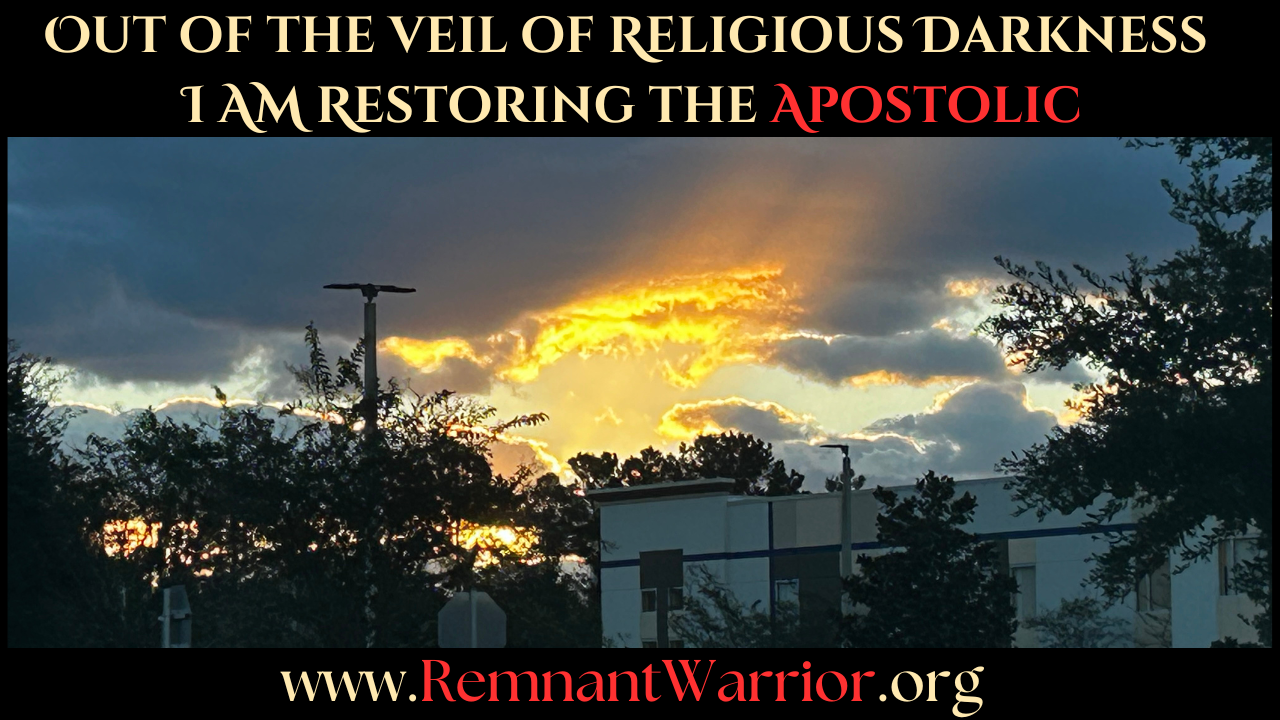
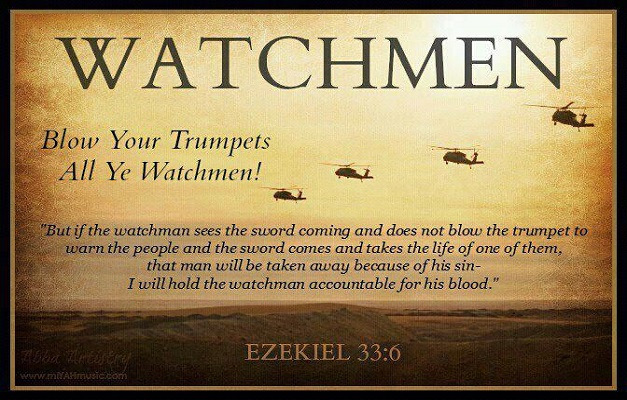





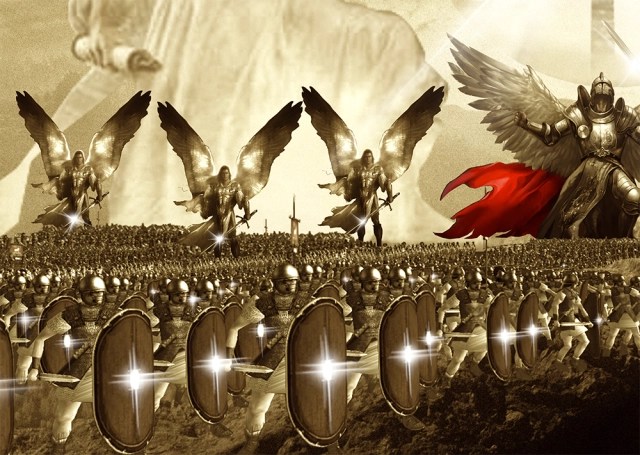
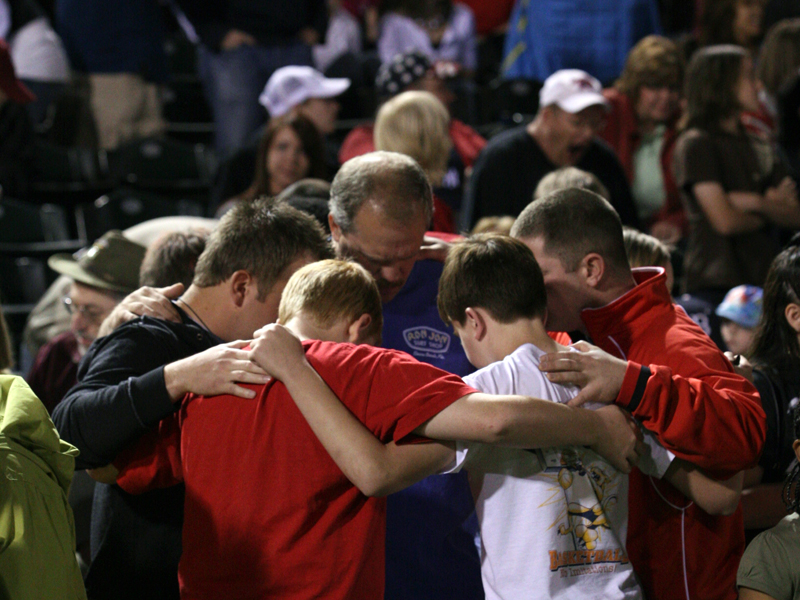
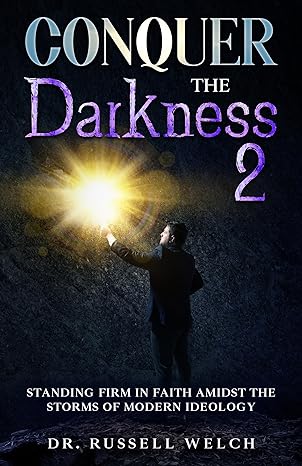
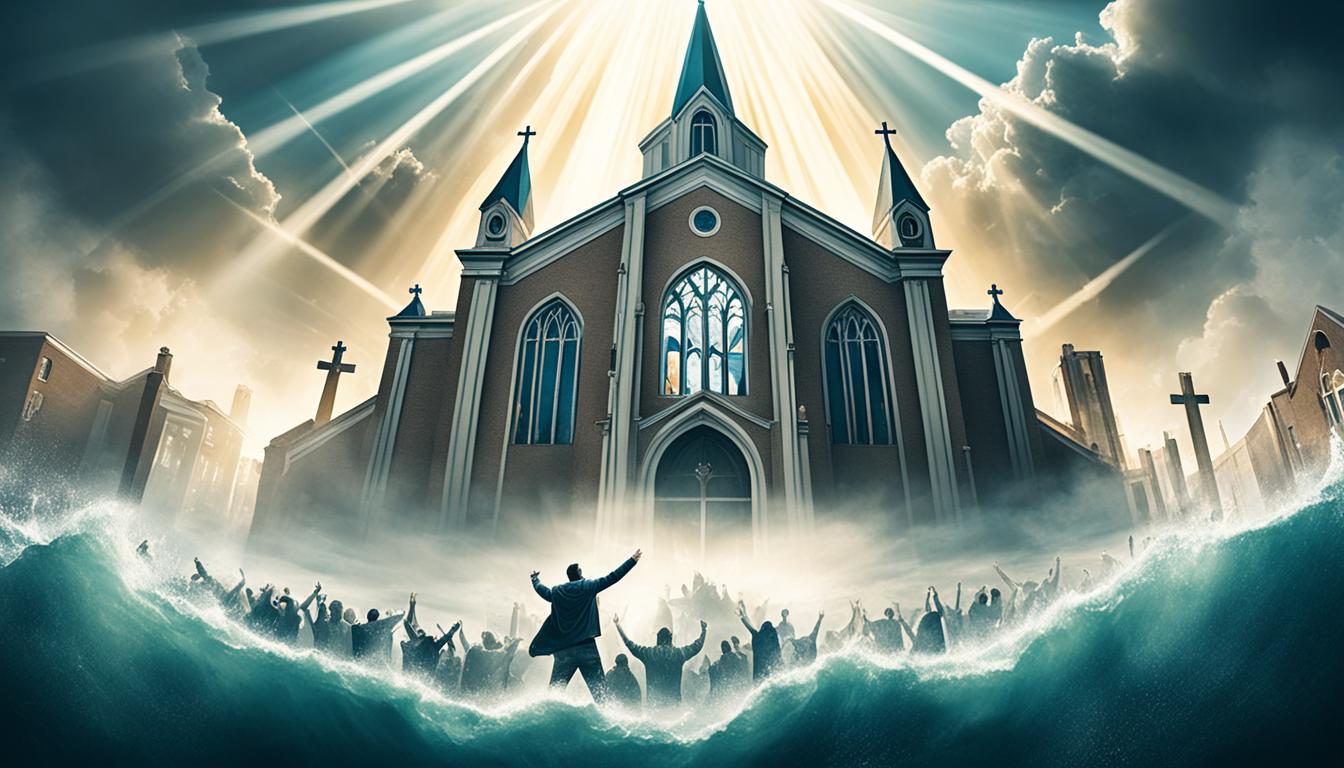

 Radical Disciples - A Remnant Revolution