Posts Tagged ‘church’


Examining the Roots and Rationale of the Modern House Church Movement

The landscape of Christian worship has seen a marked shift in recent years, with a growing number of believers drawn to the simplicity, intimacy, and shared responsibility found in house church models. Notably, leaders like Francis Chan—through the “We Are Church” movement—have catalyzed much of this momentum, calling for a return to practices reminiscent of the earliest Christian communities. But how closely does this model align with the ecclesia of the first century? Is the yearning for deeper fellowship, mutual edification, and mission-focused stewardship truly a recapturing of the spirit and practice of the New Testament church?

The Early Church: An Overview

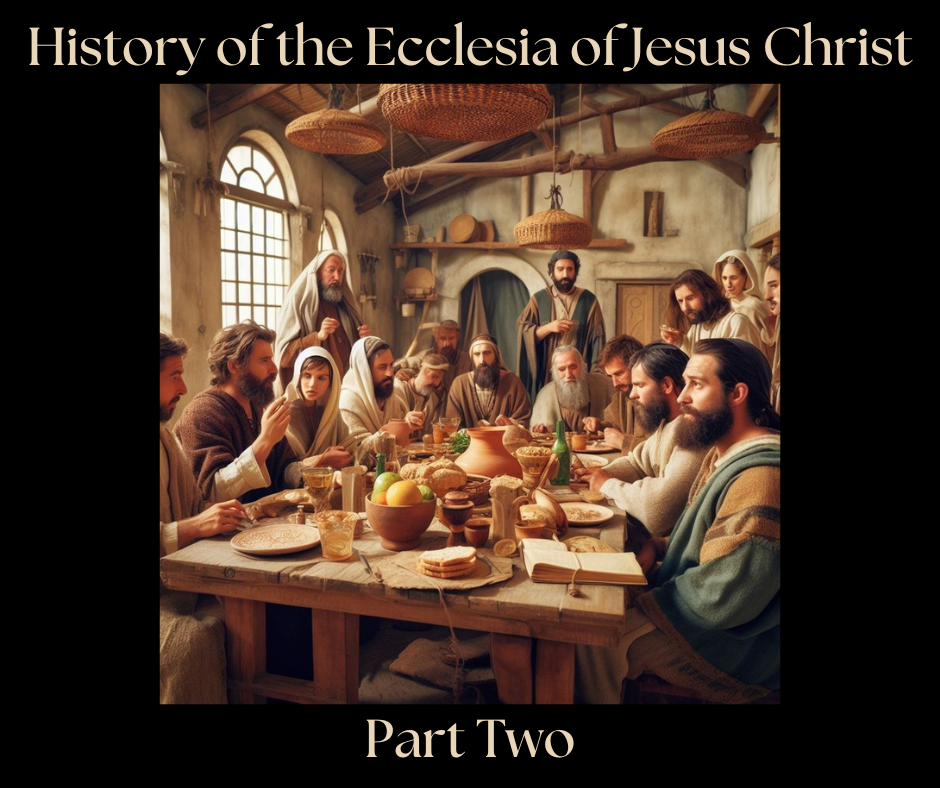
In the earliest decades following Christ’s resurrection, Christians did not gather in grand sanctuaries or dedicated religious spaces. Instead, the ecclesia—literally the “called out ones”—met in the homes of believers, sharing meals, prayers, teaching, and the breaking of bread. These gatherings were intimate, familial, and participatory. The Apostle Paul greets several house churches in his letters (see Romans 16:5, 1 Corinthians 16:19, Colossians 4:15, Philemon 1:2), and the Book of Acts describes believers meeting “from house to house” (Acts 2:46; 20:20).

The Scale and Spread of House Churches

Scholars estimate that by the early fourth century, just before the conversion of Constantine and the legalization of Christianity, roughly 400,000 house churches may have existed throughout the Roman Empire. Early Christian gatherings were often limited by social and legal constraints—persecution made public worship risky, and believers relied on the hospitality of others to sustain their communal life. The structure of the house church provided protection, fostered strong relational bonds, and encouraged the active participation of all members.

Francis Chan and the “We Are Church” Movement

Francis Chan’s vision for the church echoes this ancient paradigm: small, reproducible communities where every believer is discipled and equipped to disciple others, where giving supports the needs of the poor and the progress of the gospel, rather than maintaining facilities or programs. This model intentionally removes the distance between leadership and laity, emphasizing shared spiritual responsibility and communal discernment. House churches, in Chan’s approach, are designed to multiply rather than accumulate members, keeping gatherings small enough for authentic fellowship and accountability.

Theological and Practical Resonances

The allure of the house church model lies in its resemblance to the early ecclesia in several key ways:

  • Mutual Edification: In smaller gatherings, believers can truly “walk together” in the faith, bearing one another’s burdens and spurring one another on toward love and good deeds (Hebrews 10:24-25).
  • Shared Leadership: Rather than relying on a single pastor or professional staff, leadership is distributed, echoing the plurality of elders and the priesthood of all believers seen in the New Testament.
  • Simplicity and Stewardship: Without the financial and logistical demands of maintaining a large building, house churches can direct more resources toward mission, mercy, and tangible needs.
  • Intimacy and Accountability: Smaller communities naturally foster deeper relationships and create space for honest confession, mutual encouragement, and genuine discipleship.
  • Missional Flexibility: Like the early church, house fellowships can adapt rapidly, meet in a variety of settings, and more easily multiply as new believers are added.

Challenges and Considerations

Of course, the house church model is not without its challenges. New Testament house churches functioned in a unique historical context—one shaped by persecution and social marginalization. Today, house churches must navigate questions of doctrinal oversight, sustainability, and unity within the broader body of Christ. And while intimacy can flourish, so too can insularity or division if not intentionally guarded against.

Modern Institutional Churches: Strengths and Struggles

Many believers, as mentioned, find connection difficult in larger, “corporate” congregations. While megachurches offer resources, programs, and opportunities for impact, some lament the loss of familial closeness and meaningful participation that marked the earliest gatherings. The yearning for something deeper—a place where everyone is known, needed, and able to contribute—is a legitimate call back to the roots of Christian community.

Chan’s description beautifully echoes the “Starfish” model advocated by Wolfgang Simson, a concept drawn from his influential writings on organic, decentralized church life. In this model, leadership is not centralized or hierarchical but is instead multiplied, much like the regenerative abilities of a starfish—if you cut off one of its arms, it grows another. The focus shifts from building institutions to cultivating people, and from collecting followers to equipping leaders who can, in turn, nurture new communities.

In practice, as this describes, a group of believers gathers in a home and intentionally mentors emerging leaders from within. Once the group reaches a size (for example, 15–20 members) that naturally limits intimacy and active participation, another gathering is launched—often in a nearby neighborhood or adjoining town—under the guidance of one of these mentored leaders. The process repeats, encouraging organic multiplication rather than dependence on a single “mother church.”

Periodically, these house fellowships unite in larger general assemblies—monthly or quarterly times of worship, testimony, celebration, and communal discernment. These gatherings strengthen the shared identity and broader unity of the movement without diminishing the intimacy of each local assembly. New baptisms, shared stories, and collective prayer for healing and mission become the heartbeat of this extended family, echoing the rhythms seen in Acts 2:42–47 and Acts 4:32–35.

Such a model is indeed closely aligned with the patterns described in the Book of Acts, where believers met from house to house, shared resources, and appointed elders in every place. The absence of heavy financial commitments to building maintenance frees up funds for tangible mission—caring for the poor, supporting local and overseas outreach, or responding generously to crises within the network. When a member faces hardship, the entire fellowship can rally support, embodying the mutual care that marked the earliest Christian communities.

In essence, the Starfish model resists institutional inertia by prioritizing mission, discipleship, and adaptability. It embodies the principle that every believer is a priest, that every home can become a hub of the Spirit’s work, and that leadership is a gift to be multiplied, not hoarded. While no model is without challenges—questions of doctrinal soundness, healthy accountability, and sustainable multiplication must all be addressed—this approach offers a compelling, deeply biblical vision for church as a living movement rather than a static organization.

On that note, back in 2004 I had a conversation with my spiritual father about this and he mentioned in India, where house churches have experience expodential growth, the set up the model as follows, when a member has been discipled amd they leave the group the become and elder, and these house are broken down into territories where each house group leader as an elder, walks in unity thte other elders, They wilo generally form thses into groups of twelve house Church. Then one elder is chosen by Holy Spirit, from which each elder gets a witness to, and that elder represent the twelve house Churches in a regional conferanmce of elders.

Ultimately, whether in rented halls, humble homes, or public spaces, what matters most is the living witness of Christ’s body—flexible, generous, Spirit-led, and fiercely devoted to one another and to the world God loves.

Conclusion: Returning to the Roots?

In sum, the contemporary house church movement, and models like Francis Chan’s “We Are Church,” are in many ways an intentional return to the rhythms and relationships of the first-century ecclesia. While not a perfect replication—history cannot be rewound—there is a powerful resonance between the early gatherings of believers and today’s house church fellowships: a longing to know Christ together, to serve one another, and to bear witness to the world in the context of simple, Spirit-empowered community. Whether in homes, sanctuaries, or under open skies, the heart of the church remains unchanged—the people of God, called together, living out the gospel in word and deed.

~Dr. Russell Welch

Elder/ Apostolic Teacher: Highway to Heaven Church and Founder and Shepherd of Remnant Warrior Ministries / Remnant Warrior School of Spiritual Warfare.

www.remnantwarrior.org


The following is a picture into the 20 years of life and ministry which includes set backs, detours, road blocks and many course corrections, written from a humble heart filled with gratefulness to a loving God..

This morning during my walk with Holy Spirt and the SkyBear (my German Shepherd) I was led to look back on my life since 2001.

On December 31 of that year I decided to get a fresh start and moved to Jacksonville for what I thought would be a short stay, as I came here to attend a school to get my CDL.

But Holy Spirit pointed out that it was a path ordained of the Father, for little did I know that it would lead to me attending a Church service where I would repent and rededicate my life to the Lord after 20 some years of living in rebellion.

 I came down to attend a school to my CDL, which I did and started driving for a company based in Jacksonville with plans of driving around the country.

But Holy Spirt showed me that because I was avoiding the call on my life to preach the Gospel, which the Father called me to do when I was just 10 years old while sitting in a Methodist Church in Patten Maine

My plans of driving around the country, however that thought came to an abrupt end when I fell off the top of a load and messed up my right knee. This took place in the spring of 2002 Holy Spirit then showed me that the Father allowed an accident to happen so as to redirect my life to the steps that would lead me to fulfill His calling on my life.

 During my recovery I decided to attend ministry school and met a man of God, Dr. Don Lynch, who became my Spiritual father.

Also during that time, I found myself looking a the Christian Mingle dating website where I happened across this beautiful Filipino, who just happened to be here on a student visa and was attending Brownsville Revival School of Ministry in Pensacola Florida.

We began chatting and during the Thanksgiving break she came to Jacksonville to visit her former pastor and his wife who had pastored a Church in Hong Kong, where she was the Sunday School teacher.

We began dating and I would drive to Pensacola where the school was and attended a number of powerful revival meetings. Then at the beginning of  February (2003) I had a dream where Jesus led me to an ocean beach, He bent down and picked up two small stones and said “One of these stones has been brought here from another nation having flowed with the currents of the ocean, for the Father purposed the time when they would be joined together.

So has He brought Emilie (My wife’s name, for those who know her by her nick name Millette) to be joined with you in marriage. I was overwhelmed and went out a bought an engagement ring and decided to ask her to marry me while I visited her for Valentine’s Day.

Now do to a past of many rejections, I had to muster up all the courage I had and drive over from Jacksonville. When I arrived at the home she was staying in I got down on one knee and proposed to her.

Her answer was, No, followed by I don’t even like you that way. Well let’s just say the wind was taking out of my sails. However I had this inner peace where I knew what the Lord had said, so I simply turned it over to Him.

A couple months later while she was visiting a friend in San Diego, she called me and said she had a dream and the Lord told her she was to marry me. We made plans and she graduated in May of 2003, and we got married on June 14th of 2003.

I had a full-time job while at the same time I continued my schooling. We had some struggles but the Lord always saw us through them. Then on June 6, 2004 we were blessed with a beautiful gift from God. For on that day, my wife gave birth to our son, Joshua Karsten Welch.

The Lord had given me his first name which in Hebrew means “Yahweh is salvation” and He gave my wife his second name, which in Greek means “Anointed”. The Lord shared with me why I was to call him Joshua, for he would be the first in many generation of our family to serve him and not be taking captives to addictions or any other curse that was in our family line.

In fact He said that the anpointing He was going to place on His life, would be like the blast shofars sounding, and the sounds of the people, that saw the walls of Jericho come crumbling down. So would the generational curses be cut of by my son, Joshua obedience to the Lord’s call on his life.

Let me take a moment to share a powerful testimony. I had always suffered with migraine headaches from my childhood all the way into my adulthood. Migraines were a curse which had plagued our family for several generation. When Josh was five years old, there was a day when I was unable to do anything because of a migraine, and he begged me to take him to the park. I said your going to have to ask Jesus to take daddy’s headache away.

He leaned over me, placed his little hand on my forehead and said “Jesus, take this stupid headache off my daddy, and tell it to never return”. That headache went away instantly and I have never had a migraine since that humble, innocent hearted prayer offered up by my son.

After graduating with an associate degree in the fall of 2004, I was ordained in February of 2005 and we were led by Holy Spirit to start a ministry called Mighty Arm Ministries, which at the time primarily focused on the elderly in nursing homes.

The Lord said this is a call to be a Spiritual Gatekeeper, as these are those who are about to enter their eternal destiny. Glory to God, for during that time we witnessed a number of people accepting the Lord. My son at 6 years old played a part, as every Sunday he would go with me, knock on the doors, and say “You wanna come here Jesus”. There was a man named Doc, who every week would say “Not today preacher boy”

Then one Sunday to our surprise, he came down, then came back for several more weeks. Then one Sunday, he asked the Lord Jesus Christ to be His Lord. The very next week, he passed in his sleep, but praise the Lord, we know we will see him again one day.

In the spring of 2005 something happened that caused us to leave the Church we had attended since getting married, and I had attended since 2002. Holy Spirt showed me that the Father had allowed this so that we would start holding a Church service in a local nursing home.

Holy Spirit at the time, showed me that many in that home had the desire to go to church but none would pick them up, so the Lord said “Bring my Church to them”.

In the fall of 2005, my Spiritual father (Dr. Don Lynch) who had also left the Church, invited my wife and into attend a weekly meeting they were hosting in their home under the Ministry name the Father had given him called “Ministry Matrix”. Shortly thereafter the Lord led me to take the position known which is referred to as an “Armor Bearer”. Then in November of 2007, we were ordained as leaders in that ministry.

Thing happened that caused us to leave in the beginning of 2010, which Holy Spirt showed me this morning, that the Father had allowed, even though left due to a spirit of rebellion. We went back into doing Sunday services at the nursing home and then in the fall of that year we were invited to be part of the leadership team to launch a new Church start.

 In the spring of 2013, the Lord called me to leave that Church as He had an assignment for me at a local bikers Church, pastored by Chet “Preacher man” Harden. I became the associate pastor there from 2013 up until the Spring of 2016, shortly after having a powerful life changing encounter with the Lord , which stripped me of all the religious garments I had allowed the spirit of religion to put on me, and to be honest, that encounter literally changed my whole theology.

In December of 2015, we were part of the leadership team that founded the “Riverhouse” ministry. After resigning from Highway to Heaven (On a friendly note) in the fall of 2016, I started leading a Sunday service at the Riverhouse.

In 2018 we launched the North Florida Healing rooms” which my wife and I we co-directors. Then, jumping to the fall of 2019, the enemy had some how caused division between me and the other founding leader which led my wife and I to leave that ministry.

However, again looking back on that situation this morning, Holy Spirit showed me that the Father had allowed this to happen as He had a new assignment for me. Ultimately that ministry shut down after the founder went to be with the Lord after a long battle with cancer(lesson in that for a later date).

That assignment was to become the director of a homeless rescue mission in Jacksonville Beach, which lasted until February of 2022. On August 19, 2020, my son and I visited the place of a powerful nation changing revival, Cane Ridge in Kentucky with my son. That date was actually the 219th year anniversary of that revival. We spent about 2 hours walking around, reading the grave stones, and soaking in the presence of the Lord.

 Holy Spirit spoke to me about 30 minutes after leaving there and said “The Father wants you to go back and start discipling His Children even as Jesus discipled His. I immediately said cool.

But then about an hour later, I said what does that even look like, as I have come to believe the Church as a whole has wander away from Christ-like discipleship.

 He began downloading what that looked like, which started with “Jesus discipled the men who followed Him by pouring into them, everything the Father had poured into Him. So unlike giving discipleship teaching from the pulpit, or even holding weekly discipleship meeting, the style Jesus displayed was relational, interacting with each other pretty much on a daily basis.

I started to implement this at the mission, and witnessed the Lord doing some powerful works in the disciple who were at the mission. But then, in the fall of 2021, a spirit of Jezebel, jealousy, and offense took hold of a few members of the leadership. And they began conspiring again with me in the secret place of darkness.

Now, what was happening at the mission up to that point can only be described in a way that gives Glory to the Father, as a portal of Heaven was opened up there. One lesson I learned during that time was I neglected to gather intercessor for me and the mission as a whole.

 Now, looking back at the time I left Highway to Heaven Church, which I previously mentioned that I  left on good terms. I had actually started preaching back there once a month in 2018, then it transitioned into twice per month in 2021.

 In the fall of that year, pastor Chet approached me and said he was considering retiring and wanted me to take his place. This was troubling to me, as I felt the Lord wanted me at the mission.

However, Holy Spirt showed me that I never actually asked the Father. He then showed me that during a Thanksgiving visit to Maine, He had allowed a coup to take place at the mission. What He had allowed to transpire was do to a door I unknowingly opened a door, as having been in a major spiritual battle over the mission for close to 6 months had taking its toll on me, and I began to respond out of the flesh.

This open door gave access to the spirit of disobedience to take place to where the Father’s call to make disciples as had His Son, was put on a shelf. However, having witnessed to results while the discipleship like Jesus was taking place, Holy Spirit said that it was but a foreshadow of what would be the mark of my wife and my calling.

He then shared with me that the mission was not prepared for what He desired to do there. Now from November of 2021 through January of 2022, the spiritual battle I faced every day got uglier and uglier.

I had previously mentioned my departure from the ministry led by Dr. Don Lynch. Shortly after my encounter with the Lord on March 28, 2016, Holy Spirit opened the door for Dr. Don and I for reconciliation After which I was led to lean into his mentorship more and more while at the same time, having been seated by the Lord in the spring of 2016, under the teachings of Apostle Damon Thompson. Holy Spirit also led me to attend many of the Under the Oaks meetings he has held over the years, which I still attend.

But back to the mission and Dr. Don Lynch. In January of 2022, I had multiple conversations with him regarding what was happening at the mission, then at the start of February I had a dream where the Lord said He was calling me to Shepherd the people at Highway to Heaven Church.

I shared this dream with Dr. Don who not only said he felt a witness to the dream but as he put it in classic Apostle Don Lynch fashion “Son, if God told you he wants you to do that, you’d better do it”. We ended the conversation with a “let’s get together after my heart surgery as I have somethings to share with you that I received while praying for you and your wife.

Needless to say that meeting, as a few days after his surgery, he went to be with the Lord. I took is wise advice, resigned from the mission and accepted the position of Senior Pastor at the Church.

However, I felt a loss in my life, not having a Spiritual father to run things by and on occasions have a heart check. Yes, I am most certainly matured enough to lead a Church, and even though I have spiritual sons myself, I understand and fully grasp the importance of having an Apostolic covering, as it is one of the spiritual guard rails the Lord has equipped the Church with.

Needless to say, if was a powerful meeting with Holy Spirit. If I could draw a map of what has taken place over the past 20 years, it would show my stepping off the ordained path, a series of roadblocks which lead to course corrections. In spite of the many times, in which I rebelled failing to ask the Father His desire, and took hold of the spiritual steering wheel of my life, the grace and mercy of the Father has always brought a course correction which I have to be honest almost always came with a hand of discipline.

Today, having just entered a new year, I have committed to dealing with things on a daily basis, leaving tomorrow in the wise hands of the Father. For did not our Lord say: Refuse to worry about tomorrow, but deal with each challenge that comes your way, one day at a time.  Tomorrow will take care of itself.” (Matthew 6:34, TPT)

One of the early lessons Dr. Don taught me was maintaining the ability of never leave a place with offense, but rather leave with the gold that you received – meaning we are to take the good things (lessons, revelations and Kingdom truths) with us, and  a heart of forgiveness and even repentance, leave the negative things behind.

So with that in mind, I am committed to living my life and all the tomorrows it has, under the governing authority of the One whom the Father sent, to lead us into all Spiritual truths, Holy Spirit.

~Dr. Russell Welch
Elder / Apostolic Teacher: Highway to Heaven Church and Founder and Shepherd of Remnant Warrior Ministries / Remnant Warrior School of Spiritual Warfare.


The Foundation of the Church: Understanding the Apostolic Office

In the realm of architecture, no one would dispute the significance of a building’s foundation. It is the bedrock upon which the entire structure rests, ensuring stability and longevity.

This analogy finds a profound reflection in the biblical context, particularly in Ephesians 2:20, where the Apostle Paul emphasizes that the church’s foundation is built upon the apostles and prophets, with Christ as the chief cornerstone.

This metaphor not only highlights the vital role of unity within the church but also invites an exploration of the nature and implications of the apostolic office. The apostolic office serves as a crucial element in the establishment and nurturing of the church.

The apostles were not merely historical figures; they were divinely appointed leaders who played an essential role in spreading the teachings of Jesus Christ and laying the groundwork for the early Christian community.

Their firsthand experiences with Christ provided them with unique insights and revelations that shaped the beliefs and practices of the church. This foundational leadership was instrumental in creating a unified body of believers that transcended cultural, social, and geographical barriers.

Paul’s assertion in Ephesians 4:12-13 further expands upon the significance of the apostles in the contemporary church. He writes, “For the perfecting of the saints, for the work of the ministry, for the edifying of the body of Christ: Till we all come in the unity of the faith, and of the knowledge of the Son of God, unto a perfect man, unto the measure of the stature of the fullness of Christ.”

This passage underscores the ongoing role of the apostolic office, suggesting that the church has not yet fully achieved the maturity and unity envisioned by Paul. The work of the apostles in perfecting the saints and edifying the body of Christ remains essential, as it fosters an environment where believers can grow in faith and knowledge.

In today’s world, the implications of Paul’s teachings are profound. The church is called to recognize and embrace the presence of modern-day apostles who continue to guide and equip the body of Christ.

These leaders play a pivotal role in addressing contemporary challenges, promoting unity, and ensuring the church remains aligned with its foundational values. As society evolves and new crises emerge, the need for apostolic leadership becomes increasingly evident.

Moreover, the apostolic office serves as a reminder of the importance of mentorship and discipleship within the church. Just as the original apostles mentored early Christians, today’s leaders must invest in the spiritual growth of their congregations.

This commitment to nurturing future generations of believers ensures that the church continues to thrive and adapt while remaining firmly rooted in its foundational truths.

In conclusion, the apostolic office is not merely a relic of the past; it is a living and active force within the church today. Understanding this role is vital for fostering unity, maturity, and growth in the body of Christ.

As we reflect on Paul’s teachings, may we be inspired to seek out and support apostolic leadership in our communities, ensuring that our foundation remains strong as we build a vibrant church that honors Christ as the chief cornerstone.

The journey toward spiritual maturity and unity is ongoing, and it is through the guidance of apostles that we can navigate the challenges of our time with wisdom and grace.

~Dr. Russell Welch
Elder / Apostolic Teacher: Highway to Heaven Church and Founder and Shepherd of Remnant Warrior Ministries / Remnant Warrior School of Spiritual Warfare.

The Apostolic Foundation of the Church -Introduction.

In the realm of architecture, the importance of a solid foundation cannot be overstated. Just as a building requires a stable base to support its structure, the church is anchored by the teachings and authority of the apostles, who serve as its foundation.

The Apostle Paul, in Ephesians 2:20, provides a powerful analogy that underscores this truth; he states that the church is built on the foundation of the apostles and prophets, with Jesus as the chief cornerstone.

This series of posts seeks to unpack the significance of the apostolic foundation, exploring the identity of the apostles, their unique role in the early church as well as the current church, and the implications of their foundational status for contemporary believers.

Understanding the Apostles…..

The original apostles were chosen by Jesus Christ to be His immediate messengers, tasked with the vital role of disseminating His teachings and authority. The term “apostle” itself translates to “one who is sent,” signifying their mission to preach the gospel and establish the church.

The original twelve apostles, including Peter, James, John, and Judas Iscariot, were selected during Jesus’ earthly ministry, while Paul, a later addition, was also designated an apostle after a transformational encounter with Christ.

Their firsthand experience with Jesus equipped them uniquely to bear witness to His life, death, and resurrection, granting them a level of authority that established the church’s core beliefs and practices.

The apostles’ role in the church is and was not merely administrative or organizational; it is deeply spiritual and revelatory. They were, and still are tasked with interpreting the teachings of Jesus, guiding the believers, and laying the groundwork for the Christian faith.

Through their writings, which make up a significant portion of the New Testament, the apostles articulated the doctrines of the church, providing insights into the nature of God, salvation, and Christian living.

Their teachings continue to inform and shape the beliefs of modern-day Christians, establishing a direct line of continuity from the early church to the present.

The Significance of the Apostolic Foundation…

The concept of the apostles as part of the foundation of the church carries profound implications for the identity and mission of the church today. Just as a building’s stability hinges on its foundation, the health and effectiveness of the church are rooted in its adherence to the teachings of the apostles. But let it be said, the Christ our Lord is the chief corner stone upon which the foundation is built.

In an age of shifting cultural values and diverse theological interpretations, the call to return to the foundational truths established by the apostles remains relevant.

Emphasizing the authority of the apostolic teachings encourages unity among believers, as these teachings point to a shared understanding of Jesus as Lord and Savior. Furthermore, recognizing the apostles as the foundation underscores the importance of the gospel.

The message they preached—centered on Christ’s redemptive work—serves as the cornerstone of the church’s mission. The church is called to be an extension of the apostles’ work, carrying forth the gospel message into the world.

This includes not only evangelism but also nurturing a community of believers grounded in apostolic teachings, fostering spiritual growth, and demonstrating Christ’s love through service and outreach.

Conclusion

In conclusion, the apostolic foundation of the church is a profound and essential aspect of Christian identity.

The apostles in the early Church years, as the original messengers of Christ, provide a solid base for the church, enabling it to fulfill its mission in the world.

Their teachings continue to guide modern believers, offering a framework for understanding faith and practice. As we reflect on the significance of this foundation, we are reminded that, like an architect’s blueprint, the life and message of Jesus Christ, as conveyed by the apostles, should direct the church’s path forward.

Whereas the Apostle of our day are those who are in many cases re-introducing the Apostolic teachings to the Body of believers. There are those who will claim we no longer have apostles, yet they contradict the scriptures as Paul was clear, the Apostles, Prophets, Evangelist, and Shepherding teachers are for the perfecting of the Church, and it is clear that as this date, the Church is not walking in perfection (Ephesians 4:11-13).

Thus, by anchoring ourselves in the apostolic foundation, we not only honor the legacy of the early church but also ensure that we remain steadfast in our commitment to the gospel.

Next week part two….. “The Foundation of the Church: Understanding the Apostolic Office”

~Dr. Russell Welch
Elder / Apostolic Teacher: Highway to Heaven Church and Founder and Shepherd of Remnant Warrior Ministries / Remnant Warrior School of Spiritual Warfare.


The landscape of the American Church has become a topic of significant discussion and debate in recent years. With the rise of mega churches, some may argue that the church is thriving and expanding.

However, a closer examination reveals a more complex reality. While it is true that mega churches attract substantial attendance and resources, this growth often comes at the expense of smaller congregations, which struggle to maintain their presence in a world dominated by aggressive marketing and cookie-cutter models of worship.

The question remains: has the American Church experienced genuine growth, or has it merely become stagnant in its methods and outcomes? The emergence of mega churches has undeniably transformed the religious landscape, with many individuals pointing to their expansive outreach and community engagement as evidence of success.

Yet, this perspective often overlooks the underlying issues associated with such growth. As these large congregations flourish, smaller churches find themselves unable to compete, leading to a decline in diversity within the Church.

The homogenization of worship experiences can erode the unique expressions of faith that smaller congregations offer, creating an environment where spiritual depth is sacrificed for numbers. Moreover, while mega churches may present the illusion of growth, the reality is that their attendance can be highly transient.

Many individuals who flock to these large gatherings may be seeking a temporary fix for their spiritual hunger, often referred to as “wandering sheep.” This phenomenon raises significant concerns about the authenticity of the engagement being offered.

Are mega churches genuinely reproducing the Kingdom of God, or are they merely providing a polished entertainment experience that lacks the transformative power of true discipleship? Interestingly, a pattern emerges when examining cities with a high concentration of mega churches and franchise churches.

These urban areas also often experience rising addiction, homelessness, and crime rates. This correlation challenges the narrative that the mere presence of large congregations equates to spiritual and social health.

It prompts one to consider the impact of church models on the communities they inhabit. In contrast, smaller, more authentic ecclesia—congregations grounded in genuine relationships and spiritual accountability—tend to foster a positive influence in their neighborhoods.

Where these ecclesia are active, there is often a noticeable decrease in the social ills that plague areas dominated by mega churches. One of the reasons behind the effectiveness of these ecclesia lies in their approach to spiritual warfare and their understanding of their inherited identity in Christ.

These communities empower their members to recognize their roles as the Father’s righteous ones on Earth, equipping them to engage in meaningful acts of service and outreach. This revelation sparks a movement of “Remnant Warriors”—individuals who take their rightful positions within the Father’s house and actively seek to fulfill His will, much like Christ did.

Their efforts produce lasting change that transcends the superficial growth metrics often celebrated by mega churches. In conclusion, while the rise of mega churches in America may outwardly suggest that the Church is thriving, a deeper look reveals a landscape marked by stagnation and spiritual superficiality.

The authentic growth of the Church is not measured solely by attendance numbers or marketing prowess but by the transformative impact it has on individuals and communities. As we navigate this complex reality, it is essential to prioritize spiritual depth, genuine relationships, and a commitment to the mission of the Kingdom over mere numerical success. In doing so, the American Church can aspire to a growth that is rooted in authenticity and reflective of the true body of Christ.

In their quest to become culturally relevant, they have in reality allowed the enemy to make major advances within the culture, claiming spheres of influence that the Church once possessed. And because of the enemy has allowed the advance of alternatives to Church explode throughout society, cause deep divisions across the board from Education to government, even to where a once truth seeking media has now come under the rule of the kingdom of darkness evolving into a lie spewing subculture.

 In conclusion, while the rise of mega-churches may suggest numerical growth, a closer examination reveals an underlying stagnation in authentic spiritual engagement and community impact. The juxtaposition of these large congregations with smaller Ecclesia communities highlights the need for a reevaluation of what it means to be the Church in America today.

By embracing a model that prioritizes genuine relationships, spiritual warfare, and community transformation, the Church can move beyond mere attendance metrics and fulfill its divine mandate to be a beacon of hope and healing in a broken world. Ultimately, the health and vitality of the American Church will not be determined by the size of its buildings but by the depth of its commitment to living out the Gospel in every sphere of life.


~Dr. Russell Welch
Elder / Apostolic Teacher: Highway to Heaven Church and Founder and Shepherd of Remnant Warrior Ministries / Remnant Warrior School of Spiritual Warfare.
Check out Dr. Welch’s newest book, “Dare to Sin no More – Breaking Free from Sin’s Grasp


In 1 Corinthians 3:11, the Apostle Paul asserts, “For no one can lay a foundation other than that which is laid, which is Jesus Christ.” This verse emphasizes the importance of grounding our faith and church practices in the truth of Scripture, particularly in the teachings and person of Jesus Christ.

In light of this biblical foundation, the emergence of the franchise church model raises critical questions about the authenticity and integrity of modern church practices. These franchise churches, often characterized by their corporate-like structure and marketing strategies, may represent a departure from the scriptural truths that should govern the life of the church.

The franchise church model often prioritizes growth and brand recognition over spiritual depth and community. Marketing strategies are employed to attract congregants, focusing on appealing aesthetics, entertainment, and consumer-driven experiences rather than the transformative power of the Gospel.

While there is nothing inherently wrong with utilizing modern tools to reach people, the risk lies in the potential dilution of the message. When churches operate like franchises, they may inadvertently build “houses of flesh,” as Paul might describe—structures focused on human ingenuity and appeal rather than divine truth.

This model can lead to an environment where the teachings of Scripture are secondary to the success of the church as a business. The emphasis shifts from discipleship and deep-rooted faith to numbers and profits. In an effort to cater to the preferences of a diverse audience, core biblical tenets may be bent or even abandoned, compromising the very foundation upon which the church should stand.

When congregations prioritize convenience and entertainment, they risk losing the rich tapestry of community, accountability, and spiritual growth that comes from a church firmly rooted in Scripture.

Moreover, the franchise church model often promotes a consumer mentality among congregants, who may view their relationship with the church as transactional. Instead of engaging in a commitment to a faith community characterized by mutual support and accountability, individuals may flit between congregations, seeking the latest program or the most engaging sermon.

This transient approach can undermine the biblical understanding of the church as the body of Christ, where believers are called to be active participants in each other’s lives and spiritual journeys. In contrast, a church established upon the foundation of Christ and anchored in Scripture fosters an environment of authenticity, growth, and genuine community.

When a church prioritizes biblical teaching, worship, and discipleship, it cultivates a space where believers can explore their faith deeply, encourage one another, and engage in the mission of the church with a sense of purpose.

These churches can create lasting impacts that resonate far beyond numerical growth, fostering spiritual maturity and resilience in their congregations. In conclusion, as we reflect on the implications of 1 Corinthians 3:11, it is crucial to evaluate the rise of the franchise church model with discernment.

While the desire to reach people and spread the Gospel is commendable, we must ensure that our methods align with the truth of Scripture and the foundational teachings of Jesus Christ.

By prioritizing spiritual depth over numerical success, we can build churches that reflect the heart of God and fulfill the mission of His kingdom. It is in this commitment to authenticity and Scriptural truth that we find the true essence of what it means to be the Church, the body of Christ in a world that desperately needs His light.

Once could look at our nation as a whole and rightly come to the conclusion that every area of moral decline is aspects of society that the Church compromised on. The Church of Jesus Christ is one that is purposed to transform cultures, not be transformed by them.

In conclusion, the analysis of the franchise model’s societal effects in contrast to the historical impact of the early Church poses critical questions about cultural engagement today. The challenges faced by contemporary communities necessitate a strong, uncompromised Church that understands its mission—one of transformation, dedication to God’s Kingdom, and reflection of Christ’s love and righteousness.

If you were to study cities that have seen a increasing rise of the Franchise model, would you find a change in the culture? Stats show that is not the case, in fact in many of those communities crime, poverty, corrupt governments, increasing levels of high school drop out just to name a few which inherently connected to the cultures that evil fosters.

Yet when you take a look at the societal impact that the early Church had, you will notice that they were able to impact the culture with the Kingdom, to were after 300 plus years, the Emperor Constantine took notice at how they were a people who walked in the extraordinary favor of the Lord God.

As this generation anticipates a profound move of God within society, there lies an invitation for believers to engage prayerfully and actively in culture, reclaiming the Kingdom of God’s values for their communities. Through repentance and renewed commitment to Christ’s principles, there is hope that the Church can again be a transformative influence, showing the world how to walk in the righteous and godly ways for which they were created.

I believe that we are on the verge of witnessing Heaven addressing these issues and our generation at this time in history is about to have a front row to Heaven’s invasion of the cultures of this world, and that is going to happen via the Houses of God that repent and turn back to the Cristo-centric foundation of Church governance, with a red-line distinction between those who remain compromised and those who turn back to seeking the King’s Kingdom and His Righteousness.

~Dr. Russell Welch
Elder / Teacher: Highway to Heaven Church and Founder and Shepherd of Remnant Warrior Ministries / Remnant Warrior School of Spiritual Warfare.
If you feel lead to support this ministry you can do so thru this link: Donate


In the heart of the Christian faith lies a profound promise articulated by the Lord Jesus in Matthew 16:18, where He declares, “… thou art Peter, and upon this rock I will build my church; and the gates of hell shall not prevail against it.”

This assertion highlights not only the foundational role of Peter but also emphasizes Christ’s personal involvement in the establishment and nurturing of His ecclesia. The term “ecclesia,” often translated as “church,” signifies more than just a physical gathering; it embodies the spiritual community of believers united under Christ’s authority.

As we dive into this text, we discover that the inception of the ecclesia is intricately linked to Jesus’ death and resurrection, which serves as the cornerstone for a new covenant with humanity. The imagery of the temple plays a significant role in understanding this relationship.

In John 2:19, Jesus prophesies, “Destroy this temple, and in three days I will raise it up,” referring to His body as the true temple. The physical temple, built by human hands, would ultimately be replaced by a spiritual edifice, symbolizing the ecclesia—a community where God dwells not in brick and mortar but in the hearts of believers.

This transition from a physical to a spiritual temple signifies a monumental shift in how God relates to humanity. While the Jewish leaders misunderstood His words, the essence of Christ’s message underscores His mission to form a new covenant community of faith. As we progress into the Acts of the Apostles, the active hand of Jesus is unmistakably present.

Historically, this book could aptly be titled “The Acts of Jesus Christ After His Ascension,” as it details how the risen Lord continues to work through His apostles. Luke introduces this narrative by referencing his previous writings, emphasizing that what Jesus “began both to do and teach” is merely the precursor to the ongoing work of Christ through the Spirit.

Notably, in Acts 2:33, we learn that Jesus has poured out Holy Spirit upon His followers, a clear indication that He is intimately involved in guiding and empowering His ecclesia. Furthermore, Acts 2:47 states, “the Lord added to the church daily such as should be saved.” This raises intriguing questions about the identity of “the Lord” in this verse—whether it refers to God or Jesus.

Given the context of Jesus’ promise to build His ecclesia, it is plausible to interpret this as a reference to Christ’s direct involvement in the growth and vitality of the church. As believers are added to the ecclesia, it becomes evident that Jesus is not a distant figure but an active participant in the life of His followers.

The narrative progresses as we encounter Stephen, who sees Jesus standing at the right hand of God (Acts 7:56). This posture is significant; it implies that Jesus is not merely a passive observer but an active advocate for His people.

When Paul encounters Jesus on the road to Damascus, he learns that the persecutions of the ecclesia are, in essence, persecutions of Christ Himself (Acts 9:4-5). This deep connection reinforces the idea that Jesus is not detached but rather profoundly engaged with His body, the church.

The promise of Jesus in Matthew 28:20, “I am with you always, even unto the end of the world,” resonates powerfully in the context of His ongoing relationship with the ecclesia. He is present, active, and engaged with His people, reminding us that His commitment to the church transcends time and space.

The imagery of Jesus in Revelation presents Him not as a distant deity but as the glorified Son of Man, actively walking among the seven candlesticks—representing the ecclesia—symbolizing His intimate knowledge of their struggles and triumphs. In this light, believers are invited to consider the reality of Christ’s presence within their midst.

The book of Revelation serves as a vivid reminder that Jesus is not just a historical figure but an active and living presence in the ecclesia today. The solemnity of the judgment that awaits the ecclesia, collectively, urges us to foster a deeper awareness of His ongoing work among us. In conclusion, the promise of Jesus to build His ecclesia is a testament to His unwavering commitment to His followers.

It is a call to recognize that He is not a distant observer but an active participant in the life of the church. As we open our eyes to this reality, we are encouraged to live in the light of His presence, understanding that He walks among us, knowing our works and guiding us in our mission to embody His love and truth in the world.

As we continue to study the Word, particularly the NT, we cannot help but see that the journey of the early ecclesia as depicted in the Acts of the Apostles invites contemporary believers to reflect on their own faith communities. The initial gathering of 120 disciples in an upper room, united in “prayer and supplication” (Acts 1:14), serves as a powerful reminder of the strength found in communal commitment.

This sense of unity, encapsulated in the Greek term “homothumadon,” meaning “one mind” or “same passion,” set the tone for the ecclesia’s development throughout the Acts.

The early believers exemplified a model of unity that is not only a historical account but also a guiding principle for modern ecclesial life. As we explore how the early church operated, we recognize that their reliance on doctrine, fellowship, breaking of bread, and prayer remains pertinent today.

The early ecclesia’s steadfast commitment to four foundational practices, as noted in Acts 2:42, offers insights for contemporary faith communities. The apostles’ doctrine served as the lampstand, illuminating their spiritual path; fellowship fostered a sense of belonging akin to the mercy seat, where grace abounded; the breaking of bread became their table of showbread, symbolizing nourishment and community; and prayers ascended like incense from the altar, connecting them with the divine.

These practices were not mere rituals but essential pillars that defined their identity as the new temple in Christ. The ecclesia was a living testament to the spiritual priesthood, and their actions resonated with the tabernacle’s significance in the wilderness—a reminder that worship and community are intertwined.

 As growth marked the journey of the early church, it also brought challenges that tested their unity. The initial explosion of faith in Jerusalem, captured in Acts 2:47, reflects an active Lord adding to the ecclesia daily.

This growth, however, was not without trials. As the number of believers increased, so did the complexities of community life. Conflicts arose, both from within and outside the ecclesia, as illustrated in Acts 6 and 15.

These incidents reveal that growth comes with growing pains, prompting believers to navigate disputes and challenges with wisdom and grace. The early church faced persecution from the Sanhedrin, internal strife, and even doctrinal controversies regarding the law of Moses and the inclusion of Gentile believers.

 Each of these moments called for discernment and leadership, showcasing the necessity of working through differences rather than avoiding them. The ecclesia’s response to these internal and external pressures is a reminder for modern believers that conflict can lead to clarity and cohesion when addressed with intentionality.

Paul’s words in 1 Corinthians 11:18-19 emphasize the inevitability of divisions, suggesting that challenges can serve as catalysts for growth and a deeper understanding of faith. The ecclesia’s ability to engage in difficult conversations and find consensus is a testament to their commitment to unity amid diversity.

As they navigated their shared faith, they learned that overcoming challenges together not only strengthened their bonds but also solidified their witness to the world. With that, we see the narrative of the ecclesia in the Acts of the Apostles serves as both a historical account and a roadmap for contemporary Christian communities.

As we reflect on their practices of doctrine, fellowship, breaking of bread, and prayer, we are encouraged to cultivate a spirit of unity that transcends our differences. The early church teaches us that while the journey of faith is marked by challenges, it is also rich with opportunities for growth, healing, and deeper connection to one another and to God.

Just as the Lord added to their number, may our communities continuously strive for unity and purpose, embodying the essence of the ecclesia as we navigate our own journeys of faith.

~Dr. Russell Welch
Elder / Teacher: Highway to Heaven Church and Founder and Shepherd of Remnant Warrior Ministries / Remnant Warrior School of Spiritual Warfare.
If you feel lead to support this ministry you can do so thru this link: Donate


The concept of ecclesia, often translated as “church,” holds profound significance within its original context, intricately tied to the notion of the Kingdom of God. To fully grasp the authentic meaning of ecclesia, one must acknowledge its relationship with the Kingdom.

When ecclesia is divorced from this context, it risks becoming a mere construct, shaped by human interpretation and desires, rather than a true reflection of its divine intent. In such a scenario, the church can be molded into any form that suits our preferences, effectively sidelining the authority and guidance of Jesus, the King.

Dismissing the Kingdom in our understanding of ecclesia leads us down a perilous path where the essence of the church is distorted. It implies a presumption that we, rather than Christ, can dictate the parameters of what church should be. This attitude not only undermines the foundation of the Kingdom but also negates the promise of Christ’s abiding presence: “Lo, I am with you always, to the end of the age.”

By ignoring this commitment, we arrogantly suggest that the church can operate independently, free from Holy Spirit oversight. The implications of such a mindset extend beyond semantics; they strike at the very heart of our collective identity as the Body of Christ.

When the church is left to decide its own identity and purpose without the Kingdom context, we risk creating a situation where personal or collective whims dictate doctrine and practice. This approach is antithetical to the foundational principles of Christianity and can be deemed as false.

This reality is evident not only in discussions about ecclesia but also in interpretations surrounding apostles, prophets, and the teachings of Scripture. Moreover, echoing the sentiments of the Reformation, the current state of ecclesia devoid of Kingdom authority could lead us back to a form of spiritual darkness reminiscent of the Dark Ages.

It represents a departure from the authority of Scripture and an embrace of a man-made system—a trend that surfaced during the Reformation as a reaction against ecclesiastical corruption. We find ourselves at a crucial juncture where a spiritual reset is not just desirable, but necessary. The call for a Revolutionary Holy Spirit led Reformation is imperative; we must allow Holy Spirit to guide us toward a renewed understanding of the Kingdom and its intended expression through ecclesia.

As we take a step back we can clearly that the ecclesia’s true meaning is intimately linked to the Kingdom of God. To recognize this relationship is to honor the original intent of Jesus and to embrace a church that reflects His authority and purpose.

The journey toward this understanding requires humility and a willingness to step back, allowing Holy Spirit to breathe fresh life into our concept of church, ensuring it aligns with the divine blueprint established by the King. It is only through this alignment that we can hope to fulfill our calling as the authentic Body of Christ in the world today.

~Dr. Russell Welch
Lead Elder and Apostolic Teacher: Highway to Heaven Church and Founder and Shepherd of Remnant Warrior Ministries / Remnant Warrior School of Spiritual Warfare.
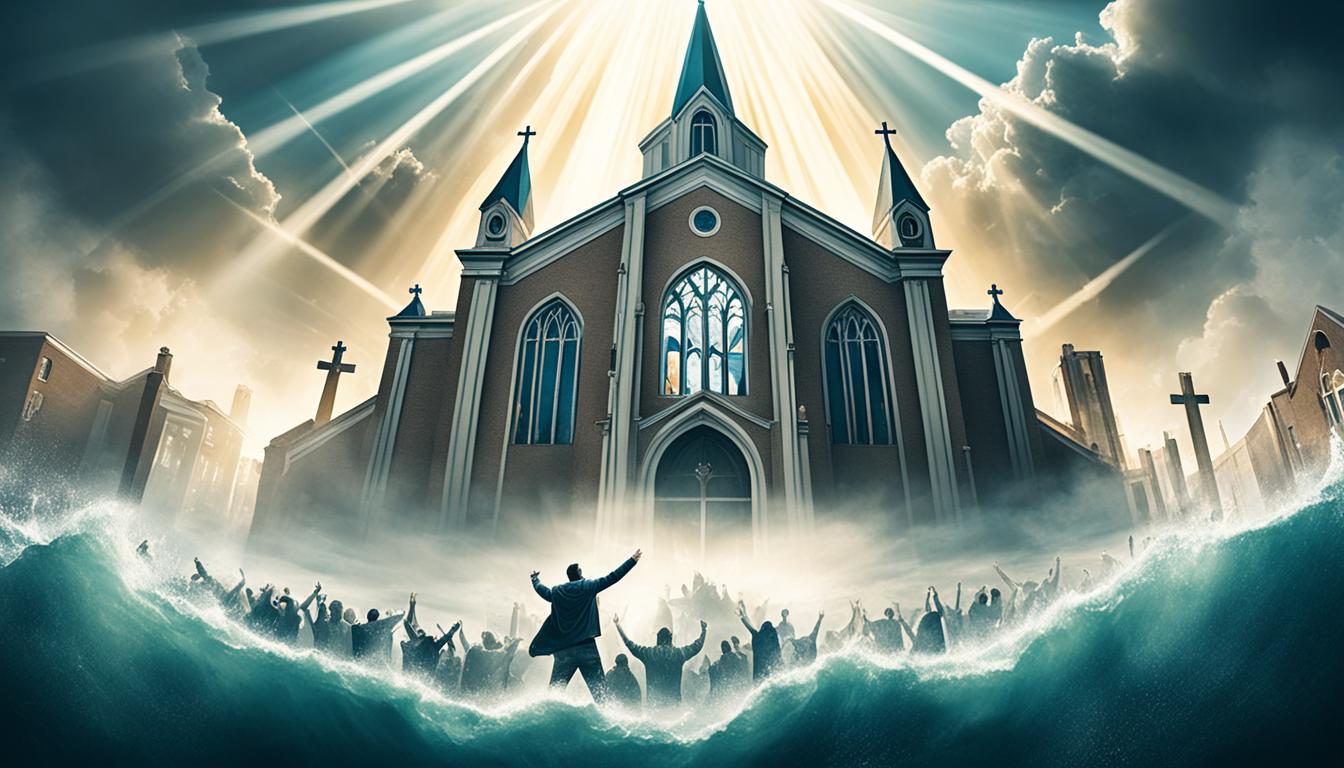

In recent years, a growing sentiment among many believers has emerged—a belief that the Church, as the body of Christ, is not fully realizing its potential or exercising the authority granted to it. This concern resonates deeply with individuals who see the world around them, filled with challenges and adversities, and are left wondering: Is the Church truly walking in its fullness during these turbulent times?

Or is it time for the Church to awaken, embrace its authority, and fulfill its divine calling? To address this question, we must first examine what it means for the Church to walk in its fullness. The fullness of the Church is not merely about numbers or the grandeur of buildings; it is about the effectiveness of its mission and the authenticity of its witness.

It involves the Church operating as a vibrant community of believers, empowered by the Holy Spirit, engaging in acts of love, service, and transformative action in society. It is about embodying the teachings of Christ, manifesting His love, and standing firm in truth.

However, many feel that this vision remains unfulfilled. In a world rife with division, moral ambiguity, and spiritual apathy, it is easy to feel that the Church has become complacent or distracted. The societal challenges we face—ranging from social injustice to environmental degradation—demand a robust and active response from the Church. This is where the notion of authority comes into play.

The authority of the Church is rooted in its identity as the body of Christ, called to be a light in the darkness and salt of the earth. Jesus Himself bestowed upon His followers the Great Commission, empowering them to go forth, teach, heal, and make disciples of all nations (Matthew 28:19-20).

This authority is not just for personal spiritual growth but is intended to drive collective action that impacts the world. However, the realization of this authority requires an awakening. To awaken is to shake off the slumber of indifference and to rise to the occasion with boldness and purpose.

It means understanding the significance of one’s role within the Church and the obligation to contribute to its mission. The awakening of the Church entails a re-examination of priorities, a renewed commitment to prayer, and a willingness to engage in honest dialogue about the issues facing our communities.

It calls for the Church to confront its shortcomings and to actively seek reconciliation, justice, and healing both within and outside its walls. Furthermore, this awakening must also involve a fresh outpouring of the Holy Spirit.

Throughout history, movements of revival have often served as pivotal moments for the Church to reclaim its authority and mission. These moments remind believers of the power that comes from God; it is a call to return to the source of strength and inspiration.

When the Church is in tune with the Spirit, it is equipped to tackle the complexities of the modern world with wisdom and compassion, leading to transformative change.

As fellow Remnant Warriors, we must ask ourselves: Are we content with the status quo, or are we willing to stand up and advocate for the fullness of the Church?

Are we prepared to embrace our collective authority, allowing it to inspire us to action?

This is not a call to trivialize our challenges but an invitation to rise above them with hope and resilience.

In conclusion, the Church’s journey toward walking in its fullness is both a challenge and an opportunity. It requires awareness, dedication, and a willingness to embrace the authority that has been entrusted to us.

As we reflect on our role as part of the body of Christ, may we seek an awakening that leads to a vibrant and impactful Church, ready to face the world boldly. Together, let us commit to fostering a community that embodies the teachings of Jesus, engages in meaningful action, and ultimately fulfills its divine calling in this hour.

~Russ “Rush” Welch

Remnant Warrior Ministries

You can get a copy of Dr. Welch’s newest Book “The Lord’s Remnant Warriors” on Amazon


The American justice system is using its power in harmful ways. It’s affecting people’s rights and targeting those who are already struggling. This problem makes it crucial for religious groups, like the church, to think about their role in fixing social problems. They need to face their own part in this and figure out how to promote fairness, kindness, and equal treatment, which are important in Christian teachings.

Our world is full of challenges, and the church has often been silent on justice matters. Yet, it’s been loud about its own privileges. Nowadays, the church is sometimes too busy with politics, forgetting to stand for what’s truly right. This article suggests a godly way for the church to deal with these big issues. It suggests admitting to the wrongs and pushing for change in laws and in how we treat each other.

The church should not avoid the big issues we face today. Instead, it should be a light in the darkness. By getting involved in things like criminal justice advocacy, faith-based activism, and prison ministries, it can make a difference. The church’s true mission is to help bring about social fairness and to change the way our justice system works.

As the church deals with these issues, it must remember justice is not just about policies, but what’s right before God. Sticking to the restorative justice lessons in the Bible can help. It can show a better way for the future justice system, one that values all lives and respects everyone’s worth.

Key Takeaways
  • The church must acknowledge the systemic racism and mass incarceration that have plagued the US justice system.
  • The church should engage in criminal justice advocacy, faith-based activism, and prison ministries to address these issues.
  • The pursuit of social justice and legal reform is a spiritual imperative for the church, not a political agenda.
  • The church must balance its involvement in politics with a steadfast commitment to standing for the Truth.
  • By embracing the principles of restorative justice, the church can offer a transformative vision for the future of the justice system.
The Human Toll of Violence

The church needs to understand what justice means today. Micah 6:8 tells us to seek justice, love kindness, and walk humbly with God. Justice, in Hebrew, is “mishpat,” which means giving people what they need, from punishment to care, especially the vulnerable. Jesus worked for forgiveness and social justice. He showed us that true faith is more than personal beliefs. It’s about helping others in need.

Lack of Respect for Human Life

The church must stand against violence, racism, and disrespect for life. The loss of life from guns, starvation, and not having a home shows us how broken our world is. It’s a sign that we urgently need to support justice and the importance of every human life. One area that is grossly misrepresented is that of human trafficking, especially with regard to women and children

Consistent Life Ethic and Genuine Peacemaking

The church should promote a life ethic that values every person. This includes from the start of life to the end. It means actively working for peace in our areas and the world. We must fight against injustice, violence, and the undervaluing of life. This fights for a better society, showing through actions what real justice, mercy, and walking with God means.

The Dangers of Isolationism and Inaction

After the Cold War, the United States faced a choice. It could focus inward or keep its global duties. For those with faith or who live in strong countries, isolation isn’t the answer. This article says the church and its people can’t ignore big problems. They should speak up against unfairness and suffering worldwide.

A World Plagued by Injustice and Oppression

Every day, 40,000 kids die due to hunger. In some wars, ethnic cleansing and systematic rape are common. These facts remind us of the suffering and unfair treatment globally. The church should not ignore these issues. It should show love and care for all.

Moral Imperative for Engaged Leadership

The United States needs to lead well in world affairs, according to the author. It should avoid being too distant or meddling too much. Instead, it should work closely with other countries to stop violence and seek fairness peacefully. The church has a role too. It should speak out for what’s right and use its strong voice to help create a better, fairer world.

Fostering Structures of Solidarity

The gap between rich and poor widens. This leads to conflict where freedom and hope are missing. The church calls for help to the poor, sustainable growth, and support for rights. This is crucial for peace. However, unlike the social justice programs of the world, the Church must know that the only solution is through one surrendering the Lordship of Jesus Christ and being baptized by Holy Spirit.

History shows that when one is surrendered to being led of the Spirit they prosper in every area of their life.  It is there that they are able to tap into an inexhaustible resource of wisdom and count on being guided in truth.

Addressing Poverty and Inequality

The U.S. needs to change aid from security to helping the poor develop. It should lead in giving for the common good. This helps fight poverty and inequality, bringing more solidarity. Let us not forget that the most important gift we can give is that of the Gospel message of the Kingdom of our God.

Supporting Human Rights and Democracy

The church stands for rights and democracy. It knows without these, conflict and oppression can spread. It backs local movements for change. It fights against divisive politics.

Reshaping Foreign Aid Priorities

The church should focus spiritual aid more on helping the poor develop a life of abundant spiritual security. This change can make the world better, giving hope.

Strengthening Peacemaking Institutions

In a world full of violence, we urgently need to keep peace and solve conflicts. Peacemaking institutions like the United Nations and regional organizations were once considered key players. However these days the United nations is being fueled by anti-sematic agendas which pose a very real present danger to Israel and ultimately western civilization The good news of the Gospel is the only weapon against evil that contains the ability to bring nations together, The Church must infiltrate such organizations as the United nations and with Holy Spirit’s guided wisdom begin to strategize new ways to stop conflicts, and support the growth of all people – crucial for a better and more peaceful world.

Regional Organizations and Conflict Resolution

Regional organizations also have a big part in making peace. They can understand local issues better and come up with peace plans that fit each area’s culture, history, and politics. Working closely with these groups is crucial for the United States. This is where the Church can step-up and begin to implement Biblical solutions into these organizations so that they may begin to operate with Biblical wisdom rather than humanistic grounded philosophies.

Promoting Integral Human Development

For real and lasting peace, we must tackle the reasons behind conflicts. This often starts with protecting basic rights and fighting poverty and unfairness. Peacemaking institutions need to focus on helping people and whole communities reach their goals and have a say in how their society grows.

The whole world has a part in making peace, not just governments. Residents, civil groups, and religious folks can all help. If we invest in the UN and regional efforts, and focus on solving the real issues causing conflict, peace is truly possible.

The Churches response to the weaponization of the justice system in the US

The church is now facing a big challenge. It must stand up to the racism and high numbers of people in prison in the US. The FBI sees some Catholic Americans as possible domestic terrorists. They plan to look closely at Catholic churches. And they use tools meant for fighting terrorism to label these people as radicals. The church has to act against these problems. It can do this by being active in prisons and promoting change in the law. Leaders in the past, like John Newton and Harriet Tubman, fought against slavery. They believed it was their duty as Christians to seek justice.

Acknowledging Systemic Racism

The church shouldn’t be selective when it comes to standing against injustice. The problems with the FBI’s actions show racism in the justice system. From making and reviewing plans, to trusting biased information, the FBI’s anti-Catholic memo is a prime example. It’s crucial for the church to face these issues directly. It must work hard to break down the walls that keep some people down. Racism hits those on the edges of society the hardest.

Mass Incarceration and Prison Ministries

The church’s work must focus on the mass locking up of people too. The FBI calling some Americans who are pro-life, pro-family, and who see gender differences as potential terrorists is a wake-up call. It shows why the church needs to be active in prisons. It needs to be there to offer support and a way back for those hurt by the system. By helping those in jail and pushing for their fair treatment and a second chance, the church can make a big difference.

Faith-Based Activism for Legal Reform

But the church’s role is not just to point out the problems. It has to act and help change the law in a meaningful way. The House Committee looking into the FBI’s wrong actions is a good sign. And the requests for answers from lawmakers Jim Jordan and Mike Johnson show that the government is starting to listen to the church. The church must keep raising its voice. It should ask for a fair justice system. One that respects the value and rights of all, no matter their background or views.

Biblical Foundations for Social Justice

Social justice comes from the Bible’s key idea that everyone is made in God’s image. This means we all have worth and dignity. In the Old Testament, a big part was about fair rules for everyone, not just insiders but outsiders too. The prophets made sure to speak against any unfair treatment. Then, the New Testament talks about how Jesus cared for the weak. It shows that fairness is really important, a top value for church life.

The Sanctity of Life and Human Dignity

The Bible says life is precious because we all reflect God’s image. This truth makes the church say no to hurting others, like through racism or guns. Now more than ever, the church needs to raise its voice. It should remind the world that each person, especially the outcasts, matters a lot.

Pursuing Righteousness and Justice

In many places, God tells us to seek what’s right and fair, to be fair, loving, and humble (Micah 6:8). True justice is about correcting wrongs and caring for those who can’t defend themselves. The church can play a big part by fighting for equality, like helping poor and minority folks treated unfairly by the legal system.

Caring for the Vulnerable

The Bible is clear: we must look out for those who need help. This means caring for the poor, orphans, and outsiders. So, the church’s work is to be a strong defender of all lives and rights. It must speak out against harm and support what’s just, showing God’s love for everyone.

The Spirituality of Peacemaking

The core of the Christian faith is the belief that God stands for peace. He works for peace and wants to fix our broken relationships. Our journey to live peacefully with others starts when we welcome God’s healing and Christ’s uniting power. Peacemaking is deeply spiritual. It calls us to change our thoughts and actions, a crucial step for making peace work.

The God of Peace and Reconciliation

The Bible is clear: God brings peace and asks us to help mend broken ties. Our trust in the “God of peace” drives us to seek peace in all we do. We should work hard to end violence, oppression, and injustice.

Conversion of Heart and Action

To truly make peace, our hearts and minds must change. We must be ready to view the world differently and stand against our prejudices. Real change means admitting our wrongs, sincerely saying sorry, and making things right. These acts are essential for receiving God’s pardon and fixing damaged relationships.

The peacemaking way asks us to show Christ’s love that heals even the worst conflicts and deepest cuts. It leads us to actions, beyond just talk, building connections, understanding others, and seeking fairness.

Prayer and Perseverance

Finding peace through prayer is key in peacemaking. Prayer calms us, shakes up our old beliefs, and fills us with new peace-making strength. Prayer helps us tap into the Holy Spirit’s power. This spirit helps us keep going in hard times and keep hope for making peace.

Ultimately, peace is from God, and prayer, worship, and sacraments lead us to peace. As we join God and others humbly, we get the power and bravery to heal and reconcile in a world hurt by war and division.

Applying Moral Principles to Foreign Policy

The church must apply its moral principles to foreign policy. Today, making peace means renewing the nation’s promise to the world. It means creating strong peace institutions and fighting against injustice. While the church states firm moral and religious rules, how they fit specific situations is up for discussion. Yet, trying to use these rules can help us talk about the moral parts of U.S. foreign policy. It can aid those wanting a more peaceful planet.

The church can’t ignore global violence and unfairness. It must bravely use its moral principles to face these huge issues. It knows that the country’s bond with the world and its push for fairness and peace are key.

The church’s involvement can push the public talk forward. It can help those dreaming of a fairer, more peaceful world. This vision is based on moral and religious beliefs that everyone shares.

Conclusion

Our journey into the church’s response to using the justice system has been enlightening. It shows us a complicated problem that needs the church’s brave leadership The recent FBI actions shocked many, targeting some Catholic Americans as domestic terrorists. This shows how vital it is for the church to stand against such abuse of power and religious freedom violations

The church shouldn’t only look after its own. It should follow the bible’s commands for justice, respecting every human and seeking righteousness. Like how the Church Committee revealed government misuse of power in the 1970s, today’s church must also help uncover systemic wrongs. It should push for real legal and policy changes. Doing this means the church needs to deeply commit itself to peace. Such dedication should be seen in its prayer, worship, and how it lives out its spiritual values to address modern problems.

The recent formation of the House GOP-led “weaponization” committee raises concerns about bias and fairness. This underlines why the church’s independent, steadfast voice in these issues is crucial. In its critical mission, the church must remain humble, aware of its own faults, and open to constant improvement. It should boldly declare the gospel’s power to transform and the church’s key role in creating a fairer and more peaceful planet.

FAQ

What is the church’s role in responding to the weaponization of the justice system in the US?

The church must see the big issues in the US legal system, like racism and too many people in prison. It should work in jails and with the law to make it fair. The church should fight against all wrongs, not just some, as God wants.

How should the church address the gravity of social injustice?

The church needs to look at the Bible and its message about fairness. It should help people heal and work for equal rights. It believes living right is not just about being good to yourself and loving oneself but about stepping into the transforming power of the Lord’s love to where we love our neighbors even as Christ has loved us.

What are the dangers of isolationism and inaction for the church?

The church can’t ignore bad things happening around the world. It must be part of stopping wars, keeping peace, and making sure everyone is treated well. This includes protecting nature and the earth. One of the most damaging doctrines of the modern Church is that of the Rapture which tends to set people on the sideline falsely believing that evil is going to be triumphant and rule the world and because of that the Lord is going to rescue His Church from this world. This is contrary to the scriptures which decree that the Lord has given the Church the authority and power to overcome evil.

How can the church foster structures of solidarity?

The church has to help make the world more even for the rich and poor. It should give help and support ways for people to do better and make money. Defending human rights and democracy is also very important. But the first place is to bring each individual into the saving revelation of the Lordship of Jesus Christ.

What is the role of the church in strengthening peacemaking institutions?

The church must employ its governmental authority as representative of the Kingdom of Heaven and stand up against the unjust actions of the United Nations. Under Holy Spirit’s governing authority, the Remnant can find new ways to keep the peace and respect everyone’s rights. This includes making life better for people and taking care of the earth.

What is the biblical basis for the church’s response to the weaponization of the justice system?

The Bible says everyone is important and made in God’s image. It talks a lot about justice, helping the weak, and being fair. Jesus wanted a world where everyone feels safe and free.

How does the spirituality of peacemaking guide the church’s response?

Being at peace with each other needs God’s love and grace. The church learns to live better and help others by following Christ’s example. Prayer and worship change hearts and lead to helping others in peace.

How can the church apply its moral principles to foreign policy?

The church can share its beliefs that are good for everyone and based on faith. People might not always agree on how to do this. But talking about it helps make the world a nicer place for all.

~Dr. Russell Welch