In the intricate tapestry of the American Church, a troubling trend has emerged—what can be termed the rise of the “Ishmael house” or imposter ministries. This phenomenon is not merely a modern inconvenience; it is a significant crisis that threatens the very foundation of authentic Christian fellowship and spiritual growth.
The analogy of the “Ishmael house” comes from the biblical account of Ishmael, a figure born out of frustration and rebellion, symbolizing those ministries that operate outside the true spiritual lineage established by God.
As we delve into this issue, it becomes clear that the enemy has meticulously crafted the art of deception over millennia, seeking to infiltrate the Church, sow discord, and ultimately destroy the children of God. At the heart of the Ishmael house crisis is a fundamental misunderstanding of what it means to be a spiritual son or daughter.
When a spiritual father retires or passes on, it can create a vacuum that reveals underlying issues within the community. A spiritual son, cloaked in entitlement, may feel justified in assuming leadership without the necessary preparation or divine calling.
This sense of entitlement, when met with rejection due to being overlooked for leadership, can spiral into rebellion. The result is a congregation thrown into confusion, led astray by a wayward son rather than guided by the solid foundation of their spiritual father’s teachings. In contrast, the authentic house—one built under the guidance of a true spiritual father—possesses a resilience rooted in the Kingdom’s principles.
When faced with challenges, such as the rebellion of an entitled son, this house may appear to be crumbling. However, if it stands on the foundation of Holy Spirit governance and apostolic vision, it is often undergoing a divine cleansing process.
This phase, though it may seem like stagnation or decline, can actually be a preparation for new life and supernatural acceleration. The authentic son recognizes the legacy left by their spiritual father, choosing to build upon it rather than seeking personal glory.
Moreover, the dynamics within these two types of ministries highlight a critical truth: authentic ministries are distinguished by their reliance on God’s guidance and the wisdom of spiritual counsel. While Ishmael houses may initially gain traction, relying on human ability and charisma, they inevitably face decline, often becoming detrimental environments for those seeking their spiritual destinies.
In contrast, authentic sons are nurtured in a culture of accountability and guidance, positioning them to mature and eventually become spiritual fathers themselves. The root issue lies in the spirit of religion that undergirds the Ishmael house.
This mindset fosters a belief that one can succeed independently of God, driven by the need to prove one’s greatness. Such a foundation is perilous, leading to a ministry that ultimately lacks the transformative power of the Holy Spirit. For the remnant—the true followers of Christ—it is vital to remain vigilant, with spiritual eyes open, liberated from emotional constraints.
By doing so, they can step into their original design as Spirit Wind People, living under the sovereign authority of the Holy Spirit. In conclusion, the rise of Ishmael houses serves as a clarion call for the American Church to reassess its leadership structures and spiritual foundations.
Authentic spiritual fathering is not merely a role; it is a divine mandate that requires humility, preparation, and a commitment to the Kingdom’s principles.
As we navigate this crisis, let us seek to cultivate genuine relationships rooted in accountability and divine guidance. Only then can we hope to combat the deception that threatens our communities and ensure that the Church remains a beacon of light and truth in a world increasingly shrouded in darkness.
In a time marked by spiritual turbulence and societal upheaval, a new class of warriors is emerging within the Remnant—Pioneering Spiritual Warriors. These individuals are not just ordinary followers of faith; they walk in a distinct, commissioned anointing that equips them to engage in the spiritual battles of our time.
While every child of God possesses innate spiritual capabilities, it is only a select few who choose to answer this divine call, fully aware of the costs associated with such a commitment. The Pioneering Spiritual Warriors are characterized by their extraordinary ability to illuminate the glory of the Lord, garnering a presence that resonates across vast spiritual landscapes, akin to the legacy of revivalist Charles Finney, whose Spiritual influence could be felt for miles around.
The emergence of these warriors at this pivotal moment in history is not merely coincidental; it is a divine rallying summoned by the Lord. They are called to serve as a spiritual spearhead, poised to confront not only the enemy but also to penetrate the towering spiritual strongholds that dictate cultural influences in our world.
Armed with the Light of the Lord’s Glory, these warriors are tasked with illuminating and exposing the dark undercurrents of evil that permeate from the highest echelons of society down to the everyday lives of individuals.
They possess a unique authority that allows them to operate within the governmental structures of this world and within the House of the Lord, enabling them to confront and remove those who perpetuate injustice and immorality.
At the heart of their mission lies a critical understanding of their words and authority. As they release the Word of the Lord from their lips, they do so with a profound sense of responsibility and power, for their proclamations have been shaped and vetted in the courts of Heaven. These warriors carry a heavenly mandate, deputized to dismantle evil empires and structures that oppose the Kingdom of God.
Their spiritual warfare is not merely reactive; it is a proactive engagement aimed at reclaiming territory lost to darkness and restoring righteousness in every sphere of influence. The call to become a Pioneering Spiritual Warrior is not for the faint of heart. It demands a deep commitment to prayer, fasting, and spiritual discipline.
It requires individuals to cultivate an intimate relationship with the Lord, allowing His Spirit to guide and empower them. Those who accept this calling must be prepared to face opposition and challenges, yet they do so with the confidence that they are not alone in their endeavors. They walk in the assurance of divine backing, knowing that the battle they engage in is already won through the victory of Christ.
In conclusion, the emergence of Pioneering Spiritual Warriors within the Remnant represents a transformative movement poised to impact the world for the Kingdom of God. These warriors are called to illuminate, confront, and dismantle the strongholds of evil that threaten the fabric of society. As they step into their anointed roles, they do so with the authority of Heaven, equipped to be agents of change and restoration.
The time has come for these warriors to rise, for in their hands lies the power to transform the world around them through the light of the Lord’s Glory. The question remains: who among us will heed the call and become a Pioneering Spiritual Warrior in this critical hour?
The phrase “day of reckoning” evokes a sense of urgency and significance, marking a moment when truth prevails and darkness is brought to light.
In the context of a spiritual awakening, this day signifies a pivotal turning point in America where the forces of good are rising to reclaim their rightful place. The imagery of “Remnant Warriors” whose footsteps resonate like thunder claps serves as a powerful metaphor for those who have chosen to stand firm against the pervasive evils that have, for too long, taken root in society.
The very whispers of this Revolutionary Revelation contemplates the implications of this awakening and challenges individuals to answer the divine call that beckons them toward their God-ordained destiny. Evil, as a concept, thrives in complacency and compromise.
For years, many with the constructs of the American Church have turned a blind eye to the gradual erosion of moral values, allowing darkness to seep further into the fabric of everyday life. The battle between good and evil is not merely a distant tale but a present reality that calls for active participation.
Those who identify as believers are faced with a crucial choice: to rise up as warriors of light or to remain passive in the face of encroaching darkness. The footfalls of the Remnant Warriors are a clarion call, urging individuals to muster the courage to confront the challenges at hand.
They are not just symbols of righteousness; they embody the collective power of those who refuse to be subdued by fear or distraction. To answer this call requires an awakening of the spirit and a commitment to one’s purpose. Destiny, often perceived as a predetermined path, is also shaped by the choices we make in response to the world around us.
The “call of the Lord” transcends mere religious affiliation; it is an invitation to engage with the divine purpose that lies within each individual. This journey toward fulfilling one’s destiny is fraught with challenges, yet it is also imbued with the potential for profound transformation.
By stepping into this purpose, individuals can break free from the shackles of complacency and rise to the occasion, becoming catalysts for change. However, the allure of complacency is strong. In a world inundated with distractions, the spirit of compromise can easily seduce even the most fervent believers.
It whispers insidiously, urging individuals to prioritize comfort over conviction and convenience over commitment. This seductive force can deter one from fully embracing their destiny, leading to a life of unfulfilled potential.
The stakes are high; the choice to engage in the battle against darkness or to retreat into complacency is not merely personal but has collective implications for society at large. The realms of darkness may prepare to retreat, but the victory is not guaranteed without active participation from those called to be warriors of light.
The time has come for believers to rise and claim their roles in this divine narrative. By embracing their God-ordained destinies, individuals can contribute to the collective awakening, fostering an environment where goodness flourishes and darkness cannot prevail.
The Remnant Warriors are not only the pioneers of this movement; they represent the strength and resilience that lies within each individual willing to heed the call. In conclusion, the day of reckoning is indeed upon us, inviting all to reflect on their role in the battle between good and evil.
It challenges us to rise above the spirits of complacency and compromise, stepping boldly into the destinies that have been divinely ordained. As the thunderous footsteps of the Remnant Warriors shake the foundations of Hell, let each individual consider their response.
So brothers and sisters in Christ, will you answer the call of the Lord and embody the principles of light, or will you allow fear and distraction to dictate your journey? The time for decision is now, and the path forward lies in the courage to act in faith, embracing the profound purpose that awaits.
If you are interested in reading Dr. Welch’s best selling book “The Lord’s Remnant Warriors: Awakened and Rising As God’s Chosen in the Final Harvest” you can purchase it on Amazon.
In recent years, a growing sentiment among many believers has emerged—a belief that the Church, as the body of Christ, is not fully realizing its potential or exercising the authority granted to it. This concern resonates deeply with individuals who see the world around them, filled with challenges and adversities, and are left wondering: Is the Church truly walking in its fullness during these turbulent times?
Or is it time for the Church to awaken, embrace its authority, and fulfill its divine calling? To address this question, we must first examine what it means for the Church to walk in its fullness. The fullness of the Church is not merely about numbers or the grandeur of buildings; it is about the effectiveness of its mission and the authenticity of its witness.
It involves the Church operating as a vibrant community of believers, empowered by the Holy Spirit, engaging in acts of love, service, and transformative action in society. It is about embodying the teachings of Christ, manifesting His love, and standing firm in truth.
However, many feel that this vision remains unfulfilled. In a world rife with division, moral ambiguity, and spiritual apathy, it is easy to feel that the Church has become complacent or distracted. The societal challenges we face—ranging from social injustice to environmental degradation—demand a robust and active response from the Church. This is where the notion of authority comes into play.
The authority of the Church is rooted in its identity as the body of Christ, called to be a light in the darkness and salt of the earth. Jesus Himself bestowed upon His followers the Great Commission, empowering them to go forth, teach, heal, and make disciples of all nations (Matthew 28:19-20).
This authority is not just for personal spiritual growth but is intended to drive collective action that impacts the world. However, the realization of this authority requires an awakening. To awaken is to shake off the slumber of indifference and to rise to the occasion with boldness and purpose.
It means understanding the significance of one’s role within the Church and the obligation to contribute to its mission. The awakening of the Church entails a re-examination of priorities, a renewed commitment to prayer, and a willingness to engage in honest dialogue about the issues facing our communities.
It calls for the Church to confront its shortcomings and to actively seek reconciliation, justice, and healing both within and outside its walls. Furthermore, this awakening must also involve a fresh outpouring of the Holy Spirit.
Throughout history, movements of revival have often served as pivotal moments for the Church to reclaim its authority and mission. These moments remind believers of the power that comes from God; it is a call to return to the source of strength and inspiration.
When the Church is in tune with the Spirit, it is equipped to tackle the complexities of the modern world with wisdom and compassion, leading to transformative change.
As fellow Remnant Warriors, we must ask ourselves: Are we content with the status quo, or are we willing to stand up and advocate for the fullness of the Church?
Are we prepared to embrace our collective authority, allowing it to inspire us to action?
This is not a call to trivialize our challenges but an invitation to rise above them with hope and resilience.
In conclusion, the Church’s journey toward walking in its fullness is both a challenge and an opportunity. It requires awareness, dedication, and a willingness to embrace the authority that has been entrusted to us.
As we reflect on our role as part of the body of Christ, may we seek an awakening that leads to a vibrant and impactful Church, ready to face the world boldly. Together, let us commit to fostering a community that embodies the teachings of Jesus, engages in meaningful action, and ultimately fulfills its divine calling in this hour.
In today’s fast-changing world, we need God’s watchmen more than ever. They are the faithful guardians of truth. Ezekiel 33:6 urges us to pay attention and act when we see signs of trouble. This call is for our own good and for the safety of those we care about.
We are challenged to be the spiritual leaders our communities, our nation, and the world need. This is a critical time, and we must step up to the task.
Key Takeaways
Ezekiel 33:6 establishes the biblical mandate for spiritual watchmen to be diligent and accountable in their duties.
God’s watchmen are called to be guardians of truth, discerning the signs of the times and sounding the alarm.
Vigilance and spiritual preparedness are essential for watchmen to fulfill their God-given responsibility.
Watchmen face challenges and persecution, but are promised an eternal reward for their faithful service.
The urgent need for watchfulness in today’s world calls believers to answer the divine summons to be God’s watchmen.
Understanding the Role of God’s Watchmen
In the Bible, “watchmen” are very important. They follow a special call from God, as seen in Ezekiel’s vision. These spiritual watchmen protect and guide people. They act as guardians of truth in a world that often forgets the biblical mandate.
Biblical Mandate: Ezekiel’s Vision
Ezekiel’s book explains the role of God’s watchmen. In Ezekiel 33:6, he talks about their divine responsibility. He says watchmen must warn people of danger to save lives. If they don’t warn and someone dies, they will be held accountable for that life.
Spiritual Watchmen: Guardians of Truth
Watchmen are not just people who watch; they actively protect the spiritual health of others. They must recognize signs of danger and warn people. As spiritual watchmen, they guide others back to the right path. They are beacons of truth, sounding the alarm and leading people to righteousness.
“But if the watchman sees the sword coming and does not blow the trumpet to warn the people, and the sword comes and takes someone’s life, that person’s life will be taken because of their sin, but I will hold the watchman accountable for their blood.” – Ezekiel 33:6
The Urgent Need for Watchfulness in Today’s World
In today’s world, the urgent need for watchfulness is clear. We face many threats that challenge our beliefs. It’s crucial for us to stay alert and protect the truth.
Our world is facing big problems like moral decay and a lack of care for important values. Things like the breakdown of family and accepting wrong actions are common. These issues make it important for us to be very careful and stick to what we believe is right.
“The watchman who sees the danger coming and does not blow the trumpet to warn the people is as guilty as the enemy who comes in and slaughters them.” – Ezekiel 33:6
Ezekiel’s words are very important now. They tell us to be watchful and warn others about danger. We must be strong, understand what’s happening, and protect our faith from threats.
We need to answer the call to be watchful. The situation is serious, and ignoring it can lead to big problems. Let’s take action, spread truth, and be lights of hope in a dark world.
Ezekiel 33:6: A Divine Warning and Responsibility
In the book of Ezekiel, chapter 33, verse 6, we see a strong warning from God. It talks about the role and duty of watchmen. These spiritual leaders are like shepherds, responsible for protecting those in their care.
Accountability: The Shepherd’s Duty
The verse in Ezekiel 33:6 says, “But if the watchman sees the sword coming and does not blow the trumpet to warn the people, and the sword comes and takes someone’s life, that person’s life will be taken because of their sin, but I will hold the watchman accountable for their blood.” This message is serious. It tells us how important it is for those who watch over others to be alert and warn them of danger.
Just like a shepherd looks after their sheep, spiritual watchmen must care for the people they serve. Accountability is key to this job. If they ignore the divine warning and don’t do their duty, the results can be very bad.
“But if the watchman sees the sword coming and does not blow the trumpet to warn the people, and the sword comes and takes someone’s life, that person’s life will be taken because of their sin, but I will hold the watchman accountable for their blood.”
– Ezekiel 33:6
The watchman’s responsibility is clear: stay alert, warn others, and protect the flock. This verse reminds us of the importance of this job. It also stresses the need for accountability when faced with divine warning.
Discerning the Signs of the Times
As watchmen today, it’s key to learn how to discern. Recognizing the signs of the times, as predicted in the Bible, is crucial. This skill helps God’s watchmen guide and prepare the faithful in critical moments.
Biblical Prophecy and End-Time Events
The Bible is full of prophecies that tell us about the signs before Christ returns and the end of God’s plan. Watchmen should study these passages closely. They look for patterns and trends that signal big changes are coming. By noticing these discerning signs, they can warn others and help the church face future challenges.
Prophetic Sign
Biblical Reference
Significance
Increase in Lawlessness
Matthew 24:12
Shows the spiritual decline before Christ’s return
Rise of False Prophets
Matthew 24:24
Warns of the growing deception in the end times
Global Unrest and Conflict
Matthew 24:6-7
Signals the start of a new era and the need for alertness
By staying alert to these biblical prophecies and end-time events, watchmen can guide the church. They help the faithful move through hard times with wisdom and spiritual strength.
Where are God’s Watchmen in this hour? Ezekiel 33:6
In today’s dangerous world, we ask: Where are God’s watchmen? These spiritual guardians are meant to warn us, as Ezekiel 33:6 says. They have a big job to keep an eye on the flock.
Now, with many spiritual, moral, and social issues, we really need watchmen. But, many who should guide us are quiet or not speaking up. This leaves people feeling lost and unsure.
Being a watchman is a serious job. It needs total commitment, good judgment, and knowledge of prophecy and end-time events. Ezekiel 33:6 says if a watchman doesn’t warn the people of danger, they could be held responsible for their deaths.
“But if the watchman sees the sword coming and does not blow the trumpet to warn the people and the sword comes and takes someone’s life, that person’s life will be taken because of their sin, but I will hold the watchman accountable for their blood.” – Ezekiel 33:6
This verse shows how important watchmen are. We need them to be brave and guide us through hard times. So, where are God’s watchmen? Who will stand up and lead us?
The answer is in those who feel called to be spiritual guardians. They must be brave, make wise choices, and have strong faith. Only with their help can we face the challenges ahead.
Answering the Call: Practical Steps for Watchfulness
We are called to be vigilant and proactive as God’s watchmen. This means we must make a conscious effort to stay alert and committed. Here are some steps to help us fulfill our role as guardians of truth:
Cultivating a Spirit of Vigilance
Being watchful is key for spiritual stewardship. This means:
Maintaining a consistent prayer life, seeking God’s wisdom and discernment.
Regularly studying the Scriptures to gain a deeper understanding of biblical prophecy and end-time events.
Staying informed about the signs of the times, while avoiding sensationalism or fear-mongering.
Fostering a heart of compassion, ready to warn and guide those who are spiritually lost or misled.
By being vigilant, we can actively take part in God’s plan and fulfill our calling as watchmen.
As the old saying goes, “Forewarned is forearmed.” By heeding the call to watchfulness, we can be better prepared to face the challenges that lie ahead.
It’s crucial to take practical steps to be vigilant for those who have answered the call. Through constant watchfulness and spiritual preparation, we can stand firm in our duty. We can guard the truth and guide others to the hope found in Christ.
The Importance of Spiritual Preparedness
As God’s watchmen, it’s key to stay spiritually prepared to do our divine job well. We face many challenges and persecutions. So, we must always be watchful and vigilant.
Being spiritually ready means getting close to God, living by His Word, and listening to the Holy Spirit. This spiritual strength helps us handle the tough times of being a watchman.
We also need to gear up with God’s armor, as talked about in Ephesians 6. This armor includes the belt of truth, the breastplate of righteousness, the shield of faith, the helmet of salvation, and the sword of the Spirit, which is God’s word. Being watchmen-ready is crucial in these dangerous times. We must be strong to defend our faith and fight against the enemy’s plans.
Also, keeping watch by praying, fasting, and thinking deeply about Scripture is key. This helps us understand the Holy Spirit’s guidance. We can then see the signs of the times and sound the alarm when needed. We can’t be lazy or not care spiritually; we must always be ready to do what God asks.
Let’s see how important spiritual preparedness is and let it strengthen and motivate us. Knowing the Lord is our shield and fortress, we can stand strong against the darkness. With Him, we can do our job as God’s watchmen in these important times.
Watchmen in Action: Examples of Modern-Day Watchfulness
In today’s world, where many ignore spiritual values, some still choose to be watchmen. They shine as examples of faithfulness. These exemplary watchmen follow Ezekiel’s call, showing us what it means to be vigilant and faithful.
Inspiring Stories of Faithful Stewardship
Pastor John Doe is one such watchman. He has dedicated his life to his community for over 20 years. He warns of end-time events and urges believers to be ready spiritually. His work helps his congregation stay strong in their faith, even when times are tough.
Jane Smith is another example of a watchful leader. She leads with a deep sense of faith. She’s started community programs to help believers watch over their communities. Her efforts have created a culture of alertness, where everyone is ready to help and warn others.
Watchmen in Action
Impact on Community
Pastor John Doe
Empowered congregation to stand firm in faith, warned of end-time events
Jane Smith
Organized community outreach, fostered a culture of vigilance
These stories show us the power of faithful stewardship. As darkness increases, God is calling watchmen to stand up. They sound the alarm and guide us towards spiritual readiness.
“The watchman said, ‘Morning comes, but also the night. If you would inquire, inquire; come back again.'” (Isaiah 21:12)
Overcoming Challenges and Persecution
As God’s watchmen, we face challenges and persecution. The path of faith is tough, but resilience and enduring faithfulness show the power of our calling.
God’s watchmen have always stood strong against hard times. They never gave up their beliefs. From ancient prophets to today’s watchmen, they’ve faced many challenges. Yet, they always kept their promise to God.
“The world will hate you because of me, but be of good cheer, for I have overcome the world.” – Jesus Christ (John 16:33)
Watchmen face many challenges and persecution. These trials make their faith stronger and their understanding of spiritual battles deeper. In tough times, they lean on the Lord’s grace and guidance.
Cultivating a spirit of resilience in the face of adversity
Maintaining a steadfast commitment to the truth, even in the face of opposition
Relying on the Lord’s strength and wisdom to navigate through difficult circumstances
Finding encouragement and support within the community of fellow watchmen
Let’s look at God’s watchmen through history for inspiration. May we follow their enduring faithfulness and commitment. By doing so, we can stand strong in our roles as watchmen. We’ll be ready to warn others and guide them through tough times.
The Eternal Reward for Faithful Watchmen
As faithful watchmen work hard at their divine calling, they know they’ll get a big reward. They will be recognized in heaven for their hard work. The Bible says that those who bravely warn others and protect the truth will get a special thank you from God.
The Bible tells us that the hard work of faithful watchmen is not wasted. In Ezekiel 33:6, God says, “But if the watchman sees the sword coming and doesn’t warn the people, and someone gets hurt, that person will die because of their own wrong actions. But the watchman will be blamed for it.” This big responsibility means they will get a great reward for doing their job well.
“Well done, good and faithful servant. You have been faithful over a little; I will set you over much. Enter into the joy of your master.” (Matthew 25:21)
The faithful watchmen who have stood strong against challenges and hard times will hear these kind words from God. They will get a life full of joy, friendship, and helping others in heaven.
Let this truth encourage and motivate all God’s watchmen. Even when it’s tough, the big reward waiting for the faithful is huge. May we all stay strong in our watchfulness, ready to get the heavenly recognition from our Savior.
Conclusion: Embracing the Call to be God’s Watchmen
The need for God’s watchmen is urgent now more than ever. The call in Ezekiel 33:6 urges believers to take up the duty of spiritual watchfulness. We are all called to be God’s watchmen, protecting truth and fighting against darkness.
The path ahead will be tough, with challenges and even persecution. But the rewards for being faithful are endless. With strong faith and determination, let’s answer the call. We must stay vigilant and discerning in these complex times.
By doing so, we fulfill our role as God’s watchmen. We sound the alarm and guide others to safety. This call should inspire believers to join together. United, we’ll be beacons of hope, lighting the way for truth seekers.
This is our sacred duty, our divine purpose. We are to protect the flock and honor the wisdom of Ezekiel 33:6. Let’s stand together as sentinels, fulfilling our sacred charge.
FAQ
What is the biblical mandate for God’s watchmen?
God’s watchmen are called to warn people of danger, as stated in Ezekiel 33:6. This command shows their duty to alert others when threats come near.
Who are the spiritual watchmen, and what is their role?
Spiritual watchmen protect and guide by standing for truth. They notice spiritual dangers and warn the community.
Why is there an urgent need for watchfulness in today’s world?
Today, spiritual dangers are more common, making watchfulness crucial. Watchmen must know how to spot and act on these threats.
What is the divine warning and responsibility in Ezekiel 33:6?
Ezekiel 33:6 warns of serious consequences if watchmen don’t warn others. They will be held accountable for the people’s safety.
How can we discern the signs of the times and understand biblical prophecy?
To be watchmen, we must understand spiritual signs and prophecies. This requires being aware of spiritual events and the end times.
Where are God’s watchmen in this hour, as described in Ezekiel 33:6?
Sadly, there aren’t enough watchmen today, as warned in Ezekiel 33:6. We urgently need spiritual guardians to answer the call.
What are the practical steps for individuals to answer the call to be God’s watchmen?
To be God’s watchmen, one must be vigilant, spiritually ready, and committed. This includes praying, studying, and standing strong against challenges.
Why is spiritual preparedness essential for God’s watchmen?
Being spiritually prepared helps watchmen face challenges and persecution. It keeps them vigilant and true to their calling.
Can you provide examples of modern-day watchmen and their impact?
Modern-day watchmen have made a big difference. Their faithfulness and impact in communities inspire others to follow their example.
How can watchmen overcome challenges and persecution?
Watchmen can overcome challenges with strong faith, spiritual strength, and a deep commitment to their calling.
What is the eternal reward for faithful watchmen?
Faithful watchmen will get eternal rewards and praise from God. Their service will be honored forever.
In recent times, the Church has faced profound challenges that extend beyond the physical realm; a strong religious political spirit has emerged, sowing chaos and division among believers.
This phenomenon, often characterized by manipulation and deception, is a call to action for the Spiritual Warriors within the Lord’s Remnant.
Their mission is to confront and dismantle this insidious force before it can do further damage to the faith community and the world at large.
“The political spirit is an invisible demonic mastermind that strategizes ways to thwart God’s plans; to achieve its corrupt goals, it enters into alliances with religious spirits and institutions often backed by mammon. The political spirit will always try to buy off, corrupt, manipulate and dominate leaders and groups of people. It mesmerizes people into false loyalties while issuing demands of uniformity through the pressures of fear, shame and control.“ ~James Goll
Rooted in ancient Egypt, this deceptive spirit seeks to undermine the destinies of individuals and entire nations, perpetuating a cycle of spiritual bondage that can only be broken through awareness, discernment, and proactive engagement.
The historical context of this religious political spirit can be traced back to the ancient Egyptians, who were known for their polytheistic beliefs and practices that often blurred the lines between spiritual authority and political power.
One of the key organizations that these spirits rule from is the Masonic order and there are certain denominations who are gateways into this demonic organization. It is time for the Remnant to cast aside ALL fear of man and begin to war against these evil forces in the spirit realm where we have been equipped with superior spiritual armor and weapons.
This intertwining of religion and governance gave rise to a system where spiritual leaders wield significant influence over the populace, often leading to manipulation and control.
In modern times, echoes of this ancient spirit can be observed in various religious and political institutions that prioritize power dynamics over genuine spiritual conviction.
This creates an environment ripe for division, where personal agendas overshadow the core tenets of faith, ultimately leading to disillusionment and discord among followers. The ramifications of this spirit’s influence are severe.
Many within the Church find themselves ensnared by deceptive delusions that distort their understanding of truth and righteousness.
These delusions manifest in various forms, from misguided teachings that stray from biblical principles to a culture of fear that silences dissenting voices.
As a result, believers may become pawns in a larger game of religious political maneuvering, undermining their spiritual growth and eroding their connection to God.
The call to action for the Spiritual Warriors is clear: they must rise to the occasion, utilizing their spiritual gifts and authority to confront this spirit head-on.
To effectively combat this chaos, the Lord’s Remnant must first engage in self-examination and prayer, seeking divine guidance to discern the workings of this spirit.
By fostering a culture of love, unity, and transparency, they can create an environment that counters the divisive nature of the religious political spirit.
This involves encouraging open dialogue, embracing a variety of thought within the framework of biblical truth, and actively participating in community outreach that reflects the heart of Christ.
Through these actions, the Church can reclaim its position as a beacon of hope and truth in a world yearning for genuine connection and purpose. Moreover, education plays a pivotal role in preventing the rise of deceptive delusions.
By equipping believers with sound theological knowledge and critical thinking skills, they can better navigate the complexities of faith in a modern world.
Strategic prayer meetings and small group discussions can serve as platforms for fostering healthy discourse and spiritual growth, empowering individuals to challenge false narratives and embrace their God-given destinies.
The more informed and anchored believers are in their faith, the better equipped they will be to recognize and resist the influence of the religious political spirit. In conclusion, the call to action for the Church is urgent and necessary.
The strong religious political spirit that has infiltrated the sacred spaces must be addressed by the Spiritual Warriors within the Lord’s Remnant.
By engaging in prayer, fostering unity, and emphasizing education, the Church can mitigate the chaos and division caused by this spirit, ultimately liberating many from its deceptive delusions.
“Particularly in these days of instant social messaging, we need to be alert to the influence of the political spirit around us. We have to work hard to keep our focus on God and not on the troubling and divisive contemporary issues unfolding around us, lest we react to them by joining the toxic fray, rather than being part of the solution. While we should fulfill our civic responsibilities and keep a level head while participating in our representative government, the best thing we can do is to pray and intercede in order to break the power of the demonic political spirit that causes divisions, animosity, and strife.” ~James Goll
The task is daunting, but with divine guidance and collective effort, the Church can reclaim its mission of love and truth, ushering in a season of healing and restoration that honors God and empowers His people.
We must determine once again to heed God’s word and wisdom, as found in verses like these ones – “Seek those things which are above, where Christ sits on the right hand of God. Set your affection on things above, not on things on the earth” (Col 3:1, 2). “And the peace of God, which transcends all understanding, will guard your hearts and your minds in Christ Jesus. Finally, brothers, whatever is true, whatever is noble, whatever is right, whatever is pure, whatever is lovely, whatever is admirable–if anything is excellent or praiseworthy–think about such things” (Phil 4:8).
We must pray and ask God for His peace and His wisdom in how to walk forward from this point, where to put our focus and energy in doing His will and releasing His Kingdom. We work on reframing how we see people, how we love them etc. so that we do so from a godly, righteous perspective.
Let us never forget that one of our greatest weapons is prayer, especially when it is in line with the scriptures and will of the Father.
Lord, I repent of being in agreement with a political spirit and allowing it to influence my life. I see the truth and come into agreement with Your perspective on this, and I come out of agreement with that spirit. I ask you to renew my mind. I separate myself from that spirit now, breaking its power over my life in Jesus’ name.
Lord help me to give no place in my heart to this spirit in the future. Give me Your love for people, even those that I strongly disagree with. Teach me how to hear their concerns and listen from the heart to their cries. Show me how to be a father or mother, a sister or brother, one who loves all of the people in my nation. Give me insights on how to be honoring and righteous, holding to righteous convictions while being patient with those who are living by a different standard. Give me a love for them, help me to see them through Your eyes and to pray for them, that they may have a revelation of Your love and Your plans for them.
If you would like to learn how to war against this demonic spirit and or equip your small group or Congregation, our ministry school offers the following powerful lesson book for only $4.00
The early morning light filtered through the thin curtains, casting a soft glow on the worn wooden floorboards. Sarah sat at her kitchen table, staring at the Bible open before her. Romans 8. The words seemed to blur together as she tried to focus, but her mind kept drifting back to last night’s argument with Jason.
“Why can’t you understand?” Jason had shouted, his voice echoing through their small apartment. “I need you to be here, not just physically but emotionally and spiritually.”
Now, in the quiet of the morning, Sarah felt the weight of his words pressing down on her. She wanted so desperately to live a Spirit-led life, to align her daily actions with her spiritual aspirations. But every time she tried, something seemed to pull her back—her temper, her doubts, her fear of inadequacy.
She glanced out the window where a sparrow hopped along the windowsill. Its carefree movements contrasted starkly with the turmoil inside her. The simplicity of its existence made Sarah yearn for that same peace. But how? How could she bridge this gap between what she wanted to be and what she was?
The smell of toast filled the room as it popped up from the toaster beside her. She reached for it absently, spreading butter while trying to recall Pastor Mike’s sermon on Romans 8 last Sunday. He had spoken about living under the Holy Spirit’s governance—about surrender and trust—but those concepts felt so abstract now.
Her phone buzzed on the table with a message from Lisa: “Thinking of you this morning! Remember Romans 8:28.” Sarah sighed and typed back a quick thank-you before setting it aside again.
She took a bite of toast and closed her eyes briefly, hoping for some divine inspiration or at least some clarity amidst her confusion. The taste reminded her of childhood breakfasts with Dad reading scripture aloud; those moments seemed so pure and uncomplicated then.
But life had become more complex since those days—marriage struggles, job stressors—and navigating them while trying not to lose sight of spiritual goals felt like an insurmountable challenge.
As she opened her eyes again and looked back down at Romans 8:26-27 about how “the Spirit helps us in our weakness,” she wondered if maybe part of living a Spirit-led life meant accepting that weakness wasn’t failure but an invitation for divine strength.
Could embracing their imperfections be part of aligning themselves more closely with their spiritual aspirations?
Unlocking the Path to a Spirit-Led Life
In our pursuit of a Spirit-led life, many committed Christians find themselves wrestling with a significant gap between their spiritual aspirations and their daily realities. Despite active participation in church activities and sincere devotion, there remains a lingering sense of frustration and inadequacy. The struggle to align one’s life with deeply held spiritual values is not uncommon, yet it often feels isolating and disheartening. This chapter delves into the heart of this issue, offering insights and practical strategies drawn from Romans 8 to help bridge this gap.
One of the primary challenges in living a Spirit-led life is identifying and overcoming the obstacles that impede our progress. These obstacles can be external, such as demanding schedules or societal pressures, or internal, like doubt and fear. Understanding these barriers is crucial because it allows us to develop strategies to navigate them effectively. By recognizing the common hindrances we face, we can begin to dismantle them with intentionality and grace.
Romans 8 provides profound guidance for aligning our daily lives with our spiritual aspirations. This chapter emphasizes that living under the Holy Spirit’s governance is not about achieving perfection but about yielding to His influence in every aspect of our lives. Practical steps such as daily reflection, prayer, and immersion in Scripture can facilitate this alignment. These practices help us remain mindful of God’s presence and attuned to His direction.
However, the journey towards a Spirit-led life is not without its frustrations. Many believers experience feelings of inadequacy when they fall short of their spiritual goals. These feelings can be paralyzing, leading to a cycle of guilt and discouragement. It’s important to address these emotions head-on by cultivating a mindset rooted in grace rather than performance. Romans 8:1 reminds us that there is no condemnation for those who are in Christ Jesus, providing reassurance that our worth is not tied to our ability to live flawlessly.
To overcome these frustrations, developing a supportive community is essential. Surrounding ourselves with fellow believers who share similar aspirations can provide encouragement and accountability. Engaging in open and honest conversations about our struggles helps us realize that we are not alone in this journey. Together, we can uplift one another and share practical advice on how to navigate the challenges of living a Spirit-led life.
Moreover, embracing the transformative power of the Holy Spirit requires an ongoing commitment to personal growth. This involves being open to change and willing to let go of old habits that hinder our spiritual progress. By continually seeking God’s guidance through prayer and Scripture, we allow the Holy Spirit to mold us into individuals who reflect Christ’s love and grace more fully each day.
In summary, bridging the gap between desire and reality in our spiritual lives involves recognizing common obstacles, implementing practical steps for alignment based on Romans 8, and addressing feelings of frustration with grace-filled strategies. By committing to this process with an open heart and mind, we position ourselves to experience the fullness of a Spirit-led life. This journey may be challenging, but it is undoubtedly rewarding as it brings us closer to living out our deepest spiritual aspirations authentically and joyfully.
Common Obstacles to Living a Spirit-led Life
One significant barrier that many Christians face is the distraction of daily responsibilities. The pressing demands of work, family, and social obligations can overshadow spiritual pursuits. This can lead to a life where moments of prayer or reflection are squeezed into the margins, often as afterthoughts rather than as central elements of daily living.
Imagine trying to navigate a busy city street while constantly looking through a small, smudged window. This analogy reflects how distractions can limit our view of what’s truly important, making it challenging to focus on living a Spirit-led life. Just as cleaning the window would offer a clearer path forward, actively reducing distractions can help in focusing more on spiritual growth.
Another common obstacle is doubt and uncertainty. Doubts about personal worthiness or the effectiveness of one’s prayers can create a barrier to fully embracing a life guided by the Holy Spirit. These doubts are often fueled by internal and external criticisms that chip away at one’s spiritual confidence.
Moreover, the influence of a secular environment can subtly shift priorities and values. In an age dominated by material success and instant gratification, the spiritual virtues of patience, humility, and contentment are often undervalued. This cultural clash can make it difficult for individuals to maintain their spiritual focus in everyday life.
Lack of community support also plays a crucial role. Spiritual journeys are seldom meant to be solitary voyages. Without encouragement from like-minded peers, maintaining a Spirit-led lifestyle becomes more arduous. Community provides not only support but also accountability—key elements for spiritual resilience and growth.
Living a Spirit-led life requires overcoming distractions, doubts, and the secular pressures that misalign our priorities away from spiritual growth.
Learning Practical Steps Through Romans 8
Romans 8 offers profound insights into living according to the Spirit. It begins by asserting that there is no condemnation for those in Christ Jesus who do not walk according to the flesh but according to the Spirit. This foundational truth sets the stage for understanding our identity in Christ and its implications for daily living.
The chapter further elaborates on being led by the Spirit of God as evidence of being God’s children—a transformative realization that shifts how believers view themselves and their actions. Herein lies an essential step: recognizing our identity in God’s family encourages us to live up to this high calling.
Romans 8 also introduces the concept of the Spirit interceding through our weaknesses with unspoken groanings. This notion is particularly empowering when we feel inadequate in our prayers or uncertain about what or how to pray. Knowing that the Holy Spirit plays an active role in our prayer life reassures us that we are not alone in our struggles.
Practically speaking, aligning daily life with these teachings involves several actionable steps:
Daily reflection on one’s identity in Christ.
Setting aside dedicated times for prayer, inviting the Holy Spirit’s guidance.
Engaging with scripture regularly to reinforce spiritual truths.
Seeking fellowship with other believers who encourage spiritual growth.
By integrating these practices into everyday routines, believers can begin to see shifts in their priorities and attitudes—alignments more reflective of a Spirit-led existence.
Could understanding your identity as God’s child be the key to unlocking more profound faithfulness?
Overcoming Spiritual Frustration and Feelings of Inadequacy
Feelings of inadequacy often stem from unrealistic self-expectations or comparing one’s spiritual journey with others’. It is crucial to remember that each person’s walk with God is unique and unfolds at different paces.
To address these feelings, it’s helpful first to acknowledge them before God in prayer openly—expressing your frustrations and seeking His guidance can lead to peace and clarity. This act alone can be incredibly liberating as it aligns one’s spirit with God’s compassionate presence.
Additionally, setting small, achievable spiritual goals can significantly reduce feelings of overwhelm or inadequacy. Whether it’s reading a specific number of Bible verses daily or spending a few minutes in silent meditation each morning, these small steps accumulate into substantial spiritual growth over time.
Another strategy involves seeking mentorship or counseling from more experienced believers who have navigated similar challenges. Their insights and encouragement can provide practical advice and emotional support that resonate deeply on your journey.
We have explored common obstacles such as distractions and doubts; learned practical steps through Romans 8 including recognizing our identity in Christ; and identified strategies like setting achievable goals to overcome frustration and feelings of inadequacy—all aiming towards bridging the gap between desire and reality for a fulfilling Spirit-led life.
To bridge the gap between your spiritual aspirations and daily reality, it’s essential to confront common obstacles head-on. Recognizing these barriers is the first step in overcoming them. Often, these challenges can seem insurmountable, yet understanding their nature equips you with the power to tackle them effectively. Acknowledging these hurdles is not a sign of weakness but a testament to your commitment to grow and live a Spirit-led life.
Romans 8 provides a roadmap for aligning your everyday actions with your spiritual desires. This chapter has outlined practical steps for immersing yourself in this transformative scripture, offering clear guidance on how to live under the Holy Spirit’s governance. By internalizing these principles and applying them consistently, you can start to see real changes in your life. Consistency and intentionality are key here; small, daily choices accumulate into significant spiritual growth over time.
Feelings of frustration and inadequacy are common when striving for a Spirit-led life. These emotions can be paralyzing if not addressed properly. Identifying strategies to manage and overcome these feelings is crucial for maintaining momentum on your spiritual journey. Remember that such feelings are natural and part of the growth process. Embrace them as opportunities for deeper reflection and reliance on the Holy Spirit.
Ultimately, closing the gap between desire and reality requires both practical steps and spiritual insight. Be proactive in integrating what you’ve learned into your daily routine, remaining patient with yourself as you navigate this journey. Trust that each effort brings you closer to living a life truly led by the Holy Spirit.
Stay encouraged by remembering that every step forward, no matter how small, contributes to your spiritual development. Continue to seek alignment between your actions and aspirations with faith and determination. You are not alone in this journey; lean into the support of your community and the guidance of the Holy Spirit as you forge ahead.
“Even though you intended to hurt me, God intended it for good. It was his plan all along, to ensure the survival of many people. So, don’t worry. I myself will provide for you all that you need, both for you and your little ones.”
(Genesis 50:20, TPT)
I never liked homework in school and didn’t care much for taking notes at that time either. Years later that all changed as I became consumed with the scriptures and things of the Kingdom.
After I was baptized by Dr. Don Lynch in 2006, having received a prophetic word from him during the baptism, I believe the word imparted something to me. He said I would come up out of the water with a deep hunger for the word.
That literally took place that day and a few months later I found myself writing. In 2009 I started a blog site called “Radical Disciples – A Remnant Revolution”, where I have written close to 400 blog posts since then as well as a number of articles across social media platforms.
In the beginning, my spelling was. let’s just say, lacked grammar excellence and my spelling was terrible. However, over the years with Holy Spirit’s help, I believe my writing and style of writing have improved greatly, Thank you, Father.
In 2010 I started writing outlines and basically wrote them on what I believed would one day be turned into books. I attempted to turn them into books on numerous occasions but due to one thing or another, they never came to fruition.
Forward to November 13, 2023. It was on that day that the devil thought he was going to take me out or at least remove me from the battle with a massive stroke in the Frontal Lobe, which basically affects an individual’s motor skills, executive functioning, speech, language, and social skills.
My doctor said that I was very lucky because of the size and location I should have had symptoms which included motor impairments, problem-solving and judgment issues, behavioral changes, and difficulty with speech.
The MRI and brain scan all showed that this stroke should have left me with server impairments. However, the Lord had other plans. In December of 2015, I met a dear brother who has become a very close friend and fellow servant in the Kingdom, Paul Michel. The Lord used him to prophesy my encounter with Him several months later which took place on March 29, 2016.
He said I was about to encounter the Father and experience His true Love. And was that word accurate, in fact, it was life-altering in a good way as that encounter radically changed the way I view the Father and opened a spiritual door to which I have been swimming in the oceans of His love ever since!
Over the course of 9 years, the Lord has spoken to me numerous times through Brother Paul. Then on November 14, 2023, having no idea where I was or what had happened, Paul called me with a prophetic word from the Lord that He was going to erase everything the enemy had attempted to pout on me.
Within hours that word came to pass. In fact even to the amazement of the stroke specialist who was treating m,e in the hospital. She was standing at the foot of my bed explaining to me that they were going to have to increase my blood pressure medication as everything they had tried to that point had failed to bring it below 190/147.
As she was telling me this her eyes got very large, and she muttered “That’s impossible”. I immediately said, what’s impossible? Are you saying you’re not going to be able to bring my blood pressure down?
She said no, and pointed to the machine I was hooked up to, where my blood pressure had consistently read, even after multiple shots of medication to lower it, at 190/147. Except now it read, 110/77. It literally went down as she was talking to me.
I was released the next day, and I couple of days after getting home I heard Holy Spirit say, Now is the time to write those books. I thought great, as I had lost the flash drives I had all those years of notes on.
A couple of days later I came across a small box in my office that I hadn’t gone through since moving to our house in 2020 and guess what? In that box, I found the flash drives that contained
close to 10 years of extensive notes from some very in-depth studies as well as words and revelations that I had received over the course of 8 years.
So now, I spend my days taking those notes and turning them into lessons for our ministry school and into books as Holy Spirit leads me. What the enemy thought would create a disaster, or even destruction in my life, the Father has turned into opportunity and blessings.
Since that turning point in November, I am about 1/4 way through those years of notes. How many lessons and books are left to go? I don’t know, in fact, all I do know is that my days are designed, planned, and in the control of Holy Spirit. #SELAH
We’re starting a journey to see how worship can unlock spiritual authority and bring out divine power in us. We’ll look at the Bible and real-life stories to see how praising God and being close to Him can lead to big changes and amazing moments.
Key Takeaways
Worship unlocks profound spiritual authority in our lives.
Praising God’s majesty can lead to breakthrough experiences and supernatural encounters.
Cultivating intimacy with the Almighty is the key to experiencing spiritual transformation.
Understanding the biblical foundation of worship is crucial for unlocking its full potential.
Engaging in worship can be a powerful weapon in spiritual warfare and overcoming obstacles.
Unleashing Divine Power through Heartfelt Praise
Worship has the power to unlock the divine and change our lives deeply. When we share our hearts in heartfelt praise, we release a spiritual force. This force can change our lives and make us follow God’s will. The transformative power of passionate worship is a truth from the Bible that many have seen and felt.
The Transformative Potential of Passionate Worship
Approaching God with a true and eager heart lets us receive His Spirit. Worship is more than just feeling something; it’s about giving our hearts to God’s will. By aligning our hearts with God’s desires, we connect with a divine power that can change things around us.
“The Lord is near to all who call on him, to all who call on him in truth.” – Psalm 145:18
The Bible shows us how worship has changed people and groups, bringing divine power to overcome problems, heal, and bring favor. From Jehoshaphat’s army to the early church, worship’s power shows God’s greatness and rule.
Worship Practice
Transformative Outcome
Heartfelt Adoration
Renewed Perspective on God’s Greatness
Yielding to God’s Will
Alignment with Divine Purposes
Passionate Intercession
Breakthrough in Spiritual Battles
Joyful Thanksgiving
Increased Gratitude and Hope
Living a life of unleashing divine power through heartfelt praise and aligning our hearts with God’s desires lets us see the change that passionate worship can bring. This journey of faith is a mix of giving up and finding strength. Our respect for God leads to a deeper connection and understanding of His plans for us.
Intimacy with the Almighty: The Key to Spiritual Breakthrough
At the core of our spiritual path is the quest for closeness with the Almighty. This deep bond is not just a dream but the key to big spiritual changes. By connecting deeply with God through worship, we let in the endless power and grace that can lift us up in our relationship with the divine.
Building intimacy with the almighty is key to our spiritual growth. When we make this connection a priority, our lives become a canvas for the Almighty to create amazing works of spiritual breakthrough. Through true love and respect, we let the supernatural into our lives, opening doors to divine revelations and power.
“Seek the Lord and his strength; seek his presence continually!” – 1 Chronicles 16:11
When we give our hearts to the Almighty, we see our spiritual fights as chances for big wins. Worship becomes a strong tool, helping us beat challenges that seem too big. In this special place, we get the bravery, wisdom, and strength to keep going, no matter what comes our way.
Cultivate a deep, abiding relationship with the Almighty through heartfelt worship.
Invite the supernatural power of God to manifest in your life, breaking through spiritual barriers.
Embrace the transformative potential of intimacy with the divine, allowing it to shape and empower your spiritual journey.
The secret to spiritual breakthrough is deep intimacy with the almighty. By choosing to get closer to God, we open up to endless possibilities in the supernatural world. Let’s start this sacred journey, joining our hearts and voices in praise. And see the amazing things that happen when we fully give ourselves to the Almighty.
Exploring How Worship Releases Spiritual Authority
Worship deeply connects us to spiritual authority, rooted in the Bible. It opens a door to the divine, changing our spiritual world. When we worship with true devotion, we feel a big change in our spiritual life.
Understanding the Biblical Foundation
The Bible shows how worship can unlock spiritual authority. King David’s praise shook the heavens, and Jericho’s walls fell with mighty worship. These stories link deep adoration to God’s action.
In 2 Chronicles, King Jehoshaphat faced a huge enemy army. He led his people in deep worship instead of fighting. God fought the battle for them, giving them a big win. This story shows how worship can change tough spiritual situations.
Experiencing the Shift in Spiritual Realms
Many people say worship changed their spiritual lives. By wanting God’s will and praising honestly, they felt a big change. Dark forces were broken, and God’s favor shone through.
Sarah, a young woman, felt stuck spiritually. But, after focusing on worship, she changed. She said, “Worshiping God made me feel free and powerful. Doors opened, and I felt God’s presence strongly.”
This story proves that true worship gives us spiritual authority. It helps us beat challenges and spread God’s light.
“Worship is the key that unlocks the gateway to the supernatural, allowing us to step into the realm of divine authority and experience the transformative power of God’s presence.”
Victorious Worship: Overcoming Spiritual Battles
In the world of spiritual warfare, worship is a strong tool against darkness. “Victorious worship” shows us that praising God can help us win spiritual battles.
Engaging in Spiritual Warfare through Praise
When we worship, we’re not just showing devotion; we’re fighting a spiritual battle. The Bible says praise can chase away darkness and bring God’s light. By wanting what God wants, we get the power to break the enemy’s strongholds.
Jehoshaphat, the king of Judah, faced a big enemy. He and his people prayed and worshiped, and they won without fighting. “As they began to sing and praise, the Lord set ambushes against the men of Ammon and Moab and Mount Seir who were invading Judah, and they were defeated.” (2 Chronicles 20:22)
This story shows us that victorious worship is more than singing. It’s connecting with the spiritual world and using God’s power to beat our battles.
Through spiritual warfare through praise, we take back our spiritual power and see God’s overcoming spiritual battles. When we worship, we say God is in charge and trust He will win.
“The Lord will fight for you; you need only to be still.” (Exodus 14:14)
By using victorious worship, we can stand strong against hard times. We know our God is faithful and will help us in every spiritual fight.
Worship is more than just an action; it’s a deep experience that brings us closer to God. When we praise with transformative praise, we open the door to spiritual meetings with God. This reveals God’s greatness and grace to us.
Understanding that meeting God’s presence is an active choice is key. As we focus on worship, we let the Holy Spirit guide us. This connects us more deeply with God.
“Enter his gates with thanksgiving, and his courts with praise! Give thanks to him; bless his name!” (Psalm 100:4)
Through transformative praise, we line up with what our Father in Heaven wants. This invites His presence to change us. It takes us beyond the physical world, bringing us closer to the supernatural.
Worship moves us into a place where the earthly and heavenly meet. We feel God’s amazing presence all around us. This makes our hearts soft, our minds fresh, and our souls eager to know Him better.
The transformative power of praise isn’t just for us alone. When believers come together in worship, we create a powerful sound. This sound reaches the heavens, bringing God’s presence to us. Being together in encountering God’s presence builds unity, strengthens faith, and helps us grow spiritually.
Let the power of praise change your life. Let God’s majesty capture your heart. This will deepen your relationship with Him, leading to spiritual breakthroughs and a life-changing encounter with God’s presence.
Accessing Heavenly Realms through Worship
Worship has a deep power that lets us reach heavenly realms and invite the supernatural into our lives. When we truly worship, we open a door to divine encounters that go beyond our world. These experiences take us into spiritual wonder and reveal new truths.
Inviting the Supernatural into Our Lives
Worship connects us deeply with the Almighty, bringing us closer to His presence. As we praise, our spirits connect with God’s heart. This connection takes us into a world where the natural and divine mix.
Worship is more than just singing or praying. It’s a personal way to connect with the divine, changing our lives deeply. By coming to God with humility, we let the supernatural show up in our lives. This leads us to understand God’s power and the mysteries of the heavens.
Worship as a gateway to the supernatural
Experiencing divine encounters through heartfelt praise
Aligning our spirits with the heart of God
Transcending the physical realm into realms of spiritual wonder
As we dive deeper into worship, we’ll see how it opens doors to the heavenly realms. This lets the supernatural become real in our lives. By embracing worship’s power, we gain spiritual authority and feel God’s presence fully.
“Worship is the key that unlocks the door to the supernatural, granting us access to the very throne room of God.”
Praising God’s Majesty: A Catalyst for Spiritual Growth
Praising God’s majesty can be a powerful way to grow spiritually. When we focus on worship, we unlock deep changes within us. By looking at God’s grandeur, we can experience big spiritual changes.
Cultivating a Heart of Worship
Building a heart of worship takes effort and focus. It means moving from focusing on ourselves to focusing on God. Through purposeful praise, we connect with God’s will and let His presence deeply touch our lives.
Gratitude is a big part of worship. Saying thanks for God’s gifts and faithfulness changes our view and lifts our spirits. This act of praising God’s majesty helps us grow spiritually and deepens our heart of worship.
“Praise the Lord! For it is good to sing praises to our God; for it is pleasant, and a song of praise is fitting.” – Psalm 147:1
Worship comes in many forms, like prayer, song, and quiet thought. These acts let us connect with God’s presence. In this place, God’s Spirit works in us, making us more like Him.
When we keep praising God’s majesty, we open up to spiritual growth and a deeper heart of worship. This path of devotion strengthens our bond with God. It also helps us face life’s ups and downs with more clarity and purpose.
The Power of Corporate Worship
Corporate worship is a key part of our spiritual journey. It brings us together, uniting our hearts and voices in praise. When we come together, we feel a powerful energy that helps us move closer to God.
Uniting Hearts and Voices in Praise
Coming together to unite in praise has a deep and amazing power. Our voices blend into a beautiful sound that reaches God’s throne. This act of worship connects us more deeply with the Almighty.
Worship is more than just something we do alone. It’s a way for us to celebrate God’s greatness together. When we join hands and hearts, we feel God’s presence strongly. This breaks down walls and unites us in adoration.
“For where two or three are gathered in my name, there am I among them.” – Matthew 18:20
This promise tells us that when we worship together, God’s Spirit is with us. This unity helps us grow spiritually. We get strength from each other and together we can overcome darkness.
When we put aside our own wants and praise together, we enter a spiritual realm beyond our limits. The power of corporate worship is a strong tool against evil. We stand strong in faith, showing our God’s greatness.
Overcoming Obstacles to Worship
Worshiping can be tough, as we face many obstacles that block our connection with the divine. By understanding these barriers and using practical strategies, we can beat them and deepen our worship.
One big obstacle is daily life’s distractions. Work, family, and other tasks make it hard to focus on worship. To fight this, we should set aside special time for worship, away from our busy lives.
Carve out a specific time and space for worship, whether it’s a daily quiet time or a dedicated day each week.
Turn off or silence devices and minimize external stimuli to create a distraction-free environment.
Practice mindfulness and intentionally bring our attention to the present moment, letting go of worries and anxieties.
Feeling distant from God or struggling to express our feelings can also block our worship. To beat this, we can build a deeper bond with God through prayer, study, and reflection.
Engage in regular, heartfelt prayer, expressing our desires, fears, and gratitude to God.
Immerse ourselves in the study of Scripture, allowing the Word to transform and inspire our worship.
Reflect on past experiences of God’s presence and faithfulness, rekindling our sense of awe and wonder.
Some people may find it hard to worship because of personal or cultural barriers. These could be past hurts, wrong ideas, or not understanding worship’s purpose and power. To get past these, we can look for guidance, support, and learn more about worship’s change-making power.
Obstacle
Strategy
Distractions of daily life
Set aside dedicated time and space for worship Minimize external stimuli and practice mindfulness
Lack of emotional or spiritual connection
Engage in heartfelt prayer Immerse ourselves in Scripture Reflect on past experiences of God’s presence
Personal or cultural barriers
Seek guidance, support, and a deeper understanding of the purpose and power of worship
By tackling these obstacles, we can unlock worship’s transformative power and deepen our bond with God. As we get past these hurdles, our worship will become more real, true, and change our lives.
“Worship is not an option, it is a lifestyle. It is not something we do, it is who we are.”
Conclusion: Embracing the Transformative Power of Worship
Reflecting on this article shows us the deep change that comes from worship. When we praise with our hearts, we connect deeply with God. This connection makes our hearts line up with God’s will.
Worship is more than just a habit or duty. It’s a way to break through spiritual barriers and face life’s challenges. By worshipping, we open up to the supernatural and connect with the divine. This helps us grow in faith and get closer to God.
Worship can happen alone or with others. It brings us together, helping us overcome obstacles to our spiritual growth. By continuing to worship, we see God’s glory in our lives. This leads to deep personal and spiritual growth.
FAQ
What is the connection between worship and spiritual authority?
Worship unlocks deep spiritual authority in our lives. Praising God’s majesty and building intimacy with Him leads to breakthroughs. These moments empower us to beat spiritual challenges and enter heavenly realms.
How can heartfelt praise and passionate worship unlock divine power?
Aligning our hearts with God’s will through praise unlocks divine power. Biblical teachings and personal stories show how passionate worship leads to spiritual breakthroughs.
Why is intimacy with the Almighty the key to spiritual breakthrough?
Being close to God through worship opens the door to spiritual breakthroughs. As we get closer, we face supernatural moments and gain the power to beat spiritual challenges.
How does the biblical foundation support the idea of worship releasing spiritual authority?
The Bible shows how worship releases spiritual authority. It shares biblical principles and stories that highlight the shift in spiritual realms through worship.
What is the concept of “victorious worship” and how can it help us overcome spiritual battles?
Victorious worship helps us fight spiritual battles and win. Using praise, we can beat challenges and find victory.
How can transformative praise lead to encounters with God’s presence?
Transformative praise leads to deep personal and spiritual change. It opens doors to God’s presence, bringing life-changing experiences.
Can worship really help us access heavenly realms?
Yes, worship opens doors to heavenly realms and brings the supernatural into our lives. Through worship, we have real encounters with the divine and see God’s power in action.
How can praising God’s majesty serve as a catalyst for spiritual growth?
Praising God’s majesty deeply affects our spiritual growth. Focusing on His greatness shapes our lives, transforming us by the divine.
What is the significance of corporate worship in unlocking spiritual power?
Corporate worship, where we unite in praise, has a powerful effect. Together, we tap into a deep spiritual authority and experience the impact of united devotion.
How can we overcome the obstacles that hinder our worship experiences?
We face many obstacles in worship. By understanding and overcoming these, we can deepen our worship. This lets us fully give in to praise’s transformative power.
In Matthew 6:15, Jesus imparts a profound teaching on the transformative power of forgiveness. He emphasizes that forgiveness is not merely a one-sided action, but rather a dynamic interplay between choosing to forgive and embodying a forgiving spirit.
By venturing into the depths of this spiritual concept, we unravel the duality inherent in forgiveness—a choice that holds the key to liberation or entrapment.
The first facet of forgiveness illuminated by Jesus is the act of choosing to forgive. This deliberate decision to release grievances, relinquish resentment, and extend compassion towards those who have wronged us is a monumental step toward spiritual growth and healing.
Choosing to forgive is an act of courage and grace, as it requires setting aside ego and embracing vulnerability. In doing so, we free ourselves from the shackles of bitterness and pave the way for reconciliation and inner peace.
On the flip side, Jesus warns of the consequences of refusing to forgive. By harboring grudges, nurturing anger, and clinging to past hurts, we imprison ourselves in a cycle of negativity and suffering.
Refusing to forgive is a self-inflicted prison, where the walls of resentment grow thicker and the chains of bitterness tighten around our hearts. In this state of unforgiveness, we are unable to experience the transformative power of love and compassion and instead remain trapped in a web of animosity and pain.
Moreover, Jesus emphasizes that in order to be forgiving, one must first choose to forgive. The path towards embodying a forgiving spirit begins with a conscious decision to let go of past grievances and extend empathy towards others.
By embracing forgiveness as a way of life, we cultivate a heart that is open, compassionate, and free from the burdens of judgment and condemnation. In choosing to forgive and be forgiving, we align ourselves with the divine essence of unconditional love and grace, allowing the light of forgiveness to illuminate our souls. In conclusion, the teaching of Jesus in Matthew 6:15 unveils the dual nature of forgiveness—a choice that holds the power to shape our spiritual journey.
By embracing the path of forgiveness, we liberate ourselves from the chains of resentment and bitterness and open our hearts to the transformative power of love and compassion.
We must be able to discern that the enemy’s greatest weapon against forgiveness is ego and pride. We must ask Holy Spirit to search our hearts so that neither of these spirits has taken up residents in our hearts.
Let us heed the words of Jesus and choose the path of forgiveness, for in doing so, we transcend the limitations of the ego and awaken to the boundless grace of the divine.
Now, when we tap into the spiritual power associated with forgiveness we are able to access the supernatural healing element that is infused with it
Thus when we step into the full revelation of the truth that forgiveness is a powerful act, we begin to understand that it goes beyond mere reconciliation; it has the ability to transform and heal both the forgiver and the forgiven.
While the act of forgiveness is often seen as a human gesture, there is a supernatural healing element associated with it that transcends the physical realm.
When one chooses to forgive others, they open themselves up to a spiritual force that can bring about profound healing and restoration.
First and foremost, forgiveness releases the forgiver from the burden of anger, resentment, and bitterness that often accompany holding onto past grievances.
In my 16-plus years of ministering in nursing homes, I personally witnessed first-hand the devastation that refusing to forgive others has on those who choose not to forgive.
With a multitude of testimonies from those who were now being eaten up with regret due to the fact that they had carried unforgiveness and resentment towards a loved one for so many years.
But now, due to that loved one passing on to the other side of eternity, they were being mentally tormented by the fact that they had missed the opportunity to forgive them. And one could see the ravaging physical and mental consequences of their unforgiveness.
By choosing to let go of these negative emotions, individuals free themselves from the mental and emotional turmoil that can lead to stress, anxiety, and even physical ailments.
In this way, forgiveness acts as a form of spiritual and emotional healing, allowing individuals to experience inner peace and freedom.
Moreover, the act of forgiveness can have a transformative effect on relationships. When one forgives another, it not only fosters reconciliation but also creates an environment of trust, empathy, and understanding.
This shift in dynamics can lead to deeper connections and stronger bonds between individuals, ultimately fostering a sense of unity and harmony.
Furthermore, there is a supernatural aspect to forgiveness that transcends the physical and emotional realms. Many spiritual traditions and belief systems posit that forgiveness is a divine act that reflects the grace and unconditional love of a higher power.
By choosing to forgive others, individuals align themselves with this higher power and open themselves up to its healing and transformative energies.
In conclusion, the act of forgiveness is a powerful tool that can bring about supernatural healing and transformation. By choosing to forgive others, individuals not only free themselves from negative emotions but also foster reconciliation, deepen relationships, and align themselves with higher spiritual forces.
As we embrace forgiveness in our lives, we tap into a supernatural healing element that has the power to bring about profound change and restoration, both personally and interpersonal.
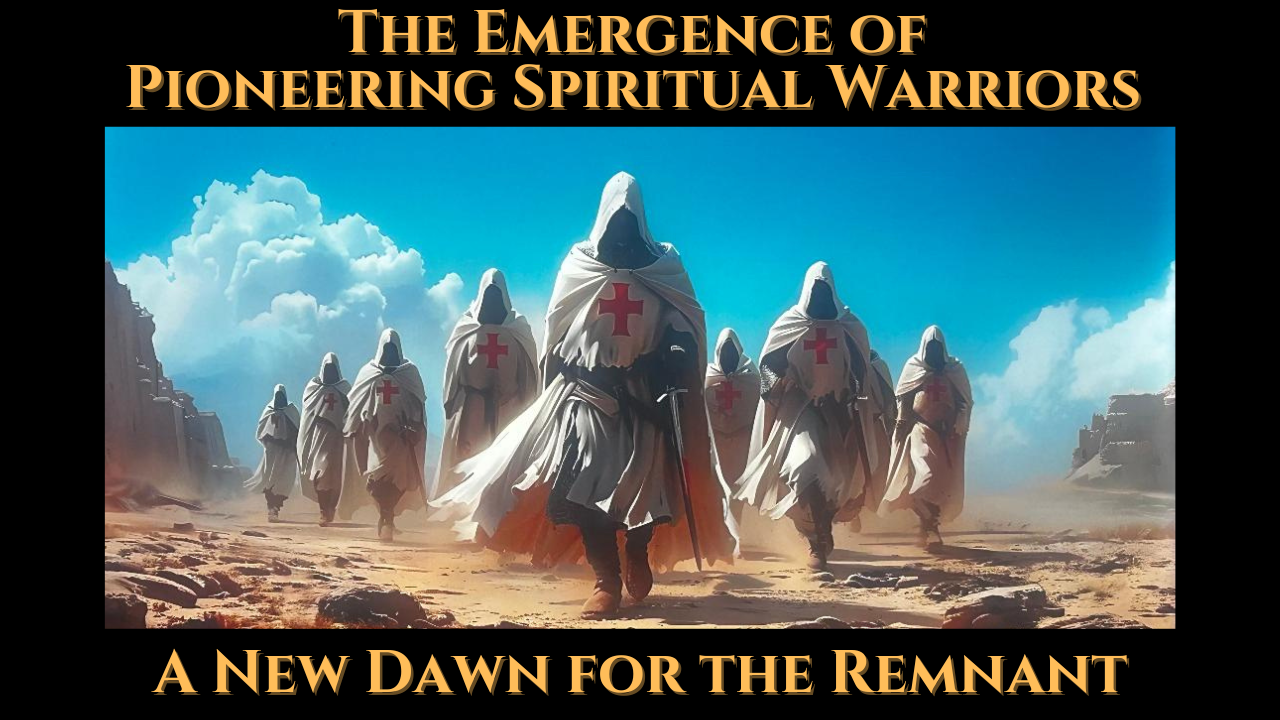
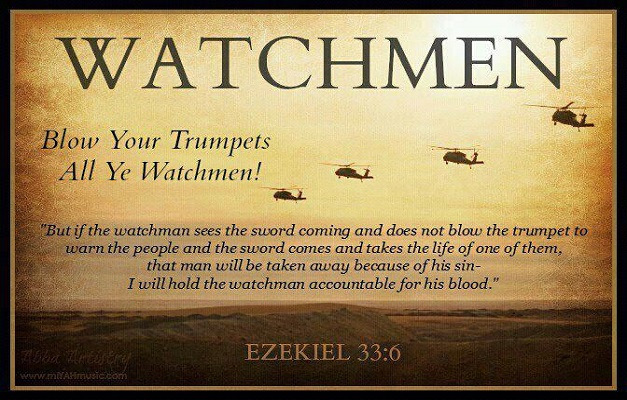





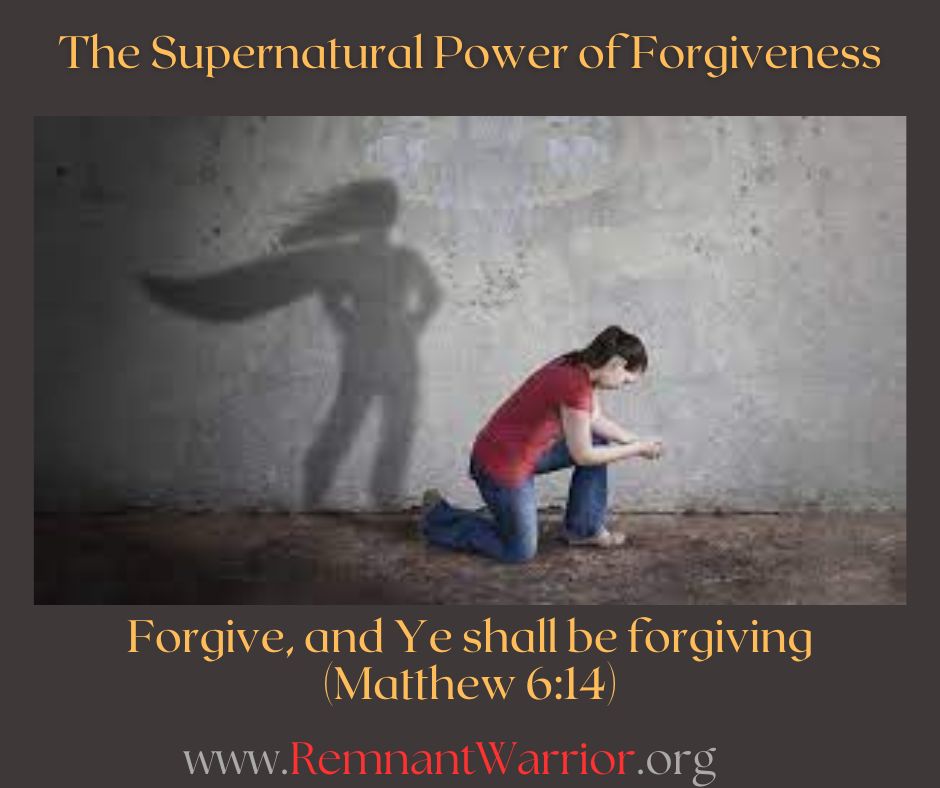
 Radical Disciples - A Remnant Revolution