Posts Tagged ‘Kingdom teaching’


Introduction to the book, Spirit-Wind People, written by Dr. Russell Welch
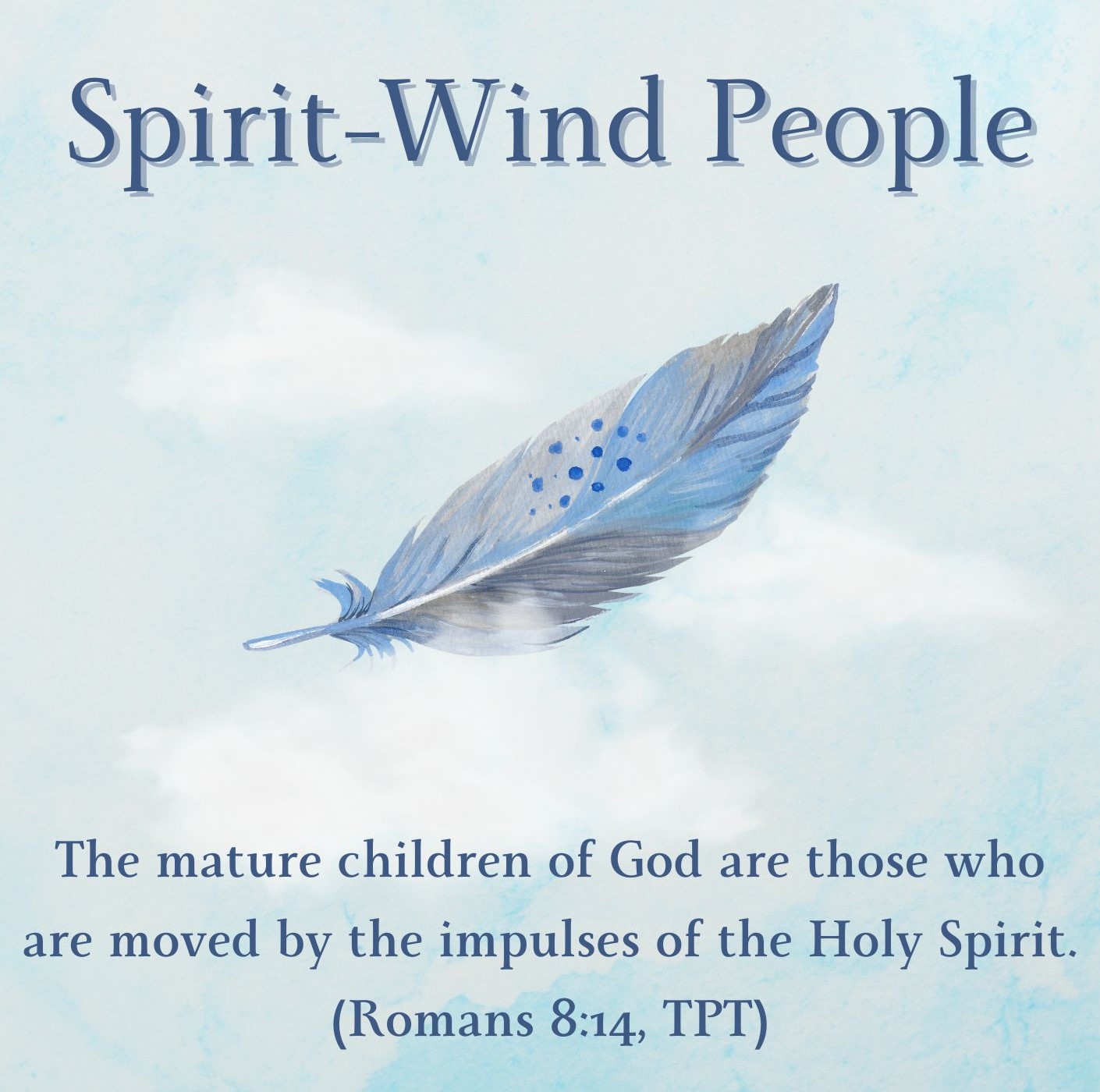
Spirit-Wind People – 1

Spirit Wind People

Those who are moved by the impulses of Holy Spirit

Preface

“The only way to do great work is to love what you do.” – Steve Jobs

At the heart of my latest offering lies a profound exploration into the very essence of spiritual fulfillment—living a life moved and shaped by the Holy Spirit. This book delves deep into the teachings of Romans Chapter 8, unfolding the rich tapestry of guidance it offers for navigating daily life under the influence of the Spirit.

Driven by a personal mission to bridge the gap between biblical teachings and practical, everyday application, I have penned this book to serve as a beacon for those seeking clarity and direction. The journey through these pages aims to equip you with knowledge and insights necessary to lead a life that not only adheres to spiritual doctrines but is also dynamically led by the Holy Spirit.

Over the years, in my role as Senior Pastor at Highway to Heaven Church, I’ve encountered numerous individuals who earnestly seek deeper spiritual engagement but grapple with the practicalities of such a commitment. Their struggles and triumphs alike have inspired me to craft a narrative that is not just instructive but also deeply empathetic to the spiritual dilemmas faced by believers today.

I am immensely grateful for the diverse experiences that have shaped my understanding and approach to ministry—from pest control management where I learned about persistence and attention to detail, to leading discipleship training which honed my skills in nurturing and guiding others. These experiences have enriched my perspective, allowing me to approach the writing of this book with both practical wisdom and spiritual depth.

This book would not have been possible without the inspiration drawn from various corners of my life—my early days of being saved at a David Wilkerson crusade, the impactful years spent ministering in jails and nursing homes, and not least, the supportive community at our church. Their stories and insights have been instrumental in shaping the narratives and strategies discussed in this book.

To every reader who has chosen to embark on this journey through these pages, your time and engagement are deeply appreciated. This book is crafted for anyone who feels a disconnect between their spiritual beliefs and their day-to-day actions. It’s for those who desire not just to understand but to practically live out their faith under the guidance of the Holy Spirit.

As we proceed, remember that this is more than just reading; it’s about transformation and empowerment. It’s about taking actionable steps towards a life vibrantly led by the Spirit. Thank you for trusting me to guide you through this journey. Let us step forward together into a deeper understanding and practice of living by the Spirit Wind.

Embark on this journey with an open heart, and may you find both enlightenment and practical strategies within these pages that resonate with your spiritual aspirations. Let’s continue our exploration together.

Chapter 1: The Compass Within

The sun had just begun its descent, casting long shadows across the narrow streets of the small coastal town. Maria walked slowly, her shoes scuffing against the cobblestones. The scent of saltwater mixed with the aroma of fresh bread from a nearby bakery. She clutched her worn leather bag closer, feeling the weight of decisions she needed to make.

Maria’s mind drifted back to earlier that morning when she’d knelt by her bedside, whispering prayers for guidance. Her grandmother used to say that the Holy Spirit was like a gentle breeze, always ready to steer you if you were willing to feel its touch. But today, Maria felt more like a ship adrift than one guided by any divine wind.

She stopped at a small café, its tables spilling out onto the street. The clinking of cups and low hum of conversations mingled with the distant cry of seagulls. Sitting down, she ordered a coffee and gazed out at the sea, its waves rhythmic and unending. She thought about Manuel, her fiancé, who wanted them to move to the city for better opportunities. Yet her heart tugged towards staying here where life was simple and familiar.

As she sipped her coffee, Maria recalled a recent conversation with Father Luis at church. He’d spoken about how sometimes the Holy Spirit’s guidance comes not as a clear voice but as an inner peace or restlessness. “When your spirit is uneasy,” he had said, “it might be because you’re ignoring what you know deep down is right.” His words echoed in her mind now as she watched children playing by the shore.

A gust of wind swept through the café’s terrace, rustling napkins and carrying away stray bits of conversation. Maria closed her eyes briefly and tried to listen—not just with her ears but with her heart—hoping for some sign or clarity amidst the chaos inside her head.

Suddenly, an old woman approached selling handmade trinkets. She reminded Maria of her grandmother with wrinkled hands and kind eyes that seemed to see right through her worries. As Maria purchased a small wooden cross from the woman’s basket, she wondered: Could this chance encounter be more than it seemed? Was it possible that even in this fleeting moment lay an answer waiting to be discovered?

Could it be that recognizing and responding to these subtle nudges was precisely how one learned to navigate life’s uncertainties?

Unlocking the Divine Compass Within

The Holy Spirit is more than an abstract concept; it functions as a dynamic guide, steering believers towards their spiritual destinations. This chapter delves into the profound role of the Holy Spirit as a divine compass, much like the wind guiding a ship. Unlike static guides, the Holy Spirit offers guidance that is both responsive and attuned to our circumstances and choices. This introductory chapter sets the stage for understanding how to live a life moved by the impulses of the Holy Spirit.

The first key takeaway from this chapter is understanding the role of the Holy Spirit as a dynamic guide. Think of it not as a rigid map but as an ever-present companion, adjusting to your path and providing direction in real-time. This responsive nature makes it essential for believers to remain open and attentive to its promptings. The Holy Spirit’s guidance is not merely about avoiding pitfalls but about navigating toward spiritual growth and fulfillment.

Secondly, we will explore how the Holy Spirit can direct your decisions and spiritual journey. Many believers often find themselves at crossroads, unsure of which path aligns with their divine purpose. By tuning into the Holy Spirit, you can receive clarity and direction in making choices that resonate with your faith and values. Whether it’s career decisions, personal relationships, or moments of moral dilemma, the Holy Spirit offers insights that transcend human wisdom.

The third focus will be on recognizing and responding to the Holy Spirit’s guidance daily. It’s one thing to understand that guidance exists; it’s another to actively seek and follow it. Practical strategies will be shared on how to cultivate an awareness of the Holy Spirit’s presence in everyday life. From daily prayer routines to mindfulness practices, these approaches help you stay connected and receptive to divine direction.

As we delve deeper into this book, we aim to address the lack of in-depth understanding about living a life governed by the Holy Spirit, as depicted in Romans Chapter 8. Many struggle with comprehending what it means to be led by the Holy Spirit practically. This book seeks to bridge that gap by providing clear, actionable insights into integrating this divine guidance into every facet of life.

By exploring Romans Chapter 8, readers will gain not only a theological understanding but also practical applications of living under the influence of the Holy Spirit. Apostle Paul emphasized that living according to the Spirit leads to life and peace—a stark contrast to living according to fleshly desires which lead to death. Our goal is to equip you with knowledge and spiritual tools necessary for this transformative way of life.

Living a Holy Spirit-led life involves surrender—a concept often fraught with confusion and uncertainty. Through this chapter and subsequent ones, we will break down what true surrender looks like without losing personal agency or feeling lost in ambiguity. Surrendering is about aligning your will with divine purposes, allowing yourself to be guided rather than controlled.

Ultimately, this chapter serves as both an introduction and a roadmap for those seeking a deeper connection with the Holy Spirit. By understanding its role as a dynamic guide, identifying ways it can direct your path, and learning how to recognize its presence daily, you are setting yourself up for a spiritually enriched journey that aligns closely with divine intent. This foundation will empower you throughout this book’s exploration of living as Spirit Wind People, moving harmoniously under the impulses of the Holy Spirit.

This journey promises not just knowledge but transformation—leading you toward a life characterized by spiritual depth, purpose, and peace.

Understanding the Holy Spirit as a Dynamic Guide

The role of the Holy Spirit in the life of a believer is often likened to that of a navigator in the vast ocean of existence. Just as a navigator provides direction, the Holy Spirit guides individuals through the complexities of life. This guidance is not static or rigid; it adapts and responds to the situations each person faces. The Holy Spirit’s role is crucial in helping believers make decisions that align with their faith and values.

Imagine you are sailing across an uncharted sea. Without a compass, your journey could quickly lead to confusion or even danger. Similarly, without the Holy Spirit, believers might find themselves lost in their spiritual journey. The Holy Spirit acts like an internal compass, pointing towards the north star of divine will. This metaphor helps us grasp how essential the Holy Spirit is in navigating life’s moral and spiritual challenges.

It is important to recognize that this guidance is highly personalized. What works for one individual may not be the same for another because everyone’s life journey is unique. The Holy Spirit understands these differences and tailors guidance to suit each person’s specific circumstances and spiritual maturity.

This personalized guidance encourages growth and development in faith. Believers are urged to remain sensitive to these divine prompts, which often come during moments of prayer or reflection. By tuning into this guidance, believers can make choices that foster spiritual growth and deeper connection with their faith community.

The Holy Spirit serves as a dynamic guide, offering tailored spiritual navigation for each believer’s unique journey.

Identifying Ways the Holy Spirit Directs Decisions

The influence of the Holy Spirit in decision-making can often be subtle yet profound. Believers might experience this as a sudden insight during prayer, an unexplainable peace about a particular decision, or even through advice that resonates deeply when shared by others in their community.

This influence extends beyond personal comfort or assurance; it involves steering believers toward actions that uphold spiritual truths and ethical integrity. For instance, when faced with moral dilemmas, believers may feel an inner conviction that guides them to act honorably and justly.

Consider the scenario where you must choose between two job offers. One position pays more but requires compromising on values you hold dear; the other pays less but aligns with your ethical beliefs. In such cases, believers might sense the Holy Spirit nudging them towards the choice that maintains their integrity, even if it seems less beneficial at surface level.

Engaging with scripture is another vital way through which the Holy Spirit directs decisions. Scriptures can often offer timely wisdom and clarity, acting as a mirror reflecting God’s will in various circumstances.

To deepen understanding of this divine direction, believers are encouraged to cultivate a regular prayer life and engage actively with their faith community. These practices help maintain an open heart and mind, which are essential for discerning the Holy Spirit’s guidance accurately.

What might change if you viewed every decision as an opportunity to experience divine guidance?

Recognizing and Responding to Daily Guidance from the Holy Spirit

Recognizing the guidance of the Holy Spirit involves developing a heightened sense of spiritual sensitivity. This can be likened to tuning into a specific radio frequency where divine signals are broadcasted clearly amidst life’s noise.

Daily practices such as prayer, meditation on scriptures, and moments of quiet reflection contribute significantly to this spiritual attunement. Over time, these practices enhance one’s ability to perceive subtle promptings which might otherwise go unnoticed amidst daily routines.

Responding effectively to these promptings involves courage and trust. It requires acting on divine insights even when they contradict conventional wisdom or personal desires. For example, being led to forgive someone who has wronged you might seem difficult from a human standpoint but could be a clear directive from the Holy Spirit towards healing and freedom.

A practical step-by-step approach can aid in this process:

  1. Pause: Take time regularly to quiet your mind and listen.
  2. Perceive: Pay attention to feelings, thoughts, or scriptures that resonate during these times.
  3. Ponder: Consider what these promptings might mean practically.
  4. Proceed: Take actionable steps based on this understanding while maintaining openness for further guidance.

By consistently applying these steps, believers can more readily recognize when they are being guided by the Holy Spirit and respond appropriately.

The key learning objectives converge here: recognizing our dynamic guide in everyday decisions leads us into deeper communion with our spiritual selves through attentive discernment and active response—this is how we live guided by the Holy Spirit every day.

As we wrap up this first chapter, it’s vital to grasp the immense significance of recognizing the Holy Spirit as a dynamic guide in your life. The Holy Spirit isn’t a passive observer but an active participant, constantly steering and guiding you through the complexities of your spiritual journey. By understanding this role, you unlock a profound resource that offers wisdom, direction, and comfort in every situation.

Identifying how the Holy Spirit directs your decisions is not just beneficial—it’s transformative. This divine guidance empowers you to make choices aligned with higher purposes and deeper truths. Embracing this can lead to more meaningful experiences and a heightened sense of purpose in your daily life.

Moreover, learning to recognize and respond to the Holy Spirit’s guidance daily is a practice that can enrich every aspect of your existence. It’s about being attuned to subtle prompts and bold directives alike, ensuring that you remain on a path that is both fulfilling and divinely orchestrated. This practice fosters a closer relationship with the divine and cultivates a life marked by peace, clarity, and purposeful action.

Looking Ahead

As you journey through this book, you’ll delve deeper into these themes and discover even more ways to harness the power of the Holy Spirit in your life. Each chapter builds on these foundational insights, offering practical advice, inspiring stories, and actionable steps to help you become more attuned to this divine compass.

You’ll explore how others have experienced transformative guidance from the Holy Spirit and learn strategies for overcoming obstacles that may impede your spiritual growth. The chapters ahead are designed to equip you with tools and wisdom that will empower you to live a life moved by divine impulses.

Embrace the Journey

Get ready for an exciting adventure! The pages that follow promise not just knowledge but transformation. By fully engaging with the content, you’ll find yourself increasingly aware of the Holy Spirit’s presence and guidance in your daily life. This awareness will lead to decisions imbued with wisdom, actions driven by love, and a heart open to divine inspiration.

Stay engaged, stay curious, and most importantly, stay open. The journey ahead holds incredible potential for growth and discovery. Embrace it wholeheartedly, knowing that you’re being guided every step of the way by an unfailing divine presence.

Let this be just the beginning of an exhilarating exploration into what it truly means to be moved by the impulses of the Holy Spirit. Your spiritual adventure awaits!

~Dr. Russell Welch

Chapter Two will be released on Tuesday, June June 11, 2024


Being Kingdom Influencers

In the fast-paced, often demanding world of professional life, maintaining our Christian faith can feel like a daunting challenge. How to maintain your Christian faith in a work environment is a question that many of us grapple with, as we strive to balance the competing priorities of our careers and our spiritual well-being. However, with God’s guidance and an unwavering commitment to our beliefs, we can uphold our faith-based professionalism and integrate it seamlessly into our professional lives.

This comprehensive guide will explore practical strategies and biblical principles that will help us cultivate a Christ-centered work culture, find spiritual nourishment, and inspire others through our Christian workplace ethics. By embracing these principles, we can not only preserve our own spiritual resilience at work but also contribute to the creation of a Christian leadership principles-driven work environment that honors God.

Key Takeaways

  • Maintain a Christ-centered mindset in the workplace.
  • Integrate spiritual practices into your daily routine.
  • Navigate workplace challenges with grace and integrity.
  • Build a supportive community of like-minded colleagues.
  • Lead by example and inspire others through your faith-based conduct.

Understanding the Importance of Faith at Work

As Christians, our faith should not be confined to our personal lives but should be the foundation that guides us in all aspects of our lives, including our professional endeavors. By cultivating a Christ-centered mindset, we can approach our work with a deeper sense of purpose, recognizing that our careers are an extension of our calling to glorify God.

Cultivating a Christ-Centered Mindset

When we approach our work with a Christ-centered mindset, we acknowledge that our professional responsibilities are not merely a means to an end but rather a sacred trust bestowed upon us by our heavenly Father. This perspective empowers us to view our careers as a platform to uphold values in the workplace and maintain spiritual integrity through our faith-based conduct.

The Role of Faith in Professional Excellence

Our Christian workplace ethics and faith-based professionalism can also play a vital role in driving us toward professional excellence. As we strive to honor God through the quality of our work and the way we interact with our colleagues, our Christian leadership principles become a powerful catalyst for success, ultimately contributing to a Christ-centered work culture.

Integrating Faith into Your Daily Routine

Maintaining our Christian faith in the workplace requires intentional effort and a commitment to integrating spiritual practices into our daily routines. By starting our workday with prayer, we can set the tone for the day and ask God to guide us in our professional responsibilities. This simple act of devotion can help us remain grounded in our faith and approach our work with a renewed sense of purpose.

In addition to morning prayer, we can also find Moments for spiritual reflection throughout the day, such as during our lunch breaks or commutes. Whether it’s reading a devotional, listening to an uplifting podcast, or simply taking a few minutes to meditate on God’s Word, these intentional pauses can help us stay connected to our faith and draw strength from our relationship with God. By integrating these spiritual practices into our daily routines, we can cultivate the spiritual resilience necessary to navigate the challenges of the workplace while balancing our faith and career responsibilities.

As we diligently uphold our values in the workplace and maintain our spiritual integrity, these daily moments of prayer and reflection will serve as anchors, grounding us in our faith and empowering us to be witnesses for Christ within our professional spheres.

Navigating Workplace Challenges with Grace

As Christians navigating the professional landscape, we will inevitably face various challenges and difficulties in the workplace. From dealing with criticism to navigating complex ethical situations, these trials have the potential to test our faith and our resolve. However, by responding with grace, humility, and a steadfast commitment to our spiritual beliefs, we can set an example of Christ-like behavior and maintain our integrity, even in the midst of adversity.

Responding to Criticism with Humility

Criticism, whether constructive or unjustified, can be a difficult pill to swallow in the workplace. Yet, as people of faith, we are called to respond with humility and a spirit of understanding. By approaching criticism with an open mind, we can use it as an opportunity for personal growth and to demonstrate our commitment to continuous improvement. This not only honors God but can also inspire our colleagues to reconsider their own biases and foster a more positive, collaborative work environment.

Maintaining Integrity in Difficult Situations

Navigating complex ethical dilemmas in the workplace can be a true test of our faith-based professionalism. When faced with difficult choices, we must remain steadfast in our commitment to upholding values in the workplace and maintaining spiritual integrity. By seeking guidance from the Scriptures, engaging in prayer, and relying on the Holy Spirit to lead us, we can make decisions that glorify God and demonstrate the transformative power of our Christian faith, even in the face of adversity.

Throughout these challenges, it is essential that we approach them with grace, humility, and a spirit of resilience. This not only honors God but can also inspire our colleagues, foster a Christ-centered work culture, and contribute to our long-term spiritual resilience at work.

How to maintain your Christian Faith in a work work environment

Maintaining our Christian faith in a work environment can be challenging, as we navigate the pressures, distractions, and competing priorities that often come with professional life. However, by intentionally and consistently applying the strategies and principles outlined in this guide, we can cultivate a strong, unwavering faith that shapes every aspect of our work.

One key aspect of maintaining our faith-based professionalism is to foster a Christ-centered mindset. This means approaching our work with the understanding that our careers are an extension of our calling to glorify God, rather than simply a means to an end. By recognizing the divine purpose behind our professional responsibilities, we can infuse our work with spiritual resilience and a deep sense of purpose.

Additionally, it is crucial to balance our faith and career by prioritizing time for spiritual growth. This could involve starting our workday with prayer, finding moments for reflection throughout the day, or engaging in regular Bible study and fellowship with like-minded colleagues. By nourishing our relationship with God, we can maintain the spiritual integrity necessary to navigate the workplace challenges that may arise.

Strategies for Maintaining Christian Faith in the WorkplaceBenefits
Cultivating a Christ-Centered MindsetInfuses work with divine purpose, fosters spiritual resilience
Prioritizing Time for Spiritual GrowthMaintains spiritual integrity, provides strength to navigate challenges
Engaging in Workplace Evangelism with WisdomShares the Gospel while respecting diversity, builds bridges
Embodying Christian Values in Professional ConductSets a powerful example, contributes to a Christ-centered work culture

By diligently applying these principles and strategies, we can uphold our values in the workplace, maintain our spiritual integrity, and inspire our colleagues through our faith-based professionalism and Christian leadership principles. Ultimately, our goal is to cultivate a Christ-centered work culture that glorifies God and reflects His love and grace.

Building a Supportive Community

One of the most powerful ways to maintain our Christian faith in the how to maintain your Christian faith in a work environment is to build a supportive community of like-minded believers. By connecting with colleagues who share our faith, we can encourage one another, pray together, and find strength in our shared commitment to a Christ-centered work culture.

Connecting with Like-Minded Colleagues

Seeking out and cultivating relationships with coworkers who share our Christian workplace ethics can be a game-changer in our journey to uphold our faith-based professionalism in the workplace. Through these meaningful connections, we can find a sense of spiritual belonging, offer mutual support, and challenge one another to grow in our workplace evangelism.

Participating in Faith-Based Workplace Groups

In addition to building individual relationships, we can further reinforce our Christian workplace ethics by engaging in faith-based workplace groups, whether formal or informal. These spaces provide opportunities for fellowship, accountability, and spiritual growth, equipping us to navigate the unique challenges we face as believers in a professional setting. By participating in these groups, we can deepen our connection with the body of Christ and find renewed strength to maintain our how to maintain your Christian faith in a work environment.

Leading by Example

As Christians in the workplace, we are called to be salt and light, influencing our colleagues and the broader work culture through the way we conduct ourselves.

By embodying Christian values such as integrity, compassion, and humility in our daily interactions, we can set a powerful example that inspires others to follow suit. Furthermore, by embracing a servant leadership approach that prioritizes the needs of our team and the greater good, we can demonstrate the transformative power of our faith-based principles, ultimately contributing to the creation of a more Christ-centered work environment.

Embodying Christian Values in Your Conduct

When we uphold values like honesty, diligence, and respect in our professional conduct, we not only honor God but also earn the trust and admiration of our colleagues. By maintaining spiritual integrity even in the face of workplace challenges, we show that our faith is not just a personal conviction, but a living, breathing part of who we are.

Inspiring Others Through Servant Leadership

As Christian leaders, we have the opportunity to model a distinctive style of leadership that is rooted in humility, service, and a genuine concern for the well-being of our team. By prioritizing the needs of others and empowering them to succeed, we can inspire our colleagues to embrace a faith-based professionalism that transforms the workplace culture.

Balancing Faith and Professional Responsibilities

Maintaining a healthy balance between our faith and professional responsibilities is crucial for preserving our spiritual well-being in the workplace. As we navigate the demands of our careers, it is essential to establish healthy boundaries that protect our time for prayer, Bible study, and other spiritual practices, ensuring that our work does not consume or overtake our relationship with God.

Setting Healthy Boundaries

One of the keys to balancing faith and career is setting clear boundaries that prioritize our spiritual growth and well-being. This may involve carving out dedicated time for devotions, limiting after-hours work, or stepping away from work-related activities during our Sabbath. By establishing these boundaries, we can uphold our values in the workplace and maintain our spiritual integrity without sacrificing our commitment to professional excellence.

Prioritizing Time for Spiritual Growth

In addition to setting healthy boundaries, it is essential that we make time for spiritual growth amidst the demands of our work. Whether it’s through regular Bible study, prayer, or fellowship with other believers, dedicating intentional time to nurture our relationship with God will help us maintain our Christian faith in a work environment and approach our work with a renewed sense of purpose and divine inspiration.

By striking a careful balance between our faith and professional responsibilities, we can maintain our Christian values in the workplace and serve as beacons of hope and integrity in the often-challenging world of business.

Sharing Your Faith with Wisdom

As Christians, we are called to share the good news of the Gospel, but in the workplace, this must be done with wisdom, sensitivity, and respect for the diverse perspectives and beliefs of our colleagues. By approaching faith-based conversations with an open and compassionate mindset, we can engage in meaningful dialogue that fosters understanding, builds bridges, and creates opportunities to demonstrate the transformative power of our faith.

Respecting Diversity in the Workplace

Our workplaces are often microcosms of the broader society, reflecting a wide range of religious, cultural, and personal backgrounds. As we strive to maintain our Christian faith in this environment, it is essential that we approach our interactions with a spirit of humility and respect for the diversity around us. This means actively listening to our colleagues, seeking to understand their beliefs and experiences, and avoiding any language or behavior that could be perceived as dismissive or judgmental.

Engaging in Meaningful Dialogue

When opportunities arise to discuss our faith, we must do so with wisdom and discernment. Rather than engaging in confrontational or argumentative conversations, we should focus on building relationships and creating an atmosphere of trust and openness. By asking thoughtful questions, sharing our personal experiences, and highlighting the positive impact our faith has had on our lives, we can invite our colleagues to consider the transformative power of Christ-centered living, all while respecting their own beliefs and journeys.

Conclusion

Maintaining our Christian faith in the work environment is a journey that requires unwavering commitment, intentionality, and a steadfast reliance on God’s guidance. By cultivating a Christ-centered mindset, integrating spiritual practices into our daily routines, navigating challenges with grace, building a supportive community, leading by example, and balancing our faith and professional responsibilities, we can fulfill our calling to be salt and light in the professional realm.

As we continue to walk this path, may our faith-based conduct and witness inspire our colleagues, transform the work culture, and ultimately bring glory to our heavenly Father. Through our commitment to upholding values in the workplace, demonstrating spiritual resilience at work, and fostering a Christ-centered work culture, we can serve as beacons of faith-based professionalism and Christian leadership principles in the ever-evolving workplace.

Let us embrace this journey with unwavering faith, moral integrity, and a deep desire to balance faith and career, all while remaining firmly rooted in the Christian workplace ethics that define our identity as followers of Christ. Together, we can navigate the complexities of the work environment and maintain our Christian faith with boldness, grace, and a steadfast commitment to God’s plan for our professional lives.

FAQ

How can we cultivate a Christ-centered mindset in the workplace?

By recognizing that our careers are an extension of our calling to glorify God, we can approach our work with a deeper sense of purpose. This Christ-centered mindset will help us strive for professional excellence and honor God through the quality of our work and our interactions with colleagues.

Why is it important to integrate spiritual practices into our daily work routines?

Starting the workday with prayer and finding moments for spiritual reflection throughout the day can help us stay grounded in our faith and draw strength from our relationship with God. This intentional effort to integrate our faith into our daily routines is crucial for maintaining our spiritual well-being in the workplace.

How can we respond to workplace challenges with grace and humility?

By responding to criticism with humility and maintaining our integrity in difficult situations, we can set an example of Christ-like behavior and honor God, even in the midst of adversity. This approach not only preserves our spiritual integrity but can also inspire our colleagues and foster a positive, faith-based work culture.

What are the benefits of building a supportive community of like-minded colleagues?

Connecting with colleagues who share our faith can provide us with encouragement, accountability, and opportunities for fellowship and spiritual growth. Participating in faith-based workplace groups can further reinforce our ability to uphold our beliefs in a professional setting.

How can we lead by example and inspire others through our faith-based conduct?

By embodying Christian values such as integrity, compassion, and humility in our daily interactions, we can set a powerful example that inspires others to follow suit. Furthermore, embracing a servant leadership approach that prioritizes the needs of our team and the greater good can demonstrate the transformative power of our faith-based principles.

How can we balance our faith and professional responsibilities in a healthy way?

Setting healthy boundaries that protect our time for prayer, Bible study, and other spiritual practices is crucial for preserving our spiritual well-being in the workplace. By prioritizing time for spiritual growth, we can continually renew our minds, deepen our connection with the Lord, and approach our work with a renewed sense of purpose and divine inspiration.

How can we share our faith with wisdom and respect in the workplace?

By approaching faith-based conversations with an open and compassionate mindset, we can engage in meaningful dialogue that fosters understanding, builds bridges, and creates opportunities to demonstrate the transformative power of our faith. This delicate balance between evangelism and cultural awareness is essential for maintaining our Christian witness in a professional setting.

For more on this topic check out my newest book coming out on July 4, 2024;

Which can be pre-ordered here: https://www.amazon.com/dp/B0D3MCVYQV

May the Lord greatly bless you in your faith walk, and may Holy Spirit empower you every day with the boldness and courage to continue being a perfect reflection of the Father, in Christ, to the world.

~Russ Welch A.K.A. WindWalker


Beyond the Shadows: A Journey from the Life of Addiction to Absolute Freedom in Christ, written by Dr. Russell Welch

Preface

“The only way to deal with an unfree world is to become so absolutely free that your very existence is an act of rebellion.”

 – Albert Camus

I

In the heart of every person lies a yearning for freedom, a desire so profound and universal that it transcends the physical realm, touching the very essence of our being. This book is a testament to the transformative power of faith, a journey from the depths of addiction into the liberating embrace of absolute freedom in Christ. It is not merely a collection of words but a beacon of hope for those who feel ensnared by the chains of addiction, broken relationships, and disillusionment with traditional religious practices.

I was compelled to write this book not out of a desire to tell my story, but from a place of deep empathy and understanding for those who are where I once was. Struggling in the darkness, feeling utterly lost, and craving something more than what this world could offer. Through my own journey of falling and rising, I discovered a profound truth: true freedom is found not in escaping life’s trials but in facing them head-on with Christ by your side.

This book aims to bridge the gap between despair and hope, offering readers not just anecdotal evidence but tangible, practical steps towards embracing their own journey towards spiritual enlightenment and leadership. It is tailored for individuals who seek more than just fleeting moments of faith; it is for those who yearn for a radical transformation that infuses every aspect of their lives with purpose, impact, and an unwavering relationship with God.

I’ve woven throughout these pages the stories of individuals—hypothetical yet deeply rooted in reality—who mirror the struggles and aspirations of our intended readers. These narratives serve as both mirrors and windows: mirrors reflecting back your own experiences with unflinching honesty, and windows opening up to vistas of what could be if you dare to believe in what God can do through you.

Inspiration for this work sprang from various sources—personal encounters with grace, the poignant stories of those I’ve had the privilege to mentor, and most importantly, my own narrative of redemption. This journey would have been impossible without the unwavering support of family, friends, and mentors who believed in me even when I had lost all belief in myself.

As you invest your time and attention into these pages, know that you are not merely reading a book. You are embarking on a voyage towards discovering an unshakeable foundation for your life. This book is for anyone who feels trapped in cycles of addiction and disillusionment but craves a genuine transformation. It requires no prerequisites other than an open heart and a willingness to explore the depths of your soul.

Thank you for choosing to embark on this journey with me. My prayer is that as you turn each page, you will find yourself drawing closer to the absolute freedom that awaits you in Christ. May this book be a guidepost, illuminating your path as you navigate through the shadows towards a life filled with light, purpose, and an intimate relationship with God.

Continue reading, dear traveler, for within these chapters lies the blueprint for a life transformed—a life beyond the shadows.


Release date set for June 4, 2024
Embark on a Quest for Biblical Clarity
The Path to Unveiling Spiritual Mysteries Begins Here

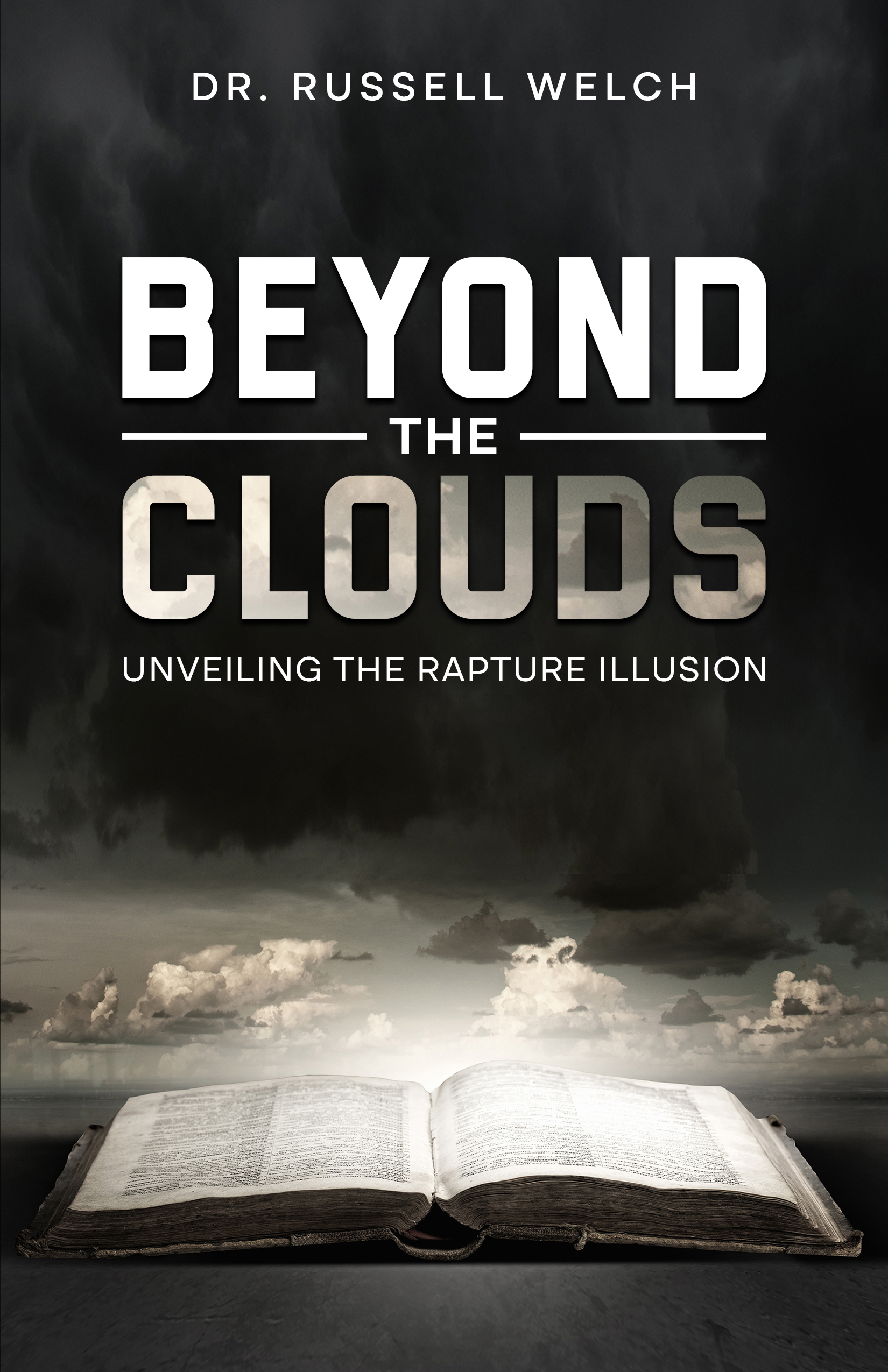
Have you ever stood at the edge of your faith, gazing up at doctrines towering like cloud-capped towers, and wondered if they might be illusions? “Beyond the Clouds: Unveiling the Rapture Illusion” written b y Dr. Russell Welch, is your invitation to a transformative journey—one that will navigate through the mists of misconception and ascend into the clear expanse of truth.

Dare to Question What You Know

Has a whisper of doubt ever rustled the pages of your beliefs about the end times? It’s a whisper that beckons you towards a voyage of courage and conviction, inviting you to not only question but also earnestly seek what lies beyond.

The Courage to Embrace Authentic Faith

Delve into this exploration with an open heart. Like a trusted friend who guides you through uncharted territories, this book offers a warm hand as you traverse the rugged terrain of theological understanding.

A Tapestry of Truth Woven with Scholarly Threads
Rediscovering Foundations in Faith’s Great Tapestry

“Beyond the Clouds” unfolds a rich tapestry that interweaves historical scholarship with scriptural insight. This is no mere critique; it’s a quest that revisits the origins and implications of Pre-Tribulation Rapture theory, beckoning believers to align their eschatological vision with the cornerstone of scripture.

Themes That Resonate with Heart and Mind
  • Embark on an odyssey through time to challenge established doctrines.
  • Traverse the landscapes of history to unearth theological roots.
  • Redefine your horizon with reimagined perspectives on what’s to come.
For Seekers and Shepherds Alike

Whether you stand at the pulpit or sit in the pews, if your spirit yearns for a deeper dive into biblical waters, this book extends its hand. To those who teach, those who ponder, and all who seek alignment between belief and biblical truth—this journey is for you.

Discoveries Await Within These Pages
A Compass Pointing Towards Scriptural North

Navigate through theological fog with newfound clarity. “Beyond the Clouds” is both map and compass, guiding readers away from faulty interpretations towards an enriched faith anchored in scripture.

Highlights That Illuminate Your Path
  • Traverse comprehensive explorations into beliefs about what lies ahead.
  • Find companionship in personal stories that mirror your own quest for truth.
  • Gain practical wisdom for respectful dialogue within your spiritual community.
Equip Yourself for The Journey Ahead
  • Forge resilience in faith when faced with doctrinal challenges.
  • Learn strategies for meaningful conversations about theology.
  • Align personal beliefs more closely with biblical teachings.
Chart Your Course Toward Spiritual Enlightenment
Heed the Call Towards Truth and Transformation

The voyage into “Beyond the Clouds: Unveiling the Rapture Illusion” is an embarkation point toward spiritual growth. It’s where curiosity meets revelation—where each page turned is a step further on your pilgrimage.

Set Sail Into Engaging Realms of Reflection
  1. Contemplate Theological Mysteries: Engage with a thought-provoking discourse on doctrine, history, and faith.
  2. Savor Words That Stir The Soul: Immerse yourself in narratives that blend critical thought with heartfelt insight.
  3. Journey Through Transformative Chapters: Encounter moments that challenge comfort zones and foster humility.
  4. Awaken an Insatiable Curiosity: Leave each chapter with an ignited passion for exploring deeper truths.

Embark on this expedition not just as a reader but as a seeker. Let “Beyond the Clouds: Unveiling the Rapture Illusion” be both your guidebook and companion. Order your copy today—and together, let us step out from shadows into light, from echoes into voice, from illusion into clarity.

~Remnant Warrior Publishing


Welcome to our exploration of the profound meaning of 1 John 2:19 and its implications for how we approach Church. In this section, we will delve into the biblical interpretation of this verse and discuss the importance of following God’s will rather than human agendas when it comes to our faith community.

Key Takeaways:

  • 1 John 2:19 reveals that there are those who were never meant to be with us in our fellowship.
  • This verse invites us to critically assess and discern false teachings and false prophets.
  • We should prioritize following God’s will and aligning ourselves with His truth, rather than being swayed by human influence.
  • Understanding the implications of 1 John 2:19 can help us cultivate authentic faith communities and overcome divisions.
  • By nurturing discernment and wisdom, we can safeguard ourselves and our fellow believers from falling into false teachings.

Understanding 1 John 2:19

In order to gain a deeper understanding of the biblical meaning of 1 John 2:19, it is crucial to carefully examine the specific words and context of this verse. This will provide us with insights into the implications of false prophets and the fulfillment of biblical prophecies.

“They went out from us, but they were not of us; for if they had been of us, they would have continued with us. But they went out, that it might become plain that they all are not of us.”

This verse clearly highlights the presence of false prophets who may have initially been part of the community but eventually departed. The phrase “they went out from us” indicates that these individuals were once among the believers but were never truly aligned with the genuine teachings and spirit of Christ.

When we analyze the expression “they were not of us,” it becomes evident that these false prophets did not share the true faith and were not genuine members of the community. They may have presented themselves as part of the fellowship, but their departure reveals their true colors.

Furthermore, 1 John 2:19 conveys the idea that the departure of these false prophets serves a greater purpose in the divine plan. It states, “But they went out, that it might become plain that they all are not of us.” This suggests that their departure serves as a means to expose their false motives and teachings, ultimately revealing the authenticity of the genuine believers who remain.

This verse also emphasizes the fulfillment of biblical prophecies regarding the presence of false prophets and their eventual exposure. It echoes the warnings of Jesus in Matthew 7:15-16, where he cautions about false prophets and instructs us to be discerning in recognizing them by their fruits.

Thus, by understanding the specific words and context of 1 John 2:19, we gain valuable insights into the biblical meaning of this verse and its relevance in identifying false prophets and the fulfillment of divine prophecies.

Key PointsImplications
False prophets departed from the communityThey were never truly aligned with the genuine teachings of Christ
Their departure serves a purpose in divine planExposes their false motives and teachings
1 John 2:19 aligns with Jesus’ warnings about false prophetsReveals the importance of discernment in recognizing false prophets

The Role of Predestination in 1 John 2:19

In this section, we will explore the concept of predestination and its connection to 1 John 2:19. Understanding the role of predestination in this verse is essential to grasp the profound nature of God’s sovereign plan and the fulfillment of His promises.

Predestination is a biblical principle that suggests God has predetermined certain events and destinies according to His divine plan. It is a topic that raises questions and invites contemplation, particularly when it intersects with verses like 1 John 2:19. To better comprehend the significance of predestination in this context, let us examine this verse and its implications.

“They went out from us, but they did not really belong to us. For if they had belonged to us, they would have remained with us; but their going showed that none of them belonged to us.” – 1 John 2:19 (NIV)

This verse highlights the departure of certain individuals who, despite being part of the community of believers, ultimately revealed that they were not truly aligned with the teachings and convictions of the group. While it may appear as a straightforward observation, a deeper analysis reveals the theological concept of predestination.

When we consider the idea that those who departed were never truly meant to be in fellowship with the believers, it raises the question of God’s predestined plan. The verse suggests that their departure from the community was not accidental, but rather a manifestation of their true nature.

Within the framework of predestination, this verse implies that some individuals were never destined to be a part of the faithful community. Their departure serves as evidence of this predetermined outcome. This understanding aligns with the broader biblical narrative that speaks of God’s sovereignty and His fulfillment of prophetic promises.

By recognizing the role of predestination in 1 John 2:19, we gain insight into God’s divine plan and how it involves the formation and refinement of His faithful community. It highlights the importance of discernment and staying true to the teachings of Christ, as those who truly belong will remain while others may fall away.

Key Takeaways:

  • Predestination is a biblical concept that implies God’s predetermined plan for certain events and destinies.
  • 1 John 2:19 suggests that some individuals who departed from the community of believers were never meant to be a part of it.
  • Understanding predestination in this verse reinforces the idea of God’s sovereign plan and the fulfillment of His promises.
  • Discernment and adherence to the teachings of Christ are essential in identifying those who truly belong to the faithful community.

Discerning True Fellowship

1 John 2:19 offers invaluable guidance when it comes to discerning true fellowship within the Church. This verse helps us identify individuals who may be false prophets or not genuinely aligned with the teachings of Christ. By understanding the significance of this verse, we can navigate the complexities of spiritual discernment with wisdom and clarity.

The Impact of False Prophets

False prophets have existed throughout history, and their influence continues to present challenges within the Church. These individuals may claim to speak on behalf of God, but their teachings and actions contradict the truth found in the Bible. They may deceive and mislead others, leading them away from the path of righteousness.

“Beware of false prophets, who come to you in sheep’s clothing but inwardly are ravenous wolves.” – Matthew 7:15

False prophets can cause divisions, confusion, and harm to the spiritual well-being of believers. Their deceptive practices pose a threat to the unity and authenticity of the Church. It is essential, therefore, to discern true fellowship and identify those who may be false prophets according to the teachings of Scripture.

Never Meant to Be with Us

1 John 2:19 provides a powerful reminder that those who depart from the teachings of Christ were never genuinely meant to be with us, the true followers of Jesus. This verse states:

“They went out from us, but they were not of us; for if they had been of us, they would have continued with us. But they went out, that it might become plain that they all are not of us.” – 1 John 2:19

This verse emphasizes the distinction between those who are true believers and those who merely associate themselves with the Church for the wrong reasons. It helps us recognize that genuine fellowship is built upon a firm foundation of faith in Christ and adherence to His teachings.

Discernment and Wisdom

Discernment plays a vital role in identifying false prophets and discerning true fellowship within the Church. By immersing ourselves in the Word of God and seeking wisdom from the Holy Spirit, we can develop the discernment necessary to differentiate authentic believers from those who may be false prophets.

It is crucial to remember that discernment is not about judging others, but rather about safeguarding the integrity of the Church and protecting ourselves from spiritual deception. By cultivating discernment and seeking God’s wisdom, we can foster a community of genuine believers who are united in their faith and work together to further God’s kingdom.

Avoiding Spiritual Deception

1 John 4:1 instructs us to test the spirits to discern whether they are from God, highlighting the importance of discernment in our spiritual journey:

“Beloved, do not believe every spirit, but test the spirits to see whether they are from God, for many false prophets have gone out into the world.” – 1 John 4:1

By relying on the wisdom and guidance of the Holy Spirit, studying the Scriptures diligently, and seeking accountability within our faith communities, we can guard ourselves against false teachings and spiritual deception.

Identifying True Fellowship

True fellowship encompasses more than simply attending Church gatherings or belonging to a religious community. It is about aligning ourselves with believers who share a genuine commitment to living out the teachings of Jesus and growing together in faith.

Characteristics of True Fellowship:

  • Love for one another: True fellowship is marked by genuine love and care for fellow believers.
  • Alignment with Scripture: True fellowship is founded on a shared commitment to the truths of the Bible and the teachings of Jesus Christ.
  • Accountability and growth: True fellowship encourages mutual accountability, growth, and edification in the faith.
  • Unity in purpose: True fellowship involves coming together for the purpose of advancing God’s kingdom and sharing the Gospel.
Identifying False ProphetsCharacteristics of True Believers
1. Promote teachings that contradict Scripture1. Align their beliefs and actions with the teachings of Jesus and the Bible
2. Display self-centered motives and agendas2. Demonstrate selflessness and humility in their interactions
3. Do not produce genuine spiritual fruit3. Exhibit the fruit of the Spirit, such as love, joy, peace, patience, kindness, goodness, faithfulness, gentleness, and self-control
4. Cause division and strife within the Church4. Seek unity, reconciliation, and harmony among believers

By discerning true fellowship and identifying false prophets, we can safeguard the authenticity and integrity of our faith communities. Let us strive to build relationships rooted in the teachings of Jesus, growing together in genuine fellowship, and advancing God’s purposes in unity and love.

Applying 1 John 2:19 to Church Practices

In this section, we will explore practical ways to apply the teachings of 1 John 2:19 in our Church practices. By understanding the interpretation of this verse, we can discern false teachings and ensure true alignment with God’s will in our fellowship.

Discerning False Teachings

One crucial aspect of applying 1 John 2:19 to our Church practices is the ability to discern false teachings. In today’s world, there are many voices competing for our attention, claiming to represent the truth. However, not all teachings align with the teachings of Christ.

“Beloved, do not believe every spirit, but test the spirits to see whether they are from God, for many false prophets have gone out into the world.” – 1 John 4:1

By testing the spirits and comparing teachings to the Word of God, we can identify false prophets and avoid being led astray. Prayer, study of Scripture, and seeking guidance from trusted spiritual leaders can help us develop the discernment needed to navigate the complexities of false teachings.

Aligning with God’s Will

Another crucial aspect of applying 1 John 2:19 to our Church practices is ensuring true alignment with God’s will. It is easy for human agendas and personal preferences to overshadow God’s purpose for His Church. To avoid this, we must constantly evaluate our actions and decisions, making sure they align with the teachings and principles of Scripture.

“Trust in the Lord with all your heart, and do not lean on your own understanding. In all your ways acknowledge him, and he will make straight your paths.” – Proverbs 3:5-6

Through prayer, seeking wisdom, and relying on the Holy Spirit, we can prioritize God’s will in our Church practices. It requires humility, a willingness to surrender our own desires, and a deep trust in God’s guidance.

Nurturing Authentic Fellowship

Finally, applying 1 John 2:19 to our Church practices means nurturing authentic fellowship built on the foundation of God’s truth. This verse reminds us that not everyone who claims to be part of our community truly belongs.

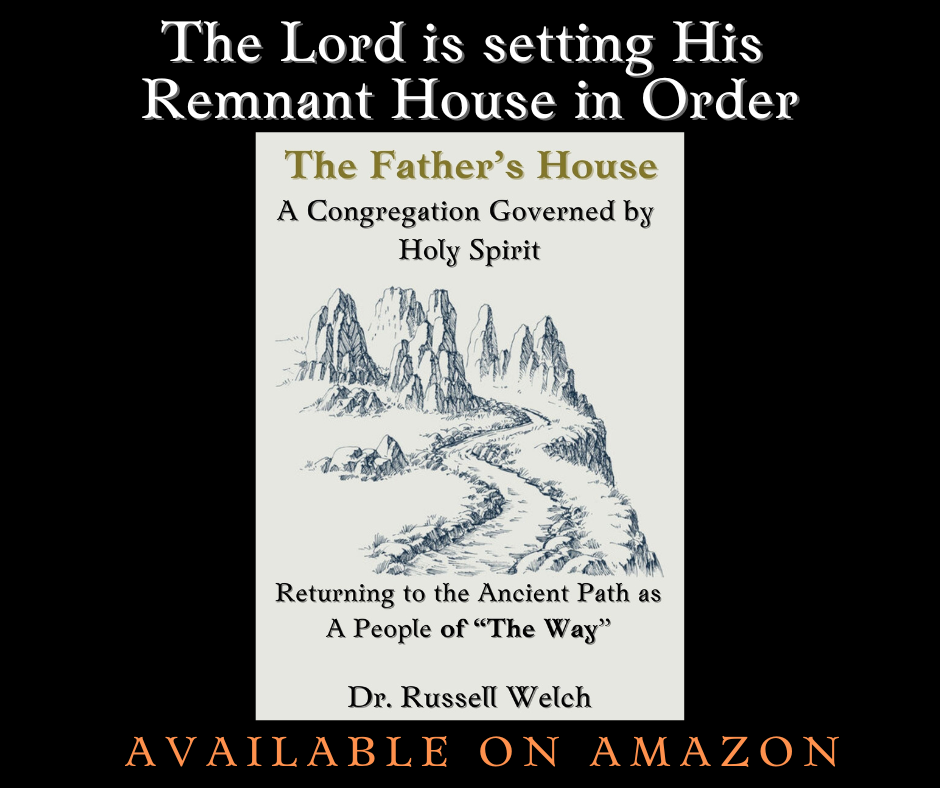
Click here to view the Book “The Father’s House”

“They went out from us, but they were not of us; for if they had been of us, they would have continued with us. But they went out, that it might become plain that they all are not of us.” – 1 John 2:19

By fostering an environment grounded in genuine fellowship, love, and accountability, we can create a space where true believers thrive and where false teachings find no fertile ground. Building relationships based on mutual support, biblical truth, and shared faith encourages spiritual growth and helps us stay grounded in God’s purposes.

Table: Practical Steps to Apply 1 John 2:19 to Church Practices

StepsDescription
1. Prioritize prayer and study of ScriptureCommit to regular prayer and study of God’s Word to deepen spiritual discernment and understanding.
2. Seek guidance from trusted spiritual leadersConsult with trusted pastors, mentors, or spiritual leaders for guidance and accountability.
3. Evaluate teachings against the teachings of ScriptureCompare teachings and messages being shared in the Church to the truths found in the Bible.
4. Cultivate a culture of humility and surrenderEncourage an environment where personal agendas are set aside in favor of God’s will.
5. Foster genuine fellowship and accountabilityBuild relationships based on authentic fellowship, love, and mutual accountability.

The Dangers of Human Manipulation

In our journey of following God and His will, it is crucial to be aware of the dangers that human manipulation can pose to our Church practices. When we allow human agendas to overshadow God’s plan, we risk deviating from His teachings and straying from the path of truth. This danger is aptly expressed in the biblical meaning of 1 John 2:19.

According to 1 John 2:19, there are those who were “never meant to be with us.” This verse serves as a reminder that not everyone who claims to be part of the Christian community truly aligns with the teachings of Christ. It highlights the existence of false prophets and individuals who manipulate the truth for their own gain.

The consequences of succumbing to human manipulation within the Church can be far-reaching. It can lead to the misinterpretation of Scripture, the promotion of false doctrines, and the disruption of genuine fellowship. Moreover, it can hinder the growth of believers and impede the manifestation of God’s purposes in our lives.

As we navigate the complexities of Church practices, it is essential to remember that our focus should always be on God and His truth. By remaining rooted in the Word of God and guided by the Holy Spirit, we can discern false teachings and overcome the dangers of human manipulation.

“Beware of false prophets, who come to you in sheep’s clothing but inwardly are ravenous wolves.” – Matthew 7:15

Jesus Himself warned us about false prophets, indicating the significance of discernment in our faith journey. The biblical meaning of 1 John 2:19 serves as a constant reminder to stay vigilant and steadfast in the face of human manipulation within the Church.

In conclusion, by recognizing the dangers of human manipulation and striving to stay aligned with God’s will and teachings, we can safeguard the authenticity of our faith and ensure the growth of genuine fellowship within our communities.

Nurturing Authentic Faith Communities

In our pursuit of a vibrant and thriving church, it is essential to nurture authentic faith communities that align with the teachings of 1 John 2:19. This verse holds profound insights into who was never meant to be with us, guiding our understanding of fellowship and unity in Christ.

Genuine fellowship plays a pivotal role in fostering an authentic faith community. It goes beyond superficial connections and enables believers to support, encourage, and challenge one another in their spiritual journeys. When we embrace genuine fellowship, we create an environment where individuals can grow in their faith, share their struggles, and experience the transformative power of Christ’s love.

“By this, everyone will know that you are my disciples if you love one another.” – John 13:35

In our pursuit of unity, it is essential to prioritize values and principles that align with 1 John 2:19. This verse warns us against embracing false ideologies and individuals who deviate from the teachings of Christ. As we cultivate authentic faith communities, it is crucial to discern the authenticity of our leaders, teachings, and practices, ensuring they are rooted in biblical truth.

Cultivating an Authentic Church Culture

To foster an authentic faith community, we can implement the following practices:

  1. Teach Biblical Discernment: Equip believers with the knowledge and tools to discern false teachings and distinguish them from God’s truth. Invest in biblical education, small group discussions, and discipleship programs that prioritize the accurate interpretation of Scripture and its practical application in daily life.
  2. Encourage Vulnerability: Create space within the church for transparency and vulnerability, where people can share their doubts, struggles, and victories. Facilitate small groups, mentorship programs, and counseling services that promote emotional and spiritual well-being.
  3. Emphasize Servant Leadership: Cultivate a culture of servant leadership, where leaders prioritize humility, integrity, and selflessness. Encourage leaders to exemplify Christ’s servant-heartedness, leading by example and empowering others to use their gifts for the glory of God.
  4. Foster Authentic Worship: Create an atmosphere of genuine worship that enables individuals to connect with God on a deep and personal level. Focus on Christ-centered worship that invites the Holy Spirit’s presence and encourages heartfelt expression of praise and adoration.

By implementing these practices, we can create a nurturing environment where individuals can experience authentic fellowship, grow in their faith, and impact their communities with the love of Christ.

Benefits of Nurturing Authentic Faith CommunitiesHow It Impacts the Church
Genuine spiritual growth: A nurturing environment encourages believers to deepen their understanding of Scripture, develop a personal relationship with God, and grow in their faith.A vibrant and thriving church: Authentic faith communities lead to a church that is vibrant, united, and actively living out the Gospel. This inspires others to join and experience the transformative power of Christ.
Healthy relationships: Authentic faith communities provide opportunities for meaningful connections and friendships based on mutual support, care, and encouragement.Unity and harmony: When believers experience authentic fellowship, it fosters unity within the church, breaking down barriers of division and promoting harmony.
Impactful witness: Nurturing authentic faith communities equips believers to effectively share their faith, extending the love of Christ to others and making a positive impact in their communities.Relevance in society: Authentic faith communities demonstrate the relevance of the Gospel in today’s world, attracting those who are searching for genuine relationships and answers to life’s questions.

Overcoming Divisions and Conflict

In our journey of faith, conflicts, and divisions often arise within the Church. However, understanding 1 John 2:19 can provide us with valuable insights on how to navigate these challenges. By focusing on God’s truth and unity, rather than personal agendas, we can overcome the divisions that threaten to weaken our communities.

1 John 2:19 states, “They went out from us, but they did not really belong to us. For if they had belonged to us, they would have remained with us; but their going showed that none of them belonged to us.” This verse sheds light on the fact that not everyone who claims to be a part of the Church truly aligns with God’s will.

When conflicts arise, it is important to discern whether the source of division is rooted in God’s truth or in personal opinions and desires. By seeking wisdom and guidance from Scripture and prayer, we can distinguish between genuine disagreements and divisive attitudes that threaten the unity of the Church.

Instead of allowing conflicts to escalate, we must actively work towards reconciliation and unity. Jesus prayed for unity among His followers in John 17:21, saying, “that all of them may be one, Father, just as you are in me and I am in you. May they also be in us so that the world may believe that you have sent me.” When we prioritize unity, we bear witness to the love of Christ and present a powerful testimony to the world.

Overcoming divisions and conflict requires humility, forgiveness, and a commitment to the truth. By setting aside personal agendas and seeking the guidance of the Holy Spirit, we can find common ground and work towards reconciliation. As the apostle Paul exhorts in Ephesians 4:3, “Make every effort to keep the unity of the Spirit through the bond of peace.”

Let us strive to foster an environment where love, understanding, and respect flourish. By embracing God’s truth and pursuing unity, we can overcome divisions, heal wounds, and build a stronger, more vibrant Church.

Cultivating Discernment and Wisdom

In our journey of faith, it is essential to cultivate discernment and wisdom, especially in light of 1 John 2:19. This verse reminds us that there will always be false prophets who were never meant to be with us. Therefore, it becomes crucial to be rooted in Scripture and guided by the Holy Spirit to protect ourselves from their misleading teachings.

The Bible offers valuable guidance and insights to help us develop discernment and wisdom. By studying and meditating on God’s Word, we gain a deeper understanding of His truth and can distinguish between genuine and false teachings. The Scriptures provide a solid foundation upon which we can build our discernment.

My book “Warrior’s Arsenal dives into the scriptures regarding the gifts of discernment that every believer has, along with how to activate them and the power the gift contains in discerning between what is of the Kingdom and what is not.

Click here to view the Book Warriors Arsenal

“Beloved, do not believe every spirit, but test the spirits to see whether they are from God, for many false prophets have gone out into the world.” (1 John 4:1)

This passage from 1 John serves as a reminder that we should not blindly accept everything that we hear but rather test the spirits to determine if they align with God’s Word. It encourages us to exercise discernment and evaluate teachings, ensuring they are in line with the teachings of Jesus.

Moreover, cultivating wisdom involves seeking guidance from the Holy Spirit. The Holy Spirit serves as our counselor and guide, providing us with wisdom and discernment as we navigate the complexities of life and faith. By inviting the Holy Spirit into our hearts and relying on His guidance, we open ourselves up to a deeper understanding of God’s truth and can discern His will for our lives.

As we cultivate discernment and wisdom, we must also rely on the support and accountability of our faith communities. Surrounding ourselves with fellow believers who are grounded in Scripture can help sharpen our discernment and provide valuable insights. Through prayer, fellowship, and the sharing of wisdom, we can grow together in our understanding of God’s truth.

Practical Steps for Cultivating Discernment and Wisdom:

  1. Regularly read and study the Bible, searching for God’s wisdom and truth.
  2. Pray for discernment and wisdom, inviting the Holy Spirit to guide your thoughts and actions.
  3. Engage in meaningful discussions and fellowship with fellow believers, seeking their insights and perspectives.
  4. Attend Bible study groups or join a discipleship program to deepen your understanding of Scripture.
  5. Seek mentorship from mature believers who can offer wisdom and guidance in your spiritual journey.

Cultivating discernment and wisdom is an ongoing process that requires dedication, prayer, and a commitment to growing in our knowledge of God’s Word. By doing so, we can guard ourselves against false teachings and navigate the complexities of our faith with confidence and conviction.

Conclusion

In conclusion, our exploration of 1 John 2:19 has provided a deeper understanding of who was never meant to be with us in the context of the Church. We have emphasized the importance of prioritizing God’s will over human agendas, recognizing the significance of discerning true fellowship, and nurturing authentic faith communities.

By applying the teachings of 1 John 2:19, we can overcome divisions and conflicts within the Church, cultivate discernment and wisdom, and ultimately strengthen our relationship with God. It is essential for us to stay rooted in Scripture and guided by the Holy Spirit in order to protect ourselves from false teachings and manipulation.

As followers of Christ, let us strive to uphold the truths revealed in 1 John 2:19. By doing so, we can foster unity, authenticity, and spiritual growth within our Church communities. May our pursuit of God’s will lead us to a deeper understanding of His love and grace.

FAQ

What does 1 John 2:19 mean?

1 John 2:19 states, “They went out from us, but they were not of us; for if they had been of us, they would have continued with us. But they went out, that it might become plain that they all are not of us.” This verse emphasizes the distinction between true believers and those who may appear to be part of the Christian community but eventually reveal that they were never truly committed to Christ. It serves as a reminder to discern the authenticity of one’s faith and the importance of remaining faithful to God.

How can we interpret 1 John 2:19 in light of false prophets?

1 John 2:19 warns against the influence of false prophets or those who twist the teachings of Christ. The verse suggests that these individuals may enter Christian communities, but their departure exposes their lack of genuine belief. It is crucial for believers to exercise discernment and to be cautious of false teachings, ensuring they remain steadfast in the true teachings of Jesus.

Does 1 John 2:19 refer to the fulfillment of biblical prophecies?

While 1 John 2:19 does not explicitly refer to the fulfillment of biblical prophecies, it emphasizes the fulfillment of the prophecy that some individuals would depart from the Christian community. This departure illustrates the accuracy of biblical prophecies regarding the presence of false prophets and those who do not truly belong to the body of Christ.

How can 1 John 2:19 help us identify false teachings within the Church?

1 John 2:19 assists believers in discerning false teachings by highlighting the distinction between true believers and those who merely appear to be part of the Christian community. This verse encourages us to examine the teachings and actions of those who claim to follow Christ. By staying grounded in the truth of God’s Word and being sensitive to the leading of the Holy Spirit, we can identify false teachings and ensure that we align ourselves with authentic, biblically sound doctrine.

How can we apply the teachings of 1 John 2:19 in our Church practices?

To apply the teachings of 1 John 2:19 in our Church practices, we must prioritize discernment and fidelity to biblical truth. It involves carefully vetting leaders and teachings, and being aware of any signs of false teachings or questionable motives. Additionally, fostering a sense of community and accountability can help ensure that individuals who do not truly belong to the body of Christ are not accepted as part of the fellowship.

What are the dangers of allowing human manipulation in our Church practices?

Allowing human manipulation into our Church practices can lead to a deviation from God’s will and the teachings of Scripture. It opens the door for false teachings and individuals who may not have the best interests of the Church at heart. This can result in division, confusion, and a departure from the true essence of Christianity. By remaining steadfast in following God and His Word, we can safeguard the integrity of our faith communities.

How can we foster authentic faith communities in accordance with 1 John 2:19?

To nurture authentic faith communities, we must prioritize genuine fellowship and unity in Christ. This involves valuing each member’s unique contribution, cultivating an atmosphere of love and acceptance, and encouraging one another in the faith. By letting go of personal agendas and focusing on God’s truth and will, we can develop vibrant faith communities that reflect the teachings of 1 John 2:19.

How can understanding 1 John 2:19 help us overcome divisions and conflict in the Church?

Understanding 1 John 2:19 helps us overcome divisions and conflict in the Church by reminding us to prioritize God’s truth and unity over personal agendas. It allows us to discern false teachings and actions that may contribute to division. By focusing on the common foundation of our faith and maintaining open dialogue, we can work toward resolution and foster unity in the body of Christ.

How can we cultivate discernment and wisdom in light of 1 John 2:19?

Cultivating discernment and wisdom in light of 1 John 2:19 requires being rooted in Scripture and seeking guidance from the Holy Spirit. By immersing ourselves in God’s Word and spending time in prayer, we can develop a deeper understanding of His truth. This enables us to discern false teachings, counterfeit spirituality, and individuals who may not truly belong to the body of Christ.

Russ G. Welch is an author and pastor, who is currently shepherding a local Congregation in Jacksonville Florida. He and his wife, Emelie Welch, co-founded Remnant Warrior Ministries.


As I was writing my Book “Warrior’s Arsenal: Equipping Spiritually Minded Soldiers with the Armor of God” Holy Spirit was speaking to me on different cultural topics regarding the cultural trends that our nation is currently settled in, as well as why certain dark forces have been permitted to influence these cultural trends that have grave consequences, especially regarding the children of this nation.

Abortion is at the top of the list, but running in a close second is the attack on their sexuality. From the spiritual tsunami-like push of transgender ideologies to the avalancheing onslaught of child trafficking across this nation, which has been greatly increased due to the current administration’s refusal to secure our borders.

However, this is essentially not a crisis created by any one political party, it is, in reality, a dereliction of duty on the part of the American Church. As the Church, we have been Spiritually empowered to represent Heaven here on Earth as governmental officials assigned by the courts of Heaven.

With that being said, concerning the authority we have been commissioned and deputized with from the Throne room, here is a small insight into what Holy Spirit shared with me while writing this book:
_________________________________________________________________

First and foremost, we must be aware that not everyone will embrace cultural transformation with open arms. Change can be unsettling and challenging for many, as it disrupts the familiar and comfortable.

Some may fear losing their sense of identity or their position of power within the existing cultural framework. Recognizing these underlying fears and concerns is crucial in understanding the opposition we may face.

As Spiritual Warriors, we are called to respond with grace, humility, and love. It is important to engage in genuine dialogue and seek to understand the concerns and perspectives of those who oppose cultural transformation.

By doing so, we can address their fears and misconceptions, presenting a compelling case for the positive impact that the Gospel of the Kingdom can have on society.

Furthermore, we must be prepared to confront the resistance that may come from established institutions and systems. These entities often resist change, as it may challenge their authority or disrupt their traditional ways of operating.

By recognizing this opposition, we can strategize and find creative ways to navigate through these obstacles, without compromising our mission of cultural transformation.

It is essential to equip ourselves with knowledge and wisdom, both in understanding the opposition and in effectively communicating the cultural changing power of the Gospel.

This includes being well-versed in the Scriptures, studying the examples of cultural transformation throughout history, and staying informed about the latest societal trends and issues. By doing so, we can present a compelling case for the relevance of the Gospel in addressing the pressing needs of our time.

Finally, we must remember that cultural transformation is a long-term endeavor. It requires perseverance, resilience, and unwavering faith.

The opposition we encounter should not deter us from our mission, but rather strengthen our resolve to bring about positive change in our culture. As Spiritual Warriors, we are called to be the agents of transformation, guided by the power of the Gospel of the Kingdom.
_____________________________________________________________

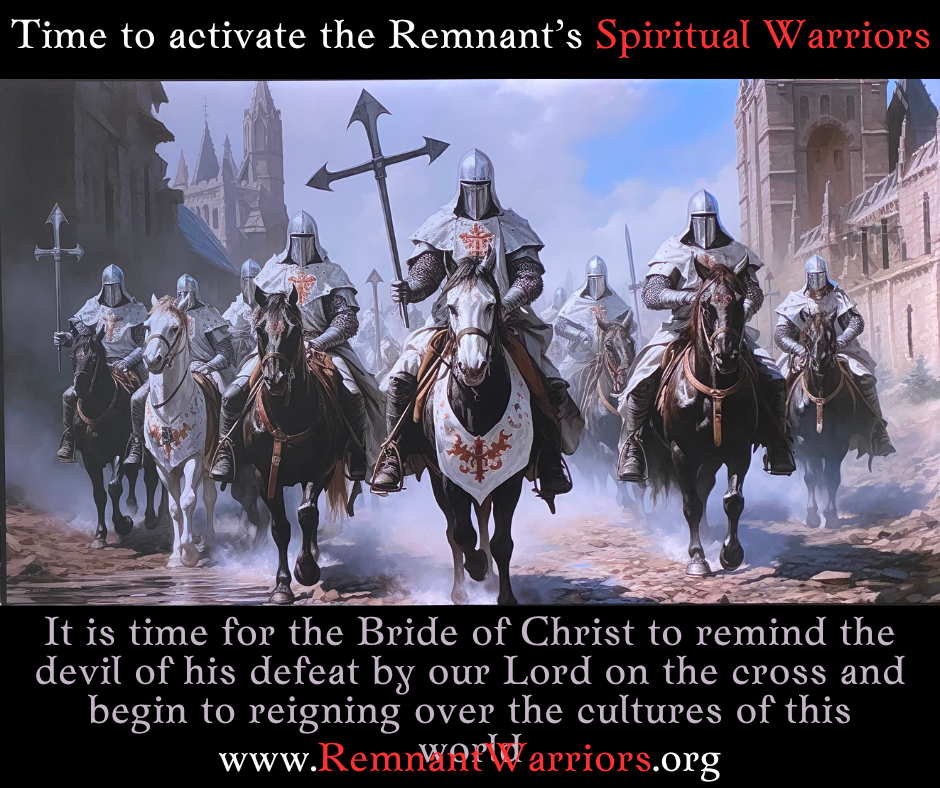
It’s time to release the Spiritual Warriors into the culture of the world, especially that which has infiltrated the American Church. It is time for the Remnant to take its ordained positions as cultural influencers, and Kingdom trendsetters.

It is time for the Ekklesia of Christ to wake up, and step into Her place of authority in this nation as well as the nations of this world.

As the sons and daughters of God, we weld a supernatural spiritual weapon that the enemy has absolutely no ability to stop, TRUTH sealed in GOD’s Word and the Blood of the Lamb.

Let us release the Kingdom’s weaponized prayers empowered by the LIGHT of TRUTH, dipped in the supernatural authority of the Gospel against the evil forces behind child sex trafficking, and the porn industry, commanding their streams of income to be dried up and depleted.

Let us release prayers that will activate the Angelic Warriors of Heaven to seek out every individual connected to these hellish organizations to be exposed, arrested, and brought to justice. #SELAH

Wind Walker


What is the distinction between a Spiritual Warrior for Christ vs the average Church goer?

The concept of a “Spiritual Warrior of the Lord” is often metaphorical and varies in interpretation across different religious traditions. However, some common themes may help distinguish someone described as a Spiritual Warrior from an average churchgoer:

  1. Dedication to Spiritual Growth: A Spiritual Warrior is typically deeply committed to personal and spiritual growth. This goes beyond attending church services and involves actively seeking to deepen their understanding of their faith through prayer, meditation, study of religious texts, and reflection.
  2. Courage and Resilience: The term “warrior” implies a level of courage and resilience in facing life’s challenges. A Spiritual Warrior is someone who confronts adversity with faith, perseverance, and a strong spiritual foundation.
  3. Active Engagement in Spiritual Practices: While attending church is a part of spiritual life, a Spiritual Warrior often engages in a broader range of spiritual practices. This might include regular prayer, fasting, acts of charity, and a commitment to ethical living.
  4. Service to Others: Spiritual Warriors are often characterized by their dedication to serving others. They embody the principles of love, compassion, and selflessness, actively working to make a positive impact on the lives of those around them.
  5. Discernment and Wisdom: A Spiritual Warrior is expected to possess discernment and wisdom in navigating the complexities of life. This involves a deeper understanding of spiritual truths and the ability to apply them to various situations.
  6. Spiritual Warfare: In some Christian traditions, the term “Spiritual Warrior” is used to describe those engaged in spiritual warfare, battling against evil forces or temptations. This may involve resisting sinful tendencies and actively working to live in accordance with religious principles.

It’s important to note that these traits are idealized characteristics, and individuals may embody them to varying degrees. The distinction between a Spiritual Warrior and an average churchgoer is not meant to be divisive but rather to emphasize a more committed and active approach to one’s faith. Different religious traditions and denominations may have varied interpretations of these concepts.

Wind Walker

www.KingdomLife-Now.org


The transformative power of the “Beloved Identity” in John’s Gospel. In reading the Gospel of John, we find ourselves, witnessing this disciple encounter Jesus’ love in a way that not only shapes their own journey but also offers us a powerful lens through which to experience that love ourselves.

Transformation Within the Beloved Disciple:

Reclining at the Last Supper: This intimate gesture speaks volumes about Jesus’ acceptance and affection. It likely transformed the disciple’s perception of himself, granting him confidence and fostering a deeper sense of belonging within Jesus’ inner circle.

Entrusted with Mary at the Crucifixion: This act not only highlighted the deep trust Jesus placed in the disciple but also entrusted him with a profound responsibility – caring for his mother in a moment of immense grief. This experience would undoubtedly have deepened the disciple’s understanding of Jesus’ compassion and sacrifice.

Receiving revelations after the resurrection: Witnessing Jesus’ post-resurrection appearances and receiving special revelations likely solidified the disciple’s faith and ignited a burning desire to share the Gospel with the world.

Impact on Readers:

Witnessing the Beloved’s transformation: By observing the impact of Jesus’ love on the beloved disciple, we can imagine and hope for a similar transformation in our own lives. Their journey becomes a model for how Jesus’ love can heal, empower, and inspire us to live out his teachings.

Experiencing God’s love through the Beloved: The disciple’s close relationship with Jesus creates a bridge for us to connect with God’s love ourselves. Witnessing their intimacy can open our hearts to receiving and reflecting that same love in our own lives and relationships.

Embracing the Beloved Identity: Recognizing the symbolic potential of the disciple allows us to see ourselves reflected in their story. We can all aspire to become “beloved disciples” – individuals who actively seek a deeper understanding of Jesus, embody his love, and strive for closer intimacy with him.

Challenges and Considerations:

Avoiding an idealized image: It’s important to remember that the “beloved disciple” is presented in a highly idealized way in the Gospel. While we can strive for similar traits, it’s crucial to avoid comparing ourselves too harshly or feeling inadequate.

Focusing on our own journey: Ultimately, the transformative power of the “Beloved Identity” lies in its ability to inspire our own unique relationship with Jesus. Instead of solely focusing on the disciple, we should use their story as a springboard to explore our own paths of growth and deepen our personal connection with God.

Remember, the transformative power of the “Beloved Identity” lies not in achieving a perfect image but in embracing the ongoing journey of growth in Jesus’ love. As we open our hearts to his love, just like the disciple in John’s Gospel, we can experience healing, empowerment, and a deeper understanding of ourselves and our place in the world.

In my own life over the past 8years of swimming in the revelation of the “Beloved Identity”, neatly wrapped in John’s Gospel my own life has been radically changed due to this revelation. And probably the most defining change has been that of the depth of intimacy that I now have with the Lord.

I believe that one of the core impacts of knowing our identity is the rest it brings to the individual who no longer questions how the God of the Universe looks and feels about them. Just knowing that the Father’s love for each one us is bigger than the largest ocean, and runs deeper than the depths of the deepest sea, will totally dismiss the voice of rejection, guilt, and condemnation.

Friend, if you do not know how much God loves you, Holy Spirit is inviting you to take a journey with Him that will bring you into the fullness of revelation as to how much the Father loves you. And once you settle into that revelation and it settles in you, your life will never be the same!!!!

And the Journey Continues………

~WindWalker


Persevere in prayer and watch in the same with thanksgiving, praying also together for us that God would open unto us the door of the word, to speak the mystery of the Christ, for which I am also in bonds, that I may make it manifest, as I ought to speak. (Colossians 4:2-4)

As we enter into 2024, at Highway to Heaven Church, we have been petitioning the Throne room and thanking the Father for opening the door for a new meeting place for our Kingdom family, where we will be able to host His presence more than just on Sunday morning (Romans 4:17, 8:25).

We as a Kingdom family fully believe in and trust in the Lord’s ability to open new doors, especially understanding the prophetic meaning of the year 5784 on the Jewish Calender, as that of “The Year of Open Doors”.

In a recent conversation with a very dear prophetic friend of mine, he told me that over the past few months, the Lord has been speaking to him about my life, HTHC, and Remnant Warrior ministries. During those discussions, the Lord has been showing him an increase in family members and seeing an expansion of these two ministries overall.

He showed him a door opening, and upon walking through it, he saw the establishment of healing rooms ministry. He said the Lord reminded him of how He had positioned me as co-director of a healing room ministry here in Jacksonville.

Then the Lord showed him that we would be able to hold prayer meetings regularly. (This has been my heart’s cry for a new location. Especially during this hour, for we would be holding such prayer vigils specifically to hold our Jewish brothers and sisters and the nation of Israel up in prayer).

He said that he also saw that with this new location, we will also be able to hold Bible studies and other teaching meetings geared to equip the Body.

One thing he said the Lord was strongly emphasizing was discipleship and the training the be part of the ministry’s focus on raising up the next generation of Church Elders and Shepherds, which includes allowing them to lead meetings and other such leadership functions.

My friend ended with the Lord telling him that is the reason He had brought me into the study of the revelation of what it looks like to be submitted to living under His governing authority.

He did this so that my wife and I would understand the importance and the power of living a life totally surrendered to the Government of the Godhead.

It is also our desire to expand our ministry reach both from Highway To Heaven Church and Remnant Warrior ministries in my wife’s homeland, the nation of the Philippines. My friend said he saw my wife leading multiple missionary teams into that nation, as well as our being able to establish New Creation Ranch there, a discipleship-focused ministry, purposed for the transformation of nations and cultures by training up Mountain Moving Disciples.

It is an exciting time, to say the least, but with that commissioning comes the responsibility to seek the Lord’s guidance in every move we make, to be intentional in all we do with the desire to walk and live as our Lord did to where we say nothing nor take any action until we hear from and view the Father doing such.

With this we are asking all those connected to us to keep us lifted up in prayer, as it is our desire that the Lord alone, get the Glory and that it is His name alone that we represent, taking no glory for ourselves or our ministry efforts, for we completely under the conviction that we could do nothing and would be nothing without our Jesus.

~Russ G. Welch

A.K.A. WindWalker


“Therefore go and make disciples of all nations, baptizing them in the name of the Father and of the Son and of the Holy Spirit, and teaching them to obey everything that I have commanded you. And surely I am with you always, to the very end of the age.” (Matthew 28:19-20)

I have contended for several years now that the discipleship model Jesus gave us has been lost in the mainstream Church and we are witnessing the harvest of that today from our teens all the way up to those in the 20 – 40 year old range.

My son and I traveled to Paris Kentucky at the end of summer in 2020, to visit the historic site of Cane Ridge Revival. Within 30 minutes of leaving that location, Holy Spirit took me into a vision and told me when I returned home, I was to begin discipling individuals in the discipleship methods of the Lord.

At first, I said Lord I will do just that, but then I asked Him “What does that look like?” After He explained this, I mulled it over for a few hours, and then at our next gas stop I penned the following down:

“A Discipleship Ministry Dedicated to Training up Mountain Moving Disciples”

Transactional, Transformational, Reformational, Discipleship.

Reviving the relationally centered discipleship methods of Christ our Lord. Transactional in that we invest our lives (not religious programs) in others as the Lord invested His life into ours which births a transforming nature of the new birth (New Creation) which starts in the heart of Christ in us and begins the supernatural growth of the inward to that of the outward.

From there we see that when we allow Holy Spirit to use His Spiritual authority over the way we act and think, will birth a reforming (Reshaping) of who we have been purposefully reborn into, to that of a matured son or daughter with a destiny of becoming just like our Messiah and King, Christ our LORD.

Thus, we have been reborn of the Spirit into the original image, created in the very image of Father, Son, and Spirit.

So to sum up the process of Christ-like discipleship ministry: The whole purpose and foundation are that of training up disciples in the same Spiritual pattern that Jesus used in discipling His disciples; pouring everything (transactional) the Father poured into Him into the disciples, which caused an inward “transformation” which then sparks the new birth (New Creation) in the individual, which then manifests an outward Re-formation to where having gone through a Spiritual metamorphosis process, they end up looking and acting just like Jesus.

For thus has the LORD said to every man of Judah and of Jerusalem, break up your fallow ground, and do not sow among thorns.  (Jeremiah 4:3)

Now, when you throw Jeremiah 4:3 into the mix, you get a deeper meaning of what Jesus meant when He gave the parable of seeds in Matthew 13:1-23 to understand that true Biblical discipleship is a patient process, yet when done in the manner for which our Lord discipled His disciples the harvest can be world-changing.

“We are coworkers with God and you are God’s cultivated garden, the house he is building” (1 Corinthians 3:9)

Bill Johnson said “I am not concerned with building big Churches, I am invested in building Big disciples”

This is the heart of the Lord, to disciple Mountain Moving Disciples, and it should be that same desire of every Congregation. Instead, the majority of the modern American Church focuses on building bigger, and bigger, and bigger churches with multiple campuses, while at the same grossly missing the mark of discipleship.

Critics who are fans of these religious enterprises defensively claim that isn’t true. Yet the harvest we are witnessing in our nation amongst the 18 to 40-year-olds begs to differ with that assumption, if it were not true, we would see beautiful Kingdom fruit being manifested in the lives of radically transformed individuals, possessing the likeness of our Lord.

Many incorrectly view the huge church model as a validation of the founder’s calling and ministry, which is steeped in world philosophy, which in turn would view the ministry of our Lord, going from several thousand to just 12, as a complete and utter failure. The truth is Jesus never tasked us with building Churches, whether big or small, He clearly stated He would build the Ekklesia (Matthew 16:18), and we are to make disciples (Matthew 28:19).

Last Sunday Night while relaxing I decided to get a brief update on the war in Israel. In the clip that I watched a military strategist was explaining that in the weeks leading up to the siege into Gaza, the IDF had strategically staged its military forces in a staging area. As soon as I heard the word staging area Holy Spirit began speaking to me.

He said that is exactly what the Father has purposed Me to do with the Ekklesia. For the Lord’s ekklesia was never purposed to be a warehouse of saints. It was purposed to be a staging area of the Lord’s army, where they are gathered, given assignments, and sent out to expand the Kingdom via Spiritual warfare. The day of warehousing the saints is coming to a close.

He went on the say “I AM” directing My oils of anointing onto those families who are purposed to serve the King, His Kingdom, hungering for His Righteousness, not their own.

I am not speaking out against mega Churches although they do eat up most of the Lord’s resources in order to keep the religious machine’s ability to stay afloat. Whereas, using military terms, smaller groups of spiritually trained elite forces respond more quickly and covertly get into areas and accomplish some very big.

Then last night He began speaking to me about the parable of the seed in light of Jeremiah 4:3, and 1 Corinthians 3:9 and the need to disciple individuals in the method Jesus used, to cultivate the hard soil they come into the Body with, losing it up to become good soil.

And when we look at the verse in Jeremiah, we are the soil as well as though whom we are called to disciple, even as He had patience with us so much, we have patience with them. I don’t know if any of you have made a garden, but it can be labor, to say the least. But with work, you can prepare the ground. However, the reason you do not want to plant in an area with thorn bushes is that it can be very difficult to rid the soil of their seed.

Even rocky soil or dry soil can be difficult and time-consuming, however, if Holy Spirit directs you to take on hard cases, those who are difficult to disciple, you can trust that He will give you the grace to do so. Remember, we would not need a comforter if we weren’t going to be called into some uncomfortable situations.

This is the reason that patience is needed, but we must understand the spiritual principles of cultivating the soil of the culture. For whatever reason, the Church to a large degree has done a very bad job of that and in some cases, they have failed, whereas the culture of the world has greatly influenced them.

I live in a city filled with mega Churches, and their whole system is based on a worldly business model, from the marketing to the worship (performance-based). I know their members, or should I say fans of these religious institutions don’t like to hear that, but I see very little fruit of the Kingdom in this city. High crime, high divorce, child sex trafficking.

There are some that are somewhat new, but others that have been here for over 20 years. It took approximately 30 years for the first-century Church to turn one of the most paganistic idol-worshipping cities of that time, Ephesus, into a city burning with the flames of awakening and reformation. There is no indication of that happening in this city, and it grows worse by the year.

If we are to be honest, we must admit that the Church has done a terrible job at making good, healthy, tilled soil for seeds to fall on and have an actual chance to grow here. It has been way more concerned about its appearance and ability to fill its seat in order to receive the money to keep the engines of its religious machines running. And they’ve done this at a very high cost, to our families, cities, and nation.

They say they want a true Biblical revival to come to the Church, but they deceive themselves and remain selfish. A true Biblical revival would tear down the religious doctrines, and dismantle their man-centered leadership and such a revival would move the people into a righteous hunger to desire the authentic Kingdom more than the performance-based dead religious institutions led by the American idolized celebrity preachers that scatter this nation.

I hear Holy Spirit saying that Heaven is seeking a generation that comes to know Jesus like those in the first century, who will willing to face death just to be in an intimate relationship with their Lord. To see a burning people whose lives spark a revival within the mainstream Church, that comes out of their spiritual complacency and religious dogmas to carry those flames into every mountain of influence in our nation sparking a nationwide awakening that birth a nationwide Spiritual re-formation. And then carries those flames throughout the nations.

What I keep hearing as I tune into the frequencies of Heaven is that we are in a very critical urgent hour. The enemy has made great advances in spewing his evil doctrines throughout our cultures, strongmen are currently guarding the gates of influence in every nation. The call to the Remnant is to begin to strike with precision Spiritual prayer missiles so as to demolish these strongholds, to bind up these strongmen and retake the gates and occupy them to the Glory of the Lord.

The Father is so emphatic about this that He has sent His Angel Armies to assist His Ekklesia in this hour with the commands released from the courts of Heaven:

 “Now is the time to launch a global offensive military strike to begin bringing the nation of the world under the dominion authority of King Jesus.”

First, we must remember that judgment does start in the house of the lord, we need to make room for His Apostles to establish the judgments of the courts of Heaven that the Father is releasing through His prophets in this hour. And we will know (rightly discern) that they are the judgment of the Father for even though they will be painful for a season they shall be wrapped in His love.

As well we must be totally surrendered to the governing authority of Holy Spirit, even as He judges our hearts as to what is of the Father and what is not. I can tell you from personal experience, that this will cause a place where if the flesh is still ruling within us, to be humbled and ultimately bow to the Lordship of Holy Spirit.

 Yet we must surrender to this process if we want to be used by God in this hour, for we, like Jesus, must not have any place in our lives where the enemy can have influence, we must allow Holy Spirit to seek those places out so that we can lay them at the altar of the Lord and give Him permission to occupy those places. And I can’t emphasize this enough, we must allow the process of being consecrated under to the Lord have its course. As this opens wide the door of His sanctification.

Now, while the urgent message of returning to the methods of discipleship as taught by our Lord is clear, one of the main issues that He has shown me is the need to realize that in discipleship the invitation of intimacy must first be opened by the discipler. We must be willing to make ourselves completely vulnerable to those we are discipling. Just the thought of this can be very scary. Yet, if we look closely at how Jesus made Himself emotionally vulnerable to His disciples, we will see a potent spiritual weapon.

We know the enemy is aware of this as he has tried to corrupt this to turn people away from it. He was done so through to perversion of many who have taken advantage of those entrusted to them either emotionally or sexually or both. I can hear the Lord calling us to be the generation who unseats these spirits of perversion and walks in holiness with purity of hearts and motives. That is why it is so vital that we must ask Holy Spirit to baptize us in His FIRE.

Are we willing to pay the cost of being the generation who returns to discipling this generation according to the methods used by our Lord and His disciples? Are we ready to be hated and ostracized and made fun of by the world and the Institutional; man-centered Church?

I am more than confident, having spent time with Holy Spirit in the scriptures that when we start to make disciples Biblically, we will tear down societal structure and ultimately make the Remnant look like some sort of fanatical crazy Jesus-loving cult.

To actually be a Spiritual family of radical lovers of Jesus that lives together, who creates and runs businesses together, who adopts hundreds of children and even opens homes for them and establishes whole communities of faith-filled believers who hunger but for the King, His Kingdom, and His Righteousness.

After all, that is exactly what happened to the first-century believers who turned the known world upside down with the Gospel message of Christ and His Kingdom.

~Russ G. Welch

A.K.A. WindWalker

We are currently looking for those who feel led to support this ministry and blog site so that we can be ad-free as well as the ability to add videos and the likes. If you believe that the Lord is part of this Remnant Revival, you can become either a monthly partner or a one-time donor by clicking on this link: Remnant Warrior