Posts Tagged ‘Kingdom teaching’


Version 1.0.0

The following is an excerpt from my book “Warrior’s Arsenal: Equipping Prayer Warriors with the Armor of God”.

Inside this book with its close to 400 pages you will find, what I believe is, Holy Spirit inspired steps to becoming a Victorious Prayer warrior, through a wealth of battle hardened wisdom that comes from many victories, as well as many defeats.

The insights within theses pages come from my own experiences of not just my 23 years in ministry but also include the close to 45 years of being saved (Including my back-slidden years).

For one of the places I garnered the most necessary experience pertaining to Spiritual Warfare was in times of defeat, for there, I was my found myself in the deepest places of humbly asking Holy Spirit what went wrong, and in His gentle manner, He taugt me not just the error of my warfare but more importantly, what ajustments needed to be made so that I did not repeat the mistakes.

When I first wrote this book, I did so with a hope and prayer that it would find its way into the hands of youth, as they transitioned from High school, either into college or the work places, to be a took that would equip them in ways regarding Spiritual Warfre and how to hold onto to their Faith that sadly most Churches do not.

_____________________________________________________________________

From Stumbling Novice to Battle-Ready Warrior: Why Some Triumph While Others Falter

When facing an unseen enemy, preparation is everything. The inexperienced believer often approaches spiritual warfare with either naive enthusiasm or paralyzing fear—both equally ineffective on the battlefield of the spirit.

Perhaps you’ve felt that surge of determination after a moving sermon, only to find yourself overwhelmed and retreating when the first real skirmish arrives. Or maybe you’ve wondered why some believers seem unshakable during spiritual attacks while others crumble under the same pressure.

The answer lies not in inherent spiritual gifting but in deliberate, consistent development. Just as no soldier earns their stripes without rigorous training, no prayer warrior becomes effective through occasional, halfhearted efforts.

The most formidable spiritual warriors are not born—they are forged through discipline, instruction, and experience. This developmental process forms the foundation of spiritual fortitude, that rare and precious quality that enables believers to stand firm when everything within them wants to flee.

What many fail to recognize is that spiritual warfare mastery follows the same principles as any other significant skill acquisition. The martial artist doesn’t perfect their technique overnight, nor does the master musician develop their craft in a week.

Similarly, spiritual warfare capabilities mature through stages—from awkward beginner to seasoned veteran—each with its own challenges and victories. Understanding this progression prevents the discouragement that causes many to abandon their post before they’ve truly begun to fight.

The spiritual warrior’s path is neither mysterious nor arbitrary; it follows discernible patterns that, once understood, make growth both predictable and achievable.

Perhaps most importantly, we’ll address the patience required in this process. In an age of instant gratification, the gradual development of spiritual fortitude can feel frustratingly slow. Many abandon their training during plateaus or after setbacks, not realizing these are essential parts of the journey.

The prayer warriors who ultimately prevail aren’t necessarily those with the most dramatic spiritual experiences, but those who persevere through the unglamorous daily work of spiritual discipline. This steadfast commitment—more than any specific technique—distinguishes effective spiritual warriors from those who remain perpetually unprepared.

Spiritual warfare requires consistent practice and discipline. Just as a soldier doesn’t become battle-ready overnight, spiritual fortitude develops through regular training in spiritual disciplines. Prayer, Scripture reading, meditation, and fasting aren’t just activities—they’re training exercises that strengthen your spiritual muscles.

When practiced daily, these disciplines sharpen your spiritual senses, making you more attuned to God’s voice and more resistant to the enemy’s tactics.

You can order a copy of “Warrior’s Arsenal” here on Amazon

~Dr. Russell Welch
Elder / Apostolic Teacher: Highway to Heaven Church and Founder and Shepherd of Remnant Warrior Ministries / Remnant Warrior School of Spiritual Warfare.

For several weeks, more specifically, since November 5, 2024, I have been resonating with a profound phrase in my spirit: “Gideon’s remnant army is arising!”

This declaration evokes the Biblical tale of Gideon, found in Judges 7, where the Israelites, hardened by their own transgressions, find themselves oppressed by the Midianites. After seven years of tyranny, they are reduced to hiding in the mountains and caves, stripped of their strength and dignity.

In this dire situation, God calls upon Gideon to rally an army, but the Lord, in His divine wisdom, reduces Gideon’s forces from 32,000 warriors to a mere 300. This seemingly small number against the vast Midianite army symbolizes a powerful truth: God’s strength is made perfect in our weakness.

God’s intention in this narrative was not solely to confront the Midianites but also to challenge the Israelites’ idolatry and reliance on false gods. The Israelites had turned away from the very foundation of their strength—faith in God.

As we reflect on the current state of our nation, it is impossible to ignore the parallels. A country that once proclaimed, “In God We Trust” now grapples with moral confusion, celebrating darkness as light and heralding evil as good.

The flag that once signified freedom and divine dependence is increasingly overshadowed by symbols that represent depravity and disorientation. In this context, the remnant—those who remain steadfast in faith amidst chaos—becomes a beacon of hope.

Returning to Gideon’s narrative, the Lord equips him and his 300 men with unconventional weapons: clay pots, torches, and ram’s horns. These instruments of warfare defy human logic and convention.

Yet, God instructs Gideon to act in unison with his men, demonstrating the power of unity and obedience to divine command. When they break the clay pots and reveal the blazing torches, they signal not only their presence but also the manifestation of God’s power in the midst of overwhelming odds.

The Midianites, caught in confusion and panic, turn on one another, resulting in a victory that no human strength could claim. This ancient story serves as a prophetic reminder for the church today.

The body of Christ finds itself facing an expansive “enemy army” that appears insurmountable. The mainstream media, which I humorously refer to as “Mediaites,” has become a formidable force, spreading misinformation and fostering division among the people.

Yet, even in this bleak landscape, there remains a remnant—those who refuse to bow to the pressures of the world and continue to wield the light of truth against the shadows of deceit.

The assurance from 2 Kings 6:16 resounds with clarity: “Don’t be afraid… Those who are with us are more than those who are with them.” The battle may seem daunting, but the heavenly hosts stand firm alongside the remnant.

We are called to carry the blazing torch of truth and declare the victory of Yahweh with the sound of our voices. The time is approaching when the clay jars will shatter, and the light will shine forth, illuminating the darkness and instilling fear in the hearts of the oppressors.

As we navigate the societal unrest and chaos that characterize our current era, it is crucial to recognize that the conflict extends beyond physical manifestations.

It is a spiritual battle—a Civil War of ideologies, morals, and truths. The remnant army, empowered by faith, will rise up, uniting their voices to strike fear into the hearts of the wicked.

The message is clear: tyranny will not triumph, and the oppressors will not prevail. Gideon’s army, a testament of faith and divine intervention, will once again emerge victorious. In conclusion, the tale of Gideon’s remnant army is not merely a historical account; it is a prophetic call to action for believers today.

We are reminded that it is not by human might or power that we achieve victory, but by the Spirit of the Lord. As we embrace our roles as warriors in this spiritual battle, let us remain steadfast, united, and resolute in carrying the light of truth into the darkness.

The remnant is rising, and with it, the promise of victory in the face of overwhelming odds.

~Dr. Russell Welch
Elder / Apostolic Teacher: Highway to Heaven Church and Founder and Shepherd of Remnant Warrior Ministries / Remnant Warrior School of Spiritual Warfare.

The Christian life, as practiced in many American churches rooted in Western theology, often reflects a commitment to certain principles of truth. This life, while earnest and sincere, is frequently characterized by a conformity to doctrines and interpretations that may not fully encapsulate the essence of living in Christ.

In contrast, the authentic ecclesia—those truly embodying the teachings of Christ—embraces a Christ-centric lifestyle, one that is animated by the Holy Spirit and deeply rooted in a direct relationship with Jesus.

At its core, the average Christian life typically involves an earnest effort to emulate Christ. Believers strive to align their actions with the Church’s interpretations of His teachings, attempting to live according to established principles.

While this commitment is commendable, it often leads to a performance-driven mindset that can create feelings of inadequacy or frustration. The challenge lies in the distinction between imitation and incarnation; the former is a conscious effort to replicate Christ’s actions, while the latter acknowledges the transformative power of Christ’s life living within the believer.

“The first more often than not seeks to imitate their pastor, where as the latter is totally surrendered to the Lord life being exampled in their lives”

The true essence of the Christian experience transcends mere imitation. It is about allowing Christ’s own life to take residence in one’s heart, leading to a profound transformation that cannot be achieved through human strength alone.

This divine life, fueled by Holy Spirit, empowers believers to overcome obstacles and challenges that, in their own power, they could not conquer. It invites them into a relational dynamic with Jesus, where His strength becomes their strength, and His victory becomes their victory.

For many, this may be a new and perhaps startling thought. The idea that the life of Christ can be realized within each believer is revolutionary, although not a new revelation. It shifts the focus from striving for moral perfection to embracing the grace that comes from a genuine relationship with Christ.

This notion stands as one of the most profound truths in the cosmos, offering a sense of hope and liberation to those who are weary from the burdens of religious obligation. In summary, while many American churches foster a sincere commitment to Christian principles, there is a deeper reality available to believers—a Christ-centered existence that is not merely about effort but about surrendering to the life of Christ within.

Some may find this perspective to be a novel thought, perhaps even challenging the traditional notions of what it means to live a Christian life. However, I can personally attest to the truth and power of this “Best Thought” in all of the cosmos.

It is a liberating revelation that offers hope and encouragement to those weary from the burdens of religious performance. Embracing a Christ-centric lifestyle enables us to experience a deeper intimacy with God, a profound joy in our daily walk, and the empowerment to face life’s difficulties with resilience

The essence of authentic Christianity: a living, dynamic relationship with Jesus, activated by the Holy Spirit, that empowers believers to live victoriously in a way that their own strength cannot achieve.

As we cultivate this relationship, we not only experience personal renewal but also become conduits of grace and hope in a world desperately in need of the authentic message of the Gospel. Let us pursue this deeper relationship, allowing Christ’s life to shine through us in all its glory.

~Dr. Russell Welch
Elder / Apostolic Teacher: Highway to Heaven Church and Founder and Shepherd of Remnant Warrior Ministries / Remnant Warrior School of Spiritual Warfare.
For a deeper understanding of this type of life style, we highly recommend that you read Dr. Welch’s book “Spirit Wind People: Those Who are Moved by the Impulses of Holy Spirit” which can be viewed and purchased on Amazon by clicking here


The relationship between divine sovereignty and human authority has long been a subject of theological debate. A common assertion is that every leader of a nation is divinely appointed by God, which reflects a misunderstanding of the true nature of sovereignty.

The biblical passage found in Romans 13:3-4 offers critical insights into this relationship, emphasizing that rulers serve a purpose aligned with divine justice and goodness. However, it raises pressing questions about the nature of leadership and the implications of human choices in governance.

Romans 13:3-4 states, “For rulers are not a terror to good works, but to the evil.” This assertion implies that the primary role of a leader is to promote good and punish evil. If we accept this premise, it becomes evident that not every leader fulfills this divine mandate.

The concept of rulers as ministers of God suggests that their authority should inherently align with good works; thus, those who persecute the faithful or enact unjust laws cannot be seen as chosen instruments of God.

When leaders act contrary to the principles of justice, compassion, and righteousness, it is misleading to assert that they are God’s chosen representatives. Throughout history, we have witnessed examples where human choices have deviated from divine intention.

The biblical account of the Israelites choosing David over Saul is a poignant illustration of this phenomenon. The people’s desire for a king based on their own perceptions of leadership led them to overlook God’s plan and ultimately resulted in a reign filled with turmoil. Having realized their error, they began to reject Saul and turned toward David.

This historical reference serves as a reminder that human preferences and decisions can lead to outcomes that stray from divine will, suggesting that the expectation of divine endorsement for all leaders is misguided.

Moreover, the assertion that we have the leaders God intended for us at any given time often overlooks the complexities of free will and moral choice. As individuals and communities, we are called to evaluate our leaders based on their alignment with the values of justice, mercy, and truth.

When leaders act as oppressors, it is not merely a question of divine appointment but rather a reflection of human choices that diverge from the righteousness that God desires. In our contemporary society, it is vital to turn back to the purity of the Word through the lens of the Holy Spirit.

Reliance on our emotions or personal leanings can cloud our judgment and lead us to accept leaders who do not reflect the values we hold as sacred. Instead, we should engage in discernment grounded in scripture and spiritual wisdom.

This process invites us to critically assess our leaders and ensure that their actions resonate with the good works mandated by God. We need to understand that the notion that every leader is God’s choice diminishes the complexity of divine sovereignty and human agency.

Romans 13:3-4 challenges us to recognize the responsibility that comes with leadership and the moral imperative to choose leaders who advocate for good rather than evil. We must step back and look through the lens of history, see the mistake that we made, and allow Holy Spirit to reset us in the right direction.

For is it not a truth that the relationship between faith and governance has been a topic of contention throughout history, with scripture often cited to justify the authority of leaders? Romans 13, which calls for the honoring of governing authorities, can be dangerously misinterpreted.

Again, this misinterpretation has, at times, led to complicity in the actions of tyrants and the acceptance of misguided doctrines. A historical examination reveals the pitfalls of conflating divine authority with political power, as seen in the era of Emperor Constantine.

Certain factions within the Church accepted his rule and, by extension, the doctrines of the Catholic Church, turning a blind eye to the corruption that accompanied it. However, a steadfast Remnant, known as “The people of the Way, The Lord’s dedicated Ecclesia, arose, refusing loyalty to both the Emperor and the Church.

This group faced persecution and it ultimately drove the true followers of Christ underground, demonstrating the peril of aligning faith with authoritarianism. The narrative continues with the Irish Monks, who embodied a radical commitment to the teachings of Christ, particularly those from the Gospel of John.

These Monks stood against the King of England and the Church of England, which claimed divine sanction for its rule. Their refusal to submit to the Pope and the English crown led to their persecution and expulsion from their homeland.

This pattern of resistance to the intertwining of faith and political power highlights a recurring theme: the existence of a faithful Remnant that remains true to scriptural integrity in the face of societal pressures.

Later, the Moravian Community of Herrnhut in Saxony, established in 1727, represented another chapter in the ongoing struggle for authentic faith amid political turmoil. This prayerful community became a beacon of hope and mission, showcasing the power of a united ecclesia dedicated to prayer and the pursuit of God’s will.

History records that out of this powerful move of the Lord we saw the rise of many leaders such as the Wesley brothers, Charles and John Wesley just to mention a few, that birthed a powerful Holy Spirit fueled movement.

However, we see a few hundred years later how the Lutheran Church in Germany’s misinterpretation of authority during the rise of Adolf Hitler starkly illustrates the dangers of failing to discern true leadership.

Hitler was falsely regarded as God’s chosen servant, leading many to forsake their moral compass and align themselves with a regime that perpetrated unspeakable atrocities. While notable figures such as Dietrich Bonhoeffer bravely opposed this misguided theology, the broader Church too often capitulated, allowing the Nazi regime to manipulate scripture for its ends, even replacing crosses with swastikas.

The misuse of Martin Luther’s writings, which expressed his later animosity towards Jews, fueled the anti-Semitic agenda of the Nazis. This historical reflection underscores the urgent need for contemporary believers to return to a sound interpretation of scripture, free from distortion by cultural or political agendas.

Rather than bending the scriptures to fit our understanding, we must allow the Holy Spirit to elevate our comprehension, guiding us to a place of true sonship where we can discern the mind of the Lord.

In a world rife with conflicting ideologies, the call remains: to honor God above earthly rulers, seeking clarity and truth in our faith, and standing firm against any authority that seeks to undermine the core tenets of our beliefs.

So my brothers and sister in the faith, as we navigate the intricate dynamics of governance, let us seek guidance through scripture and the Holy Spirit, allowing our understanding of leadership to reflect the righteousness that God desires for His creation. Only then can we truly honor the divine sovereignty that underlies our earthly authorities.

~Dr. Russell Welch
Elder / Apostolic Teacher: Highway to Heaven Church and Founder and Shepherd of Remnant Warrior Ministries / Remnant Warrior School of Spiritual Warfare.

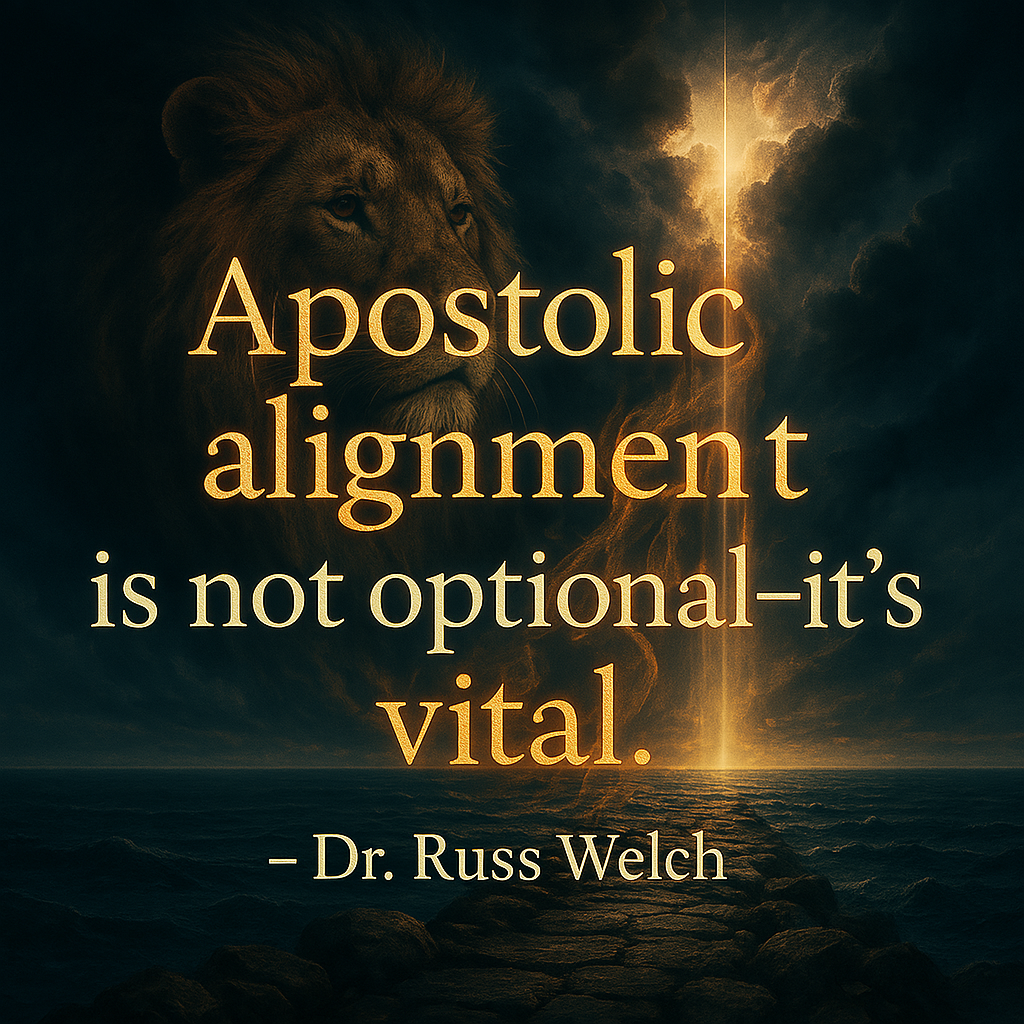
In an era defined by rapid technological advancements and interconnectedness, the specter of manipulation looms larger than ever.

The statement “The enemy find no greater pleasure than hijacking the destinies of individuals and whole organizations, even through familiar faces” encapsulates a profound truth about the vulnerabilities that exist in our personal and professional lives.

This post will explore the intricate dynamics of manipulation, the role of familiar faces in this process, and the ramifications of allowing external forces to dictate our paths.

At the core of manipulation lies the ability to exploit trust and familiarity. When individuals encounter someone they know—be it a friend, colleague, or family member—they are often predisposed to lower their defenses.

This openness creates a fertile ground for manipulation, as the manipulator can weave deceptive narratives and exploit emotions. Familiar faces, which typically evoke feelings of safety and trust, can become conduits for betrayal.

The sense of security we derive from these relationships can be weaponized by those with ulterior motives, allowing them to hijack not just personal destinies but also the trajectories of entire Kingdom organizations.

Moreover, Kingdom organizations are particularly susceptible to manipulation due to their hierarchical structures and established protocols.

In a leadership setting, a familiar face might be someone in a position of authority or a peer with whom one has built a rapport. When such individuals engage in deceitful practices, the ramifications can be catastrophic.

Members may find themselves unwittingly complicit in unethical behavior, decisions may be made that compromise the integrity of the organization, and the collective destiny of the group can be irrevocably altered.

The loss of direction and purpose that ensues from such manipulation can lead to disillusionment, diminishing morale and stifling innovation.

The psychological impact of manipulation extends beyond the immediate consequences of betrayal. When individuals or organizations succumb to external influences, they often experience a profound sense of loss—not just of importance, but also of identity.

The journey toward self-discovery and personal fulfillment can become overshadowed by the weight of external expectations and manipulative tactics. This can lead to feelings of inadequacy and erode self-esteem, perpetuating a cycle of dependence on others to dictate one’s life choices.

To combat the threats posed by manipulation, individuals and organizations must cultivate a culture of vigilance and self-awareness. Recognizing the signs of manipulation and understanding the motivations behind familiar faces’ actions is crucial. One should never be under the counsel of one individual, but rather a wise counsel of godly individuals, nor should any ministry be led of a singular leader, but with the foundation of scripture, being that of “Elders”.

Developing critical thinking skills, fostering open communication, and encouraging a healthy skepticism can empower individuals to discern genuine intentions from hidden agendas. Organizations, too, must prioritize ethical leadership and create environments where transparency and accountability are paramount.

In conclusion, the enemy’s pleasure in hijacking the destinies of individuals and organizations underscores a significant challenge in our contemporary landscape.

By harnessing the power of familiarity, manipulators can exploit vulnerabilities and alter trajectories with devastating effects. However, by fostering awareness, promoting Kingdom foundational practices, and nurturing self-confidence, we can safeguard our destinies from the clutches of manipulation.

The journey towards autonomy and fulfillment is ours to navigate, and it begins with recognizing the power we hold over our own narratives.

To avoid such individuals from taking the reigns of a God ordained ministry, and or misleading the Saints, the LORD has His Watchmen set in place:

“The Watchmen of the Lord: Discerners of the Religious Spirit”

In an age where faith and spirituality are often clouded by human-made structures and ideologies, the role of the Watchmen of the Lord takes on paramount significance.

These spiritual guardians possess discerning gifts that enable them to identify the insidious workings of the religious spirit—a force that is territorial, controlling, and highly adept at manipulation.

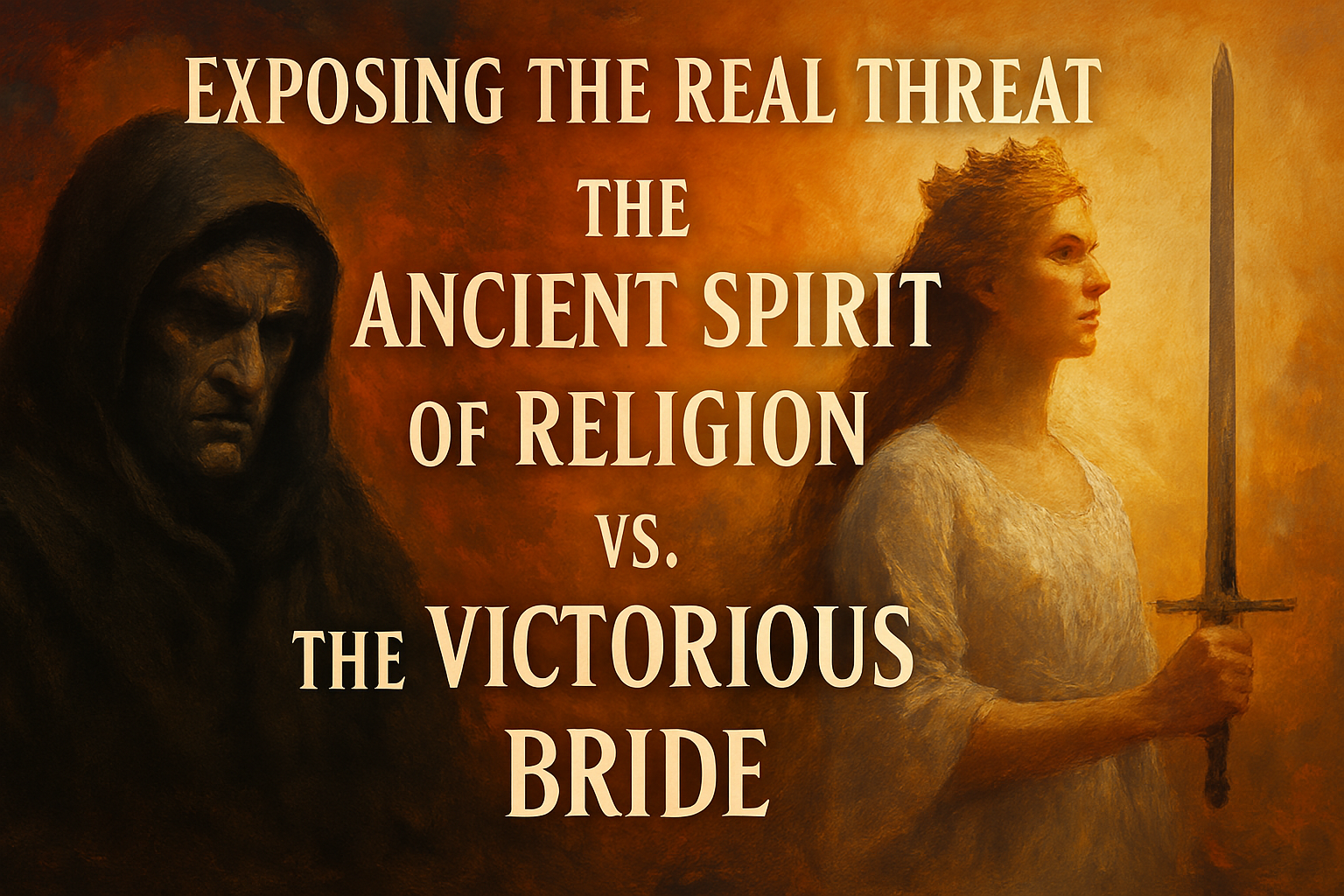
The spirit of religion, in its essence, seeks to undermine the genuine relationship between individuals and God, masquerading its motives under the guise of piety and righteousness. The religious spirit can be likened to a modern-day Pharisee, operating with a facade of goodness while cloaking its true intentions.

Just as the Pharisees of biblical times employed tactics of intimidation and condemnation, today’s religious spirit seeks to entrap believers within its rigid confines. This manipulation is not always overt; it often presents itself as a “Trojan horse,” deceptively labeled as a desire to do good.

It lures individuals into a false sense of security, where they may unknowingly compromise their spiritual freedom in exchange for acceptance within a structured belief system. However, the true Watchmen of the Lord are not easily swayed by such tactics.

These individuals have undergone a profound transformation—a process of dying to self that allows Christ to take the rightful place on the throne of their lives. This death to self is not about relinquishing identity or purpose but about surrendering to a higher calling, one that transcends human ambition and societal expectations.

As a result, these Watchmen stand firm against the intimidating forces of the religious spirit, embodying the truth that dead men do not fear anything.

The fearlessness of the Watchmen derives from their deep-rooted understanding of God’s sovereignty and grace. They recognize that their strength lies not in their own abilities but in their unwavering faith and reliance on Christ.

This spiritual posture enables them to confront the manipulative tactics of the religious spirit without compromise, exposing its deception and calling others to a more authentic expression of faith.

Through their discernment, the Watchmen illuminate the path for others, guiding them away from the snares of religiosity and toward a genuine relationship with the Lord.

They encourage believers to seek truth beyond the confines of tradition, inviting them to explore the depths of their faith without fear of retribution or judgment.

In doing so, the Watchmen fulfill their divine mandate to protect and nurture the spiritual well-being of their communities. In conclusion, the role of the Watchmen of the Lord is vital in recognizing and addressing the workings of the religious spirit.

Their discerning gifts enable them to spot deception and manipulation, empowering them to stand against intimidation. Through their commitment to die to self and allow Christ to reign, they pave the way for a more authentic experience of faith.

Jesus has not left us orphans nor defenseless in a world rife with challenges to genuine spirituality, for His Watchmen serve as beacons of truth, guiding others toward the freedom and grace that can only be found in a true relationship with God.

~Dr. Russell Welch
Elder / Apostolic Teacher: Highway to Heaven Church and Founder and Shepherd of Remnant Warrior Ministries / Remnant Warrior School of Spiritual Warfare.
If you feel lead to support this ministry you can do so thru this link: Donate


In August of 2020, amidst the turmoil of the Covid pandemic, a profound spiritual encounter unfolded for my son and me in Cane Ridge, Kentucky. As we stood upon the sacred ground that had played a pivotal role in shaping the spiritual fabric of our nation, we felt an unmistakable presence of the Holy Spirit.

Our visit coincided with the 219th anniversary of the great outpouring of the Holy Spirit, which only intensified the significance of our pilgrimage. The curator’s warm hospitality allowed us to tour the historic Meeting House, and with each step, we felt the weight of history and divinity converge.

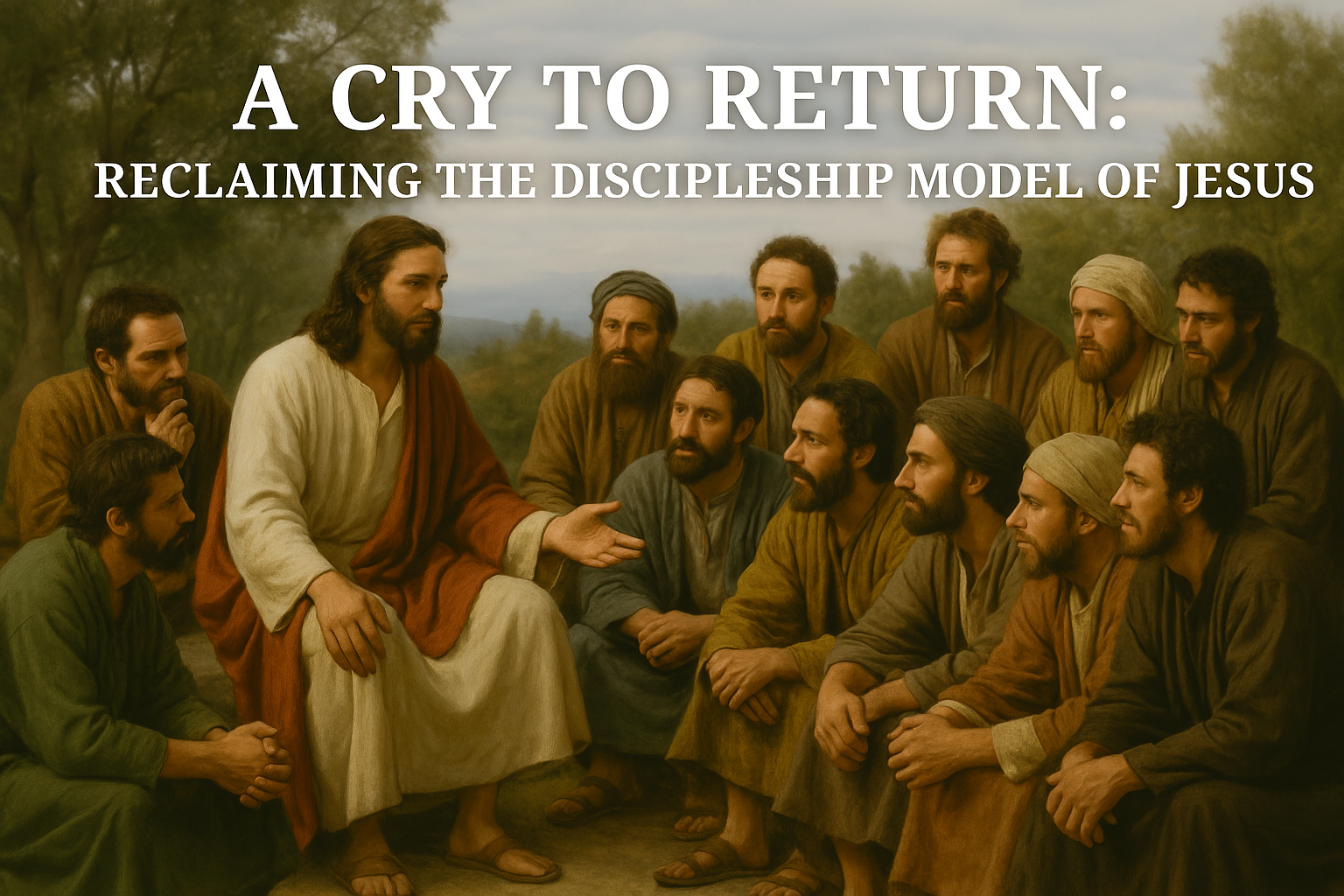
Surrounded by the echoes of passionate worship and fervent prayer, we spent hours reflecting on the past, dreaming of the transformative revival that had taken place there. It was during this sacred time that the Holy Spirit spoke to me, urging me to embrace the calling of discipleship in the same manner that Jesus had mentored His disciples.

This divine mission ignited within me a fervent desire to understand the essence of Christ-like discipleship. What does it truly mean to disciple others as Jesus did? I began to comprehend that discipleship is not merely a transfer of knowledge but a profound, transformational journey where the love and wisdom bestowed upon us by the Father is poured into others.

This process ignites a new birth, birthing a spiritual metamorphosis that ultimately reflects the very character of Christ in those we guide. Returning to Jacksonville, I felt a pressing urgency to delve deeper into the Gospels, highlighting not only Christ’s teachings but also His unique methods of discipleship.

Sadly, I have observed a scarcity of authentic discipleship within the church today, with many leaders operating from a place of fear rather than faith. Jesus, in His wisdom, commissioned the seventy disciples without exhaustive preparation, trusting that they would learn through experience.

This radical approach challenges the norms of contemporary ministry, where leaders often hesitate to empower others, fearing potential mistakes or failures. The conversation around Apostolic Oversight urges us to rethink our understanding of authority and leadership within the church.

Derek Prince’s assertion that true authority reflects the liberty of the Kingdom of God resonates deeply in this discourse. Apostolic leadership should embody the spirit of servant leadership, fostering an environment where grace abounds, and individuals are encouraged to embrace their Kingdom calling without the heavy burdens of legalism.

The contrasting models of leadership paint a stark picture. Those who lead with an iron fist often perpetuate a cycle of fear and condemnation, inhibiting the very transformation they seek in others.

Instead of nurturing spiritual growth, such approaches can suffocate potential, convoluting the essence of what it means to be part of the Body of Christ. The story of Peter, who was restored by Jesus shortly after his denial, serves as a poignant reminder that grace and restoration should be at the forefront of our ministry, not punishment and prolonged penance.

In my years of ministry, I have sought to steer clear of authoritarian tendencies, encouraging those I disciple to trust in the guidance of the Holy Spirit. Ministry is inherently imperfect, and mistakes are part of the learning process. Jesus exemplified this understanding, cleaning up the messes of His disciples and transforming their missteps into teachable moments.

This nurturing approach stands in stark contrast to the controlling methods prevalent in some Apostolic circles today. The current landscape of un-kingdom Apostolic ministries demands our attention. The early church fathers birthed a movement that transformed cultures, infusing society with the supernatural power of the Kingdom of Heaven.

Today, however, many ministries seem to conform to worldly religious spirited patterns instead of embodying the radical love, grace, and mercy exemplified by Christ. As we reflect on the lessons learned from our encounter in Cane Ridge, we are called to rekindle the spirit of discipleship that Jesus modeled.

By prioritizing love, grace, and empowerment over fear and control, we can cultivate a new generation of Kingdom-minded leaders who are equipped to bring about transformative change in their communities.

We must as a Body, begin to operate in a higher level of spiritual discernment. I am often amazed at those whom I warn to beware of an active spirit of religion, do not recognize it until the damage has been done. The scriptures give multiple warnings about discerning of spiritual entities that are not of the kingdom from false prophets to false apostles.

I believe we are in a time when Holy Spirit is purposely honing the spiritual warrior strategies within the Ecclesia to where He is even establishing a Remnant within the Ecclesia to fill the role of modern-day Watchmen.

Yet until the Church surrenders to His Lordship, they will be left naked and prime prey for the realms of darkness to continue bombard ecclesia congregations through out this nation, hijacking the destines of the sons and daughters of God in this generation.

Let those of us who see this, begin to enter into our prayer closets and start releasing prayer missiles that are purposed to impact the spiritual strongholds, that not only shall they be demolished, but those whom they have taken captive, set free.

2025 (5785) is the year of open doors, the Lord has positioned us in this year with great opportunities so that His Remnant may prevail in doing sever biblical portioned damage to the camps of the enemy, in order for His Ecclesia to take back the territories that the Church has surrendered over the past several decades.

In closing, I know personally for me, my journey from the visit and subsequence conversation with Holy Spirit at Cane Ridge to today serves as a powerful reminder of the divine calling we all share as His Body— to pour out the love and wisdom we have received and to inspire others to follow in the footsteps of Christ.

~Dr. Russell Welch
Elder / Apostolic Teacher: Highway to Heaven Church and Founder and Shepherd of Remnant Warrior Ministries / Remnant Warrior School of Spiritual Warfare.

If you feel lead to support this ministry you can do so thru this link: Donate


In the intricate tapestry of faith and existence, the concept of divine redemption stands as a beacon of hope amidst an ongoing spiritual battle.

This spiritual warfare is not a distant or abstract notion; it is a fervent reality that wrestles against God’s plan of salvation, positioning believers in a crucial moment of history.

As the world continues to spiral into confusion, where virtues are inverted and true Christianity finds itself under siege, we must confront the challenges head-on.

 In the face of this adversity, the call to action resonates strongly: “Wake up the mighty men.” This rallying cry from the prophet Joel emphasizes the need for warriors within the faith to transform their tools of labor into weapons of spiritual resilience.

We are living in a time reflective of the insights shared by the Apostle Paul in 2 Timothy 3:1–9, a period characterized by perilous conditions.

The enemies of God are not limited to external forces; they manifest in the rise of counterfeit faiths and a burgeoning apostate church that distorts the essence of true belief.

The landscape is frightening, reminiscent of Gideon’s time, when doubt and fear clouded the vision of God’s people. Gideon’s encounter with God serves as a profound reminder that even in our weakest moments, divine strength can propel us to fulfill our purpose.

Just as God urged Gideon to embrace his existing strength and step into his calling, we too are invited to confront our spiritual battles with renewed resolve.

 It is essential for believers to realize that our victory does not stem from human strength or wisdom. This is a profound paradox of Christianity: while the world values power and intellect, God’s kingdom operates on a different paradigm.

He chooses the humble, the weak, and the seemingly insignificant to accomplish His will. Our strength lies not in our capabilities but in our willingness to lean into the divine.

The arm of flesh cannot provide the salvation we seek; only the power of God can secure our triumph over adversity. This moment calls for a radical awakening among the faithful.

We must reject discouragement and the temptation to retreat in fear. The challenges we face are not insurmountable; they are opportunities for God’s might to be revealed.

As we gather to confront the principalities and powers that wage war against the Body of Christ, we must resonate with confidence, knowing that the Lord is with us.

This assurance should embolden us to march forward, wielding the strength we possess and trusting in God’s overarching plan. In the current hour, we find ourselves at a critical juncture where the call to action is clear: awaken the mighty within us.

The battle is intense, but we are not alone. With the paradox of God’s wisdom and strength as our foundation, we can rise above the chaos and fulfill our divine purpose.

 As we engage in this spiritual warfare, let us remember that our victory lies not in human endeavors but in our commitment to God’s will and the power He provides. The time for action is now; let us not hesitate, for the world is watching, and the call from heaven is resounding.

Recently, during a moment of prayer, I felt a profound message from the Holy Spirit stating that the Father has commissioned the formation of the “Rapid Response Remnant Regiments.”

This group of spiritual warriors, reminiscent of the heroes who bravely confronted the aftermath of the violent attacks on our nation on September 11, 2001, embodies a proactive stance against the forces that threaten our peace and well-being.

Unlike those who remain passive, these valiant individuals take bold action to confront their adversaries, understanding the critical importance of their role in the spiritual realm.

The heroes of our past, such as the first responders on September 11, 2001, and all those who enlisted in our Military following this attack exemplify courage and determination.

They faced unprecedented circumstances head-on, unflinchingly entering chaos to provide aid and protection to others.

Similarly, the Rapid Response Remnant Regiments are called to engage in spiritual battles with the same fierce commitment. These warriors do not wait idly for threats to materialize; instead, they actively seek to dismantle the schemes of the enemy.

The urgency of their mission reflects a deep understanding of the authority bestowed upon them, as they operate under the commission of Holy and Divine purpose.

Central to the identity of these spiritual warriors is their awareness of the power they wield in prayer. Each member of the Remnant understands that their prayers are not merely verbal expressions but potent tools of warfare.

Backed by the very authority of the throne room stationed above the heavenly realm, their prayers become like precision guided missiles—targeted and effective in seeking out the enemy’s strongholds.

 With unwavering faith, they engage in prayer that transcends physical limitations, delving into the spiritual dimensions where true battles are fought.

As they pray, they invoke divine intervention, dismantling barriers and bringing forth liberation for those shackled by darkness.

The imagery of precision guided missiles is a powerful metaphor for the effectiveness of focused prayer.

Just as missiles are designed to strike specific targets, the prayers of the Rapid Response Remnant are aimed at particular strongholds established by the enemy.

These strongholds may manifest in various forms—oppression, despair, division, and fear—but through concentrated prayer, the Remnant can create waves of spiritual upheaval that disrupt the enemy’s plans.

This is not a call to arms in a physical sense, but rather an invitation to engage in a profound spiritual battle where faith becomes the weapon of choice.

My wife and I were blessed to have been trained up in such powerful abilities of prayer during our mentorship at Ministry Matrix under the fathering of Dr. Don Lynch, where he had established a powerful setting for Spiritual Warfare in our weekly prayer meetings called “David’s Mighty Army”.

It was during those meetings that we were trained in prayers to impact our families, neighborhoods, schools cities states, and nation government, and even into the revelation of our prayers impacting the nations.

In this hour, as the Father raises up these Remnant Spiritual Warriors, it is essential for individuals to recognize their own role in this movement. Each believer is invited to step into their God-given authority, understanding that every prayer, no matter how small, contributes to the larger fight against the forces of darkness.

The call to action is clear: the time for complacency has passed. We are urged to unite, to pray fervently, and to take our places as warriors on the spiritual frontlines.

The need for Rapid Response Remnant Regiments is not merely a reflection of societal challenges but a recognition of the spiritual realities that underpin our world.

As we navigate through tumultuous times, it becomes increasingly vital to engage in this spiritual warfare with the confidence that we are not alone. With the backing of the Holy Spirit and the authority of the Father, we can impact our communities, transform lives, and dismantle the strongholds that have taken root.

 In conclusion, the emergence of the Rapid Response Remnant Regiments serves as a clarion call for believers everywhere. It is an invitation to rise, to take up the mantle of spiritual warfare, and to act with intention and purpose.

As we engage in prayer with the authority given to us, let us remember that we are equipped for this battle. Our prayers are powerful, and together, we can bring about transformative change in a world that desperately needs hope and healing.

 The time to stand firm and fight is now; the Rapid Response Remnant is rising, and their mission is clear.

~Dr. Russell Welch
Elder / Teacher: Highway to Heaven Church and Founder and Shepherd of Remnant Warrior Ministries / Remnant Warrior School of Spiritual Warfare.

Remnant Warrior School of Spiritual Warfare

If you feel lead to support this ministry you can do so thru this link: Donate


Closing out the debate: Jesus on the Rapture

As we have seen in the previous two post, the concept of the “rapture” has stirred theological debate and speculation among Christians for generations. Many of these discussions often draw from passages like 1 Thessalonians 4, leading to the assumption that Jesus’ teachings in the “Olivet Discourse” (found in Mark 13, Luke 21, and Matthew 24) endorse this notion.

However, an in-depth examination reveals that this interpretation may be fundamentally misaligned with Jesus’ historical context and intent. During Jesus’ life, the sociopolitical landscape of Judea was dominated by the Roman Empire, which ruled with an iron fist.

This oppressive regime fueled a yearning among many Jews for liberation and a militaristic messiah who could lead them to victory over their oppressors. Within this context, the idea of escape, or rapture, may seem appealing to those living under such duress.

However, Jesus presented a radical departure from these expectations, advocating for a message of love and reconciliation rather than rebellion and violence. Consider the subversive nature of Jesus’ teachings, particularly his instruction to “love your enemies and pray for those who persecute you” (Matthew 5).

In a society where conflicts were common and the threat of violence was ever-present, such a message was revolutionary. Rather than inciting his followers to take up arms against the Romans, Jesus urged them to respond to oppression with love and grace.

This approach not only challenged the prevailing notions of power and leadership but also illuminated a spiritual path that transcended physical conflict.

Moreover, when Jesus instructed his followers to “put away your sword” (Matthew 26:52), he directly confronted the hopes of those who sought a warrior savior.

The expectation for a militant messiah was prevalent, yet Jesus embodied a different kind of leadership—one that centered on humility, service, and forgiveness. His mission was not to incite a rebellion but to cultivate a spirit of peace amidst turmoil.

It’s imperative to recognize that rapture, as a concept, was not part of Jesus’ worldview. For him, the notion of resurrection was firmly rooted in the context of this world, not an escape to another realm.

 His teachings reflected a vision of renewal and restoration for the earth, rather than its destruction. The anticipated resurrection was intertwined with the hope of a transformed existence within the same physical reality, emphasizing continuity rather than abandonment.

Thus far, we can see that the idea that Jesus’ teachings support the concept of rapture is a misinterpretation of his message and a misunderstanding of the historical context in which he lived.

Jesus called for an active engagement with the world, advocating for love in the face of hatred and urging his followers to seek peace rather than conflict. By reexamining these teachings, we can appreciate the depth of Jesus’ message—one that invites us to embrace our circumstances with love, rather than seek an escape.

The true essence of his teachings lies in the promise of resurrection and transformation, not in a fleeting notion of rapture. It encourages believers to remain grounded in their faith, embracing the challenges of the present while looking forward to the hope of renewal in the future.

Jesus and the Destruction of Jerusalem: Not “Rapture”

The very mention of the notion of the “rapture” often sparks fervent debate among theologians and laypeople alike. However, it is essential to examine the scriptural basis of these teachings critically, especially regarding Jesus’ prophecies found in Mark 13 and their implications for understanding the destruction of Jerusalem in 70 CE.

While I affirm the belief in a future second coming of Christ, it is crucial to recognize that the central focus of Jesus’ prophetic discourse was not an abstract concept of the rapture but the imminent destruction of the Temple—a significant event in the history of Israel.

Let us go a little further and explore how interpreting Jesus’ teachings in the context of the destruction of Jerusalem offers insights into the urgency of his message, the fulfillment of prophecy, and the implications for contemporary faith.

In Mark 13, Jesus prophesies the ruin of the Temple in Jerusalem, a statement that shocked his disciples and prompted their inquiries about the signs and timing of such catastrophic events. When Jesus states that “not one stone will be left unturned,” he is not merely speaking metaphorically; he is foretelling a tragic reality that would befall the city within “this generation” (Mark 13:30).

This phrase is pivotal; it anchors the prophecy within a historical timeframe relevant to the disciples who heard it. The urgency of Jesus’ message becomes apparent when we consider the signs he enumerates: false messiahs, wars, food shortages, earthquakes, and persecution.

These were not abstract predictions but tangible occurrences that characterized the tumultuous years leading up to the destruction of the Temple in 70 CE. Understanding the prophetic language employed by Jesus is vital for a comprehensive interpretation.

The cosmic signs—such as the sun darkening and the moon dimming—are not to be taken literally but are symbolic of political upheaval and divine judgment. This prophetic style, rooted in Hebrew tradition, serves to convey the gravity of the impending disaster.

Just as modern language employs phrases like “earth-shattering event” to denote significant historical moments without suggesting literal geological upheaval, Jesus uses similar rhetorical devices to communicate the magnitude of Jerusalem’s impending doom.

 Moreover, the emotional weight of Jesus’ prediction cannot be overlooked. His lamentation over the city illustrates that his prophecy was not one of vindictive glee but of profound sorrow.

Jesus deeply cared for Jerusalem and its people, recognizing that their unfaithfulness would lead to their destruction. His declaration that he would be the ultimate Temple in the wake of the physical Temple’s destruction signifies a transformative moment in the relationship between God and humanity.

 Following the destruction, Jesus would stand as the living embodiment of God’s presence—a radical shift in the understanding of worship and divine connection.

As we consider the implications of these prophetic statements for today’s believers, it is crucial to confront the dangers of misinterpretation. The fixation on a “rapture” can lead to escapism, fostering a mentality that neglects the responsibility Christians have to care for creation and engage with the world meaningfully.

 If we envision the world as inherently doomed, we may inadvertently foster apathy toward pressing social and environmental issues. In conclusion, the focus on the destruction of Jerusalem rather than a speculative rapture provides a more profound understanding of Jesus’ message and its urgency.

His prophecies about the Temple’s destruction were fulfilled within the lifetime of his contemporaries, serving as a poignant reminder of the consequences of unfaithfulness.

Rather than viewing this as a distant, nebulous event, we are called to engage with the realities of our world, maintaining a posture of responsibility and hope.

By recognizing the significance of Jesus’ message in its historical context, we can foster a faith that is both grounded in the teachings of Scripture and responsive to the needs of our present day.

Rapture or Resurrection?

The concepts of rapture and resurrection often spark profound discussions among believers and theologians alike, raising questions about the nature of our ultimate fate as described in the New Testament.

At the heart of this discourse lies a vision shared by Jesus, Paul, and the early church—a vision steeped not in the notion of escaping this world but in the promise of resurrection.

This perspective offers a transformative understanding of our embodied future, one that is fundamentally anchored in hope and renewal rather than abandonment. I believe that as a true student of the Word,  it is crucial to recognize that the New Testament presents resurrection as an integral part of the Christian hope.

This is not merely a spiritual or ethereal existence in a distant heaven; rather, it is an embodied future that affirms our physical existence. In 1 Thessalonians 4, Paul articulates the assurance that those who are in Christ will rise, signifying a restored and transformed state of being.

This promise extends beyond humanity to encompass all of creation, affirming that God’s redemptive plan includes liberating the natural world from its “bondage to decay” (Romans 8:21).

This vision of resurrection reaffirms the inherent goodness of the physical world and emphasizes that God’s ultimate design is not destruction but renewal.

Moreover, the idea of a future rapture contrasts sharply with the New Testament’s portrayal of Christ’s return. Instead of anticipating chaos and tribulation, as some interpretations suggest, the early church understood Jesus’ predictions of tribulation as events that had already transpired, particularly with the destruction of Jerusalem and the temple by Rome.

This historical context is pivotal; it shifts the focus from a future panic to a promise of restoration. Revelation, often misinterpreted as a foretelling of doom, when viewed through its historical lens, aligns with this hopeful narrative.

The concluding verses of Revelation encapsulate this assurance: “He will wipe every tear from their eyes. There will be no more death or mourning or crying or pain” (Revelation 21:4).

Such promises underscore the belief that God’s kingdom will triumph over suffering and death. The ultimate hope presented by the New Testament writers is not merely about individual salvation but the collective restoration of creation—a world made right.

This renewed world is destined to be our eternal home, inviting believers to actively participate in manifesting this reality in our present lives. The notion of rapture promotes a mindset of escape, suggesting that believers should look away from the world rather than engage with it.

In contrast, Jesus’ teachings emphasize bringing heaven to earth, embodying His kingdom in our actions and relationships. The Lord’s Prayer itself encapsulates this desire for unity between heaven and earth: “On earth as in heaven.”

 Lastly, it is essential to acknowledge that neither Paul, Jesus, nor any figures of the New Testament supported the idea of the rapture as it is popularly understood today.

This absence of rapture in their teachings invites believers to reconsider their own understanding of the afterlife. The call to embrace resurrection rather than rapture invites a profound shift in perspective—one that encourages living with hope, purpose, and engagement with the world around us.

In conclusion, the hope of resurrection as depicted in the New Testament is a powerful affirmation of life, renewal, and the goodness of creation. This vision challenges the idea of rapture and instead calls for an active participation in the unfolding of God’s kingdom here on earth.

As we navigate our lives, let us hold fast to this promise of resurrection, embodying the hope that, indeed, our world’s future is bright and filled with potential for renewal.

Why?

Because neither Paul nor Jesus believed in the rapture. Neither did any of other New Testament author or figure, and neither should you.

~Dr. Russell Welch
Elder / Teacher: Highway to Heaven Church and Founder and Shepherd of Remnant Warrior Ministries / Remnant Warrior School of Spiritual Warfare.

For further study, you are invited to purchase Dr. Welch’s book “Beyond the Clouds: Unveiling the Rapture Illusion“, Available exclusively on Amazon

If you feel lead to support this ministry you can do so thru this link: Donate


Part one of a three part series………

The Ecclesia in the Acts: Understanding Its Meaning and Significance

The term “ecclesia” has long been embraced by Christadelphians as a replacement for the word “church,” and rightly so. “Ecclesia” carries with it a rich tapestry of meaning and significance, rooted in both history and theology.

However, as with any term that becomes commonplace, there is a risk that its vitality may diminish over time. This raises an important question for believers: How do we truly perceive our ecclesia?

Exploring the depth of this term invites us to consider its historical context and its implications for our communal and individual faith experiences. In the New Testament, particularly in Hebrews 12:18-24, the ecclesia is compared to the Israelites at Mount Sinai, a momentous event in biblical history.

The writer starkly contrasts the terrifying experience of the Israelites with their encounter with God—a scene filled with fire, darkness, and fear—with the ecclesia’s arrival at Mount Zion, the city of the living God. Here, the ecclesia is depicted as part of a celestial assembly, a gathering of angels, just men made perfect, and Jesus, the mediator of a new covenant.

This imagery elevates the ecclesia beyond mere physical assembly, positioning it as an ongoing spiritual reality steeped in divine presence and purpose. The historical roots of the term “ecclesia” can be traced back to ancient Greece, particularly around the fourth century BC.

 It was in this context that a constitution emerged to formalize the governing assembly of Athens, known as the ecclesia. This assembly was comprised of citizens who convened to deliberate on matters of policy, declare war, elect officials, and administer justice.

The term literally means “the called-out ones,” reflecting a sense of community and responsibility among its members. This democratic assembly emphasized ideals of “freedom and equality,” principles that resonate with the communal aspects of the ecclesia in a spiritual sense.

The relevance of the ecclesia transcends its political connotations, extending into the framework of the early Christian community as depicted in the Acts of the Apostles. When Christ spoke to Peter and the apostles in Matthew 16:18, declaring, “Upon this rock, I will build my ecclesia,” He was not introducing a new concept, but rather recontextualizing a term imbued with collective significance.

The early ecclesia, much like the Greek assembly, was called to convene, support one another, and collectively navigate the challenges of faith in a world rife with opposition.

In the Book of Acts, we see the ecclesia in action, as believers come together in unity, sharing resources, and spreading the gospel. However, it is also evident that the term “ecclesia” was not limited to a mere physical gathering.

The events in Acts 19 illustrate how the word “ecclesia” was used to denote both official assemblies and, at times, chaotic gatherings driven by mob mentality.

The case of Demetrius, who incited a riot against Paul and the believers in Ephesus, serves as a cautionary tale about the potential for distortion in communal settings.

Thus, examining the ecclesia through both its historical and biblical lenses reveals a multifaceted understanding of what it means to be part of this assembly.

It challenges believers to recognize their role as part of a larger spiritual community, one that calls for engagement, mutual support, and a commitment to the teachings of Christ.

 As we reflect on our own ecclesia today, we must strive to keep its meaning alive and vibrant. It invites us to ponder how we gather, support one another, and ultimately, how we embody the values and principles established on Sinai and exemplified in the Acts of the Apostles.

By embracing the fullness of the ecclesia, we ensure that it remains a dynamic force for spiritual growth, unity, and service in a world that often seeks to divide. In doing so, we honor its profound legacy and reaffirm our commitment to being the “called-out ones” in every aspect of our lives.

The term “ecclesia,” with its richness in historical and cultural significance, serves as a bridge between the Judaic roots of early Christianity and its evolution into a distinct faith.

With its origins in the Septuagint (LXX), the Greek translation of the Hebrew Bible, ecclesia encapsulates the essence of a gathered community—a concept that resonated deeply with both Jews and early Christians. As we explore its implications, we uncover how this term shaped the understanding of community, authority, and divine purpose in the formative years of the Christian faith.

The Septuagint was created in the 3rd century BC by Jewish scholars in Alexandria, Egypt, who sought to make their sacred texts accessible to a Greek-speaking audience. In this translation, ecclesia appears as a noun seventy-seven times, establishing its foundational role in the relationship between God and His people.

Notably, it was in the context of divine assembly that the term first emerged, as documented in Deuteronomy 4:10, where Moses addresses the Israelites at Mount Sinai, urging them to remember the day of the assembly (ecclesia).

This moment was not merely a historical event; it signified the establishment of a covenant community called to hear God’s words and pass them on to future generations, thereby reinforcing the importance of collective worship and obedience.

Jesus’s use of the word “ecclesia” in Matthew 16:18, where He declares, “upon this rock I will build my ecclesia,” is particularly poignant. His choice of terminology indicates a deliberate connection to the rich history of the term as found in the Septuagint.

By employing ecclesia, Jesus indicated the creation of a new community—the body of believers—rooted in the same principles that defined the assembly of Israel.

The Apostles, familiar with the LXX, understood the weight of this word choice and its implications for their mission. They viewed the ecclesia as a continuation of God’s covenant with His people, tasked with embodying His teachings and spreading the message of salvation.

The comparative study of ecclesia and its Hebrew equivalent, “qahal,” further elucidates its significance. While both terms imply a gathering of people, “qahal” emphasizes the act of being called together by God.

This divine summoning establishes a deeper relationship between the community and their Creator, reflecting a commitment to live in accordance with His will. Barclay’s observation highlights this distinction, noting that ecclesia is not just a congregation that happens to come together; it is a body of people called into action by God.

This understanding is crucial for grasping the nature of the early Christian community, which saw itself as divinely commissioned to fulfill God’s mission on Earth.

Moreover, the early church’s identity was distinct from that of the synagogue, which had become a community space for Jewish worship separate from the temple. While synagogues served an essential role in the Jewish faith, they lacked the transformative purpose that Jesus attributed to His ecclesia.

By establishing a new community, Jesus redefined the concept of worship and fellowship, moving beyond the physical confines of the synagogue to create a spiritual temple made up of believers—an idea echoed in 1 Peter 2:5, where Christians are described as “living stones” being built into a spiritual house.

Thus, we see that the term ecclesia as found in the Septuagint serves as a critical link connecting the Jewish heritage of early Christians to the foundation of their faith.

By understanding its historical context and significance, we can appreciate the profound implications of Jesus’s declaration to build His ecclesia. The early church, rooted in the traditions of Israel, embraced its role as a living embodiment of God’s purpose on Earth, fostering a community designed not only for worship but also for action and outreach.

As we reflect on the rich history of ecclesia, we recognize the enduring call for believers to gather, listen, and respond to God’s voice, thereby continuing the legacy of faith that began millennia ago.

~Dr. Russell Welch
Elder / Teacher: Highway to Heaven Church and Founder and Shepherd of Remnant Warrior Ministries / Remnant Warrior School of Spiritual Warfare.


Jesus on “Rapture”:

Understanding Context and Meaning** The concept of the “rapture” has been a topic of considerable debate within Christian circles, particularly when examining scriptural references such as 1 Thessalonians 4. Many believers look to Jesus’ teachings in the Olivet Discourse—found in Mark 13, Luke 21, and Matthew 24—as a basis for their understanding of this event.

 However, a careful analysis reveals that this interpretation is a departure from the historical and cultural context in which Jesus spoke. Living in the first century, during the height of Roman dominance, Jesus encountered a world rife with turmoil and political oppression. Many Jews, especially those with zealous expectations of a messiah, anticipated a savior who would overthrow Roman rule and establish an earthly kingdom.

 In stark contrast to these expectations, Jesus advocated for a radical message of love and forgiveness, urging his followers to “love your enemies and pray for those who persecute you” (Matthew 5).

This subversive teaching was revolutionary, challenging the prevailing notion of a militaristic messiah and calling for a different kind of engagement with adversaries—one marked by compassion rather than violence. Jesus’ instruction to “put away your sword” served as a profound rebuke to the desire for a warrior king, illustrating that his mission was not to incite rebellion or violence against Rome, but rather to transform hearts.

In this context, it becomes evident that Jesus did not preach an impending escape from earthly woes, but instead sought to address the immediate struggles of his followers and the larger socio-political landscape. The idea of the “rapture”—a sudden removal of believers from the world—was not a concept rooted in his teachings or the understanding of his contemporaries.

Moreover, the apocalyptic language in Mark 13 should not be misconstrued as a prophetic roadmap for a future rapture. Jesus spoke directly to the realities facing his audience, prophesying the destruction of the Temple in 70 CE—a monumental event that fulfilled his warnings about the consequences of unfaithfulness within Israel.

The phrase “this generation” (Mark 13:30) indicates that Jesus’ prophecies were directed toward those who were alive at that time, not a distant future event. The signs he described—wars, persecution, and cosmic upheaval—were all part of the historical context surrounding the impending collapse of Jerusalem, not signs of an eschatological rapture.

The parallel between Jesus’ warnings and the subsequent events of the Jewish War serves to ground his message in reality. The false messiahs, wars, famine, and natural disasters he foretold were not mere symbols but tangible occurrences that would affect the people of his time.

 By understanding these prophecies as reflections of the sociopolitical climate of first-century Judea, we gain a clearer perspective on Jesus’ teachings and their implications. Additionally, the emotive language used by Jesus, which included cosmic imagery, was a rhetorical device rooted in Jewish prophetic tradition.

Such language was not to be taken literally but served to convey the catastrophic impact of political upheaval. Just as contemporary language can describe events in hyperbolic terms—such as calling 9/11 an “earth-shattering event” without implying a literal earthquake—Jesus employed similar expressions to communicate the magnitude of the coming changes.

In conclusion, while belief in a future second coming remains integral to Christian theology, associating Jesus’ teachings in the Olivet Discourse with the modern concept of the rapture misinterprets his message and the historical context in which it was given.

Jesus did not offer a vision of escape; rather, he called his followers to engage with the world through love, compassion, and resilience in the face of adversity. Understanding this distinction enriches our comprehension of his teachings and reinforces the call to address the pressing issues of our time, rather than retreating into a desire for an escape from reality.

Jesus Wept Over His Prediction of Destruction: A Reflection on Hope and Resurrection The image of Jesus weeping over Jerusalem serves as a profound testament to the tension between divine prophecy and human compassion.

This poignant moment, marked by grief and foresight, encapsulates the essence of Christ’s mission on earth. As he gazes upon the city, Jesus is acutely aware of the destructive path that the people have chosen, driven by zeal and misunderstanding.

His tears are not merely for the physical destruction looming on the horizon but resonate with a deeper sorrow for the spiritual blindness that leads to such ruin. This act of lament reveals a heart that longs for redemption and restoration instead of annihilation, inviting us to reflect on the broader implications of his tears.

In the context of Jesus’s lament, it is essential to recognize the significance of the Temple’s destruction. For the Jewish people, the Temple represented the very dwelling place of God, a sacred space that facilitated their relationship with the divine.

However, Jesus’s prediction of its demise marks a pivotal moment in the divine narrative, symbolizing the transition from a physical locus of God’s presence to a new spiritual reality embodied in Christ himself. By referring to himself as the “Son of Man,” an allusion to the prophetic vision found in Daniel 7, Jesus positions himself at the intersection of suffering and vindication, revealing the duality of his identity as both the suffering servant and the glorious Messiah.

The implications of this transition are immense. The destruction of the Temple signifies the end of an era, laying the groundwork for the establishment of a new covenant that transcends geographical and cultural boundaries.

In this new paradigm, Jesus becomes the ultimate Temple, inviting believers into a direct and personal relationship with God. This transformation is not merely prophetic; it serves as a declaration of hope amidst despair. While Jesus weeps for what will be lost, he simultaneously embodies the prophetic truth of resurrection and renewal that is to follow.

The message of hope embedded in Jesus’s lament is echoed in the writings of Paul, particularly in Romans 8, where liberation from decay and the restoration of the world are intimately connected to the resurrection of believers.

Contrary to popular eschatological narratives that emphasize fear and withdrawal, the biblical story exhorts us to engage with the present moment and work toward the transformation of our world. The historical context of the Roman siege of Jerusalem in 70 CE serves as a reminder that tribulation is not to be escaped but confronted with resilience and hope.

Furthermore, the imagery presented in the Book of Revelation underscores this theme of renewal. The culmination of God’s redemptive plan is characterized by the wiping away of tears and the eradication of death and pain.

Rather than envisioning a future that invites us to escape worldly struggles, this vision calls believers to embrace the transformative work of God, actively participating in the renewal of creation. The contrast between the desire for a rapture—a yearning to flee from earthly difficulties—and Jesus’s mission to incarnate hope amidst struggle could not be starker.

His call is to embrace the world and reflect the future glory of God’s kingdom in our present lives. In conclusion, the profound emotional response of Jesus toward Jerusalem invites us to reevaluate our understanding of eschatology.

Our focus should shift from anticipating a distant, chaotic end to embracing a narrative steeped in resurrection and restoration. The hope embedded in Jesus’s teachings and the overarching New Testament message paints a picture of a renewed world where justice flourishes and life abounds.

As we navigate the complexities of our challenges, we must remember that our future is not one of abandonment but divine fulfillment—an invitation to reflect this truth in our current actions and attitudes.

Therefore, like Jesus, we, too, can weep for the brokenness of our world while remaining steadfast in our hope for renewal that lies ahead. Our tears can become seeds of hope, inspiring us to work towards a transformed future defined by love, justice, and grace.

Fellow students of the Word, as we navigate the complexities of theological beliefs, it is essential to return to the foundational teachings of Scripture and reevaluate our understanding of key concepts like the rapture in light of the Apostle Paul’s timeless message.

In the end we find that the doctrine of the Rapture, when examined through a critical lens, reveals itself to be both unbiblical and illogical. The lack of scriptural foundation, coupled with internal contradictions, suggests that this doctrine may not merely be an alternative interpretation but rather a belief that should be rejected.

Whether viewed through the lens of biblical integrity or logical consistency, the Rapture raises profound questions that challenge its acceptance within Christian doctrine. As believers, it is essential to engage in thoughtful discourse and discernment, seeking clarity on theological matters that shape our understanding of faith and salvation.

Ultimately, the examination of the Rapture presents an opportunity for deeper reflection on the nature of God’s promises and the true meaning of Christ’s return.

~Dr. Russell Welch
Elder / Teacher: Highway to Heaven Church and Founder and Shepherd of Remnant Warrior Ministries / Remnant Warrior School of Spiritual Warfare.