Posts Tagged ‘theology’


There are many parallels between the natural and the spiritual. Take for example some of the most decorated soldiers In school they we not always the popular one, often times they led a quiet life, with no fan base or groups of fellow students to cheer them on, kind of like Gideon, the Shepherd boy who turned king, and the disciples whom Jesus chose.

In fact most students wanted to be amongst the popular ones, or just to be friends with them, even though it could and often duid cost them their own integrity, to where they basically sold out their destiny to gain access to what they deemed as that of societal value.

Yet in the spiritual realm, these quiet ones who quietly went about their own business with no desire to be noiticed, were labeled arch enemy number #1 by the forces of darkness.

Now, people looked at them through spiritual eyes, they may have just picked up on the inward tenacity that fueled their warrior spirit within them.

The same could be said for the modern-day Church landscape, where many want to be part of the “popular Church”. You know, the big Church with a grand ole production of entertainment in their services, big screens and smoke machine. Because after all. they must be authentic, just look at how many people they have drawn, and the money they are receiving. Campuses are being built in the most affluent and popular neighborhoods.

Now, for the record, I am not claiming that they all fit in this class, however, I want to share a dream I had 20 years ago.

Now this was a very real-life dream where I found myself standing next to a man who showed me a picture of a mega Church which by all accounts on the surface looked like it was prospering, and it was also adding to the Kingdom.

But upon a closer look, the man beside me revealed it was actually a grave yard of stolen destinies, where like Esau, they had sold their destiny for a temporary fix, a hunger they felt needed to be filled,

He then took me in the spirit to now be standing in front of what appeared to be a rundown Church, the paint on the outside was peeling, the cross on the steeple was a little crooked, and once inside you could see the carpet was worn, the pews were outdated, the choir books where held together with what looked like duct tape – yet up at the front where the altar was, something powerful was happening.

As we walked up there I saw what seemed to be all the members of that congregation, from the youngest to the oldest and they were all on their knees unified in praying as their voices blended into one strong voice, where each member was happily praying in agreement with the others in the group.

Then I was taken from that scene and found myself in a room where I saw a person on a hospital bed, the machines attached to them had just been turned off, and the medical personnel had started to turn away, when all of sudden, a streaming light came through the ceiling and touched their head, and all at once the person on the bed rose up, and shout Thank you Jesus.

Then I was whisked in the spirit to a dark alley way, where I saw an individual whose body had been withered down to skin and bones, and this individual was about to stick their arm with yet another needle, when all of a sudden a man, who was surrounded by light reached out and touched their shoulder, and immediately health came back into their body, their pale like death white skin began to shine like the light around the one who had just touched them.

From the place of a very deep and dark prison of addiction, they walked out of the chains that had bound them. Then just like the one who had just touched them they began going through the alley touching others, and the sound of chains dropping to the ground began to resound through the whole alley way, even to the point that people walking on the enjoining streets could hear the sound.

Then once again, I was taken in the spirit to a bedroom where a young women was crying on the edge of the bed, where she held a pill in her hand, I noticed the writing on the box next to her bed which read, morning after pill. she was crying and asking the Lord to forgive her, but she could not keep the child in her any longer.

All of sudden the man who had been accompanying me stood beside her and I suddenly noticed that He had long white hair. He walked over and stood beside her, where He reached out and gently grabbed her hands, and spoke with a voice that sounded like a thousand rivers, softly rushing through a canyon. He said its ok daughter, I am here now and I will be with you from this day forward, you are greatly loved, and this child inside you is not a mistake, for I have blessed you with this child, knowing the loving mother you shall be to her.

And then I found myself back in that little Church and realized that each person there was not concerned with what the building looked like, or the part of town it was located in. Suddenly I began to discern as I stood there that these were the faithful ones, spoken of in Revelation 12:11, those who could care less about what people thought about them, or what their building looked like, for their days were consumed with the assignments that the Father had given them, knowing their faithfulness and steadfastness.

As I turned, I noticed something that I hadn’t noticed when I first saw the sanctuary, although now seeing it, and due to its showing the signs of having been there for years, with a hill of spent candle wax on the floor, was a golden candle stand, with six spent candles, and one candle which was still burning ever so brightly.

So my dear brothers and sisters, are you driven to belong to the popular crown, do you have to be part of the big show? Or does your heart burn with the same passion for the world as does the heart of our Lord.

If you said yes to the atter, ask Holy Spirit to direct you to a Kingdom family whose whole focus is on the King, His Kingdom and His Righteousness.

And remember, Big isn’t always better, sometimes the small thigs have a greatest impact.

~Dr. Russell Welch
Elder / Apostolic Teacher: Highway to Heaven Church and Founder and Shepherd of Remnant Warrior Ministries / Remnant Warrior School of Spiritual Warfare.
Apostolic Authority
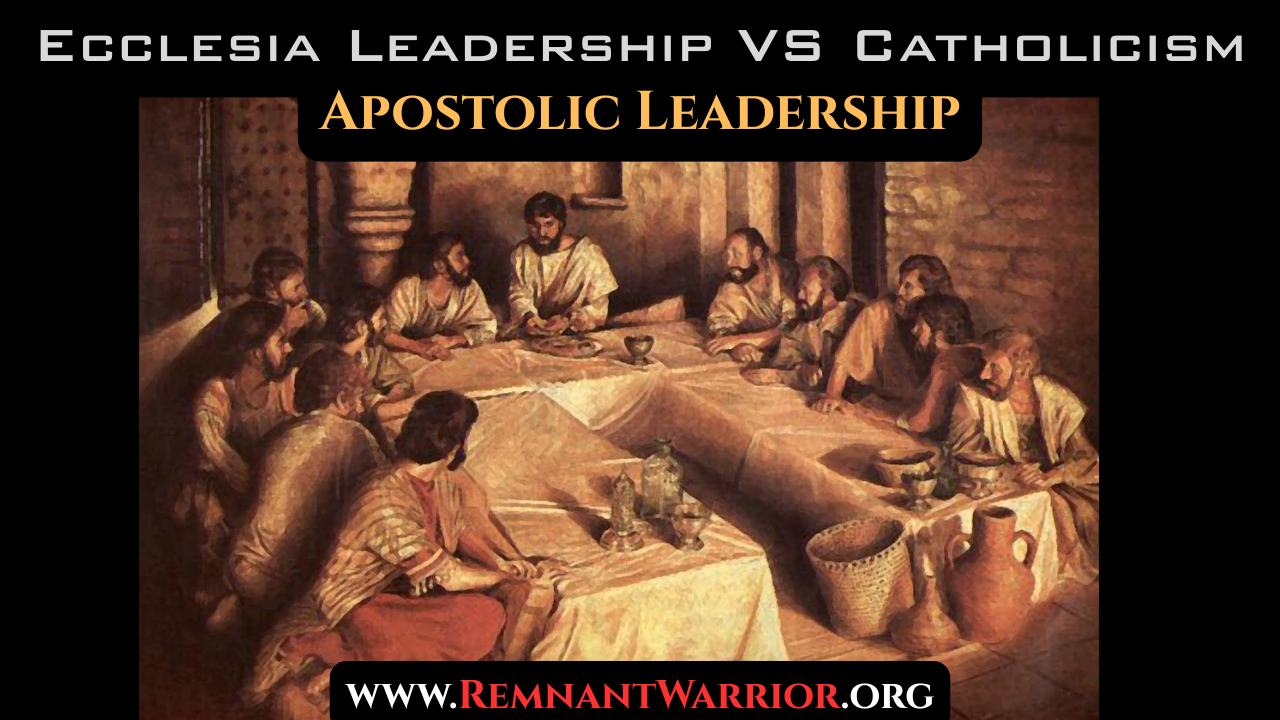
Apostolic Authority differs fundamentally from hierarchical or positional power structures. In the New Testament, apostolic leaders functioned primarily as spiritual parents who earned influence through relationship, demonstrated character, and proven ministry effectiveness.

They led through service rather than control, modeling Christ’s approach to leadership as exemplified in washing His disciples’ feet.

This servant-leadership paradigm contrasts sharply with ecclesiastical systems that confer authority through formal titles or institutional positions.

The essence of apostolic authority lies in its Holy Ghost inspired influence rather than its control. Apostolic leaders in the early church extended their ministry through relationship networks rather than organizational structures.

Their authority was recognized by Holy Ghost, and voluntarily by those who benefited from their ministry rather than imposed through ecclesiastical sanctions or denominational mandates.

This relational foundation creates a more organic, resilient connection than institutional affiliations that may dissolve when organizational politics or priorities shift.

Apostolic authority manifests primarily through equipping and releasing others rather than consolidating power. Paul’s ministry exemplifies this approach—he established communities, developed local leadership, and then moved on to new territories.

His ongoing relationship with these churches focused on encouraging their growth toward maturity rather than maintaining dependent connections. This pattern stands in marked contrast to modern systems that often foster dependency on professional ministers.

Participatory Community
Participatory Community reflects the New Testament vision of church as an active body rather than a passive audience. The biblical metaphor of the church as a body presupposes that every member has a vital function to perform.

This understanding transforms gatherings from spectator events into collaborative expressions where diverse gifts operate for mutual edification. Such participation extends beyond token involvement to meaningful contribution in worship, ministry, and decision-making processes.

The experience of community in apostolic churches transcends casual social connection to covenant relationship. Members understand themselves as spiritually joined to one another, sharing a common identity and purpose that shapes their priorities and commitments.

This covenant relationship creates the necessary foundation for genuine accountability, conflict resolution, and shared life that extends beyond weekly services into daily interaction and practical support.

Community engagement in the apostolic model extends beyond internal fellowship to active engagement with the surrounding society. Rather than creating Christian subcultures isolated from their neighbors, early believers remained embedded in their communities as salt and light.

They demonstrated Kingdom values through practical service, ethical business practices, and compassionate response to societal needs. This engagement provided both credibility for their message and opportunities for witness that institutional isolation cannot produce.

Practical Spirituality
Practical Spirituality characterizes the apostolic approach to faith, emphasizing tangible expression of spiritual realities in everyday life. Unlike religious systems that separate sacred from secular domains, apostolic Christianity integrates faith into all aspects of human experience.

Believers are equipped to exercise their spiritual authority in family relationships, workplace environments, and community involvement rather than compartmentalizing spirituality to religious activities.

The supernatural dimension remains central to apostolic spirituality. The New Testament presents a faith characterized by divine healing, prophetic guidance, angelic assistance, and spiritual warfare as normal aspects of Christian experience rather than exceptional phenomena.

This practical supernatural ministry emerged from intimate relationship with God rather than formulaic techniques or specialized gifting limited to professional ministers.

All believers were expected to manifest spiritual gifts as the Spirit directed.

Holistic development marks apostolic approaches to discipleship. Rather than focusing exclusively on intellectual knowledge or emotional experiences, apostolic ministry addresses the whole person—spirit, soul, and body.

Character formation receives as much attention as gifting development. Financial stewardship and vocational excellence are considered spiritual matters alongside prayer and Bible study. This comprehensive approach produces believers equipped to represent Christ effectively in every dimension of life.

Leadership Multiplication
Leadership Multiplication distinguishes apostolic movements from institutional maintenance. Paul instructed Timothy to entrust what he had learned to faithful individuals who would teach others also, creating a four-generation multiplication process (2 Timothy 2:2).

This intentional reproduction stands in stark contrast to centralized systems that channel potential leaders through institutional bottlenecks like seminary training or denominational ordination processes that often restrict rather than accelerate leadership development.

Mentoring relationships provide the primary context for leadership development in apostolic systems. Emerging leaders learn through life-on-life impartation rather than merely academic instruction, absorbing values, developing character, and acquiring practical ministry skills through observation and guided experience.

This relational approach transmits both formal teaching and tacit knowledge—the unspoken wisdom that comes only through proximity to experienced practitioners demonstrating ministry in real-life contexts.

Apostolic leadership development emphasizes character formation alongside skill acquisition. While contemporary systems often credential individuals based primarily on academic achievement or speaking ability, apostolic communities recognize that lasting leadership influence flows from integrity, humility, and proven faithfulness.

The qualifications for elders outlined in 1 Timothy 3 and Titus 1 focus overwhelmingly on character qualities rather than professional competencies, establishing a pattern that apostolic reformation seeks to restore.

Evangelical Mission

Evangelical Mission drives apostolic movements, maintaining the outward focus that prevents communities from becoming self-absorbed and maintenance-oriented. The Great Commission remains central rather than peripheral, shaping priorities, resource allocation, and ministry structures. This mission orientation ensures that churches exist primarily for those not yet part of them rather than primarily serving the preferences of existing members.

Kingdom advancement rather than institutional growth distinguishes truly apostolic mission. While many modern churches measure success by attendance, buildings, and budgets, apostolic leaders evaluate effectiveness by transformed lives, disciples made, and new communities established. This kingdom perspective enables cooperation across organizational boundaries, as leaders recognize fellow workers contributing to the same divine purpose rather than competing for market share in the religious economy.

Contextual adaptation characterizes apostolic mission strategy. Paul became “all things to all people” to effectively reach diverse cultural groups. This principled flexibility stands in contrast to standardized approaches that export cultural forms alongside the gospel message. Apostolic movements distinguish between unchanging biblical principles and adaptable methodologies, allowing indigenous expressions of Christianity to develop in each cultural context rather than importing foreign practices that create unnecessary barriers to reception of the gospel.

The modern church faces a pivotal choice: continue maintaining inherited traditions and structures that increasingly fail to engage contemporary culture, or embrace the challenging but revitalizing path of apostolic reformation that returns to foundational principles while contextualizing their expression for today’s world. Recognizing these deviations represents the first step toward restoration, requiring both honest assessment of current practices and courageous commitment to biblical patterns regardless of institutional resistance.

Reclaiming the Essence

The Apostolic Reformation ultimately represents a recalibration—aligning modern church expressions with timeless biblical principles. This movement challenges believers to distinguish between cultural accommodations that have accumulated over centuries and the essential, unchanging foundations of authentic Christianity. Such discernment requires both historical awareness and scriptural literacy, understanding how and why the church evolved away from its original pattern while maintaining clear vision of the apostolic blueprint.

Throughout church history, reformation movements have consistently emerged when dedicated believers recognized the gap between contemporary practices and biblical patterns. From the Waldensians to the Protestant Reformers to the Methodist revival, these movements sought to recover lost aspects of New Testament Christianity. The current Apostolic Reformation stands in this historic tradition, addressing areas where even previous reformations left work unfinished. Like those earlier movements, it faces institutional resistance while offering renewed vitality and relevance to a changing world.

The restoration of apostolic Christianity does not imply simplistic attempts to recreate first-century cultural forms or practices. Rather, it involves discerning the underlying principles and values that animated the early church and applying them within contemporary contexts. Just as the apostolic communities contextualized the gospel message for diverse cultural settings in their day, modern apostolic reformation seeks relevant expressions for today’s world while maintaining fidelity to foundational truths and values.

This reformation journey requires both courage and humility—courage to challenge entrenched systems and practices that have deviated from biblical patterns, and humility to acknowledge that no individual or group possesses complete understanding. The process involves collaborative discovery, experimental application, and continuous refinement as communities learn together what apostolic Christianity looks like in their particular context. Such humble courage characterizes genuine reformers throughout church history.

Apostolic Reformation calls believers to rediscover the dynamic, relational, Spirit-empowered essence of original Christianity, understanding the historical context that shaped the early church, and courageously addressing modern deviations from this pattern to create authentic expressions of biblical community suitable for reaching today’s world.

Returning to Our Apostolic Foundation

The journey of rediscovering our apostolic roots isn’t simply an academic exercise—it’s a vital spiritual awakening. As we’ve explored throughout this chapter, the essence of Apostolic Reformation lies in reconnecting with the vibrant, Spirit-led practices that defined the early church. This reconnection isn’t about nostalgic longing for the past, but about reclaiming the power, authority, and effectiveness that Christ intended for His Body.

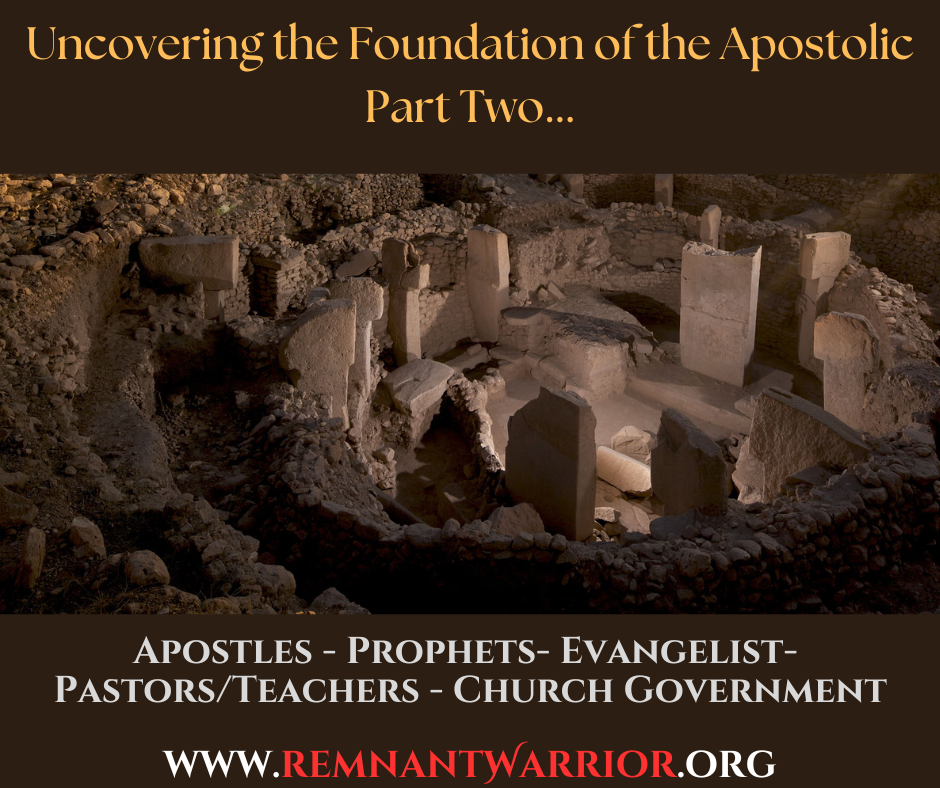
When we examine the foundational principles of Apostolic Reformation, we find a blueprint not created by human ingenuity but designed by divine wisdom. The five-fold ministry—Apostles, Prophets, Evangelists, Pastors, and Teachers—wasn’t established as an organizational chart but as the living structure through which the Holy Spirit would equip believers for works of service.

The early church understood this dynamic. They lived it daily. Their gatherings weren’t mere religious exercises but transformative encounters with God’s presence. Their governance wasn’t bureaucratic but Spirit-led. Their impact wasn’t measured by building size but by kingdom advancement. They changed their world not through political power but through spiritual authority.

Today’s deviations from this pattern haven’t been without consequence. As we’ve seen, when we replace biblical patterns with human traditions, we inadvertently limit the flow of God’s power and purposes through His church. The institutional frameworks, hierarchical leadership models, and program-driven approaches that characterize many modern churches often bear little resemblance to what we see in Acts and the Epistles.

Yet there is hope. The winds of Apostolic Reformation are blowing across the global Church. Believers everywhere are hearing the Spirit’s invitation to return to the ancient pathways—not to recreate the first-century church in its cultural expression, but to recapture its spiritual essence and apostolic power.

~Dr. Russell Welch
Elder / Apostolic Teacher: Highway to Heaven Church and Founder and Shepherd of Remnant Warrior Ministries / Remnant Warrior School of Spiritual Warfare.
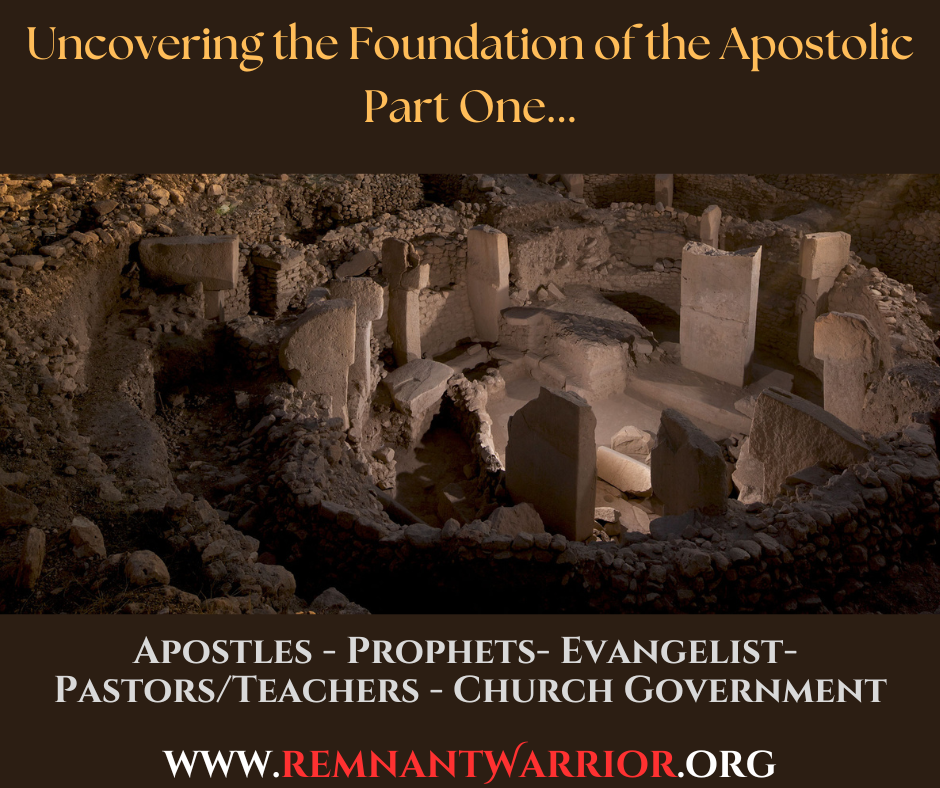

The Foundation of the Church: Understanding the Apostolic Office

In the realm of architecture, no one would dispute the significance of a building’s foundation. It is the bedrock upon which the entire structure rests, ensuring stability and longevity.

This analogy finds a profound reflection in the biblical context, particularly in Ephesians 2:20, where the Apostle Paul emphasizes that the church’s foundation is built upon the apostles and prophets, with Christ as the chief cornerstone.

This metaphor not only highlights the vital role of unity within the church but also invites an exploration of the nature and implications of the apostolic office. The apostolic office serves as a crucial element in the establishment and nurturing of the church.

The apostles were not merely historical figures; they were divinely appointed leaders who played an essential role in spreading the teachings of Jesus Christ and laying the groundwork for the early Christian community.

Their firsthand experiences with Christ provided them with unique insights and revelations that shaped the beliefs and practices of the church. This foundational leadership was instrumental in creating a unified body of believers that transcended cultural, social, and geographical barriers.

Paul’s assertion in Ephesians 4:12-13 further expands upon the significance of the apostles in the contemporary church. He writes, “For the perfecting of the saints, for the work of the ministry, for the edifying of the body of Christ: Till we all come in the unity of the faith, and of the knowledge of the Son of God, unto a perfect man, unto the measure of the stature of the fullness of Christ.”

This passage underscores the ongoing role of the apostolic office, suggesting that the church has not yet fully achieved the maturity and unity envisioned by Paul. The work of the apostles in perfecting the saints and edifying the body of Christ remains essential, as it fosters an environment where believers can grow in faith and knowledge.

In today’s world, the implications of Paul’s teachings are profound. The church is called to recognize and embrace the presence of modern-day apostles who continue to guide and equip the body of Christ.

These leaders play a pivotal role in addressing contemporary challenges, promoting unity, and ensuring the church remains aligned with its foundational values. As society evolves and new crises emerge, the need for apostolic leadership becomes increasingly evident.

Moreover, the apostolic office serves as a reminder of the importance of mentorship and discipleship within the church. Just as the original apostles mentored early Christians, today’s leaders must invest in the spiritual growth of their congregations.

This commitment to nurturing future generations of believers ensures that the church continues to thrive and adapt while remaining firmly rooted in its foundational truths.

In conclusion, the apostolic office is not merely a relic of the past; it is a living and active force within the church today. Understanding this role is vital for fostering unity, maturity, and growth in the body of Christ.

As we reflect on Paul’s teachings, may we be inspired to seek out and support apostolic leadership in our communities, ensuring that our foundation remains strong as we build a vibrant church that honors Christ as the chief cornerstone.

The journey toward spiritual maturity and unity is ongoing, and it is through the guidance of apostles that we can navigate the challenges of our time with wisdom and grace.

~Dr. Russell Welch
Elder / Apostolic Teacher: Highway to Heaven Church and Founder and Shepherd of Remnant Warrior Ministries / Remnant Warrior School of Spiritual Warfare.


The Apostolic Foundation of the Church -Introduction.

In the realm of architecture, the importance of a solid foundation cannot be overstated. Just as a building requires a stable base to support its structure, the church is anchored by the teachings and authority of the apostles, who serve as its foundation.

The Apostle Paul, in Ephesians 2:20, provides a powerful analogy that underscores this truth; he states that the church is built on the foundation of the apostles and prophets, with Jesus as the chief cornerstone.

This series of posts seeks to unpack the significance of the apostolic foundation, exploring the identity of the apostles, their unique role in the early church as well as the current church, and the implications of their foundational status for contemporary believers.

Understanding the Apostles…..

The original apostles were chosen by Jesus Christ to be His immediate messengers, tasked with the vital role of disseminating His teachings and authority. The term “apostle” itself translates to “one who is sent,” signifying their mission to preach the gospel and establish the church.

The original twelve apostles, including Peter, James, John, and Judas Iscariot, were selected during Jesus’ earthly ministry, while Paul, a later addition, was also designated an apostle after a transformational encounter with Christ.

Their firsthand experience with Jesus equipped them uniquely to bear witness to His life, death, and resurrection, granting them a level of authority that established the church’s core beliefs and practices.

The apostles’ role in the church is and was not merely administrative or organizational; it is deeply spiritual and revelatory. They were, and still are tasked with interpreting the teachings of Jesus, guiding the believers, and laying the groundwork for the Christian faith.

Through their writings, which make up a significant portion of the New Testament, the apostles articulated the doctrines of the church, providing insights into the nature of God, salvation, and Christian living.

Their teachings continue to inform and shape the beliefs of modern-day Christians, establishing a direct line of continuity from the early church to the present.

The Significance of the Apostolic Foundation…

The concept of the apostles as part of the foundation of the church carries profound implications for the identity and mission of the church today. Just as a building’s stability hinges on its foundation, the health and effectiveness of the church are rooted in its adherence to the teachings of the apostles. But let it be said, the Christ our Lord is the chief corner stone upon which the foundation is built.

In an age of shifting cultural values and diverse theological interpretations, the call to return to the foundational truths established by the apostles remains relevant.

Emphasizing the authority of the apostolic teachings encourages unity among believers, as these teachings point to a shared understanding of Jesus as Lord and Savior. Furthermore, recognizing the apostles as the foundation underscores the importance of the gospel.

The message they preached—centered on Christ’s redemptive work—serves as the cornerstone of the church’s mission. The church is called to be an extension of the apostles’ work, carrying forth the gospel message into the world.

This includes not only evangelism but also nurturing a community of believers grounded in apostolic teachings, fostering spiritual growth, and demonstrating Christ’s love through service and outreach.

Conclusion

In conclusion, the apostolic foundation of the church is a profound and essential aspect of Christian identity.

The apostles in the early Church years, as the original messengers of Christ, provide a solid base for the church, enabling it to fulfill its mission in the world.

Their teachings continue to guide modern believers, offering a framework for understanding faith and practice. As we reflect on the significance of this foundation, we are reminded that, like an architect’s blueprint, the life and message of Jesus Christ, as conveyed by the apostles, should direct the church’s path forward.

Whereas the Apostle of our day are those who are in many cases re-introducing the Apostolic teachings to the Body of believers. There are those who will claim we no longer have apostles, yet they contradict the scriptures as Paul was clear, the Apostles, Prophets, Evangelist, and Shepherding teachers are for the perfecting of the Church, and it is clear that as this date, the Church is not walking in perfection (Ephesians 4:11-13).

Thus, by anchoring ourselves in the apostolic foundation, we not only honor the legacy of the early church but also ensure that we remain steadfast in our commitment to the gospel.

Next week part two….. “The Foundation of the Church: Understanding the Apostolic Office”

~Dr. Russell Welch
Elder / Apostolic Teacher: Highway to Heaven Church and Founder and Shepherd of Remnant Warrior Ministries / Remnant Warrior School of Spiritual Warfare.

The relationship between divine sovereignty and human authority has long been a subject of theological debate. A common assertion is that every leader of a nation is divinely appointed by God, which reflects a misunderstanding of the true nature of sovereignty.

The biblical passage found in Romans 13:3-4 offers critical insights into this relationship, emphasizing that rulers serve a purpose aligned with divine justice and goodness. However, it raises pressing questions about the nature of leadership and the implications of human choices in governance.

Romans 13:3-4 states, “For rulers are not a terror to good works, but to the evil.” This assertion implies that the primary role of a leader is to promote good and punish evil. If we accept this premise, it becomes evident that not every leader fulfills this divine mandate.

The concept of rulers as ministers of God suggests that their authority should inherently align with good works; thus, those who persecute the faithful or enact unjust laws cannot be seen as chosen instruments of God.

When leaders act contrary to the principles of justice, compassion, and righteousness, it is misleading to assert that they are God’s chosen representatives. Throughout history, we have witnessed examples where human choices have deviated from divine intention.

The biblical account of the Israelites choosing David over Saul is a poignant illustration of this phenomenon. The people’s desire for a king based on their own perceptions of leadership led them to overlook God’s plan and ultimately resulted in a reign filled with turmoil. Having realized their error, they began to reject Saul and turned toward David.

This historical reference serves as a reminder that human preferences and decisions can lead to outcomes that stray from divine will, suggesting that the expectation of divine endorsement for all leaders is misguided.

Moreover, the assertion that we have the leaders God intended for us at any given time often overlooks the complexities of free will and moral choice. As individuals and communities, we are called to evaluate our leaders based on their alignment with the values of justice, mercy, and truth.

When leaders act as oppressors, it is not merely a question of divine appointment but rather a reflection of human choices that diverge from the righteousness that God desires. In our contemporary society, it is vital to turn back to the purity of the Word through the lens of the Holy Spirit.

Reliance on our emotions or personal leanings can cloud our judgment and lead us to accept leaders who do not reflect the values we hold as sacred. Instead, we should engage in discernment grounded in scripture and spiritual wisdom.

This process invites us to critically assess our leaders and ensure that their actions resonate with the good works mandated by God. We need to understand that the notion that every leader is God’s choice diminishes the complexity of divine sovereignty and human agency.

Romans 13:3-4 challenges us to recognize the responsibility that comes with leadership and the moral imperative to choose leaders who advocate for good rather than evil. We must step back and look through the lens of history, see the mistake that we made, and allow Holy Spirit to reset us in the right direction.

For is it not a truth that the relationship between faith and governance has been a topic of contention throughout history, with scripture often cited to justify the authority of leaders? Romans 13, which calls for the honoring of governing authorities, can be dangerously misinterpreted.

Again, this misinterpretation has, at times, led to complicity in the actions of tyrants and the acceptance of misguided doctrines. A historical examination reveals the pitfalls of conflating divine authority with political power, as seen in the era of Emperor Constantine.

Certain factions within the Church accepted his rule and, by extension, the doctrines of the Catholic Church, turning a blind eye to the corruption that accompanied it. However, a steadfast Remnant, known as “The people of the Way, The Lord’s dedicated Ecclesia, arose, refusing loyalty to both the Emperor and the Church.

This group faced persecution and it ultimately drove the true followers of Christ underground, demonstrating the peril of aligning faith with authoritarianism. The narrative continues with the Irish Monks, who embodied a radical commitment to the teachings of Christ, particularly those from the Gospel of John.

These Monks stood against the King of England and the Church of England, which claimed divine sanction for its rule. Their refusal to submit to the Pope and the English crown led to their persecution and expulsion from their homeland.

This pattern of resistance to the intertwining of faith and political power highlights a recurring theme: the existence of a faithful Remnant that remains true to scriptural integrity in the face of societal pressures.

Later, the Moravian Community of Herrnhut in Saxony, established in 1727, represented another chapter in the ongoing struggle for authentic faith amid political turmoil. This prayerful community became a beacon of hope and mission, showcasing the power of a united ecclesia dedicated to prayer and the pursuit of God’s will.

History records that out of this powerful move of the Lord we saw the rise of many leaders such as the Wesley brothers, Charles and John Wesley just to mention a few, that birthed a powerful Holy Spirit fueled movement.

However, we see a few hundred years later how the Lutheran Church in Germany’s misinterpretation of authority during the rise of Adolf Hitler starkly illustrates the dangers of failing to discern true leadership.

Hitler was falsely regarded as God’s chosen servant, leading many to forsake their moral compass and align themselves with a regime that perpetrated unspeakable atrocities. While notable figures such as Dietrich Bonhoeffer bravely opposed this misguided theology, the broader Church too often capitulated, allowing the Nazi regime to manipulate scripture for its ends, even replacing crosses with swastikas.

The misuse of Martin Luther’s writings, which expressed his later animosity towards Jews, fueled the anti-Semitic agenda of the Nazis. This historical reflection underscores the urgent need for contemporary believers to return to a sound interpretation of scripture, free from distortion by cultural or political agendas.

Rather than bending the scriptures to fit our understanding, we must allow the Holy Spirit to elevate our comprehension, guiding us to a place of true sonship where we can discern the mind of the Lord.

In a world rife with conflicting ideologies, the call remains: to honor God above earthly rulers, seeking clarity and truth in our faith, and standing firm against any authority that seeks to undermine the core tenets of our beliefs.

So my brothers and sister in the faith, as we navigate the intricate dynamics of governance, let us seek guidance through scripture and the Holy Spirit, allowing our understanding of leadership to reflect the righteousness that God desires for His creation. Only then can we truly honor the divine sovereignty that underlies our earthly authorities.

~Dr. Russell Welch
Elder / Apostolic Teacher: Highway to Heaven Church and Founder and Shepherd of Remnant Warrior Ministries / Remnant Warrior School of Spiritual Warfare.

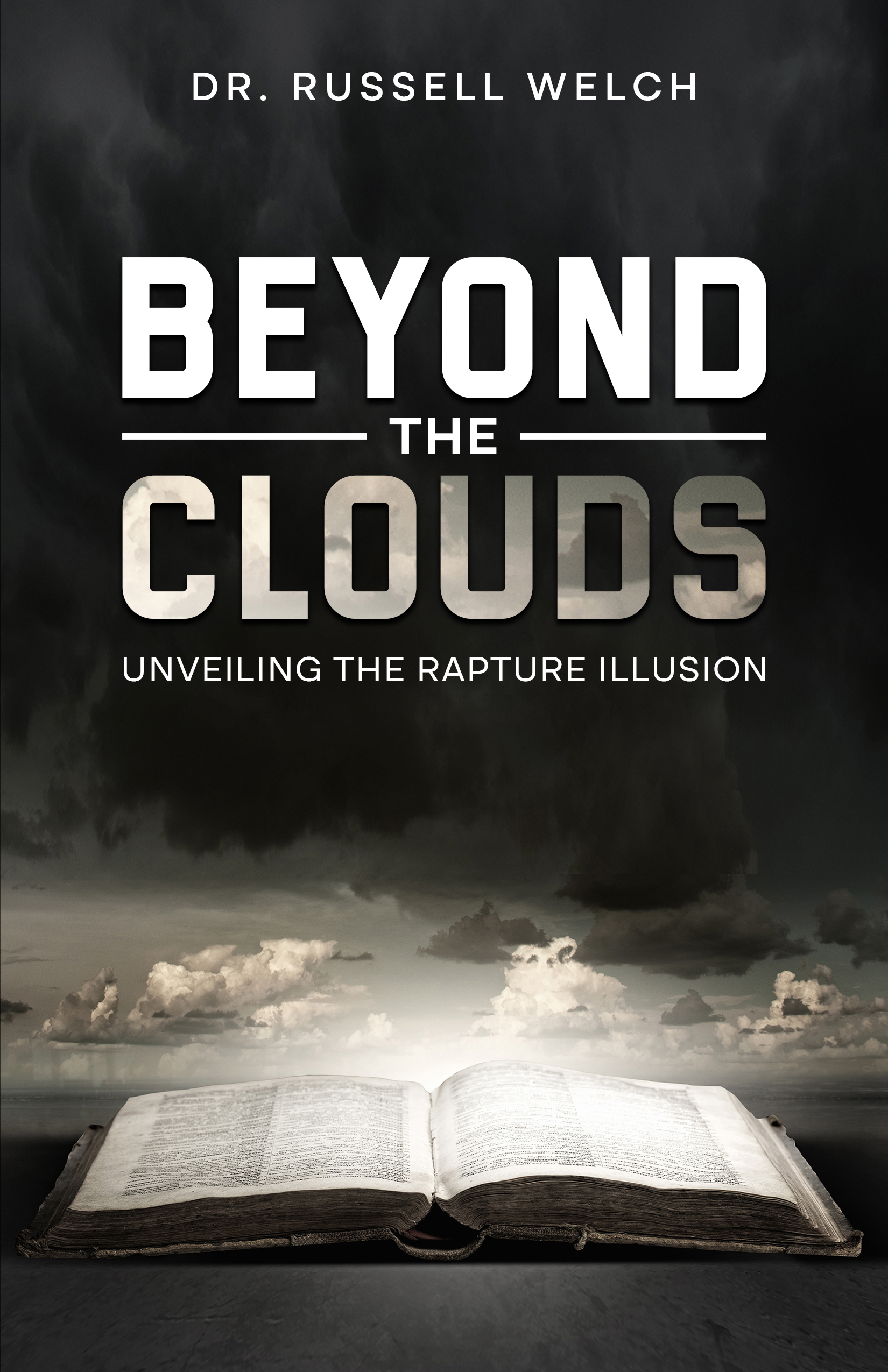
Release date set for June 4, 2024
Embark on a Quest for Biblical Clarity
The Path to Unveiling Spiritual Mysteries Begins Here

Have you ever stood at the edge of your faith, gazing up at doctrines towering like cloud-capped towers, and wondered if they might be illusions? “Beyond the Clouds: Unveiling the Rapture Illusion” written b y Dr. Russell Welch, is your invitation to a transformative journey—one that will navigate through the mists of misconception and ascend into the clear expanse of truth.

Dare to Question What You Know

Has a whisper of doubt ever rustled the pages of your beliefs about the end times? It’s a whisper that beckons you towards a voyage of courage and conviction, inviting you to not only question but also earnestly seek what lies beyond.

The Courage to Embrace Authentic Faith

Delve into this exploration with an open heart. Like a trusted friend who guides you through uncharted territories, this book offers a warm hand as you traverse the rugged terrain of theological understanding.

A Tapestry of Truth Woven with Scholarly Threads
Rediscovering Foundations in Faith’s Great Tapestry

“Beyond the Clouds” unfolds a rich tapestry that interweaves historical scholarship with scriptural insight. This is no mere critique; it’s a quest that revisits the origins and implications of Pre-Tribulation Rapture theory, beckoning believers to align their eschatological vision with the cornerstone of scripture.

Themes That Resonate with Heart and Mind
  • Embark on an odyssey through time to challenge established doctrines.
  • Traverse the landscapes of history to unearth theological roots.
  • Redefine your horizon with reimagined perspectives on what’s to come.
For Seekers and Shepherds Alike

Whether you stand at the pulpit or sit in the pews, if your spirit yearns for a deeper dive into biblical waters, this book extends its hand. To those who teach, those who ponder, and all who seek alignment between belief and biblical truth—this journey is for you.

Discoveries Await Within These Pages
A Compass Pointing Towards Scriptural North

Navigate through theological fog with newfound clarity. “Beyond the Clouds” is both map and compass, guiding readers away from faulty interpretations towards an enriched faith anchored in scripture.

Highlights That Illuminate Your Path
  • Traverse comprehensive explorations into beliefs about what lies ahead.
  • Find companionship in personal stories that mirror your own quest for truth.
  • Gain practical wisdom for respectful dialogue within your spiritual community.
Equip Yourself for The Journey Ahead
  • Forge resilience in faith when faced with doctrinal challenges.
  • Learn strategies for meaningful conversations about theology.
  • Align personal beliefs more closely with biblical teachings.
Chart Your Course Toward Spiritual Enlightenment
Heed the Call Towards Truth and Transformation

The voyage into “Beyond the Clouds: Unveiling the Rapture Illusion” is an embarkation point toward spiritual growth. It’s where curiosity meets revelation—where each page turned is a step further on your pilgrimage.

Set Sail Into Engaging Realms of Reflection
  1. Contemplate Theological Mysteries: Engage with a thought-provoking discourse on doctrine, history, and faith.
  2. Savor Words That Stir The Soul: Immerse yourself in narratives that blend critical thought with heartfelt insight.
  3. Journey Through Transformative Chapters: Encounter moments that challenge comfort zones and foster humility.
  4. Awaken an Insatiable Curiosity: Leave each chapter with an ignited passion for exploring deeper truths.

Embark on this expedition not just as a reader but as a seeker. Let “Beyond the Clouds: Unveiling the Rapture Illusion” be both your guidebook and companion. Order your copy today—and together, let us step out from shadows into light, from echoes into voice, from illusion into clarity.

~Remnant Warrior Publishing


As I was writing my Book “Warrior’s Arsenal: Equipping Spiritually Minded Soldiers with the Armor of God” Holy Spirit was speaking to me on different cultural topics regarding the cultural trends that our nation is currently settled in, as well as why certain dark forces have been permitted to influence these cultural trends that have grave consequences, especially regarding the children of this nation.

Abortion is at the top of the list, but running in a close second is the attack on their sexuality. From the spiritual tsunami-like push of transgender ideologies to the avalancheing onslaught of child trafficking across this nation, which has been greatly increased due to the current administration’s refusal to secure our borders.

However, this is essentially not a crisis created by any one political party, it is, in reality, a dereliction of duty on the part of the American Church. As the Church, we have been Spiritually empowered to represent Heaven here on Earth as governmental officials assigned by the courts of Heaven.

With that being said, concerning the authority we have been commissioned and deputized with from the Throne room, here is a small insight into what Holy Spirit shared with me while writing this book:
_________________________________________________________________

First and foremost, we must be aware that not everyone will embrace cultural transformation with open arms. Change can be unsettling and challenging for many, as it disrupts the familiar and comfortable.

Some may fear losing their sense of identity or their position of power within the existing cultural framework. Recognizing these underlying fears and concerns is crucial in understanding the opposition we may face.

As Spiritual Warriors, we are called to respond with grace, humility, and love. It is important to engage in genuine dialogue and seek to understand the concerns and perspectives of those who oppose cultural transformation.

By doing so, we can address their fears and misconceptions, presenting a compelling case for the positive impact that the Gospel of the Kingdom can have on society.

Furthermore, we must be prepared to confront the resistance that may come from established institutions and systems. These entities often resist change, as it may challenge their authority or disrupt their traditional ways of operating.

By recognizing this opposition, we can strategize and find creative ways to navigate through these obstacles, without compromising our mission of cultural transformation.

It is essential to equip ourselves with knowledge and wisdom, both in understanding the opposition and in effectively communicating the cultural changing power of the Gospel.

This includes being well-versed in the Scriptures, studying the examples of cultural transformation throughout history, and staying informed about the latest societal trends and issues. By doing so, we can present a compelling case for the relevance of the Gospel in addressing the pressing needs of our time.

Finally, we must remember that cultural transformation is a long-term endeavor. It requires perseverance, resilience, and unwavering faith.

The opposition we encounter should not deter us from our mission, but rather strengthen our resolve to bring about positive change in our culture. As Spiritual Warriors, we are called to be the agents of transformation, guided by the power of the Gospel of the Kingdom.
_____________________________________________________________

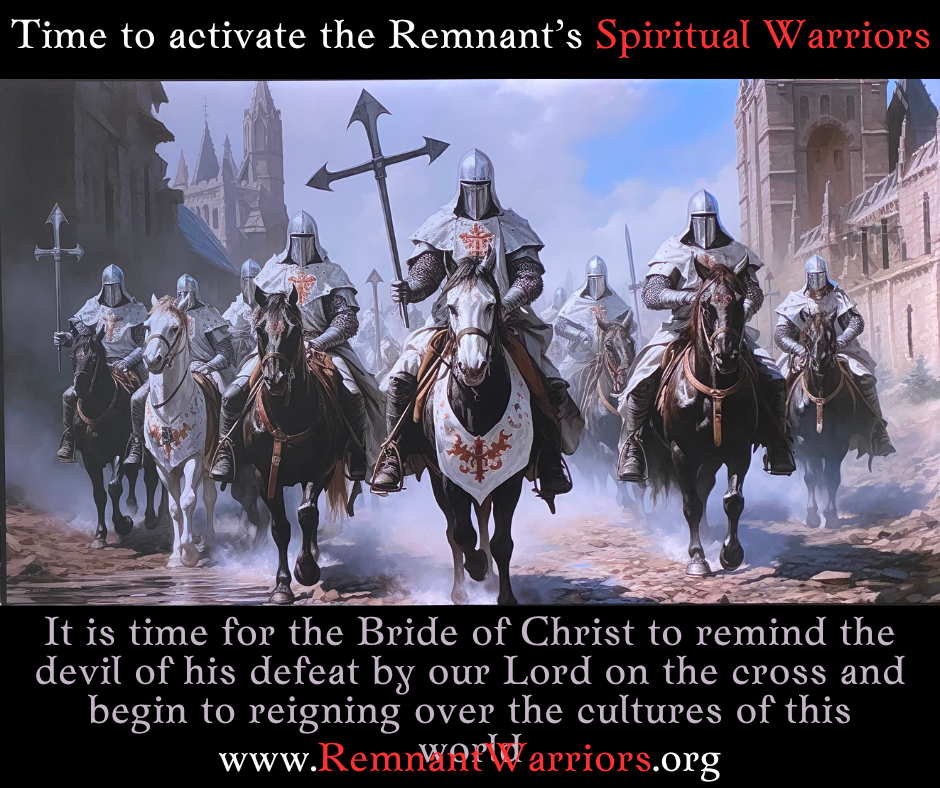
It’s time to release the Spiritual Warriors into the culture of the world, especially that which has infiltrated the American Church. It is time for the Remnant to take its ordained positions as cultural influencers, and Kingdom trendsetters.

It is time for the Ekklesia of Christ to wake up, and step into Her place of authority in this nation as well as the nations of this world.

As the sons and daughters of God, we weld a supernatural spiritual weapon that the enemy has absolutely no ability to stop, TRUTH sealed in GOD’s Word and the Blood of the Lamb.

Let us release the Kingdom’s weaponized prayers empowered by the LIGHT of TRUTH, dipped in the supernatural authority of the Gospel against the evil forces behind child sex trafficking, and the porn industry, commanding their streams of income to be dried up and depleted.

Let us release prayers that will activate the Angelic Warriors of Heaven to seek out every individual connected to these hellish organizations to be exposed, arrested, and brought to justice. #SELAH

Wind Walker


The Coming Revival

In the modern American Church, there is a growing concern among dedicated disciples of Jesus, His Spiritual Warriors. It is a concern rooted in the recognition that secularism has quietly infiltrated the very heart of our faith. The world’s spirit, disguised as modernity and progress, has seeped into our pews, subtly influencing our beliefs and practices. But there is hope on the horizon, a glimmer of light that promises a revival like no other.

The coming revival is not a mere wishful thinking; it is a prophetic call to action for all who long to see the Church restored to its true purpose. It is a call to expose the hidden influences of the world and to uncover the false teachings that have crept into our midst. It is a call to confront the pervasive grip of secularism and reclaim the undiluted message of the Gospel.

Revival, by definition, implies a restoration of something that has been lost or diminished. In the context of the modern American Church, revival means rediscovering the power and authority of God’s Word, unearthing the transformative message of salvation, and re-establishing the Church as a beacon of hope in a world desperate for truth and meaning.

To achieve this revival, we must first acknowledge the presence of secularism within our own ranks. We must recognize the subtle ways it has influenced our theology, diluted our worship, and compromised our commitment to biblical values. Only by exposing the spirit of the world can we begin to dismantle its stronghold on the modern American Church.

Moreover, we must courageously confront the false teachings that have infiltrated our congregations. From prosperity gospel to moral relativism, these erroneous doctrines have distorted the true essence of Christianity, leading many astray. By uncovering these false teachings, we can guide our fellow believers back to the solid foundation of God’s Word, restoring their faith in the one true Gospel.

But perhaps the most urgent task in this revival is to reveal the influence of secularism. Secularism, with its emphasis on self-gratification, materialism, and individualism, has seeped into the very fabric of our society. And sadly, it has not spared the Church. By exposing the ways in which secularism has compromised our values, we can reestablish a countercultural Christianity that stands against the tide of moral relativism and offers a compelling alternative to the emptiness of the world.

The coming revival is not a distant dream; it is a call to action for dedicated disciples of Jesus. It is a rallying cry to expose the spirit of the world, uncover false teachings, and reveal the influence of secularism in the modern American Church. As we embark on this journey, let us be bold in our pursuit of truth, unwavering in our commitment to the Gospel, and steadfast in our belief that the Church can once again shine brightly in a dark and secular world.

For the Remnant has received its orders from Holy Spirit, that the courts of Heaven have decreed, Now is the hour for the offensive move of the Remnant Army of the Lord. The trumpets of Heaven are sounding the alarm to send forth the Spiritual Warriors to seek out the spiritual strongholds the enemy has built within the cultures of this world that have been trojan horses, released their doctrines of deception into the Church, carried forth by human puppets of Hell.

Once these Spiritual Warriors of the Lord find them they are equipped with the power and authority of Heaven to use the the weapons of truth and love to dismantle these strongholds and release their captives. The hour of liberation is upon us, a supernatural spiritual reformation is about to unfold that the world hasn’t witnessed since the birth of the Ekklesia.

Below is the task that lies before the Remnant with the knowledge that the challenge is not above or beyond their ability, for the Lord has provided them with every spiritual weapon necessary to overcome the enemy along with the spiritual capability to win the victory. Holy Spirit has been clear in what the assignment is and has been ever so intentional as to what the spiritual strategic strategies are that they are to follow.

The Subtle Invasion of Secularism

In today’s modern American Church, there is a quiet and insidious invasion taking place. It is an invasion of secularism, a worldview that seeks to replace the authority of God with the wisdom of man. This invasion is not overt or obvious, but rather subtle and covert. It creeps into the hearts and minds of believers, slowly eroding their faith and diluting the power of the Gospel.

To the dedicated disciples of Jesus, it is crucial to be aware of this subtle invasion and to guard against its influence. Secularism is a spirit of the world that seeks to conform the Church to its values and beliefs. It disguises itself in various forms, often cloaked in the language of tolerance, progress, and intellectualism. But make no mistake, its ultimate goal is to chip away at the foundations of our faith and render the Church ineffective in its mission.

One of the ways secularism infiltrates the Church is through false teachings. These teachings may appear harmless on the surface, but they subtly distort the truth of God’s Word. They emphasize worldly values such as self-fulfillment, success, and material prosperity, while neglecting the true call of discipleship – taking up our cross and following Jesus. False teachings lead believers astray, focusing their attention on worldly pursuits rather than the eternal kingdom of God.

Another way secularism invades the modern American Church is through the influence of popular culture. The Church, in its desire to be relevant, often embraces the trends and values of the world. This compromises the purity and holiness of our faith. We see it in the music we sing, the movies we watch, and the books we read. The Church must be vigilant in discerning what is of God and what is of the world, for we cannot serve two masters.

Secularism also infiltrates the Church through a distorted understanding of grace. While grace is a beautiful and essential aspect of our faith, it should never be used as an excuse for compromise or complacency. Secularism twists grace into a license to indulge in sin, undermining the call to holy living and obedience to God’s commands.

As the Remnant of the Lord, operating in our abilities of spiritual discernment we must expose the spirit of the world hidden within the modern American Church. We must uncover false teachings and confront those who seek to dilute the truth of the Gospel. Let us be vigilant in revealing the influence of secularism and standing firm in the faith, for only then can we fulfill our mission to be salt and light in a dark and secular world.

The Dangers of Compromise

In today’s modern American Church, compromise has become an all-too-common occurrence. It is a subtle erosion of our faith, a dangerous path that leads us away from the truth and toward a watered-down version of Christianity. As the Kingdom’s Spiritual Warriors, commanded by Holy Spirit, we must be aware of the dangers that compromise presents and take a stand against it.

Compromise may seem harmless at first, as it often presents itself as a way to bridge the gap between the secular world and our faith. But make no mistake, this insidious spirit of compromise is nothing more than an attempt to dilute the power of the Gospel and conform it to the values of the world. It seeks to please man rather than please God.

One of the most significant dangers of compromise is the hidden infiltration of the spirit of the world within the modern American Church. As followers of Christ, we are called to be in the world but not of the world (John 17:16). Yet, compromise blurs the lines, making it difficult to distinguish between what is godly and what is worldly. It leads to a lukewarm faith, where we pick and choose which aspects of the Bible to follow based on our own desires and the ever-changing trends of society.

Furthermore, compromise allows false teachings to seep into the fabric of the Church. It opens the door for doctrines that are contrary to the Word of God, leading to confusion and deception among believers. We must be vigilant in uncovering these false teachings and standing firm on the unchanging truth of the Gospel. Without a solid foundation in God’s Word, we are susceptible to being led astray by the cunning lies of the enemy.

Perhaps one of the most alarming dangers of compromise is the influence of secularism within the modern American Church. Secularism seeks to remove God from every aspect of our lives, replacing Him with humanism, materialism, and moral relativism. When compromise takes hold, we unwittingly become vessels for secular ideologies, diluting the power of our faith and conforming to the world’s standards rather than God’s.

As dedicated Spiritual Warriors, as the Remnant of the Lord, must recognize the dangers of compromise and take a stand against it. We must be diligent in exposing the spirit of the world hidden within the modern American Church, uncovering false teachings, and revealing the influence of secularism. Let us not be swayed by the ever-changing tides of society but stand firm on the unchanging truth of God’s Word. Only then can we truly be a light in the darkness and effectively impact the world for Christ.

The Call to Discernment

In the modern American Church, a subtle but dangerous influence has taken hold – the grip of secularism. This insidious force has infiltrated the very core of our faith, leading many astray and compromising the integrity of the Church. It is a call to arms, a call to discernment, for dedicated disciples of Jesus to rise up and expose the spirit of the world hidden within our midst.

Secularism has blurred the lines between biblical truth and the values of society. It whispers enticing lies, tempting believers to compromise their convictions and conform to the ever-changing whims of culture. False teachings have seeped into our pulpits, disguised as progressive ideologies and watered-down messages. It is imperative that we uncover these falsehoods and reclaim the purity of the Gospel.

To answer this call, we must first understand the influence of secularism. It is a mindset that places human reason and desires above God’s Word. It exalts the individual and dismisses the authority of scripture. In doing so, it erodes the foundation of our faith and replaces it with moral relativism.

Discernment is the weapon we must wield against this encroaching darkness. We must diligently study the Word of God, immersing ourselves in its truth and allowing it to shape our thoughts and actions. We must be vigilant in recognizing false teachings and exposing them for what they are – distortions of God’s Word.

But discernment is not limited to knowledge alone. It requires a heart surrendered to God, a spirit that seeks His guidance and wisdom. It is a call to prayer, to seek the Holy Spirit’s leading in all aspects of our lives. Through prayer, we can discern the spirit of the world that seeks to infiltrate our churches and counteract it with the power of God’s truth.

As dedicated disciples of Jesus, we have a responsibility to stand against the influence of secularism in the modern American Church. We must be bold in our proclamation of the Gospel, unafraid to confront false teachings and expose the lies that threaten to dilute our faith. It is through discernment that we can reclaim the Church’s true identity as a beacon of light in a dark world.

The call to discernment is not an easy one, but it is a necessary one. It is a call to be vigilant, to be unwavering in our commitment to God’s Word. It is a call to expose the spirit of the world hidden within the modern American Church, to uncover false teachings, and to reveal the influence of secularism. Let us heed this call, for the sake of our faith and the future of the Church.

I will leave you with this prayer from the Apostle of Grace, Paul:

Therefore I also, after I heard of your faith in the Lord Jesus and charity unto all the saints, cease not to give thanks for you, making mention of you in my prayers; that the God of our Lord Jesus Christ, the Father of glory, may give unto you the spirit of wisdom and revelation in the knowledge of him;  illuminating the eyes of your understanding, that ye may know what is the hope of his calling and what are the riches of the glory of his inheritance in the saints. (Ephesians 1:15-18, Jubilee)

~ Russ G. Welch

Shepherd, Remnant Warrior Ministries


To experience the transforming love of the Father is like stepping into a sea without end and with no bottom. One’s whole life is radically turned inside out, religion cannot survive in His love and a death of self takes place, the length of which depends upon ones embracing the love of the Father as in a total surrendered diving in with or slowing stepping in while hanging on to the part of the old nature that seems to be safe although in truth is filled with dangerous traps. In fact these traps are false images of what appears to be truth yet were never their true identity in the first place…..

As for me, I first waded in, allowing the wounds of the past which empowered fear & insecurities to attempt to speak louder than His Love…. and over the past 36 months His love has been erasing each, dis-empowering them and replacing them with truth as to how He views me, what He says about me and even to the heart of the matter as to what His desire and purpose for my life is. (Even though I had been saved at 15 yrs old…I never knew His true love. Only the false picture of His love religion paints of a judge in a court room).

Over these months, I’ve found His Love to be so overwhelmingly intoxicating that I have reached the point to where I feel as though Holy Spirit has led me up to the highest diving board and the time has arrived to dive off from it, going into such a depth that the old man will be completely drowned. In the Spirit I can see the new man, the true man, the Spirit man, the very son of God I have been purposed to be since the foundation of the world, coming up out of the sea of His love with such resurrection power that the very shadow of the past will be broken into so many tiny pieces and sink back to a such a depth that they shall never be found again, a place where even the enemy will never reach them.

It is almost surreal while at the same time heart breaking as I see friends, family and others merely looking at the sea of His love, some have dipped a toe in other may be ankle deep yet either religion, the voice of the past or lack of faith (in some cases all three are intertwined). And I feel at times if only I could push them in they’d be set free, yet I know that they like myself and many before me, they must make the choice to jump themselves. Many say, I know His love, yet I can discern the longing in the spirit for that to be true. I know that yearning for I was lived in it day and night.

But one thing He did tell me was to allow my own life to become such a picture of the Father’s Love that like let the Master, others will be drawn to dive in His sea of love, that they too may find the abundant life, surrendered in the sea of His love.

~Russ Welch


A Message from Peter to future radical Disciples;

• So be done with every trace of wickedness (depravity, malignity) and all deceit and insincerity (pretense, hypocrisy) and grudges (envy, jealousy) and slander and evil speaking of every kind.

• Like newborn babies you should crave (thirst for, earnestly desire) the pure (unadulterated) spiritual milk, that by it you may be nurtured and grow unto [completed] salvation,

• Since you have [already] tasted the goodness and kindness of the Lord.

• Come to Him [then, to that] Living Stone which men [a]tried and threw away, but which is chosen [and] precious in God’s sight.

• [Come] and, like living stones, be yourselves built [into] a spiritual house, for a holy (dedicated, consecrated) priesthood, to offer up [those] spiritual sacrifices [that are] acceptable and pleasing to God through Jesus Christ.

• For thus it stands in Scripture: Behold, I am laying in Zion a chosen ([b]honored), precious chief Cornerstone, and he who believes in Him [who adheres to, trusts in, and relies on Him] shall never be [c]disappointed or put to shame.

• To you then who believe (who adhere to, trust in, and rely on Him) is the preciousness; but for those who disbelieve [it is true], The [very] Stone which the builders rejected has become the main Cornerstone,

• And, A Stone that will cause stumbling and a Rock that will give [men] offense; they stumble because they disobey and disbelieve [God’s] Word, as those [who reject Him] were destined (appointed) to do.

• But you are a chosen race, a royal priesthood, a dedicated nation, [God’s] own [d]purchased, special people, that you may set forth the wonderful deeds and display the virtues and perfections of Him Who called you out of darkness into His marvelous light.

• Once you were not a people [at all], but now you are God’s people; once you were unpitied, but now you are pitied and have received mercy.

• Beloved, I implore you as aliens and strangers and exiles [in this world] to abstain from the sensual urges (the evil desires, the passions of the flesh, your lower nature) that wage war against the soul.

• Conduct yourselves properly (honorably, righteously) among the Gentiles, so that, although they may slander you as evildoers, [yet] they may by witnessing your good deeds [come to] glorify God in the day of inspection [[e]when God shall look upon you wanderers as a pastor or shepherd looks over his flock].

• Be submissive to every human institution and authority for the sake of the Lord, whether it be to the emperor as supreme,

• Or to governors as sent by him to bring vengeance (punishment, justice) to those who do wrong and to encourage those who do good service.

• For it is God’s will and intention that by doing right [your good and honest lives] should silence (muzzle, gag) the ignorant charges and ill-informed criticisms of foolish persons.

• [Live] as free people, [yet] without employing your freedom as a pretext for wickedness; but [live at all times] as servants of God.

• Show respect for all men [treat them honorably]. Love the brotherhood (the Christian fraternity of which Christ is the Head). Reverence God. Honor the emperor.

(1 Peter 2:1-17)