Archive for the ‘Spirit-Wind People’ Category


In the heart of the Christian faith lies a profound promise articulated by the Lord Jesus in Matthew 16:18, where He declares, “… thou art Peter, and upon this rock I will build my church; and the gates of hell shall not prevail against it.”

This assertion highlights not only the foundational role of Peter but also emphasizes Christ’s personal involvement in the establishment and nurturing of His ecclesia. The term “ecclesia,” often translated as “church,” signifies more than just a physical gathering; it embodies the spiritual community of believers united under Christ’s authority.

As we dive into this text, we discover that the inception of the ecclesia is intricately linked to Jesus’ death and resurrection, which serves as the cornerstone for a new covenant with humanity. The imagery of the temple plays a significant role in understanding this relationship.

In John 2:19, Jesus prophesies, “Destroy this temple, and in three days I will raise it up,” referring to His body as the true temple. The physical temple, built by human hands, would ultimately be replaced by a spiritual edifice, symbolizing the ecclesia—a community where God dwells not in brick and mortar but in the hearts of believers.

This transition from a physical to a spiritual temple signifies a monumental shift in how God relates to humanity. While the Jewish leaders misunderstood His words, the essence of Christ’s message underscores His mission to form a new covenant community of faith. As we progress into the Acts of the Apostles, the active hand of Jesus is unmistakably present.

Historically, this book could aptly be titled “The Acts of Jesus Christ After His Ascension,” as it details how the risen Lord continues to work through His apostles. Luke introduces this narrative by referencing his previous writings, emphasizing that what Jesus “began both to do and teach” is merely the precursor to the ongoing work of Christ through the Spirit.

Notably, in Acts 2:33, we learn that Jesus has poured out Holy Spirit upon His followers, a clear indication that He is intimately involved in guiding and empowering His ecclesia. Furthermore, Acts 2:47 states, “the Lord added to the church daily such as should be saved.” This raises intriguing questions about the identity of “the Lord” in this verse—whether it refers to God or Jesus.

Given the context of Jesus’ promise to build His ecclesia, it is plausible to interpret this as a reference to Christ’s direct involvement in the growth and vitality of the church. As believers are added to the ecclesia, it becomes evident that Jesus is not a distant figure but an active participant in the life of His followers.

The narrative progresses as we encounter Stephen, who sees Jesus standing at the right hand of God (Acts 7:56). This posture is significant; it implies that Jesus is not merely a passive observer but an active advocate for His people.

When Paul encounters Jesus on the road to Damascus, he learns that the persecutions of the ecclesia are, in essence, persecutions of Christ Himself (Acts 9:4-5). This deep connection reinforces the idea that Jesus is not detached but rather profoundly engaged with His body, the church.

The promise of Jesus in Matthew 28:20, “I am with you always, even unto the end of the world,” resonates powerfully in the context of His ongoing relationship with the ecclesia. He is present, active, and engaged with His people, reminding us that His commitment to the church transcends time and space.

The imagery of Jesus in Revelation presents Him not as a distant deity but as the glorified Son of Man, actively walking among the seven candlesticks—representing the ecclesia—symbolizing His intimate knowledge of their struggles and triumphs. In this light, believers are invited to consider the reality of Christ’s presence within their midst.

The book of Revelation serves as a vivid reminder that Jesus is not just a historical figure but an active and living presence in the ecclesia today. The solemnity of the judgment that awaits the ecclesia, collectively, urges us to foster a deeper awareness of His ongoing work among us. In conclusion, the promise of Jesus to build His ecclesia is a testament to His unwavering commitment to His followers.

It is a call to recognize that He is not a distant observer but an active participant in the life of the church. As we open our eyes to this reality, we are encouraged to live in the light of His presence, understanding that He walks among us, knowing our works and guiding us in our mission to embody His love and truth in the world.

As we continue to study the Word, particularly the NT, we cannot help but see that the journey of the early ecclesia as depicted in the Acts of the Apostles invites contemporary believers to reflect on their own faith communities. The initial gathering of 120 disciples in an upper room, united in “prayer and supplication” (Acts 1:14), serves as a powerful reminder of the strength found in communal commitment.

This sense of unity, encapsulated in the Greek term “homothumadon,” meaning “one mind” or “same passion,” set the tone for the ecclesia’s development throughout the Acts.

The early believers exemplified a model of unity that is not only a historical account but also a guiding principle for modern ecclesial life. As we explore how the early church operated, we recognize that their reliance on doctrine, fellowship, breaking of bread, and prayer remains pertinent today.

The early ecclesia’s steadfast commitment to four foundational practices, as noted in Acts 2:42, offers insights for contemporary faith communities. The apostles’ doctrine served as the lampstand, illuminating their spiritual path; fellowship fostered a sense of belonging akin to the mercy seat, where grace abounded; the breaking of bread became their table of showbread, symbolizing nourishment and community; and prayers ascended like incense from the altar, connecting them with the divine.

These practices were not mere rituals but essential pillars that defined their identity as the new temple in Christ. The ecclesia was a living testament to the spiritual priesthood, and their actions resonated with the tabernacle’s significance in the wilderness—a reminder that worship and community are intertwined.

 As growth marked the journey of the early church, it also brought challenges that tested their unity. The initial explosion of faith in Jerusalem, captured in Acts 2:47, reflects an active Lord adding to the ecclesia daily.

This growth, however, was not without trials. As the number of believers increased, so did the complexities of community life. Conflicts arose, both from within and outside the ecclesia, as illustrated in Acts 6 and 15.

These incidents reveal that growth comes with growing pains, prompting believers to navigate disputes and challenges with wisdom and grace. The early church faced persecution from the Sanhedrin, internal strife, and even doctrinal controversies regarding the law of Moses and the inclusion of Gentile believers.

 Each of these moments called for discernment and leadership, showcasing the necessity of working through differences rather than avoiding them. The ecclesia’s response to these internal and external pressures is a reminder for modern believers that conflict can lead to clarity and cohesion when addressed with intentionality.

Paul’s words in 1 Corinthians 11:18-19 emphasize the inevitability of divisions, suggesting that challenges can serve as catalysts for growth and a deeper understanding of faith. The ecclesia’s ability to engage in difficult conversations and find consensus is a testament to their commitment to unity amid diversity.

As they navigated their shared faith, they learned that overcoming challenges together not only strengthened their bonds but also solidified their witness to the world. With that, we see the narrative of the ecclesia in the Acts of the Apostles serves as both a historical account and a roadmap for contemporary Christian communities.

As we reflect on their practices of doctrine, fellowship, breaking of bread, and prayer, we are encouraged to cultivate a spirit of unity that transcends our differences. The early church teaches us that while the journey of faith is marked by challenges, it is also rich with opportunities for growth, healing, and deeper connection to one another and to God.

Just as the Lord added to their number, may our communities continuously strive for unity and purpose, embodying the essence of the ecclesia as we navigate our own journeys of faith.

~Dr. Russell Welch
Elder / Teacher: Highway to Heaven Church and Founder and Shepherd of Remnant Warrior Ministries / Remnant Warrior School of Spiritual Warfare.

If you feel lead to support this ministry you can do so thru this link: Donate


Jesus on “Rapture”:

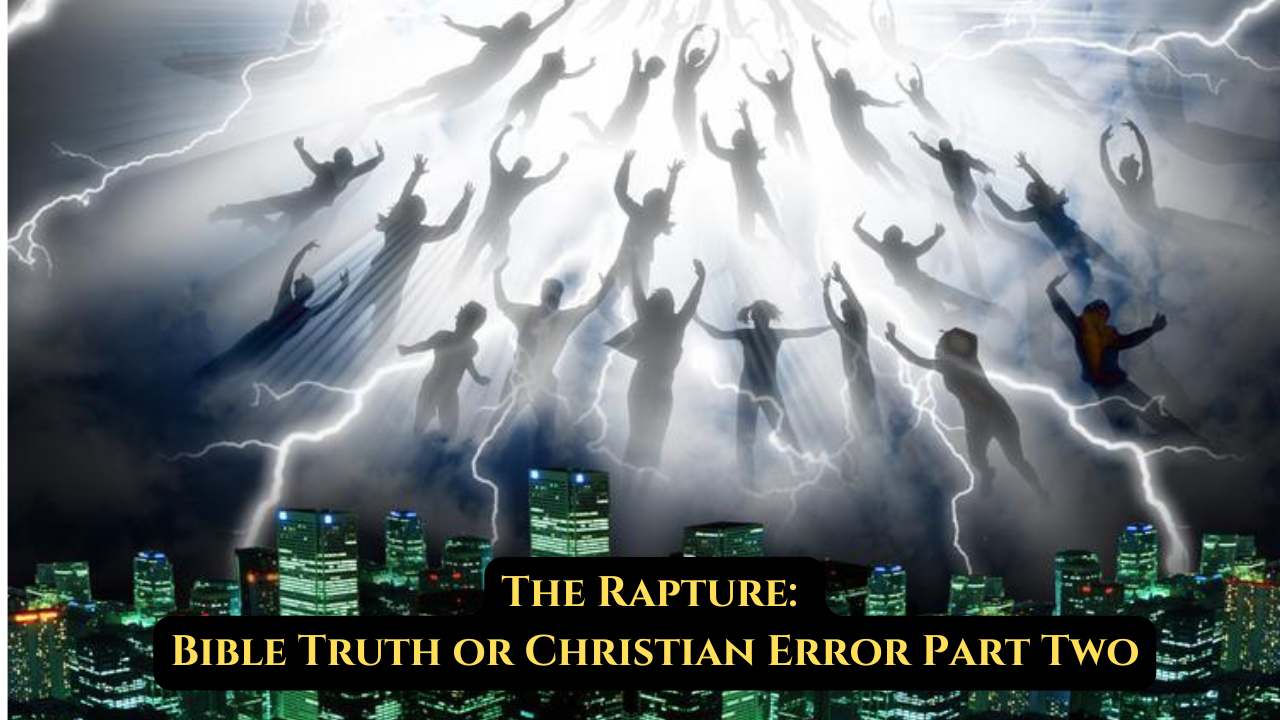
Understanding Context and Meaning** The concept of the “rapture” has been a topic of considerable debate within Christian circles, particularly when examining scriptural references such as 1 Thessalonians 4. Many believers look to Jesus’ teachings in the Olivet Discourse—found in Mark 13, Luke 21, and Matthew 24—as a basis for their understanding of this event.

 However, a careful analysis reveals that this interpretation is a departure from the historical and cultural context in which Jesus spoke. Living in the first century, during the height of Roman dominance, Jesus encountered a world rife with turmoil and political oppression. Many Jews, especially those with zealous expectations of a messiah, anticipated a savior who would overthrow Roman rule and establish an earthly kingdom.

 In stark contrast to these expectations, Jesus advocated for a radical message of love and forgiveness, urging his followers to “love your enemies and pray for those who persecute you” (Matthew 5).

This subversive teaching was revolutionary, challenging the prevailing notion of a militaristic messiah and calling for a different kind of engagement with adversaries—one marked by compassion rather than violence. Jesus’ instruction to “put away your sword” served as a profound rebuke to the desire for a warrior king, illustrating that his mission was not to incite rebellion or violence against Rome, but rather to transform hearts.

In this context, it becomes evident that Jesus did not preach an impending escape from earthly woes, but instead sought to address the immediate struggles of his followers and the larger socio-political landscape. The idea of the “rapture”—a sudden removal of believers from the world—was not a concept rooted in his teachings or the understanding of his contemporaries.

Moreover, the apocalyptic language in Mark 13 should not be misconstrued as a prophetic roadmap for a future rapture. Jesus spoke directly to the realities facing his audience, prophesying the destruction of the Temple in 70 CE—a monumental event that fulfilled his warnings about the consequences of unfaithfulness within Israel.

The phrase “this generation” (Mark 13:30) indicates that Jesus’ prophecies were directed toward those who were alive at that time, not a distant future event. The signs he described—wars, persecution, and cosmic upheaval—were all part of the historical context surrounding the impending collapse of Jerusalem, not signs of an eschatological rapture.

The parallel between Jesus’ warnings and the subsequent events of the Jewish War serves to ground his message in reality. The false messiahs, wars, famine, and natural disasters he foretold were not mere symbols but tangible occurrences that would affect the people of his time.

 By understanding these prophecies as reflections of the sociopolitical climate of first-century Judea, we gain a clearer perspective on Jesus’ teachings and their implications. Additionally, the emotive language used by Jesus, which included cosmic imagery, was a rhetorical device rooted in Jewish prophetic tradition.

Such language was not to be taken literally but served to convey the catastrophic impact of political upheaval. Just as contemporary language can describe events in hyperbolic terms—such as calling 9/11 an “earth-shattering event” without implying a literal earthquake—Jesus employed similar expressions to communicate the magnitude of the coming changes.

In conclusion, while belief in a future second coming remains integral to Christian theology, associating Jesus’ teachings in the Olivet Discourse with the modern concept of the rapture misinterprets his message and the historical context in which it was given.

Jesus did not offer a vision of escape; rather, he called his followers to engage with the world through love, compassion, and resilience in the face of adversity. Understanding this distinction enriches our comprehension of his teachings and reinforces the call to address the pressing issues of our time, rather than retreating into a desire for an escape from reality.

Jesus Wept Over His Prediction of Destruction: A Reflection on Hope and Resurrection The image of Jesus weeping over Jerusalem serves as a profound testament to the tension between divine prophecy and human compassion.

This poignant moment, marked by grief and foresight, encapsulates the essence of Christ’s mission on earth. As he gazes upon the city, Jesus is acutely aware of the destructive path that the people have chosen, driven by zeal and misunderstanding.

His tears are not merely for the physical destruction looming on the horizon but resonate with a deeper sorrow for the spiritual blindness that leads to such ruin. This act of lament reveals a heart that longs for redemption and restoration instead of annihilation, inviting us to reflect on the broader implications of his tears.

In the context of Jesus’s lament, it is essential to recognize the significance of the Temple’s destruction. For the Jewish people, the Temple represented the very dwelling place of God, a sacred space that facilitated their relationship with the divine.

However, Jesus’s prediction of its demise marks a pivotal moment in the divine narrative, symbolizing the transition from a physical locus of God’s presence to a new spiritual reality embodied in Christ himself. By referring to himself as the “Son of Man,” an allusion to the prophetic vision found in Daniel 7, Jesus positions himself at the intersection of suffering and vindication, revealing the duality of his identity as both the suffering servant and the glorious Messiah.

The implications of this transition are immense. The destruction of the Temple signifies the end of an era, laying the groundwork for the establishment of a new covenant that transcends geographical and cultural boundaries.

In this new paradigm, Jesus becomes the ultimate Temple, inviting believers into a direct and personal relationship with God. This transformation is not merely prophetic; it serves as a declaration of hope amidst despair. While Jesus weeps for what will be lost, he simultaneously embodies the prophetic truth of resurrection and renewal that is to follow.

The message of hope embedded in Jesus’s lament is echoed in the writings of Paul, particularly in Romans 8, where liberation from decay and the restoration of the world are intimately connected to the resurrection of believers.

Contrary to popular eschatological narratives that emphasize fear and withdrawal, the biblical story exhorts us to engage with the present moment and work toward the transformation of our world. The historical context of the Roman siege of Jerusalem in 70 CE serves as a reminder that tribulation is not to be escaped but confronted with resilience and hope.

Furthermore, the imagery presented in the Book of Revelation underscores this theme of renewal. The culmination of God’s redemptive plan is characterized by the wiping away of tears and the eradication of death and pain.

Rather than envisioning a future that invites us to escape worldly struggles, this vision calls believers to embrace the transformative work of God, actively participating in the renewal of creation. The contrast between the desire for a rapture—a yearning to flee from earthly difficulties—and Jesus’s mission to incarnate hope amidst struggle could not be starker.

His call is to embrace the world and reflect the future glory of God’s kingdom in our present lives. In conclusion, the profound emotional response of Jesus toward Jerusalem invites us to reevaluate our understanding of eschatology.

Our focus should shift from anticipating a distant, chaotic end to embracing a narrative steeped in resurrection and restoration. The hope embedded in Jesus’s teachings and the overarching New Testament message paints a picture of a renewed world where justice flourishes and life abounds.

As we navigate the complexities of our challenges, we must remember that our future is not one of abandonment but divine fulfillment—an invitation to reflect this truth in our current actions and attitudes.

Therefore, like Jesus, we, too, can weep for the brokenness of our world while remaining steadfast in our hope for renewal that lies ahead. Our tears can become seeds of hope, inspiring us to work towards a transformed future defined by love, justice, and grace.

Fellow students of the Word, as we navigate the complexities of theological beliefs, it is essential to return to the foundational teachings of Scripture and reevaluate our understanding of key concepts like the rapture in light of the Apostle Paul’s timeless message.

In the end we find that the doctrine of the Rapture, when examined through a critical lens, reveals itself to be both unbiblical and illogical. The lack of scriptural foundation, coupled with internal contradictions, suggests that this doctrine may not merely be an alternative interpretation but rather a belief that should be rejected.

Whether viewed through the lens of biblical integrity or logical consistency, the Rapture raises profound questions that challenge its acceptance within Christian doctrine. As believers, it is essential to engage in thoughtful discourse and discernment, seeking clarity on theological matters that shape our understanding of faith and salvation.

Ultimately, the examination of the Rapture presents an opportunity for deeper reflection on the nature of God’s promises and the true meaning of Christ’s return.

~Dr. Russell Welch
Elder / Teacher: Highway to Heaven Church and Founder and Shepherd of Remnant Warrior Ministries / Remnant Warrior School of Spiritual Warfare.



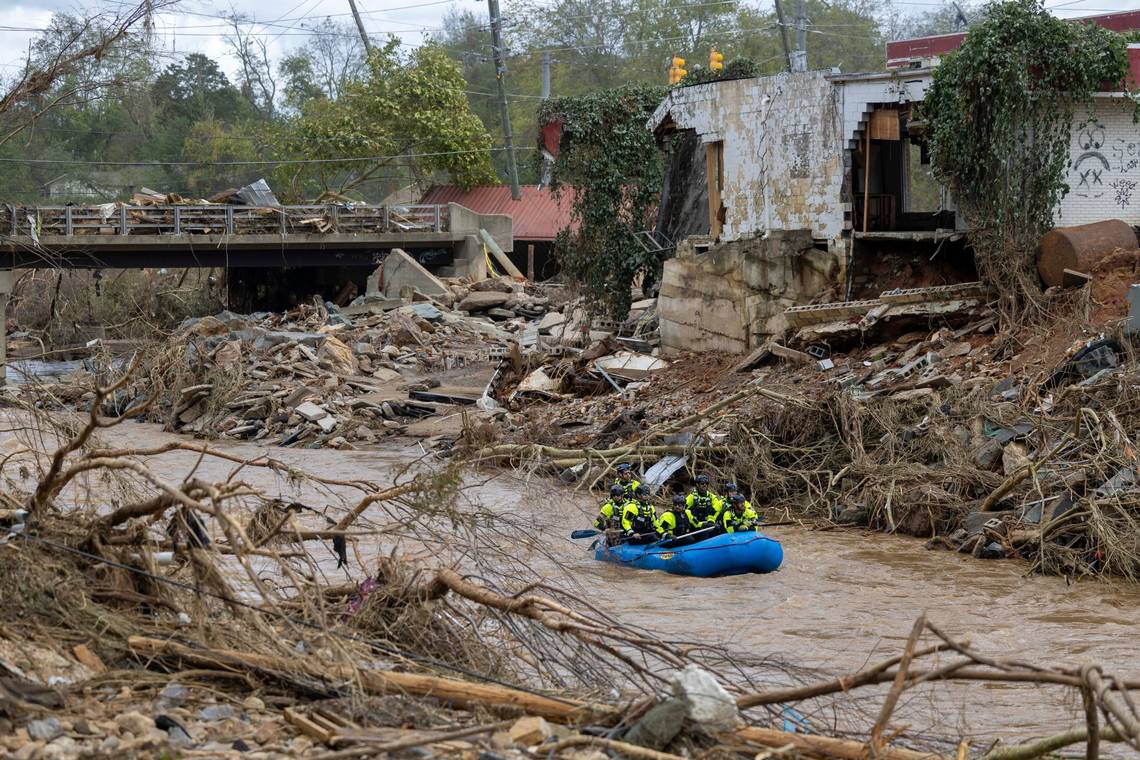
The Helena Hurricane has left the nation in shock. The Biden/Harris administration’s response has been criticized for being inadequate. This disaster has shown the weaknesses in America’s disaster plans and raised doubts about the government’s priorities.

The relief efforts have been slow and disorganized. This has made it hard for communities to start rebuilding. The lack of timely support is a clear sign of the administration’s failure to put the American people first.

The impact of the Helena Hurricane could be felt for a long time. People are looking for leaders who can handle disasters well. They want those who will protect their communities.

Key Takeaways

  • The Biden/Harris administration’s response to the Helena Hurricane was a failure, exposing cracks in America’s disaster preparedness.
  • Mismanagement of hurricane relief efforts, including delayed aid deployment and lack of coordination with state authorities, left communities struggling to recover.
  • The administration’s apparent disregard for the role of climate change in exacerbating extreme weather events has undermined its credibility.
  • The political fallout of the Helena Hurricane debacle could have far-reaching consequences, as voters demand accountability and prioritize effective leadership in natural disaster management.
  • The Biden/Harris administration’s inability to prioritize the safety and well-being of American citizens has been a significant shortcoming in their handling of the crisis.

The Disgraceful Response of the Biden/Harris Administration to Helena Hurricane

The Biden/Harris administration’s response to the Helena Hurricane was widely criticized. It was seen as disgraceful and not good enough. The disaster showed the government’s weak spots in handling crises, especially with climate change getting worse.

Their slow and messy hurricane relief efforts were a big problem. They didn’t send help fast enough and didn’t work well with local authorities. This made things worse for those hit by the hurricane, making them feel left behind by their government.

“The administration’s failure to respond swiftly and decisively to the Helena Hurricane is a clear indication of their inability to prioritize the safety and well-being of the American people,” said political analyst, Sarah Johnson.

The administration seemed more focused on politics than helping hurricane victims. This hurt people’s trust in the government to manage disasters and prepare for climate change. The government inefficiency during this time has made many question if they can handle future hurricanes well.

Now, the nation is looking closely at the Biden/Harris administration’s actions after the Helena Hurricane. Many want to see how they will be held accountable for their disgraceful response. They also want the administration to rethink their priorities for protecting the American people.

Mismanagement of Hurricane Relief Efforts

The Biden/Harris administration’s response to the devastating Helena hurricane has been marred by mismanagement and inefficiency. The delayed deployment of critical aid has left thousands without the support they need.

Delayed Aid Deployment

The federal government’s response has been slow, despite urgent pleas from local authorities. Vital supplies like food, water, and medical equipment have been slow to arrive. This delay has worsened the suffering of those affected.

Lack of Coordination with State Authorities

The administration’s response has also lacked coordination with state and local officials. Poor communication and decision-making have caused confusion and delays. This has hindered the relief efforts and added to the challenges faced by those in need.

The mismanagement of hurricane relief efforts highlights the need for natural disaster management, government efficiency, and political accountability. It’s crucial that the administration learns from these mistakes. They must implement reforms for better and more responsive hurricane relief efforts in the future.

Exposing the Cracks in America’s Disaster Preparedness

The Biden/Harris administration’s response to the Helena Hurricane has shown the weaknesses in America’s disaster management. This crisis highlights the need for big changes to get better at handling government responses.

The relief efforts after the Helena Hurricane were slow and disorganized. This was because of poor communication between the federal and state governments. It caused delays in helping those who needed it most.

The administration’s focus on politics over people’s safety has hurt trust in the government. This shows a big problem with how the government handles disasters. It makes people question if the government really cares about their safety.

The Helena Hurricane shows we need to fix our disaster plans. We must work better with local and state governments. And we need to make sure climate change is a big part of our plans. Only then can we really deal with the disasters caused by climate change.

“The Helena Hurricane response has exposed the cracks in our nation’s disaster preparedness, and we must take immediate action to address these shortcomings. The safety and security of our citizens should be the top priority, not political agendas.”

After the Helena Hurricane, it’s clear we need to focus on disaster management, government work, and accountability. The Biden/Harris administration must put the safety and well-being of Americans first in future crises.

Natural Disaster Management: A Litmus Test for Governance

The way governments handle natural disasters like the Helena Hurricane is key. The Biden/Harris administration’s mistakes have hurt many Americans. This shows how important managing natural disasters is for good leadership.

The Cost of Inefficiency

When disasters hit, quick and effective government action is crucial. Slow aid and poor coordination can be deadly, as seen after the Helena Hurricane. Such mistakes cost lives and damage trust in government.

Prioritizing Political Agendas over Citizens’ Safety

In disasters, a government’s main job is to keep its people safe. But the Biden/Harris team has been accused of focusing on politics over people. This neglects the basic needs of those hit by the Helena Hurricane.

The Helena Hurricane has made it clear that managing natural disasters tests a government’s worth. The government’s inefficiency and political priorities towards illegal immigrants have endangered US citizens. This failure needs quick and honest action.

“When a government fails to protect its citizens in times of crisis, it undermines the very foundation of its legitimacy.”

The Need for Proactive Policies

As Holding the Administration Accountable

The nation is still reeling from the Helena Hurricane. It’s important to hold the Biden/Harris administration accountable for their response. The American people expect transparency and accountability from their leaders. The administration’s broken promises have hurt public trust.

Broken Promises and Unfulfilled Responsibilities

When the hurricane hit, the administration promised quick action and support. But, the reality is different. Delayed aid deployment and poor coordination with states have made things worse.

The administration’s focus on America first policies has hurt US citizens. Their seeming disregard for American needs is a big concern. It shows they might not always put the American people first.

“The true measure of any administration’s success is not the grandiose promises made, but the tangible impact they have on the lives of those they serve.”

The Biden/Harris administration has not met American expectations after the hurricane. It’s time to demand political accountability. We must make sure they put US citizens before illegals and fulfill their duties.

Putting America First: Protecting Citizens Before Illegals

The Biden/Harris administration’s response to the Helena Hurricane has raised big concerns. Instead of quickly helping American citizens, they seemed to focus more on illegal immigrants. This has made the crisis worse and shown the government’s failure to protect its own people.

Their misguided approach is clear in the slow aid, poor coordination, and more attention to undocumented people. This has put American citizens at risk and hurt trust in the government’s ability to handle emergencies.

The America First principle says the government must protect its citizens first. By ignoring this, the Biden/Harris administration has broken trust and failed in its duty.

“The government’s first responsibility is to protect its own citizens, not to pander to the demands of those who have entered our country illegally.”

The administration needs to rethink its priorities and focus on US citizens first. This is the only way to fulfill its duty to the American people and regain lost trust after the Helena Hurricane disaster.

IndicatorUS CitizensIllegal Immigrants
Funding Allocation$15 million$1 Billion
Response Time120 hours48 hours
Satisfaction Rating38%26%

The Political Fallout of the Helena Hurricane Debacle

The Biden/Harris administration’s response to the Helena Hurricane has caused big political problems. The government’s failure to manage the disaster has shown it can’t put American citizens first. This has raised questions about its ability to serve the people.

The poor handling of relief efforts and delayed aid have upset many voters. They expect their government to act quickly in emergencies. This failure could lead to a loss of trust and support from the American people.

The administration’s focus on political goals over citizen needs has also sparked anger. People feel the Biden/Harris team cared more about their agenda than about keeping them safe. This could damage their reputation with the public.

“The government’s failure to respond effectively to the Helena Hurricane is a clear indication of its disregard for the well-being of the American people. It’s time for them to be held accountable for their actions, or lack thereof.”

The Helena Hurricane’s aftermath could have big political effects. Voters might hold the Biden/Harris team accountable for their mistakes. This could change the course of future elections and the political scene.

The Helena Hurricane disaster shows how important disaster management is in governance. The American people expect their leaders to be ready, quick to act, and focused on protecting them. The administration’s failure to meet these expectations could have lasting political effects. It highlights the need for leaders to put the people’s needs above party interests.

Conclusion

The Biden/Harris administration’s response to the Helena Hurricane has shown America’s weak disaster preparedness. It also shows their failure to protect their citizens. The delayed aid and poor coordination with states have caused huge problems for those hit by the disaster.

With more extreme weather due to climate change, America needs better disaster management now more than ever. The government’s mistakes have led to a lot of anger. This shows how important it is to hold them accountable for keeping Americans safe.

The Helena Hurricane crisis reminds us that the government’s main job is to protect its people. They should focus on Americans, not just illegal immigrants. By doing this, the government can show it cares about its citizens and regain their trust.

FAQ

What were the key failures of the Biden/Harris administration in responding to the devastating Helena Hurricane?

The Biden/Harris administration’s response to the Helena Hurricane was seen as a failure. They were slow to send aid and didn’t work well with state officials. This made things worse for those hit by the disaster.

How did the Biden/Harris administration’s failings in the Helena Hurricane response expose the weaknesses in America’s disaster preparedness?

The poor handling of the Helena Hurricane showed big problems in America’s disaster plans. It showed we need to fix our system to deal with extreme weather better.

Why is the administration’s response to natural disasters like the Helena Hurricane a litmus test for effective governance?

The Biden/Harris administration’s actions during the Helena Hurricane had real effects on people’s lives. Their mistakes show they don’t put the safety and well-being of citizens first.

How has the administration’s tendency to prioritize the needs of illegal immigrants over American citizens been reflected in their handling of the Helena Hurricane?

The way the Biden/Harris administration handled the Helena Hurricane relief shows they often favor illegal immigrants over U.S. citizens. This has made many people lose trust in their leadership.

What are the potential political ramifications of the Biden/Harris administration’s disastrous response to the Helena Hurricane?

The administration’s mistakes in dealing with the Helena Hurricane could hurt their political standing. It might make people question their leadership and call for change.

It’s is time for a Make America Great Again Revolution, it’s time for the Remnant to Awake and begin walking in her God Ordained authority and pray in those political officials who put God and our nation first, who prioritize our citizens over that of illegal citizens of foreign nations.

~Dr. Russell Welch

Shepherd of Remnant Warrior Ministries, a Remnant Training & Equipping Ministry

Check out Dr. Welch’s newest book “Restoring God’s Watchmen: Modern-day Jeremiah’s walking in the authority & power of His Glory” Available exclusively on Amazon


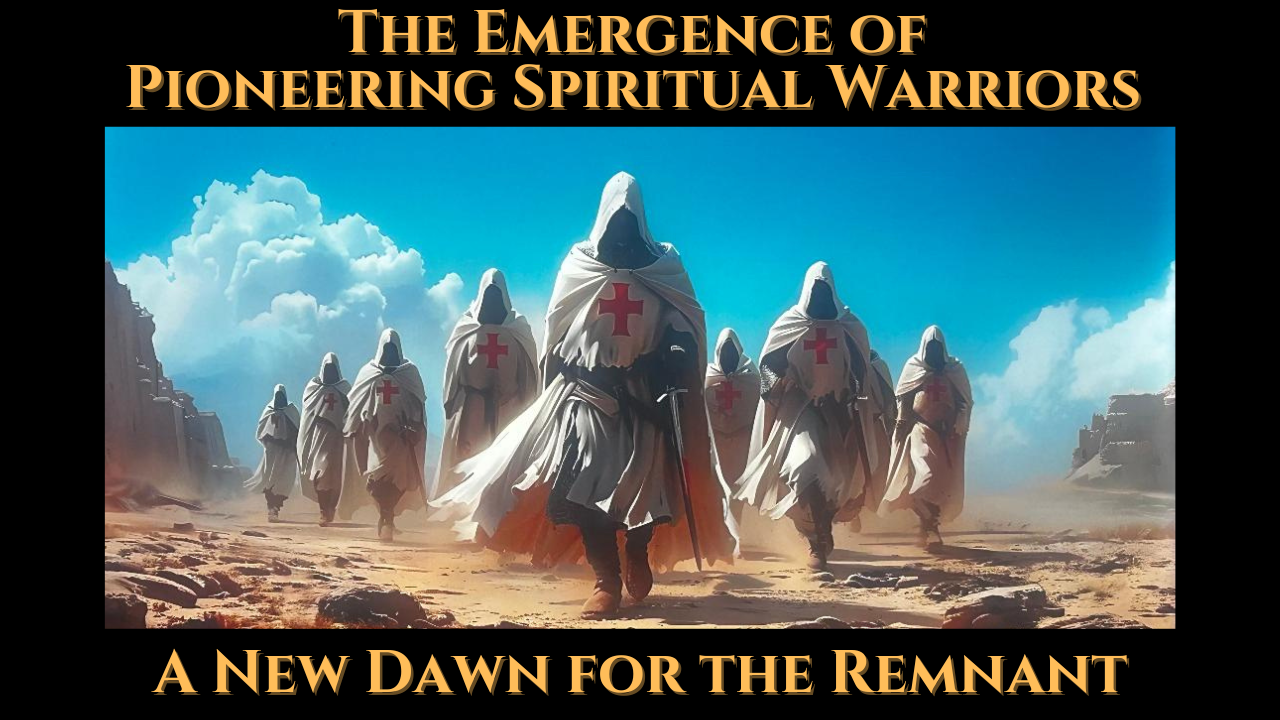
 In a time marked by spiritual turbulence and societal upheaval, a new class of warriors is emerging within the Remnant—Pioneering Spiritual Warriors. These individuals are not just ordinary followers of faith; they walk in a distinct, commissioned anointing that equips them to engage in the spiritual battles of our time.

While every child of God possesses innate spiritual capabilities, it is only a select few who choose to answer this divine call, fully aware of the costs associated with such a commitment. The Pioneering Spiritual Warriors are characterized by their extraordinary ability to illuminate the glory of the Lord, garnering a presence that resonates across vast spiritual landscapes, akin to the legacy of revivalist Charles Finney, whose Spiritual influence could be felt for miles around.

The emergence of these warriors at this pivotal moment in history is not merely coincidental; it is a divine rallying summoned by the Lord. They are called to serve as a spiritual spearhead, poised to confront not only the enemy but also to penetrate the towering spiritual strongholds that dictate cultural influences in our world.

Armed with the Light of the Lord’s Glory, these warriors are tasked with illuminating and exposing the dark undercurrents of evil that permeate from the highest echelons of society down to the everyday lives of individuals.

They possess a unique authority that allows them to operate within the governmental structures of this world and within the House of the Lord, enabling them to confront and remove those who perpetuate injustice and immorality.

At the heart of their mission lies a critical understanding of their words and authority. As they release the Word of the Lord from their lips, they do so with a profound sense of responsibility and power, for their proclamations have been shaped and vetted in the courts of Heaven. These warriors carry a heavenly mandate, deputized to dismantle evil empires and structures that oppose the Kingdom of God.

Their spiritual warfare is not merely reactive; it is a proactive engagement aimed at reclaiming territory lost to darkness and restoring righteousness in every sphere of influence. The call to become a Pioneering Spiritual Warrior is not for the faint of heart. It demands a deep commitment to prayer, fasting, and spiritual discipline.

It requires individuals to cultivate an intimate relationship with the Lord, allowing His Spirit to guide and empower them. Those who accept this calling must be prepared to face opposition and challenges, yet they do so with the confidence that they are not alone in their endeavors. They walk in the assurance of divine backing, knowing that the battle they engage in is already won through the victory of Christ.

In conclusion, the emergence of Pioneering Spiritual Warriors within the Remnant represents a transformative movement poised to impact the world for the Kingdom of God. These warriors are called to illuminate, confront, and dismantle the strongholds of evil that threaten the fabric of society. As they step into their anointed roles, they do so with the authority of Heaven, equipped to be agents of change and restoration.

The time has come for these warriors to rise, for in their hands lies the power to transform the world around them through the light of the Lord’s Glory. The question remains: who among us will heed the call and become a Pioneering Spiritual Warrior in this critical hour?

~Dr. Russell Welch

Remnant Warrior Ministries

Be sure to check out Dr. Welch’s newest book “The Lord’s Remnant Warriors: Awakened and Rising As God’s Chosen in the Final Harvest” exclusively on Amazon


The phrase “day of reckoning” evokes a sense of urgency and significance, marking a moment when truth prevails and darkness is brought to light.

In the context of a spiritual awakening, this day signifies a pivotal turning point in America where the forces of good are rising to reclaim their rightful place. The imagery of “Remnant Warriors” whose footsteps resonate like thunder claps serves as a powerful metaphor for those who have chosen to stand firm against the pervasive evils that have, for too long, taken root in society.

The very whispers of this Revolutionary Revelation contemplates the implications of this awakening and challenges individuals to answer the divine call that beckons them toward their God-ordained destiny. Evil, as a concept, thrives in complacency and compromise.

For years, many with the constructs of the American Church have turned a blind eye to the gradual erosion of moral values, allowing darkness to seep further into the fabric of everyday life. The battle between good and evil is not merely a distant tale but a present reality that calls for active participation.

Those who identify as believers are faced with a crucial choice: to rise up as warriors of light or to remain passive in the face of encroaching darkness. The footfalls of the Remnant Warriors are a clarion call, urging individuals to muster the courage to confront the challenges at hand.

They are not just symbols of righteousness; they embody the collective power of those who refuse to be subdued by fear or distraction. To answer this call requires an awakening of the spirit and a commitment to one’s purpose. Destiny, often perceived as a predetermined path, is also shaped by the choices we make in response to the world around us.

The “call of the Lord” transcends mere religious affiliation; it is an invitation to engage with the divine purpose that lies within each individual. This journey toward fulfilling one’s destiny is fraught with challenges, yet it is also imbued with the potential for profound transformation.

By stepping into this purpose, individuals can break free from the shackles of complacency and rise to the occasion, becoming catalysts for change. However, the allure of complacency is strong. In a world inundated with distractions, the spirit of compromise can easily seduce even the most fervent believers.

It whispers insidiously, urging individuals to prioritize comfort over conviction and convenience over commitment. This seductive force can deter one from fully embracing their destiny, leading to a life of unfulfilled potential.

The stakes are high; the choice to engage in the battle against darkness or to retreat into complacency is not merely personal but has collective implications for society at large. The realms of darkness may prepare to retreat, but the victory is not guaranteed without active participation from those called to be warriors of light.

The time has come for believers to rise and claim their roles in this divine narrative. By embracing their God-ordained destinies, individuals can contribute to the collective awakening, fostering an environment where goodness flourishes and darkness cannot prevail.

The Remnant Warriors are not only the pioneers of this movement; they represent the strength and resilience that lies within each individual willing to heed the call. In conclusion, the day of reckoning is indeed upon us, inviting all to reflect on their role in the battle between good and evil.

It challenges us to rise above the spirits of complacency and compromise, stepping boldly into the destinies that have been divinely ordained. As the thunderous footsteps of the Remnant Warriors shake the foundations of Hell, let each individual consider their response.

So brothers and sisters in Christ, will you answer the call of the Lord and embody the principles of light, or will you allow fear and distraction to dictate your journey? The time for decision is now, and the path forward lies in the courage to act in faith, embracing the profound purpose that awaits.

~Russ “Rush” Welch

Remnant Warrior Ministries

If you are interested in reading Dr. Welch’s best selling book “The Lord’s Remnant Warriors: Awakened and Rising As God’s Chosen in the Final Harvest” you can purchase it on Amazon.


In recent years, a growing sentiment among many believers has emerged—a belief that the Church, as the body of Christ, is not fully realizing its potential or exercising the authority granted to it. This concern resonates deeply with individuals who see the world around them, filled with challenges and adversities, and are left wondering: Is the Church truly walking in its fullness during these turbulent times?

Or is it time for the Church to awaken, embrace its authority, and fulfill its divine calling? To address this question, we must first examine what it means for the Church to walk in its fullness. The fullness of the Church is not merely about numbers or the grandeur of buildings; it is about the effectiveness of its mission and the authenticity of its witness.

It involves the Church operating as a vibrant community of believers, empowered by the Holy Spirit, engaging in acts of love, service, and transformative action in society. It is about embodying the teachings of Christ, manifesting His love, and standing firm in truth.

However, many feel that this vision remains unfulfilled. In a world rife with division, moral ambiguity, and spiritual apathy, it is easy to feel that the Church has become complacent or distracted. The societal challenges we face—ranging from social injustice to environmental degradation—demand a robust and active response from the Church. This is where the notion of authority comes into play.

The authority of the Church is rooted in its identity as the body of Christ, called to be a light in the darkness and salt of the earth. Jesus Himself bestowed upon His followers the Great Commission, empowering them to go forth, teach, heal, and make disciples of all nations (Matthew 28:19-20).

This authority is not just for personal spiritual growth but is intended to drive collective action that impacts the world. However, the realization of this authority requires an awakening. To awaken is to shake off the slumber of indifference and to rise to the occasion with boldness and purpose.

It means understanding the significance of one’s role within the Church and the obligation to contribute to its mission. The awakening of the Church entails a re-examination of priorities, a renewed commitment to prayer, and a willingness to engage in honest dialogue about the issues facing our communities.

It calls for the Church to confront its shortcomings and to actively seek reconciliation, justice, and healing both within and outside its walls. Furthermore, this awakening must also involve a fresh outpouring of the Holy Spirit.

Throughout history, movements of revival have often served as pivotal moments for the Church to reclaim its authority and mission. These moments remind believers of the power that comes from God; it is a call to return to the source of strength and inspiration.

When the Church is in tune with the Spirit, it is equipped to tackle the complexities of the modern world with wisdom and compassion, leading to transformative change.

As fellow Remnant Warriors, we must ask ourselves: Are we content with the status quo, or are we willing to stand up and advocate for the fullness of the Church?

Are we prepared to embrace our collective authority, allowing it to inspire us to action?

This is not a call to trivialize our challenges but an invitation to rise above them with hope and resilience.

In conclusion, the Church’s journey toward walking in its fullness is both a challenge and an opportunity. It requires awareness, dedication, and a willingness to embrace the authority that has been entrusted to us.

As we reflect on our role as part of the body of Christ, may we seek an awakening that leads to a vibrant and impactful Church, ready to face the world boldly. Together, let us commit to fostering a community that embodies the teachings of Jesus, engages in meaningful action, and ultimately fulfills its divine calling in this hour.

~Russ “Rush” Welch

Remnant Warrior Ministries

You can get a copy of Dr. Welch’s newest Book “The Lord’s Remnant Warriors” on Amazon


Discover the Joy of Living a Sin-Free Life

Start a journey to find deep happiness by living righteously. Let go of sin to enter a world of peace, spiritual growth, and a closer bond with the divine. This guide will show you how to live without sin, giving you the strength to resist temptations, clean your soul, and follow the path to redemption.

Key Takeaways

  • Explore the revelation of living a sin-free life and its profound benefits
  • Discover the path to spiritual awakening and finding inner peace
  • Understand the divine guidance that can help you overcome temptations
  • Learn to cultivate spiritual discipline and purify the soul
  • Unlock the keys to a fulfilling and harmonious existence through righteous living

The Revelation of Living a Sin-Free Life

Start a journey towards a life without sin. By embracing spiritual awakening, you open the door to a life in line with divine principles. This change brings deep inner peace, leading you to discover yourself and grow.

Embrace Spiritual Awakening

Through deep thought and a commitment to purifying the soul, you reconnect with your true self. This awakening gives you a new understanding of your purpose and how we’re all connected. Letting go of the past, you start to live by virtues that bring peace.

Finding Inner Peace

Every step towards a sin-free life brings more inner peace. This peace helps you handle daily challenges with ease and grace. You become calm and centered, inspiring others with your presence. Start this journey of self-discovery and see how living by divine principles changes your life.

“The greatest weapon against sin is the development of the opposite virtuous habit.” – Aristotle

The Path to Redemption

Starting the path to redemption changes you, helping you beat the world’s temptations. It’s about living right and finding deep peace. This journey has spiritual steps that help you leave bad habits behind.

One important step is cultivating spiritual discipline. Through self-reflection, meditation, and prayer, you can control your bad impulses. This leads to a life filled with purpose and peace.

As you go deeper, you’ll see the strength in surrendering to a higher purpose. Your actions and thoughts will match the divine plan. This makes the path to redemption a journey of self-discovery, showing you your true self and potential.

“The journey of a thousand miles begins with a single step.” – Lao Tzu

Living right gives you the strength to move past past mistakes. It also teaches you the value of forgiveness and renewal. This path is about growing, not being perfect. Every step brings you closer to the life you were meant to live.

The path to redemption is not just for you, but for others too. Be with people who support and inspire you. Together, you can spread positive change in your community and beyond.

Divine Guidance: Overcoming Temptations

Starting your journey to a sin-free life means seeking divine guidance. This guidance helps you deal with temptations and obstacles. By following spiritual teachings and advice from those who know the way, you can stay true to your spiritual growth.

Purifying the Soul

To live without sin, you must purify your soul. Meditation and introspection can help you understand your desires and impulses better. This lets you align with the divine.

Being self-aware and ready to face your inner self helps you let go of negative feelings and actions. This makes room for a more peaceful and meaningful life.

Embracing Virtue

On your journey to a sin-free life, embracing virtues is key. Virtues like compassion, integrity, and humility guide your actions and how you treat others. By focusing on these virtues, you inspire others to do the same, helping the world heal together.

VirtueDescriptionPractical Application
CompassionThe ability to empathize with the suffering of others and respond with kindness and care.Volunteering at a local charity, practicing active listening, and offering emotional support to those in need.
IntegrityThe unwavering commitment to moral and ethical principles, even in the face of adversity.Maintaining honesty in all interactions, standing up for your beliefs, and making decisions that align with your values.
HumilityThe quality of being modest and recognizing one’s own limitations and the greatness of something larger than oneself.Acknowledging your mistakes, being open to feedback, and cultivating a willingness to learn and grow.

By following divine guidance, purifying your soul, and building virtues, you can overcome temptations and obstacles. This journey changes you, leading to a life that’s in line with your true purpose.

Harmonious Existence through Righteous Living

Unlocking the path to a harmonious existence is about living right. By practicing spiritual discipline, we connect deeply with the divine. This brings us inner peace and aligns our lives with virtue and grace.

Cultivating Spiritual Discipline

Spiritual discipline is key to a fulfilling life. Through meditation, prayer, and introspection, we quiet the outside world. This lets us tap into our inner wisdom.

Such practices help us find purpose and make choices that match our highest values.

  • Develop a consistent meditation practice to calm the mind and connect with the present moment.
  • Engage in regular acts of service and compassion, cultivating a heart of gratitude and generosity.
  • Commit to personal growth through study, reflection, and the application of spiritual principles.

Embracing these spiritual disciplines changes how we see the world. We view life as a harmonious existence, where righteous living shows our true desires. This shift leads to a life filled with joy and deep cultivating spiritual discipline.

“The greatest weapon against stress is our ability to choose one thought over another.” – William James

By adding these practices to our daily life, we open the door to a harmonious existence. Spiritual growth and righteous living become the foundation of a fulfilling life.

Unlocking the Keys to a Fulfilling Life

Start a journey towards a life full of fulfillment, spiritual awakening, and divine guidance. Learn the principles and practices that match your deepest values and a higher purpose. This leads to lasting joy, inner peace, and contentment.

The first step to a fulfilling life is self-reflection. Be open to exploring your inner self and the divine forces guiding you. By practicing spiritual practices like meditation and mindfulness, you deepen your connection with yourself and the divine.

On this journey, you’ll find wisdom and insights to overcome obstacles and temptations. With the divine guidance of sacred teachings and a supportive community, you gain strength and courage. This helps you transform your life and reach your true potential.

  • Discover the transformative power of spiritual awakening
  • Learn to navigate life’s challenges with grace and peace
  • Develop a deeper connection with the divine and align your life with a higher purpose
  • Cultivate a life of joy, fulfillment, and lasting contentment

The keys to a fulfilling life are within your reach. Embrace the journey of self-discovery. Unlock the door to a life of true meaning and purpose.

The Transformative Power of Faith

The journey to a sin-free life is filled with hope and guidance thanks to faith. By giving in to a higher purpose, we open the door to deep fulfillment and divine grace. This connection gives us the strength to get through tough times and come out stronger.

Surrendering to a Higher Purpose

Living a life of faith isn’t just about strict rules or empty actions. It’s a deep journey of finding ourselves and waking up spiritually. When we let go of our ego and trust a higher power, we enter a world full of endless possibilities. This act shows our bravery and deep spiritual beliefs.

Finding Strength in Adversity

Life’s challenges can feel too much, but that’s when faith really shows its power. By believing in a divine plan, we become resilient and can face any challenge with grace and determination. Finding strength in adversity helps us grow spiritually as we learn to trust a higher purpose.

“Faith is the strength by which a shattered world shall emerge into the light.”

By embracing the transformative power of faith and surrendering to a higher purpose, we find the strength to overcome adversity. This journey is tough but leads us to a life of balance, purpose, and deep peace.

Breaking Free from Sinful Habits

Starting to break free from sinful habits can change your life. It leads to living righteously and feeling spiritually fulfilled. This journey is tough, but with strong will and divine guidance, you can change bad habits. You can commit to being virtuous.

At the core of this change is spiritual discipline. By meditating, praying, and reflecting on yourself, you start to purify your soul. This makes your thoughts, words, and actions match your highest values. It’s hard but rewarding, leading to joy and harmony in life.

Remember, you’re not alone in this journey. Find a spiritual community for support, accountability, and wisdom from others who’ve been there. Together, you can help each other grow and stay strong in your commitment.

Forgiveness is key, for yourself and others. Letting go of past wrongs opens up renewal and a brighter future. Trust faith to guide you through tough times and temptations.

This journey to overcome sinful habits is not just yours. It’s a shared path with a righteous community and divine grace. With determination, you’ll find the beauty of living in harmony with your true purpose.

The Beauty of Forgiveness and Renewal

Forgiveness is key to a sin-free life. It’s not just an idea, but a powerful tool. It frees us from guilt and shame, letting us move forward with grace and purpose.

Letting Go of Past Transgressions

Redemption starts with letting go of past mistakes. Forgiveness helps us drop the burden of regret. It opens our hearts to healing and divine grace.

Through meditation, prayer, and self-reflection, we can move past our mistakes. This lets us fill our future with hope and new chances.

Learning to forgive ourselves and others changes how we see things. It helps us grow and awaken spiritually. By letting go of the past, we make room for the divine to guide us. This leads us to a fulfilling and righteous life.

FAQ

What is the revelation of living a sin-free life?

Living a sin-free life means finding deep spiritual peace. It’s a journey to inner peace, purifying your soul, and living by virtues. This leads to a fulfilling life with divine guidance.

How can I find inner peace through spiritual awakening?

To find inner peace, align your thoughts and actions with divine principles. This journey of self-discovery and righteous living leads to a deep spiritual awakening. You’ll find joy and fulfillment in a sin-free life.

What is the path to redemption?

The path to redemption is overcoming temptations and living righteously. With spiritual disciplines and guidance, you can break free from sin. This leads to a life of purpose and peace.

How can divine guidance help me overcome temptations?

Divine guidance helps you beat temptations and purify your soul. By practicing spiritual disciplines and virtues, you gain strength to resist sin. You stay committed to living right.

What are the spiritual disciplines that can lead to a harmonious existence?

Practices like prayer, meditation, and studying scriptures help you live righteously. These practices deepen your connection to the divine. They give you purpose and lead to a fulfilling life.

How can I unlock the keys to a truly fulfilling life?

Embrace a deep spiritual awakening and follow divine guidance. Explore practices and principles that connect you with your values and purpose. This leads to joy, peace, and contentment.

What is the transformative power of faith?

Faith’s power is in surrendering to a higher purpose and overcoming challenges. Deepening your connection to the divine gives you resilience and courage. This leads to fulfillment and guidance from above.

How can I break free from sinful habits?

Commit to living righteously and practice spiritual disciplines. These practices help you change bad habits. You’ll live by virtue and divine principles, enjoying a harmonious life.

What is the beauty of forgiveness and renewal?

Forgiveness and renewal let you move past past mistakes and embrace divine grace. Through spiritual practices, you release guilt and shame. This opens your heart to healing and a righteous path.

~Dr. Russell Welch

Founder; Remnant Warrior Ministries and Remnant Warrior School of Spiritual Warfare.

Author: Book available on Amazon


In today’s world, we often focus on power, wealth, and our own interests. But, there are forces we can’t see that aim to harm our nation. The Apostle Paul tells us in Ephesians 6:12, “our struggle is not against flesh and blood, but against the rulers, against the authorities, against the powers of this dark world and against the spiritual forces of evil in the heavenly realms.” This message shows us the spiritual battle our nation is in. It’s about protecting our values, keeping our nation safe, and defending our freedoms.

Key Takeaways

  • Our nation faces a spiritual battle against unseen forces that seek to destroy it.
  • Ephesians 6:12 reminds us that our struggle is not against flesh and blood, but against spiritual entities.
  • Understanding the unseen battle is critical to defending our nation’s values and security.
  • Engaging in spiritual warfare is a vital part of preserving our nation’s heritage and future.
  • The biblical perspective on spiritual warfare provides a framework for responding to this existential threat.

The Spiritual War Against Our Nation

Our nation is in a constant battle that we can’t see. This fight is not against people but against evil spirits that want to harm our country. The apostle Paul told us in Ephesians 6:12, “our struggle is not against flesh and blood, but against the rulers, against the authorities, against the powers of this dark world and against the spiritual forces of evil in the heavenly realms.”

Understanding the Unseen Battle

This spiritual war may not be visible, but it affects our society deeply. Evil forces try to cause trouble, weaken our beliefs, and break our spirit. We see this in the decline of moral values, the spread of harmful ideas, and attacks on our Christian roots.

Ephesians 6:12 – A Profound Truth

Ephesians 6:12 tells us a powerful truth. It says our fight is not against each other but against evil spirits that aim to control us. Knowing this helps us fight back and protect what makes our nation strong.

“For our struggle is not against flesh and blood, but against the rulers, against the authorities, against the powers of this dark world and against the spiritual forces of evil in the heavenly realms.” – Ephesians 6:12

Spiritual Entities: The Hidden Adversaries

In our fight against forces that aim to weaken our nation, we face enemies we can’t see. These spiritual entities are our hidden enemies, as Ephesians 6:12 tells us. They are the ones we battle, not with physical strength but with spiritual might.

Demonic forces work hard to destroy our values and security. They use sneaky ways to cause division and weaken our beliefs. This spiritual warfare is a silent fight that needs us to be alert and true to God’s Word.

  1. Identify the specific spiritual entities that threaten our nation.
  2. Learn how these demonic forces try to harm us.
  3. See why spiritual warfare is key to protecting our nation from these hidden foes.
Spiritual EntitiesTacticsPotential Impact
Principalities and powersSow division, promote moral relativismUndermine national unity and stability
Rulers of the darknessCorrupt institutions, manipulate public opinionWeaken the foundations of our society
Spiritual hosts of wickednessAttack biblical values, erode moral fiberCompromise national security and resilience

As we fight this unseen battle, staying alert, praying, and strong in our beliefs is key. By understanding our war against spiritual entities, we can win and keep our nation’s values alive.

“For we do not wrestle against flesh and blood, but against the rulers, against the authorities, against the cosmic powers over this present darkness, against the spiritual forces of evil in the heavenly places.” – Ephesians 6:12

Demonic Forces: A Threat to National Security

Our nation is facing a serious threat from demonic forces in the spiritual realm. These forces aim to destroy our security and stability. The Apostle Paul warned us in Ephesians 6:12, “our struggle is not against flesh and blood, but against the rulers, against the authorities, against the powers of this dark world and against the spiritual forces of evil in the heavenly realms.” These evil entities are working hard to cause discord, division, and chaos in our country.

Recognizing the Enemy’s Tactics

To fight these spiritual enemies, we must know their tactics and how they operate. Demonic forces use deception, manipulation, and our weaknesses to harm us. They try to influence public opinion, spread doubt and fear, or even take over our government and institutions.

  • Disinformation campaigns: Spreading false stories and propaganda to confuse and mislead people.
  • Spiritual warfare: Attacking our faith and moral values.
  • Undermining national unity: Using divisions to cause discord among us.
  • Infiltrating positions of power: Putting agents in key roles.

Knowing these tactics helps us prepare to defend our nation’s spiritual and moral integrity. This way, we can protect our national security.

“For we do not wrestle against flesh and blood, but against the rulers, against the authorities, against the cosmic powers over this present darkness, against the spiritual forces of evil in the heavenly places.” – Ephesians 6:12

The battle we’re in is not just physical but spiritual. By understanding our enemies and their tactics, we can defend our nation against those who want to destroy our foundations.

our war is against spiritual entities that seek to destroy our nation, Eph 6:12

Looking into the spiritual battle our nation faces, we find a deep truth in Ephesians 6:12. It says, “For we do not wrestle against flesh and blood, but against the spiritual forces of evil in the heavenly places.” This reminds us our fight isn’t with people, but with spiritual enemies that aim to destroy our country.

These evil forces work in secret, affecting people, groups, and even governments. They try to cause trouble, division, and chaos. Their goal is to break down our nation’s moral and spiritual strength.

“For we do not wrestle against flesh and blood, but against the spiritual forces of evil in the heavenly places.” – Ephesians 6:12

Understanding this spiritual battle helps us see what we’re up against. It’s not a fight with other humans, but against spiritual entities trying to control our thoughts and actions.

By seeing the spiritual side of the conflict, we can better understand our enemy. This lets us stand strong and fight the spiritual battles needed to protect our nation. The fight is tough, but with God’s help, we can win.

The Biblical Perspective on Spiritual Warfare

Our fight is not against people, but against spiritual enemies that aim to destroy us. Ephesians 6:12 tells us, “For we do not wrestle against flesh and blood, but against the rulers, against the authorities, against the cosmic powers over this present darkness, against the spiritual forces of evil in the heavenly places.” This shows us the true nature of the spiritual warfare we face.

This battle is not just physical or political. It’s a spiritual fight of huge importance. The enemies we face are spiritual entities, as mentioned in Ephesians 6:12. They aim to weaken our nation’s values, unity, and determination.

To fight this spiritual battle, we must look beyond what we can see. We need to put on the armor of God, as talked about in Ephesians 6. With this armor, we can stand strong against the devil’s tricks. This is how we can win the fight for our nation’s soul.

“For we do not wrestle against flesh and blood, but against the rulers, against the authorities, against the cosmic powers over this present darkness, against the spiritual forces of evil in the heavenly places.” – Ephesians 6:12

Understanding spiritual warfare through the Bible helps us see the real battle we’re in. This knowledge lets us fight more effectively. It helps protect the values and principles that make our nation great.

Putting on the Whole Armor of God

As we face the spiritual war against forces that aim to destroy our nation, we must be armed with God’s protection and wisdom. Ephesians 6:12 tells us to wear the full spiritual armor of God. This prepares us for the battle that is happening out of sight.

The Belt of Truth

The belt of truth is the first armor piece we need. It stands for God’s Word, our guide and anchor against lies. By holding onto this truth, we can resist the enemy’s false words that threaten our nation.

The Breastplate of Righteousness

Then, we must wear the breastplate of righteousness. This protects our hearts and lives. It’s about the righteousness we get from believing in Christ, keeping us safe from the enemy’s attacks. With God’s righteousness, we can face the spiritual attacks that try to weaken our beliefs.

Wearing the whole armor of God is key in the spiritual warfare against spiritual entities threatening our nation. With the belt of truth and the breastplate of righteousness, we can stand strong in our ephesians 6:12 call. We defend our nation against the our war is against spiritual entities that seek to destroy our nation.

Spiritual Deliverance: Preserving Our Values

In the spiritual battle for our nation’s soul, spiritual deliverance is key. We fight against spiritual forces that aim to destroy us, as Ephesians 6:12 tells us. To keep our nation’s values, we must fight spiritually and ask for divine help.

Spiritual deliverance means freeing ourselves from demonic forces and taking back lost spiritual ground. It’s vital to protect our nation’s moral and ethical base. Through this, we can keep our nation’s heritage alive and ensure freedom, justice, and righteousness guide us.

The fight isn’t against people but against spiritual powers of darkness that attack our values. Knowing this spiritual warfare and using God’s armor helps us stand strong against the enemy. We can win this battle.

Keeping our values is a spiritual need, not just a political or social task. As we fight spiritually, remember that the cross has already won the victory. With faith, prayer, and commitment to our founding principles, we can beat the forces trying to destroy us. Our values will last for future generations.

“For we do not wrestle against flesh and blood, but against the rulers, against the authorities, against the cosmic powers over this present darkness, against the spiritual forces of evil in the heavenly places.” (Ephesians 6:12)

Strategies for Spiritual DeliveranceBenefits of Preserving Our Values
Engage in fervent prayer Seek spiritual guidance and counseling Renounce any ungodly influences or agreements Cultivate a lifestyle of holiness and righteousnessStrengthens the moral fabric of our society Protects our national identity and heritage Fosters a culture of integrity and respect Inspires future generations to uphold our values

By following spiritual deliverance and keeping our values, we can stand strong against forces trying to destroy our nation. Let’s stay true to the truth and defend the principles that make our nation a beacon of hope and freedom for the world.

Combating Anti-Israel and Pro-Hamas Protests

Our nation’s support for Israel and its allies has faced spiritual attacks. These attacks aim to weaken our bond with Israel. The protests against Israel and for Hamas are backed by spiritual forces that want to divide us.

Standing Firm Against Hatred

We fight not against people but against evil spirits that attack our nation (Ephesians 6:12). When faced with anti-Israel and pro-Hamas protests, we must stand strong. By wearing God’s armor, we can fight the spiritual battle and keep our nation’s values alive.

Through prayer, understanding, and sticking to God’s Word, we can beat the spiritual enemies. We must speak out for our ally Israel and against lies and hate that try to divide us.

FAQ

What is the spiritual battle our nation faces?

Our nation is fighting a spiritual battle against forces that want to harm it. This fight is based on a deep truth from Ephesians 6:12. It tells us our enemies are not human but spiritual forces of evil in the heavenly realms.

What are the spiritual entities that seek to destroy our nation?

Evil spirits and hidden enemies aim to weaken our nation. They work secretly to destroy our values and security.

How do demonic forces pose a threat to our national security?

Demons threaten our security by attacking our values and causing division. It’s important to know their tactics and resist these attacks.

What is the biblical perspective on spiritual warfare?

The Bible says our fight is against spiritual enemies, not people. This view helps us understand the spiritual nature of the battle and how to fight it.

How can we equip ourselves for the spiritual battle?

Ephesians 6:12 teaches us to wear God’s armor, like the belt of truth and the breastplate of righteousness. This armor helps us fight the enemy’s plans and stay strong in the battle.

Why is spiritual deliverance important for preserving our nation’s values?

Spiritual deliverance keeps our nation’s moral and ethical base strong. By fighting the spiritual battle, we protect the values that make our nation great.

How should we respond to anti-Israel and pro-Hamas protests?

We must stand against hate and division in protests against Israel or supporting Hamas. This battle is about seeing and fighting the spiritual forces behind these events, supporting Israel, and its allies.

~Dr. Russell Welch

Founder, Remnant Warrior Ministries, and Remnant Warrior School of Spiritual Warfare

Dr. Welch has written a number of books and in almost all of them is the emphasis on prayer and spiritual warfare.

His newest book, he continues in that theme: The Lord’s Remnant Warrior

You can find more of Dr. Welch’s books on Amazon


Recently during morning prayer, I heard Holy Spirit asking making the following statement, followed by a question. He said, “The enemy may have broken through the lines, he may have taken many houses and their members captive however, the Victory still belongs to the Lord”. Then He said, The question is, is the Remnant fully equipped and ready to enforce that victory?

 In the ever-evolving landscape of faith and spirituality, the concept of spiritual warfare has emerged as a pivotal theme within the Church. The assertion that a congregation proficient in the art of spiritual warfare will walk in victory highlights not only the necessity of preparation but also the imperative of mentorship and discipleship within the community of believers.

Conversely, those who are ill-equipped to confront the challenges posed by spiritual adversaries’ risk being infiltrated and held spiritually hostage by the enemy.

One cannot disregard the significance of equipping congregations for spiritual warfare, nor downplay the fact that the responsibility of pastors in training their members in discipleship, and the transformative power of surrendering to the Holy Spirit. The word declares that those who desire to be a teacher will be held at a higher standard in the eyes of the Lord (James 3:1)

Firstly, understanding and engaging in spiritual warfare is paramount for any church aspiring to thrive in today’s world. Spiritual warfare goes beyond mere acknowledgment of the existence of evil; it calls for active participation in the battle against spiritual forces that seek to undermine faith and disrupt the peace of believers. And the first step is to bring the disciple into the revelation of who they in Christ, as a child of God.

 A congregation that has invested in understanding spiritual warfare is more likely to navigate the complexities of modern life with resilience and confidence. This is because they are armed with the knowledge and tools necessary to identify and combat the spiritual adversities they face.

In this regard, victory is not merely a distant goal but a tangible reality for those who are well-prepared. However, the responsibility for preparing congregations does not rest solely on the individuals within them; it falls heavily on the shoulders of pastors and leaders.

The phrase “Pastors are without excuse” serves as a poignant reminder of the imperative of discipleship methods modeled after Christ. Pastors must actively seek to equip their congregations not only with theological knowledge but also with practical applications of spiritual warfare principles.

This includes teaching members to engage in prayer, fostering a deep relationship with God, and understanding the authority that believers possess in Christ. Failure to do so could result in congregations ill-prepared to face the inevitable spiritual battles of life.

 Furthermore, the notion that Holy Victorious Churches are those completely surrendered to the governing authority of the Holy Spirit is a profound truth.

Surrendering to the Holy Spirit is not a passive act but rather an active choice that empowers believers to walk in alignment with God’s will. Churches that cultivate an atmosphere of surrender encourage their members to rely on divine guidance in their spiritual endeavors.

This reliance on the Holy Spirit equips congregations to face challenges with faith and courage, knowing that they are not alone in the fight. Consequently, it fosters a sense of community where members uplift each other, share their victories, and collectively support one another in times of spiritual warfare. In conclusion, the call for the Church to be proficient in spiritual warfare is both urgent and essential.

As congregations prepare themselves for the battles that lie ahead, they must embrace their responsibility to engage actively in spiritual training and discipleship.

 Pastors play a crucial role in equipping their members with the necessary tools to confront spiritual adversity effectively. Ultimately, a complete surrender to the Holy Spirit will empower the Church to walk in victory, ensuring that they are not only prepared for the challenges of today but are also poised to thrive in the coming days.

In a world fraught with spiritual challenges, the Church must rise to the occasion, fortified by faith and guided by the Holy Spirit, ready to claim the victory that is rightfully theirs.

The writing is on the wall, the religious institution established and run by men are no match for the enemy of the Bride, they powerless words and religious agenda have caught up with them, and we are on the brink of seeing the Church of Christ completely silenced by powerful religious political spiritual beings.

But Praise God, for He is not going to let this happened, He is the God of the 11th hour is He not? Jesus Christ not only defeated the enemy on the cross, but He also reaped a reward from His Father, which is His Bride. He left nothing undone to Spiritually equip her to live in complete victory, armed with superior spiritual weapons to enforce His Victory, until the knowledge of His Glory covers the Earth.

And I believe, we are the chosen generation to begin to see that glory manifesting in every nation. But it can only come through a people who have surrendered their lives to the government of Holy Spirit.

And those who are Shepherding His houses must ne those who have first surrendered their lives in complete obedience to the governing authority of Holy Spirit. Who have broken free from the religious restraints and found absolute freedom in the Spirit.

Just look at the news and you will see the shaking that is currently taken place. Those who have squandered and misused and personally profited off the oils of His anointing are being exposed and removed from their leadership positions. I believe we are going to see a whole lot more in the coming days for the Lord declares “He shall not be mocked” (Galatians 6:7).

So here we are, living in an age marked by turbulence and moral ambiguity, the role of the Church has never been more critical.

With many hours of communion with the Lord, I would go so far as to say that the Holy Spirit is actively seeking those whose hearts are surrendered to the Lordship of Jesus Christ.

These are individuals who embrace the profound creed that echoes through the ages: “They loved not their lives unto the death.” (Revelations 12:11)

 This poignant declaration reflects a commitment to something greater than oneself—a commitment to the mission of God and the advancement of His Kingdom on Earth.

The world today is in dire need of an authentic witness to the teachings of Christ. As societal values continue to shift, and as instances of injustice and despair become more prevalent, the voice of the Church must rise above the clamor.

The authentic Church is not merely a gathering of individuals; it is a transformative force capable of renewing minds, healing hearts, and inspiring action. The call for the Holy Remnant—a group of believers fully devoted to Christ—has become paramount in our quest to reclaim the essence of faith and spread it across nations.

The phrase “they loved not their lives unto the death” serves as a rallying cry for those who are willing to go to great lengths for the Gospel. It challenges us to examine our priorities and to consider what truly matters in life.

Are we clinging to our comforts and securities, or are we willing to surrender everything for the sake of Christ? This spirit of radical surrender is what defines the authentic Church; it is made up of individuals who recognize that their lives are not their own, but rather a precious gift intended to glorify God.

The call to action is clear: the authentic Church must rise up and begin taking the nations for His name and glory. This is not a call for mere activism, but for a passionate pursuit of God’s will in all areas of life.

The nations are in turmoil, grappling with issues ranging from poverty and inequality to conflict and despair. In such times, the Church must emerge as a beacon of hope, embodying the love and truth of Christ in tangible ways.

To accomplish this, believers must unite in purpose and mission. The Holy Spirit empowers the Church to carry out this divine mandate, equipping us with the gifts and abilities necessary to effect change.

Whether through acts of service, evangelism, or social justice initiatives, the authentic Church should be a transformative presence in every community. It is essential for believers to be the hands and feet of Jesus, demonstrating His love through both words and actions, thus attracting others to the faith.

Moreover, this rising of the authentic Church will not happen in isolation. It requires collaboration and mutual support among believers across denominational lines.

In a world that is often divided, the Church must exemplify unity, demonstrating that the love of Christ transcends our differences. When we come together as one body, we become a powerful force capable of making a lasting impact in our communities and beyond.

 In conclusion, the urgent need for the authentic Church to rise up and take the nations for Christ cannot be overstated. This is a call to live boldly, to surrender our lives for the sake of the Gospel, and to allow the Holy Spirit to work through us. As we embrace this mission, we can trust that our efforts will not be in vain.

So dear brothers and sisters, I ask you today:

Have you been fully equipped and are you ready to enforce the Victory our Lord won for us on the cross?

Is your pastor a Kingdom leader, proficient in the art of Spiritual Warfare and leading from the position of being under the governing authority and direction of Holy Spirit?

For the glory of God and the advancement of His Kingdom are at stake, and it is high time for those who claim to follow Christ to step forward and answer the call.

Let us be the remnant that shines brightly in the darkness, declaring the love of Christ to a world in desperate need of hope.

~Dr. Russell Welch Remnant Warrior Ministries

Books by Dr. Welch on Amazon


In today’s fast-changing world, we need God’s watchmen more than ever. They are the faithful guardians of truth. Ezekiel 33:6 urges us to pay attention and act when we see signs of trouble. This call is for our own good and for the safety of those we care about.

We are challenged to be the spiritual leaders our communities, our nation, and the world need. This is a critical time, and we must step up to the task.

Key Takeaways

  • Ezekiel 33:6 establishes the biblical mandate for spiritual watchmen to be diligent and accountable in their duties.
  • God’s watchmen are called to be guardians of truth, discerning the signs of the times and sounding the alarm.
  • Vigilance and spiritual preparedness are essential for watchmen to fulfill their God-given responsibility.
  • Watchmen face challenges and persecution, but are promised an eternal reward for their faithful service.
  • The urgent need for watchfulness in today’s world calls believers to answer the divine summons to be God’s watchmen.

Understanding the Role of God’s Watchmen

In the Bible, “watchmen” are very important. They follow a special call from God, as seen in Ezekiel’s vision. These spiritual watchmen protect and guide people. They act as guardians of truth in a world that often forgets the biblical mandate.

Biblical Mandate: Ezekiel’s Vision

Ezekiel’s book explains the role of God’s watchmen. In Ezekiel 33:6, he talks about their divine responsibility. He says watchmen must warn people of danger to save lives. If they don’t warn and someone dies, they will be held accountable for that life.

Spiritual Watchmen: Guardians of Truth

Watchmen are not just people who watch; they actively protect the spiritual health of others. They must recognize signs of danger and warn people. As spiritual watchmen, they guide others back to the right path. They are beacons of truth, sounding the alarm and leading people to righteousness.

“But if the watchman sees the sword coming and does not blow the trumpet to warn the people, and the sword comes and takes someone’s life, that person’s life will be taken because of their sin, but I will hold the watchman accountable for their blood.” – Ezekiel 33:6

The Urgent Need for Watchfulness in Today’s World

In today’s world, the urgent need for watchfulness is clear. We face many threats that challenge our beliefs. It’s crucial for us to stay alert and protect the truth.

Our world is facing big problems like moral decay and a lack of care for important values. Things like the breakdown of family and accepting wrong actions are common. These issues make it important for us to be very careful and stick to what we believe is right.

“The watchman who sees the danger coming and does not blow the trumpet to warn the people is as guilty as the enemy who comes in and slaughters them.” – Ezekiel 33:6

Ezekiel’s words are very important now. They tell us to be watchful and warn others about danger. We must be strong, understand what’s happening, and protect our faith from threats.

We need to answer the call to be watchful. The situation is serious, and ignoring it can lead to big problems. Let’s take action, spread truth, and be lights of hope in a dark world.

Ezekiel 33:6: A Divine Warning and Responsibility

In the book of Ezekiel, chapter 33, verse 6, we see a strong warning from God. It talks about the role and duty of watchmen. These spiritual leaders are like shepherds, responsible for protecting those in their care.

Accountability: The Shepherd’s Duty

The verse in Ezekiel 33:6 says, “But if the watchman sees the sword coming and does not blow the trumpet to warn the people, and the sword comes and takes someone’s life, that person’s life will be taken because of their sin, but I will hold the watchman accountable for their blood.” This message is serious. It tells us how important it is for those who watch over others to be alert and warn them of danger.

Just like a shepherd looks after their sheep, spiritual watchmen must care for the people they serve. Accountability is key to this job. If they ignore the divine warning and don’t do their duty, the results can be very bad.

“But if the watchman sees the sword coming and does not blow the trumpet to warn the people, and the sword comes and takes someone’s life, that person’s life will be taken because of their sin, but I will hold the watchman accountable for their blood.”

Ezekiel 33:6

The watchman’s responsibility is clear: stay alert, warn others, and protect the flock. This verse reminds us of the importance of this job. It also stresses the need for accountability when faced with divine warning.

Discerning the Signs of the Times

As watchmen today, it’s key to learn how to discern. Recognizing the signs of the times, as predicted in the Bible, is crucial. This skill helps God’s watchmen guide and prepare the faithful in critical moments.

Biblical Prophecy and End-Time Events

The Bible is full of prophecies that tell us about the signs before Christ returns and the end of God’s plan. Watchmen should study these passages closely. They look for patterns and trends that signal big changes are coming. By noticing these discerning signs, they can warn others and help the church face future challenges.

Prophetic SignBiblical ReferenceSignificance
Increase in LawlessnessMatthew 24:12Shows the spiritual decline before Christ’s return
Rise of False ProphetsMatthew 24:24Warns of the growing deception in the end times
Global Unrest and ConflictMatthew 24:6-7Signals the start of a new era and the need for alertness

By staying alert to these biblical prophecies and end-time events, watchmen can guide the church. They help the faithful move through hard times with wisdom and spiritual strength.

Where are God’s Watchmen in this hour? Ezekiel 33:6

In today’s dangerous world, we ask: Where are God’s watchmen? These spiritual guardians are meant to warn us, as Ezekiel 33:6 says. They have a big job to keep an eye on the flock.

Now, with many spiritual, moral, and social issues, we really need watchmen. But, many who should guide us are quiet or not speaking up. This leaves people feeling lost and unsure.

Being a watchman is a serious job. It needs total commitment, good judgment, and knowledge of prophecy and end-time events. Ezekiel 33:6 says if a watchman doesn’t warn the people of danger, they could be held responsible for their deaths.

“But if the watchman sees the sword coming and does not blow the trumpet to warn the people and the sword comes and takes someone’s life, that person’s life will be taken because of their sin, but I will hold the watchman accountable for their blood.” – Ezekiel 33:6

This verse shows how important watchmen are. We need them to be brave and guide us through hard times. So, where are God’s watchmen? Who will stand up and lead us?

The answer is in those who feel called to be spiritual guardians. They must be brave, make wise choices, and have strong faith. Only with their help can we face the challenges ahead.

Answering the Call: Practical Steps for Watchfulness

We are called to be vigilant and proactive as God’s watchmen. This means we must make a conscious effort to stay alert and committed. Here are some steps to help us fulfill our role as guardians of truth:

Cultivating a Spirit of Vigilance

Being watchful is key for spiritual stewardship. This means:

  • Maintaining a consistent prayer life, seeking God’s wisdom and discernment.
  • Regularly studying the Scriptures to gain a deeper understanding of biblical prophecy and end-time events.
  • Staying informed about the signs of the times, while avoiding sensationalism or fear-mongering.
  • Fostering a heart of compassion, ready to warn and guide those who are spiritually lost or misled.

By being vigilant, we can actively take part in God’s plan and fulfill our calling as watchmen.

As the old saying goes, “Forewarned is forearmed.” By heeding the call to watchfulness, we can be better prepared to face the challenges that lie ahead.

It’s crucial to take practical steps to be vigilant for those who have answered the call. Through constant watchfulness and spiritual preparation, we can stand firm in our duty. We can guard the truth and guide others to the hope found in Christ.

The Importance of Spiritual Preparedness

As God’s watchmen, it’s key to stay spiritually prepared to do our divine job well. We face many challenges and persecutions. So, we must always be watchful and vigilant.

Being spiritually ready means getting close to God, living by His Word, and listening to the Holy Spirit. This spiritual strength helps us handle the tough times of being a watchman.

We also need to gear up with God’s armor, as talked about in Ephesians 6. This armor includes the belt of truth, the breastplate of righteousness, the shield of faith, the helmet of salvation, and the sword of the Spirit, which is God’s word. Being watchmen-ready is crucial in these dangerous times. We must be strong to defend our faith and fight against the enemy’s plans.

Also, keeping watch by praying, fasting, and thinking deeply about Scripture is key. This helps us understand the Holy Spirit’s guidance. We can then see the signs of the times and sound the alarm when needed. We can’t be lazy or not care spiritually; we must always be ready to do what God asks.

Let’s see how important spiritual preparedness is and let it strengthen and motivate us. Knowing the Lord is our shield and fortress, we can stand strong against the darkness. With Him, we can do our job as God’s watchmen in these important times.

Watchmen in Action: Examples of Modern-Day Watchfulness

In today’s world, where many ignore spiritual values, some still choose to be watchmen. They shine as examples of faithfulness. These exemplary watchmen follow Ezekiel’s call, showing us what it means to be vigilant and faithful.

Inspiring Stories of Faithful Stewardship

Pastor John Doe is one such watchman. He has dedicated his life to his community for over 20 years. He warns of end-time events and urges believers to be ready spiritually. His work helps his congregation stay strong in their faith, even when times are tough.

Jane Smith is another example of a watchful leader. She leads with a deep sense of faith. She’s started community programs to help believers watch over their communities. Her efforts have created a culture of alertness, where everyone is ready to help and warn others.

Watchmen in ActionImpact on Community
Pastor John DoeEmpowered congregation to stand firm in faith, warned of end-time events
Jane SmithOrganized community outreach, fostered a culture of vigilance

These stories show us the power of faithful stewardship. As darkness increases, God is calling watchmen to stand up. They sound the alarm and guide us towards spiritual readiness.

Watchmen in action

“The watchman said, ‘Morning comes, but also the night. If you would inquire, inquire; come back again.'” (Isaiah 21:12)

Overcoming Challenges and Persecution

As God’s watchmen, we face challenges and persecution. The path of faith is tough, but resilience and enduring faithfulness show the power of our calling.

God’s watchmen have always stood strong against hard times. They never gave up their beliefs. From ancient prophets to today’s watchmen, they’ve faced many challenges. Yet, they always kept their promise to God.

“The world will hate you because of me, but be of good cheer, for I have overcome the world.”
– Jesus Christ (John 16:33)

Watchmen face many challenges and persecution. These trials make their faith stronger and their understanding of spiritual battles deeper. In tough times, they lean on the Lord’s grace and guidance.

  • Cultivating a spirit of resilience in the face of adversity
  • Maintaining a steadfast commitment to the truth, even in the face of opposition
  • Relying on the Lord’s strength and wisdom to navigate through difficult circumstances
  • Finding encouragement and support within the community of fellow watchmen

Let’s look at God’s watchmen through history for inspiration. May we follow their enduring faithfulness and commitment. By doing so, we can stand strong in our roles as watchmen. We’ll be ready to warn others and guide them through tough times.

The Eternal Reward for Faithful Watchmen

As faithful watchmen work hard at their divine calling, they know they’ll get a big reward. They will be recognized in heaven for their hard work. The Bible says that those who bravely warn others and protect the truth will get a special thank you from God.

The Bible tells us that the hard work of faithful watchmen is not wasted. In Ezekiel 33:6, God says, “But if the watchman sees the sword coming and doesn’t warn the people, and someone gets hurt, that person will die because of their own wrong actions. But the watchman will be blamed for it.” This big responsibility means they will get a great reward for doing their job well.

“Well done, good and faithful servant. You have been faithful over a little; I will set you over much. Enter into the joy of your master.” (Matthew 25:21)

The faithful watchmen who have stood strong against challenges and hard times will hear these kind words from God. They will get a life full of joy, friendship, and helping others in heaven.

Let this truth encourage and motivate all God’s watchmen. Even when it’s tough, the big reward waiting for the faithful is huge. May we all stay strong in our watchfulness, ready to get the heavenly recognition from our Savior.

Conclusion: Embracing the Call to be God’s Watchmen

The need for God’s watchmen is urgent now more than ever. The call in Ezekiel 33:6 urges believers to take up the duty of spiritual watchfulness. We are all called to be God’s watchmen, protecting truth and fighting against darkness.

The path ahead will be tough, with challenges and even persecution. But the rewards for being faithful are endless. With strong faith and determination, let’s answer the call. We must stay vigilant and discerning in these complex times.

By doing so, we fulfill our role as God’s watchmen. We sound the alarm and guide others to safety. This call should inspire believers to join together. United, we’ll be beacons of hope, lighting the way for truth seekers.

This is our sacred duty, our divine purpose. We are to protect the flock and honor the wisdom of Ezekiel 33:6. Let’s stand together as sentinels, fulfilling our sacred charge.

FAQ

What is the biblical mandate for God’s watchmen?

God’s watchmen are called to warn people of danger, as stated in Ezekiel 33:6. This command shows their duty to alert others when threats come near.

Who are the spiritual watchmen, and what is their role?

Spiritual watchmen protect and guide by standing for truth. They notice spiritual dangers and warn the community.

Why is there an urgent need for watchfulness in today’s world?

Today, spiritual dangers are more common, making watchfulness crucial. Watchmen must know how to spot and act on these threats.

What is the divine warning and responsibility in Ezekiel 33:6?

Ezekiel 33:6 warns of serious consequences if watchmen don’t warn others. They will be held accountable for the people’s safety.

How can we discern the signs of the times and understand biblical prophecy?

To be watchmen, we must understand spiritual signs and prophecies. This requires being aware of spiritual events and the end times.

Where are God’s watchmen in this hour, as described in Ezekiel 33:6?

Sadly, there aren’t enough watchmen today, as warned in Ezekiel 33:6. We urgently need spiritual guardians to answer the call.

What are the practical steps for individuals to answer the call to be God’s watchmen?

To be God’s watchmen, one must be vigilant, spiritually ready, and committed. This includes praying, studying, and standing strong against challenges.

Why is spiritual preparedness essential for God’s watchmen?

Being spiritually prepared helps watchmen face challenges and persecution. It keeps them vigilant and true to their calling.

Can you provide examples of modern-day watchmen and their impact?

Modern-day watchmen have made a big difference. Their faithfulness and impact in communities inspire others to follow their example.

How can watchmen overcome challenges and persecution?

Watchmen can overcome challenges with strong faith, spiritual strength, and a deep commitment to their calling.

What is the eternal reward for faithful watchmen?

Faithful watchmen will get eternal rewards and praise from God. Their service will be honored forever.

~Dr. Russell Welch

Remnant Warrior Ministries

Book regarding the Lord’s Watchmen by Dr, Welch: Restoring God’s Prophetic Voice: Unleashing the Watchman’s Power in the Church