
For several weeks, more specifically, since November 5, 2024, I have been resonating with a profound phrase in my spirit: “Gideon’s remnant army is arising!”

This declaration evokes the Biblical tale of Gideon, found in Judges 7, where the Israelites, hardened by their own transgressions, find themselves oppressed by the Midianites. After seven years of tyranny, they are reduced to hiding in the mountains and caves, stripped of their strength and dignity.

In this dire situation, God calls upon Gideon to rally an army, but the Lord, in His divine wisdom, reduces Gideon’s forces from 32,000 warriors to a mere 300. This seemingly small number against the vast Midianite army symbolizes a powerful truth: God’s strength is made perfect in our weakness.

God’s intention in this narrative was not solely to confront the Midianites but also to challenge the Israelites’ idolatry and reliance on false gods. The Israelites had turned away from the very foundation of their strength—faith in God.

As we reflect on the current state of our nation, it is impossible to ignore the parallels. A country that once proclaimed, “In God We Trust” now grapples with moral confusion, celebrating darkness as light and heralding evil as good.

The flag that once signified freedom and divine dependence is increasingly overshadowed by symbols that represent depravity and disorientation. In this context, the remnant—those who remain steadfast in faith amidst chaos—becomes a beacon of hope.

Returning to Gideon’s narrative, the Lord equips him and his 300 men with unconventional weapons: clay pots, torches, and ram’s horns. These instruments of warfare defy human logic and convention.

Yet, God instructs Gideon to act in unison with his men, demonstrating the power of unity and obedience to divine command. When they break the clay pots and reveal the blazing torches, they signal not only their presence but also the manifestation of God’s power in the midst of overwhelming odds.

The Midianites, caught in confusion and panic, turn on one another, resulting in a victory that no human strength could claim. This ancient story serves as a prophetic reminder for the church today.

The body of Christ finds itself facing an expansive “enemy army” that appears insurmountable. The mainstream media, which I humorously refer to as “Mediaites,” has become a formidable force, spreading misinformation and fostering division among the people.

Yet, even in this bleak landscape, there remains a remnant—those who refuse to bow to the pressures of the world and continue to wield the light of truth against the shadows of deceit.

The assurance from 2 Kings 6:16 resounds with clarity: “Don’t be afraid… Those who are with us are more than those who are with them.” The battle may seem daunting, but the heavenly hosts stand firm alongside the remnant.

We are called to carry the blazing torch of truth and declare the victory of Yahweh with the sound of our voices. The time is approaching when the clay jars will shatter, and the light will shine forth, illuminating the darkness and instilling fear in the hearts of the oppressors.

As we navigate the societal unrest and chaos that characterize our current era, it is crucial to recognize that the conflict extends beyond physical manifestations.

It is a spiritual battle—a Civil War of ideologies, morals, and truths. The remnant army, empowered by faith, will rise up, uniting their voices to strike fear into the hearts of the wicked.

The message is clear: tyranny will not triumph, and the oppressors will not prevail. Gideon’s army, a testament of faith and divine intervention, will once again emerge victorious. In conclusion, the tale of Gideon’s remnant army is not merely a historical account; it is a prophetic call to action for believers today.

We are reminded that it is not by human might or power that we achieve victory, but by the Spirit of the Lord. As we embrace our roles as warriors in this spiritual battle, let us remain steadfast, united, and resolute in carrying the light of truth into the darkness.

The remnant is rising, and with it, the promise of victory in the face of overwhelming odds.

~Dr. Russell Welch
Elder / Apostolic Teacher: Highway to Heaven Church and Founder and Shepherd of Remnant Warrior Ministries / Remnant Warrior School of Spiritual Warfare.
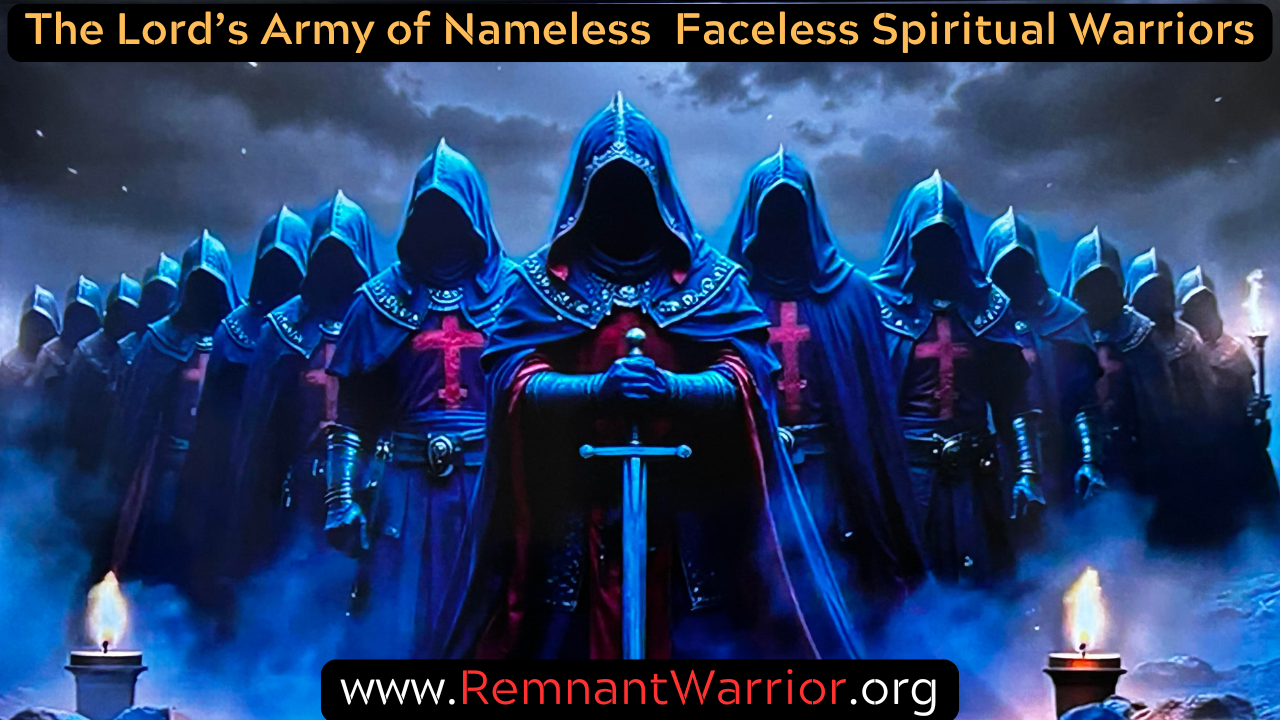
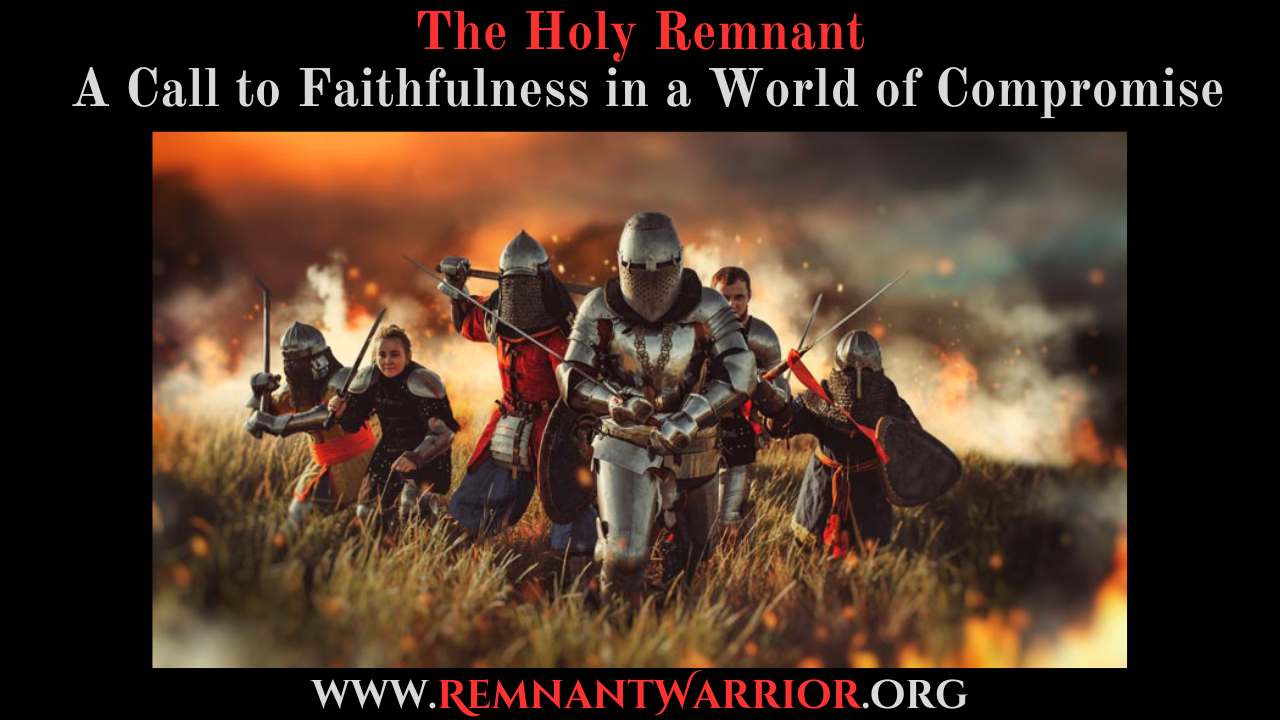
In a world increasingly marked by chaos and moral decay, the call to action for the church has never been more urgent. 

Several years ago, my wife and I were divinely guided to transition our ministry from Mighty Arm Ministries to Remnant Warrior Ministries. This change was not merely a rebranding; it came with a divine mandate to establish an online school of Spiritual Warfare.

 However, our commitment to this mission was met with unexpected resistance from various circles, including some ministries that I once revered. They dismissed the significance of spiritual warfare, claiming it to be unnecessary in today’s context. 

Yet, this sentiment stands in stark contrast to the extensive teachings of the apostle Paul, who devoted significant portions of his letters to instructing the early church on the importance of spiritual battle. 

As I reflect on the past several decades, I have witnessed an alarming trend: the neglect and, at times, outright ignorance of spiritual warfare within the church has rendered both the church and our nation vulnerable to the encroachment of the enemy. 

The societal cultures surrounding us have been infiltrated, and in many ways, the church has surrendered territory without the fight that was once characteristic of the body of Christ. 

However, the Holy Spirit has illuminated my path with the revelation that a movement is stirring—a resurgence of ministries and leaders passionately focusing on spiritual warfare. 

Many of these leaders carry the term “warrior” in their ministry names, signaling a collective awakening to the call of God. Listening to Bishop Bill Hamon’s prophetic word for 2025 solidified this realization. 

He spoke of a divine summons to establish an army of warriors, a clarion call for the Remnant Warriors to unite, connect, and reclaim the territories that have been lost. 

This prophetic insight aligns with other messages from trusted prophets, confirming that God is rallying His devoted followers to reinstate the Biblical Art of Spiritual Warfare. 

At the crux of this mission is the realization that a new elite unit within the body of Christ is being deployed to confront the end-time crises we face. 

This brave group, the Remnant Army of God, is characterized by radical commitment to the Lordship of Jesus Christ and a willingness to defend His Bride, even at great personal cost.

 As I penned the declaration for our ministry, I echoed the sentiments of the apostle Paul found in 2 Timothy 4:7-8. Paul’s testament to having fought the good fight and remained faithful serves as a clarion reminder of our ultimate goal—receiving the crown of righteousness reserved for those who eagerly await His return. 

It is not just a promise for Paul but a gracious invitation extended to all who dare to stand firm in their faith. 

In alignment with this mission, the Creed articulated by Judy Lamborn resonates deeply with the heart of every Remnant Warrior. 

It is a pledge of commitment, recognizing the gravity of our calling in this pivotal moment. 

As warriors, we acknowledge that we have been chosen for such a time as this, ready to lay down our lives for the cause of Christ. 

We vow to live according to the infallible Word of God, embracing our responsibility to fulfill the Great Commission. 

We commit to honoring Jesus Christ in our words and deeds, reflecting His love and truth in a world that desperately needs it. 

The time for action is now. The spiritual landscape demands our vigilance and commitment. 

As we stand united as Remnant Warriors, we must sanctify ourselves to a life of prayer and intercession, seeking an intimate relationship with God while fervently working to bring salvation to a lost world. 

Our mission is clear: we must reclaim the ground that has been surrendered and boldly declare the victory of Christ over every aspect of our lives and communities. 

In closing, I urge my brothers and sisters to heed this call. The spiritual battle is real, and the stakes are high. Let us rise as a united front, equipped with the knowledge of our authority in Christ and the unwavering resolve to fight the good fight of faith. 

Together, we will be found fulfilling our divine assignment when He returns, eagerly anticipating the words, “Well done, thou good and faithful servant, enter into the joy of your Lord.” The time for action is NOW. Let us answer the call and step into our destiny as Remnant Warriors.

~Dr. Russell Welch
Elder / Apostolic Teacher: Highway to Heaven Church and Founder and Shepherd of Remnant Warrior Ministries / Remnant Warrior School of Spiritual Warfare.
Dr. Welch has been writing a series of books related to the Lord’s Remnant with strong emphasis on Spirit Warfare and the mandate of the Lord’s Remnant Warriors. The first one written was “The Lord’s Remnant Warriors: Awakened and Rising As God’s Chosen in the Final Harvest” another one is set to be released om January 21, 2025 which is “Called to Conquer : Unveiling the Remnant Warrior Role within the Ecclesia“. He is working on several other to be published this year as well.


In an age characterized by moral ambiguity and spiritual dilution, the concept of a “remnant” holds profound significance for believers.

Defined as “that which remains” or “a distinct part of a larger whole,” the term captures the essence of a devoted group within the Christian faith that remains steadfast in their commitment to God.

New Testament verses which refer to a faithful “remnant” ([Biblical Greek]: λεῖμμα, romanized: leîmma) include [Romans 11:5], where Paulr efers back to Old Testament examples, and [Revelation 12:17] (“And the dragon was wroth with the woman, and went to make war with the remnant of her seed, which keep the commandments of God, and have the testimony of Jesus Christ”)

This passage in scripture (Revelations 12:17) is not referring to the lack luster Christian, who goes to Church on Sunday and lives like a heathen the rest of the week. Those who sit year after year under a leadership that is made up by those who feed off of a compromised religious system. Such congregations are likened to the Laodicean Church in scripture.

The Laodicean Church was a Christian community in the ancient city of Laodicea, which is now located in Turkey. It was established during the beginning of the New Testament Church, the earliest period of Christianity.

What is the Laodicean Church known for?

It’s one of the Seven churches of Asia addressed by name in the Book of Revelation

It’s the only church in the group that receives no praise from Jesus, only rebuke

The church was spiritually blind and complacent

What does the Bible say about the Laodicean Church?

The church is mentioned in Colossians 2:1, Colossians 4:13-16, Revelation 1:11, and Revelation 3:14-22

Jesus’ message to the church is found in Revelation 3:14-22

Jesus condemns the church for being neither cold nor hot

Jesus counsels the church to repent and apply a spiritual eye-salve

So, as a true student of the Holy Word of the Lord, we must study from the seat of viewing the scriptures in proper context. And with regard to Revelation 12:17, we can clearly see that this passage comes on the heels of Revelation 12:11.

Which giving what is written in verse 17, is a direct reference to the Remnant of the Lord “And they overcame him by the blood of the Lamb and by the word of their testimony, for they loved not their lives even unto death”.

As we navigate these last days, there emerges a compelling belief that God is actively calling forth a Holy Remnant Church (Ecclesia)—an assembly of individuals dedicated to living out the teachings of Jesus Christ with fervor and purity.

This remnant is not merely a fraction of the church; it represents the core of the True Church, the Body and Bride of Christ, standing in stark contrast to the apostate congregations that pervade our contemporary religious landscape.

The phenomenon of individuals leaving traditional organized churches to pursue a deeper relationship with God is both striking and significant. As people seek authenticity in their faith, many find themselves drawn to a community that prioritizes simplicity in worship, doctrinal purity, and a profound understanding of Scripture.

This shift is often misinterpreted by establishment Christianity, yet it signifies a divine calling to embrace a life that is wholly dedicated to Christ. The Remnant Church is emerging as a response to societal distractions, materialism, and the convoluted ideologies that have infiltrated mainstream religious institutions.

In what is perceived as a time of testing, this remnant is being prepared to “stand” for truth and to fulfill the Great Commission and Great Commandment in a world that desperately needs hope.

At the heart of the Remnant Church lies an unwavering commitment to the Word of God. Its members are individuals who recognize their identity as sons and daughters of God, guided by the Holy Spirit in their quest for deeper intimacy with Christ.

As they diligently study the Scriptures, they embody the characteristics of the Bereans, who were commended for their eagerness to receive and examine the Word.

This hunger for God’s truth fosters a community that operates not in self-importance but in humility, understanding that their purpose is to reflect the love and power of God in their lives.

The Remnant Church does not seek glory for itself but desires to magnify the greatness of God. Moreover, the Remnant Church stands firmly against the encroachment of pagan ideologies and humanistic beliefs that have tainted many contemporary congregations.

It is a community that prioritizes the teachings of Jesus and the doctrines of the early Church, ensuring that their faith remains unadulterated. This commitment to biblical truth is not without its challenges. As history has shown, those who adhere to the pure Gospel often face persecution.

The apostle Paul warned of such trials—both to Timothy and the Philippians—reminding believers that living godly in Christ Jesus will inevitably attract opposition.

Yet, the Remnant Church is undeterred, fully embracing the reality that sacrifice and suffering are part of their calling. In conclusion, as we find ourselves in a world rife with confusion and moral decay, the call to be part of the Remnant Church resonates more than ever.

This is a call to emulate the early Church of Acts—a community marked by faith, sacrifice, and a willingness to turn the world upside down for the sake of the Gospel.

The Remnant Church is not simply a group; it is a movement of individuals who are collectively committed to honoring God amidst adversities, proclaiming the truth of Scripture, and serving as a beacon of hope in a desperate world.

As believers, we are invited to respond to this divine invitation, embracing our role in the Remnant Church and standing firm in our faith until the very end.

If this message speaks to you, and you have a inner longing to be part of such a Kingdom family, seek direction from Holy Spirit. For I believe that Heaven has strategical been raising up such Remnant Congregations throughout the nation, many which are regional, with some states having multiple congregation connected to each other, with all five gifts in operation.

But be aware, if you find comfort in the tradition setting of “Church”, you may not find that within these congregations, and very rarely do you find such within the context of either the “Mega-Church” setting nor the rising popularity of the Franchised Church model led by a celebrity charismatic pastor.

In fact I have found that many of these Congregations are small in size, anywhere from a handful to a few hundred members, functioning under the religious radar of popularity.

However, these Kingdom families are well known within the demonic realm for the authority and power of Christ that they wield. In truth, none of these Congregation desire to be in the lime light, for they burn with a passionate fire seeking but to bring attention to their King Jesus, His Kingdom and His Righteousness.

~Dr. Russell Welch Elder / Apostolic Teacher: Highway to Heaven Church and Founder and Shepherd of Remnant Warrior Ministries / Remnant Warrior School of Spiritual Warfare.
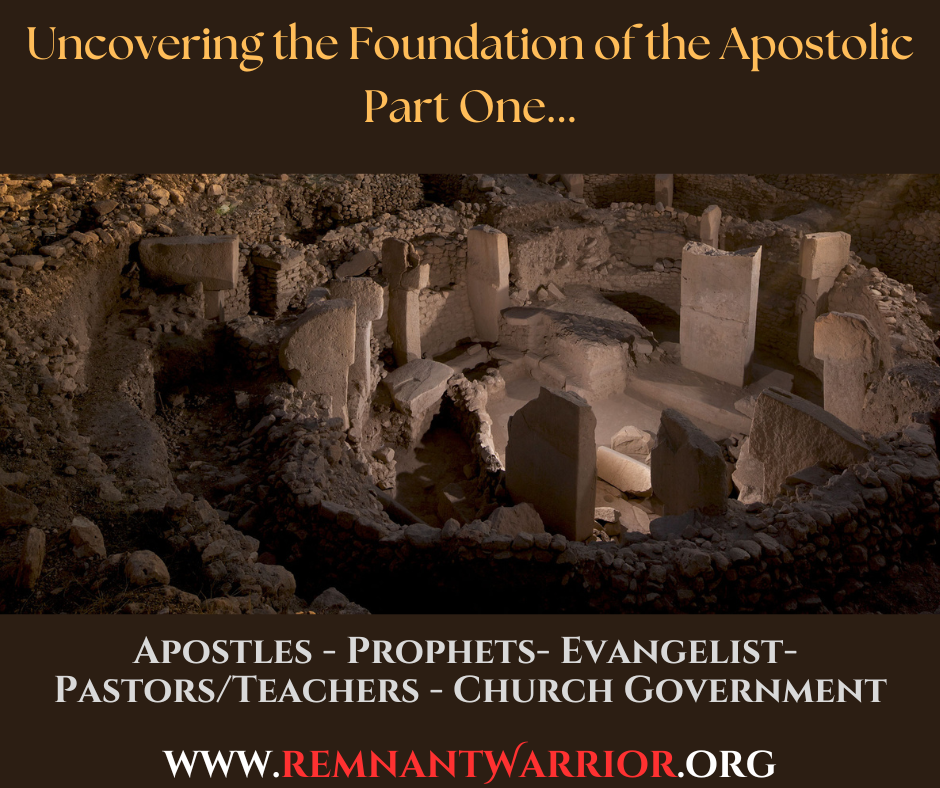

The Foundation of the Church: Understanding the Apostolic Office

In the realm of architecture, no one would dispute the significance of a building’s foundation. It is the bedrock upon which the entire structure rests, ensuring stability and longevity.

This analogy finds a profound reflection in the biblical context, particularly in Ephesians 2:20, where the Apostle Paul emphasizes that the church’s foundation is built upon the apostles and prophets, with Christ as the chief cornerstone.

This metaphor not only highlights the vital role of unity within the church but also invites an exploration of the nature and implications of the apostolic office. The apostolic office serves as a crucial element in the establishment and nurturing of the church.

The apostles were not merely historical figures; they were divinely appointed leaders who played an essential role in spreading the teachings of Jesus Christ and laying the groundwork for the early Christian community.

Their firsthand experiences with Christ provided them with unique insights and revelations that shaped the beliefs and practices of the church. This foundational leadership was instrumental in creating a unified body of believers that transcended cultural, social, and geographical barriers.

Paul’s assertion in Ephesians 4:12-13 further expands upon the significance of the apostles in the contemporary church. He writes, “For the perfecting of the saints, for the work of the ministry, for the edifying of the body of Christ: Till we all come in the unity of the faith, and of the knowledge of the Son of God, unto a perfect man, unto the measure of the stature of the fullness of Christ.”

This passage underscores the ongoing role of the apostolic office, suggesting that the church has not yet fully achieved the maturity and unity envisioned by Paul. The work of the apostles in perfecting the saints and edifying the body of Christ remains essential, as it fosters an environment where believers can grow in faith and knowledge.

In today’s world, the implications of Paul’s teachings are profound. The church is called to recognize and embrace the presence of modern-day apostles who continue to guide and equip the body of Christ.

These leaders play a pivotal role in addressing contemporary challenges, promoting unity, and ensuring the church remains aligned with its foundational values. As society evolves and new crises emerge, the need for apostolic leadership becomes increasingly evident.

Moreover, the apostolic office serves as a reminder of the importance of mentorship and discipleship within the church. Just as the original apostles mentored early Christians, today’s leaders must invest in the spiritual growth of their congregations.

This commitment to nurturing future generations of believers ensures that the church continues to thrive and adapt while remaining firmly rooted in its foundational truths.

In conclusion, the apostolic office is not merely a relic of the past; it is a living and active force within the church today. Understanding this role is vital for fostering unity, maturity, and growth in the body of Christ.

As we reflect on Paul’s teachings, may we be inspired to seek out and support apostolic leadership in our communities, ensuring that our foundation remains strong as we build a vibrant church that honors Christ as the chief cornerstone.

The journey toward spiritual maturity and unity is ongoing, and it is through the guidance of apostles that we can navigate the challenges of our time with wisdom and grace.

~Dr. Russell Welch
Elder / Apostolic Teacher: Highway to Heaven Church and Founder and Shepherd of Remnant Warrior Ministries / Remnant Warrior School of Spiritual Warfare.

Throughout the course of American history, there have been distinct moments when a divine wind of revival has swept across the nation, igniting the hearts of believers and rekindling the flames of faith.

Every few hundred years, this spiritual refreshment appears, blowing upon the lingering embers of previous revivals tended to by the Remnant—those faithful individuals who remain committed to nurturing the seeds of hope and transformation. However, as eternity unfolds, there are pivotal moments that can either lead to a national awakening or result in a disheartening retreat from faith.

The call for discernment among the Watchmen Spirit flowing within the Remnant is critical, particularly in a time when the Church faces both internal strife and external challenges. The Remnant serves as the spiritual guardians who watch over the flames of revival, sensing the opportune moments for spiritual renewal. Yet, as history has shown, the failure of religious leaders to heed these signs can lead to disastrous consequences.

In Matthew 16:3, Jesus rebuked the religious rulers for their inability to interpret the signs of the times, highlighting a profound truth that resonates in contemporary society. The Church, over the past century, has frequently struggled to discern the shifting spiritual landscape, allowing division and strife to overshadow its mission.

When one group within the Church begins to experience a movement of the Holy Spirit, another faction often resorts to downplaying or even opposing that movement, sometimes resorting to what can be described as witchcraft-like prayers against fellow believers. This internal conflict not only detracts from the Church’s purpose but also creates a barrier to the collective spiritual awakening that America so desperately needs.

In recent years, a growing number of Watchmen, men such as the late Arthur Burt, C. Peter Wagner, and David Wilkerson along with present day men such as Dutch Sheets and his brother Tim Sheets—are those spiritually attuned individuals who seek to discern the seasons of God—have sensed that America is on the cusp of another significant visitation.

This anticipated revival is not merely a hope for the future; it is a pressing invitation for the Church to come together in unity, prayer, and repentance.

The question that looms large is whether the Church will heed this call. Will the body of Christ rise above its differences, setting aside petty disputes and focusing instead on the greater mission of bringing healing and restoration to a fractured nation? The stakes are high, as a failure to embrace this moment may lead America further into a spiral of chaos and evil. Thus, the need for discernment has never been more urgent.

It is a call to action for believers to seek the Lord earnestly, to pray for unity, and to cultivate an environment where the winds of revival can blow freely once again. The teachings of Christ remind us of the importance of recognizing the signs around us, prompting us to engage in self-reflection and collective prayer.

As the timeline of eternity continues to unfold, the choice lies within the Church: to awaken, unify, and prepare for the visitation that lies ahead or to remain stagnant and risk being swept away by the tides of secularism and moral decay. So we can see that we are standing at spiritual cross-road, and the history of revival in America serves as a reminder that moments of divine intervention are often contingent upon the readiness of the Church. The call for discernment and unity is critical in this pivotal season.

As the Watchmen sound the alarm, it is up to the body of Christ to respond with courage and faith, recognizing that a new wave of revival could very well be on the horizon. The future of America hinges on our willingness to bend the knee in repentance and turn back to the Lord, allowing His transformative power to shape our nation once more.


~Dr. Russell Welch
Elder / Apostolic Teacher: Highway to Heaven Church and Founder and Shepherd of Remnant Warrior Ministries / Remnant Warrior School of Spiritual Warfare.
Be sure to check out Dr. Welch’s book: “Restoring God’s Watchmen


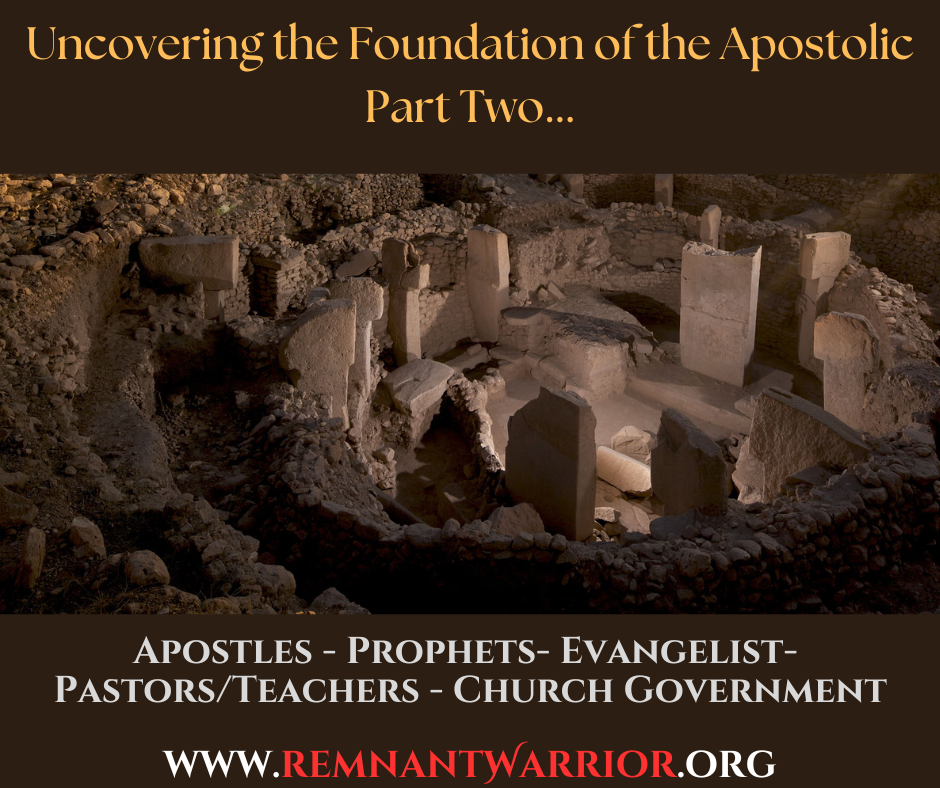
The Apostolic Foundation of the Church -Introduction.

In the realm of architecture, the importance of a solid foundation cannot be overstated. Just as a building requires a stable base to support its structure, the church is anchored by the teachings and authority of the apostles, who serve as its foundation.

The Apostle Paul, in Ephesians 2:20, provides a powerful analogy that underscores this truth; he states that the church is built on the foundation of the apostles and prophets, with Jesus as the chief cornerstone.

This series of posts seeks to unpack the significance of the apostolic foundation, exploring the identity of the apostles, their unique role in the early church as well as the current church, and the implications of their foundational status for contemporary believers.

Understanding the Apostles…..

The original apostles were chosen by Jesus Christ to be His immediate messengers, tasked with the vital role of disseminating His teachings and authority. The term “apostle” itself translates to “one who is sent,” signifying their mission to preach the gospel and establish the church.

The original twelve apostles, including Peter, James, John, and Judas Iscariot, were selected during Jesus’ earthly ministry, while Paul, a later addition, was also designated an apostle after a transformational encounter with Christ.

Their firsthand experience with Jesus equipped them uniquely to bear witness to His life, death, and resurrection, granting them a level of authority that established the church’s core beliefs and practices.

The apostles’ role in the church is and was not merely administrative or organizational; it is deeply spiritual and revelatory. They were, and still are tasked with interpreting the teachings of Jesus, guiding the believers, and laying the groundwork for the Christian faith.

Through their writings, which make up a significant portion of the New Testament, the apostles articulated the doctrines of the church, providing insights into the nature of God, salvation, and Christian living.

Their teachings continue to inform and shape the beliefs of modern-day Christians, establishing a direct line of continuity from the early church to the present.

The Significance of the Apostolic Foundation…

The concept of the apostles as part of the foundation of the church carries profound implications for the identity and mission of the church today. Just as a building’s stability hinges on its foundation, the health and effectiveness of the church are rooted in its adherence to the teachings of the apostles. But let it be said, the Christ our Lord is the chief corner stone upon which the foundation is built.

In an age of shifting cultural values and diverse theological interpretations, the call to return to the foundational truths established by the apostles remains relevant.

Emphasizing the authority of the apostolic teachings encourages unity among believers, as these teachings point to a shared understanding of Jesus as Lord and Savior. Furthermore, recognizing the apostles as the foundation underscores the importance of the gospel.

The message they preached—centered on Christ’s redemptive work—serves as the cornerstone of the church’s mission. The church is called to be an extension of the apostles’ work, carrying forth the gospel message into the world.

This includes not only evangelism but also nurturing a community of believers grounded in apostolic teachings, fostering spiritual growth, and demonstrating Christ’s love through service and outreach.

Conclusion

In conclusion, the apostolic foundation of the church is a profound and essential aspect of Christian identity.

The apostles in the early Church years, as the original messengers of Christ, provide a solid base for the church, enabling it to fulfill its mission in the world.

Their teachings continue to guide modern believers, offering a framework for understanding faith and practice. As we reflect on the significance of this foundation, we are reminded that, like an architect’s blueprint, the life and message of Jesus Christ, as conveyed by the apostles, should direct the church’s path forward.

Whereas the Apostle of our day are those who are in many cases re-introducing the Apostolic teachings to the Body of believers. There are those who will claim we no longer have apostles, yet they contradict the scriptures as Paul was clear, the Apostles, Prophets, Evangelist, and Shepherding teachers are for the perfecting of the Church, and it is clear that as this date, the Church is not walking in perfection (Ephesians 4:11-13).

Thus, by anchoring ourselves in the apostolic foundation, we not only honor the legacy of the early church but also ensure that we remain steadfast in our commitment to the gospel.

Next week part two….. “The Foundation of the Church: Understanding the Apostolic Office”

~Dr. Russell Welch
Elder / Apostolic Teacher: Highway to Heaven Church and Founder and Shepherd of Remnant Warrior Ministries / Remnant Warrior School of Spiritual Warfare.

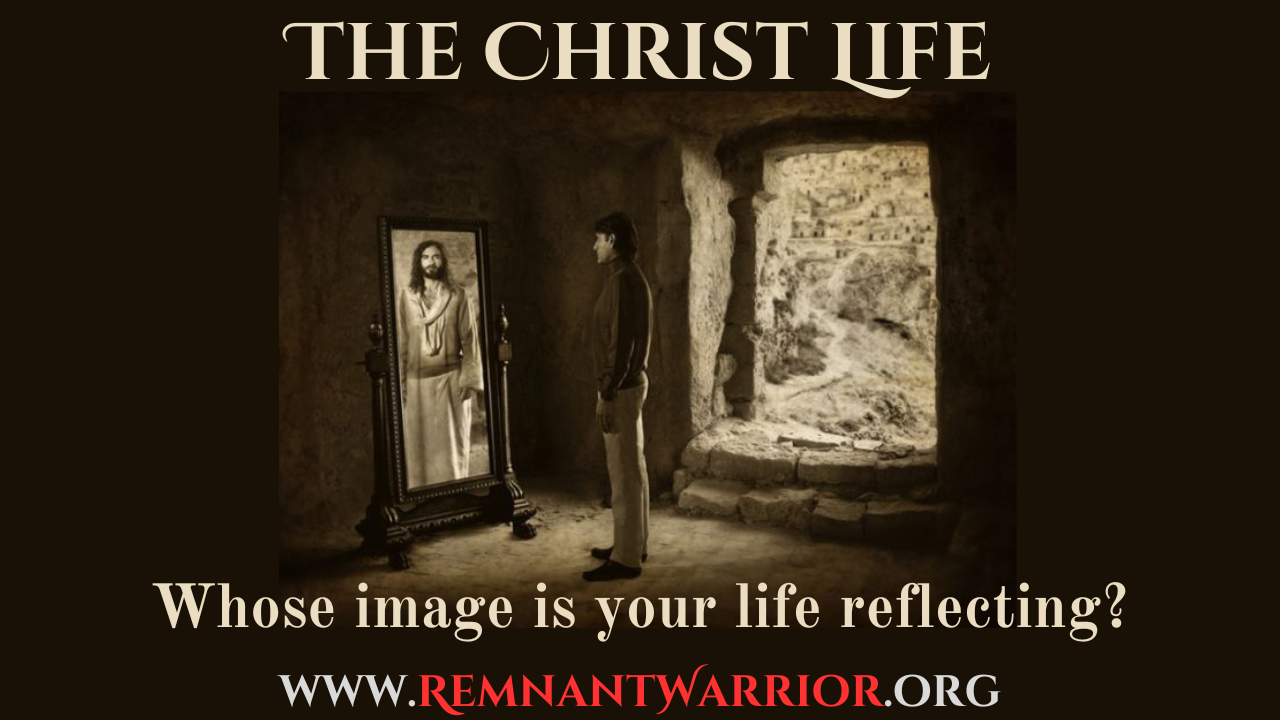
The Christian life, as practiced in many American churches rooted in Western theology, often reflects a commitment to certain principles of truth. This life, while earnest and sincere, is frequently characterized by a conformity to doctrines and interpretations that may not fully encapsulate the essence of living in Christ.

In contrast, the authentic ecclesia—those truly embodying the teachings of Christ—embraces a Christ-centric lifestyle, one that is animated by the Holy Spirit and deeply rooted in a direct relationship with Jesus.

At its core, the average Christian life typically involves an earnest effort to emulate Christ. Believers strive to align their actions with the Church’s interpretations of His teachings, attempting to live according to established principles.

While this commitment is commendable, it often leads to a performance-driven mindset that can create feelings of inadequacy or frustration. The challenge lies in the distinction between imitation and incarnation; the former is a conscious effort to replicate Christ’s actions, while the latter acknowledges the transformative power of Christ’s life living within the believer.

“The first more often than not seeks to imitate their pastor, where as the latter is totally surrendered to the Lord life being exampled in their lives”

The true essence of the Christian experience transcends mere imitation. It is about allowing Christ’s own life to take residence in one’s heart, leading to a profound transformation that cannot be achieved through human strength alone.

This divine life, fueled by Holy Spirit, empowers believers to overcome obstacles and challenges that, in their own power, they could not conquer. It invites them into a relational dynamic with Jesus, where His strength becomes their strength, and His victory becomes their victory.

For many, this may be a new and perhaps startling thought. The idea that the life of Christ can be realized within each believer is revolutionary, although not a new revelation. It shifts the focus from striving for moral perfection to embracing the grace that comes from a genuine relationship with Christ.

This notion stands as one of the most profound truths in the cosmos, offering a sense of hope and liberation to those who are weary from the burdens of religious obligation. In summary, while many American churches foster a sincere commitment to Christian principles, there is a deeper reality available to believers—a Christ-centered existence that is not merely about effort but about surrendering to the life of Christ within.

Some may find this perspective to be a novel thought, perhaps even challenging the traditional notions of what it means to live a Christian life. However, I can personally attest to the truth and power of this “Best Thought” in all of the cosmos.

It is a liberating revelation that offers hope and encouragement to those weary from the burdens of religious performance. Embracing a Christ-centric lifestyle enables us to experience a deeper intimacy with God, a profound joy in our daily walk, and the empowerment to face life’s difficulties with resilience

The essence of authentic Christianity: a living, dynamic relationship with Jesus, activated by the Holy Spirit, that empowers believers to live victoriously in a way that their own strength cannot achieve.

As we cultivate this relationship, we not only experience personal renewal but also become conduits of grace and hope in a world desperately in need of the authentic message of the Gospel. Let us pursue this deeper relationship, allowing Christ’s life to shine through us in all its glory.

~Dr. Russell Welch
Elder / Apostolic Teacher: Highway to Heaven Church and Founder and Shepherd of Remnant Warrior Ministries / Remnant Warrior School of Spiritual Warfare.
For a deeper understanding of this type of life style, we highly recommend that you read Dr. Welch’s book “Spirit Wind People: Those Who are Moved by the Impulses of Holy Spirit” which can be viewed and purchased on Amazon by clicking here


The relationship between divine sovereignty and human authority has long been a subject of theological debate. A common assertion is that every leader of a nation is divinely appointed by God, which reflects a misunderstanding of the true nature of sovereignty.

The biblical passage found in Romans 13:3-4 offers critical insights into this relationship, emphasizing that rulers serve a purpose aligned with divine justice and goodness. However, it raises pressing questions about the nature of leadership and the implications of human choices in governance.

Romans 13:3-4 states, “For rulers are not a terror to good works, but to the evil.” This assertion implies that the primary role of a leader is to promote good and punish evil. If we accept this premise, it becomes evident that not every leader fulfills this divine mandate.

The concept of rulers as ministers of God suggests that their authority should inherently align with good works; thus, those who persecute the faithful or enact unjust laws cannot be seen as chosen instruments of God.

When leaders act contrary to the principles of justice, compassion, and righteousness, it is misleading to assert that they are God’s chosen representatives. Throughout history, we have witnessed examples where human choices have deviated from divine intention.

The biblical account of the Israelites choosing David over Saul is a poignant illustration of this phenomenon. The people’s desire for a king based on their own perceptions of leadership led them to overlook God’s plan and ultimately resulted in a reign filled with turmoil. Having realized their error, they began to reject Saul and turned toward David.

This historical reference serves as a reminder that human preferences and decisions can lead to outcomes that stray from divine will, suggesting that the expectation of divine endorsement for all leaders is misguided.

Moreover, the assertion that we have the leaders God intended for us at any given time often overlooks the complexities of free will and moral choice. As individuals and communities, we are called to evaluate our leaders based on their alignment with the values of justice, mercy, and truth.

When leaders act as oppressors, it is not merely a question of divine appointment but rather a reflection of human choices that diverge from the righteousness that God desires. In our contemporary society, it is vital to turn back to the purity of the Word through the lens of the Holy Spirit.

Reliance on our emotions or personal leanings can cloud our judgment and lead us to accept leaders who do not reflect the values we hold as sacred. Instead, we should engage in discernment grounded in scripture and spiritual wisdom.

This process invites us to critically assess our leaders and ensure that their actions resonate with the good works mandated by God. We need to understand that the notion that every leader is God’s choice diminishes the complexity of divine sovereignty and human agency.

Romans 13:3-4 challenges us to recognize the responsibility that comes with leadership and the moral imperative to choose leaders who advocate for good rather than evil. We must step back and look through the lens of history, see the mistake that we made, and allow Holy Spirit to reset us in the right direction.

For is it not a truth that the relationship between faith and governance has been a topic of contention throughout history, with scripture often cited to justify the authority of leaders? Romans 13, which calls for the honoring of governing authorities, can be dangerously misinterpreted.

Again, this misinterpretation has, at times, led to complicity in the actions of tyrants and the acceptance of misguided doctrines. A historical examination reveals the pitfalls of conflating divine authority with political power, as seen in the era of Emperor Constantine.

Certain factions within the Church accepted his rule and, by extension, the doctrines of the Catholic Church, turning a blind eye to the corruption that accompanied it. However, a steadfast Remnant, known as “The people of the Way, The Lord’s dedicated Ecclesia, arose, refusing loyalty to both the Emperor and the Church.

This group faced persecution and it ultimately drove the true followers of Christ underground, demonstrating the peril of aligning faith with authoritarianism. The narrative continues with the Irish Monks, who embodied a radical commitment to the teachings of Christ, particularly those from the Gospel of John.

These Monks stood against the King of England and the Church of England, which claimed divine sanction for its rule. Their refusal to submit to the Pope and the English crown led to their persecution and expulsion from their homeland.

This pattern of resistance to the intertwining of faith and political power highlights a recurring theme: the existence of a faithful Remnant that remains true to scriptural integrity in the face of societal pressures.

Later, the Moravian Community of Herrnhut in Saxony, established in 1727, represented another chapter in the ongoing struggle for authentic faith amid political turmoil. This prayerful community became a beacon of hope and mission, showcasing the power of a united ecclesia dedicated to prayer and the pursuit of God’s will.

History records that out of this powerful move of the Lord we saw the rise of many leaders such as the Wesley brothers, Charles and John Wesley just to mention a few, that birthed a powerful Holy Spirit fueled movement.

However, we see a few hundred years later how the Lutheran Church in Germany’s misinterpretation of authority during the rise of Adolf Hitler starkly illustrates the dangers of failing to discern true leadership.

Hitler was falsely regarded as God’s chosen servant, leading many to forsake their moral compass and align themselves with a regime that perpetrated unspeakable atrocities. While notable figures such as Dietrich Bonhoeffer bravely opposed this misguided theology, the broader Church too often capitulated, allowing the Nazi regime to manipulate scripture for its ends, even replacing crosses with swastikas.

The misuse of Martin Luther’s writings, which expressed his later animosity towards Jews, fueled the anti-Semitic agenda of the Nazis. This historical reflection underscores the urgent need for contemporary believers to return to a sound interpretation of scripture, free from distortion by cultural or political agendas.

Rather than bending the scriptures to fit our understanding, we must allow the Holy Spirit to elevate our comprehension, guiding us to a place of true sonship where we can discern the mind of the Lord.

In a world rife with conflicting ideologies, the call remains: to honor God above earthly rulers, seeking clarity and truth in our faith, and standing firm against any authority that seeks to undermine the core tenets of our beliefs.

So my brothers and sister in the faith, as we navigate the intricate dynamics of governance, let us seek guidance through scripture and the Holy Spirit, allowing our understanding of leadership to reflect the righteousness that God desires for His creation. Only then can we truly honor the divine sovereignty that underlies our earthly authorities.

~Dr. Russell Welch
Elder / Apostolic Teacher: Highway to Heaven Church and Founder and Shepherd of Remnant Warrior Ministries / Remnant Warrior School of Spiritual Warfare.


In a world overflowing with distractions and spiritual turmoil, the concept of spiritual warfare often feels daunting and distant for many. While we may not be engaged in epic battles of national importance, the reality remains that we are all fighting personal spiritual battles that require attention and strategy. Central to these struggles is the practice of fasting—a powerful yet often overlooked tool that can elevate our spiritual walk and bring us closer to God.

As believers, we can draw strength from the same weapons that great men of God utilized throughout the Bible, highlighting the importance of humbling ourselves before God and engaging in a lifestyle of fasting.

Fasting is not merely a ritual; it is an intentional act of surrendering to God. It is an acknowledgment of our vulnerabilities and a conscious effort to draw nearer to the divine. In my own life, I experienced the liberating power of fasting when I found myself ensnared by the chains of sin, including sexual sins.

Through humbling myself before God in fasting, I found that it was not my sacrifices that moved Him, but rather my willingness to step into His spiritual realm. God’s grace enveloped me, leading me toward freedom.

This personal testimony underscores the transformative power of fasting and its essential role in our spiritual journeys. Over the years I have joined in with other ministries and the communities that I was part of who adopted fasting as a fundamental practice.

For example, each January, for a number of years I joined in with Jentezen Franklin’s Church committing to 21 days of fasting, and other times I would fast the first three days of each month. This commitment stems from my understanding of the spiritual warfare we face and the Lord’s Chosen one’s—the calling to fulfill, calamities to overcome, and spiritual enemies to conquer.

Regular fasting not only strengthens our connection to God but equips us to face adversities with renewed faith and resilience. Recognizing that spiritual conflict is an ever-present reality compels us to adopt fasting as a regular habit.

As articulated in John 10:10, the spiritual adversary seeks to “steal, kill, or destroy” our God-given joy. By fasting and praying, we harness vital weapons to claim victories over these forces. Instead of merely addressing the symptoms of our struggles, we must dig deeper to confront the root causes of our spiritual issues.

This proactive approach allows us to engage with the unseen spiritual world that pervades our lives, thereby making prayer an indispensable part of our spiritual arsenal. It is essential to acknowledge that some within the Church argue that fasting is unnecessary under the New Covenant—an argument that seems to contradict the teachings of Jesus.

In Matthew 9:15, Jesus states, “Can the wedding guests mourn while the bridegroom is still with them? The days will come when the bridegroom is taken away from them, and then they will fast.” This statement reinforces the continued relevance and necessity of fasting in our spiritual lives.

As Spiritual Warriors for the Lord, we are called to uphold the orthodoxy of Scripture and embrace the practices that deepen our relationship with God. As we embark on a new year, I encourage you to seek God earnestly through prayer and fasting.

By doing so, you open yourself to the profound possibilities of divine intervention. Fasting is not a mere act of deprivation; it is a pathway to spiritual awakening and renewal. May you experience the power of fasting and witness the transformative answers to your prayers as you navigate the spiritual battles that lie ahead.

My prayer is that you, reader, will embrace this sacred practice, and allow God to lead you into a deeper, more victorious relationship with Him.

~Dr. Russell Welch
Elder / Apostolic Teacher: Highway to Heaven Church and Founder and Shepherd of Remnant Warrior Ministries / Remnant Warrior School of Spiritual Warfare.

Be sure to check out Dr. Welch’s newest book “Dare to Sin No More – Breaking free from Sin’s Grasp“”


The landscape of the American Church has become a topic of significant discussion and debate in recent years. With the rise of mega churches, some may argue that the church is thriving and expanding.

However, a closer examination reveals a more complex reality. While it is true that mega churches attract substantial attendance and resources, this growth often comes at the expense of smaller congregations, which struggle to maintain their presence in a world dominated by aggressive marketing and cookie-cutter models of worship.

The question remains: has the American Church experienced genuine growth, or has it merely become stagnant in its methods and outcomes? The emergence of mega churches has undeniably transformed the religious landscape, with many individuals pointing to their expansive outreach and community engagement as evidence of success.

Yet, this perspective often overlooks the underlying issues associated with such growth. As these large congregations flourish, smaller churches find themselves unable to compete, leading to a decline in diversity within the Church.

The homogenization of worship experiences can erode the unique expressions of faith that smaller congregations offer, creating an environment where spiritual depth is sacrificed for numbers. Moreover, while mega churches may present the illusion of growth, the reality is that their attendance can be highly transient.

Many individuals who flock to these large gatherings may be seeking a temporary fix for their spiritual hunger, often referred to as “wandering sheep.” This phenomenon raises significant concerns about the authenticity of the engagement being offered.

Are mega churches genuinely reproducing the Kingdom of God, or are they merely providing a polished entertainment experience that lacks the transformative power of true discipleship? Interestingly, a pattern emerges when examining cities with a high concentration of mega churches and franchise churches.

These urban areas also often experience rising addiction, homelessness, and crime rates. This correlation challenges the narrative that the mere presence of large congregations equates to spiritual and social health.

It prompts one to consider the impact of church models on the communities they inhabit. In contrast, smaller, more authentic ecclesia—congregations grounded in genuine relationships and spiritual accountability—tend to foster a positive influence in their neighborhoods.

Where these ecclesia are active, there is often a noticeable decrease in the social ills that plague areas dominated by mega churches. One of the reasons behind the effectiveness of these ecclesia lies in their approach to spiritual warfare and their understanding of their inherited identity in Christ.

These communities empower their members to recognize their roles as the Father’s righteous ones on Earth, equipping them to engage in meaningful acts of service and outreach. This revelation sparks a movement of “Remnant Warriors”—individuals who take their rightful positions within the Father’s house and actively seek to fulfill His will, much like Christ did.

Their efforts produce lasting change that transcends the superficial growth metrics often celebrated by mega churches. In conclusion, while the rise of mega churches in America may outwardly suggest that the Church is thriving, a deeper look reveals a landscape marked by stagnation and spiritual superficiality.

The authentic growth of the Church is not measured solely by attendance numbers or marketing prowess but by the transformative impact it has on individuals and communities. As we navigate this complex reality, it is essential to prioritize spiritual depth, genuine relationships, and a commitment to the mission of the Kingdom over mere numerical success. In doing so, the American Church can aspire to a growth that is rooted in authenticity and reflective of the true body of Christ.

In their quest to become culturally relevant, they have in reality allowed the enemy to make major advances within the culture, claiming spheres of influence that the Church once possessed. And because of the enemy has allowed the advance of alternatives to Church explode throughout society, cause deep divisions across the board from Education to government, even to where a once truth seeking media has now come under the rule of the kingdom of darkness evolving into a lie spewing subculture.

 In conclusion, while the rise of mega-churches may suggest numerical growth, a closer examination reveals an underlying stagnation in authentic spiritual engagement and community impact. The juxtaposition of these large congregations with smaller Ecclesia communities highlights the need for a reevaluation of what it means to be the Church in America today.

By embracing a model that prioritizes genuine relationships, spiritual warfare, and community transformation, the Church can move beyond mere attendance metrics and fulfill its divine mandate to be a beacon of hope and healing in a broken world. Ultimately, the health and vitality of the American Church will not be determined by the size of its buildings but by the depth of its commitment to living out the Gospel in every sphere of life.


~Dr. Russell Welch
Elder / Apostolic Teacher: Highway to Heaven Church and Founder and Shepherd of Remnant Warrior Ministries / Remnant Warrior School of Spiritual Warfare.

Check out Dr. Welch’s newest book, “Dare to Sin no More – Breaking Free from Sin’s Grasp