Posts Tagged ‘Ecclesia’


A life lost is always a tragic and grievous thing, and Scripture teaches us to “weep with those who weep” (Romans 12:15). Yet even in moments of sorrow, the people of God must step back from the emotions that inflame and discern the broader spiritual landscape. The enemy often exploits moments of tragedy to stir confusion, division, and reactionary anger. This is why Proverbs 28:5 says, “Evil men do not understand justice, but those who seek the Lord understand it completely.” We must look beyond the surface and recognize the forces at work attempting to fracture the nation.

America stands at a dangerous crossroads, one that could escalate into deeper national unrest if wisdom does not prevail. Scripture warns that “a house divided against itself cannot stand” (Mark 3:25), and the rhetoric saturating our culture is pushing the nation toward internal conflict. Many voices in the public arena on the left, are stirring hostility, lawlessness, and contempt for order, creating an atmosphere ripe for chaos. This is not merely political tension—it is a spiritual battle for the soul of the nation. The people of God must discern the times and refuse to be swept into the emotional storms being manufactured.

Since when did it become acceptable to lay hands on law enforcement officers who are fulfilling their sworn duty to uphold the law? Romans 13:1–2 reminds us that governing authorities exist because God permits them, and resisting lawful authority invites disorder and instability. The normalization of hostility toward those tasked with protecting communities is a sign of a culture drifting from righteousness. When lawlessness is celebrated, justice becomes distorted, and confusion fills the land. This is why the Remnant must stand for truth, order, and integrity in the public square.

Our nation has become entangled in toxic political schemes that blur moral lines and redefine foundational truths. Isaiah 5:20 warns, “Woe to those who call evil good and good evil, who put darkness for light and light for darkness.” We see this unfolding as society confuses gender identity, elevates criminal behavior as victimhood, and places those who violate national immigration laws above those who have sacrificed to defend it. Such moral inversion is not merely misguided—it is spiritually dangerous. The Remnant must anchor itself in the unchanging Word of God and refuse to bow to cultural confusion.

What must happen now is a return to accountability, integrity, and reverence for the rule of law. Scripture teaches that leaders are held to a higher standard, and those who use their influence to stir violence or undermine lawful authority must be confronted with truth (James 3:1). Any individual in governmental office—whether on a school board, in local or state government, or in national positions—who encourages hostility toward law enforcement must be held responsible for their words and actions. This is not about political retaliation but about preserving order, justice, and the safety of American citizens. As Proverbs 29:4 declares, “By justice a king gives a country stability, but those who are greedy for bribes tear it down.”

And now, says the Spirit of the Living God, let the Remnant rise with fire in their bones and clarity in their vision. This is the hour to shake off fear, cast down confusion, and stand as burning torches in a nation stumbling through manufactured darkness. For the Lord declares, “My light shines in the darkness, and the darkness has not overcome it” (John 1:5), and that light is rising through My consecrated ones. Lift your voice, Remnant, for I am igniting a holy boldness in you that no narrative, no deception, and no scheme of the enemy can silence. Stand firm, pray fiercely, and let the roar of the Ecclesia thunder across the land until righteousness breaks forth like the dawn and justice rolls like a mighty river.

~Dr. Russell Welch

Dr. Russell Welch is an Apostolic teacher who leads a local congregation in Jacksonville, Florida, and oversees an international ministry that includes a discipleship school. He is the author of multiple faith‑centered books, with a focus on the Remnant Warriors of the Ecclesia and the pure, unadulterated Gospel of the Kingdom that Jesus proclaimed. He carries a deep passion for the veterans of our nation—especially those who are homeless—and holds a compelling vision to establish a restorative farming community where these warriors can live, be discipled, and experience true healing and freedom from the traumas of war.

You can find Dr. Welch’s book on Prophetic Watchmen titled “Restoring God’s Prophetic Voice: Unleashing the Watchman’s Power in the Church” here on Amazon as well as his aother books


There is a sobering question before us: why are so few shepherds addressing the spiritual threats shaping our generation, especially on advancing threat of Islam in our nation? When voices fall silent, it is often because ears have grown dull to the directives of the Holy Spirit, or because fear of backlash has eclipsed obedience.

Yet Scripture reminds us, “God has not given us a spirit of fear, but of power, love, and a sound mind” (2 Timothy 1:7). The Remnant must discern the times with courage, refusing to bow to intimidation or cultural pressure.

It has become painfully clear that much of the mainstream Church has redirected its spiritual warfare toward building platforms, gathering crowds, and crafting messages that are palatable and popular. This pursuit of relevance has come at the expense of the true Gospel of the Kingdom being proclaimed and the expansion of Christ’s rule within the cultures of this world.

But the Kingdom does not advance through applause—it advances through truth, obedience, and the bold proclamation of Christ. “Seek first the Kingdom of God and His righteousness” (Matthew 6:33) remains the mandate, not the pursuit of influence.

If hesitation is rooted in weak theology, then now is the hour to return to the revelation of the God we serve—the One who sits enthroned above the circle of the earth (Isaiah 40:22), who has no rival, no equal, and no threat to His dominion. Jesus declared, “All authority in heaven and on earth has been given to Me” (Matthew 28:18). The Father watches over His children with fierce tenderness, “like a hen gathering her chicks under her wings” (Matthew 23:37). A people who know their God will never tremble before the schemes of men.

Therefore, Remnant Ecclesia, rise. Shake off the slumber of passive Christianity and stand firm in the courage of the Kingdom. This is the hour to speak truth with love, to war with wisdom, and to shine with unshakable confidence in the supremacy of Christ. “Arise, shine, for your light has come, and the glory of the Lord rises upon you” (Isaiah 60:1). Let the true sons and daughters take their place.

This is the hour to take back the houses of the Lord—not with anger or fleshly striving, but with the authority of sons and daughters who know the voice of their King.

We have been commissioned to reoccupy what rightfully belongs to Jesus the Messiah, the One to whom “all authority in heaven and on earth has been given” (Matthew 28:18). The enemy has squatted long enough in places meant for truth, holiness, and the uncompromised Gospel of the Kingdom.

Let the Remnant stand firm, clothed in the armor of God, discerning the times, and refusing to yield sacred ground to cultural pressure or spiritual apathy. “Those who know their God shall be strong and do exploits” (Daniel 11:32), and this is such a moment. The King is calling His warriors to rise—not in fear, but in faith, reclaiming His territory with humility, boldness, and unwavering allegiance to His Word.

Dr. Russell Welch Co-Founder Remnant Warrior Ministries Warrior’s Discipleship School

Link to Dr. Welch’s books


Blessed indeed are we, this chosen generation, appointed to behold the restoration of the Gospel of the Kingdom—the very message our Lord Jesus Christ proclaimed and embodied. This is the true Gospel, the everlasting Word sealed in Heaven, bearing the authority of the Throne. It comes forth with the manifestation of Holy Fire, consuming the dross and exposing every counterfeit gospel as illegitimate.

For it is written: ‘For our God is a consuming fire’ (Hebrews 12:29), and ‘If anyone preaches another gospel than the one you received, let him be accursed’ (Galatians 1:8). This Gospel of the Kingdom is the power of God unto salvation (Romans 1:16), the eternal decree recognized in Heaven and now revealed on earth with glory and fire.

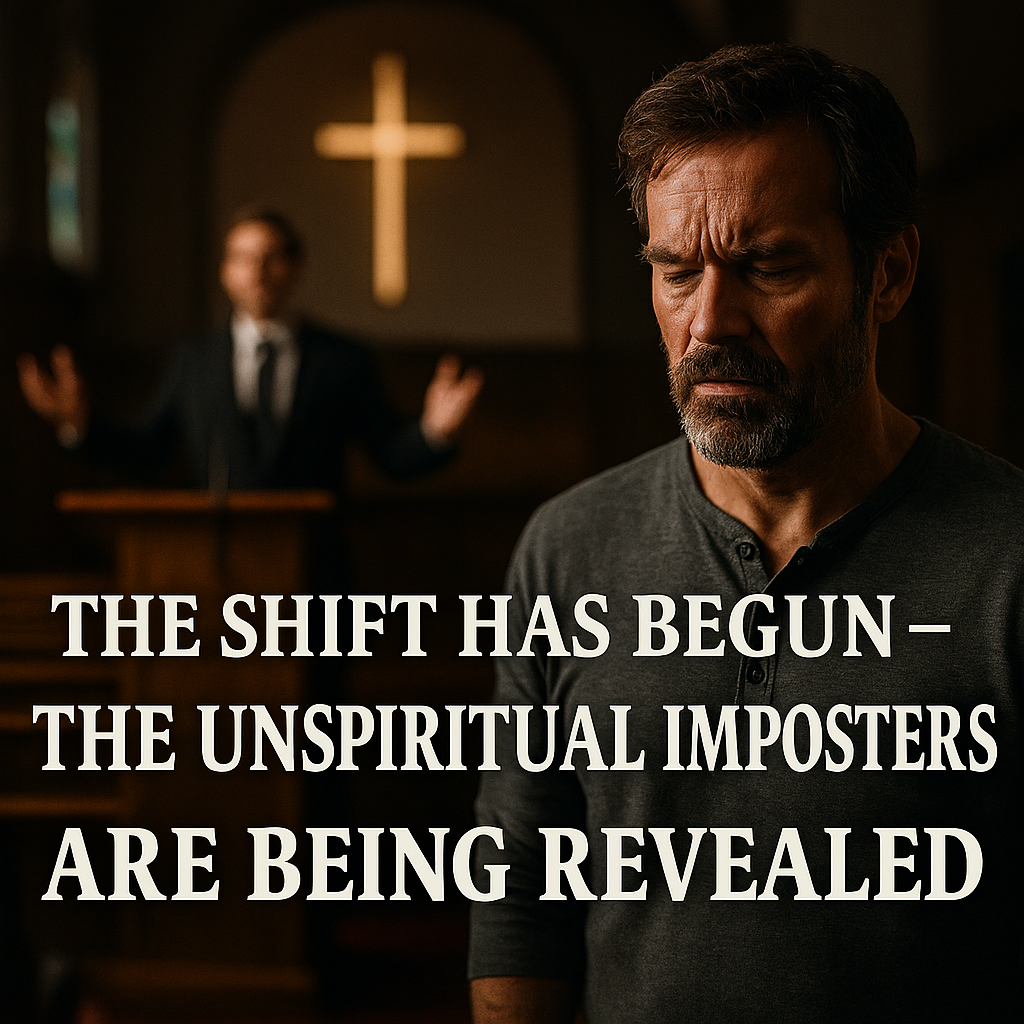
The religious spirit that has enthroned entertainment and performance in the modern church is crumbling. Its intoxication is fading, leaving behind empty structures that cannot sustain the weight of God’s glory. The Lord is exposing gatherings that “have a form of godliness but deny its power” (2 Timothy 3:5), and He is calling His people to return to the altar of fire. This is not about buildings or programs, but about the Bride being purified to carry His presence. The Ecclesia must awaken, for the Kingdom of God is not in word only but in power (1 Corinthians 4:20).

The Remnant is rising, a people marked not by denominational labels but by their allegiance to the Lamb. They are those who “follow the Lamb wherever He goes” (Revelation 14:4), refusing to bow to powerless traditions. The Spirit is forming them into living stones, a spiritual house built for His glory (1 Peter 2:5).

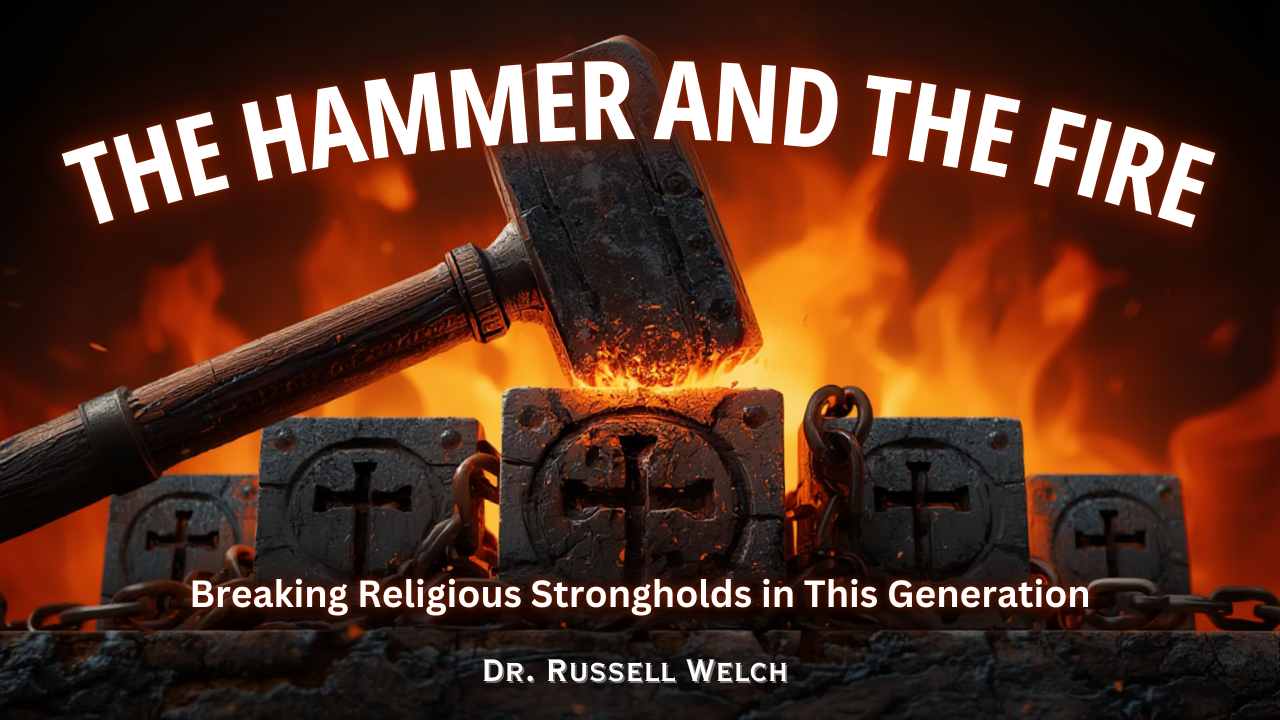
Their gatherings are not spectacles but encounters, where the dunamis of God heals, delivers, and transforms. As the prophet declared, “Is not My word like fire, says the Lord, and like a hammer that breaks the rock in pieces?” (Jeremiah 23:29). This Remnant is being forged in fire to shatter the strongholds of religion and release the Kingdom.

Now the Spirit is stirring the youth of this generation, igniting a holy hunger that cannot be satisfied by entertainment or theory. They long for the tangible presence of the Living God, and the Lord is answering with an outpouring: “I will pour out My Spirit on all flesh; your sons and your daughters shall prophesy” (Joel 2:28).

This is a rallying cry to the Ecclesia: rise up, cast off the garments of religion, and clothe yourselves with Christ. The Spirit and the Bride together cry, “Come!” (Revelation 22:17), for the hour has come to stand as a prophetic witness in the earth. The Lord is raising His Remnant to legislate His will, to declare His Word, and to manifest His Kingdom in power and glory.

The trumpet of the Lord is sounding, and the Spirit is igniting a holy blaze within His chosen ones. This is the hour for the Remnant to arise with boldness, declaring, “Our God is a consuming fire” (Hebrews 12:29). No longer will the Bride be lulled by powerless religion or silenced by the spirit of compromise, for the Lion of Judah is roaring through His Ecclesia.

The fire of Pentecost is not history but present reality, and the same Spirit who raised Christ from the dead is quickening His people to stand as witnesses of resurrection power. Let the Remnant burn with unquenchable zeal, for the nations will see the glory of the Lord revealed through a people ablaze with His presence.

Dr. Russell Welch
Co-Founder Remanant Warrior Ministries
Warrior’s Discipleship School


Is There a Biblical Precedent for Emotional Appeals for Ministry Funds?
The Apostle Paul’s Model of Labor, Provision, and Fundraising in the New Testament

Introduction
The question of how Christian ministry should be funded is as old as the church itself. In contemporary contexts, appeals for ministry funds often employ emotional rhetoric, urgent pleas, or even guilt-inducing tactics. This raises a critical question for churches and Christian leaders: Is there a biblical precedent for emotional appeals for ministry funds, or does the New Testament—especially the life and teaching of the Apostle Paul—offer a different model, one rooted in labor, voluntary generosity, and dependence on God? This report examines key New Testament passages, especially Paul’s letters and the book of Acts, to discern the biblical pattern for ministry support. It contrasts emotional fundraising appeals with Paul’s approach of tentmaking, voluntary giving, and trust in divine provision. The analysis integrates scholarly commentary, historical context, and practical implications for modern ministry.

I. New Testament Teaching on Financial Support for Ministry


A. The Biblical Foundation of Generosity and Ministry Support
The New Testament consistently affirms the importance of supporting those who labor in ministry. This principle is rooted in the Old Testament, where the Levites were supported by the tithes and offerings of Israel (Numbers 18:21–24; Leviticus 27:30–32). In the early church, believers shared possessions so that “no one among them was in need” (Acts 2:44–45), and Jesus Himself was supported by the gifts of others (Luke 8:1–3).


Paul, in his letters, repeatedly acknowledges and encourages financial support for ministry. He commends the Philippians for their partnership in giving (Philippians 4:15–18), instructs the Corinthians on systematic giving (1 Corinthians 16:1–2), and appeals for collections to aid the poor in Jerusalem (Romans 15:26; 2 Corinthians 8–9).


Key Principle:
Support for ministry is not merely a financial transaction but a spiritual act—an expression of worship, gratitude, and partnership in the gospel.


B. The Heart Attitude in Giving
The New Testament places strong emphasis on the attitude of the giver. Paul writes, “Each one should give what he has decided in his heart to give, not out of regret or compulsion. For God loves a cheerful giver” (2 Corinthians 9:7). This principle is echoed throughout the New Testament, where giving is to be voluntary, joyful, and motivated by love—not by external pressure or emotional manipulation.


Scholarly Perspective:
Ray Stedman notes, “True giving always originates with the grace of God… In the New Testament giving is never legislated upon us. It is not laid on us as a duty… It is given to us, rather, as a privilege that we can partake of to express the gratitude of our hearts for the grace that God has already given”.


C. Accountability, Integrity, and Transparency

Paul is equally concerned with the integrity of financial dealings in ministry. He insists on transparency and accountability in the handling of funds (2 Corinthians 8:20–21), appointing trustworthy individuals to oversee collections and delivery. This model is echoed in early Christian writings such as the Didache, which warns against itinerant ministers who exploit hospitality or demand money.


Modern Application:
Churches are called to maintain robust accountability structures, ensuring that funds are used righteously and that the witness of the church is not compromised by financial scandal.

II. Paul’s Tentmaking and Labor for Ministry Support


A. Acts 18 and Acts 20: Paul as Tentmaker
Paul’s practice of tentmaking is central to understanding his approach to ministry support. In Acts 18:2–3, Paul is described as working with Aquila and Priscilla as a tentmaker in Corinth. This was not merely a pragmatic choice but a deliberate strategy to avoid being a financial burden on new converts and to distinguish himself from itinerant philosophers who charged fees for their teaching.
In his farewell address to the Ephesian elders, Paul declares, “You yourselves know that these hands of mine have ministered to my own needs and those of my companions” (Acts 20:34). He ties this labor to the words of Jesus: “It is more blessed to give than to receive” (Acts 20:35).


Historical Context:
Tentmaking (Greek: skenopoios) was a respected trade, and rabbinic tradition required every rabbi to learn a manual craft. Archaeological evidence from Corinth and Tarsus confirms the presence of leather-working guilds and tools from Paul’s era.


Theological Significance:
Paul’s labor was not a “second-class” activity but an integral part of his witness. As the Theology of Work Project notes, “Paul is a witness when he preaches and when he makes tents and uses his earnings to benefit the broader community. This fits directly into Luke’s view that the Spirit empowers Christians to use their resources for the sake of the whole community, which in turn becomes witness to the gospel”.


B. Paul’s Refusal and Acceptance of Support: Thessalonian Correspondence
Paul’s letters to the Thessalonians provide further insight into his funding model. In 1 Thessalonians 2:9, he writes, “We worked night and day so that we would not be a burden to any of you, while we proclaimed to you the gospel of God”. Similarly, in 2 Thessalonians 3:7–8, he emphasizes, “We did not eat anyone’s bread without paying for it, but with toil and labor we worked night and day, that we might not be a burden to any of you.”


Motivation:
Paul’s refusal to accept support in Thessalonica was not because he lacked the right, but to set an example of diligence and to avoid any appearance of profiteering. He also sought to correct idleness among some believers who had misunderstood the imminence of Christ’s return.


Scholarly Commentary:
Kenneth Berding summarizes, “In Paul’s ministry in Thessalonica and Corinth (and probably other places where he sought to establish new churches), he tried not to confuse the mission and to burden new converts by asking for money, and thus either worked with his own hands to pay his way or received money from a distant church to supply his needs”.


C. Paul’s Teaching on Rights to Support: 1 Corinthians 9 and 16
In 1 Corinthians 9, Paul mounts a robust defense of the right of ministers to receive support: “If we have sown spiritual things among you, is it too much if we reap material things from you?… The Lord commanded that those who proclaim the gospel should get their living by the gospel” (1 Corinthians 9:11, 14).


Yet, Paul immediately adds, “But I have made no use of any of these rights. Nor am I writing these things to secure any such provision. For I would rather die than have anyone deprive me of my ground for boasting… What then is my reward? That in my preaching I may present the gospel free of charge, so as not to make full use of my right in the gospel” (1 Corinthians 9:15, 18).


Key Insight:
Paul’s refusal to claim support was a voluntary sacrifice, motivated by a desire to remove any obstacle to the gospel and to model selfless service. He did not want to be mistaken for a “peddler of God’s word” (2 Corinthians 2:17).


Systematic Giving:
In 1 Corinthians 16:1–2, Paul instructs the Corinthians to set aside a portion of their income weekly for the collection for the saints, emphasizing regular, proportional, and planned giving.

III. The Jerusalem Collection: 2 Corinthians 8–9 and Romans 15


A. The Purpose and Significance of the Collection
Paul’s most extensive fundraising effort was the collection for the poor in Jerusalem. This project, spanning more than a decade, was not merely a relief effort but a theological statement about the unity of Jewish and Gentile believers, the fulfillment of Old Testament prophecy, and the practical outworking of the gospel.


Historical Background:
The Jerusalem church faced chronic poverty due to famine, persecution, and the depletion of communal resources (Acts 11:28–30; Josephus, Antiquities 20.51). Paul saw the collection as a way for Gentile churches to express gratitude for their spiritual inheritance and to foster unity across ethnic and geographic lines (Romans 15:25–27).


B. Paul’s Rhetorical Strategy: Avoiding Compulsion, Promoting Voluntary Giving
Paul’s approach to fundraising in 2 Corinthians 8–9 is instructive. He appeals to the example of the Macedonians, who gave “according to their means and beyond their means, of their own free will, begging us earnestly for the favor of taking part in the relief of the saints” (2 Corinthians 8:3–4).
He explicitly avoids commanding the Corinthians: “I say this not as a command, but to test the genuineness of your love” (2 Corinthians 8:8). He urges them to give “not reluctantly or under compulsion, for God loves a cheerful giver” (2 Corinthians 9:7).


Scholarly Analysis:
Ray Stedman observes, “Notice how carefully [Paul] avoids pressure. He is not putting the arm on these people. He does not say they have to give. He does not lay a guilt trip on them… There is no pressure. ‘I don’t say this as a command,’ he says”.


Paul’s rhetorical strategy includes:

  • Appealing to grace (the example of Christ’s self-giving, 2 Corinthians 8:9)
  • Highlighting the voluntary generosity of others (the Macedonians)
  • Emphasizing equality and mutual support (2 Corinthians 8:13–15)
  • Ensuring transparency and accountability (2 Corinthians 8:19–21)

  • C. Theological and Pastoral Implications
    Paul frames giving as a response to God’s grace, not as a legalistic obligation. He writes, “For you know the grace of our Lord Jesus Christ, that though he was rich, yet for your sake he became poor, so that you by his poverty might become rich” (2 Corinthians 8:9). The ultimate model for generosity is Christ Himself.

  • Equality, Not Socialism:
    Paul clarifies that the goal is not enforced equality but mutual care: “Your abundance at the present time should supply their need, so that their abundance may supply your need, that there may be equality” (2 Corinthians 8:14).

IV. Philippians and Paul’s Gratitude for Gifts


A. The Philippians’ Partnership
The church at Philippi stands out for its consistent and sacrificial support of Paul’s ministry. Paul writes, “And you Philippians yourselves know that in the beginning of the gospel, when I left Macedonia, no church entered into partnership with me in giving and receiving, except you only. Even in Thessalonica, you sent me help for my needs once and again” (Philippians 4:15–16).


When Paul was imprisoned, the Philippians sent Epaphroditus with a gift to meet his needs (Philippians 2:25; 4:18). Paul describes their gift as “a fragrant offering, a sacrifice acceptable and pleasing to God” (Philippians 4:18).


B. Paul’s Attitude: Contentment and Trust
Paul is careful to express gratitude without appearing dependent or manipulative: “Not that I seek the gift, but I seek the fruit that increases to your credit. I have received full payment, and more. I am well supplied… And my God will supply every need of yours according to his riches in glory in Christ Jesus” (Philippians 4:17–19).


Key Insight:
Paul’s gratitude is genuine, but he maintains a posture of contentment and trust in God’s provision, regardless of material circumstances. He does not use emotional appeals or crisis tactics to elicit support.

V. Emotional Appeals in New Testament Fundraising: Examples and Tone


A. Emotional Responses in Ministry: Biblical Examples
The New Testament acknowledges a range of emotional responses in ministry—joy, compassion, frustration, sorrow, and even righteous anger. Paul often expresses deep affection for his churches (Philippians 1:4; 1 Thessalonians 2:7–8), and Jesus Himself was moved with compassion (Matthew 9:36).


However, when it comes to fundraising or financial appeals, the tone is markedly different. The emphasis is on voluntary, cheerful giving, not on guilt, fear, or manipulation.


B. Absence of Manipulative or Coercive Appeals
Nowhere in the New Testament do we find apostles or church leaders employing emotional manipulation, crisis rhetoric, or guilt-based appeals to extract funds. Paul’s appeals are reasoned, transparent, and grounded in theological conviction.


Scholarly Perspective:
Marc Pitman notes, “Paul uses powerful writing skills that seem to me to border on manipulation but is quick to note… that giving to God’s work is to be done willingly and generously (2 Cor 8:8; 9:5, 7). He claims to not be commanding them to give but ‘testing the genuineness of their love’ (2 Cor 8:8). He even states that giving is a sign of ‘your obedience to your confession in the gospel of Christ’ (2 Cor 9:13)”.


Ethical Considerations:
Modern fundraising experts warn that emotional appeals, while effective in the short term, can cross ethical lines if they exploit donors’ vulnerabilities or misrepresent needs. Authenticity, transparency, and respect for the donor’s autonomy are essential.

VI. Paul’s Rhetorical Strategy: Voluntary Giving, Avoiding Compulsion


A. Key Passages

  • 2 Corinthians 9:7: “Each one must give as he has decided in his heart, not reluctantly or under compulsion, for God loves a cheerful giver.”
  • 2 Corinthians 8:8: “I say this not as a command, but to test the genuineness of your love by your concern for others.”
  • 1 Corinthians 16:2: “On the first day of every week, each of you should set aside a portion of his income…”
    Paul’s strategy is to inspire generosity by appealing to grace, the example of Christ, and the voluntary response of the heart—not by external pressure or emotional manipulation.

  • B. Scholarly Commentary
    Ben Witherington argues that Paul’s refusal to accept support from the Corinthians was a deliberate strategy to avoid being seen as a professional philosopher or rhetorician, and to maintain the integrity of the gospel.

  • Douglas Moo notes that Paul’s letter to the Romans, which includes a request for support for his mission to Spain, is carefully constructed to assure the Roman church of his orthodoxy and trustworthiness before making any financial appeal.

VII. Historical and Extra-Biblical Evidence for Tentmaking and Support Practices


A. Early Christian Practice
The Didache, an early Christian manual, provides detailed instructions on how to receive itinerant ministers. It warns against those who overstay their welcome or demand money, stating, “If he remains three days, he is a false prophet… If he asks for money, he is a false prophet” (Didache 11:5–6).
It also affirms the principle that those who labor in ministry may receive support, but only in a manner consistent with humility, integrity, and the teachings of Christ.


B. Archaeological and Documentary Corroboration
Archaeological finds in Corinth and Tarsus confirm the presence of leather-working guilds and tools from Paul’s era, supporting the historical plausibility of his tentmaking activities.

VIII. Contrasting Emotional Fundraising Appeals with Paul’s Model: Ethics and Pastoral Implications


A. The Dangers of Emotional Manipulation
Modern fundraising often employs emotional appeals—stories of urgent need, images of suffering, or appeals to guilt. While these can be effective, they risk crossing ethical boundaries if they manipulate donors or obscure the true nature of the need.


Biblical Caution:
Scripture warns against manipulative or greedy methods that exploit believers (1 Peter 5:2). Any fundraising campaign that provokes guilt, fear, or exploitation is not aligned with biblical principles.


B. Paul’s Model: Labor, Voluntary Giving, and Trust in God
Paul’s approach stands in stark contrast. He:

  • Labors with his own hands when necessary to avoid being a burden or to silence critics.
  • Accepts support only from established, trusted partners (e.g., the Philippians), not from new converts or those who might misunderstand his motives.
  • Appeals to voluntary, cheerful giving grounded in grace, not compulsion.
  • Maintains transparency and accountability in all financial dealings.
  • Trusts God for provision, recognizing that ultimately, all resources come from Him.
    Case Study: George Müller
    The 19th-century evangelist George Müller exemplified this model. He refused to solicit funds directly, relying instead on prayer and voluntary gifts. Müller’s orphanages cared for thousands of children, and he never went into debt or asked anyone for money, believing that God would move people’s hearts to give as needed.

IX. Implications for Modern Ministry Practices


A. Bi-Vocational Ministry and Tentmaking
Paul’s example has inspired generations of “tentmakers”—ministers who support themselves through secular work while engaging in ministry. This model is especially relevant in contexts where full-time support is not feasible or where financial independence enhances credibility and witness.


Modern Application:
Bi-vocational ministry is not “part-time” ministry but a strategic, holistic approach to serving Christ with undivided devotion, as James Powell argues: “Bi-vocationalism is glorious because it is a means of God strategically deploying and providing for those he calls. Through it we get to be the aroma of Christ in places and ways that an exclusively church-employed vocational minister is unable”.


B. Fundraising Ethics and Transparency
Churches and ministries must prioritize transparency, accountability, and integrity in all financial matters.

This includes:

  • Clear communication about how funds are used
  • Multiple trustworthy individuals overseeing collections and disbursements
  • Regular reporting to donors and stakeholders.
  • C. Voluntary, Cheerful Giving
    The biblical model calls for voluntary, cheerful giving, motivated by gratitude and love, not by guilt or compulsion. Churches should teach the principles of stewardship, generosity, and partnership in the gospel, while avoiding manipulative tactics.
    D. Practical Guidelines for Churches
  • Encourage voluntary, joyful giving as an act of worship.
  • Avoid emotional manipulation or guilt-based appeals.
  • Teach the difference between almsgiving (giving “down”) and fellowship sharing (giving “across”).
  • Use donor stories to inspire generosity, not to pressure.
  • Maintain robust accountability and transparency in all financial dealings.
  • Support bi-vocational ministry where appropriate.
  • Emphasize the spiritual benefits of giving and partnership in ministry.

X. Case Studies: Historical Figures and Movements Following Paul’s Example


A. George Müller
Müller’s orphanages in 19th-century England were funded entirely by voluntary gifts, received in answer to prayer. He never solicited funds directly, believing that God would move people’s hearts to give as needed. His life is a powerful testimony to dependence on God for provision and the effectiveness of non-coercive fundraising.


B. Modern Tentmakers
Today, millions of Christians serve as “tentmakers” or bi-vocational ministers, especially in contexts where traditional missionary support is not possible. These workers combine secular employment with ministry, following Paul’s example of labor and witness.

XI. Practical Guidelines for Churches: Applying Pauline Principles Today

Elaboration:
These principles, drawn from Paul’s teaching and example, provide a framework for ethical, effective, and spiritually grounded ministry funding. They challenge churches to move beyond transactional or manipulative models and to embrace a vision of stewardship, partnership, and trust in God.

Conclusion
The New Testament, and especially the life and teaching of the Apostle Paul, offers a clear and compelling model for ministry support. There is no biblical precedent for emotional, manipulative appeals for funds. Instead, the pattern is one of voluntary, cheerful giving, grounded in grace, motivated by love, and marked by transparency and accountability. Paul’s own example—laboring with his hands, refusing support when it might hinder the gospel, accepting gifts only from trusted partners, and always trusting God for provision—stands in stark contrast to many modern fundraising practices.
For contemporary churches and ministries, the challenge is to recover this biblical vision. This means teaching and modeling stewardship, fostering genuine partnership in the gospel, supporting bi-vocational ministry where appropriate, and maintaining the highest standards of integrity and transparency. Above all, it means trusting God as the ultimate provider, confident that “my God will supply every need of yours according to his riches in glory in Christ Jesus” (Philippians 4:19).

Key Takeaways:

  • Paul’s model is not one of emotional fundraising appeals but of labor, voluntary giving, and trust in God.
  • The New Testament upholds the right of ministers to receive support, but always within the framework of voluntary, cheerful, and accountable giving.
  • Modern ministry should avoid manipulative tactics and instead cultivate a culture of generosity, partnership, and integrity, following the example of Paul and the early church.

Implications for Modern Ministry:

  • Re-examine fundraising practices in light of biblical principles.
  • Prioritize voluntary, cheerful giving and robust accountability.
  • Support and honor bi-vocational ministers.
  • Teach stewardship as a spiritual discipline and act of worship.
  • Trust God for provision, avoiding manipulative or crisis-driven appeals.
    By embracing these principles, the church can honor God, advance the gospel, and bear witness to the world of a better way—a way marked by grace, generosity, and trust in the faithful provision of the Lord.

Dr. Russell Welch, Th.D. Senior Elder/ Apostolic Teacher Highay to Heaven Church Author of Faith Based Book and Biblical Commentaries Co-Founder Remnant Warrior Ministries / Warrior’s Discipleship School


There is a tremor in the spiritual realm—a holy unrest stirring across the landscape of the American Church. The divide between generations, especially between the yInstitutional Church and the ecclesia, is not a mere sociological trend. It is the result of decades of spiritual compromise, institutional misalignment, and a tragic departure from the guidance of Holy Spirit.

What we are witnessing today is not just a generational gap—it is a prophetic indictment against a system that has traded intimacy for influence, and traded the presence of God for the applause of men.

In recent conversations with Holy Spirit, I was taken back through the decades, invited to trace the spiritual fault lines that have led us here. In the 1960s and 70s, youth ministry began to shift. What was once rooted in deep Bible study and discipleship began to morph into entertainment-driven gatherings.

The Church, observing how the world seemed to captivate the attention of young people, attempted to mimic its methods—without discerning the spiritual consequences. In trying to “reach” the youth, the Church inadvertently built walls between them and the adults, creating separate spaces, separate cultures, and separate expectations.

Ministry was increasingly reserved for those deemed “mature,” while the youth were relegated to games, concerts, and shallow messages. The spiritual inheritance meant to be passed down was interrupted, and the generational synergy that should have marked the Body of Christ was fractured.

By the time the 1980s arrived, the Church had become increasingly dependent on marketing firms to design programs that could compete with secular culture. These companies, often devoid of spiritual discernment, began shaping the Church’s outreach strategies, branding, and even its identity. In the 1990s, the dependency deepened.

Churches began consulting these firms not only for programming, but for decisions about where to plant new congregations—choosing locations based on financial viability and demographic appeal rather than prophetic assignment or apostolic mandate. The wisdom of man had replaced the voice of the Spirit, and the Church began to resemble a corporation more than a consecrated community.

The early 2000s ushered in the era of multi-campus ministries, often built around the charisma of celebrity pastors. The Church became a franchise, and the pulpit became a platform for performance. Today, church marketing is a billion-dollar industry.

The metrics of success are no longer measured by transformation, repentance, or revival—but by attendance, revenue, and online engagement. The spiritual atmosphere has been traded for stage lighting. The altar has been replaced by analytics. And the presence of God has been substituted with production value.

In the midst of this shift, parents were led to believe that dropping their children off at church was sufficient to please the Father. They assumed that institutional involvement equated to spiritual formation. But the youth saw through the façade.

They discerned the superficiality. They recognized the disconnect between what was preached and what was lived. What they longed for was not a well-branded youth group, but a Holy Spirit-filled family. They craved authenticity, encounter, and legacy. And the Church, instead of repenting, doubled down—offering more entertainment, more programming, and more performance.

This pattern mirrors the ancient error in Eden. Adam and Eve chose the tree of knowledge over the tree of life. They opted to define good and evil by their own wisdom, rather than receiving divine instruction from the Throne. Likewise, the Church has chosen the wisdom of man over the guidance of Holy Spirit. It has built systems, strategies, and structures that are impressive to the world but invisible to Heaven.

Today, we are witnessing the rise of institutional churches that swallow up smaller houses—not to build the Kingdom, but to build empires. These mega-ministries claim Heaven’s endorsement based on growth, visibility, and financial success.

But Heaven does not measure by numbers—it measures by obedience, purity, and presence. The Father is not impressed by how much money a church can raise, but by how fully it depends on Him. And yet, millions of dollars are poured into maintaining the entertainment, keeping the performance fresh, and ensuring relevance to a culture that is spiritually bankrupt.

But Heaven has spoken.

In 2023, the Courts of Heaven issued a decree: Enough. The Father has had enough of the religious machine. He is exposing the spirit of religion that has hijacked His Church. He is shaking the systems, dismantling the idols, and recalibrating His house to walk in total dependence on His presence.

This is not a gentle nudge—it is a divine upheaval. The Spirit is confronting the counterfeit, calling out the compromise, and inviting the Remnant to rise.

This is the hour of divine reset. The Remnant must emerge—not with marketing strategies, but with prophetic fire. Not with celebrity pulpits, but with consecrated altars. Not with entertainment, but with encounter.

The youth are not waiting for a better show—they are crying out for a real God. And the Father is answering. He is raising up a generation that will not be impressed by lights and logos, but will be marked by glory and truth.

The Church must return to the tree of life. It must forsake the wisdom of man and embrace the guidance of Holy Spirit. It must become a house that draws Heaven’s attention—not because of its size, but because of its surrender. The shaking will continue. The recalibration has begun. And the Remnant will arise—not to entertain, but to legislate. Not to perform, but to prophesy. Not to build empires, but to establish the Kingdom.

Let every religious structure be exposed. Let every counterfeit be dismantled. Let every altar of performance be torn down. The Father is reclaiming His house. And the youth—those who were once sidelined—will be among the first to carry the fire.

This is the hour. This is the reckoning. This is the recalibration.

~Dr. Russ Welch

Elder/ Apostolic Teacher: Highway to Heaven Church and Founder and Shepherd of Remnant Warrior Ministries / Remnant Warrior School of Spiritual Warfare.

www.remnantwarrior.org


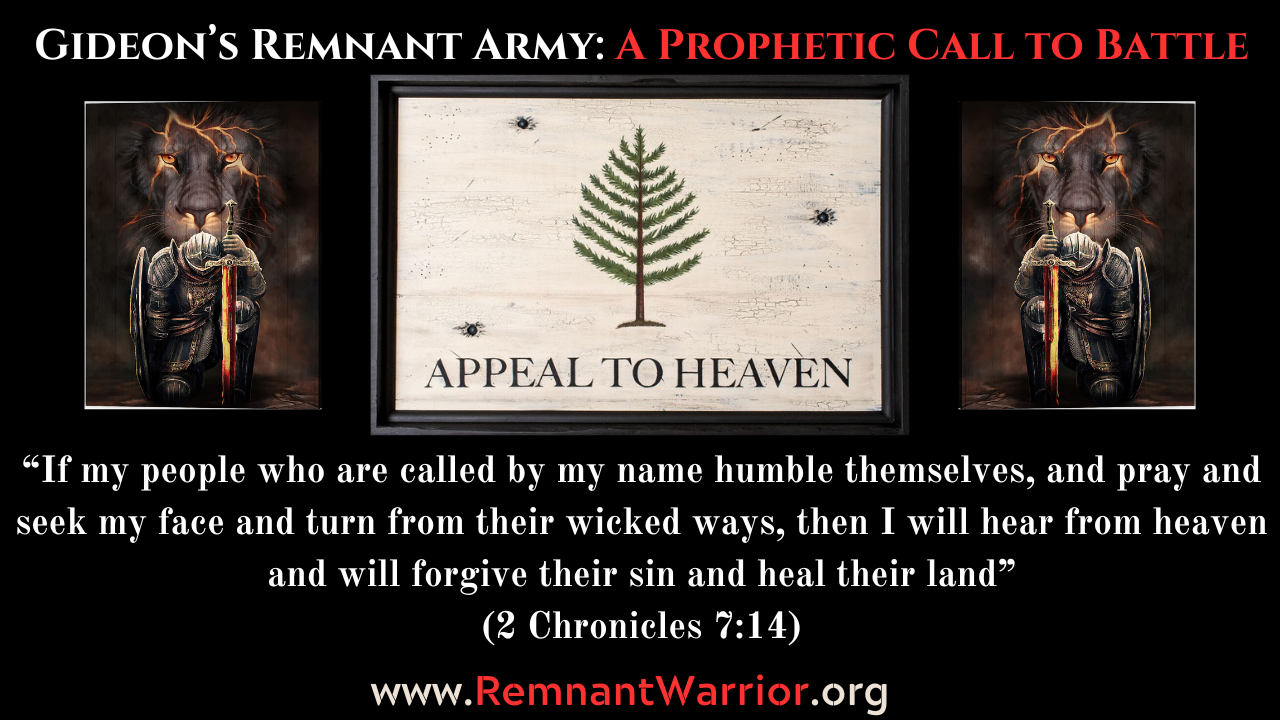
For several weeks, more specifically, since November 5, 2024, I have been resonating with a profound phrase in my spirit: “Gideon’s remnant army is arising!”

This declaration evokes the Biblical tale of Gideon, found in Judges 7, where the Israelites, hardened by their own transgressions, find themselves oppressed by the Midianites. After seven years of tyranny, they are reduced to hiding in the mountains and caves, stripped of their strength and dignity.

In this dire situation, God calls upon Gideon to rally an army, but the Lord, in His divine wisdom, reduces Gideon’s forces from 32,000 warriors to a mere 300. This seemingly small number against the vast Midianite army symbolizes a powerful truth: God’s strength is made perfect in our weakness.

God’s intention in this narrative was not solely to confront the Midianites but also to challenge the Israelites’ idolatry and reliance on false gods. The Israelites had turned away from the very foundation of their strength—faith in God.

As we reflect on the current state of our nation, it is impossible to ignore the parallels. A country that once proclaimed, “In God We Trust” now grapples with moral confusion, celebrating darkness as light and heralding evil as good.

The flag that once signified freedom and divine dependence is increasingly overshadowed by symbols that represent depravity and disorientation. In this context, the remnant—those who remain steadfast in faith amidst chaos—becomes a beacon of hope.

Returning to Gideon’s narrative, the Lord equips him and his 300 men with unconventional weapons: clay pots, torches, and ram’s horns. These instruments of warfare defy human logic and convention.

Yet, God instructs Gideon to act in unison with his men, demonstrating the power of unity and obedience to divine command. When they break the clay pots and reveal the blazing torches, they signal not only their presence but also the manifestation of God’s power in the midst of overwhelming odds.

The Midianites, caught in confusion and panic, turn on one another, resulting in a victory that no human strength could claim. This ancient story serves as a prophetic reminder for the church today.

The body of Christ finds itself facing an expansive “enemy army” that appears insurmountable. The mainstream media, which I humorously refer to as “Mediaites,” has become a formidable force, spreading misinformation and fostering division among the people.

Yet, even in this bleak landscape, there remains a remnant—those who refuse to bow to the pressures of the world and continue to wield the light of truth against the shadows of deceit.

The assurance from 2 Kings 6:16 resounds with clarity: “Don’t be afraid… Those who are with us are more than those who are with them.” The battle may seem daunting, but the heavenly hosts stand firm alongside the remnant.

We are called to carry the blazing torch of truth and declare the victory of Yahweh with the sound of our voices. The time is approaching when the clay jars will shatter, and the light will shine forth, illuminating the darkness and instilling fear in the hearts of the oppressors.

As we navigate the societal unrest and chaos that characterize our current era, it is crucial to recognize that the conflict extends beyond physical manifestations.

It is a spiritual battle—a Civil War of ideologies, morals, and truths. The remnant army, empowered by faith, will rise up, uniting their voices to strike fear into the hearts of the wicked.

The message is clear: tyranny will not triumph, and the oppressors will not prevail. Gideon’s army, a testament of faith and divine intervention, will once again emerge victorious. In conclusion, the tale of Gideon’s remnant army is not merely a historical account; it is a prophetic call to action for believers today.

We are reminded that it is not by human might or power that we achieve victory, but by the Spirit of the Lord. As we embrace our roles as warriors in this spiritual battle, let us remain steadfast, united, and resolute in carrying the light of truth into the darkness.

The remnant is rising, and with it, the promise of victory in the face of overwhelming odds.

~Dr. Russell Welch
Elder / Apostolic Teacher: Highway to Heaven Church and Founder and Shepherd of Remnant Warrior Ministries / Remnant Warrior School of Spiritual Warfare.


The landscape of the American Church has become a topic of significant discussion and debate in recent years. With the rise of mega churches, some may argue that the church is thriving and expanding.

However, a closer examination reveals a more complex reality. While it is true that mega churches attract substantial attendance and resources, this growth often comes at the expense of smaller congregations, which struggle to maintain their presence in a world dominated by aggressive marketing and cookie-cutter models of worship.

The question remains: has the American Church experienced genuine growth, or has it merely become stagnant in its methods and outcomes? The emergence of mega churches has undeniably transformed the religious landscape, with many individuals pointing to their expansive outreach and community engagement as evidence of success.

Yet, this perspective often overlooks the underlying issues associated with such growth. As these large congregations flourish, smaller churches find themselves unable to compete, leading to a decline in diversity within the Church.

The homogenization of worship experiences can erode the unique expressions of faith that smaller congregations offer, creating an environment where spiritual depth is sacrificed for numbers. Moreover, while mega churches may present the illusion of growth, the reality is that their attendance can be highly transient.

Many individuals who flock to these large gatherings may be seeking a temporary fix for their spiritual hunger, often referred to as “wandering sheep.” This phenomenon raises significant concerns about the authenticity of the engagement being offered.

Are mega churches genuinely reproducing the Kingdom of God, or are they merely providing a polished entertainment experience that lacks the transformative power of true discipleship? Interestingly, a pattern emerges when examining cities with a high concentration of mega churches and franchise churches.

These urban areas also often experience rising addiction, homelessness, and crime rates. This correlation challenges the narrative that the mere presence of large congregations equates to spiritual and social health.

It prompts one to consider the impact of church models on the communities they inhabit. In contrast, smaller, more authentic ecclesia—congregations grounded in genuine relationships and spiritual accountability—tend to foster a positive influence in their neighborhoods.

Where these ecclesia are active, there is often a noticeable decrease in the social ills that plague areas dominated by mega churches. One of the reasons behind the effectiveness of these ecclesia lies in their approach to spiritual warfare and their understanding of their inherited identity in Christ.

These communities empower their members to recognize their roles as the Father’s righteous ones on Earth, equipping them to engage in meaningful acts of service and outreach. This revelation sparks a movement of “Remnant Warriors”—individuals who take their rightful positions within the Father’s house and actively seek to fulfill His will, much like Christ did.

Their efforts produce lasting change that transcends the superficial growth metrics often celebrated by mega churches. In conclusion, while the rise of mega churches in America may outwardly suggest that the Church is thriving, a deeper look reveals a landscape marked by stagnation and spiritual superficiality.

The authentic growth of the Church is not measured solely by attendance numbers or marketing prowess but by the transformative impact it has on individuals and communities. As we navigate this complex reality, it is essential to prioritize spiritual depth, genuine relationships, and a commitment to the mission of the Kingdom over mere numerical success. In doing so, the American Church can aspire to a growth that is rooted in authenticity and reflective of the true body of Christ.

In their quest to become culturally relevant, they have in reality allowed the enemy to make major advances within the culture, claiming spheres of influence that the Church once possessed. And because of the enemy has allowed the advance of alternatives to Church explode throughout society, cause deep divisions across the board from Education to government, even to where a once truth seeking media has now come under the rule of the kingdom of darkness evolving into a lie spewing subculture.

 In conclusion, while the rise of mega-churches may suggest numerical growth, a closer examination reveals an underlying stagnation in authentic spiritual engagement and community impact. The juxtaposition of these large congregations with smaller Ecclesia communities highlights the need for a reevaluation of what it means to be the Church in America today.

By embracing a model that prioritizes genuine relationships, spiritual warfare, and community transformation, the Church can move beyond mere attendance metrics and fulfill its divine mandate to be a beacon of hope and healing in a broken world. Ultimately, the health and vitality of the American Church will not be determined by the size of its buildings but by the depth of its commitment to living out the Gospel in every sphere of life.


~Dr. Russell Welch
Elder / Apostolic Teacher: Highway to Heaven Church and Founder and Shepherd of Remnant Warrior Ministries / Remnant Warrior School of Spiritual Warfare.

Check out Dr. Welch’s newest book, “Dare to Sin no More – Breaking Free from Sin’s Grasp


In the heart of the Christian faith lies a profound promise articulated by the Lord Jesus in Matthew 16:18, where He declares, “… thou art Peter, and upon this rock I will build my church; and the gates of hell shall not prevail against it.”

This assertion highlights not only the foundational role of Peter but also emphasizes Christ’s personal involvement in the establishment and nurturing of His ecclesia. The term “ecclesia,” often translated as “church,” signifies more than just a physical gathering; it embodies the spiritual community of believers united under Christ’s authority.

As we dive into this text, we discover that the inception of the ecclesia is intricately linked to Jesus’ death and resurrection, which serves as the cornerstone for a new covenant with humanity. The imagery of the temple plays a significant role in understanding this relationship.

In John 2:19, Jesus prophesies, “Destroy this temple, and in three days I will raise it up,” referring to His body as the true temple. The physical temple, built by human hands, would ultimately be replaced by a spiritual edifice, symbolizing the ecclesia—a community where God dwells not in brick and mortar but in the hearts of believers.

This transition from a physical to a spiritual temple signifies a monumental shift in how God relates to humanity. While the Jewish leaders misunderstood His words, the essence of Christ’s message underscores His mission to form a new covenant community of faith. As we progress into the Acts of the Apostles, the active hand of Jesus is unmistakably present.

Historically, this book could aptly be titled “The Acts of Jesus Christ After His Ascension,” as it details how the risen Lord continues to work through His apostles. Luke introduces this narrative by referencing his previous writings, emphasizing that what Jesus “began both to do and teach” is merely the precursor to the ongoing work of Christ through the Spirit.

Notably, in Acts 2:33, we learn that Jesus has poured out Holy Spirit upon His followers, a clear indication that He is intimately involved in guiding and empowering His ecclesia. Furthermore, Acts 2:47 states, “the Lord added to the church daily such as should be saved.” This raises intriguing questions about the identity of “the Lord” in this verse—whether it refers to God or Jesus.

Given the context of Jesus’ promise to build His ecclesia, it is plausible to interpret this as a reference to Christ’s direct involvement in the growth and vitality of the church. As believers are added to the ecclesia, it becomes evident that Jesus is not a distant figure but an active participant in the life of His followers.

The narrative progresses as we encounter Stephen, who sees Jesus standing at the right hand of God (Acts 7:56). This posture is significant; it implies that Jesus is not merely a passive observer but an active advocate for His people.

When Paul encounters Jesus on the road to Damascus, he learns that the persecutions of the ecclesia are, in essence, persecutions of Christ Himself (Acts 9:4-5). This deep connection reinforces the idea that Jesus is not detached but rather profoundly engaged with His body, the church.

The promise of Jesus in Matthew 28:20, “I am with you always, even unto the end of the world,” resonates powerfully in the context of His ongoing relationship with the ecclesia. He is present, active, and engaged with His people, reminding us that His commitment to the church transcends time and space.

The imagery of Jesus in Revelation presents Him not as a distant deity but as the glorified Son of Man, actively walking among the seven candlesticks—representing the ecclesia—symbolizing His intimate knowledge of their struggles and triumphs. In this light, believers are invited to consider the reality of Christ’s presence within their midst.

The book of Revelation serves as a vivid reminder that Jesus is not just a historical figure but an active and living presence in the ecclesia today. The solemnity of the judgment that awaits the ecclesia, collectively, urges us to foster a deeper awareness of His ongoing work among us. In conclusion, the promise of Jesus to build His ecclesia is a testament to His unwavering commitment to His followers.

It is a call to recognize that He is not a distant observer but an active participant in the life of the church. As we open our eyes to this reality, we are encouraged to live in the light of His presence, understanding that He walks among us, knowing our works and guiding us in our mission to embody His love and truth in the world.

As we continue to study the Word, particularly the NT, we cannot help but see that the journey of the early ecclesia as depicted in the Acts of the Apostles invites contemporary believers to reflect on their own faith communities. The initial gathering of 120 disciples in an upper room, united in “prayer and supplication” (Acts 1:14), serves as a powerful reminder of the strength found in communal commitment.

This sense of unity, encapsulated in the Greek term “homothumadon,” meaning “one mind” or “same passion,” set the tone for the ecclesia’s development throughout the Acts.

The early believers exemplified a model of unity that is not only a historical account but also a guiding principle for modern ecclesial life. As we explore how the early church operated, we recognize that their reliance on doctrine, fellowship, breaking of bread, and prayer remains pertinent today.

The early ecclesia’s steadfast commitment to four foundational practices, as noted in Acts 2:42, offers insights for contemporary faith communities. The apostles’ doctrine served as the lampstand, illuminating their spiritual path; fellowship fostered a sense of belonging akin to the mercy seat, where grace abounded; the breaking of bread became their table of showbread, symbolizing nourishment and community; and prayers ascended like incense from the altar, connecting them with the divine.

These practices were not mere rituals but essential pillars that defined their identity as the new temple in Christ. The ecclesia was a living testament to the spiritual priesthood, and their actions resonated with the tabernacle’s significance in the wilderness—a reminder that worship and community are intertwined.

 As growth marked the journey of the early church, it also brought challenges that tested their unity. The initial explosion of faith in Jerusalem, captured in Acts 2:47, reflects an active Lord adding to the ecclesia daily.

This growth, however, was not without trials. As the number of believers increased, so did the complexities of community life. Conflicts arose, both from within and outside the ecclesia, as illustrated in Acts 6 and 15.

These incidents reveal that growth comes with growing pains, prompting believers to navigate disputes and challenges with wisdom and grace. The early church faced persecution from the Sanhedrin, internal strife, and even doctrinal controversies regarding the law of Moses and the inclusion of Gentile believers.

 Each of these moments called for discernment and leadership, showcasing the necessity of working through differences rather than avoiding them. The ecclesia’s response to these internal and external pressures is a reminder for modern believers that conflict can lead to clarity and cohesion when addressed with intentionality.

Paul’s words in 1 Corinthians 11:18-19 emphasize the inevitability of divisions, suggesting that challenges can serve as catalysts for growth and a deeper understanding of faith. The ecclesia’s ability to engage in difficult conversations and find consensus is a testament to their commitment to unity amid diversity.

As they navigated their shared faith, they learned that overcoming challenges together not only strengthened their bonds but also solidified their witness to the world. With that, we see the narrative of the ecclesia in the Acts of the Apostles serves as both a historical account and a roadmap for contemporary Christian communities.

As we reflect on their practices of doctrine, fellowship, breaking of bread, and prayer, we are encouraged to cultivate a spirit of unity that transcends our differences. The early church teaches us that while the journey of faith is marked by challenges, it is also rich with opportunities for growth, healing, and deeper connection to one another and to God.

Just as the Lord added to their number, may our communities continuously strive for unity and purpose, embodying the essence of the ecclesia as we navigate our own journeys of faith.

~Dr. Russell Welch
Elder / Teacher: Highway to Heaven Church and Founder and Shepherd of Remnant Warrior Ministries / Remnant Warrior School of Spiritual Warfare.

If you feel lead to support this ministry you can do so thru this link: Donate


Part one of a three part series………

The Ecclesia in the Acts: Understanding Its Meaning and Significance

The term “ecclesia” has long been embraced by Christadelphians as a replacement for the word “church,” and rightly so. “Ecclesia” carries with it a rich tapestry of meaning and significance, rooted in both history and theology.

However, as with any term that becomes commonplace, there is a risk that its vitality may diminish over time. This raises an important question for believers: How do we truly perceive our ecclesia?

Exploring the depth of this term invites us to consider its historical context and its implications for our communal and individual faith experiences. In the New Testament, particularly in Hebrews 12:18-24, the ecclesia is compared to the Israelites at Mount Sinai, a momentous event in biblical history.

The writer starkly contrasts the terrifying experience of the Israelites with their encounter with God—a scene filled with fire, darkness, and fear—with the ecclesia’s arrival at Mount Zion, the city of the living God. Here, the ecclesia is depicted as part of a celestial assembly, a gathering of angels, just men made perfect, and Jesus, the mediator of a new covenant.

This imagery elevates the ecclesia beyond mere physical assembly, positioning it as an ongoing spiritual reality steeped in divine presence and purpose. The historical roots of the term “ecclesia” can be traced back to ancient Greece, particularly around the fourth century BC.

 It was in this context that a constitution emerged to formalize the governing assembly of Athens, known as the ecclesia. This assembly was comprised of citizens who convened to deliberate on matters of policy, declare war, elect officials, and administer justice.

The term literally means “the called-out ones,” reflecting a sense of community and responsibility among its members. This democratic assembly emphasized ideals of “freedom and equality,” principles that resonate with the communal aspects of the ecclesia in a spiritual sense.

The relevance of the ecclesia transcends its political connotations, extending into the framework of the early Christian community as depicted in the Acts of the Apostles. When Christ spoke to Peter and the apostles in Matthew 16:18, declaring, “Upon this rock, I will build my ecclesia,” He was not introducing a new concept, but rather recontextualizing a term imbued with collective significance.

The early ecclesia, much like the Greek assembly, was called to convene, support one another, and collectively navigate the challenges of faith in a world rife with opposition.

In the Book of Acts, we see the ecclesia in action, as believers come together in unity, sharing resources, and spreading the gospel. However, it is also evident that the term “ecclesia” was not limited to a mere physical gathering.

The events in Acts 19 illustrate how the word “ecclesia” was used to denote both official assemblies and, at times, chaotic gatherings driven by mob mentality.

The case of Demetrius, who incited a riot against Paul and the believers in Ephesus, serves as a cautionary tale about the potential for distortion in communal settings.

Thus, examining the ecclesia through both its historical and biblical lenses reveals a multifaceted understanding of what it means to be part of this assembly.

It challenges believers to recognize their role as part of a larger spiritual community, one that calls for engagement, mutual support, and a commitment to the teachings of Christ.

 As we reflect on our own ecclesia today, we must strive to keep its meaning alive and vibrant. It invites us to ponder how we gather, support one another, and ultimately, how we embody the values and principles established on Sinai and exemplified in the Acts of the Apostles.

By embracing the fullness of the ecclesia, we ensure that it remains a dynamic force for spiritual growth, unity, and service in a world that often seeks to divide. In doing so, we honor its profound legacy and reaffirm our commitment to being the “called-out ones” in every aspect of our lives.

The term “ecclesia,” with its richness in historical and cultural significance, serves as a bridge between the Judaic roots of early Christianity and its evolution into a distinct faith.

With its origins in the Septuagint (LXX), the Greek translation of the Hebrew Bible, ecclesia encapsulates the essence of a gathered community—a concept that resonated deeply with both Jews and early Christians. As we explore its implications, we uncover how this term shaped the understanding of community, authority, and divine purpose in the formative years of the Christian faith.

The Septuagint was created in the 3rd century BC by Jewish scholars in Alexandria, Egypt, who sought to make their sacred texts accessible to a Greek-speaking audience. In this translation, ecclesia appears as a noun seventy-seven times, establishing its foundational role in the relationship between God and His people.

Notably, it was in the context of divine assembly that the term first emerged, as documented in Deuteronomy 4:10, where Moses addresses the Israelites at Mount Sinai, urging them to remember the day of the assembly (ecclesia).

This moment was not merely a historical event; it signified the establishment of a covenant community called to hear God’s words and pass them on to future generations, thereby reinforcing the importance of collective worship and obedience.

Jesus’s use of the word “ecclesia” in Matthew 16:18, where He declares, “upon this rock I will build my ecclesia,” is particularly poignant. His choice of terminology indicates a deliberate connection to the rich history of the term as found in the Septuagint.

By employing ecclesia, Jesus indicated the creation of a new community—the body of believers—rooted in the same principles that defined the assembly of Israel.

The Apostles, familiar with the LXX, understood the weight of this word choice and its implications for their mission. They viewed the ecclesia as a continuation of God’s covenant with His people, tasked with embodying His teachings and spreading the message of salvation.

The comparative study of ecclesia and its Hebrew equivalent, “qahal,” further elucidates its significance. While both terms imply a gathering of people, “qahal” emphasizes the act of being called together by God.

This divine summoning establishes a deeper relationship between the community and their Creator, reflecting a commitment to live in accordance with His will. Barclay’s observation highlights this distinction, noting that ecclesia is not just a congregation that happens to come together; it is a body of people called into action by God.

This understanding is crucial for grasping the nature of the early Christian community, which saw itself as divinely commissioned to fulfill God’s mission on Earth.

Moreover, the early church’s identity was distinct from that of the synagogue, which had become a community space for Jewish worship separate from the temple. While synagogues served an essential role in the Jewish faith, they lacked the transformative purpose that Jesus attributed to His ecclesia.

By establishing a new community, Jesus redefined the concept of worship and fellowship, moving beyond the physical confines of the synagogue to create a spiritual temple made up of believers—an idea echoed in 1 Peter 2:5, where Christians are described as “living stones” being built into a spiritual house.

Thus, we see that the term ecclesia as found in the Septuagint serves as a critical link connecting the Jewish heritage of early Christians to the foundation of their faith.

By understanding its historical context and significance, we can appreciate the profound implications of Jesus’s declaration to build His ecclesia. The early church, rooted in the traditions of Israel, embraced its role as a living embodiment of God’s purpose on Earth, fostering a community designed not only for worship but also for action and outreach.

As we reflect on the rich history of ecclesia, we recognize the enduring call for believers to gather, listen, and respond to God’s voice, thereby continuing the legacy of faith that began millennia ago.

~Dr. Russell Welch
Elder / Teacher: Highway to Heaven Church and Founder and Shepherd of Remnant Warrior Ministries / Remnant Warrior School of Spiritual Warfare.


The concept of ecclesia, often translated as “church,” holds profound significance within its original context, intricately tied to the notion of the Kingdom of God. To fully grasp the authentic meaning of ecclesia, one must acknowledge its relationship with the Kingdom.

When ecclesia is divorced from this context, it risks becoming a mere construct, shaped by human interpretation and desires, rather than a true reflection of its divine intent. In such a scenario, the church can be molded into any form that suits our preferences, effectively sidelining the authority and guidance of Jesus, the King.

Dismissing the Kingdom in our understanding of ecclesia leads us down a perilous path where the essence of the church is distorted. It implies a presumption that we, rather than Christ, can dictate the parameters of what church should be. This attitude not only undermines the foundation of the Kingdom but also negates the promise of Christ’s abiding presence: “Lo, I am with you always, to the end of the age.”

By ignoring this commitment, we arrogantly suggest that the church can operate independently, free from Holy Spirit oversight. The implications of such a mindset extend beyond semantics; they strike at the very heart of our collective identity as the Body of Christ.

When the church is left to decide its own identity and purpose without the Kingdom context, we risk creating a situation where personal or collective whims dictate doctrine and practice. This approach is antithetical to the foundational principles of Christianity and can be deemed as false.

This reality is evident not only in discussions about ecclesia but also in interpretations surrounding apostles, prophets, and the teachings of Scripture. Moreover, echoing the sentiments of the Reformation, the current state of ecclesia devoid of Kingdom authority could lead us back to a form of spiritual darkness reminiscent of the Dark Ages.

It represents a departure from the authority of Scripture and an embrace of a man-made system—a trend that surfaced during the Reformation as a reaction against ecclesiastical corruption. We find ourselves at a crucial juncture where a spiritual reset is not just desirable, but necessary. The call for a Revolutionary Holy Spirit led Reformation is imperative; we must allow Holy Spirit to guide us toward a renewed understanding of the Kingdom and its intended expression through ecclesia.

As we take a step back we can clearly that the ecclesia’s true meaning is intimately linked to the Kingdom of God. To recognize this relationship is to honor the original intent of Jesus and to embrace a church that reflects His authority and purpose.

The journey toward this understanding requires humility and a willingness to step back, allowing Holy Spirit to breathe fresh life into our concept of church, ensuring it aligns with the divine blueprint established by the King. It is only through this alignment that we can hope to fulfill our calling as the authentic Body of Christ in the world today.

~Dr. Russell Welch
Lead Elder and Apostolic Teacher: Highway to Heaven Church and Founder and Shepherd of Remnant Warrior Ministries / Remnant Warrior School of Spiritual Warfare.