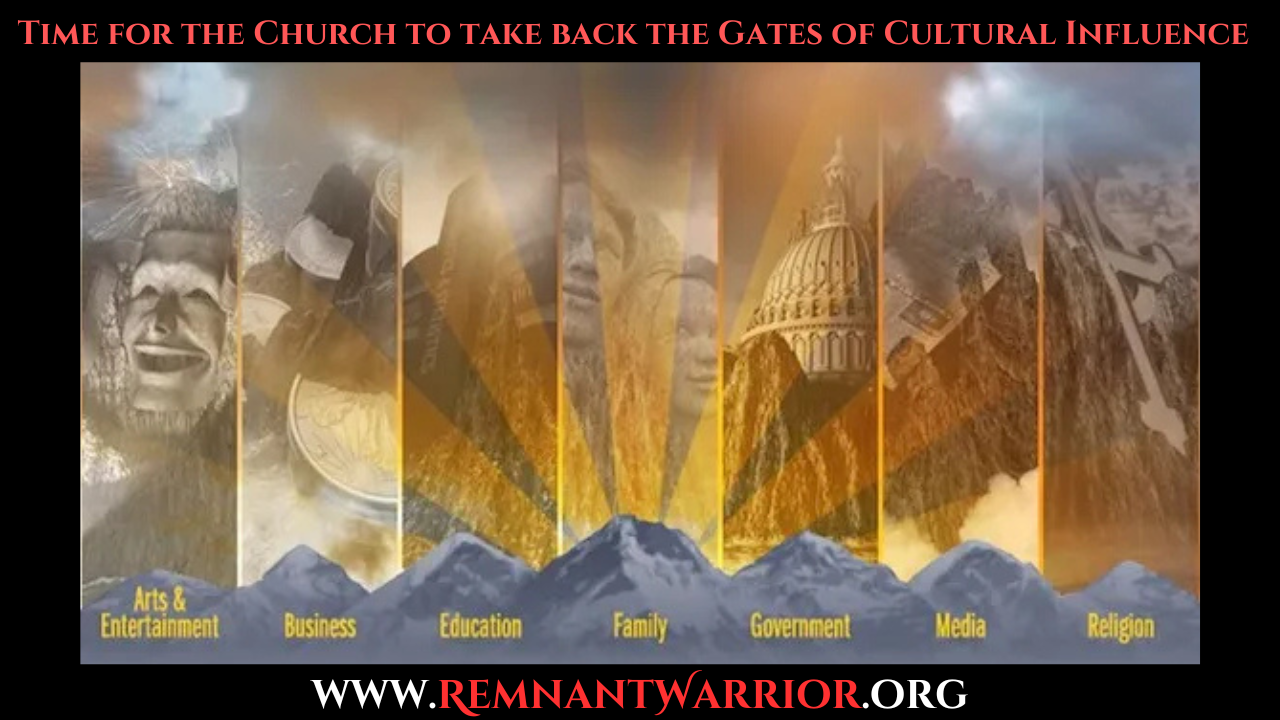
The recent arrest of a suspect in the murder of a prominent CEO has sparked a disturbing trend in society: the idolization of individuals who commit heinous acts. This phenomenon is not just a reflection of public fascination with crime but is also deeply rooted in the influence of various societal gates: Arts & Entertainment, Media, Education, and Government.
Each of these spiritual spheres contributes to shaping public perception, often glorifying the wrong ideals while undermining the pillars of integrity and morality. Starting with the Gate of Arts & Entertainment, we witness a culture that has increasingly romanticized anti-heroes and corporate villains over the past few decades.
Hollywood has produced countless films and television shows that depict corporations as malevolent entities, thereby creating a narrative that often vilifies successful businesses while inadvertently glorifying those who oppose them, sometimes through violent means.
This portrayal fosters a toxic environment where individuals begin to idolize those who rebel against the system, regardless of the consequences of their actions. Then when certain news originations A.K.A, the Media chooses to sensationalize crimes rather than examine the underlying issues, it creates a distorted reality where the perpetrator is viewed as a misunderstood figure rather than a villain.
The influence of the Gate of Education cannot be overlooked, particularly as elite institutions often cultivate an environment of disdain towards successful corporations. The Ivy League and other prestigious universities sometimes promote a framework that criticizes the free market and capitalism without fully acknowledging the benefits these entities bring to society.
This academic bias can lead to a generation that is misinformed about the complexities of corporate structure and the essential role that these companies play in driving economic growth and innovation. By failing to teach students about the financial prosperity generated by hard work and entrepreneurship, educational institutions inadvertently provide fertile ground for resentment and misunderstanding.
Perhaps most concerning is the role of the Government, which has historically regulated industries in a manner that might seem to support the very grievances they later vocalize, using media sources like a mouth piece.
The insurance industry, for example, has seen its growth largely as a result of regulations put in place by lawmakers. Ironically, as these regulations create financial gains for corporations, they also provide politicians with a scapegoat, allowing them to divert attention from their own failings and agendas.
This blame-shifting reinforces a narrative that demonizes successful businesses while absolving those in power from accountability. One cannot help but wonder how much of this societal decay could be mitigated if the Church stood firm in its rightful place, actively engaging and reigning over these gates of influence.
Unfortunately, for the past few decades the compromised state of the Church has allowed for a vacuum in moral leadership. Instead of providing guidance rooted in spiritual truth, many have sought worldly answers, further fueling the cycle of perversion within these influential realms. One can not feed off from the systems of this world without become infected by its ideologies and philosophies.
It is imperative for the Church to reclaim its position, offering a counter-narrative that celebrates ethical business practices, the value of human life, and the importance of integrity. The winds of change are upon us, and now is the time for the Church to repent and reposition itself as a guiding force within society.
By doing so, it can take possession of the Gates of Influence, ensuring that the values of compassion, justice, and righteousness permeate every aspect of life in this nation. Only then can we hope to see a society that prioritizes goodness, reflecting the values of the Lord God, and paving the way for a brighter future—one that holds individuals accountable for their actions and recognizes the true nature of success.
The idolization of the vile must end, and it is the responsibility of all, especially the Church, to lead the charge toward a more virtuous society. We, as the Body of Christ, must act now while the window of opportunity is open before us. Holy Spirit is leading the charge, have releases a spiritual wind that is re-setting things in this hour.
In August of 2020, amidst the turmoil of the Covid pandemic, a profound spiritual encounter unfolded for my son and me in Cane Ridge, Kentucky. As we stood upon the sacred ground that had played a pivotal role in shaping the spiritual fabric of our nation, we felt an unmistakable presence of the Holy Spirit.
Our visit coincided with the 219th anniversary of the great outpouring of the Holy Spirit, which only intensified the significance of our pilgrimage. The curator’s warm hospitality allowed us to tour the historic Meeting House, and with each step, we felt the weight of history and divinity converge.
Surrounded by the echoes of passionate worship and fervent prayer, we spent hours reflecting on the past, dreaming of the transformative revival that had taken place there. It was during this sacred time that the Holy Spirit spoke to me, urging me to embrace the calling of discipleship in the same manner that Jesus had mentored His disciples.
This divine mission ignited within me a fervent desire to understand the essence of Christ-like discipleship. What does it truly mean to disciple others as Jesus did? I began to comprehend that discipleship is not merely a transfer of knowledge but a profound, transformational journey where the love and wisdom bestowed upon us by the Father is poured into others.
This process ignites a new birth, birthing a spiritual metamorphosis that ultimately reflects the very character of Christ in those we guide. Returning to Jacksonville, I felt a pressing urgency to delve deeper into the Gospels, highlighting not only Christ’s teachings but also His unique methods of discipleship.
Sadly, I have observed a scarcity of authentic discipleship within the church today, with many leaders operating from a place of fear rather than faith. Jesus, in His wisdom, commissioned the seventy disciples without exhaustive preparation, trusting that they would learn through experience.
This radical approach challenges the norms of contemporary ministry, where leaders often hesitate to empower others, fearing potential mistakes or failures. The conversation around Apostolic Oversight urges us to rethink our understanding of authority and leadership within the church.
Derek Prince’s assertion that true authority reflects the liberty of the Kingdom of God resonates deeply in this discourse. Apostolic leadership should embody the spirit of servant leadership, fostering an environment where grace abounds, and individuals are encouraged to embrace their Kingdom calling without the heavy burdens of legalism.
The contrasting models of leadership paint a stark picture. Those who lead with an iron fist often perpetuate a cycle of fear and condemnation, inhibiting the very transformation they seek in others.
Instead of nurturing spiritual growth, such approaches can suffocate potential, convoluting the essence of what it means to be part of the Body of Christ. The story of Peter, who was restored by Jesus shortly after his denial, serves as a poignant reminder that grace and restoration should be at the forefront of our ministry, not punishment and prolonged penance.
In my years of ministry, I have sought to steer clear of authoritarian tendencies, encouraging those I disciple to trust in the guidance of the Holy Spirit. Ministry is inherently imperfect, and mistakes are part of the learning process. Jesus exemplified this understanding, cleaning up the messes of His disciples and transforming their missteps into teachable moments.
This nurturing approach stands in stark contrast to the controlling methods prevalent in some Apostolic circles today. The current landscape of un-kingdom Apostolic ministries demands our attention. The early church fathers birthed a movement that transformed cultures, infusing society with the supernatural power of the Kingdom of Heaven.
Today, however, many ministries seem to conform to worldly religious spirited patterns instead of embodying the radical love, grace, and mercy exemplified by Christ. As we reflect on the lessons learned from our encounter in Cane Ridge, we are called to rekindle the spirit of discipleship that Jesus modeled.
By prioritizing love, grace, and empowerment over fear and control, we can cultivate a new generation of Kingdom-minded leaders who are equipped to bring about transformative change in their communities.
We must as a Body, begin to operate in a higher level of spiritual discernment. I am often amazed at those whom I warn to beware of an active spirit of religion, do not recognize it until the damage has been done. The scriptures give multiple warnings about discerning of spiritual entities that are not of the kingdom from false prophets to false apostles.
I believe we are in a time when Holy Spirit is purposely honing the spiritual warrior strategies within the Ecclesia to where He is even establishing a Remnant within the Ecclesia to fill the role of modern-day Watchmen.
Yet until the Church surrenders to His Lordship, they will be left naked and prime prey for the realms of darkness to continue bombard ecclesia congregations through out this nation, hijacking the destines of the sons and daughters of God in this generation.
Let those of us who see this, begin to enter into our prayer closets and start releasing prayer missiles that are purposed to impact the spiritual strongholds, that not only shall they be demolished, but those whom they have taken captive, set free.
2025 (5785) is the year of open doors, the Lord has positioned us in this year with great opportunities so that His Remnant may prevail in doing sever biblical portioned damage to the camps of the enemy, in order for His Ecclesia to take back the territories that the Church has surrendered over the past several decades.
In closing, I know personally for me, my journey from the visit and subsequence conversation with Holy Spirit at Cane Ridge to today serves as a powerful reminder of the divine calling we all share as His Body— to pour out the love and wisdom we have received and to inspire others to follow in the footsteps of Christ.
~Dr. Russell Welch Elder / Apostolic Teacher: Highway to Heaven Church and Founder and Shepherd of Remnant Warrior Ministries / Remnant Warrior School of Spiritual Warfare.
If you feel lead to support this ministry you can do so thru this link: Donate
In the intricate tapestry of faith and existence, the concept of divine redemption stands as a beacon of hope amidst an ongoing spiritual battle.
This spiritual warfare is not a distant or abstract notion; it is a fervent reality that wrestles against God’s plan of salvation, positioning believers in a crucial moment of history.
As the world continues to spiral into confusion, where virtues are inverted and true Christianity finds itself under siege, we must confront the challenges head-on.
In the face of this adversity, the call to action resonates strongly: “Wake up the mighty men.” This rallying cry from the prophet Joel emphasizes the need for warriors within the faith to transform their tools of labor into weapons of spiritual resilience.
We are living in a time reflective of the insights shared by the Apostle Paul in 2 Timothy 3:1–9, a period characterized by perilous conditions.
The enemies of God are not limited to external forces; they manifest in the rise of counterfeit faiths and a burgeoning apostate church that distorts the essence of true belief.
The landscape is frightening, reminiscent of Gideon’s time, when doubt and fear clouded the vision of God’s people. Gideon’s encounter with God serves as a profound reminder that even in our weakest moments, divine strength can propel us to fulfill our purpose.
Just as God urged Gideon to embrace his existing strength and step into his calling, we too are invited to confront our spiritual battles with renewed resolve.
It is essential for believers to realize that our victory does not stem from human strength or wisdom. This is a profound paradox of Christianity: while the world values power and intellect, God’s kingdom operates on a different paradigm.
He chooses the humble, the weak, and the seemingly insignificant to accomplish His will. Our strength lies not in our capabilities but in our willingness to lean into the divine.
The arm of flesh cannot provide the salvation we seek; only the power of God can secure our triumph over adversity. This moment calls for a radical awakening among the faithful.
We must reject discouragement and the temptation to retreat in fear. The challenges we face are not insurmountable; they are opportunities for God’s might to be revealed.
As we gather to confront the principalities and powers that wage war against the Body of Christ, we must resonate with confidence, knowing that the Lord is with us.
This assurance should embolden us to march forward, wielding the strength we possess and trusting in God’s overarching plan. In the current hour, we find ourselves at a critical juncture where the call to action is clear: awaken the mighty within us.
The battle is intense, but we are not alone. With the paradox of God’s wisdom and strength as our foundation, we can rise above the chaos and fulfill our divine purpose.
As we engage in this spiritual warfare, let us remember that our victory lies not in human endeavors but in our commitment to God’s will and the power He provides. The time for action is now; let us not hesitate, for the world is watching, and the call from heaven is resounding.
Recently, during a moment of prayer, I felt a profound message from the Holy Spirit stating that the Father has commissioned the formation of the “Rapid Response Remnant Regiments.”
This group of spiritual warriors, reminiscent of the heroes who bravely confronted the aftermath of the violent attacks on our nation on September 11, 2001, embodies a proactive stance against the forces that threaten our peace and well-being.
Unlike those who remain passive, these valiant individuals take bold action to confront their adversaries, understanding the critical importance of their role in the spiritual realm.
The heroes of our past, such as the first responders on September 11, 2001, and all those who enlisted in our Military following this attack exemplify courage and determination.
They faced unprecedented circumstances head-on, unflinchingly entering chaos to provide aid and protection to others.
Similarly, the Rapid Response Remnant Regiments are called to engage in spiritual battles with the same fierce commitment. These warriors do not wait idly for threats to materialize; instead, they actively seek to dismantle the schemes of the enemy.
The urgency of their mission reflects a deep understanding of the authority bestowed upon them, as they operate under the commission of Holy and Divine purpose.
Central to the identity of these spiritual warriors is their awareness of the power they wield in prayer. Each member of the Remnant understands that their prayers are not merely verbal expressions but potent tools of warfare.
Backed by the very authority of the throne room stationed above the heavenly realm, their prayers become like precision guided missiles—targeted and effective in seeking out the enemy’s strongholds.
With unwavering faith, they engage in prayer that transcends physical limitations, delving into the spiritual dimensions where true battles are fought.
As they pray, they invoke divine intervention, dismantling barriers and bringing forth liberation for those shackled by darkness.
The imagery of precision guided missiles is a powerful metaphor for the effectiveness of focused prayer.
Just as missiles are designed to strike specific targets, the prayers of the Rapid Response Remnant are aimed at particular strongholds established by the enemy.
These strongholds may manifest in various forms—oppression, despair, division, and fear—but through concentrated prayer, the Remnant can create waves of spiritual upheaval that disrupt the enemy’s plans.
This is not a call to arms in a physical sense, but rather an invitation to engage in a profound spiritual battle where faith becomes the weapon of choice.
My wife and I were blessed to have been trained up in such powerful abilities of prayer during our mentorship at Ministry Matrix under the fathering of Dr. Don Lynch, where he had established a powerful setting for Spiritual Warfare in our weekly prayer meetings called “David’s Mighty Army”.
It was during those meetings that we were trained in prayers to impact our families, neighborhoods, schools cities states, and nation government, and even into the revelation of our prayers impacting the nations.
In this hour, as the Father raises up these Remnant Spiritual Warriors, it is essential for individuals to recognize their own role in this movement. Each believer is invited to step into their God-given authority, understanding that every prayer, no matter how small, contributes to the larger fight against the forces of darkness.
The call to action is clear: the time for complacency has passed. We are urged to unite, to pray fervently, and to take our places as warriors on the spiritual frontlines.
The need for Rapid Response Remnant Regiments is not merely a reflection of societal challenges but a recognition of the spiritual realities that underpin our world.
As we navigate through tumultuous times, it becomes increasingly vital to engage in this spiritual warfare with the confidence that we are not alone. With the backing of the Holy Spirit and the authority of the Father, we can impact our communities, transform lives, and dismantle the strongholds that have taken root.
In conclusion, the emergence of the Rapid Response Remnant Regiments serves as a clarion call for believers everywhere. It is an invitation to rise, to take up the mantle of spiritual warfare, and to act with intention and purpose.
As we engage in prayer with the authority given to us, let us remember that we are equipped for this battle. Our prayers are powerful, and together, we can bring about transformative change in a world that desperately needs hope and healing.
The time to stand firm and fight is now; the Rapid Response Remnant is rising, and their mission is clear.
~Dr. Russell Welch Elder / Teacher: Highway to Heaven Church and Founder and Shepherd of Remnant Warrior Ministries / Remnant Warrior School of Spiritual Warfare.
The Ecclesia in the Acts: Understanding Its Meaning and Significance
The term “ecclesia” has long been embraced by Christadelphians as a replacement for the word “church,” and rightly so. “Ecclesia” carries with it a rich tapestry of meaning and significance, rooted in both history and theology.
However, as with any term that becomes commonplace, there is a risk that its vitality may diminish over time. This raises an important question for believers: How do we truly perceive our ecclesia?
Exploring the depth of this term invites us to consider its historical context and its implications for our communal and individual faith experiences. In the New Testament, particularly in Hebrews 12:18-24, the ecclesia is compared to the Israelites at Mount Sinai, a momentous event in biblical history.
The writer starkly contrasts the terrifying experience of the Israelites with their encounter with God—a scene filled with fire, darkness, and fear—with the ecclesia’s arrival at Mount Zion, the city of the living God. Here, the ecclesia is depicted as part of a celestial assembly, a gathering of angels, just men made perfect, and Jesus, the mediator of a new covenant.
This imagery elevates the ecclesia beyond mere physical assembly, positioning it as an ongoing spiritual reality steeped in divine presence and purpose. The historical roots of the term “ecclesia” can be traced back to ancient Greece, particularly around the fourth century BC.
It was in this context that a constitution emerged to formalize the governing assembly of Athens, known as the ecclesia. This assembly was comprised of citizens who convened to deliberate on matters of policy, declare war, elect officials, and administer justice.
The term literally means “the called-out ones,” reflecting a sense of community and responsibility among its members. This democratic assembly emphasized ideals of “freedom and equality,” principles that resonate with the communal aspects of the ecclesia in a spiritual sense.
The relevance of the ecclesia transcends its political connotations, extending into the framework of the early Christian community as depicted in the Acts of the Apostles. When Christ spoke to Peter and the apostles in Matthew 16:18, declaring, “Upon this rock, I will build my ecclesia,” He was not introducing a new concept, but rather recontextualizing a term imbued with collective significance.
The early ecclesia, much like the Greek assembly, was called to convene, support one another, and collectively navigate the challenges of faith in a world rife with opposition.
In the Book of Acts, we see the ecclesia in action, as believers come together in unity, sharing resources, and spreading the gospel. However, it is also evident that the term “ecclesia” was not limited to a mere physical gathering.
The events in Acts 19 illustrate how the word “ecclesia” was used to denote both official assemblies and, at times, chaotic gatherings driven by mob mentality.
The case of Demetrius, who incited a riot against Paul and the believers in Ephesus, serves as a cautionary tale about the potential for distortion in communal settings.
Thus, examining the ecclesia through both its historical and biblical lenses reveals a multifaceted understanding of what it means to be part of this assembly.
It challenges believers to recognize their role as part of a larger spiritual community, one that calls for engagement, mutual support, and a commitment to the teachings of Christ.
As we reflect on our own ecclesia today, we must strive to keep its meaning alive and vibrant. It invites us to ponder how we gather, support one another, and ultimately, how we embody the values and principles established on Sinai and exemplified in the Acts of the Apostles.
By embracing the fullness of the ecclesia, we ensure that it remains a dynamic force for spiritual growth, unity, and service in a world that often seeks to divide. In doing so, we honor its profound legacy and reaffirm our commitment to being the “called-out ones” in every aspect of our lives.
The term “ecclesia,” with its richness in historical and cultural significance, serves as a bridge between the Judaic roots of early Christianity and its evolution into a distinct faith.
With its origins in the Septuagint (LXX), the Greek translation of the Hebrew Bible, ecclesia encapsulates the essence of a gathered community—a concept that resonated deeply with both Jews and early Christians. As we explore its implications, we uncover how this term shaped the understanding of community, authority, and divine purpose in the formative years of the Christian faith.
The Septuagint was created in the 3rd century BC by Jewish scholars in Alexandria, Egypt, who sought to make their sacred texts accessible to a Greek-speaking audience. In this translation, ecclesia appears as a noun seventy-seven times, establishing its foundational role in the relationship between God and His people.
Notably, it was in the context of divine assembly that the term first emerged, as documented in Deuteronomy 4:10, where Moses addresses the Israelites at Mount Sinai, urging them to remember the day of the assembly (ecclesia).
This moment was not merely a historical event; it signified the establishment of a covenant community called to hear God’s words and pass them on to future generations, thereby reinforcing the importance of collective worship and obedience.
Jesus’s use of the word “ecclesia” in Matthew 16:18, where He declares, “upon this rock I will build my ecclesia,” is particularly poignant. His choice of terminology indicates a deliberate connection to the rich history of the term as found in the Septuagint.
By employing ecclesia, Jesus indicated the creation of a new community—the body of believers—rooted in the same principles that defined the assembly of Israel.
The Apostles, familiar with the LXX, understood the weight of this word choice and its implications for their mission. They viewed the ecclesia as a continuation of God’s covenant with His people, tasked with embodying His teachings and spreading the message of salvation.
The comparative study of ecclesia and its Hebrew equivalent, “qahal,” further elucidates its significance. While both terms imply a gathering of people, “qahal” emphasizes the act of being called together by God.
This divine summoning establishes a deeper relationship between the community and their Creator, reflecting a commitment to live in accordance with His will. Barclay’s observation highlights this distinction, noting that ecclesia is not just a congregation that happens to come together; it is a body of people called into action by God.
This understanding is crucial for grasping the nature of the early Christian community, which saw itself as divinely commissioned to fulfill God’s mission on Earth.
Moreover, the early church’s identity was distinct from that of the synagogue, which had become a community space for Jewish worship separate from the temple. While synagogues served an essential role in the Jewish faith, they lacked the transformative purpose that Jesus attributed to His ecclesia.
By establishing a new community, Jesus redefined the concept of worship and fellowship, moving beyond the physical confines of the synagogue to create a spiritual temple made up of believers—an idea echoed in 1 Peter 2:5, where Christians are described as “living stones” being built into a spiritual house.
Thus, we see that the term ecclesia as found in the Septuagint serves as a critical link connecting the Jewish heritage of early Christians to the foundation of their faith.
By understanding its historical context and significance, we can appreciate the profound implications of Jesus’s declaration to build His ecclesia. The early church, rooted in the traditions of Israel, embraced its role as a living embodiment of God’s purpose on Earth, fostering a community designed not only for worship but also for action and outreach.
As we reflect on the rich history of ecclesia, we recognize the enduring call for believers to gather, listen, and respond to God’s voice, thereby continuing the legacy of faith that began millennia ago.
~Dr. Russell Welch Elder / Teacher: Highway to Heaven Church and Founder and Shepherd of Remnant Warrior Ministries / Remnant Warrior School of Spiritual Warfare.
Understanding Context and Meaning** The concept of the “rapture” has been a topic of considerable debate within Christian circles, particularly when examining scriptural references such as 1 Thessalonians 4. Many believers look to Jesus’ teachings in the Olivet Discourse—found in Mark 13, Luke 21, and Matthew 24—as a basis for their understanding of this event.
However, a careful analysis reveals that this interpretation is a departure from the historical and cultural context in which Jesus spoke. Living in the first century, during the height of Roman dominance, Jesus encountered a world rife with turmoil and political oppression. Many Jews, especially those with zealous expectations of a messiah, anticipated a savior who would overthrow Roman rule and establish an earthly kingdom.
In stark contrast to these expectations, Jesus advocated for a radical message of love and forgiveness, urging his followers to “love your enemies and pray for those who persecute you” (Matthew 5).
This subversive teaching was revolutionary, challenging the prevailing notion of a militaristic messiah and calling for a different kind of engagement with adversaries—one marked by compassion rather than violence. Jesus’ instruction to “put away your sword” served as a profound rebuke to the desire for a warrior king, illustrating that his mission was not to incite rebellion or violence against Rome, but rather to transform hearts.
In this context, it becomes evident that Jesus did not preach an impending escape from earthly woes, but instead sought to address the immediate struggles of his followers and the larger socio-political landscape. The idea of the “rapture”—a sudden removal of believers from the world—was not a concept rooted in his teachings or the understanding of his contemporaries.
Moreover, the apocalyptic language in Mark 13 should not be misconstrued as a prophetic roadmap for a future rapture. Jesus spoke directly to the realities facing his audience, prophesying the destruction of the Temple in 70 CE—a monumental event that fulfilled his warnings about the consequences of unfaithfulness within Israel.
The phrase “this generation” (Mark 13:30) indicates that Jesus’ prophecies were directed toward those who were alive at that time, not a distant future event. The signs he described—wars, persecution, and cosmic upheaval—were all part of the historical context surrounding the impending collapse of Jerusalem, not signs of an eschatological rapture.
The parallel between Jesus’ warnings and the subsequent events of the Jewish War serves to ground his message in reality. The false messiahs, wars, famine, and natural disasters he foretold were not mere symbols but tangible occurrences that would affect the people of his time.
By understanding these prophecies as reflections of the sociopolitical climate of first-century Judea, we gain a clearer perspective on Jesus’ teachings and their implications. Additionally, the emotive language used by Jesus, which included cosmic imagery, was a rhetorical device rooted in Jewish prophetic tradition.
Such language was not to be taken literally but served to convey the catastrophic impact of political upheaval. Just as contemporary language can describe events in hyperbolic terms—such as calling 9/11 an “earth-shattering event” without implying a literal earthquake—Jesus employed similar expressions to communicate the magnitude of the coming changes.
In conclusion, while belief in a future second coming remains integral to Christian theology, associating Jesus’ teachings in the Olivet Discourse with the modern concept of the rapture misinterprets his message and the historical context in which it was given.
Jesus did not offer a vision of escape; rather, he called his followers to engage with the world through love, compassion, and resilience in the face of adversity. Understanding this distinction enriches our comprehension of his teachings and reinforces the call to address the pressing issues of our time, rather than retreating into a desire for an escape from reality.
Jesus Wept Over His Prediction of Destruction: A Reflection on Hope and Resurrection The image of Jesus weeping over Jerusalem serves as a profound testament to the tension between divine prophecy and human compassion.
This poignant moment, marked by grief and foresight, encapsulates the essence of Christ’s mission on earth. As he gazes upon the city, Jesus is acutely aware of the destructive path that the people have chosen, driven by zeal and misunderstanding.
His tears are not merely for the physical destruction looming on the horizon but resonate with a deeper sorrow for the spiritual blindness that leads to such ruin. This act of lament reveals a heart that longs for redemption and restoration instead of annihilation, inviting us to reflect on the broader implications of his tears.
In the context of Jesus’s lament, it is essential to recognize the significance of the Temple’s destruction. For the Jewish people, the Temple represented the very dwelling place of God, a sacred space that facilitated their relationship with the divine.
However, Jesus’s prediction of its demise marks a pivotal moment in the divine narrative, symbolizing the transition from a physical locus of God’s presence to a new spiritual reality embodied in Christ himself. By referring to himself as the “Son of Man,” an allusion to the prophetic vision found in Daniel 7, Jesus positions himself at the intersection of suffering and vindication, revealing the duality of his identity as both the suffering servant and the glorious Messiah.
The implications of this transition are immense. The destruction of the Temple signifies the end of an era, laying the groundwork for the establishment of a new covenant that transcends geographical and cultural boundaries.
In this new paradigm, Jesus becomes the ultimate Temple, inviting believers into a direct and personal relationship with God. This transformation is not merely prophetic; it serves as a declaration of hope amidst despair. While Jesus weeps for what will be lost, he simultaneously embodies the prophetic truth of resurrection and renewal that is to follow.
The message of hope embedded in Jesus’s lament is echoed in the writings of Paul, particularly in Romans 8, where liberation from decay and the restoration of the world are intimately connected to the resurrection of believers.
Contrary to popular eschatological narratives that emphasize fear and withdrawal, the biblical story exhorts us to engage with the present moment and work toward the transformation of our world. The historical context of the Roman siege of Jerusalem in 70 CE serves as a reminder that tribulation is not to be escaped but confronted with resilience and hope.
Furthermore, the imagery presented in the Book of Revelation underscores this theme of renewal. The culmination of God’s redemptive plan is characterized by the wiping away of tears and the eradication of death and pain.
Rather than envisioning a future that invites us to escape worldly struggles, this vision calls believers to embrace the transformative work of God, actively participating in the renewal of creation. The contrast between the desire for a rapture—a yearning to flee from earthly difficulties—and Jesus’s mission to incarnate hope amidst struggle could not be starker.
His call is to embrace the world and reflect the future glory of God’s kingdom in our present lives. In conclusion, the profound emotional response of Jesus toward Jerusalem invites us to reevaluate our understanding of eschatology.
Our focus should shift from anticipating a distant, chaotic end to embracing a narrative steeped in resurrection and restoration. The hope embedded in Jesus’s teachings and the overarching New Testament message paints a picture of a renewed world where justice flourishes and life abounds.
As we navigate the complexities of our challenges, we must remember that our future is not one of abandonment but divine fulfillment—an invitation to reflect this truth in our current actions and attitudes.
Therefore, like Jesus, we, too, can weep for the brokenness of our world while remaining steadfast in our hope for renewal that lies ahead. Our tears can become seeds of hope, inspiring us to work towards a transformed future defined by love, justice, and grace.
Fellow students of the Word, as we navigate the complexities of theological beliefs, it is essential to return to the foundational teachings of Scripture and reevaluate our understanding of key concepts like the rapture in light of the Apostle Paul’s timeless message.
In the end we find that the doctrine of the Rapture, when examined through a critical lens, reveals itself to be both unbiblical and illogical. The lack of scriptural foundation, coupled with internal contradictions, suggests that this doctrine may not merely be an alternative interpretation but rather a belief that should be rejected.
Whether viewed through the lens of biblical integrity or logical consistency, the Rapture raises profound questions that challenge its acceptance within Christian doctrine. As believers, it is essential to engage in thoughtful discourse and discernment, seeking clarity on theological matters that shape our understanding of faith and salvation.
Ultimately, the examination of the Rapture presents an opportunity for deeper reflection on the nature of God’s promises and the true meaning of Christ’s return.
~Dr. Russell Welch Elder / Teacher: Highway to Heaven Church and Founder and Shepherd of Remnant Warrior Ministries / Remnant Warrior School of Spiritual Warfare.
In the intricate tapestry of the American Church, a troubling trend has emerged—what can be termed the rise of the “Ishmael house” or imposter ministries. This phenomenon is not merely a modern inconvenience; it is a significant crisis that threatens the very foundation of authentic Christian fellowship and spiritual growth.
The analogy of the “Ishmael house” comes from the biblical account of Ishmael, a figure born out of frustration and rebellion, symbolizing those ministries that operate outside the true spiritual lineage established by God.
As we delve into this issue, it becomes clear that the enemy has meticulously crafted the art of deception over millennia, seeking to infiltrate the Church, sow discord, and ultimately destroy the children of God. At the heart of the Ishmael house crisis is a fundamental misunderstanding of what it means to be a spiritual son or daughter.
When a spiritual father retires or passes on, it can create a vacuum that reveals underlying issues within the community. A spiritual son, cloaked in entitlement, may feel justified in assuming leadership without the necessary preparation or divine calling.
This sense of entitlement, when met with rejection due to being overlooked for leadership, can spiral into rebellion. The result is a congregation thrown into confusion, led astray by a wayward son rather than guided by the solid foundation of their spiritual father’s teachings. In contrast, the authentic house—one built under the guidance of a true spiritual father—possesses a resilience rooted in the Kingdom’s principles.
When faced with challenges, such as the rebellion of an entitled son, this house may appear to be crumbling. However, if it stands on the foundation of Holy Spirit governance and apostolic vision, it is often undergoing a divine cleansing process.
This phase, though it may seem like stagnation or decline, can actually be a preparation for new life and supernatural acceleration. The authentic son recognizes the legacy left by their spiritual father, choosing to build upon it rather than seeking personal glory.
Moreover, the dynamics within these two types of ministries highlight a critical truth: authentic ministries are distinguished by their reliance on God’s guidance and the wisdom of spiritual counsel. While Ishmael houses may initially gain traction, relying on human ability and charisma, they inevitably face decline, often becoming detrimental environments for those seeking their spiritual destinies.
In contrast, authentic sons are nurtured in a culture of accountability and guidance, positioning them to mature and eventually become spiritual fathers themselves. The root issue lies in the spirit of religion that undergirds the Ishmael house.
This mindset fosters a belief that one can succeed independently of God, driven by the need to prove one’s greatness. Such a foundation is perilous, leading to a ministry that ultimately lacks the transformative power of the Holy Spirit. For the remnant—the true followers of Christ—it is vital to remain vigilant, with spiritual eyes open, liberated from emotional constraints.
By doing so, they can step into their original design as Spirit Wind People, living under the sovereign authority of the Holy Spirit. In conclusion, the rise of Ishmael houses serves as a clarion call for the American Church to reassess its leadership structures and spiritual foundations.
Authentic spiritual fathering is not merely a role; it is a divine mandate that requires humility, preparation, and a commitment to the Kingdom’s principles.
As we navigate this crisis, let us seek to cultivate genuine relationships rooted in accountability and divine guidance. Only then can we hope to combat the deception that threatens our communities and ensure that the Church remains a beacon of light and truth in a world increasingly shrouded in darkness.
The Helena Hurricane has left the nation in shock. The Biden/Harris administration’s response has been criticized for being inadequate. This disaster has shown the weaknesses in America’s disaster plans and raised doubts about the government’s priorities.
The relief efforts have been slow and disorganized. This has made it hard for communities to start rebuilding. The lack of timely support is a clear sign of the administration’s failure to put the American people first.
The impact of the Helena Hurricane could be felt for a long time. People are looking for leaders who can handle disasters well. They want those who will protect their communities.
Key Takeaways
The Biden/Harris administration’s response to the Helena Hurricane was a failure, exposing cracks in America’s disaster preparedness.
Mismanagement of hurricane relief efforts, including delayed aid deployment and lack of coordination with state authorities, left communities struggling to recover.
The administration’s apparent disregard for the role of climate change in exacerbating extreme weather events has undermined its credibility.
The political fallout of the Helena Hurricane debacle could have far-reaching consequences, as voters demand accountability and prioritize effective leadership in natural disaster management.
The Biden/Harris administration’s inability to prioritize the safety and well-being of American citizens has been a significant shortcoming in their handling of the crisis.
The Disgraceful Response of the Biden/Harris Administration to Helena Hurricane
The Biden/Harris administration’s response to the Helena Hurricane was widely criticized. It was seen as disgraceful and not good enough. The disaster showed the government’s weak spots in handling crises, especially with climate change getting worse.
Their slow and messy hurricane relief efforts were a big problem. They didn’t send help fast enough and didn’t work well with local authorities. This made things worse for those hit by the hurricane, making them feel left behind by their government.
“The administration’s failure to respond swiftly and decisively to the Helena Hurricane is a clear indication of their inability to prioritize the safety and well-being of the American people,” said political analyst, Sarah Johnson.
The administration seemed more focused on politics than helping hurricane victims. This hurt people’s trust in the government to manage disasters and prepare for climate change. The government inefficiency during this time has made many question if they can handle future hurricanes well.
Now, the nation is looking closely at the Biden/Harris administration’s actions after the Helena Hurricane. Many want to see how they will be held accountable for their disgraceful response. They also want the administration to rethink their priorities for protecting the American people.
Mismanagement of Hurricane Relief Efforts
The Biden/Harris administration’s response to the devastating Helena hurricane has been marred by mismanagement and inefficiency. The delayed deployment of critical aid has left thousands without the support they need.
Delayed Aid Deployment
The federal government’s response has been slow, despite urgent pleas from local authorities. Vital supplies like food, water, and medical equipment have been slow to arrive. This delay has worsened the suffering of those affected.
Lack of Coordination with State Authorities
The administration’s response has also lacked coordination with state and local officials. Poor communication and decision-making have caused confusion and delays. This has hindered the relief efforts and added to the challenges faced by those in need.
The mismanagement of hurricane relief efforts highlights the need for natural disaster management, government efficiency, and political accountability. It’s crucial that the administration learns from these mistakes. They must implement reforms for better and more responsive hurricane relief efforts in the future.
Exposing the Cracks in America’s Disaster Preparedness
The Biden/Harris administration’s response to the Helena Hurricane has shown the weaknesses in America’s disaster management. This crisis highlights the need for big changes to get better at handling government responses.
The relief efforts after the Helena Hurricane were slow and disorganized. This was because of poor communication between the federal and state governments. It caused delays in helping those who needed it most.
The administration’s focus on politics over people’s safety has hurt trust in the government. This shows a big problem with how the government handles disasters. It makes people question if the government really cares about their safety.
The Helena Hurricane shows we need to fix our disaster plans. We must work better with local and state governments. And we need to make sure climate change is a big part of our plans. Only then can we really deal with the disasters caused by climate change.
“The Helena Hurricane response has exposed the cracks in our nation’s disaster preparedness, and we must take immediate action to address these shortcomings. The safety and security of our citizens should be the top priority, not political agendas.”
After the Helena Hurricane, it’s clear we need to focus on disaster management, government work, and accountability. The Biden/Harris administration must put the safety and well-being of Americans first in future crises.
Natural Disaster Management: A Litmus Test for Governance
The way governments handle natural disasters like the Helena Hurricane is key. The Biden/Harris administration’s mistakes have hurt many Americans. This shows how important managing natural disasters is for good leadership.
The Cost of Inefficiency
When disasters hit, quick and effective government action is crucial. Slow aid and poor coordination can be deadly, as seen after the Helena Hurricane. Such mistakes cost lives and damage trust in government.
Prioritizing Political Agendas over Citizens’ Safety
In disasters, a government’s main job is to keep its people safe. But the Biden/Harris team has been accused of focusing on politics over people. This neglects the basic needs of those hit by the Helena Hurricane.
The Helena Hurricane has made it clear that managing natural disasters tests a government’s worth. The government’s inefficiency and political priorities towards illegal immigrants have endangered US citizens. This failure needs quick and honest action.
“When a government fails to protect its citizens in times of crisis, it undermines the very foundation of its legitimacy.”
The Need for Proactive Policies
As Holding the Administration Accountable
The nation is still reeling from the Helena Hurricane. It’s important to hold the Biden/Harris administration accountable for their response. The American people expect transparency and accountability from their leaders. The administration’s broken promises have hurt public trust.
Broken Promises and Unfulfilled Responsibilities
When the hurricane hit, the administration promised quick action and support. But, the reality is different. Delayed aid deployment and poor coordination with states have made things worse.
The administration’s focus on America first policies has hurt US citizens. Their seeming disregard for American needs is a big concern. It shows they might not always put the American people first.
“The true measure of any administration’s success is not the grandiose promises made, but the tangible impact they have on the lives of those they serve.”
The Biden/Harris administration has not met American expectations after the hurricane. It’s time to demand political accountability. We must make sure they put US citizens before illegals and fulfill their duties.
Putting America First: Protecting Citizens Before Illegals
The Biden/Harris administration’s response to the Helena Hurricane has raised big concerns. Instead of quickly helping American citizens, they seemed to focus more on illegal immigrants. This has made the crisis worse and shown the government’s failure to protect its own people.
Their misguided approach is clear in the slow aid, poor coordination, and more attention to undocumented people. This has put American citizens at risk and hurt trust in the government’s ability to handle emergencies.
The America First principle says the government must protect its citizens first. By ignoring this, the Biden/Harris administration has broken trust and failed in its duty.
“The government’s first responsibility is to protect its own citizens, not to pander to the demands of those who have entered our country illegally.”
The administration needs to rethink its priorities and focus on US citizens first. This is the only way to fulfill its duty to the American people and regain lost trust after the Helena Hurricane disaster.
Indicator
US Citizens
Illegal Immigrants
Funding Allocation
$15 million
$1 Billion
Response Time
120 hours
48 hours
Satisfaction Rating
38%
26%
The Political Fallout of the Helena Hurricane Debacle
The Biden/Harris administration’s response to the Helena Hurricane has caused big political problems. The government’s failure to manage the disaster has shown it can’t put American citizens first. This has raised questions about its ability to serve the people.
The poor handling of relief efforts and delayed aid have upset many voters. They expect their government to act quickly in emergencies. This failure could lead to a loss of trust and support from the American people.
The administration’s focus on political goals over citizen needs has also sparked anger. People feel the Biden/Harris team cared more about their agenda than about keeping them safe. This could damage their reputation with the public.
“The government’s failure to respond effectively to the Helena Hurricane is a clear indication of its disregard for the well-being of the American people. It’s time for them to be held accountable for their actions, or lack thereof.”
The Helena Hurricane’s aftermath could have big political effects. Voters might hold the Biden/Harris team accountable for their mistakes. This could change the course of future elections and the political scene.
The Helena Hurricane disaster shows how important disaster management is in governance. The American people expect their leaders to be ready, quick to act, and focused on protecting them. The administration’s failure to meet these expectations could have lasting political effects. It highlights the need for leaders to put the people’s needs above party interests.
Conclusion
The Biden/Harris administration’s response to the Helena Hurricane has shown America’s weak disaster preparedness. It also shows their failure to protect their citizens. The delayed aid and poor coordination with states have caused huge problems for those hit by the disaster.
With more extreme weather due to climate change, America needs better disaster management now more than ever. The government’s mistakes have led to a lot of anger. This shows how important it is to hold them accountable for keeping Americans safe.
The Helena Hurricane crisis reminds us that the government’s main job is to protect its people. They should focus on Americans, not just illegal immigrants. By doing this, the government can show it cares about its citizens and regain their trust.
FAQ
What were the key failures of the Biden/Harris administration in responding to the devastating Helena Hurricane?
The Biden/Harris administration’s response to the Helena Hurricane was seen as a failure. They were slow to send aid and didn’t work well with state officials. This made things worse for those hit by the disaster.
How did the Biden/Harris administration’s failings in the Helena Hurricane response expose the weaknesses in America’s disaster preparedness?
The poor handling of the Helena Hurricane showed big problems in America’s disaster plans. It showed we need to fix our system to deal with extreme weather better.
Why is the administration’s response to natural disasters like the Helena Hurricane a litmus test for effective governance?
The Biden/Harris administration’s actions during the Helena Hurricane had real effects on people’s lives. Their mistakes show they don’t put the safety and well-being of citizens first.
How has the administration’s tendency to prioritize the needs of illegal immigrants over American citizens been reflected in their handling of the Helena Hurricane?
The way the Biden/Harris administration handled the Helena Hurricane relief shows they often favor illegal immigrants over U.S. citizens. This has made many people lose trust in their leadership.
What are the potential political ramifications of the Biden/Harris administration’s disastrous response to the Helena Hurricane?
The administration’s mistakes in dealing with the Helena Hurricane could hurt their political standing. It might make people question their leadership and call for change.
It’s is time for a Make America Great Again Revolution, it’s time for the Remnant to Awake and begin walking in her God Ordained authority and pray in those political officials who put God and our nation first, who prioritize our citizens over that of illegal citizens of foreign nations.
Check out Dr. Welch’s newest book “Restoring God’s Watchmen: Modern-day Jeremiah’s walking in the authority & power of His Glory” Available exclusively on Amazon
In a time marked by spiritual turbulence and societal upheaval, a new class of warriors is emerging within the Remnant—Pioneering Spiritual Warriors. These individuals are not just ordinary followers of faith; they walk in a distinct, commissioned anointing that equips them to engage in the spiritual battles of our time.
While every child of God possesses innate spiritual capabilities, it is only a select few who choose to answer this divine call, fully aware of the costs associated with such a commitment. The Pioneering Spiritual Warriors are characterized by their extraordinary ability to illuminate the glory of the Lord, garnering a presence that resonates across vast spiritual landscapes, akin to the legacy of revivalist Charles Finney, whose Spiritual influence could be felt for miles around.
The emergence of these warriors at this pivotal moment in history is not merely coincidental; it is a divine rallying summoned by the Lord. They are called to serve as a spiritual spearhead, poised to confront not only the enemy but also to penetrate the towering spiritual strongholds that dictate cultural influences in our world.
Armed with the Light of the Lord’s Glory, these warriors are tasked with illuminating and exposing the dark undercurrents of evil that permeate from the highest echelons of society down to the everyday lives of individuals.
They possess a unique authority that allows them to operate within the governmental structures of this world and within the House of the Lord, enabling them to confront and remove those who perpetuate injustice and immorality.
At the heart of their mission lies a critical understanding of their words and authority. As they release the Word of the Lord from their lips, they do so with a profound sense of responsibility and power, for their proclamations have been shaped and vetted in the courts of Heaven. These warriors carry a heavenly mandate, deputized to dismantle evil empires and structures that oppose the Kingdom of God.
Their spiritual warfare is not merely reactive; it is a proactive engagement aimed at reclaiming territory lost to darkness and restoring righteousness in every sphere of influence. The call to become a Pioneering Spiritual Warrior is not for the faint of heart. It demands a deep commitment to prayer, fasting, and spiritual discipline.
It requires individuals to cultivate an intimate relationship with the Lord, allowing His Spirit to guide and empower them. Those who accept this calling must be prepared to face opposition and challenges, yet they do so with the confidence that they are not alone in their endeavors. They walk in the assurance of divine backing, knowing that the battle they engage in is already won through the victory of Christ.
In conclusion, the emergence of Pioneering Spiritual Warriors within the Remnant represents a transformative movement poised to impact the world for the Kingdom of God. These warriors are called to illuminate, confront, and dismantle the strongholds of evil that threaten the fabric of society. As they step into their anointed roles, they do so with the authority of Heaven, equipped to be agents of change and restoration.
The time has come for these warriors to rise, for in their hands lies the power to transform the world around them through the light of the Lord’s Glory. The question remains: who among us will heed the call and become a Pioneering Spiritual Warrior in this critical hour?
The phrase “day of reckoning” evokes a sense of urgency and significance, marking a moment when truth prevails and darkness is brought to light.
In the context of a spiritual awakening, this day signifies a pivotal turning point in America where the forces of good are rising to reclaim their rightful place. The imagery of “Remnant Warriors” whose footsteps resonate like thunder claps serves as a powerful metaphor for those who have chosen to stand firm against the pervasive evils that have, for too long, taken root in society.
The very whispers of this Revolutionary Revelation contemplates the implications of this awakening and challenges individuals to answer the divine call that beckons them toward their God-ordained destiny. Evil, as a concept, thrives in complacency and compromise.
For years, many with the constructs of the American Church have turned a blind eye to the gradual erosion of moral values, allowing darkness to seep further into the fabric of everyday life. The battle between good and evil is not merely a distant tale but a present reality that calls for active participation.
Those who identify as believers are faced with a crucial choice: to rise up as warriors of light or to remain passive in the face of encroaching darkness. The footfalls of the Remnant Warriors are a clarion call, urging individuals to muster the courage to confront the challenges at hand.
They are not just symbols of righteousness; they embody the collective power of those who refuse to be subdued by fear or distraction. To answer this call requires an awakening of the spirit and a commitment to one’s purpose. Destiny, often perceived as a predetermined path, is also shaped by the choices we make in response to the world around us.
The “call of the Lord” transcends mere religious affiliation; it is an invitation to engage with the divine purpose that lies within each individual. This journey toward fulfilling one’s destiny is fraught with challenges, yet it is also imbued with the potential for profound transformation.
By stepping into this purpose, individuals can break free from the shackles of complacency and rise to the occasion, becoming catalysts for change. However, the allure of complacency is strong. In a world inundated with distractions, the spirit of compromise can easily seduce even the most fervent believers.
It whispers insidiously, urging individuals to prioritize comfort over conviction and convenience over commitment. This seductive force can deter one from fully embracing their destiny, leading to a life of unfulfilled potential.
The stakes are high; the choice to engage in the battle against darkness or to retreat into complacency is not merely personal but has collective implications for society at large. The realms of darkness may prepare to retreat, but the victory is not guaranteed without active participation from those called to be warriors of light.
The time has come for believers to rise and claim their roles in this divine narrative. By embracing their God-ordained destinies, individuals can contribute to the collective awakening, fostering an environment where goodness flourishes and darkness cannot prevail.
The Remnant Warriors are not only the pioneers of this movement; they represent the strength and resilience that lies within each individual willing to heed the call. In conclusion, the day of reckoning is indeed upon us, inviting all to reflect on their role in the battle between good and evil.
It challenges us to rise above the spirits of complacency and compromise, stepping boldly into the destinies that have been divinely ordained. As the thunderous footsteps of the Remnant Warriors shake the foundations of Hell, let each individual consider their response.
So brothers and sisters in Christ, will you answer the call of the Lord and embody the principles of light, or will you allow fear and distraction to dictate your journey? The time for decision is now, and the path forward lies in the courage to act in faith, embracing the profound purpose that awaits.
If you are interested in reading Dr. Welch’s best selling book “The Lord’s Remnant Warriors: Awakened and Rising As God’s Chosen in the Final Harvest” you can purchase it on Amazon.
A call echoes through time, inviting a new wave of spiritual warriors to stand up and claim their divine birthright. This call is for those ready to move past the limits of the physical world and start a journey of deep change. It’s time to stir the sleeping power inside you and use the limitless strength you hold.
Spiritual warriors are called to a journey of self-discovery. We seek to uncover truths hidden by today’s distractions and illusions. This quest helps us find our true nature and reconnect with the divine spark in our souls. By tuning into the universe and ancient wisdom, we can take our rightful place as leaders of a higher consciousness. We’ll shape the future with our faith and strong spirit.
The path of a spiritual warrior is tough, requiring courage, persistence, and dedication. But in this journey, we find the strength to go beyond our limits, face our fears, and unlock our hidden potential. By building resilience, using faith, and finding a higher purpose, we break free from doubt and become beacons of light. We guide others to their spiritual awakening.
Spiritual warriors, it’s time to stand up and take your place in history. Embrace the sacred path, light your inner strength, and tap into the divine power within you. Start a journey that changes your life and inspires others. You’ll show the world the strength of the human spirit.
Key Takeaways
Discover the call to become a spiritual warrior and awaken your inner strength.
Embrace the sacred warrior path and reconnect with your divine purpose.
Cultivate resilience, perseverance, and faith to transcend limitations and obstacles.
Align with higher consciousness and unlock the boundless potential of your soul.
Embark on a transformative journey that inspires and uplifts others.
Embracing the Sacred Warrior Path
Start a journey of change by embracing the sacred warrior path. This deep call asks you to find your inner strength and connect with a higher goal. When you see signs of spiritual awakening, you’ll find out what your true purpose is. This guides you to a life of deep awareness.
Recognizing the Call to Spiritual Awakening
The sacred warrior path starts with a deep inner call. It’s a desire to go beyond the physical world and connect with something deeper. This call can show up in many ways, like feeling unhappy with your life, wanting more meaning, or having an experience that changes how you see the world.
Connecting with Your Divine Purpose
When you answer the call to spiritual awakening, you start a journey of finding yourself. You’ll discover what makes you unique. By linking with your divine purpose, you’ll find the sacred warrior inside you. This means you’ll be a force for good and a light of higher consciousness.
This connection will guide you, helping you live with transcendent awareness. It will help you follow your sacred warrior path.
“The true warrior is one who embraces the sacred path, walking in alignment with their divine purpose and serving as a conduit for spiritual transformation.”
Start this journey to find the endless potential of the sacred warrior path. By hearing the call to spiritual awakening and linking with your divine purpose, you’ll unlock your inner strength. You’ll also connect with a higher consciousness.
Igniting the Flames of Inner Strength
In the journey of the spiritual warrior, it’s key to ignite the flames of inner strength. This power helps us move forward through tough times. It’s what pushes us through the obstacles on our spiritual path.
Cultivating Resilience and Perseverance
Spiritual warriors need resilience and perseverance. These qualities help us overcome challenges. They keep us focused, even when things get hard. By cultivating these qualities, we find a deep inner strength. This lets us get through tough times and come out stronger.
Meditation and mindfulness are great ways to develop perseverance. They help us quiet the mind and tune in to our inner wisdom. This gives us the courage and will to keep going, even when it’s hard. It also fosters resilience, teaching us to handle life’s ups and downs with ease.
By embodying the qualities of a spiritual warrior and cultivating resilience, we tap into our true inner strength. This change lets us face any challenge with determination. We believe in our ability to get through it all.
“The greatest glory in living lies not in never falling, but in rising every time we fall.” – Nelson Mandela
Aligning with Higher Consciousness
Spiritual warriors start a journey to connect with higher consciousness. This journey calls us to see the world from a new view. It helps us understand ourselves and the world better. By doing this, we find our true potential and gain wisdom.
This path means letting go of old beliefs and being open to new ideas. It’s about putting the ego aside and seeing how everything is connected. Along the way, we might have clear moments, new insights, and feel amazed by the universe.
Expand your perspective and connect with a transcendent awareness
Cultivate a deeper understanding of yourself and the world around you
Unlock the keys to your full potential and access a wellspring of wisdom
Surrender the ego and embrace the interconnectedness of all things
Encounter moments of clarity, insights, and awe-inspiring experiences
By connecting with higher consciousness, spiritual warriors find the power of the divine. This connection lets us go beyond our limits and see endless possibilities. It makes the line between the physical and spiritual world fade away.
On this journey, we might find a new purpose, a deeper connection to the world, and inner peace. This can make us feel fulfilled.
Benefit
Description
Expanded Perspective
Gain a broader understanding of the world and your place in it, transcending the limitations of your personal experiences.
Transcendent Awareness
Connect with a deeper, more profound level of consciousness that goes beyond the confines of the physical realm.
Spiritual Alignment
Harmonize your thoughts, emotions, and actions with the rhythm of the divine, allowing for a more purposeful and fulfilling existence.
Transformative Experiences
Encounter moments of profound insight, revelation, and personal growth that can reshape your understanding of the world and your role in it.
As spiritual warriors, aligning with higher consciousness is a deep and changing journey. It takes courage, dedication, and a willingness to go beyond the ego. By doing this, we open up to new possibilities. We see the world in a new way, where the physical and spiritual mix together. This helps us live in line with our highest purpose.
“When you align with higher consciousness, you tap into a wellspring of wisdom and guidance that can transform your life in profound ways.”
Transcending Limitations and Obstacles
As spiritual warriors, we must be ready to go beyond the limits that stop us. By overcoming obstacles and conquering fear and doubt, we can reach our full potential. This lets us use the power of our faith to change our lives.
Overcoming Fear and Doubt
Fear and doubt can be big hurdles for spiritual warriors. But by harnessing the power of faith, we can face them bravely. Through spiritual empowerment, we build the strength and will to go beyond our limits. This helps us fulfill our divine purpose.
Harnessing the Power of Faith
At the core of being a spiritual warrior is having strong faith in the divine. By transcending limitations and unlocking potential, we can overcome obstacles that seemed too big. With faith leading the way, we can get through tough times and win.
Overcoming Obstacles
Harnessing Faith
Cultivate resilience and perseverance
Deepen your connection with the divine
Confront fear and doubt with courage
Embrace the transformative power of belief
Unlock your inner potential
Transcend your perceived limitations
“Faith is the substance of things hoped for, the evidence of things not seen.” – Hebrews 11:1
As spiritual warriors, we’re called to transcend limitations and overcome obstacles with our strong faith. By conquering fear and doubt and harnessing the divine, we can reach our full potential. This empowers us to face the challenges ahead. Unleashing the Potential of the Soul
As spiritual warriors, we embark on a journey of self-discovery. This journey helps us unleash the potential of our souls. It’s about spiritual transformation, awakening our inner gifts, and embodying the divine essence inside us. This path leads to a deeper understanding of who we truly are.
The journey to unleash the potential of the soul is active, not just thought-based. It means facing our fears and letting go of beliefs that hold us back. By doing this, we tap into the power of our divine essence.
When we awaken our inner gifts, we see our true power and purpose. This sparks a deep spiritual transformation. It helps us move past our limits and fully embody the divine essence of who we are.
“The journey of the spiritual warrior is not one of mere conquest, but of self-discovery and the unleashing of the soul’s potential.”
With practice, faith, and a commitment to our spiritual transformation, we can live a life of transcendent self-realization. By walking the sacred warrior path, we become channels of divine essence. We’re ready to help others with love and bravery.
The awakening of our inner gifts and embodying our divine essence is a deep calling for spiritual warriors. Answering this call lets us fully realize our transcendent self-realization. We then have the power to greatly impact the world.
Spiritual Warriors Arise: Awakening Divine Power
We, as spiritual warriors, start a journey of self-discovery and empowerment. This journey begins with embracing key spiritual warrior principles. These principles help us unlock the divine power inside, awakening our true potential and fulfilling our sacred purpose.
Embracing Spiritual Warrior Principles
The spiritual warrior principles guide our journey. They help us build courage, faith, and a strong commitment to our divine destiny. These principles are:
Unwavering Courage: Facing our fears and embracing the unknown with unwavering bravery.
Unshakable Faith: Trusting in the divine plan and the power of our spiritual connection.
Resolute Discipline: Cultivating the discipline to stay true to our spiritual practices and commitments.
Servant Leadership: Serving others with compassion and humility, embodying the spiritual warrior’s oath.
Activating Spiritual Warrior Mindset
We also need a warrior mindset that is resilient, adaptable, and focused on our divine purpose. This mindset helps us overcome obstacles, go beyond our limits, and reach our full potential as spiritual warriors. By having this mindset, we can connect with the universe’s boundless energy and bring our sacred purpose to life with determination.
Principle
Description
Unwavering Courage
Facing our fears and embracing the unknown with unwavering bravery.
Unshakable Faith
Trusting in the divine plan and the power of our spiritual connection.
Resolute Discipline
Cultivating the discipline to stay true to our spiritual practices and commitments.
Servant Leadership
Serving others with compassion and humility, embodying the spiritual warrior’s oath.
By embracing spiritual warrior principles and activating our warrior mindset, we unlock the divine power within us. This power pushes us forward on our journey, guiding us to fulfill our sacred purpose and divine destiny. By being spiritual warriors, we become catalysts for positive change, ready to serve humanity and bring in a new era of spiritual enlightenment.
Empowered Spiritual Journey
Starting an empowered spiritual journey changes us deeply. It’s more than just going to church. It’s about making spiritual practice a big part of our daily life. This way, we find a strong sense of purpose and connect deeply with the divine.
By cultivating daily rituals and living with intention, we tap into the power of the spiritual warrior’s path. This path helps us reach our full potential.
Integrating Spiritual Practice into Daily Life
To really benefit from an empowered spiritual journey, we need to blend spiritual practice into our daily life. It’s not just about setting time aside for meditation or prayer. It’s about bringing mindfulness, gratitude, and reverence for the sacred into every part of our day.
Start your day with a morning ritual, like a short meditation or journaling.
Add spiritual touches to your daily activities, like lighting a candle on your commute or saying a mantra while cooking.
Notice the divine in everyday moments of your life.
By living with intention and adding spiritual practices to our daily life, we start a transformative lifestyle. This makes us spiritual warriors, living in line with our true purpose.
Daily Ritual
Spiritual Intention
Impact on Empowered Spiritual Journey
Morning Meditation
Cultivate inner peace and clarity
Starts the day with a grounded, intentional mindset
Gratitude Journal
Cultivate appreciation and abundance
Shifts the focus to the positive, fostering a grateful heart
Sunset Reflection
Connect with the divine rhythm of the day
Provides a daily touchpoint with the sacred
By making spiritual practice a part of our daily life, we start a journey of self-discovery and empowerment. As spiritual warriors, we unlock our soul’s true potential. We live with purpose and passion, answering the call to something greater.
Aligning with a Higher Purpose
As spiritual warriors, our journey goes beyond just growing and changing ourselves. We’re called to connect our purpose with a higher goal. This goal lets us help humanity with kindness and have a big, transformative impact on the world.
We must embrace a deep sense of responsibility to use our talents for the greater good. This means acting with a heart-focused approach. We should align our higher purpose with making our communities and everyone’s lives better.
Serving Humanity with Compassion
The spiritual warrior’s path is more than just personal growth. It’s about using our strength, resilience, and spiritual awareness to help and empower others. By being compassionate, we can use our inner power to support those in need. We can fight for social justice and bring positive change to the world.
Cultivate a deep understanding and empathy for the struggles of others
Actively seek opportunities to volunteer, donate, or contribute to causes that align with your values
Use your voice and influence to raise awareness and advocate for important social and environmental issues
Inspire and empower those around you through your spiritual warrior contribution
When we align our higher purpose with helping humanity, we tap into the true power of the spiritual warrior inside us. By embodying compassion and using our inner strength, we can make a transformative impact. This effect goes far beyond just our own lives.
“The true spiritual warrior is one who serves humanity with an open heart, using their strength and wisdom to uplift and empower others.”
Activating the Spiritual Warrior Within
Now, you’re ready to embrace your role as a spiritual warrior. Recognize and activate the divine potential inside you. This will unlock strength and resilience to guide you towards a life of purpose and fulfillment.
The path of the spiritual warrior is about deep personal growth and connecting with the divine. You’ll learn to face challenges with inner strength and faith. This journey empowers you to live authentically, shining with the light of your divine essence.
Let the sacred warrior spirit inside you fuel your passion and guide your actions. Wake up to the endless possibilities ahead. Let your spiritual warrior mindset drive you towards a life of purpose, service, and deep connection with the divine. Become a beacon of hope and transformation, inspiring others to find their spiritual potential and join you in this empowered life.
FAQ
What is a spiritual warrior?
A spiritual warrior is someone who walks the path of spiritual awakening and empowerment. They answer the call to go beyond their limits, find their inner strength, and connect with a higher consciousness. This helps them fulfill their divine purpose.
How can I awaken my inner strength as a spiritual warrior?
To awaken your inner strength, first, recognize the call to spiritual awakening. Then, connect with your divine purpose. Cultivate resilience and perseverance. Embody qualities like courage, integrity, and faith.
What are the key principles of the sacred warrior path?
The sacred warrior path is about spiritual awareness, going beyond limits, and finding your higher purpose. It’s about facing fears, overcoming obstacles, and using faith to unlock your potential.
How can I align with higher consciousness as a spiritual warrior?
To align with higher consciousness, expand your view and develop a deep awareness. Use practices like meditation and introspection to connect with wisdom and guidance. This helps you access a higher consciousness and clarity.
What are the key steps to transcending limitations and obstacles?
To overcome limits and obstacles, beat fear and doubt. Use faith and a resilient mindset. By facing challenges and using your inner strength, you can unlock your full potential and achieve breakthroughs.
How can I unleash the potential of my soul as a spiritual warrior?
To unleash your soul’s potential, accept a deep spiritual change. Wake up your inner gifts and embody your divine essence. This transformation unlocks your true power and fulfills your sacred purpose.
What are the key principles and mindset of the spiritual warrior?
Spiritual warriors live by key principles and a warrior’s mindset. They commit to their sacred purpose and destiny. They take bold actions and make courageous decisions, growing spiritually and transforming themselves.
How can I integrate spiritual practice into my daily life as a spiritual warrior?
Make spiritual practice part of your daily life to deepen your spiritual journey. Develop daily rituals and live with intention. This transforms your life to match the spiritual warrior’s principles, connecting you more with your divine purpose.
How can I align with a higher purpose as a spiritual warrior?
Align with a higher purpose by serving humanity with compassion and empathy. Embody the spiritual warrior’s values and use your gifts to impact the world. This fulfills your sacred calling and helps the greater good.
How do I activate the spiritual warrior within?
To activate the spiritual warrior, embrace your inner strength and willingness to use your divine potential. Through practices like meditation and self-reflection, connect with the spiritual warrior within you. This empowers you for a fulfilling, spiritually aligned life.